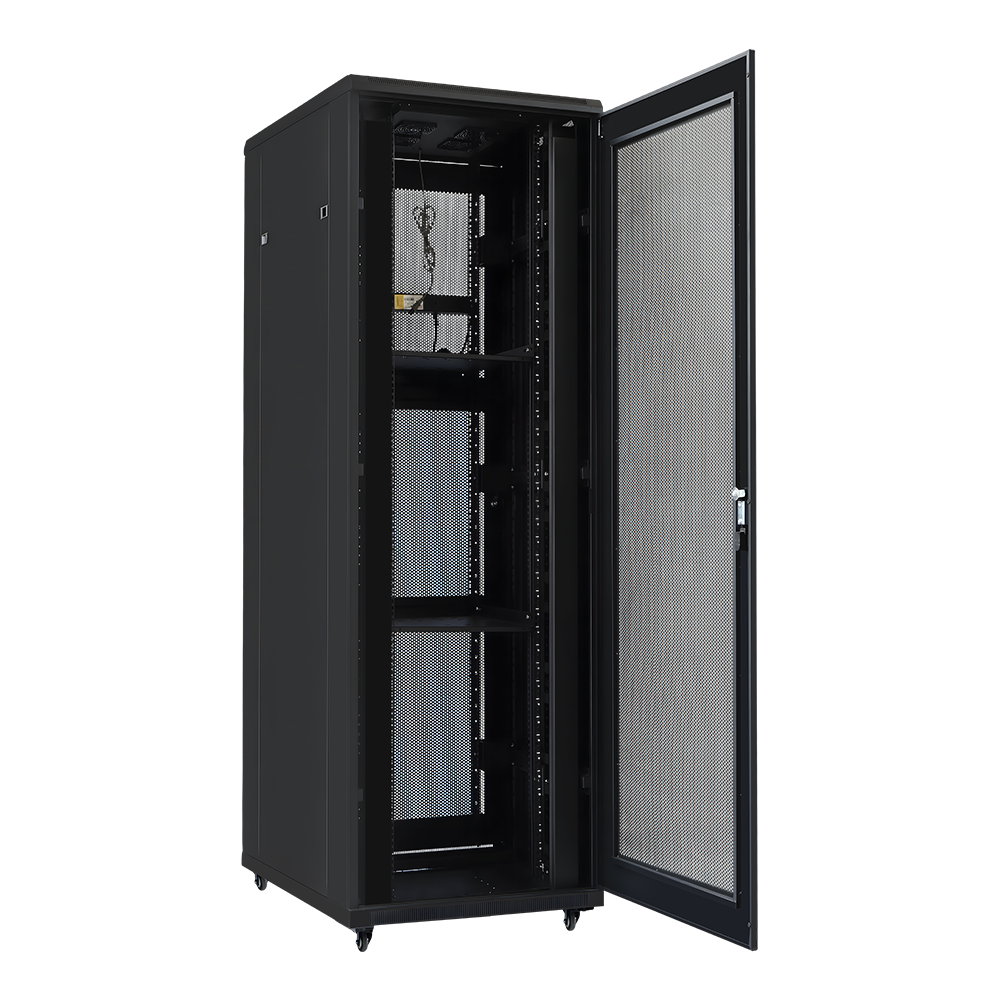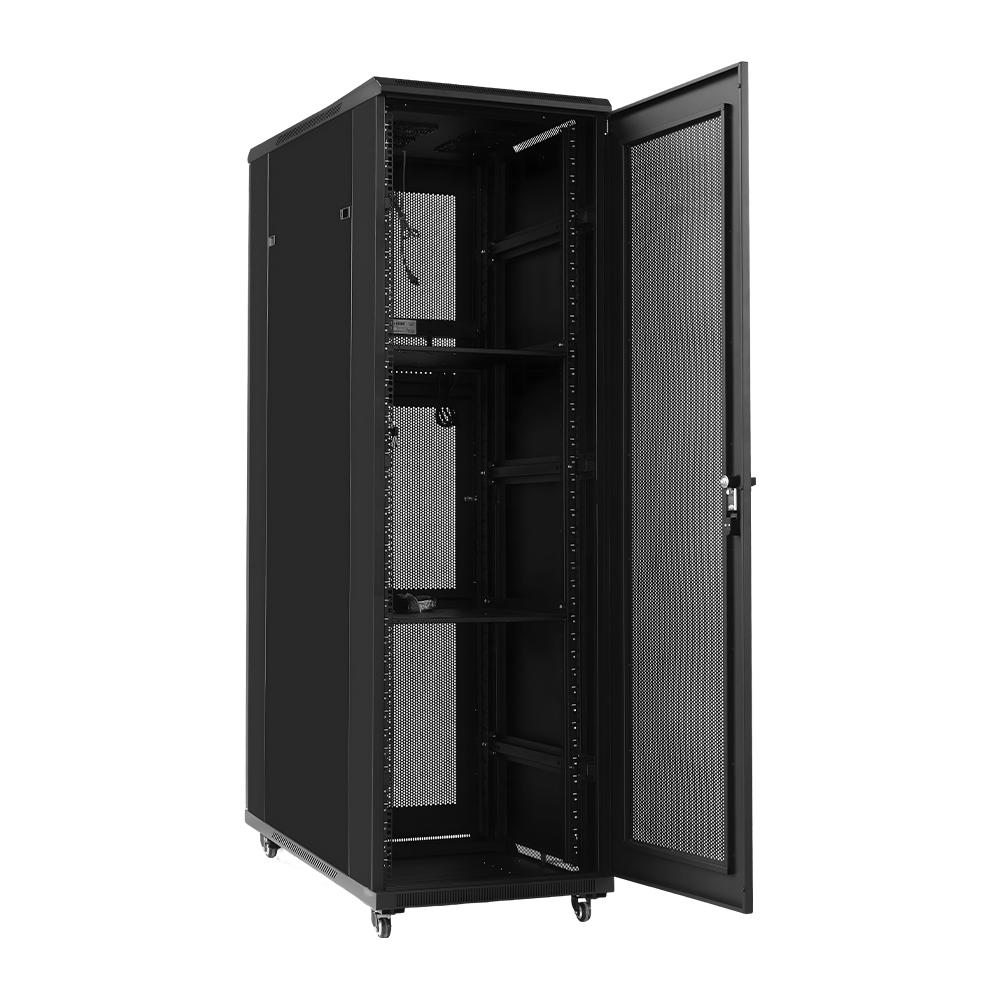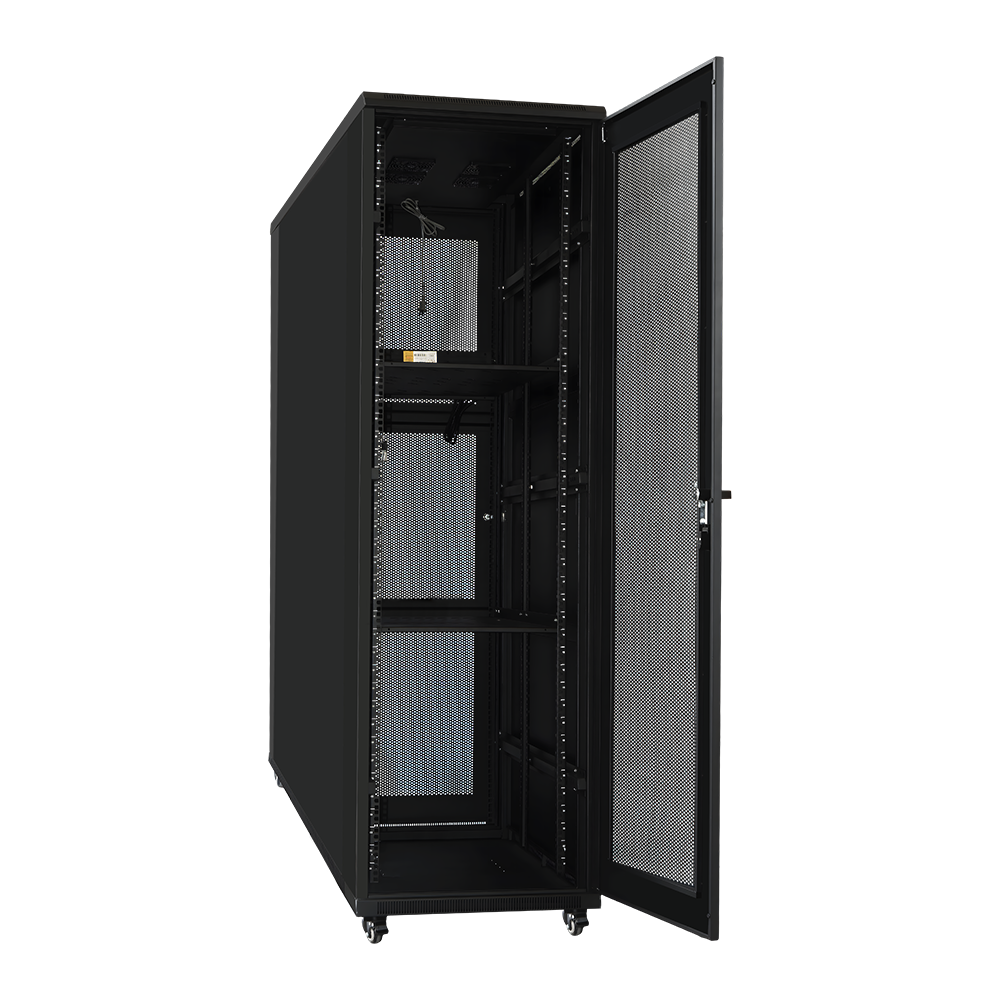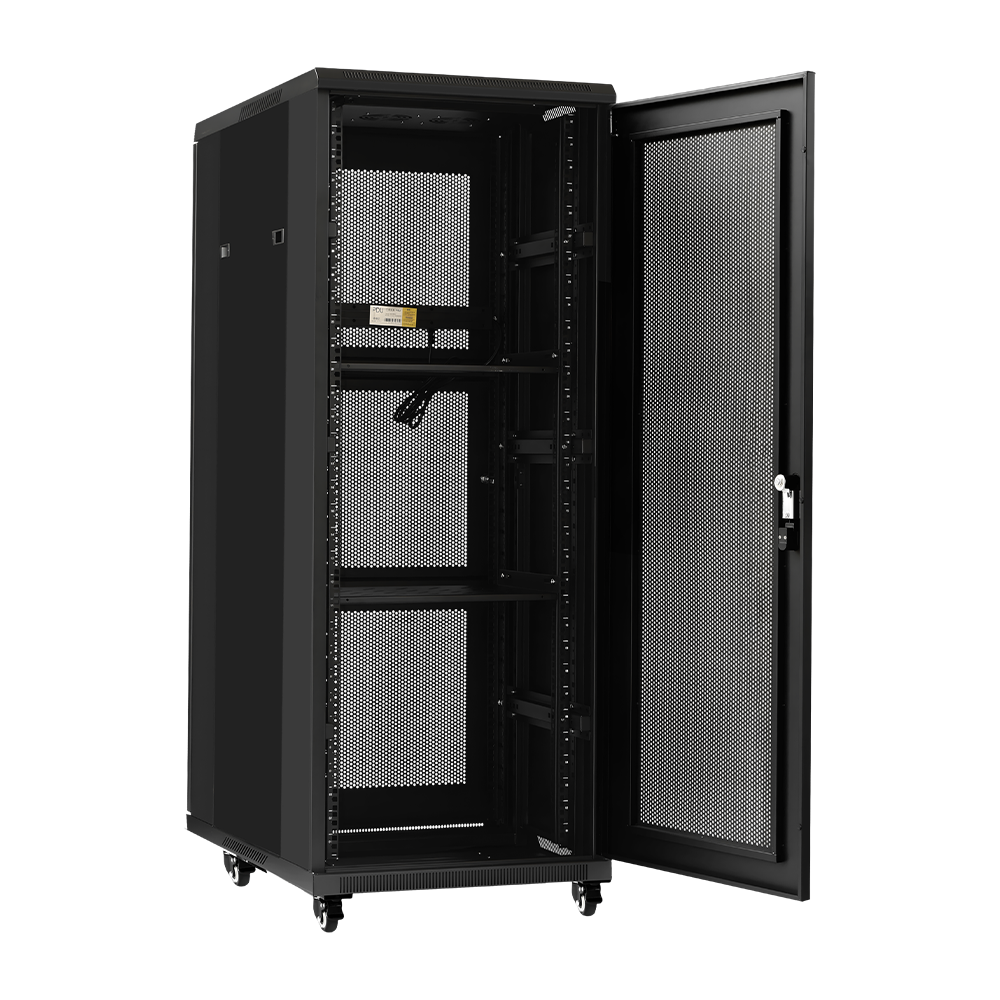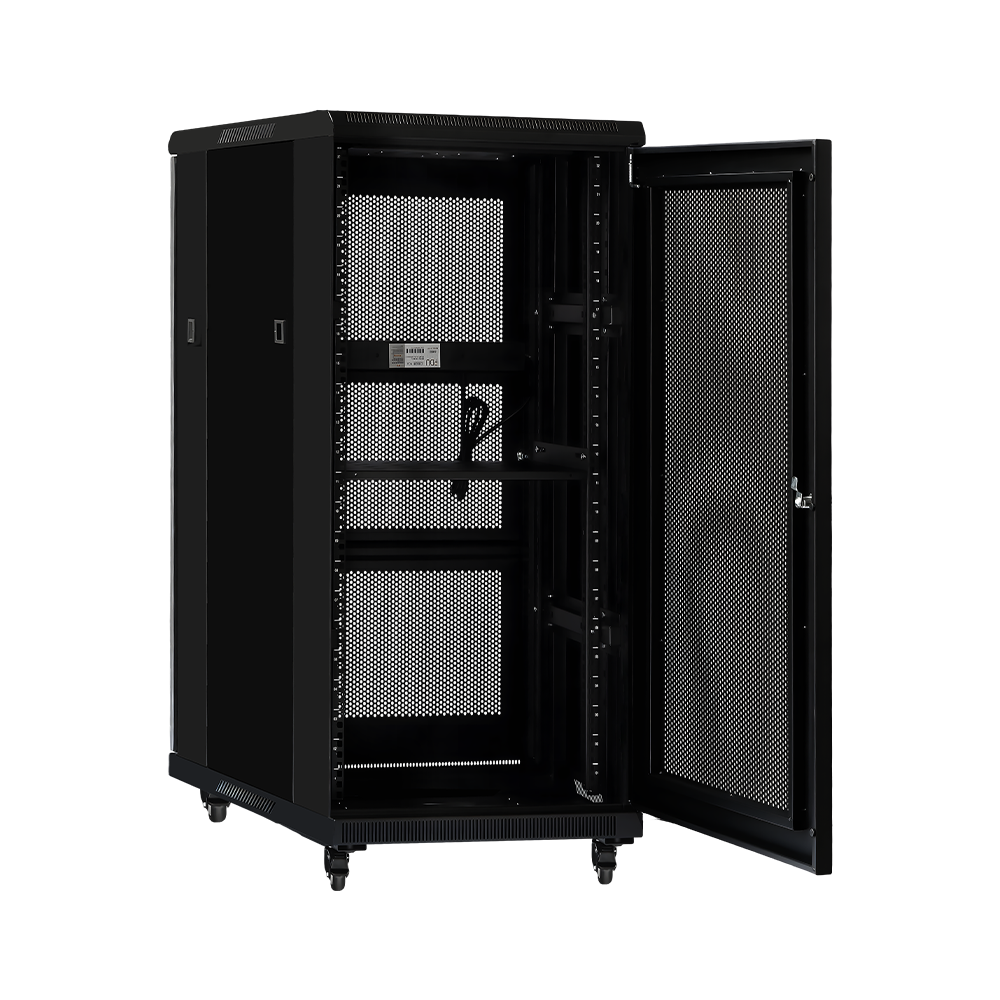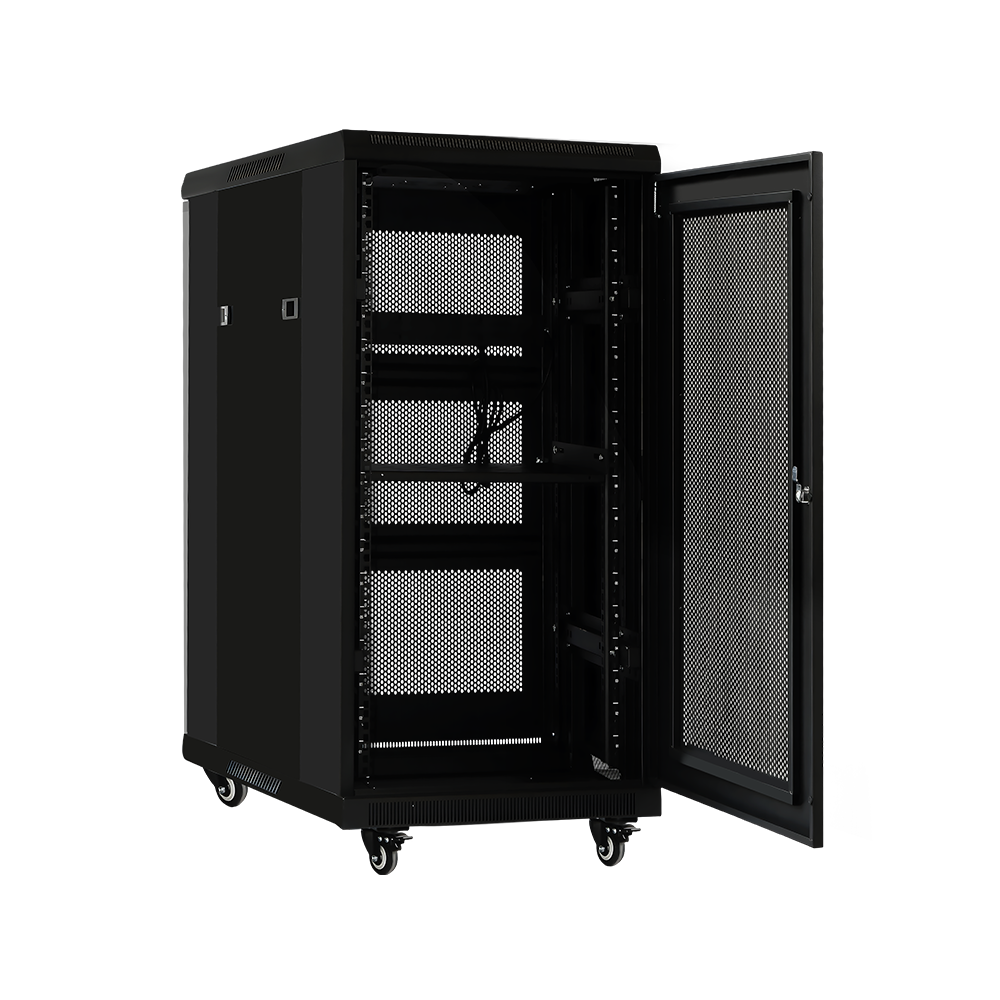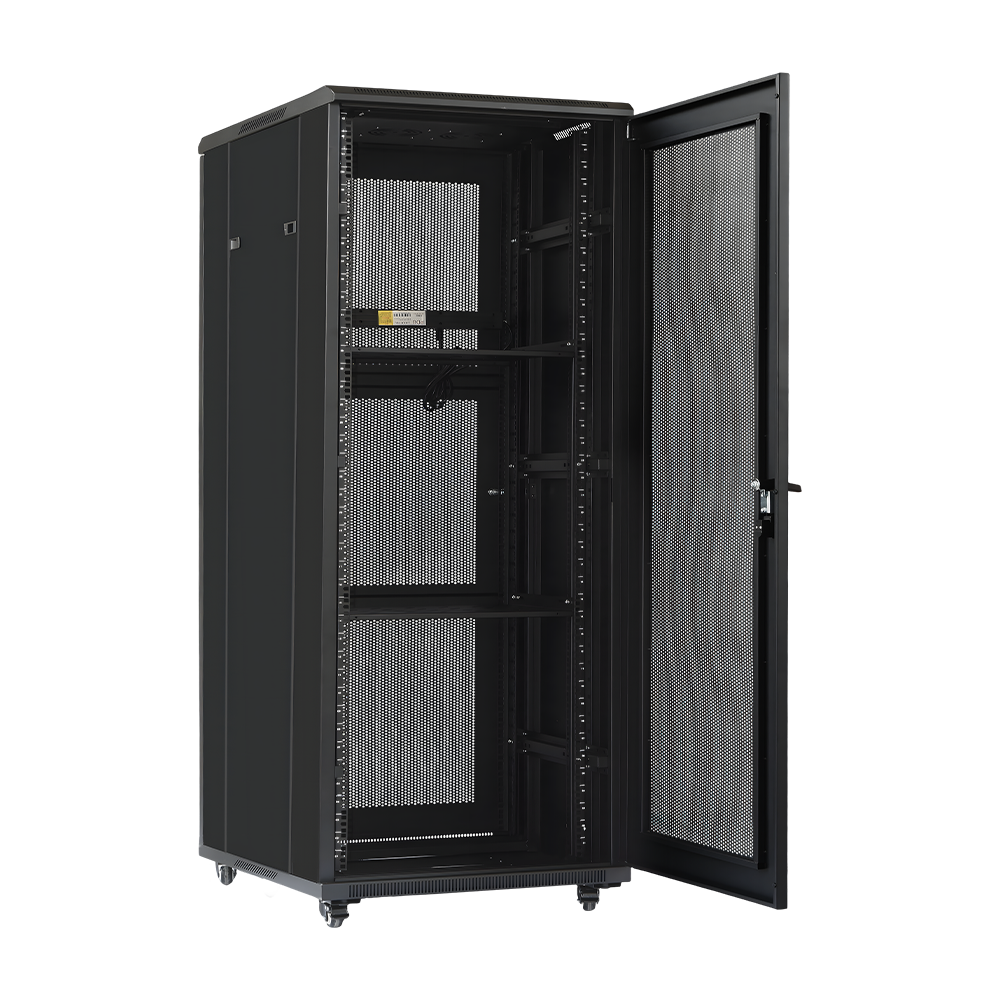


Network cabinets act as "guardians of order," organizing communication devices, storage, and switching hubs, transforming chaos into a structured system.
They create a stable environment by managing heat dissipation, shielding from electromagnetic interference, and isolating core components.
By structuring hardware and cables, cabinets turn scattered components into a unified, efficient system, providing a standardized barrier for data flow.
Don't hesitate to contact when you need us!
We're a reliable partner that shapes our expertise into success for your project.
Oct 12, 2026
The Heated Ceiling Fan: Does It Exist? Smart Heat & Air Circulation Guide If you searched for a heated ceiling fan expecting one appliance that both blows air and warms a room, here is the direct answer: integrated heated ceiling fans exist, but they are a rare, mostly commercial niche. In ordinary homes they rarely make sense, because heat rises. A heating element mounted at ceiling height... read moreOct 05, 2026
Indoor Heaters Buying Guide: Types, Sizing, Wattage, Safety and Cost Tips The right indoor heater is chosen by room size first, heat technology second, and control features last. A 1,300W PTC heater is enough for a bedroom of about 8 to 10 m², while a 2,200W graphene baseboard heater is a better match for a living room of 18 to 22 m². If you also want a visual centerpiece, a 3D flame firepl... read moreSep 28, 2026
Best Heater for Greenhouse: Types, Sizing Tips and Buying Advice | Baopeng Short answer first: for most backyard and small commercial greenhouses, the best heater setup is a thermostat-controlled, fan-forced ceramic heater to hold overall air temperature, backed by a small radiant tube heater aimed at the bench or seed-tray area for direct plant warmth. If you only buy one unit, make it the ... read more
A network cabinet is the physical enclosure that holds switches, patch panels, routers and cabling in one organized, protected space. Depending on where it sits, it may need to behave very differently: a dense server network cabinet in a data room has to manage heat and heavy cable loads, a lockable network cabinet has to restrict who can touch the equipment inside, an outdoor network cabinet has to survive weather and temperature swings, and a small network cabinet has to fit into a tight office or retail closet without wasting space. Understanding how these requirements differ helps buyers pick a cabinet that actually matches the environment it will live in, rather than a generic box that only looks similar on a spec sheet.
The same cabinet shell can be configured very differently once you know where it will be installed. A server network cabinet usually needs deeper depth to fit servers and cable managers, front and rear perforated doors for airflow, and enough rack units to leave room for future expansion. A compact office deployment, on the other hand, calls for a small network cabinet that keeps a footprint under a desk or in a utility corner while still giving technicians workable access to the front and rear.
| Deployment Context | Typical Priority | Common Feature |
|---|---|---|
| Server/data room | Airflow and cable capacity | Perforated doors, deep frame |
| Retail or office closet | Compact footprint | Small network cabinet, wall or floor mount |
| Shared building space | Restricted access | Lockable network cabinet, single or multi-point lock |
| Rooftop, yard or curbside | Weather resistance | Outdoor network cabinet, sealed gaskets |
At Ningbo Baopeng Electric Appliance Co., Ltd, cabinet frames are built to order rather than pulled from a fixed catalog, so depth, rack unit count and door style can be adjusted to whichever of these deployment contexts the cabinet is heading into.
Cabinet longevity has less to do with the badge on the door and more to do with the steel and the coating underneath it. Ningbo Baopeng Electric Appliance Co., Ltd builds its enclosures from high-quality SPCC cold-rolled steel and applies surface treatments such as phosphating, electrostatic powder coating and electrophoretic priming, which together give the panels stronger structural stability and better corrosion resistance than an untreated or lightly coated shell. This layered approach matters most for an outdoor network cabinet, where the enclosure is exposed to humidity, temperature swings and airborne particles that would otherwise attack bare metal seams and hinge points over time.
None of these values are lab measurements; they simply illustrate why each added step, working together, improves resistance rather than relying on a single coating alone.
Firewalls and passwords protect data, but nothing stops someone from unplugging a switch or swapping a patch cable except the cabinet door itself. That is the core job of a lockable network cabinet: it turns a shared equipment room into a controlled space where only authorized staff can open the front or rear panel. With solid engineering expertise and precision manufacturing capability, Ningbo Baopeng Electric Appliance Co., Ltd designs lock points, hinges and frame joints to sit flush and close evenly, since a warped or loosely fitted door undermines the lock no matter how strong the lock cylinder itself is.
A lockable cabinet is really the sum of these five points working together, not just the lock cylinder alone; if the frame flexes or a hinge sags over time, the gap it creates can defeat an otherwise solid lock.
Because every project has a different mix of rack sizes, door types and mounting needs, cabinets are rarely a true off-the-shelf purchase. Ningbo Baopeng Electric Appliance Co., Ltd customizes each network cabinet order according to the customer's specifications and runs a third-party inspection before the finished units are shipped, so issues are caught before the cabinet leaves the factory rather than after installation. The company operates as a factory rather than a trading intermediary, working directly with customers on production, and its facility is located in Cixi, Zhejiang Province, China, a location chosen for convenient transportation and logistics access.
The standard production lead time is 50 calendar days from order confirmation and deposit receipt, a timeline set to maintain quality control while managing the manufacturing process efficiently rather than rushing a batch through. The company also draws on extensive experience gained from long-term cooperation with first and second-tier domestic home appliance brands, which is the kind of production discipline that carries over well into network cabinet manufacturing, where consistent panel gauge and fitment matter as much as the finished coating.
Buyers sourcing a small network cabinet for a single site or a larger batch of enclosures for a multi-site rollout can both request the same customization process, since the sizing and finish are configured per order rather than fixed in advance.
A server network cabinet is typically deeper and has stronger load capacity to support server chassis, plus more attention to front-to-rear airflow, while a general network cabinet may only need to hold switches and patch panels.
Yes, that is the point of an outdoor-rated enclosure: sealed doors, coated panels and a weather-resistant frame let it sit outside on a wall, pole or pad instead of inside a climate-controlled room.
It depends on planned growth; a small cabinet fits a limited number of rack units well, so it makes sense to leave a few units of spare space rather than filling it completely on day one.
The lock matters less than how well the door, frame and hinges fit together; a mismatched frame can leave a gap that reduces the security benefit even with a strong lock cylinder installed.
Don't hesitate to contact when you need us!
For any questions and feedback from customers, we will reply patiently and meticulously.

The product has obtained multiple domestic and international certifications, including 3C, CE, ROHS, CB, and the ISO9001 quality management system.
CONTACT US
Address: No. 118, Guyao Highway, Zhangqi Town, Cixi City, Zhejiang Province, China
Wechat: +86-15921162693
Email: [email protected]
Mobile



 English
 Español
 عربى
عربى