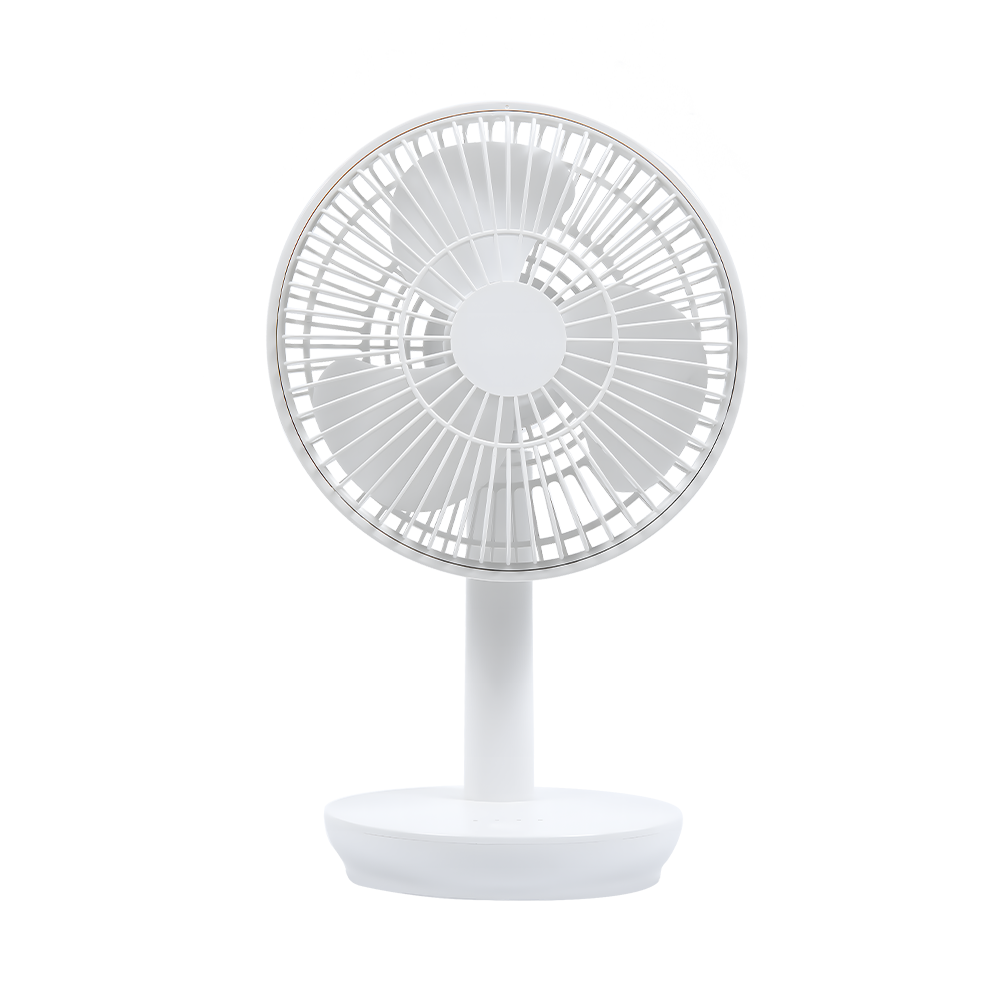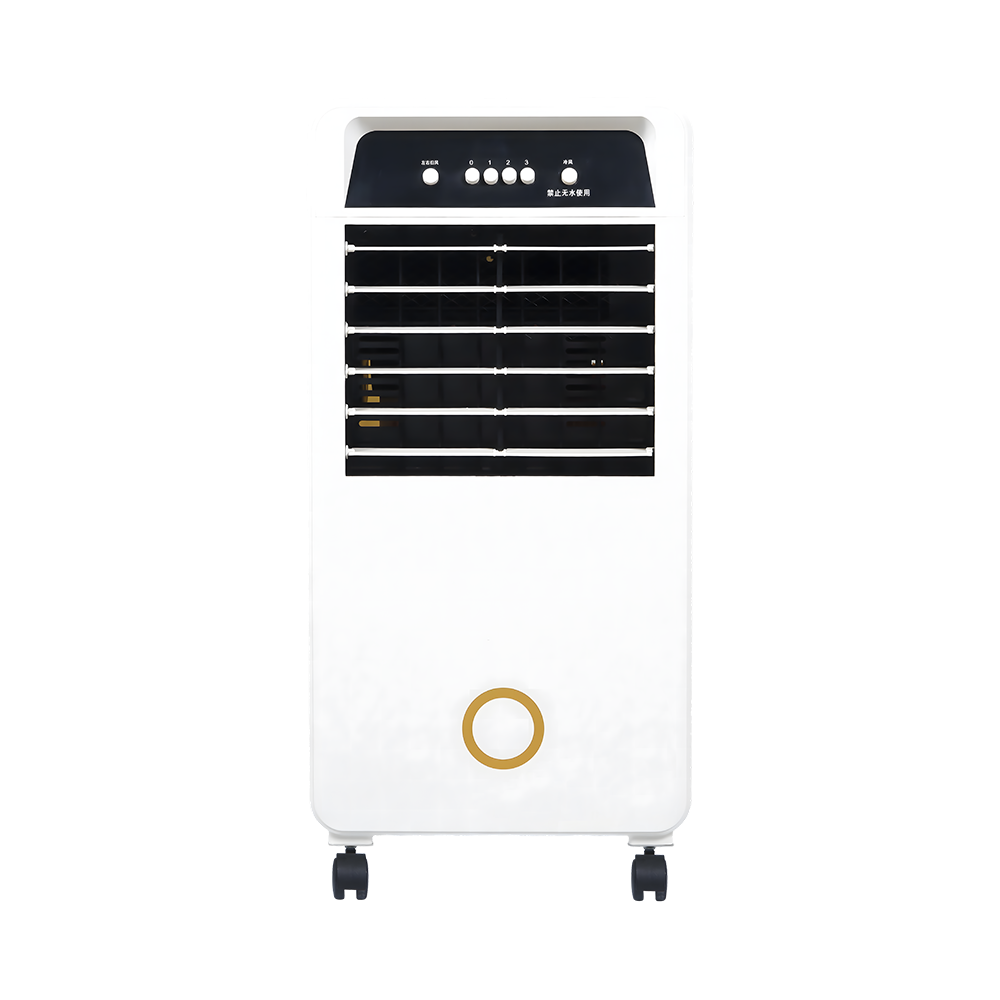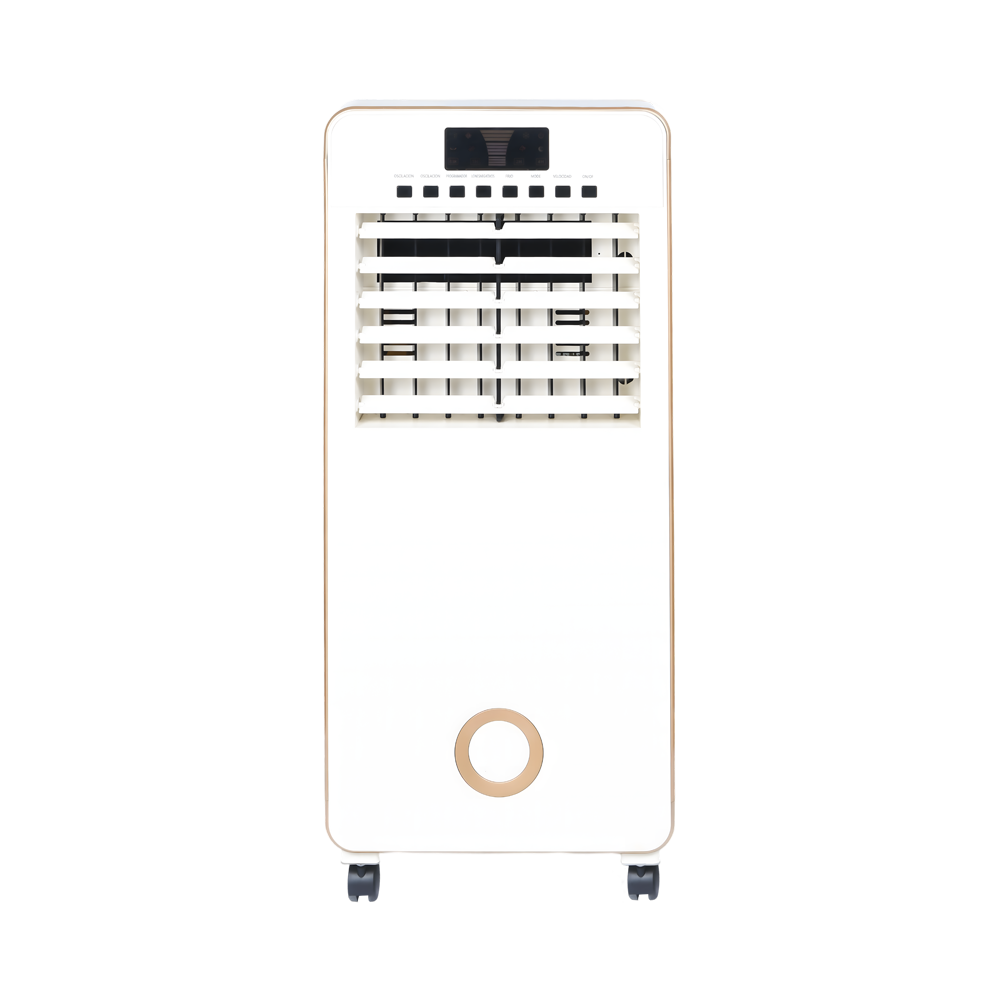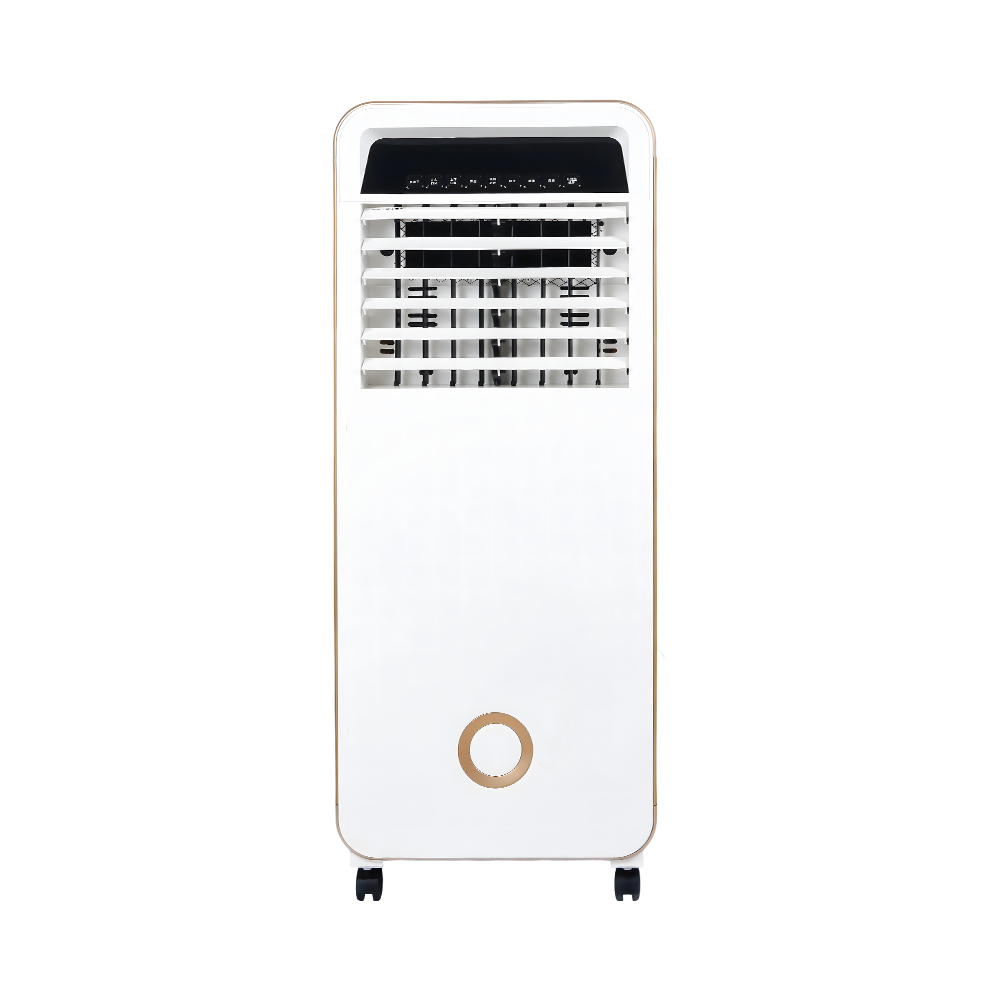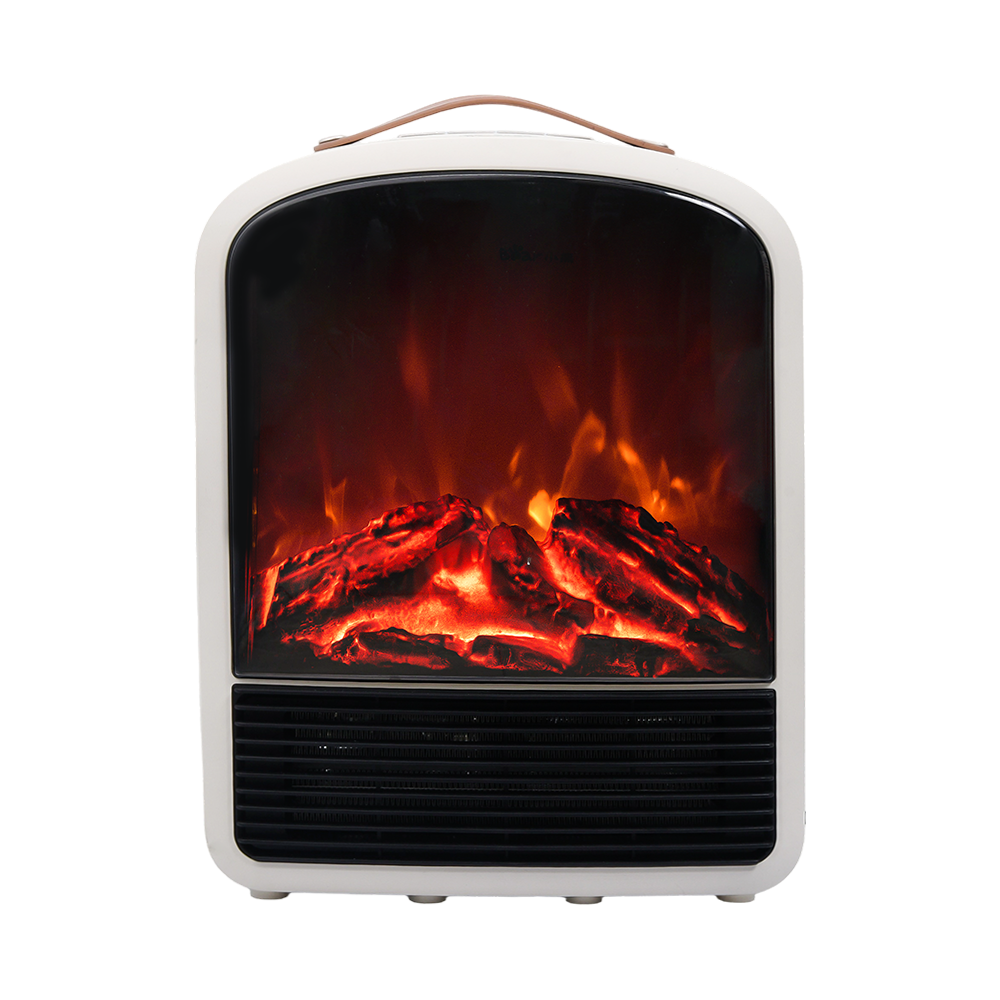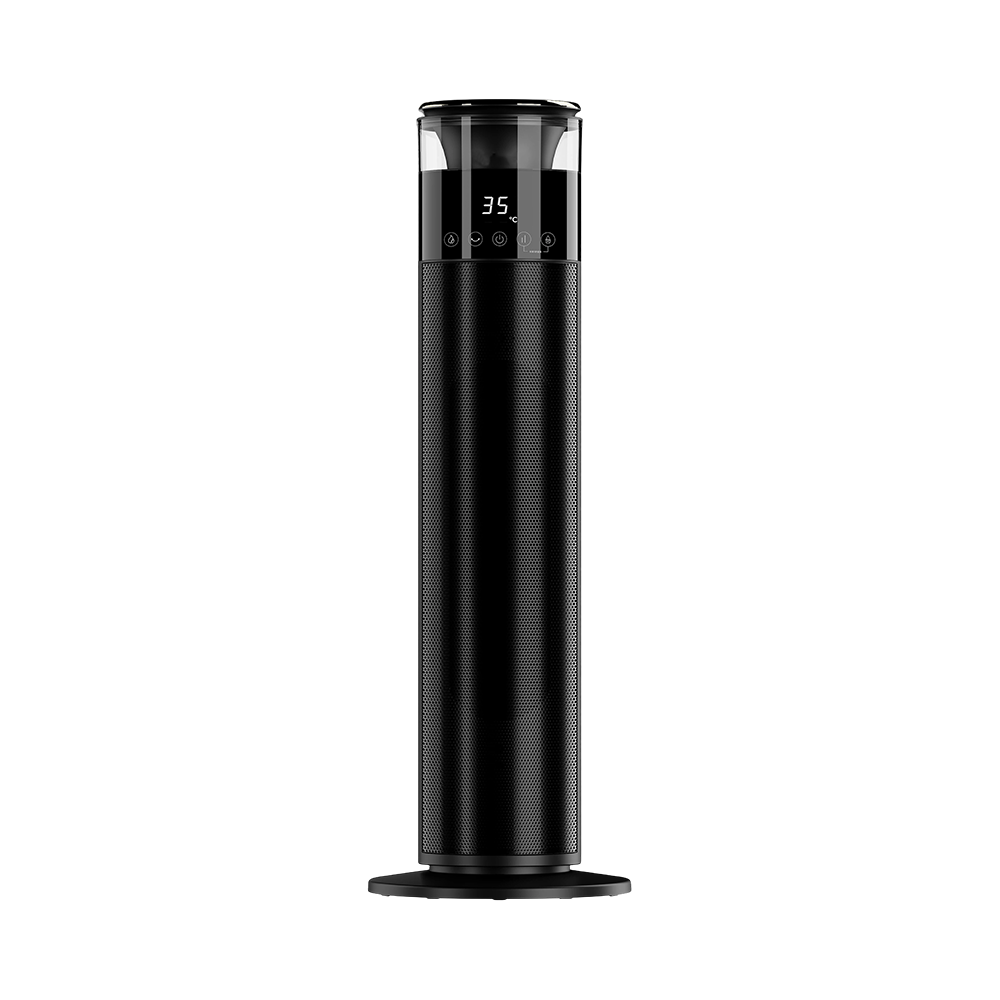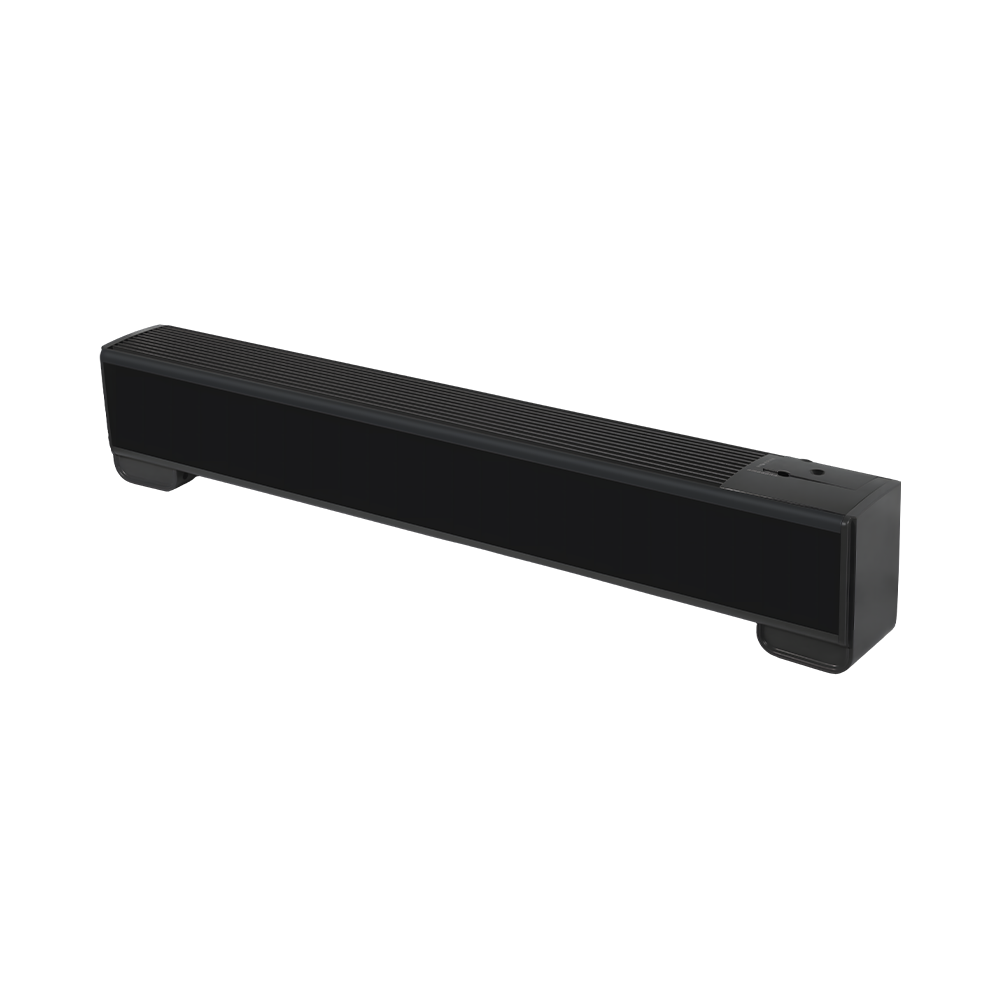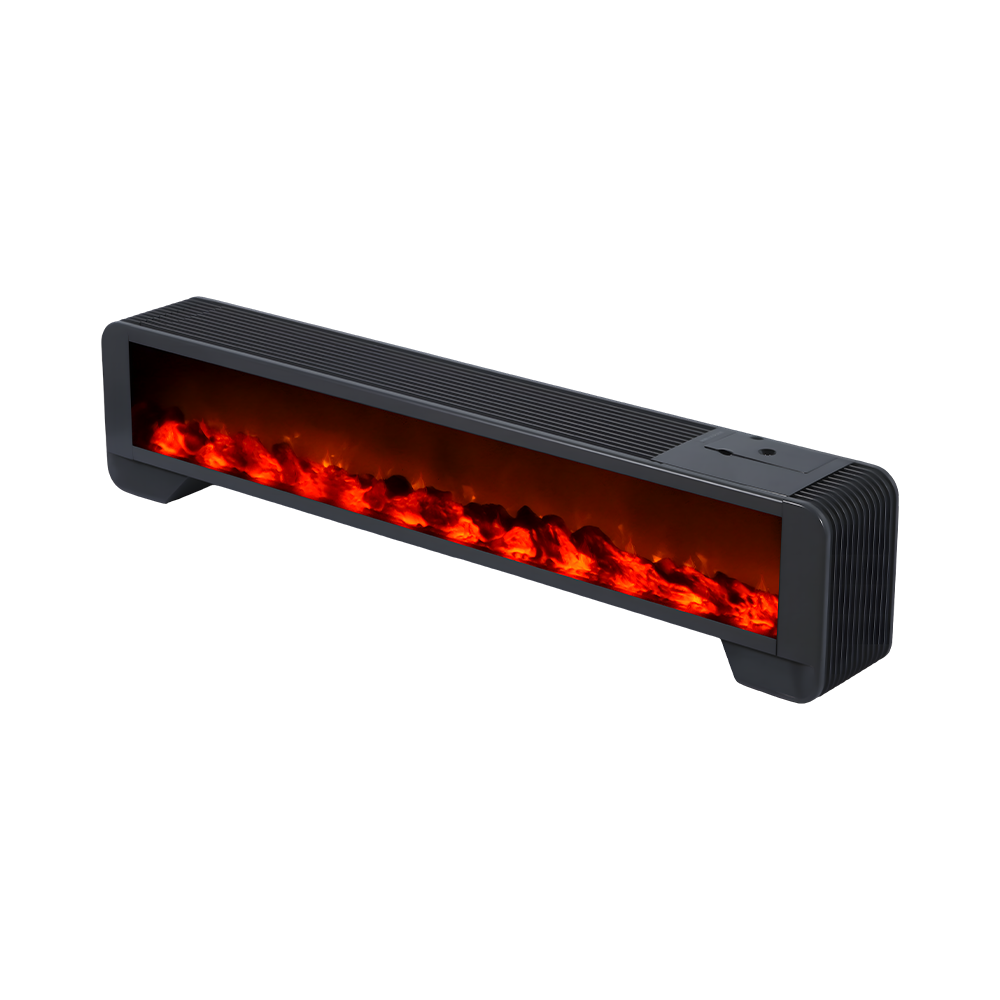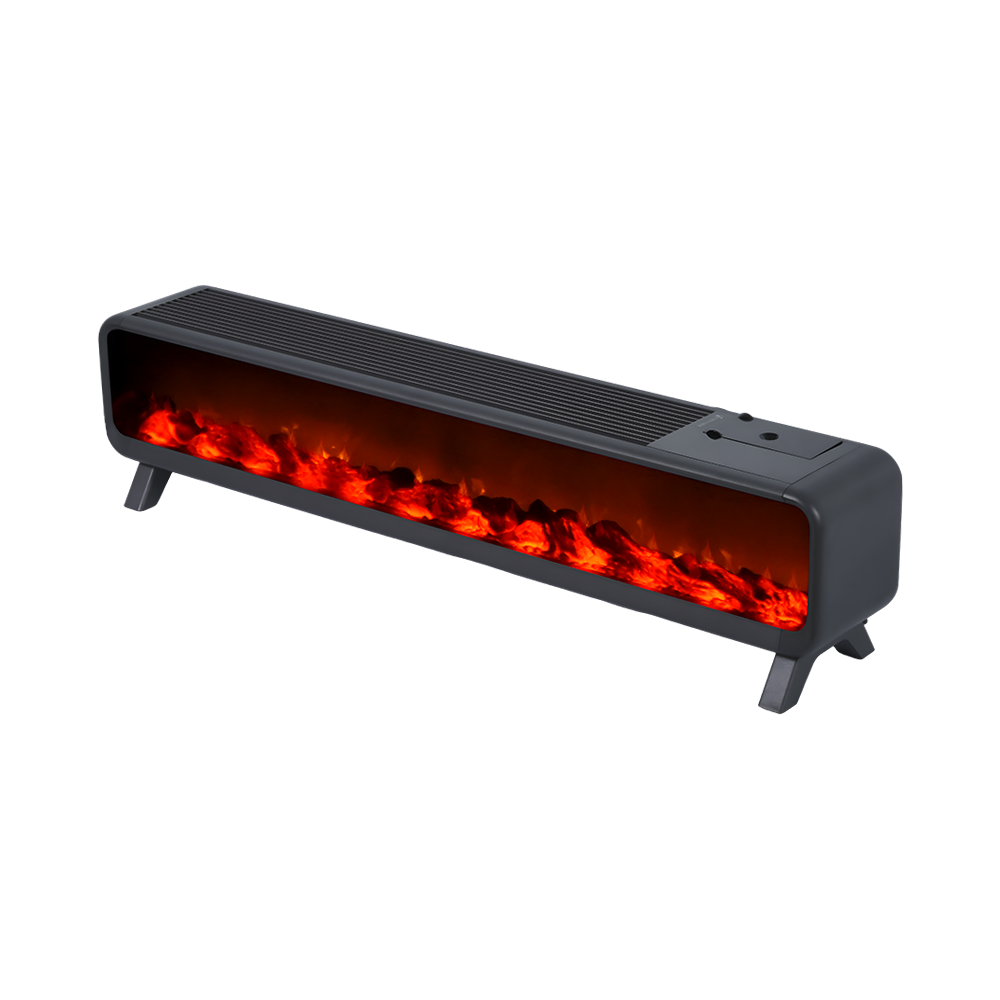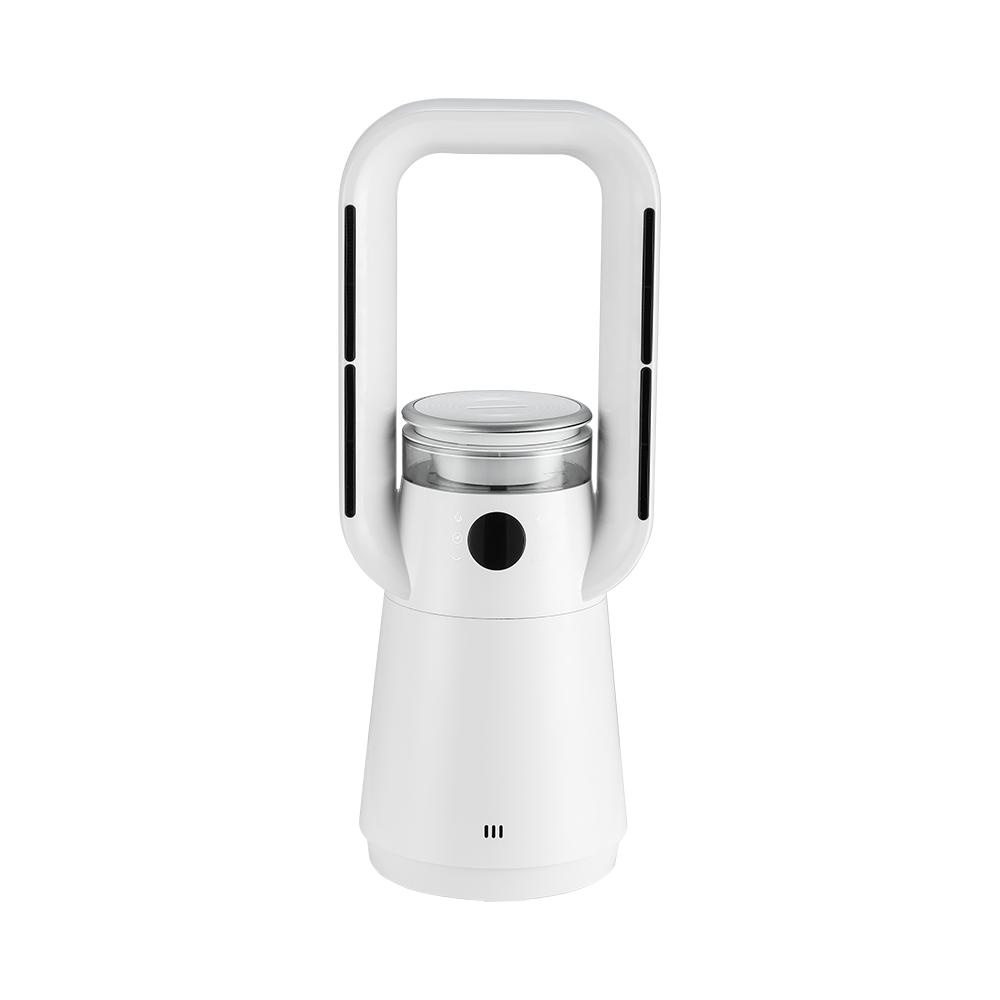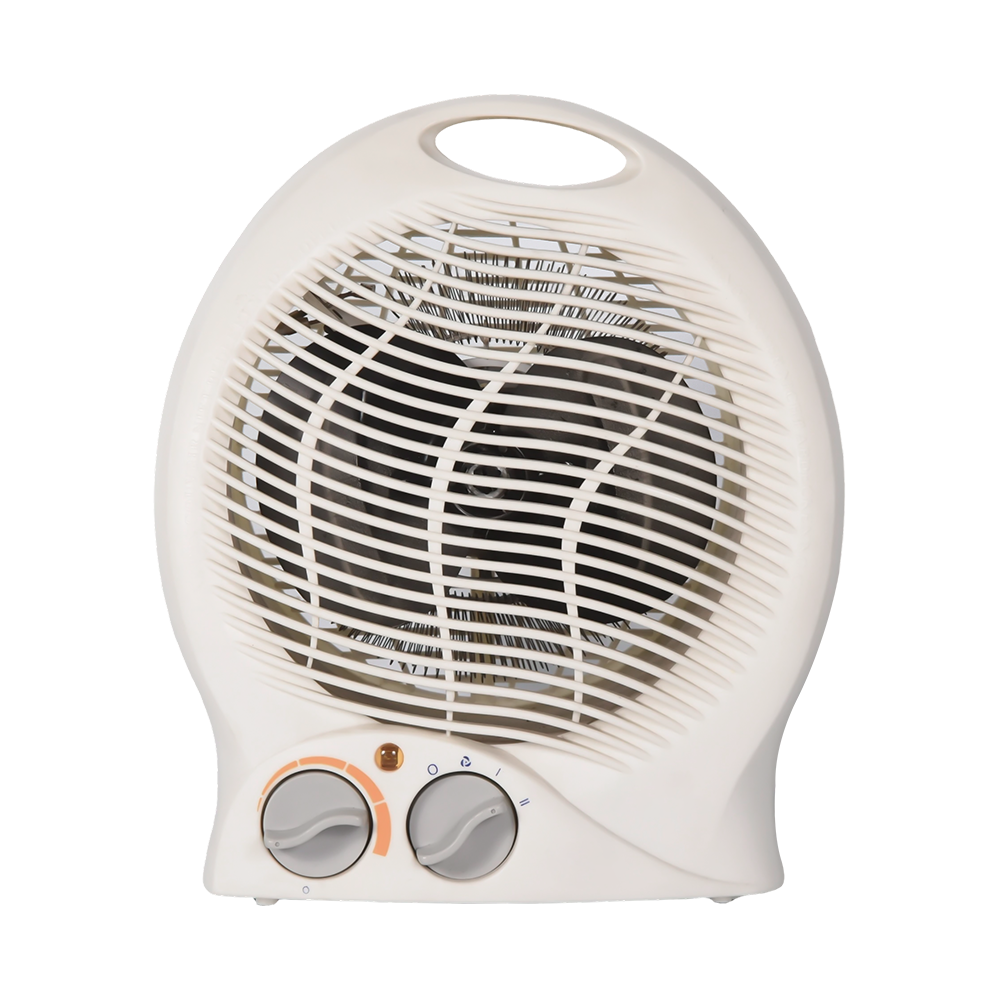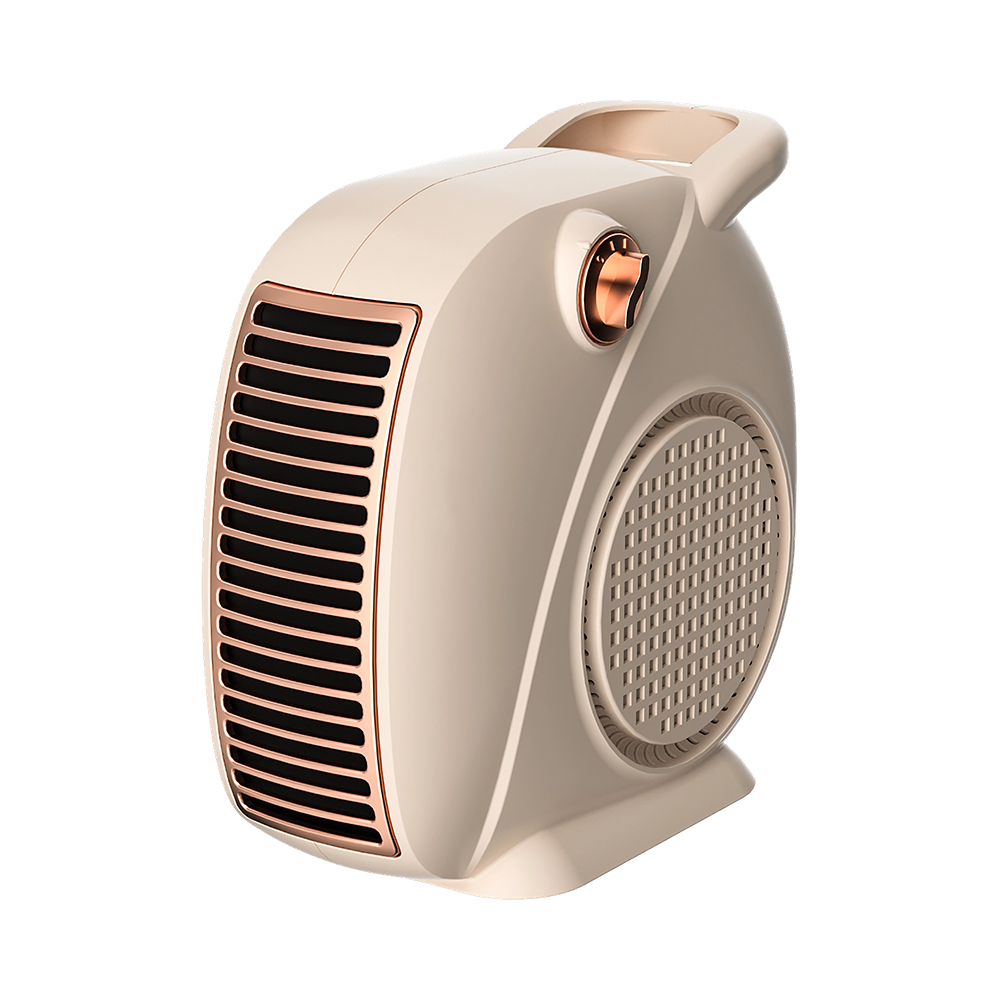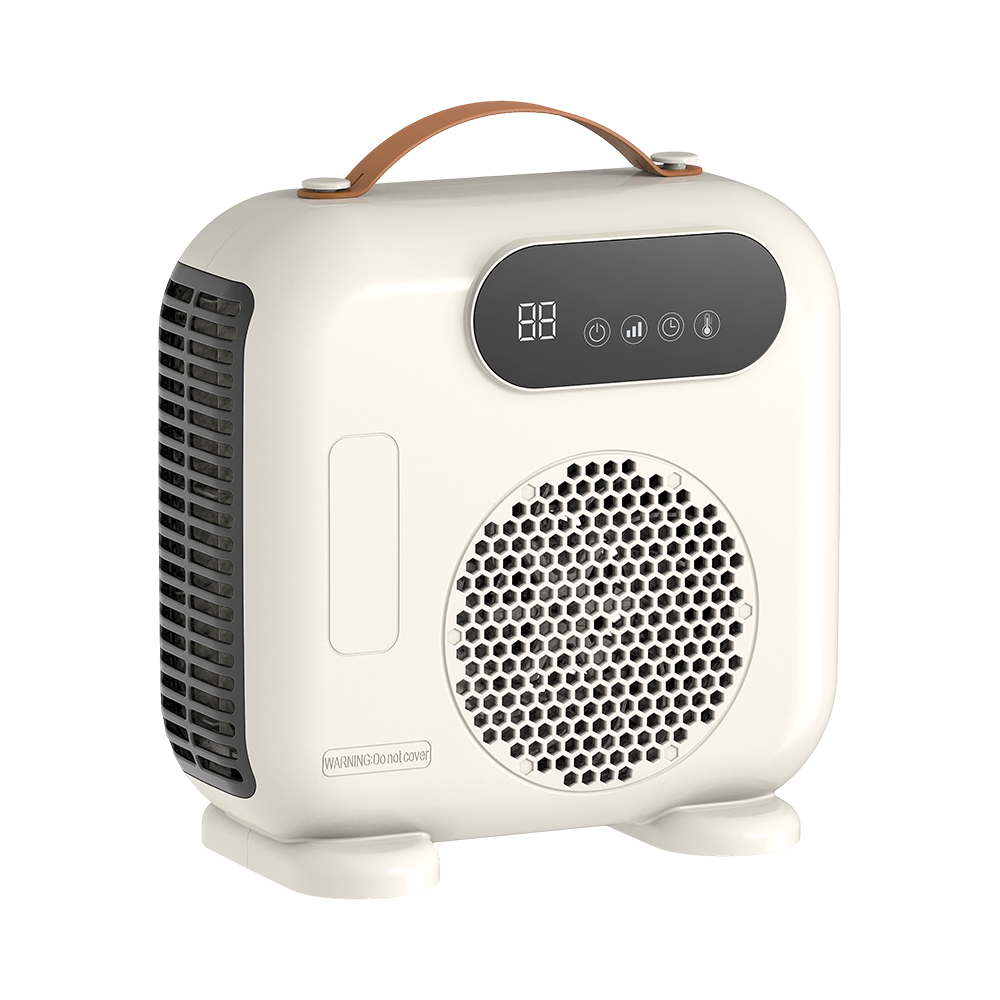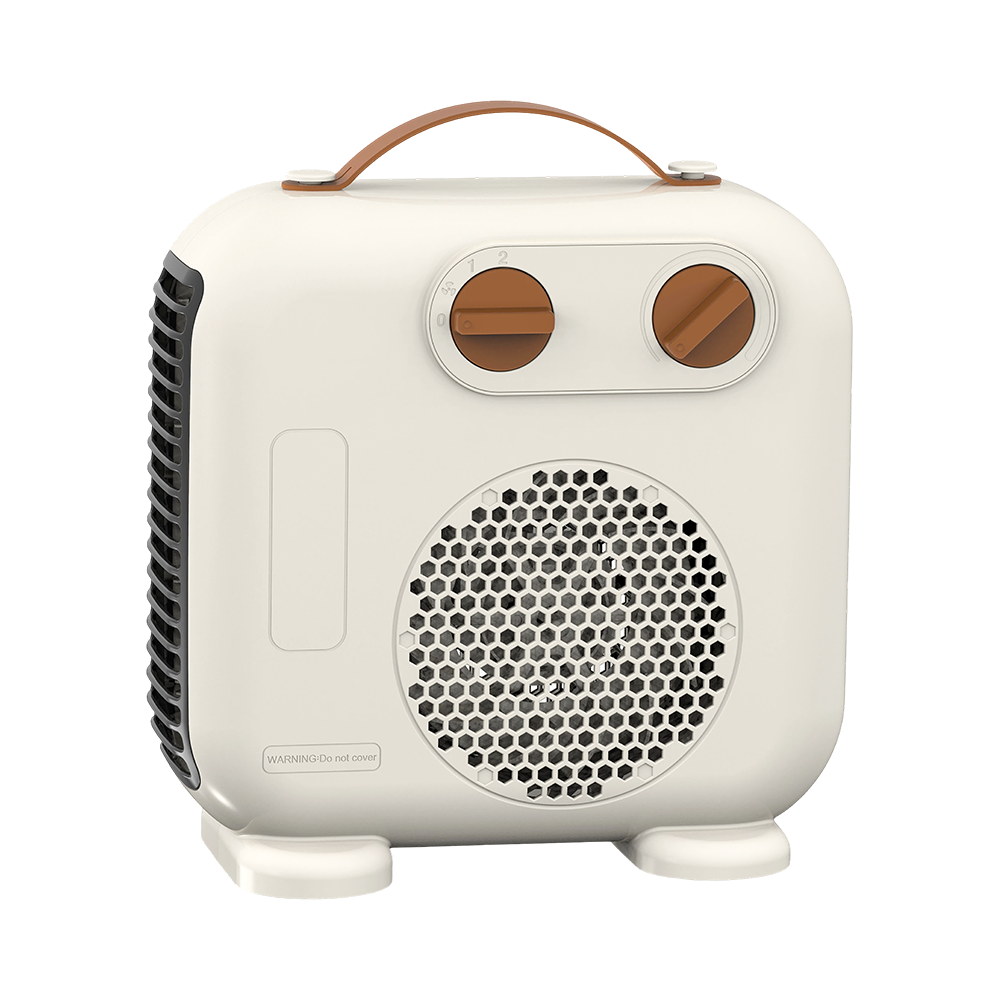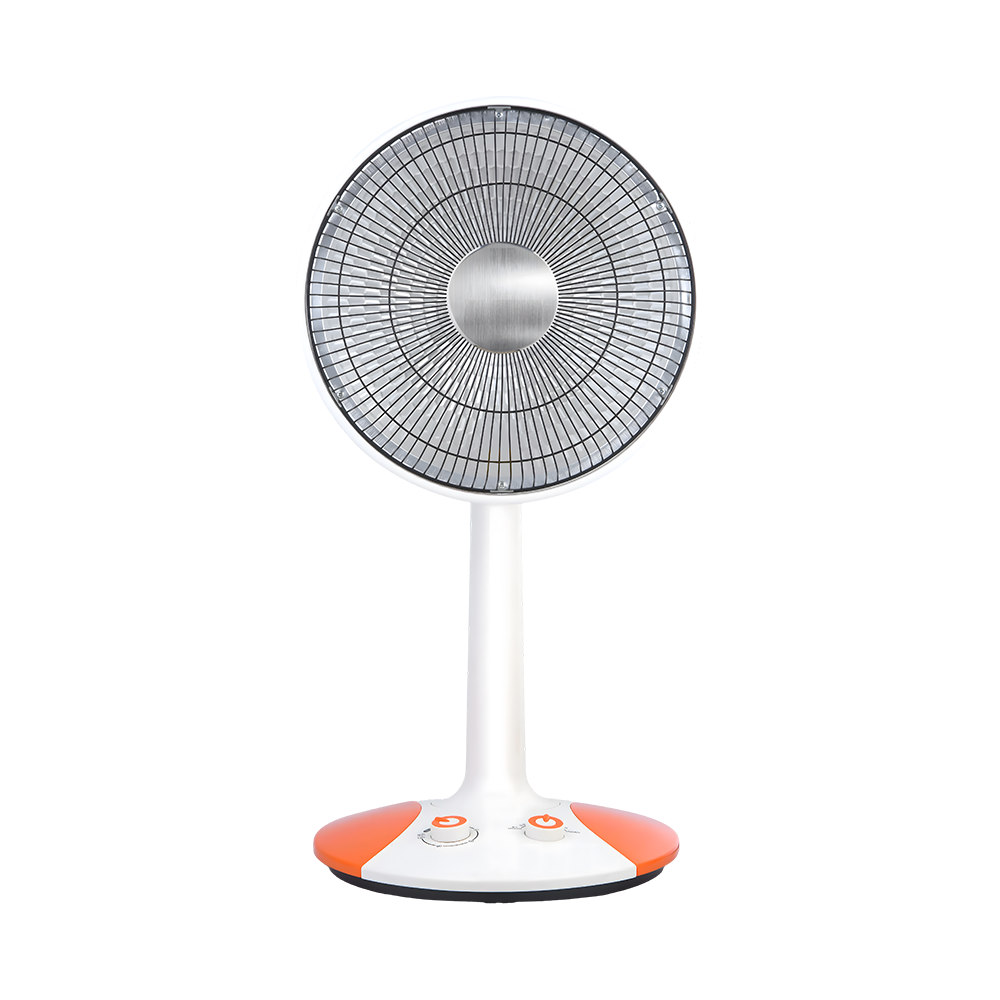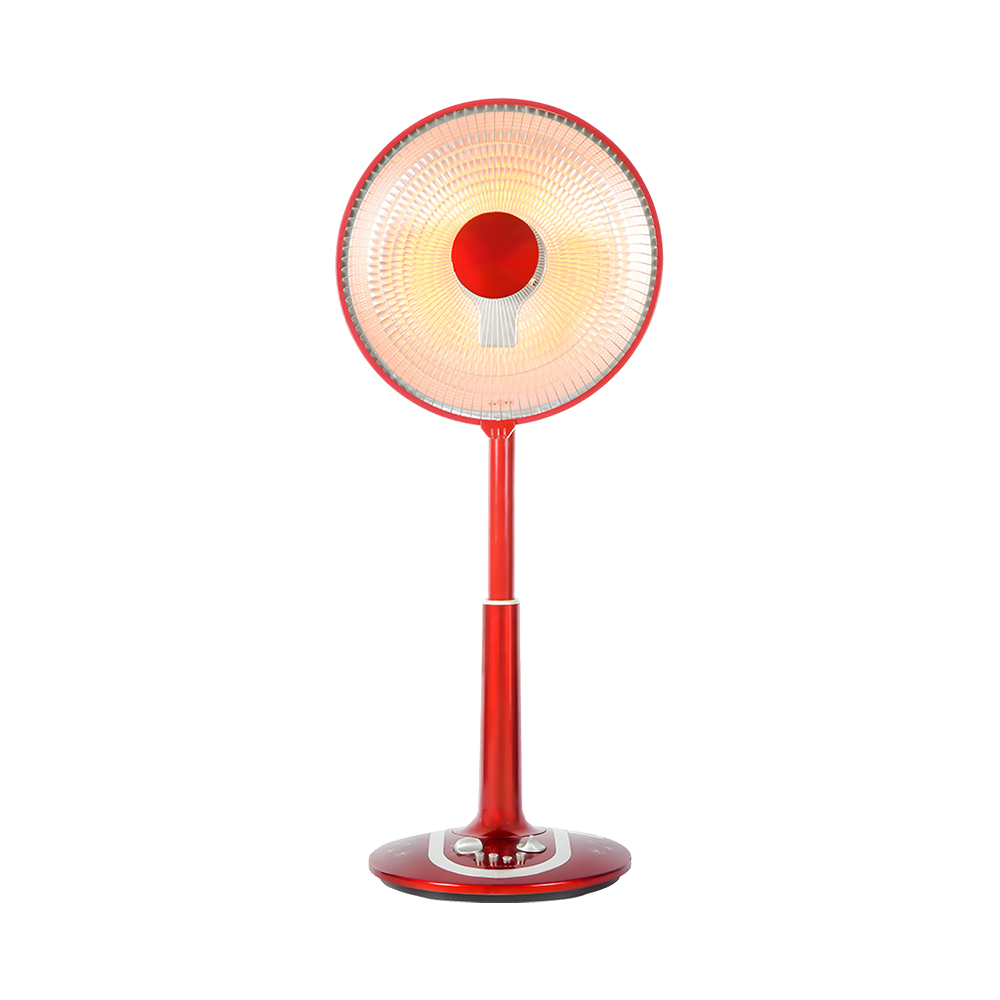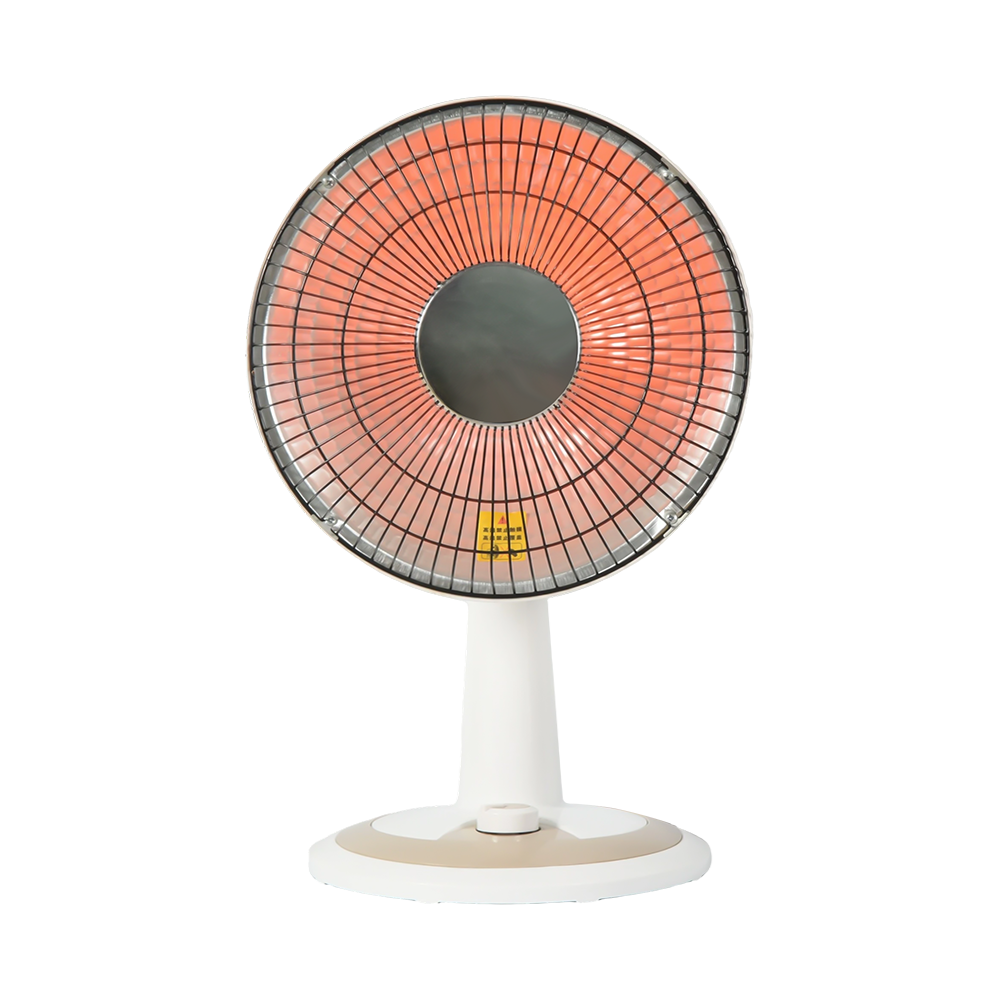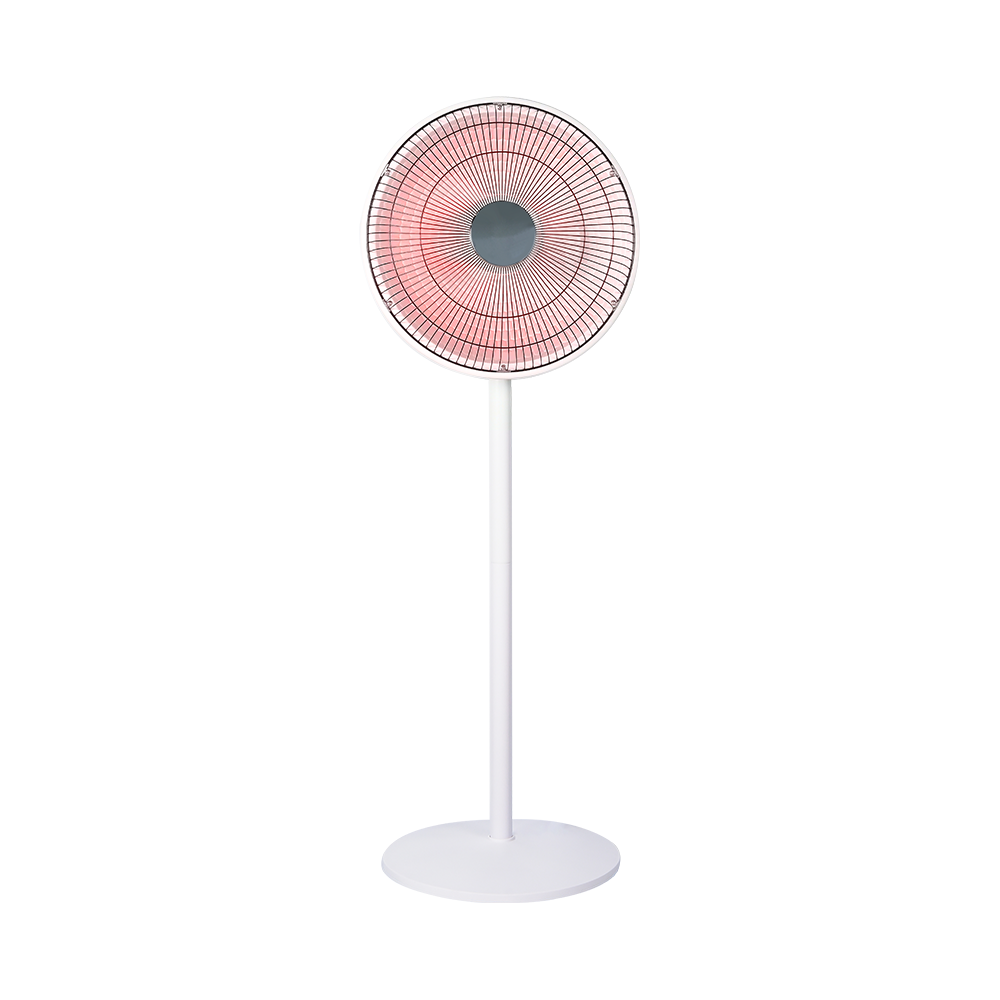

Heating wire heaters generate invisible light waves that penetrate the air and directly heat surfaces, such as skin, clothing, or furniture.
Instead of heating air, they provide direct heat to the target area, offering a deep, comfortable warmth similar to sunlight.
Ideal for creating a cozy home atmosphere, drying processes, or therapeutic uses, due to its gentle, localized, and efficient heating method.
Don't hesitate to contact when you need us!
We're a reliable partner that shapes our expertise into success for your project.
Oct 12, 2026
The Heated Ceiling Fan: Does It Exist? Smart Heat & Air Circulation Guide If you searched for a heated ceiling fan expecting one appliance that both blows air and warms a room, here is the direct answer: integrated heated ceiling fans exist, but they are a rare, mostly commercial niche. In ordinary homes they rarely make sense, because heat rises. A heating element mounted at ceiling height... read moreOct 05, 2026
Indoor Heaters Buying Guide: Types, Sizing, Wattage, Safety and Cost Tips The right indoor heater is chosen by room size first, heat technology second, and control features last. A 1,300W PTC heater is enough for a bedroom of about 8 to 10 m², while a 2,200W graphene baseboard heater is a better match for a living room of 18 to 22 m². If you also want a visual centerpiece, a 3D flame firepl... read moreSep 28, 2026
Best Heater for Greenhouse: Types, Sizing Tips and Buying Advice | Baopeng Short answer first: for most backyard and small commercial greenhouses, the best heater setup is a thermostat-controlled, fan-forced ceramic heater to hold overall air temperature, backed by a small radiant tube heater aimed at the bench or seed-tray area for direct plant warmth. If you only buy one unit, make it the ... read more
A heating wire heater turns electrical resistance into controllable, distributed warmth, and it sits at the core of a wide range of seasonal and small household appliances — from portable space heaters and towel warmers to defrosting elements and drying racks. Unlike heat lamps or ceramic plates, a heating wire heater relies on a resistance wire, most commonly a nickel-chromium or iron-chromium-aluminum alloy, that is wound or laid across a frame, insulated, and shaped to match the appliance it powers. Getting the wire gauge, wattage, and layout right at the specification stage is what separates an element that heats evenly and lasts for years from one that fails early or wastes energy.
At Ningbo Baopeng Electric Appliance Co., Ltd., which has worked in the seasonal appliance industry since it was founded in 2002, wire selection is treated as the starting point of any heating wire heater build rather than an afterthought. Three variables decide how an element behaves in service: the alloy's resistivity, the wire's cross-sectional gauge, and the way the sheath or insulating layer manages heat transfer to the surrounding air. A finer wire concentrates wattage into a smaller surface and reaches temperature faster, while a thicker wire spreads the same load over a larger area and runs cooler for longer, which matters for appliances that stay switched on for extended periods.
The sheath or bead insulation around the wire also shapes durability. Mica-wrapped elements resist repeated thermal cycling well, ceramic bead insulation tolerates higher continuous temperatures, and silicone-coated wire suits lower-wattage, flexible applications such as wrap-around warmers. None of these choices work in isolation — a wire gauge chosen without matching insulation tends to age unevenly, developing hot spots long before the alloy itself would fail.
| Wire Gauge Range | Typical Wattage Density | Common Application |
|---|---|---|
| Fine gauge | Higher density, faster response | Portable space heaters, hand dryers |
| Mid gauge | Balanced density and lifespan | Towel warmers, drying racks |
| Heavier gauge | Lower density, longer duty cycles | Defrosting panels, continuous-use appliances |
Not every appliance needs the same wire layout. A straight or ribbon-style element tends to reach working temperature the quickest, a coiled wire spreads out over a longer path and warms more gradually but holds heat more evenly, and a bare wire mesh panel favors surface area over speed, which suits low, steady background warmth. The chart below reflects the general order in which these layouts typically reach usable temperature — it is a relative comparison based on common construction practice, not a measured test result.
Straight / ribbon wire
Coiled wire
Bare wire mesh panel
Relative heat-up speed by wire layout, longer bar indicates faster response
Choosing between these layouts is really a question of matching the element to how the appliance will be used. Buyers sourcing a Heating Wire Heater for a fast-cycling portable unit usually lean toward straight or ribbon configurations, while appliances designed to run for hours at a lower, steadier output are better served by coiled or mesh layouts. Ningbo Baopeng adjusts the wire path and coil pitch case by case rather than defaulting to one layout across every order, since the appliance's duty cycle drives the decision as much as its wattage rating does.
Sourcing a Heating Wire Heater for a new or existing appliance line typically starts with the buyer's own drawings, target wattage, and mounting constraints, which the factory then translates into a wire gauge, coil pitch, and terminal layout. Because every appliance housing is shaped differently, the element itself is rarely a true off-the-shelf part — it is built to fit. This is the part of the process where Ningbo Baopeng's setup as a direct manufacturing factory in Cixi, Zhejiang Province matters most: the product is customized according to each customer's requirements, the factory location keeps transportation and logistics straightforward, and every order goes through a third-party inspection before it ships.
On timing, the standard production lead time is 50 calendar days counted from order confirmation and receipt of the deposit, a schedule kept stable enough to protect quality control while still moving the order through manufacturing efficiently. The chart below compares standard catalog-style production against a fully customized order across the factors buyers usually weigh when planning a heating wire heater order.
■ Standard catalog production ■ Customized production — illustrative comparison based on typical factory practice
Wattage flexibility and wire gauge options widen considerably once an order moves from a fixed catalog spec to a fully customized build, while lead time predictability stays roughly comparable because it is governed more by the production schedule than by how customized the element is. That predictability is part of why long-term buyers keep coming back: Ningbo Baopeng's experience gained from long-term cooperation with first and second-tier domestic home appliance brands is what keeps product quality reliable and stable order after order.
Service life depends more on how the element is used than on a fixed number — frequent full-power cycling and poor insulation matching shorten life, while steady duty cycles and a well-matched sheath extend it. Alloy quality and consistent manufacturing are the two factors a buyer can actually control at the sourcing stage.
Yes. Wattage is set by wire gauge, total wire length, and coil pitch, so the same basic layout can be scaled up or down to fit a range of housing sizes without redesigning the element from scratch.
Uneven heating is most often traced back to an inconsistent coil pitch, a poor mechanical connection at the terminals, or insulation that doesn't match the wire's operating temperature. Careful winding and terminal assembly during manufacturing prevent most of these issues before they reach the field.
It is, and this is where working directly with a factory helps — dimensions, terminal type, and mounting points can be built to match an existing appliance housing rather than forcing the housing to adapt to a standard part. Ningbo Baopeng handles this kind of custom specification as part of its regular production process, with each order inspected by a third party before shipment.
Planning around the standard 50 calendar day production window, counted from order confirmation and deposit receipt, gives enough margin to account for any specification adjustments early in the process without putting the appliance's launch schedule at risk.
Don't hesitate to contact when you need us!
For any questions and feedback from customers, we will reply patiently and meticulously.

The product has obtained multiple domestic and international certifications, including 3C, CE, ROHS, CB, and the ISO9001 quality management system.
CONTACT US
Address: No. 118, Guyao Highway, Zhangqi Town, Cixi City, Zhejiang Province, China
Wechat: +86-15921162693
Email: [email protected]
Mobile



 English
 Español
 عربى
عربى