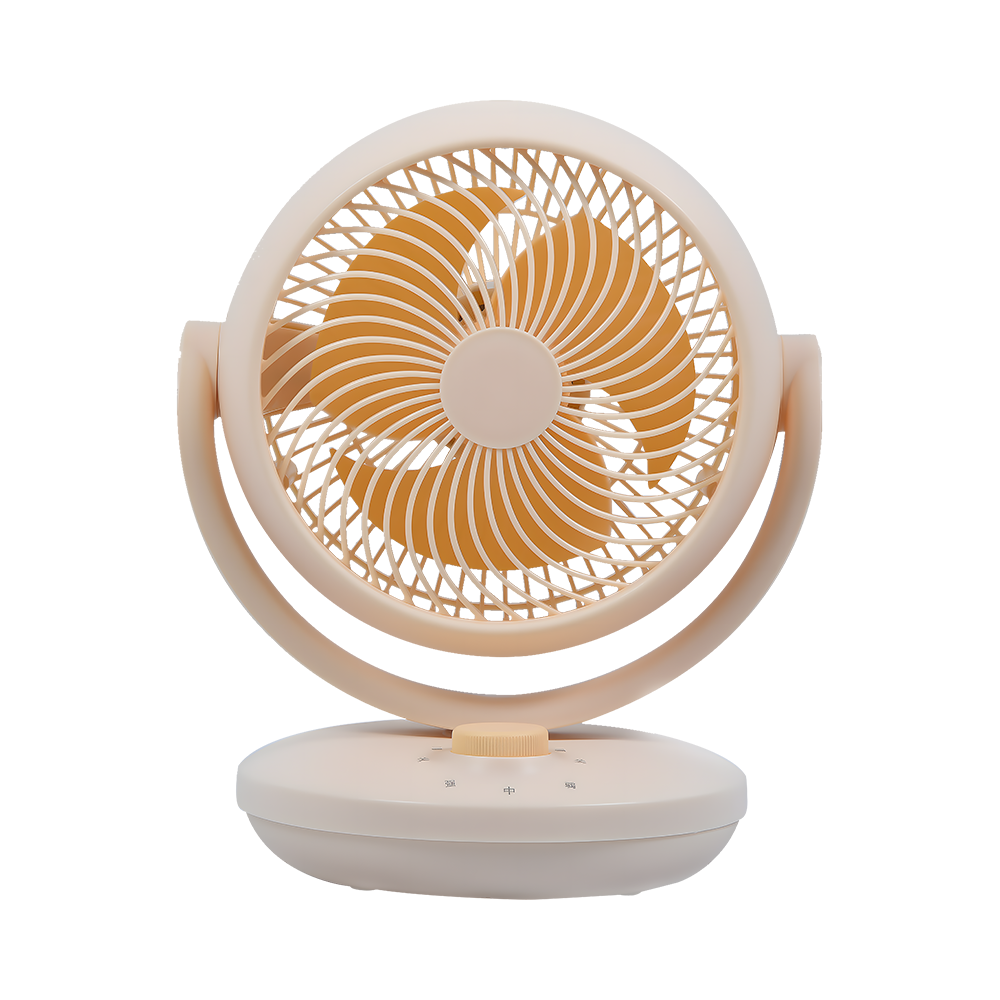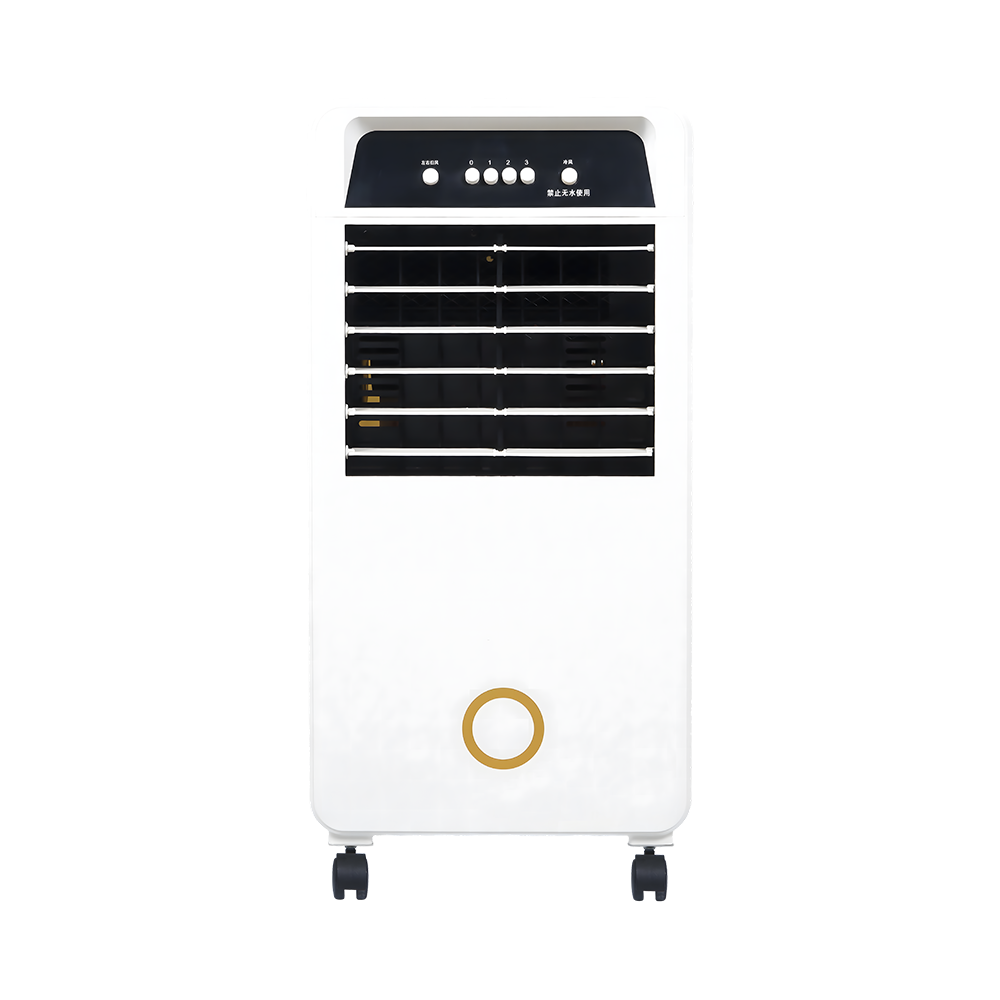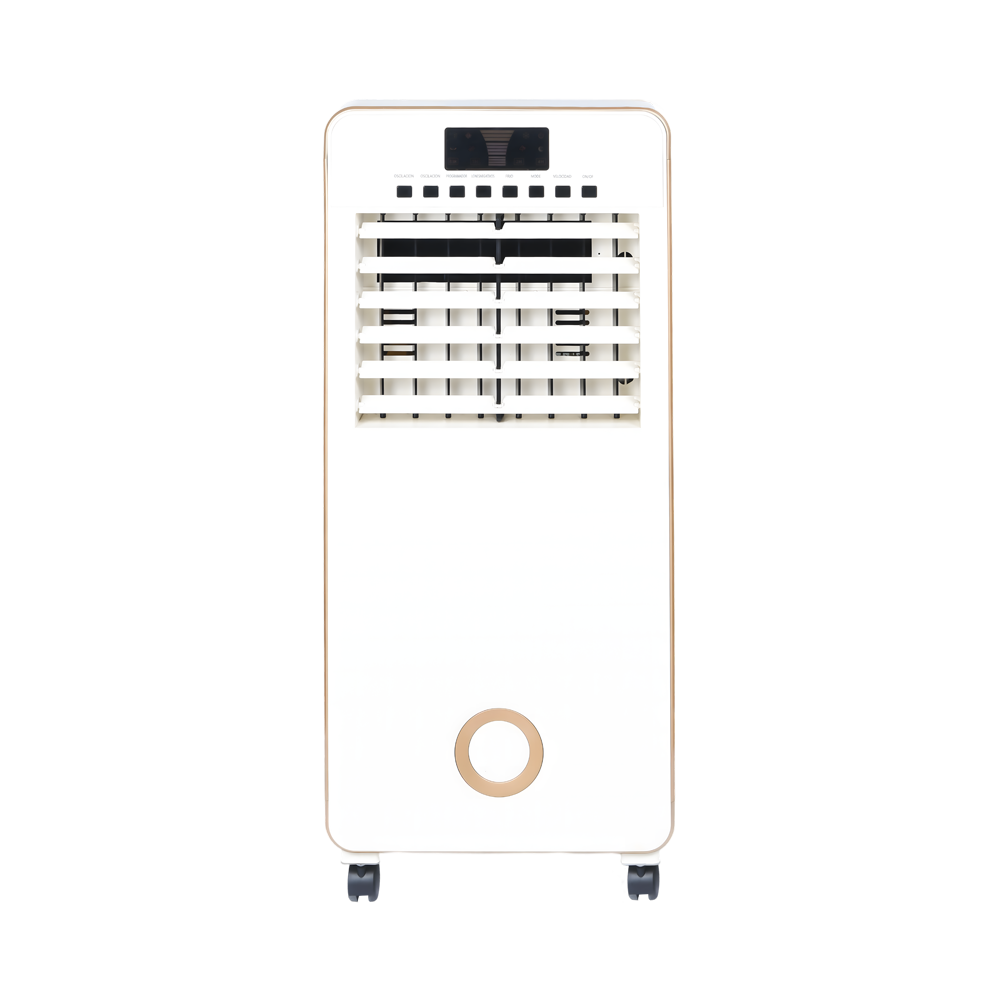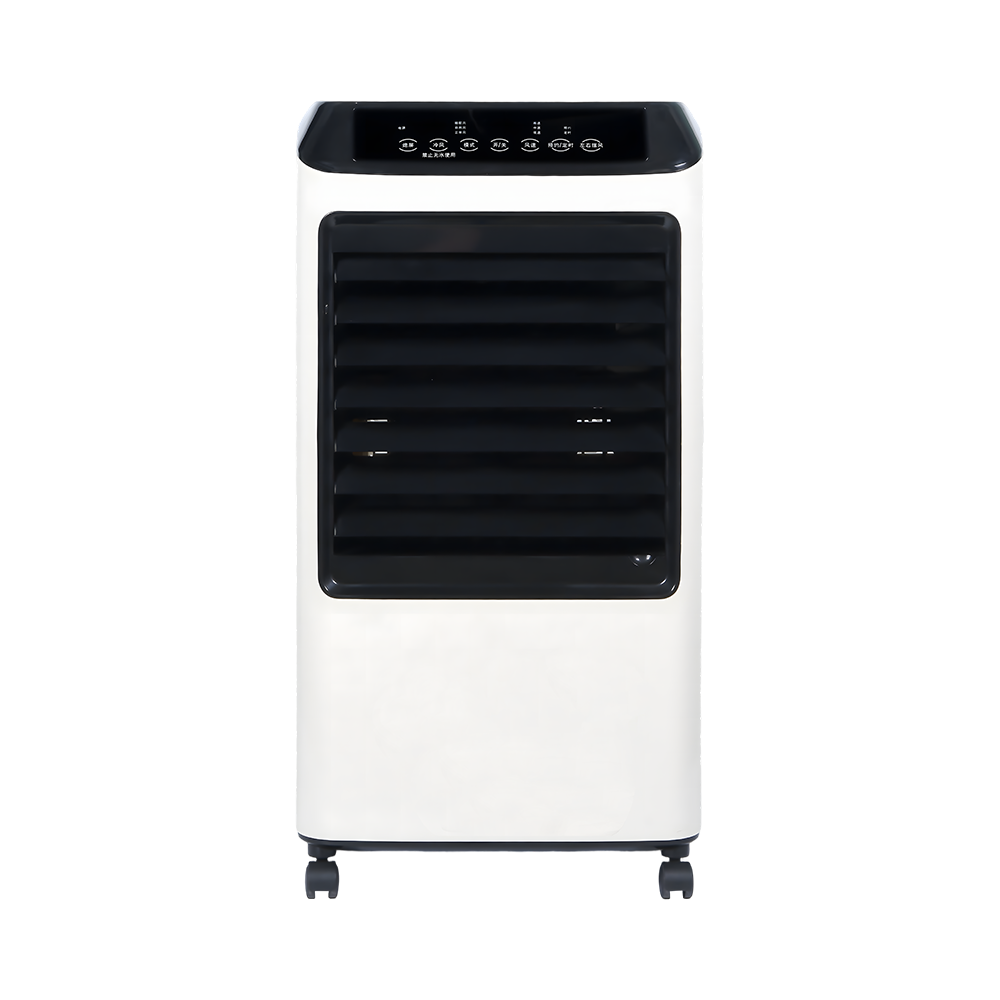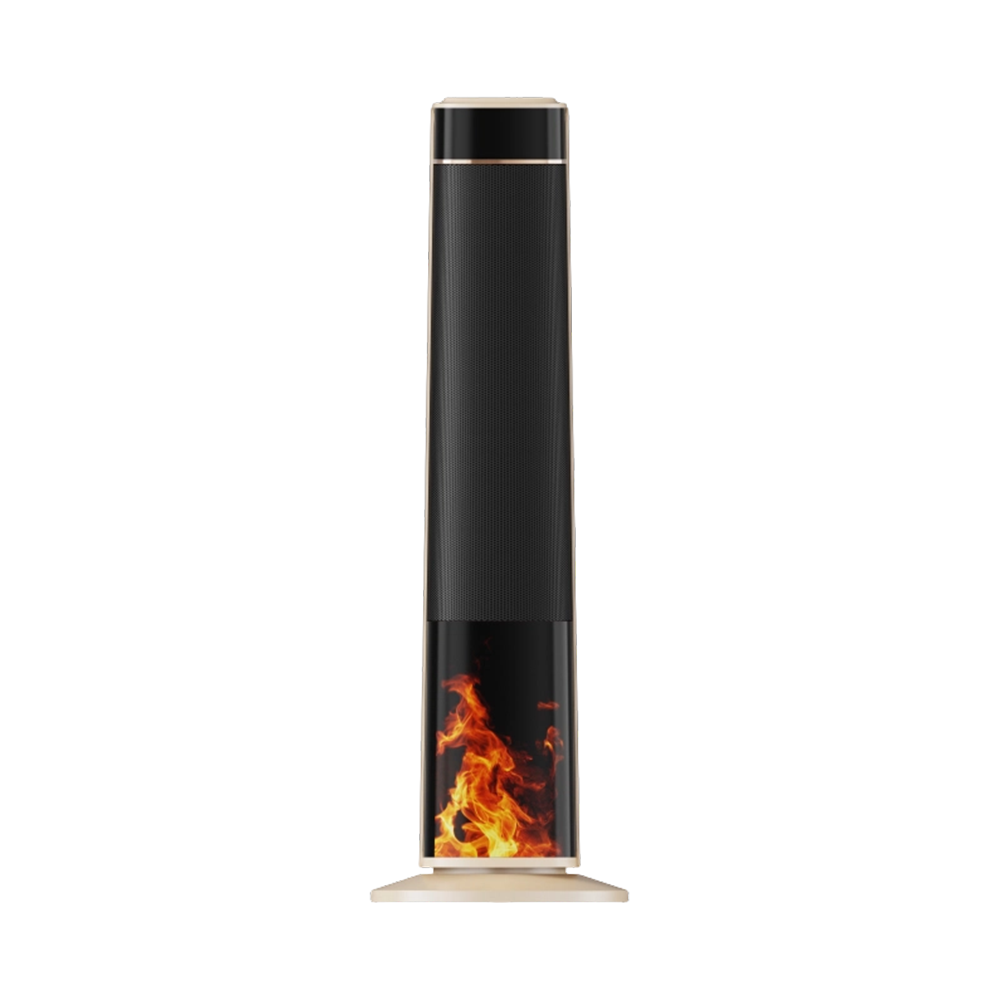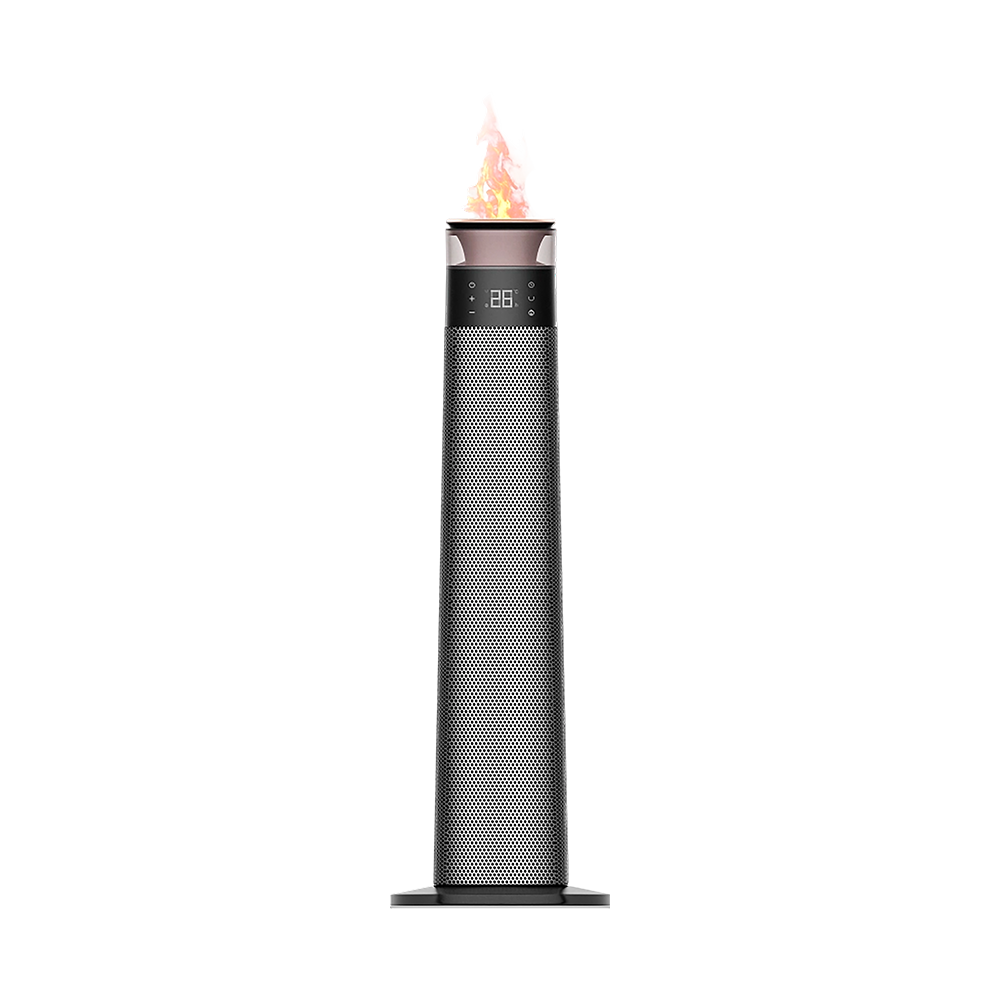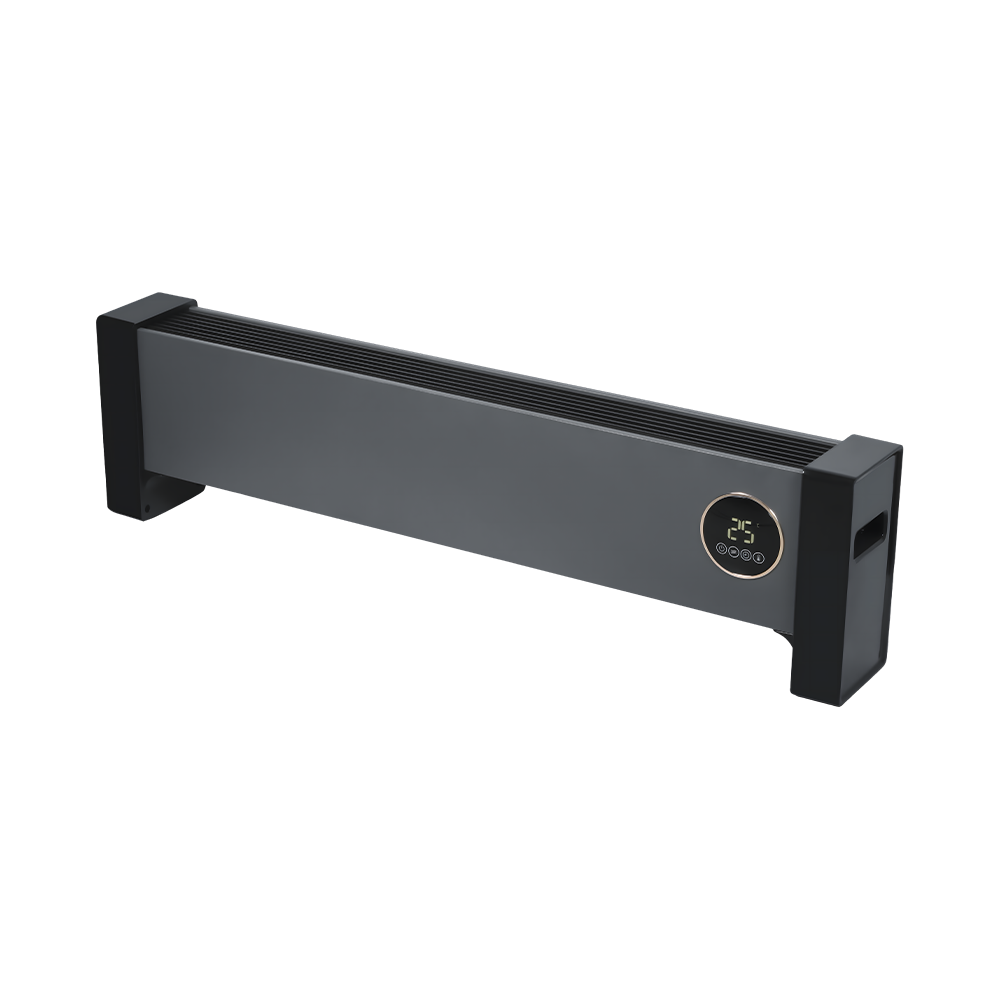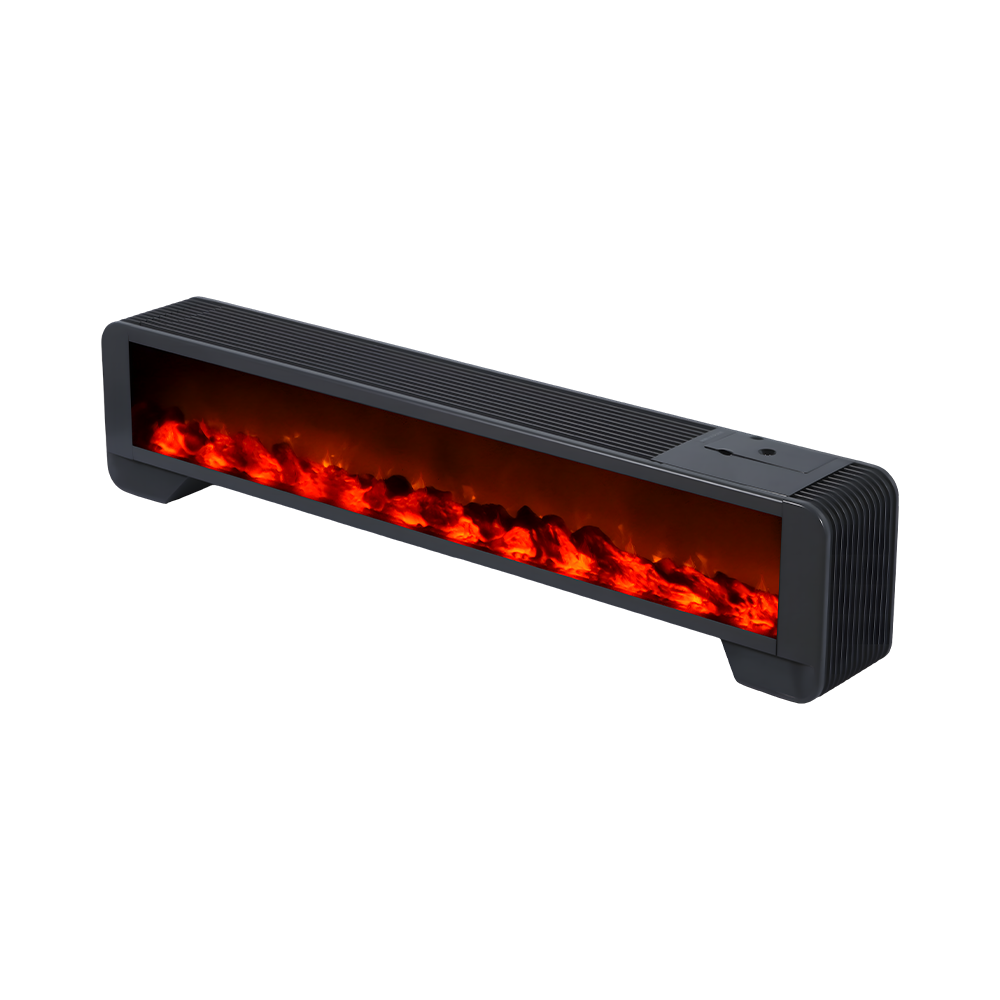


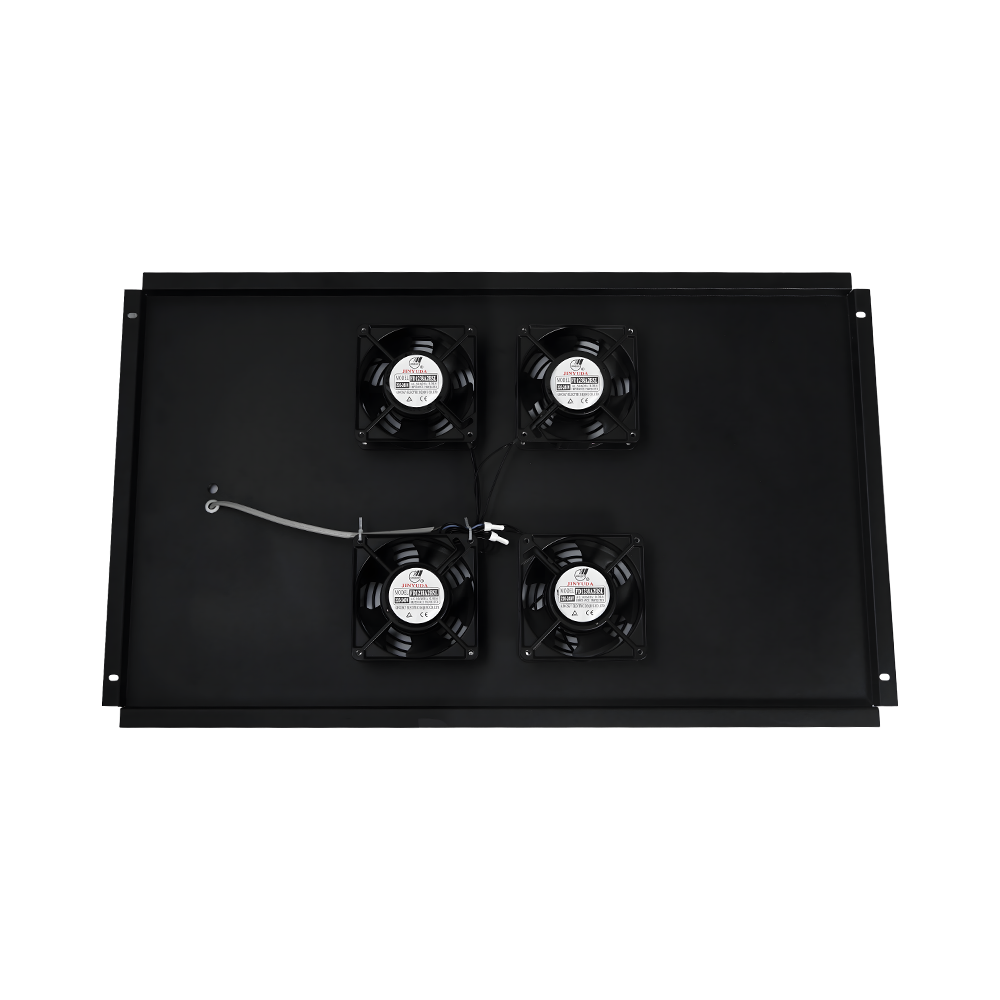
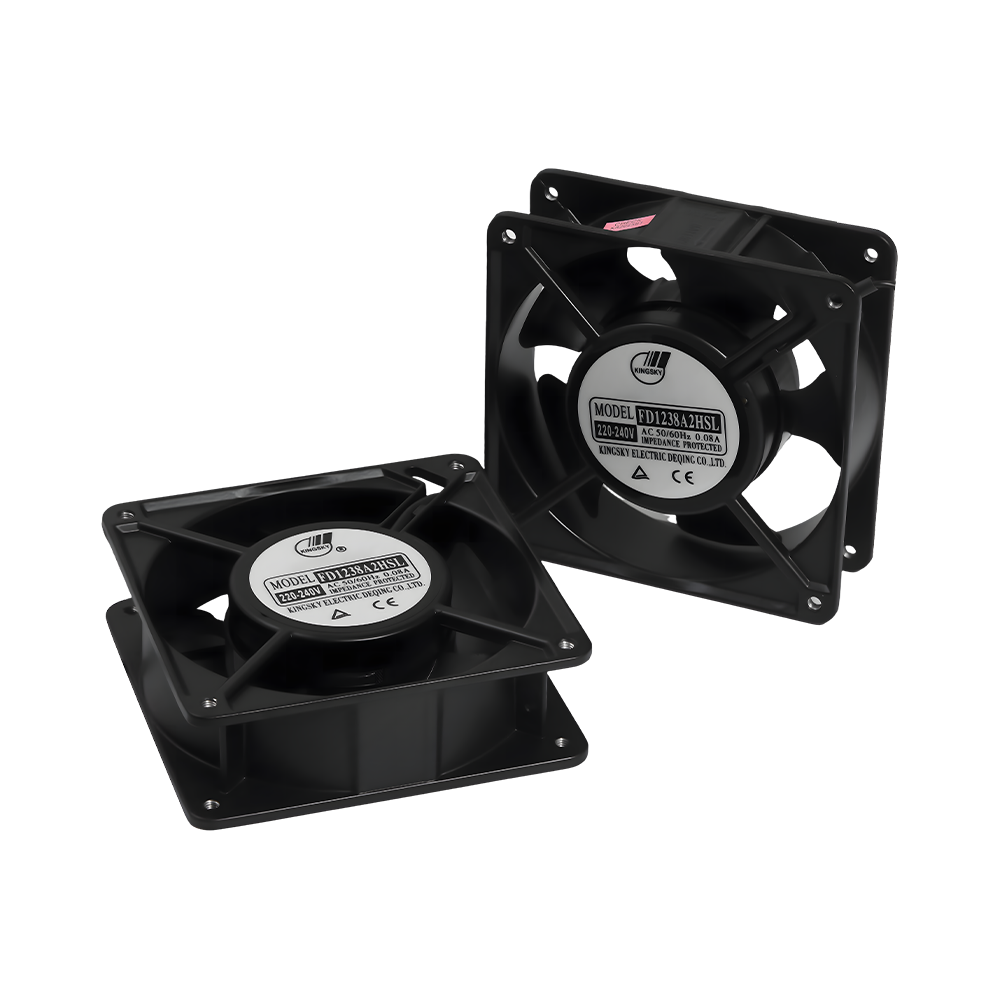
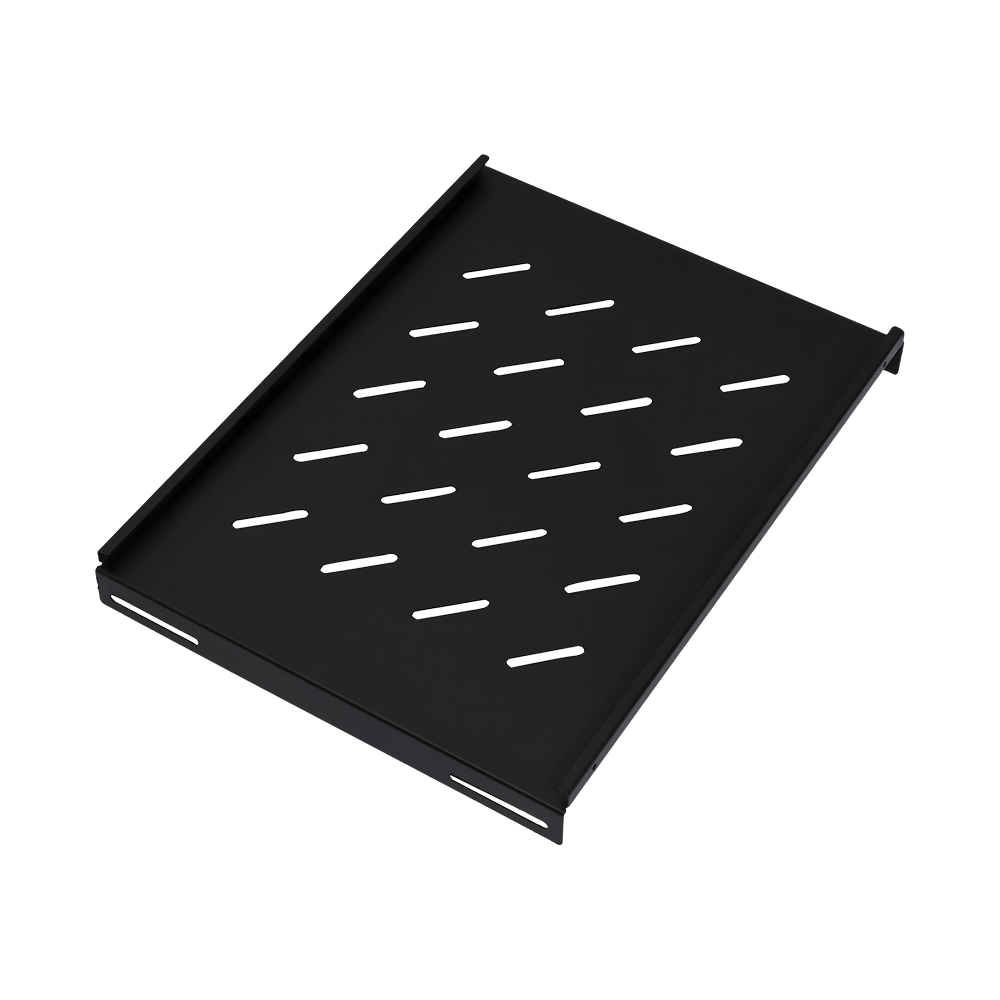
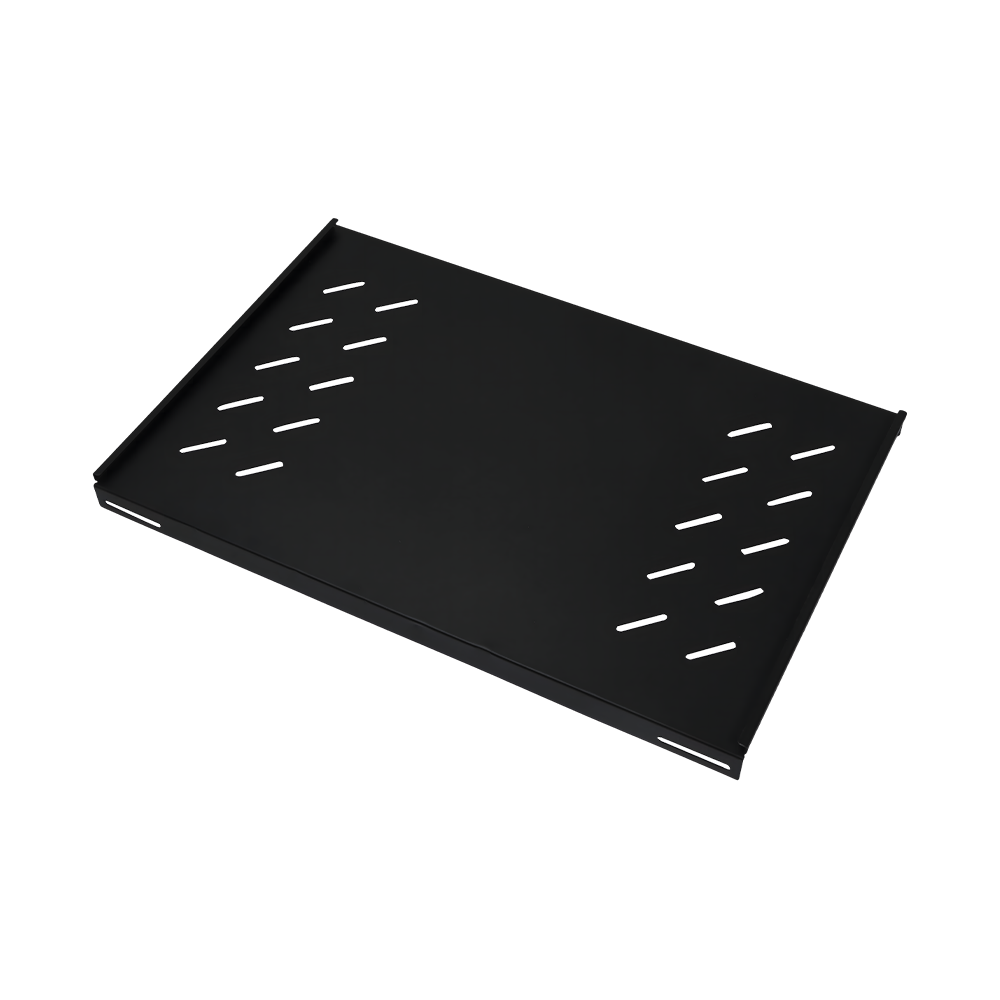
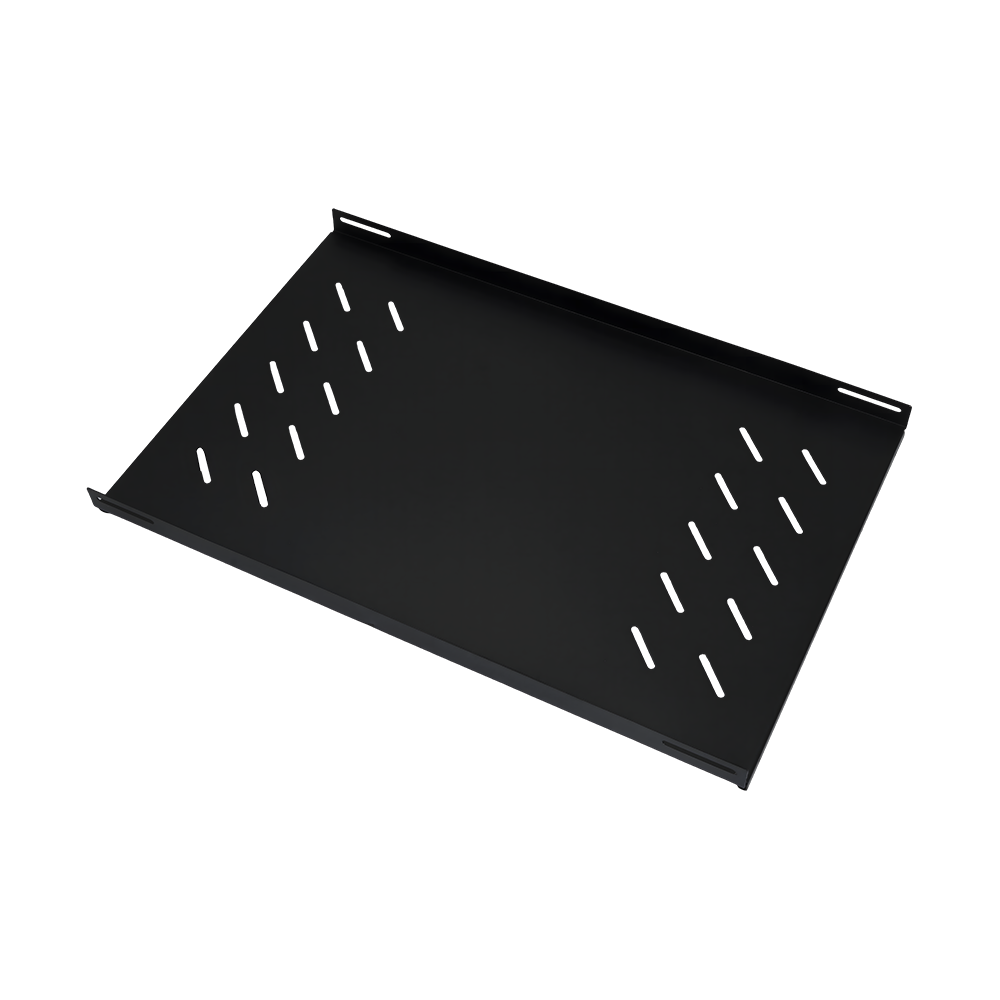
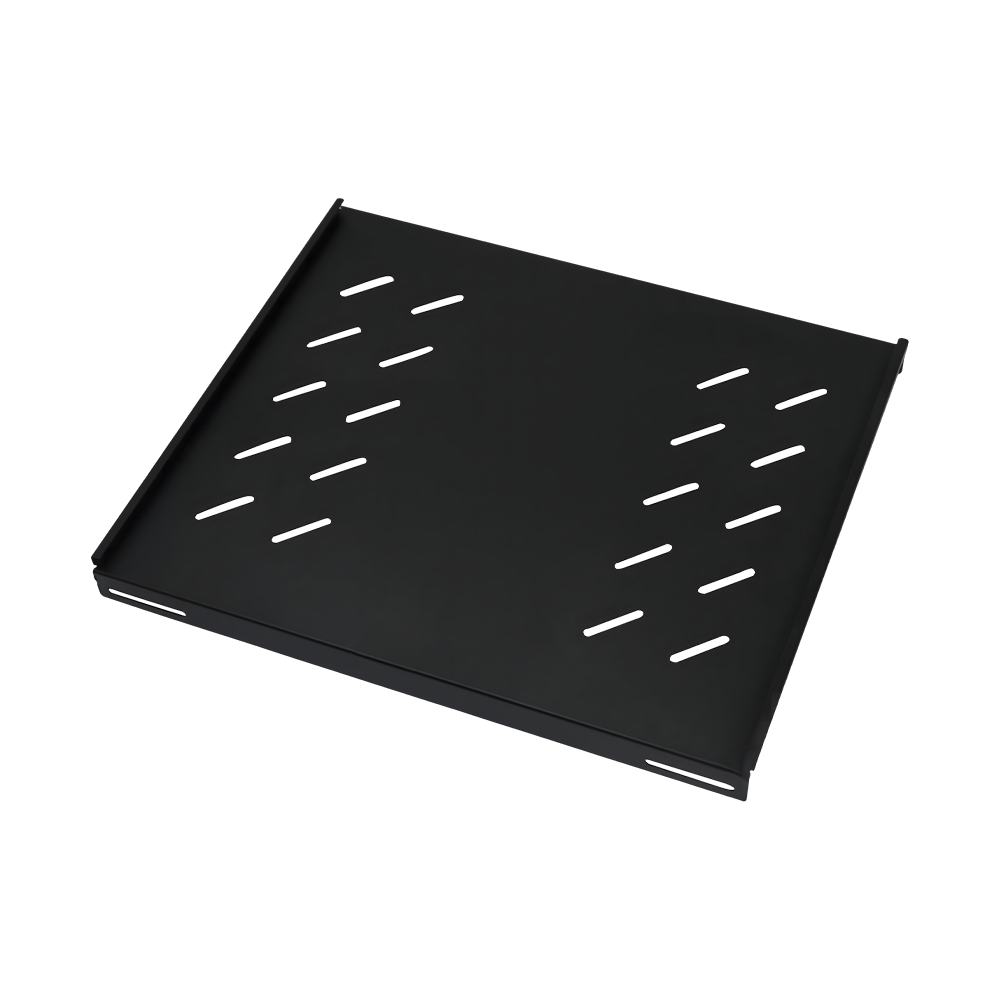
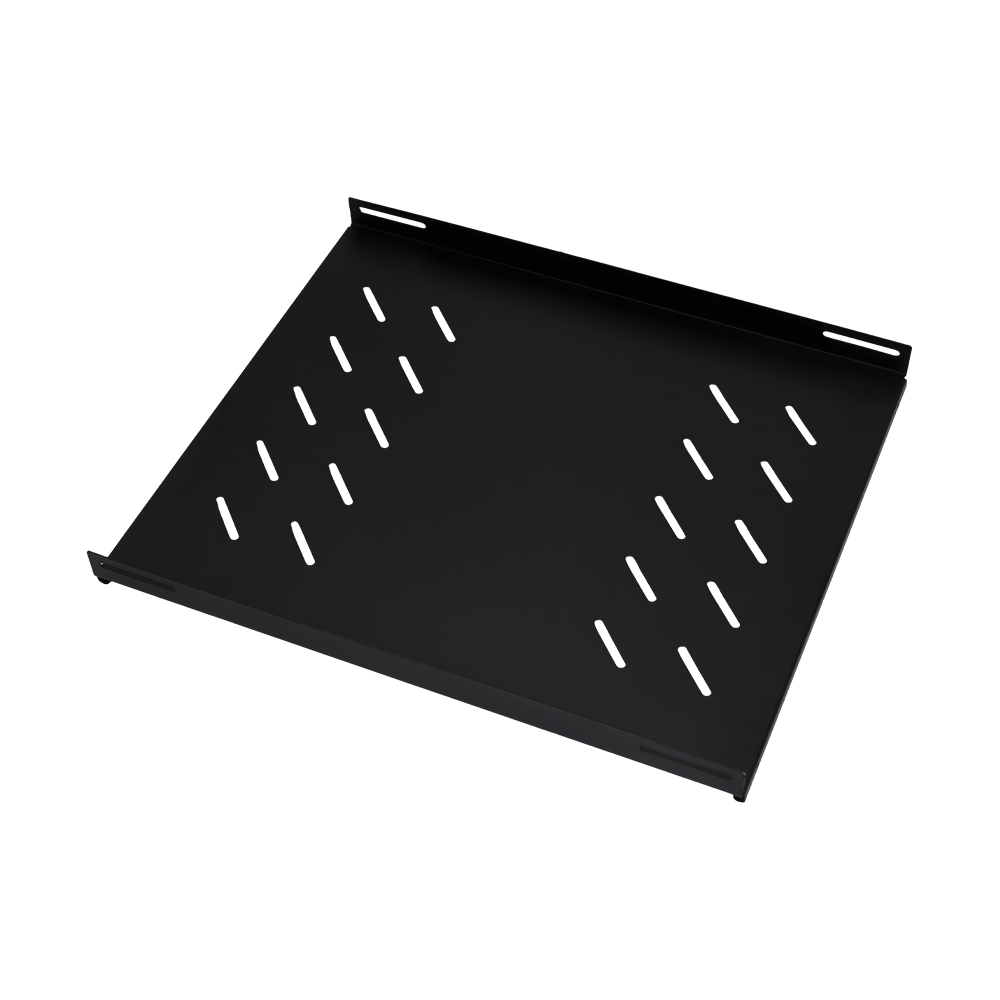
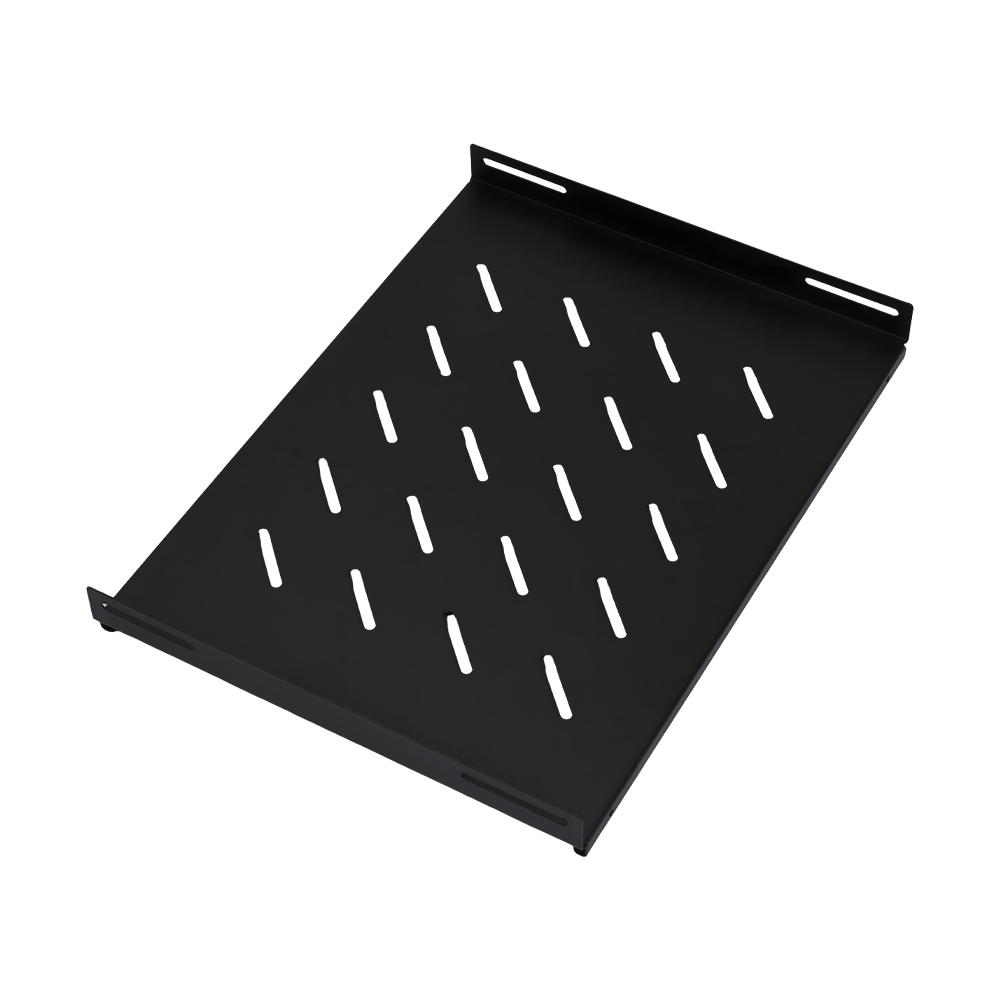
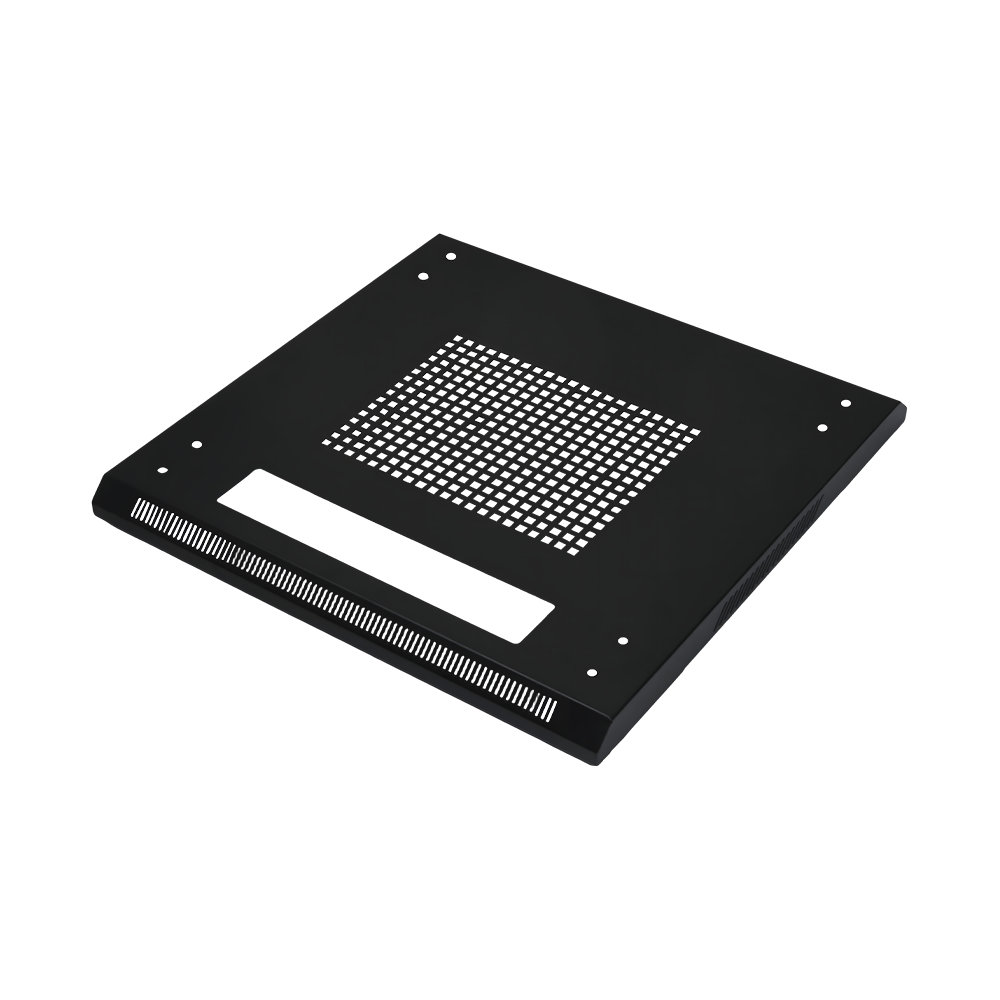
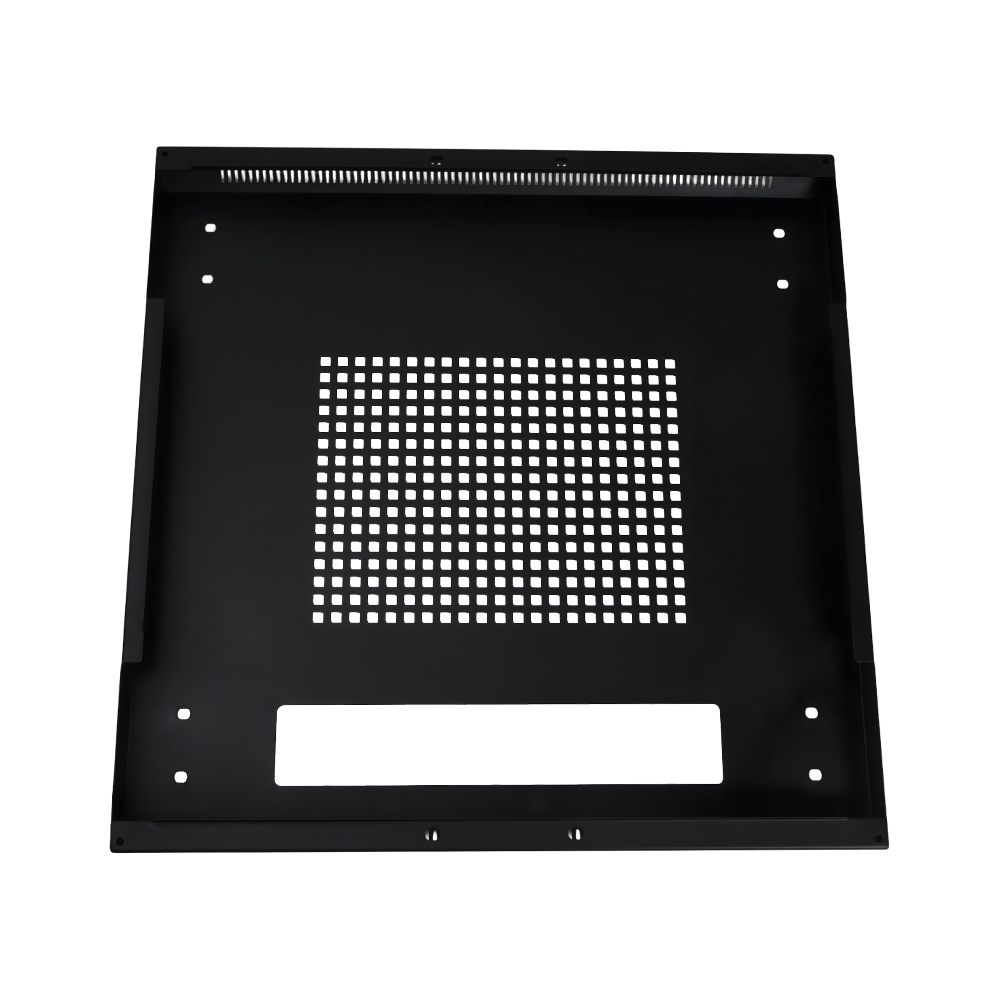
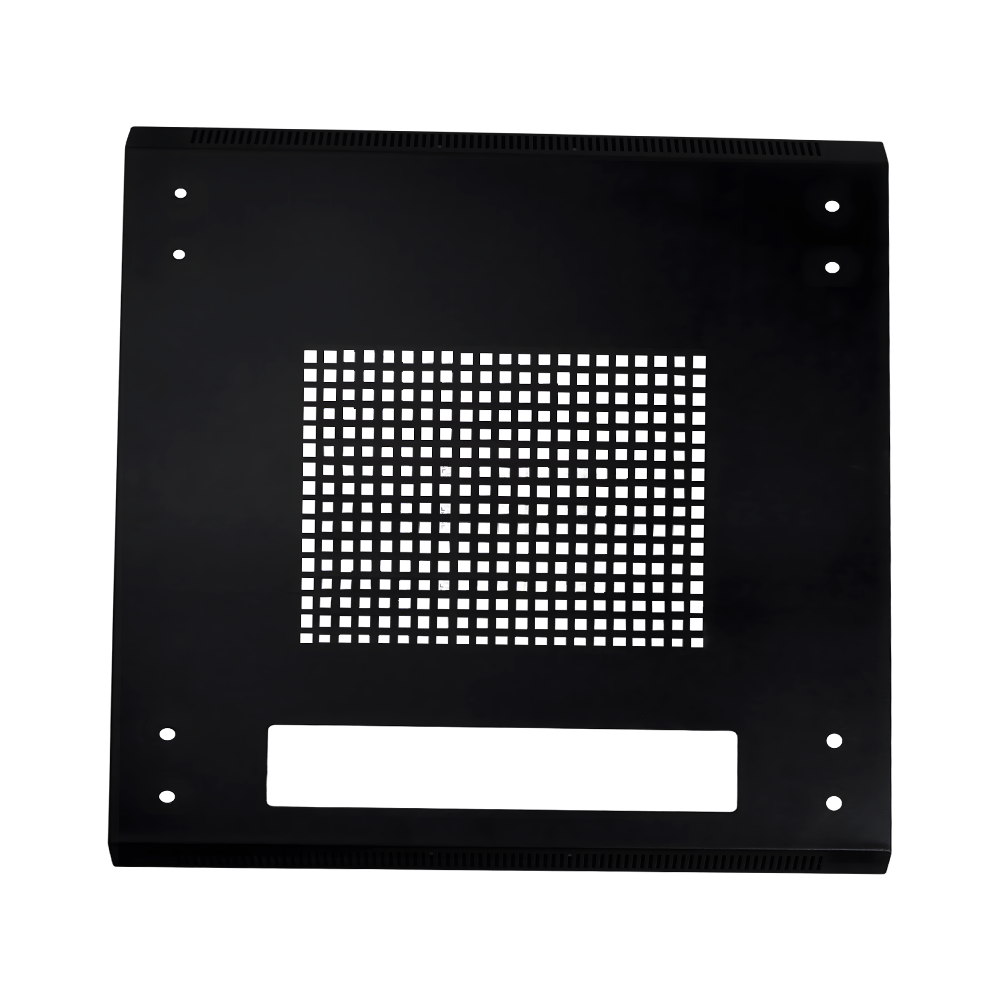
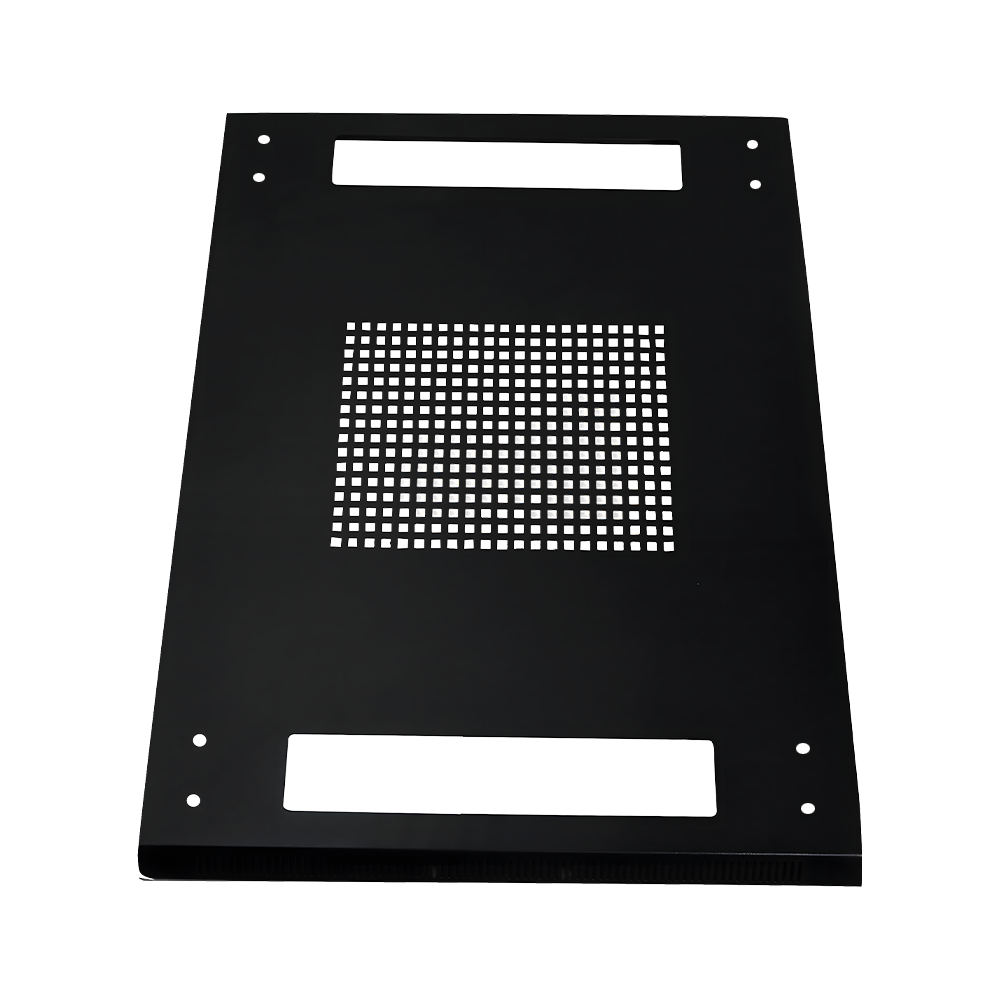
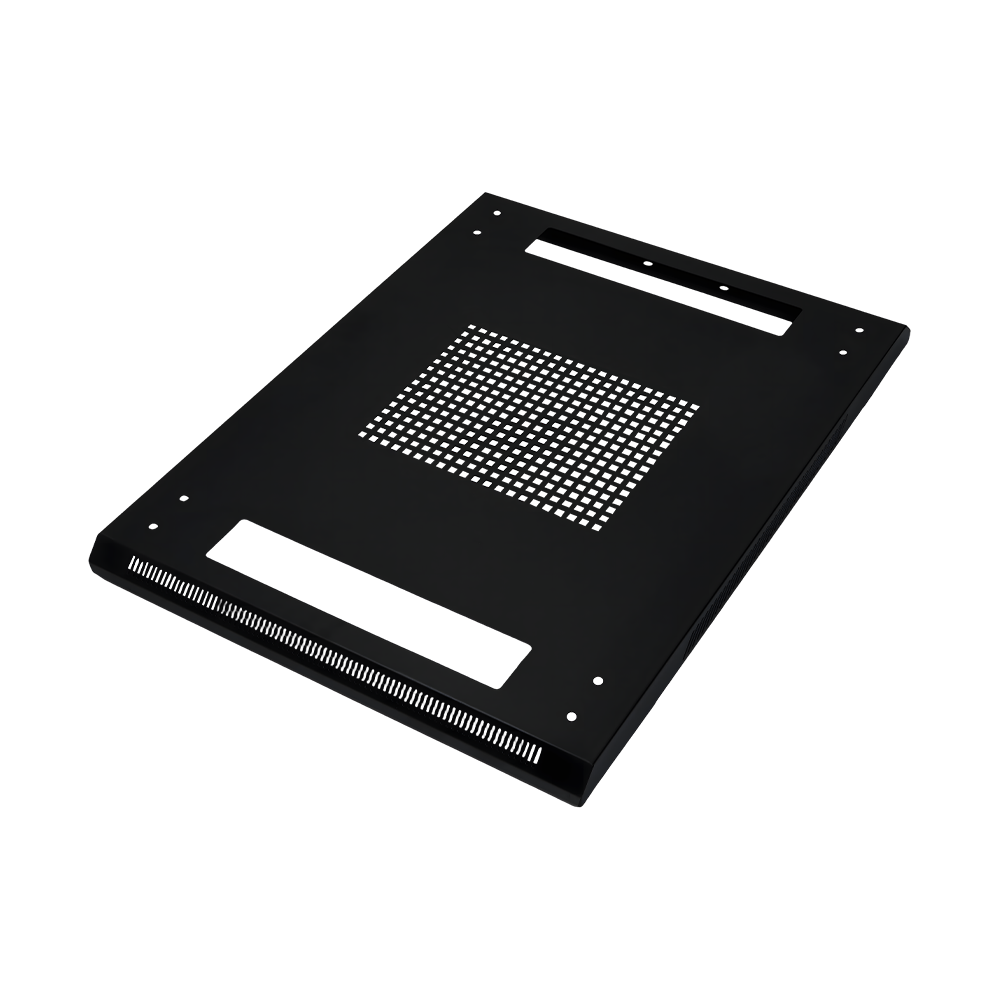
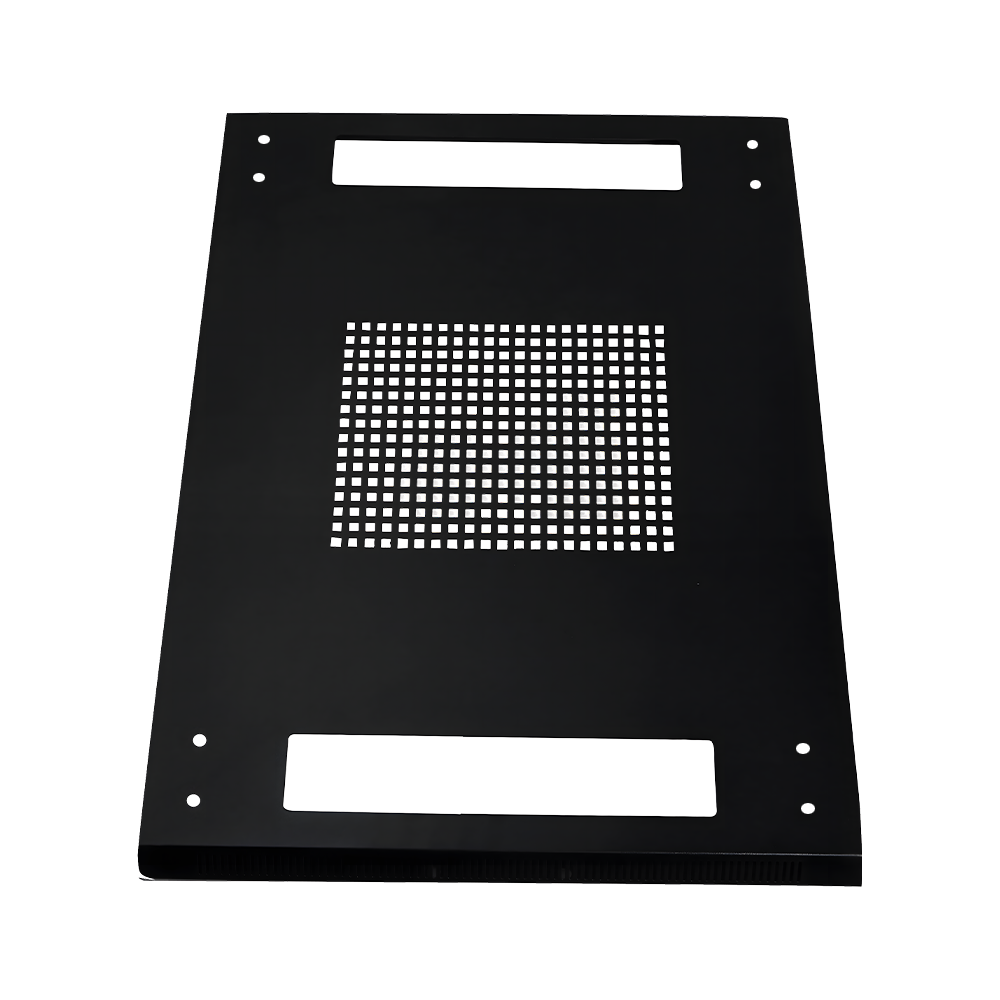
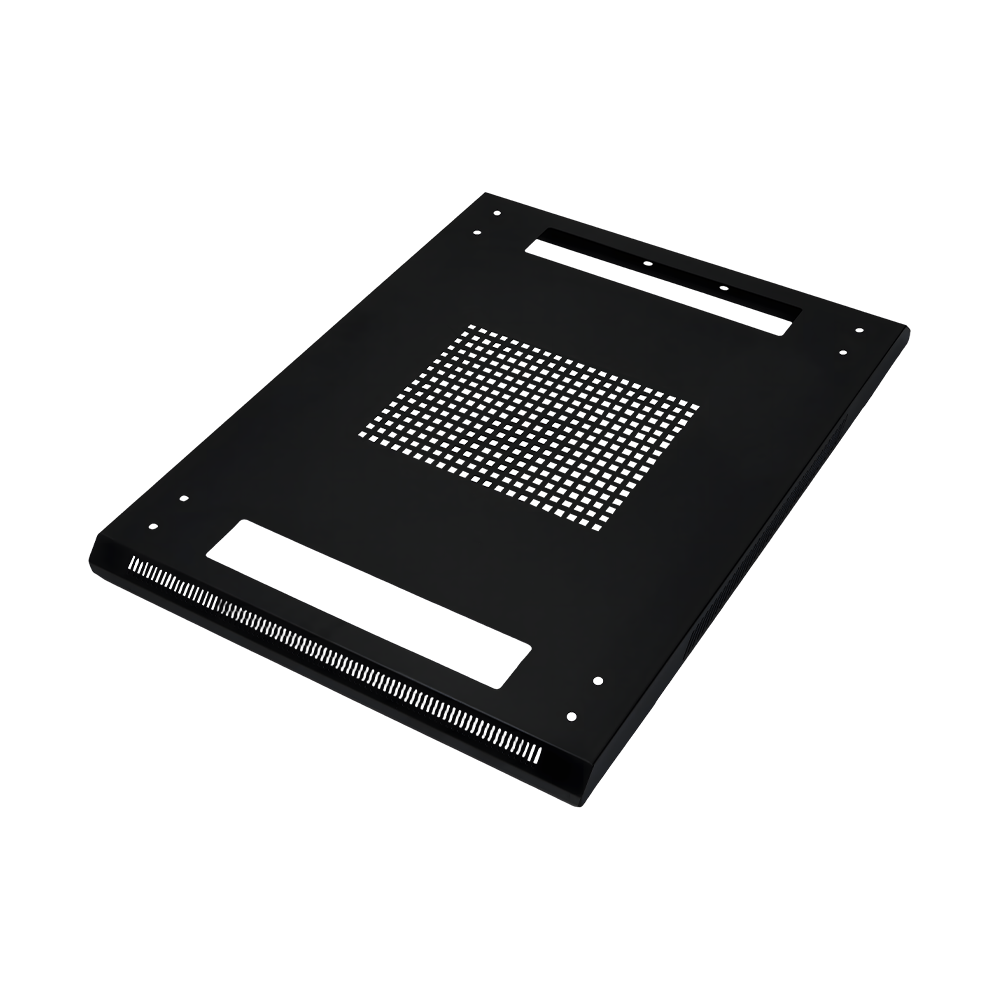
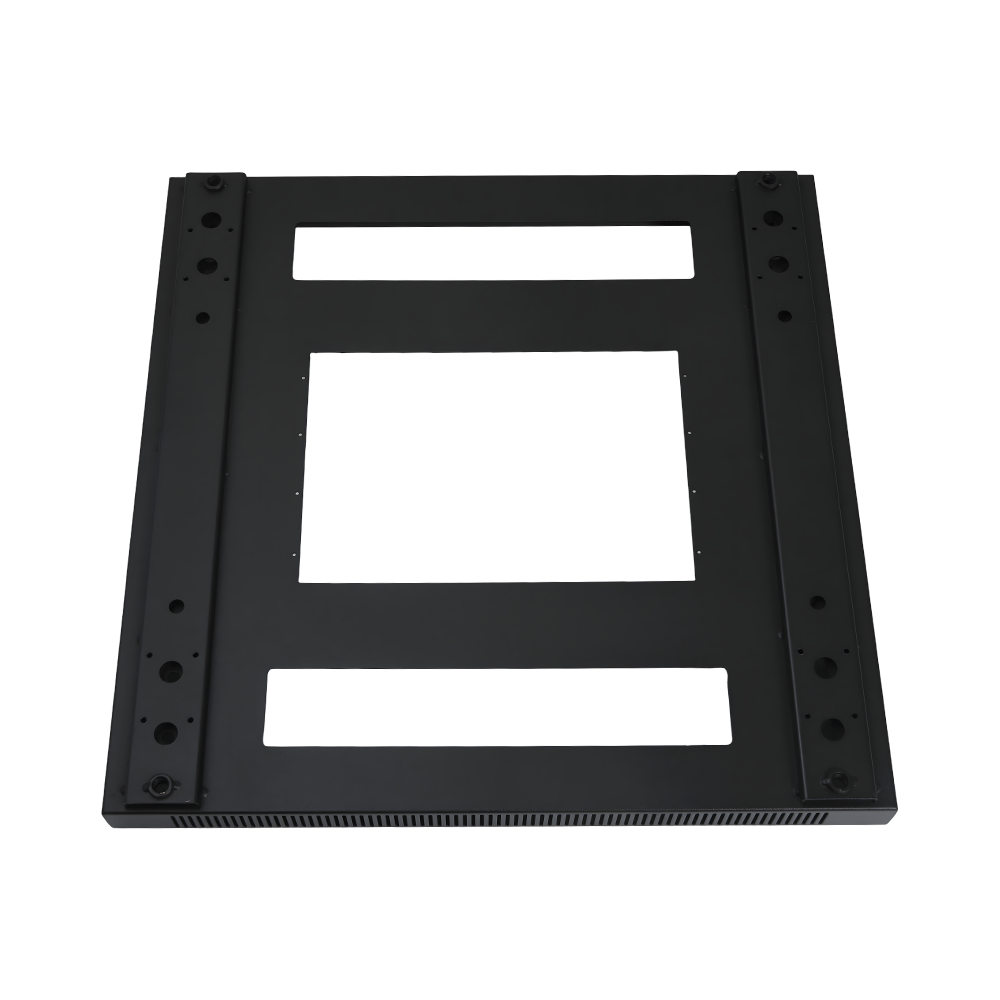
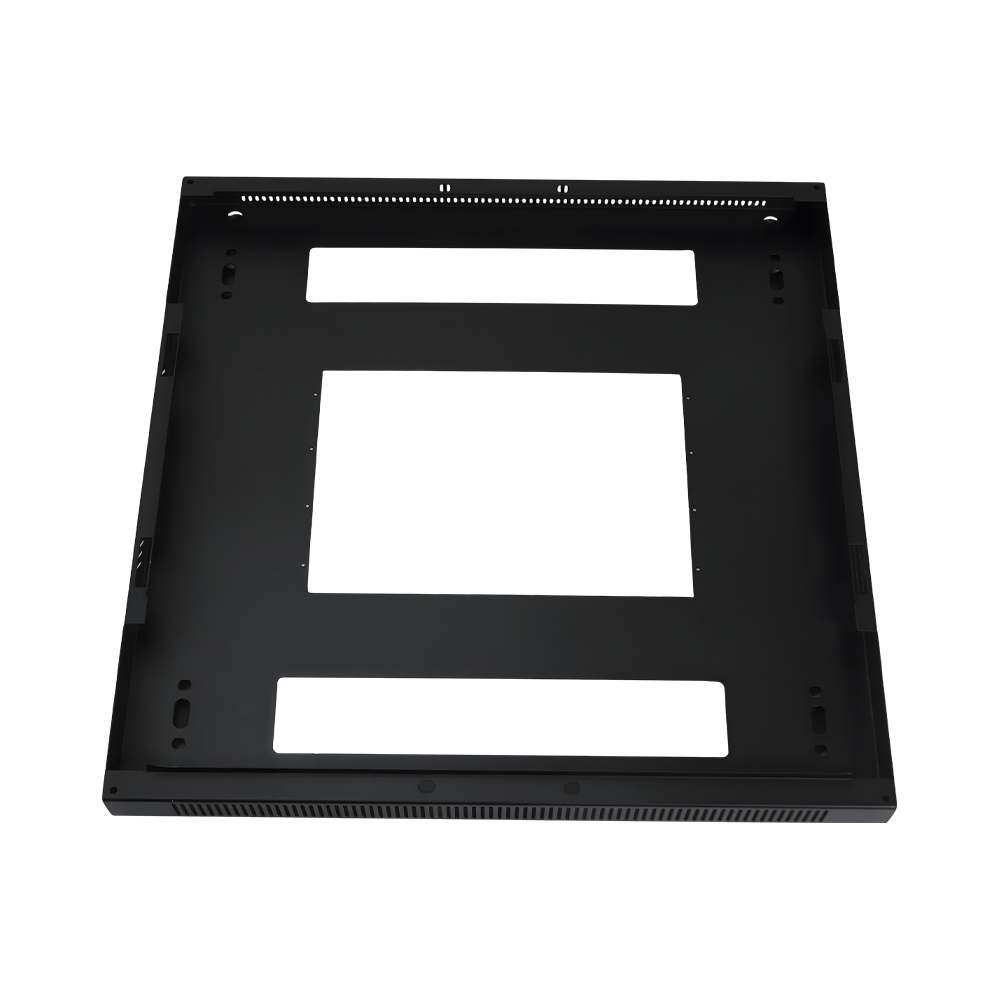
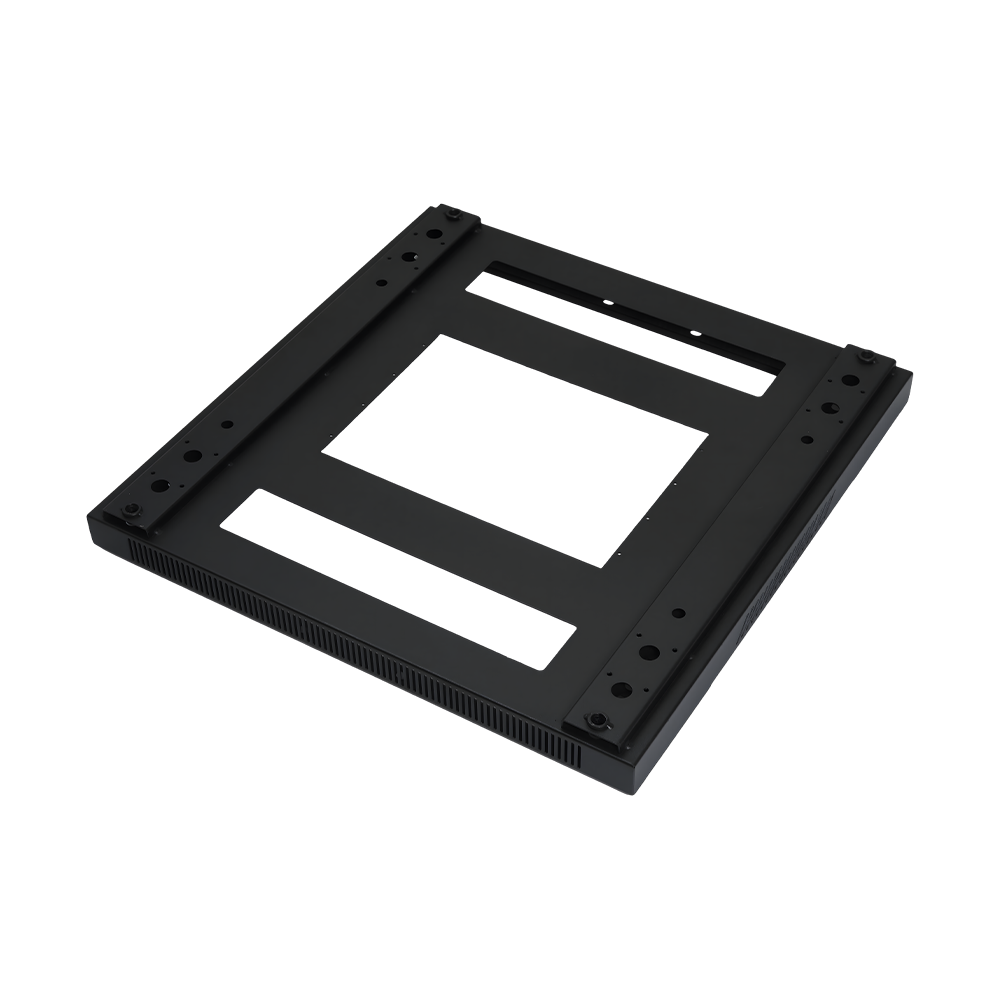
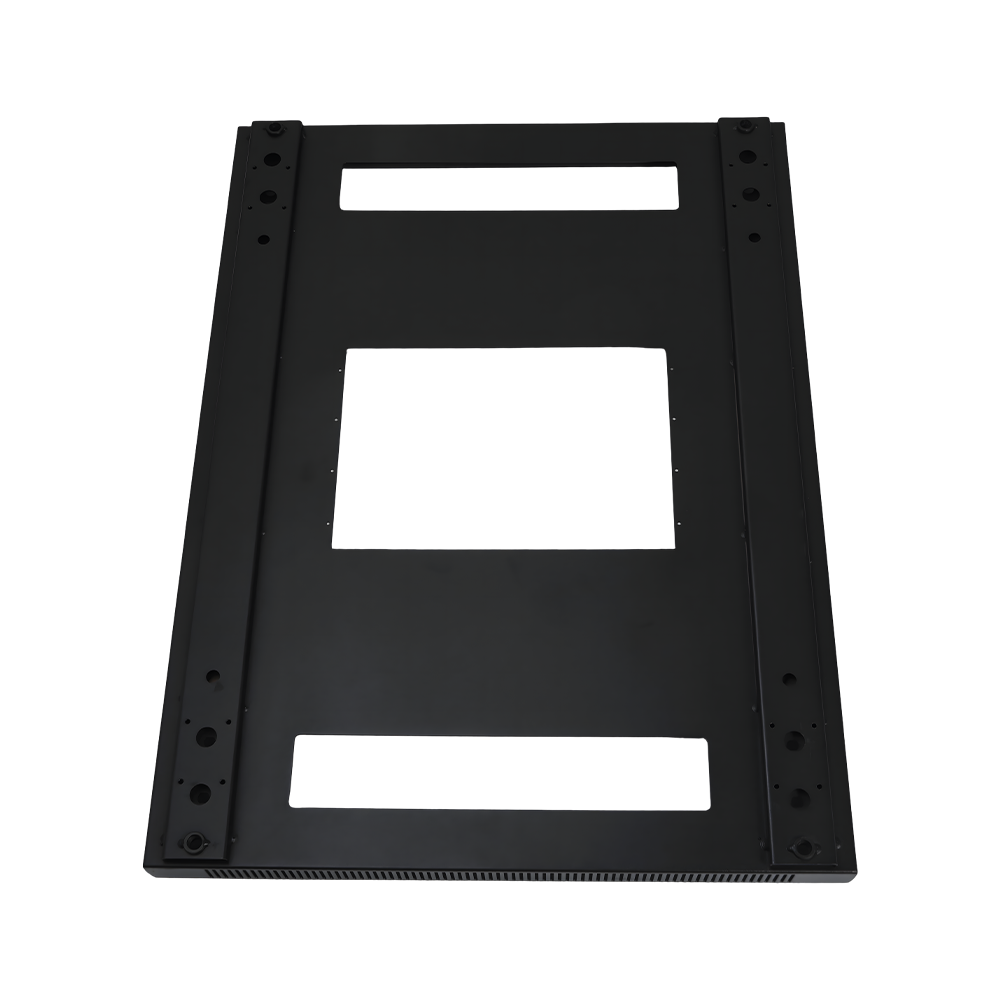
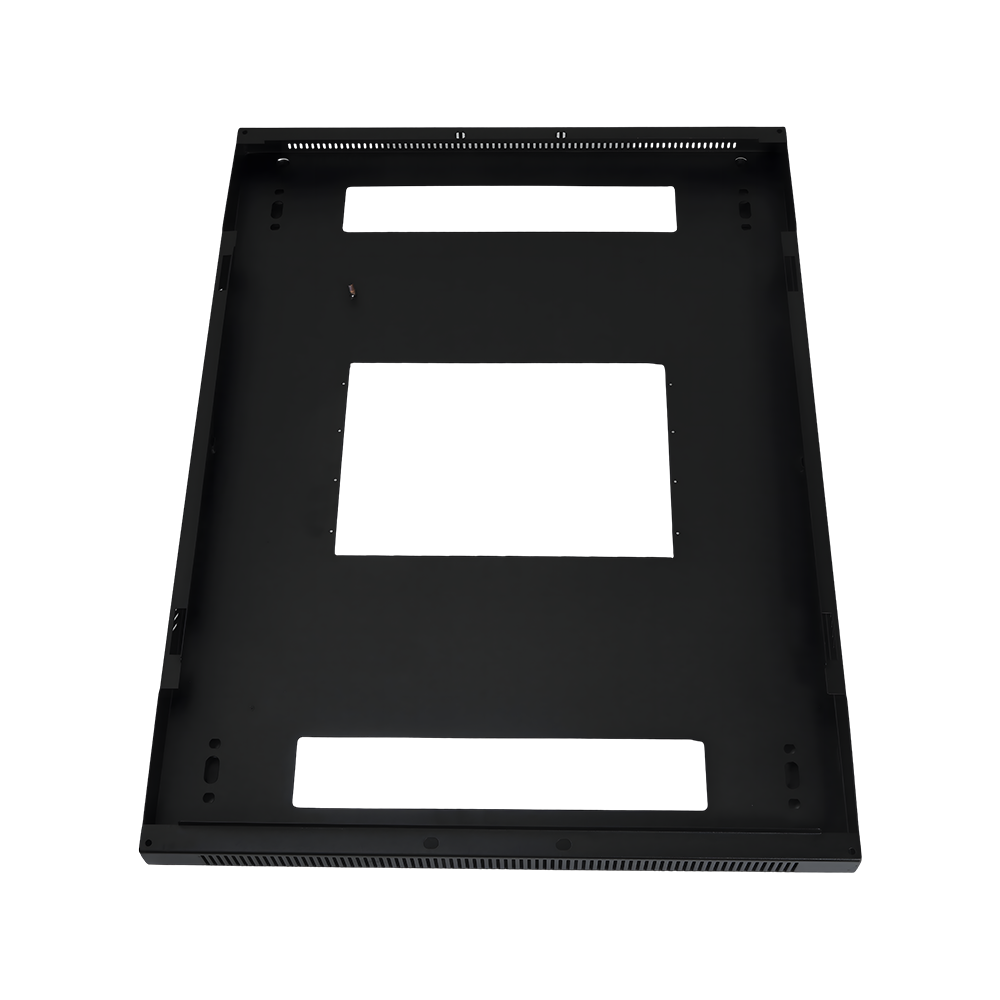
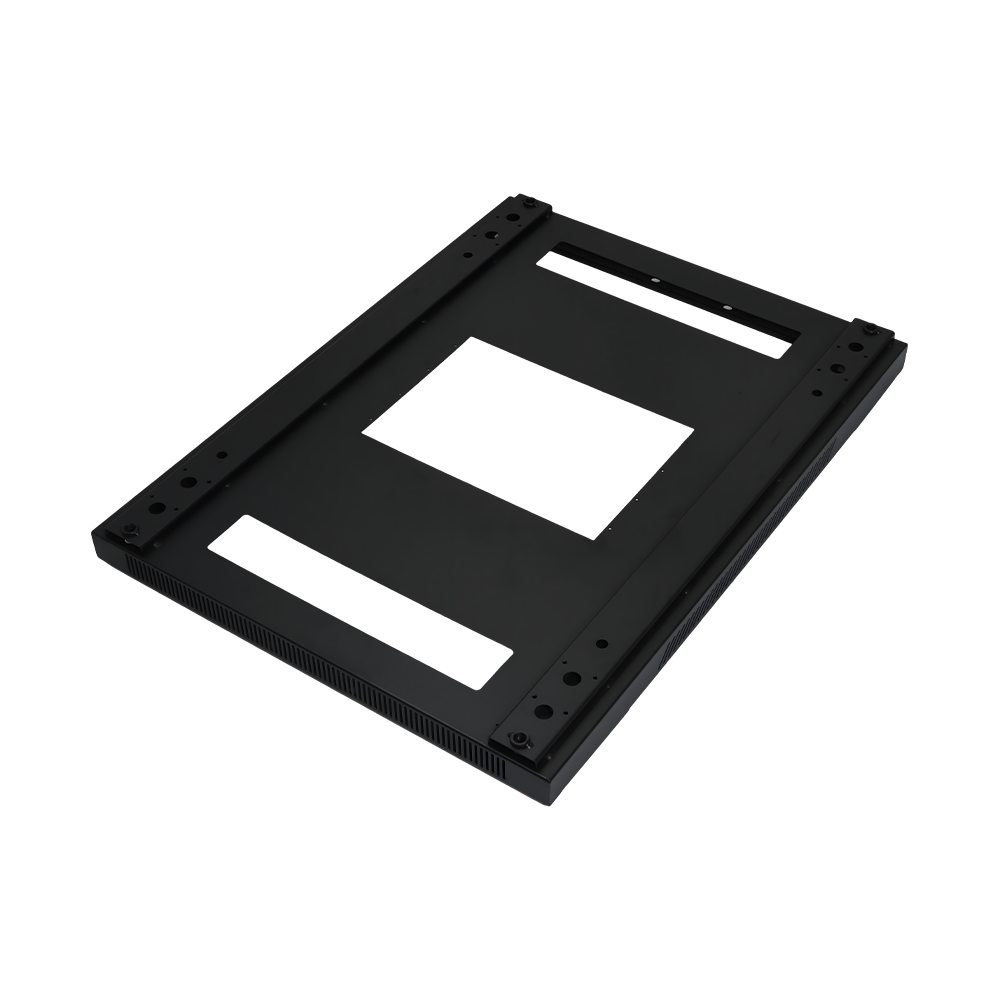
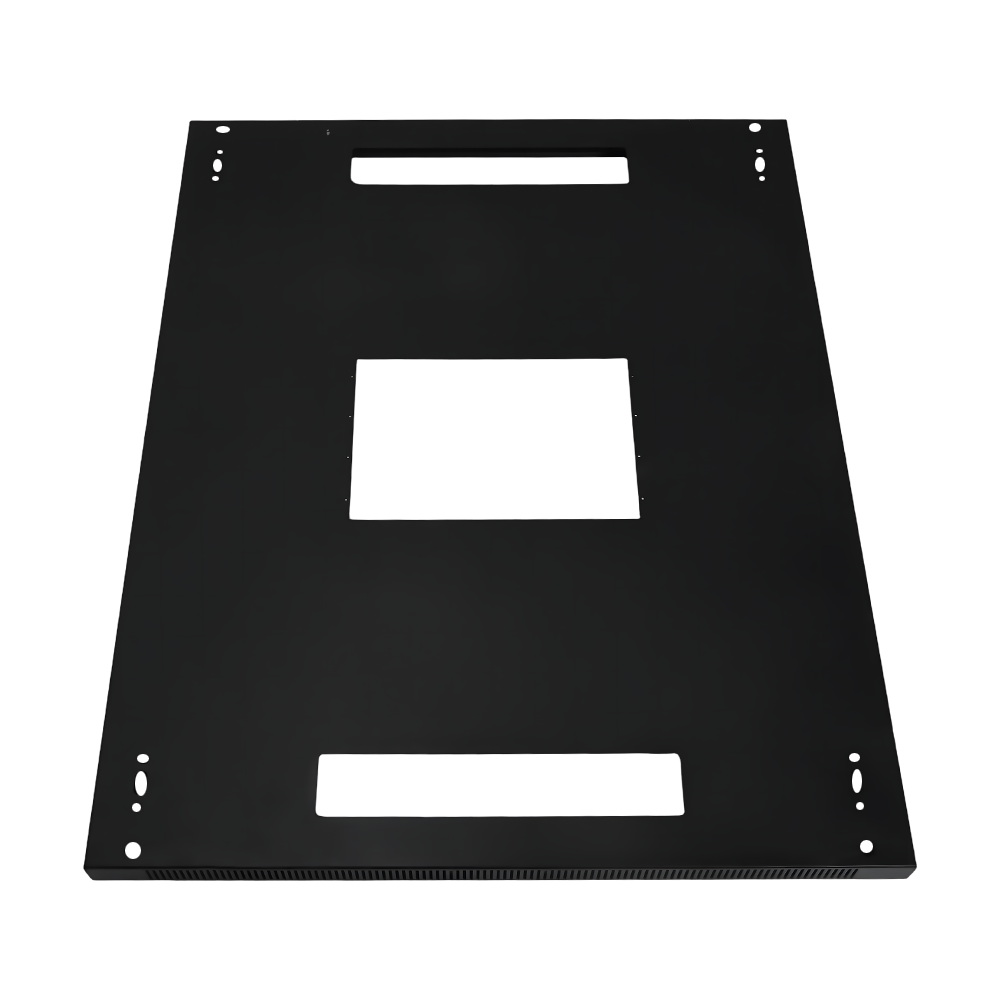
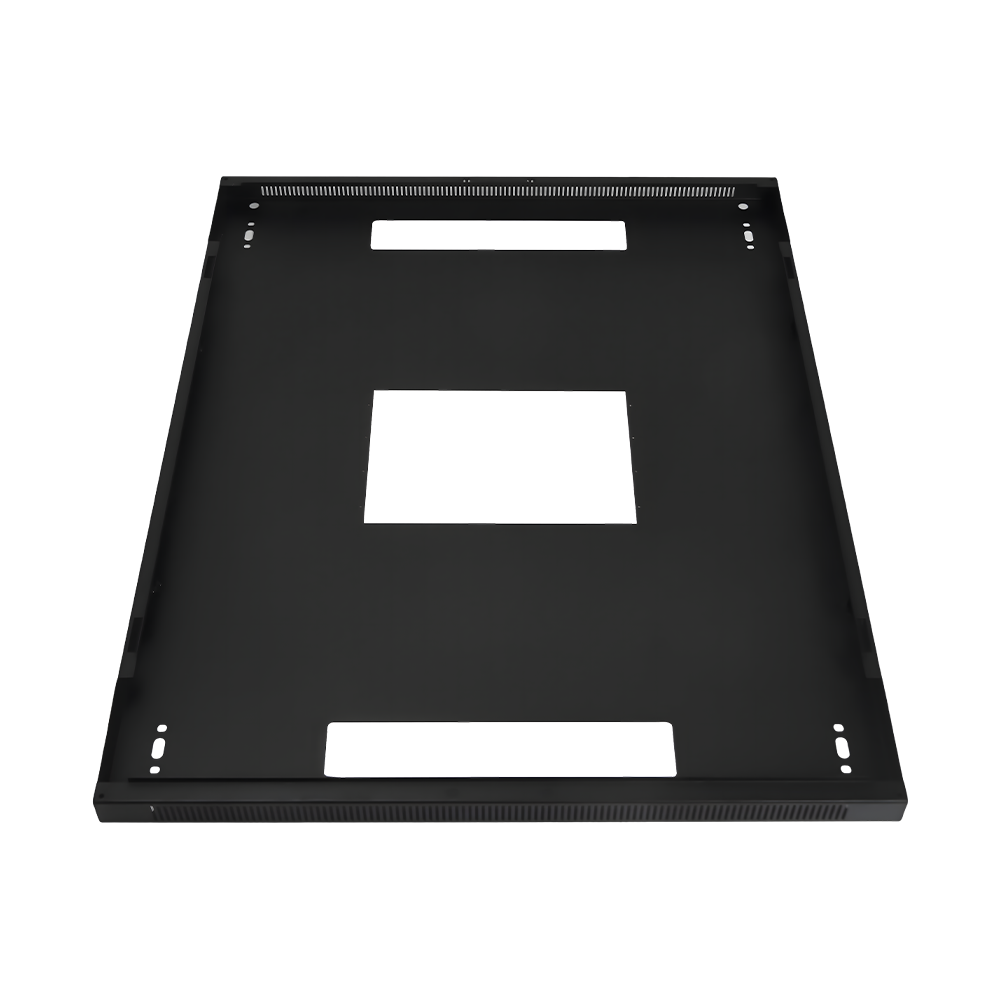
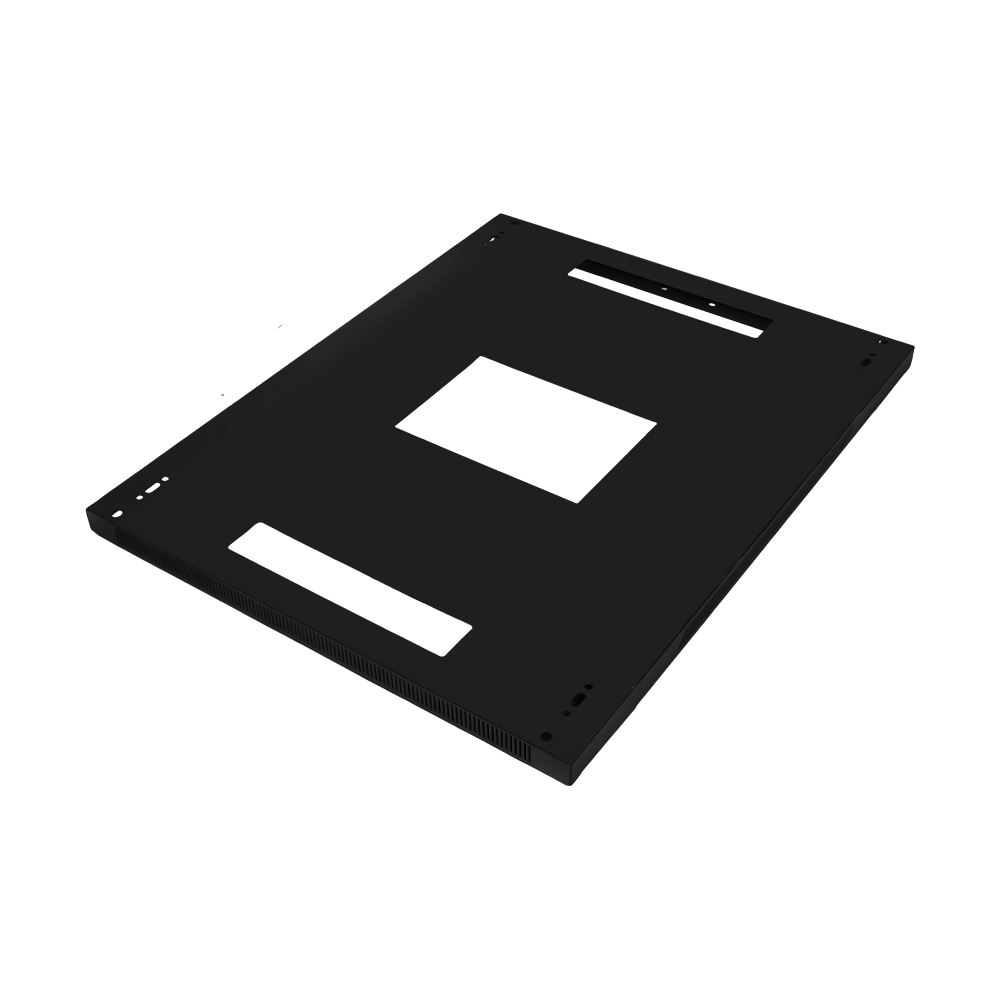
Cabinet accessories provide flexibility and functionality, transforming a rigid metal structure into a dynamic, multi-dimensional system for complex environments.
They organize cables, prevent entanglement, and ensure stability by redistributing weight, while optimizing airflow with panels and baffles.
Accessories enable high-density information flow in a limited space, turning chaotic placement into a structured, industrialized integration.
Don't hesitate to contact when you need us!
We're a reliable partner that shapes our expertise into success for your project.
Oct 12, 2026
The Heated Ceiling Fan: Does It Exist? Smart Heat & Air Circulation Guide If you searched for a heated ceiling fan expecting one appliance that both blows air and warms a room, here is the direct answer: integrated heated ceiling fans exist, but they are a rare, mostly commercial niche. In ordinary homes they rarely make sense, because heat rises. A heating element mounted at ceiling height... read moreOct 05, 2026
Indoor Heaters Buying Guide: Types, Sizing, Wattage, Safety and Cost Tips The right indoor heater is chosen by room size first, heat technology second, and control features last. A 1,300W PTC heater is enough for a bedroom of about 8 to 10 m², while a 2,200W graphene baseboard heater is a better match for a living room of 18 to 22 m². If you also want a visual centerpiece, a 3D flame firepl... read moreSep 28, 2026
Best Heater for Greenhouse: Types, Sizing Tips and Buying Advice | Baopeng Short answer first: for most backyard and small commercial greenhouses, the best heater setup is a thermostat-controlled, fan-forced ceramic heater to hold overall air temperature, backed by a small radiant tube heater aimed at the bench or seed-tray area for direct plant warmth. If you only buy one unit, make it the ... read more
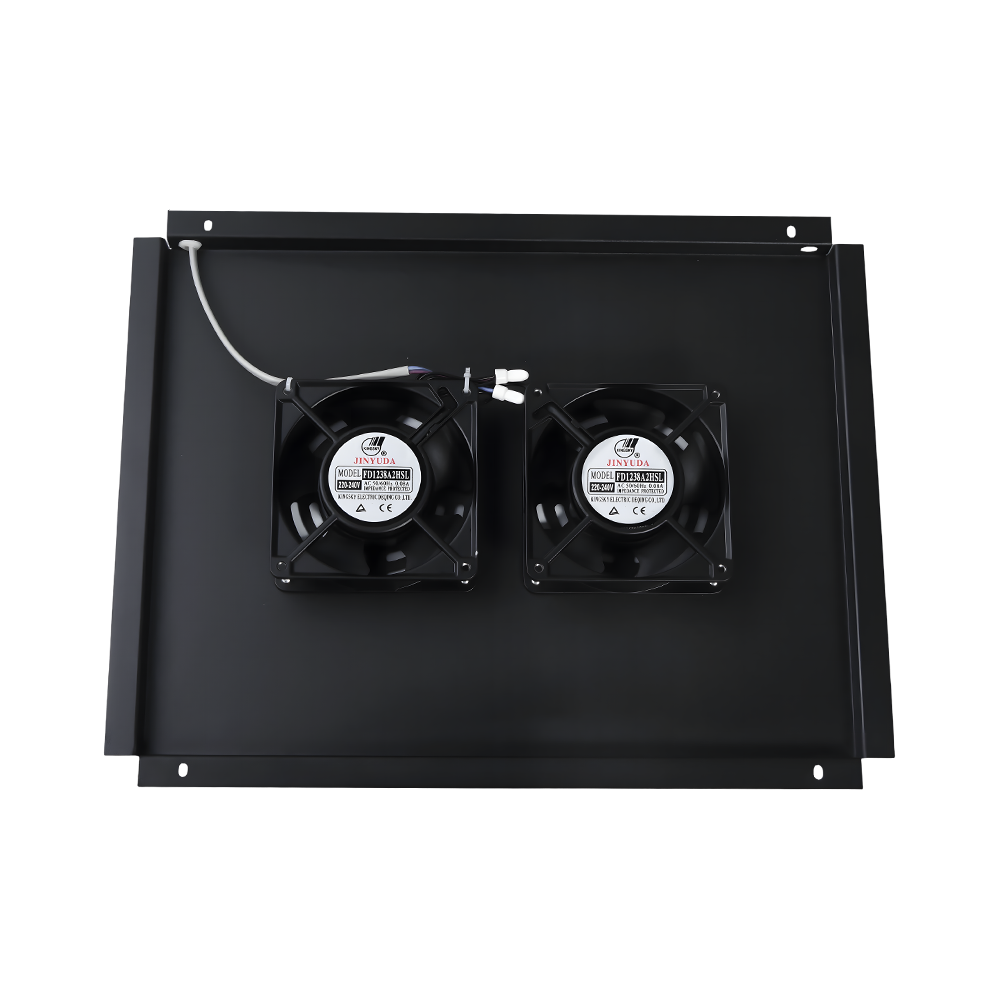
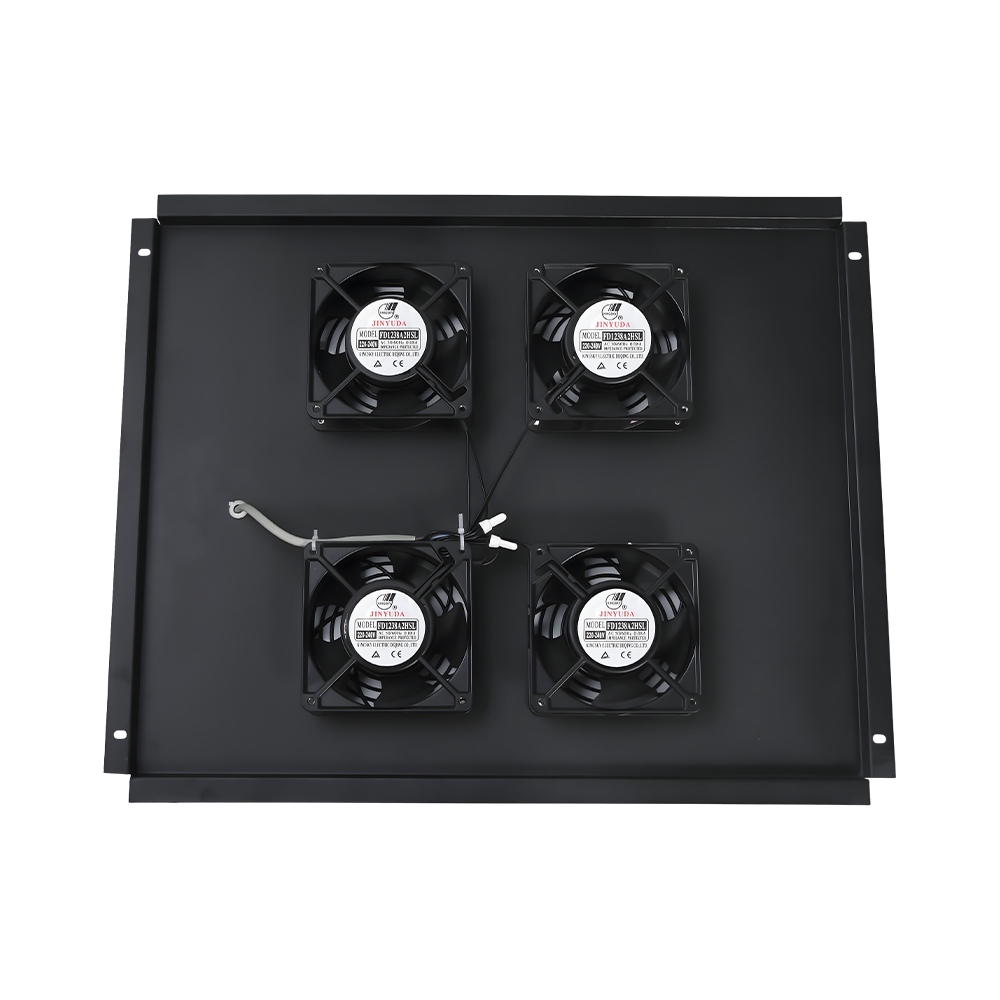
Cabinet accessories cover the full range of hardware that turns an empty network cabinet frame into a working enclosure — mounting rails, cage nuts, cable management arms, blanking panels, ventilation fans, PDU brackets, hinges, and locking mechanisms. Rather than a single product, this is a category of supporting components that determine how easily a cabinet can be installed, organized, cooled, and secured over its working life. Getting these details right has a direct effect on airflow, cable routing, and how quickly a technician can service equipment inside a fully loaded rack.
At Ningbo Baopeng Electric Appliance Co., Ltd, cabinet accessories are built from SPCC cold-rolled steel, chosen for its consistent thickness and ability to hold precise tolerances during stamping and bending. Raw steel on its own is vulnerable to rust once it leaves a dry warehouse environment, which is why the surface treatment stage matters as much as the metal itself. Three processes are commonly paired with cold-rolled steel components: phosphating to prepare the surface and improve paint adhesion, electrostatic powder coating for an even, chip-resistant finish, and electrophoretic priming for coverage on hard-to-reach edges and welds.
Each treatment plays a different role rather than one being a straightforward substitute for another. The chart below groups them by three practical concerns buyers usually weigh against each other.
This is why combining steel selection with the right treatment sequence gives cabinet accessories the structural stability and corrosion resistance needed to hold up in warehouses, server rooms, and outdoor-adjacent installations alike.
Cabinet accessories are rarely one-size-fits-all — cage nut spacing, bracket dimensions, and mounting hole patterns often need to match a customer's existing cabinet frame or a specific installation environment. The production process is customized in accordance with customer requirements, with a third-party inspection carried out before shipment to confirm the finished parts meet specification. The standard production lead time is 50 calendar days from the date of order confirmation and receipt of the deposit, a timeline built to keep quality control consistent while the order moves through manufacturing.
Because the factory in Cixi, Zhejiang Province is positioned close to established shipping and logistics routes, finished accessory batches can move from the production floor toward export channels without the delays that come from operating far from a port region.
A network cabinet is really a collection of subsystems working together: structural mounting, cable routing, thermal management, and access control. Cabinet accessories are what tie those subsystems to the frame itself. The relative frequency with which different accessory types show up on a typical build gives a useful sense of where design attention tends to concentrate.
Mounting rails and cage nuts tend to appear most often because nearly every piece of rack-mounted equipment depends on them for a secure fit, while blanking panels matter more once airflow management becomes a priority in a densely populated cabinet.
With solid engineering expertise and precision manufacturing capability, Baopeng delivers cost-effective and dependable enclosure solutions for both commercial and industrial applications, which is part of why accessory fit and finish tend to matter just as much as the cabinet frame itself.
When comparing suppliers for cabinet accessories, buyers generally look past price alone and weigh a handful of recurring factors together — build quality, how flexible the customization process is, how predictable the lead time is, and how consistent the quality inspection process is from order to order.
Baopeng operates as a factory dedicated to providing direct manufacturing services, offering professional customization to meet specific product requirements, and drawing on extensive experience gained from long-term cooperation with first and second-tier domestic home appliance brands — which is one reason returning customers tend to trust the consistency of what ships out the door.
Not necessarily — most cage nuts and rails follow common rack-unit spacing, but hole patterns and rail depth can vary between cabinet designs. Confirming dimensions before ordering avoids a mismatch once parts arrive.
The choice often comes down to part geometry. Flat panels take an even powder coat easily, while parts with welds, folds, or recessed areas benefit from electrophoretic priming, which reaches into corners a spray gun can miss.
Since production is built around the order confirmation and deposit date, planning around the standard 50 calendar day lead time helps keep an installation schedule realistic, especially when accessories are being custom-fitted to a specific cabinet layout.
Yes — a third-party inspection is carried out before shipment as a standard step, giving buyers an independent check on the finished parts ahead of dispatch.
Don't hesitate to contact when you need us!
For any questions and feedback from customers, we will reply patiently and meticulously.

The product has obtained multiple domestic and international certifications, including 3C, CE, ROHS, CB, and the ISO9001 quality management system.
CONTACT US
Address: No. 118, Guyao Highway, Zhangqi Town, Cixi City, Zhejiang Province, China
Wechat: +86-15921162693
Email: [email protected]
Mobile



 English
 Español
 عربى
عربى