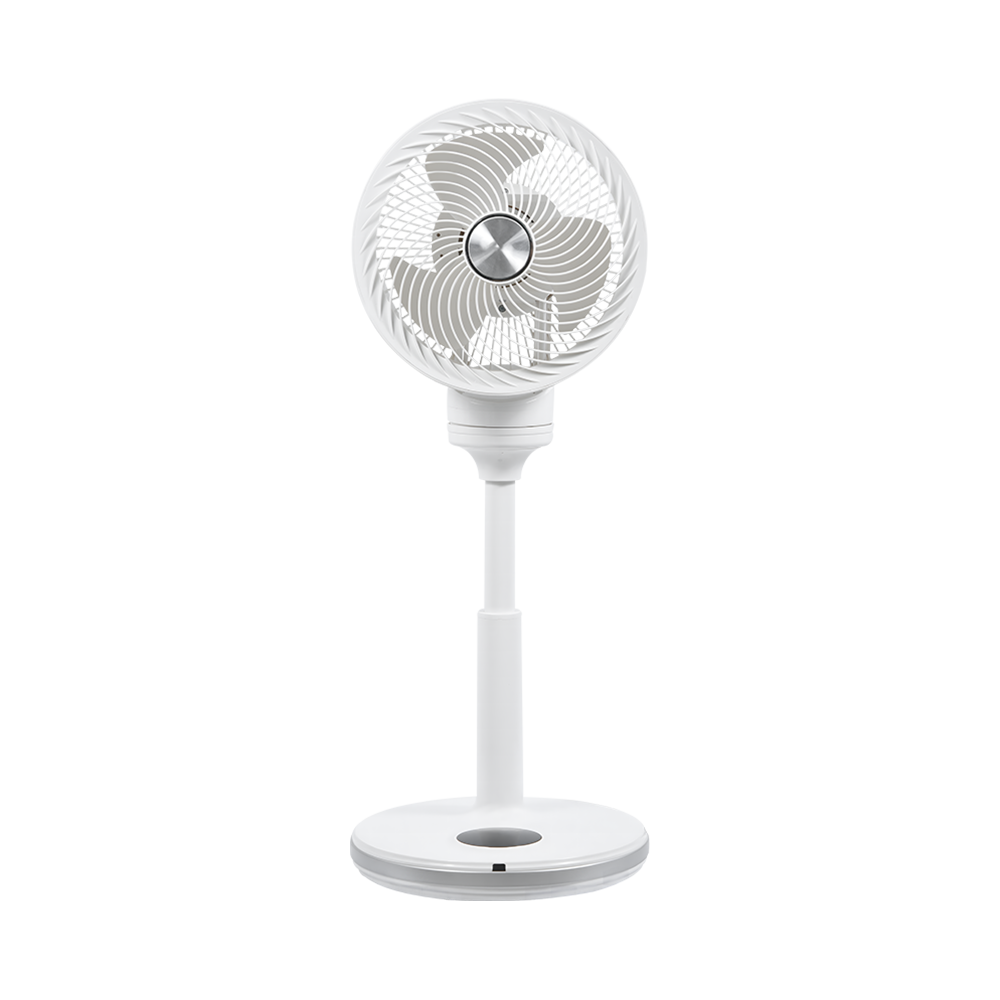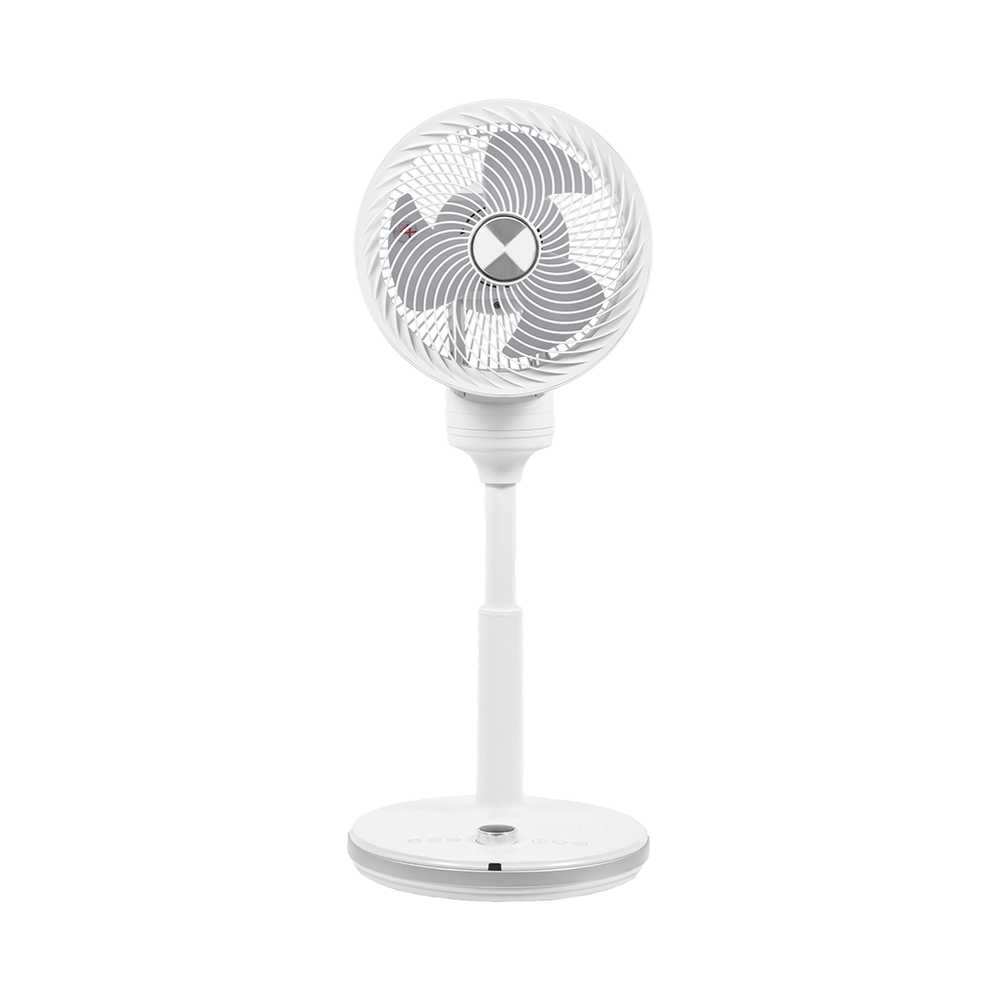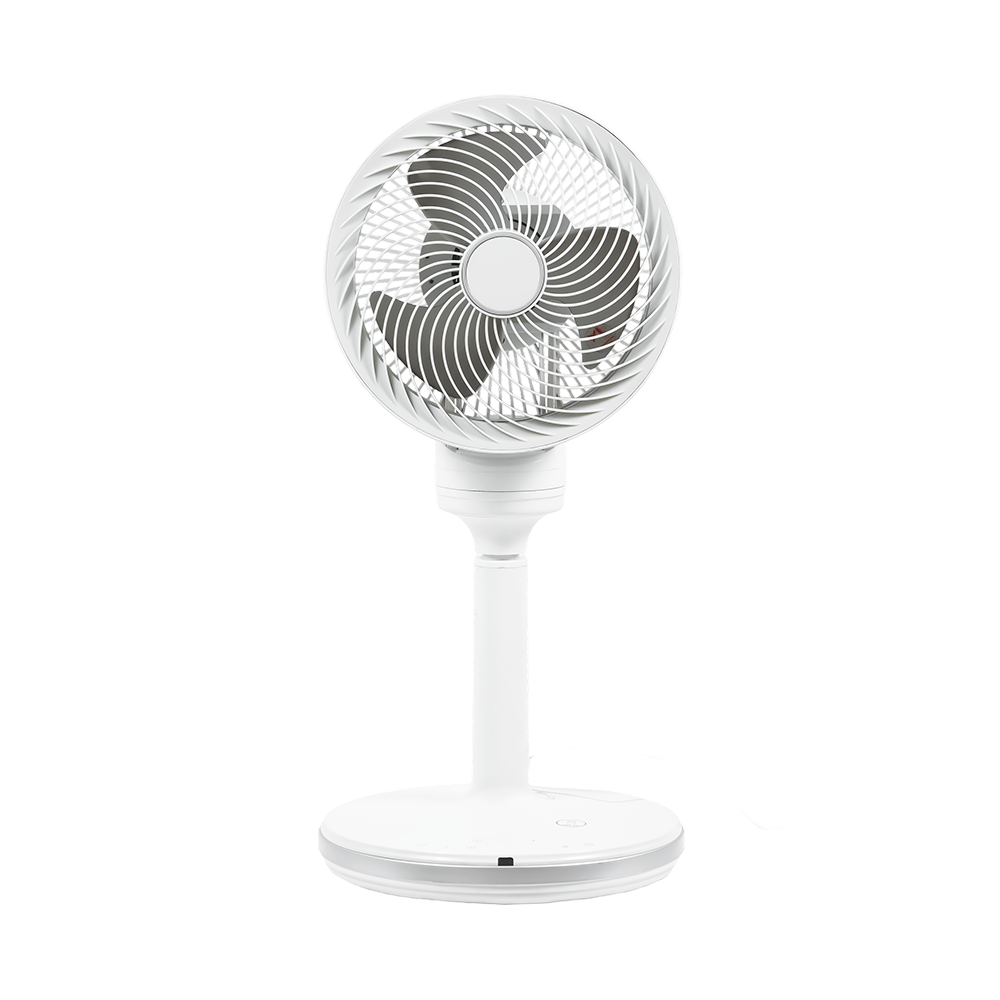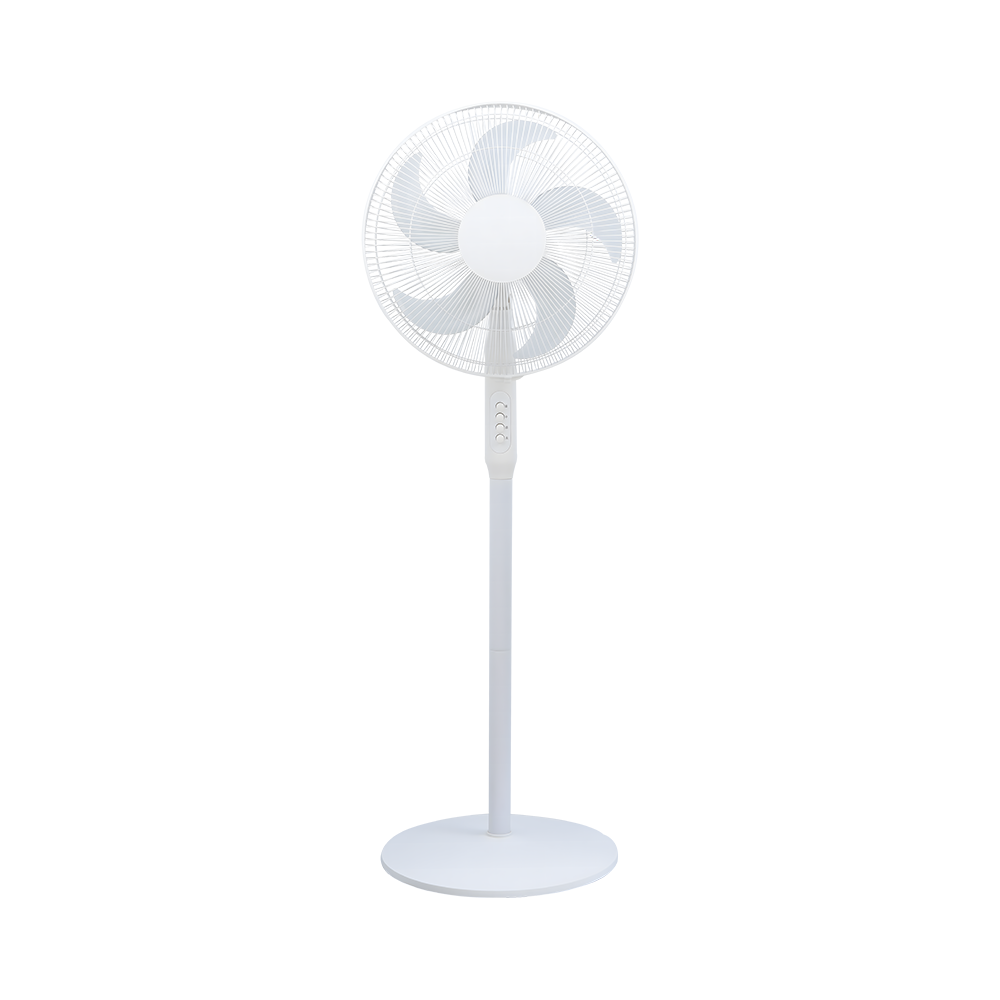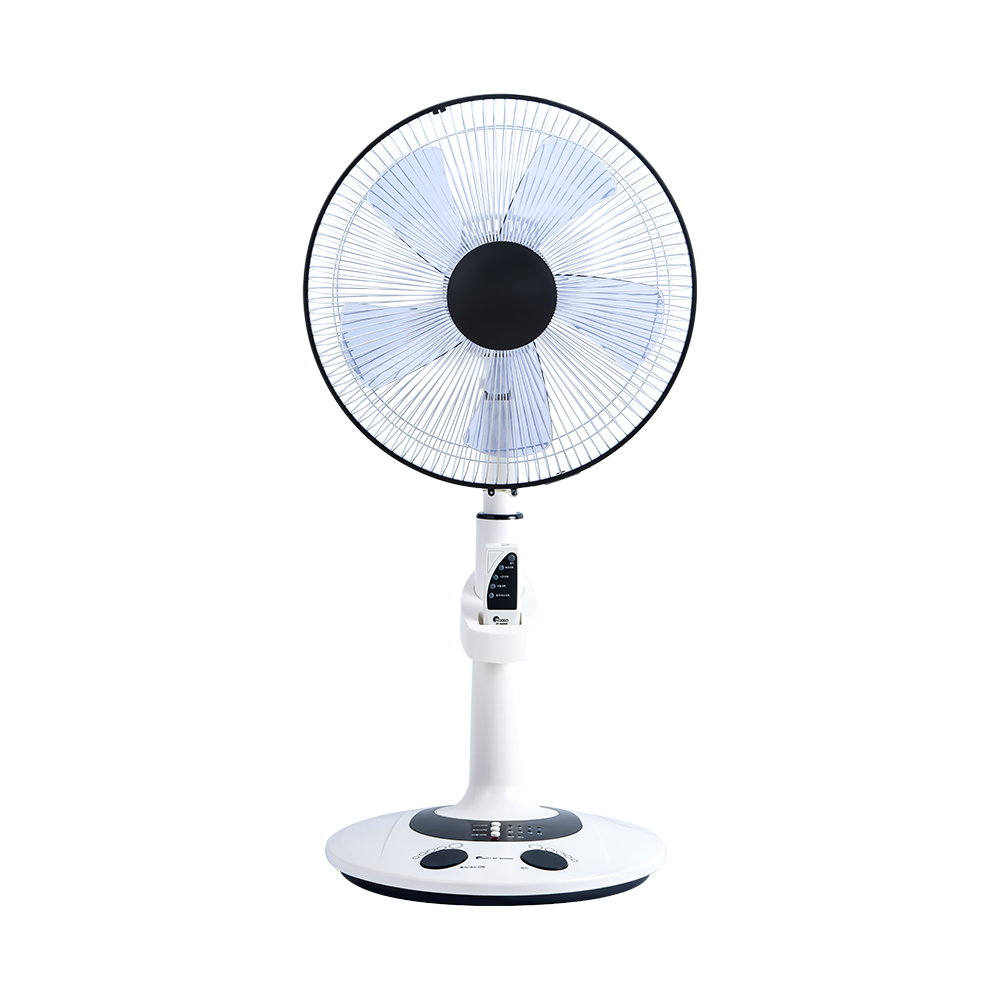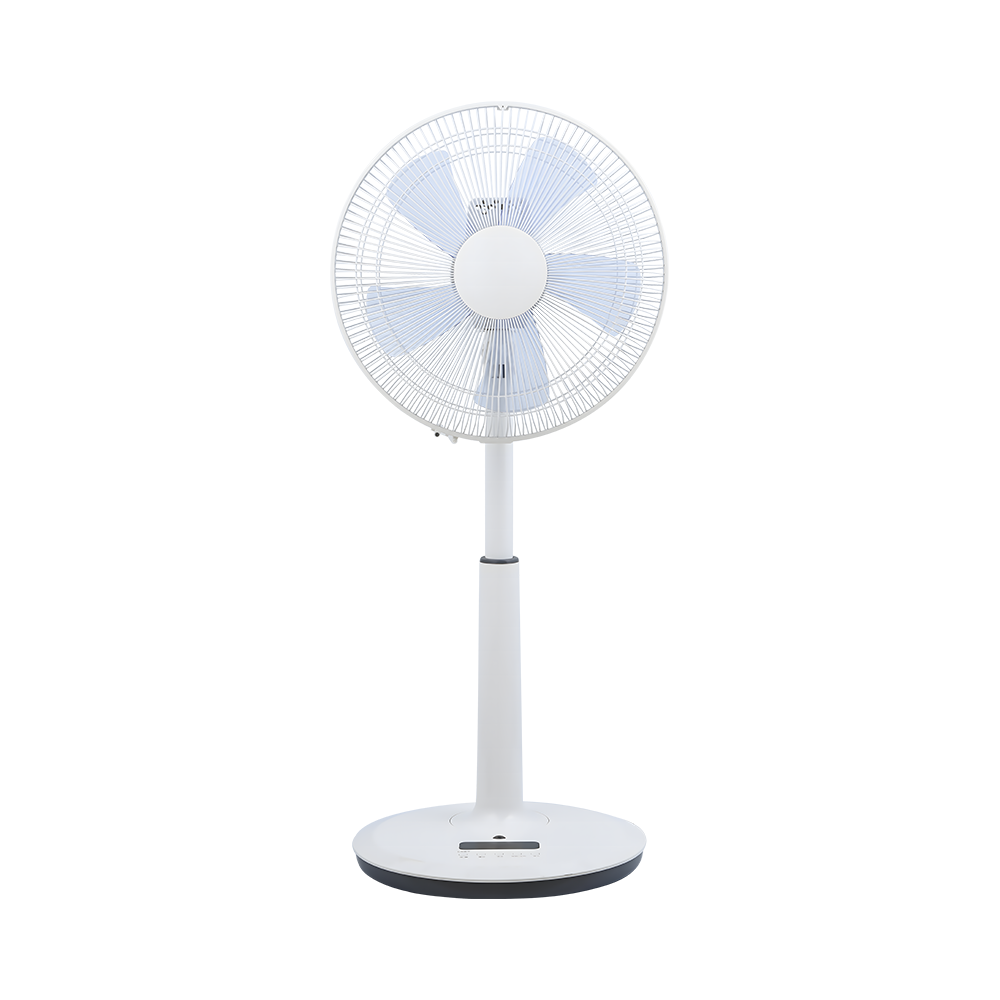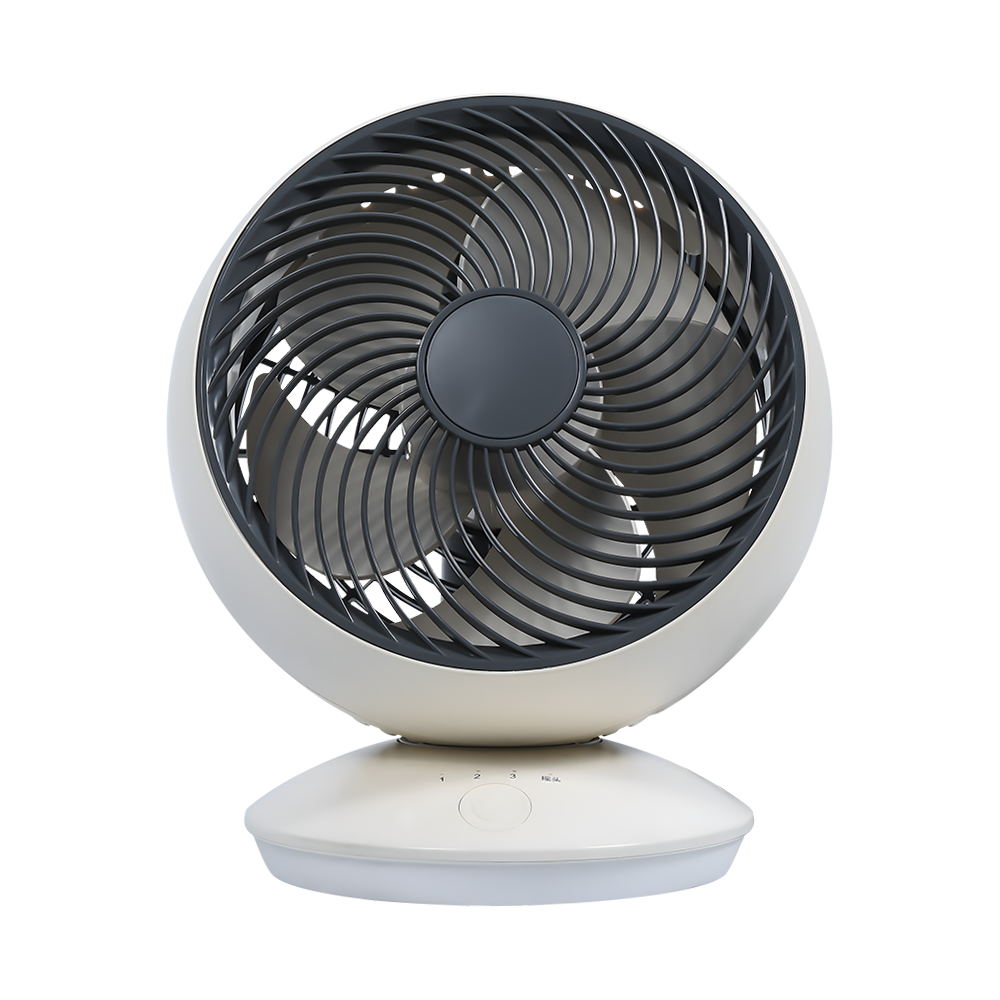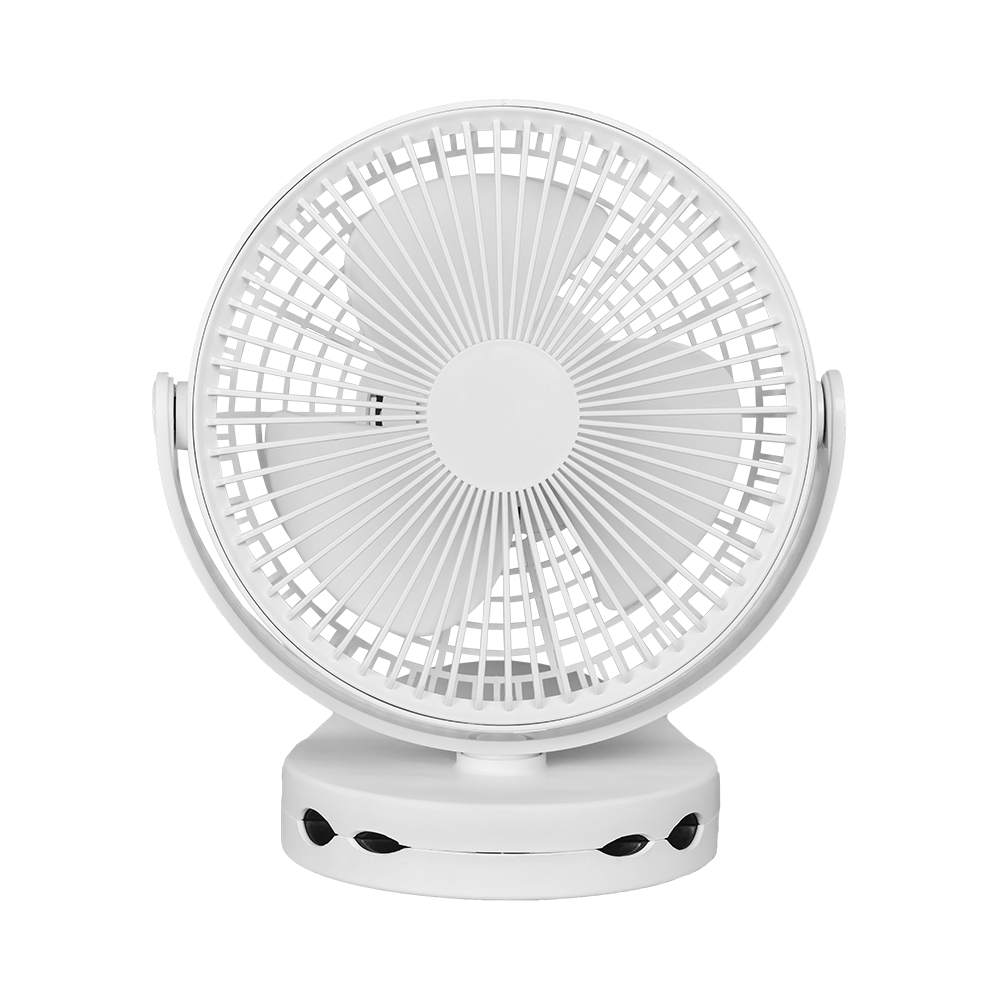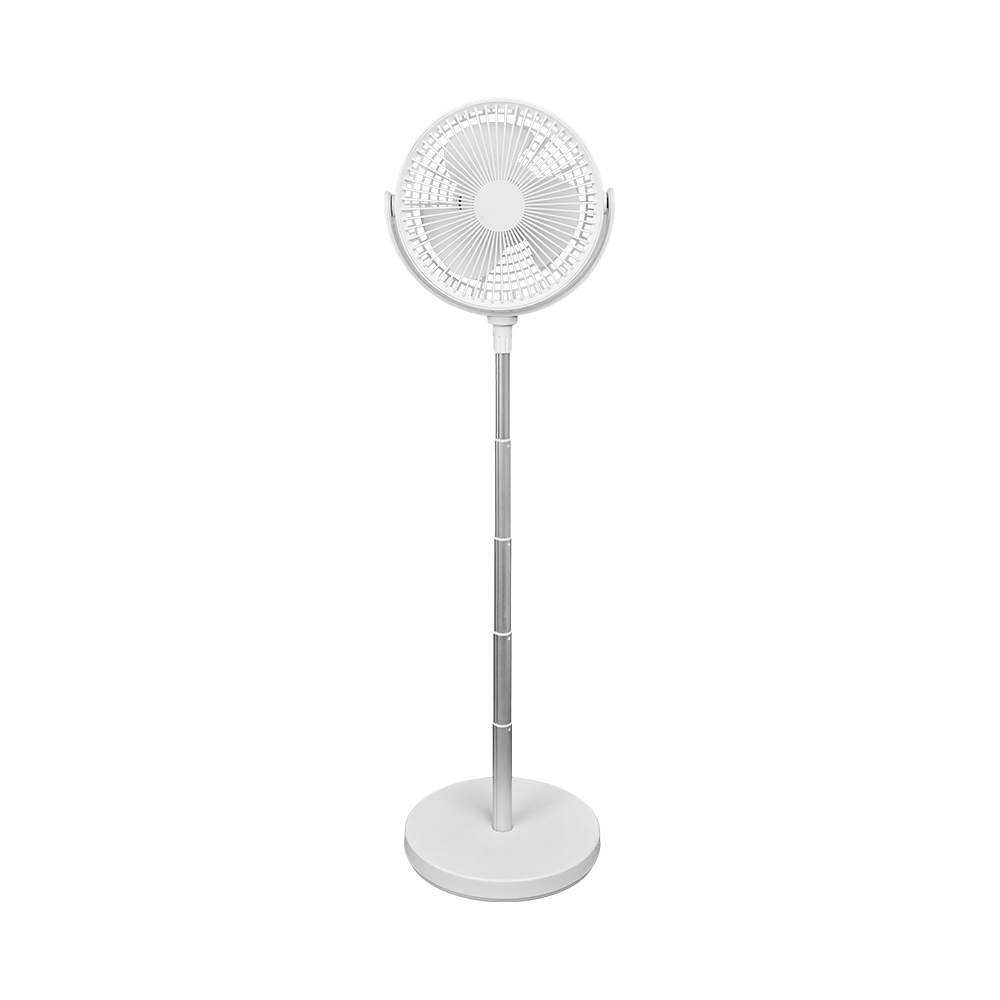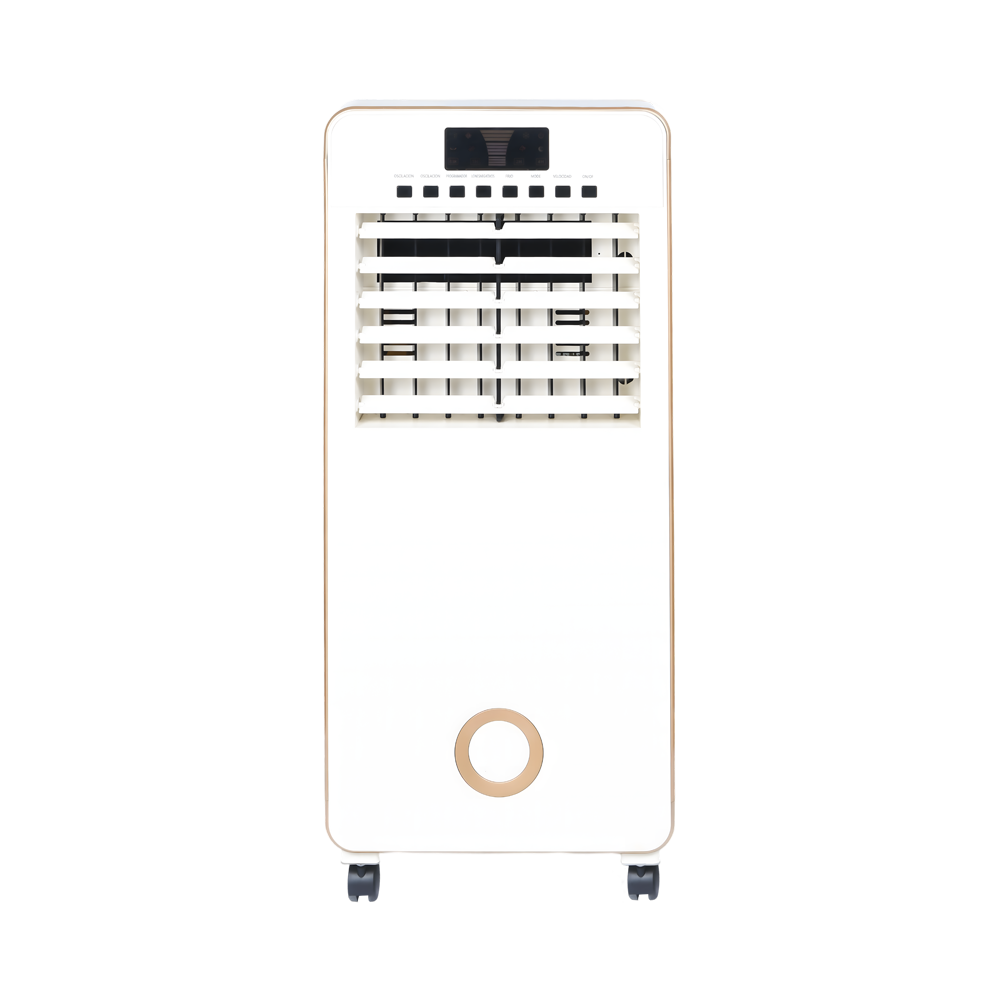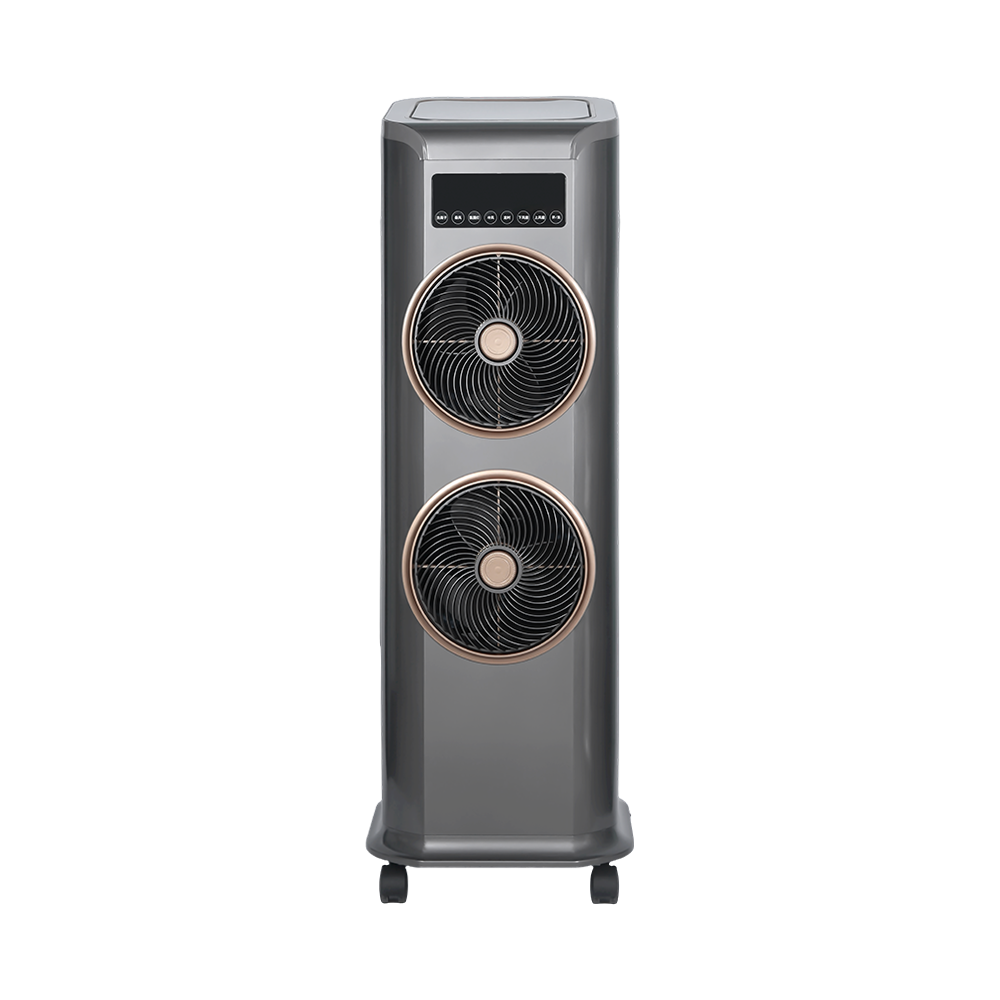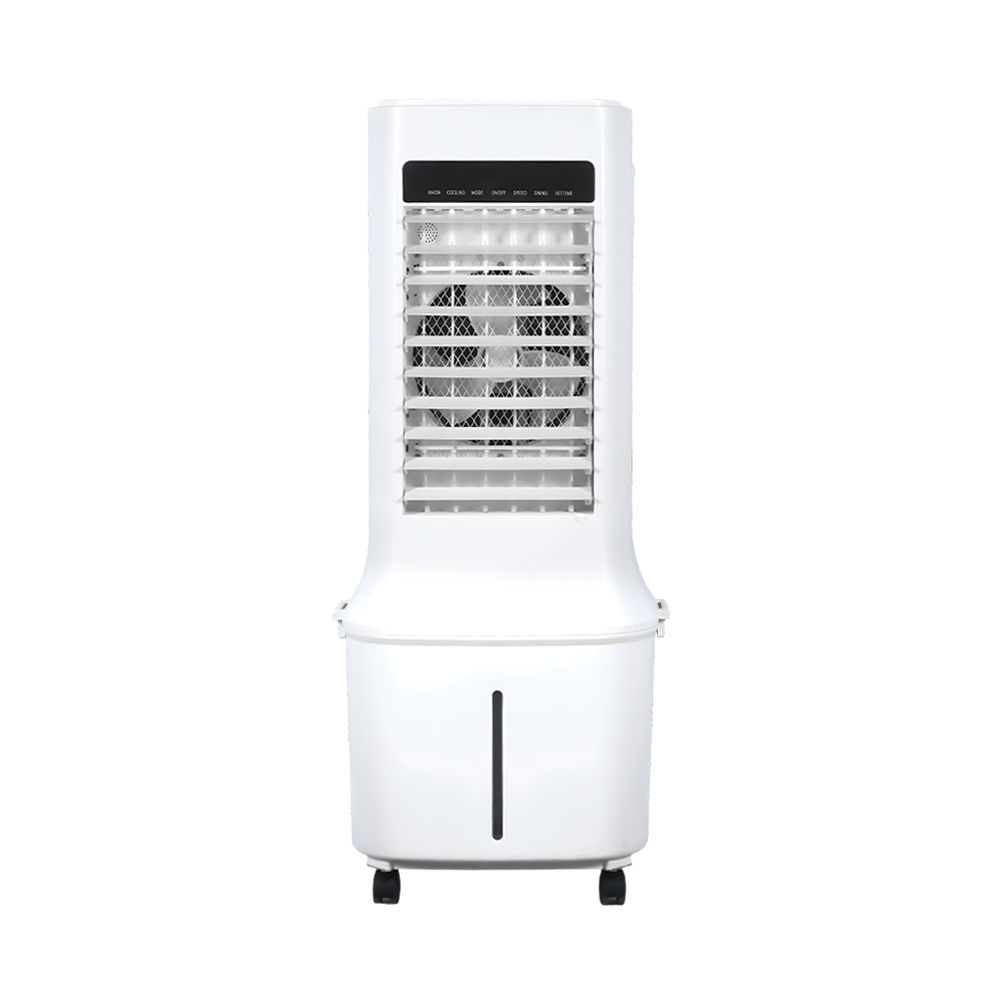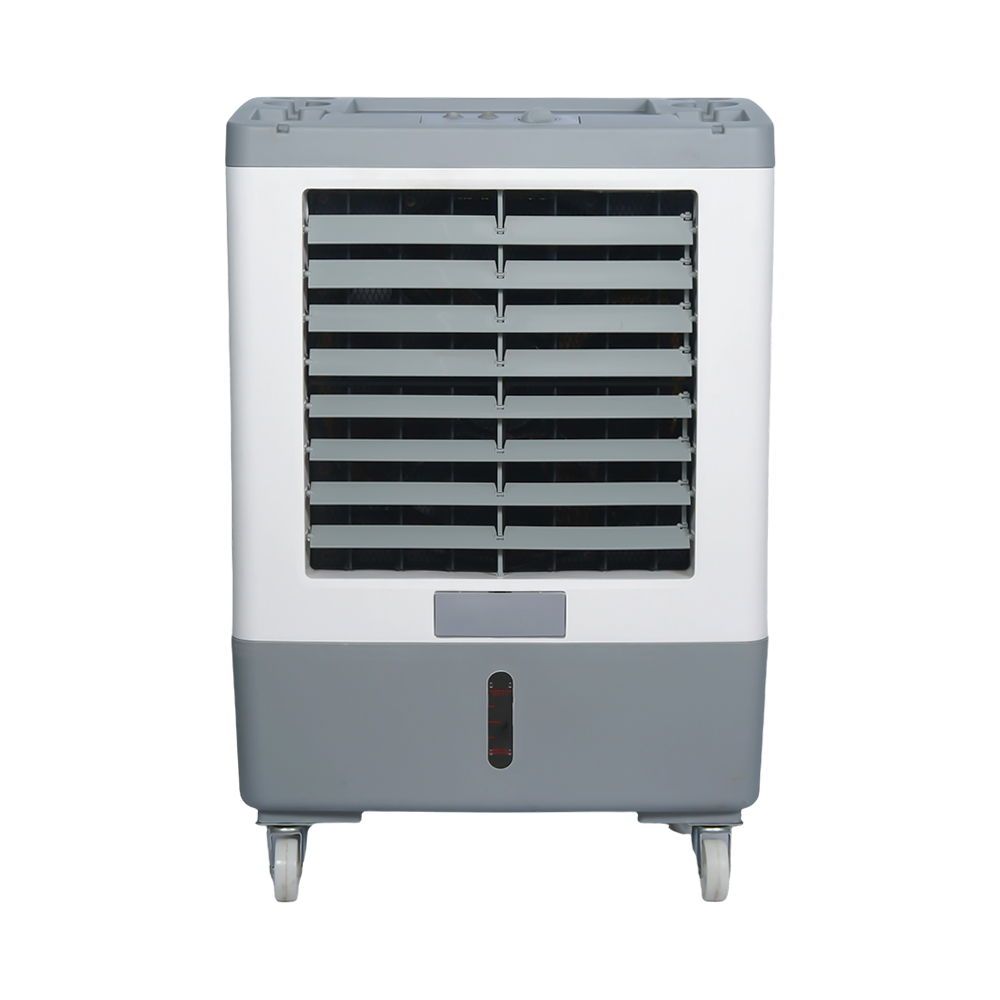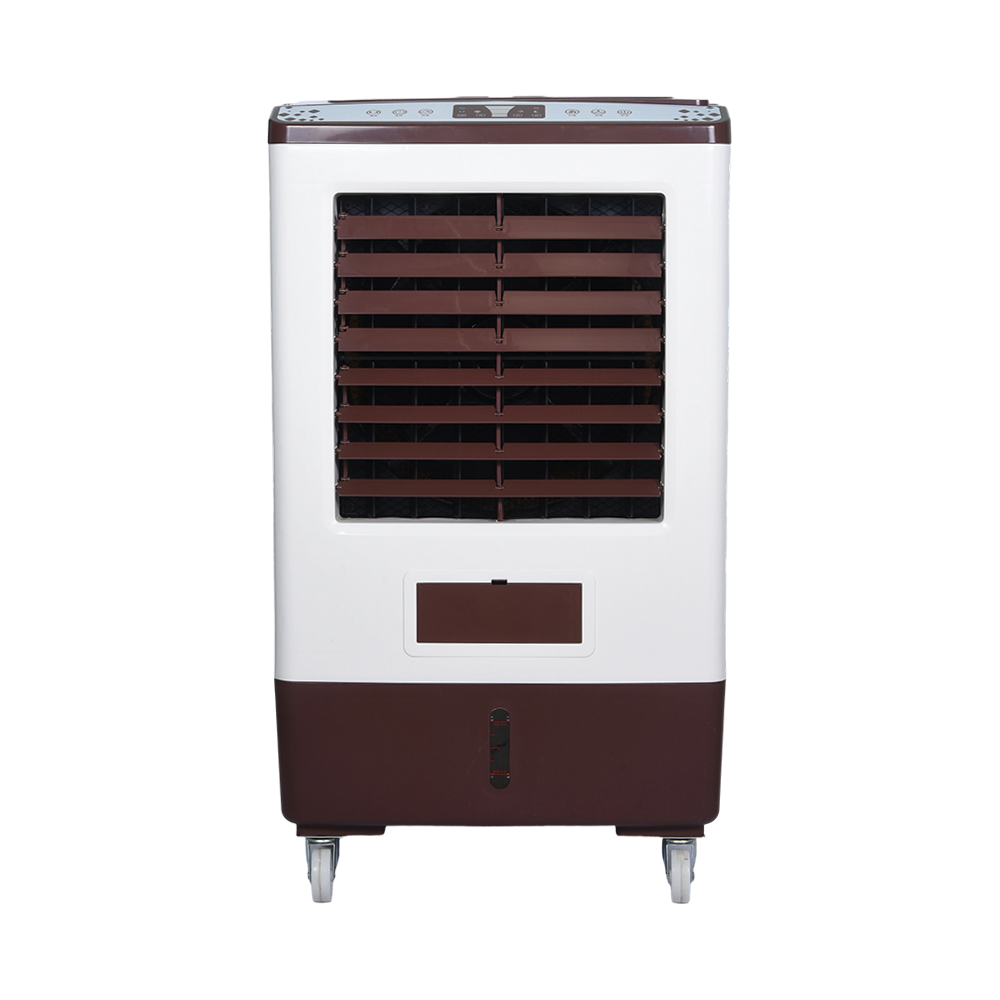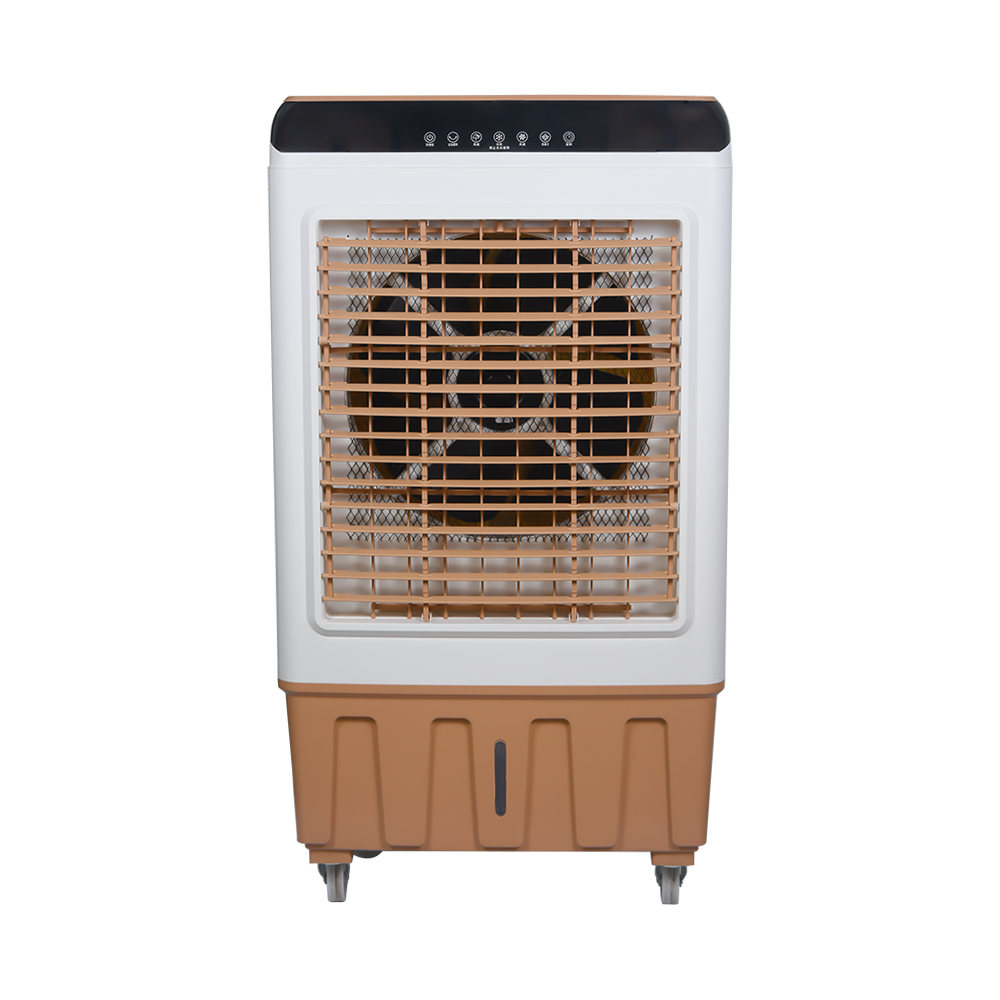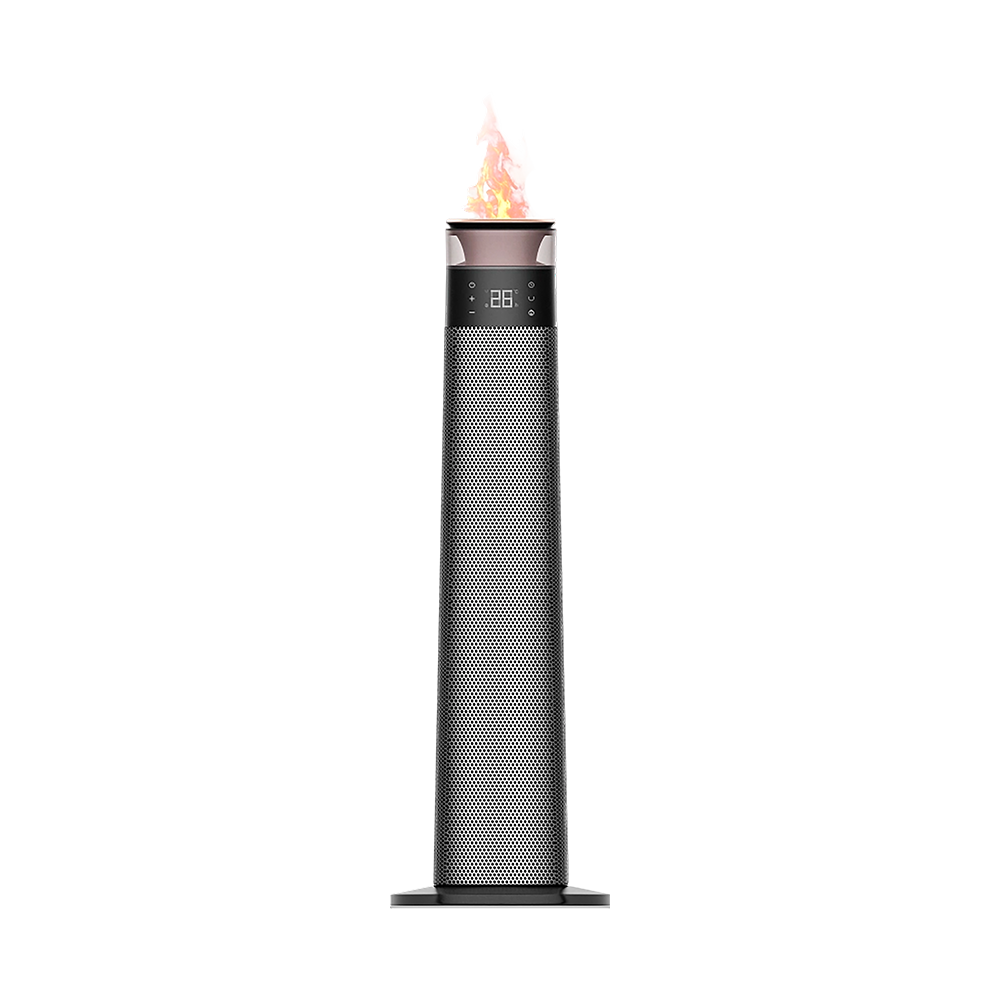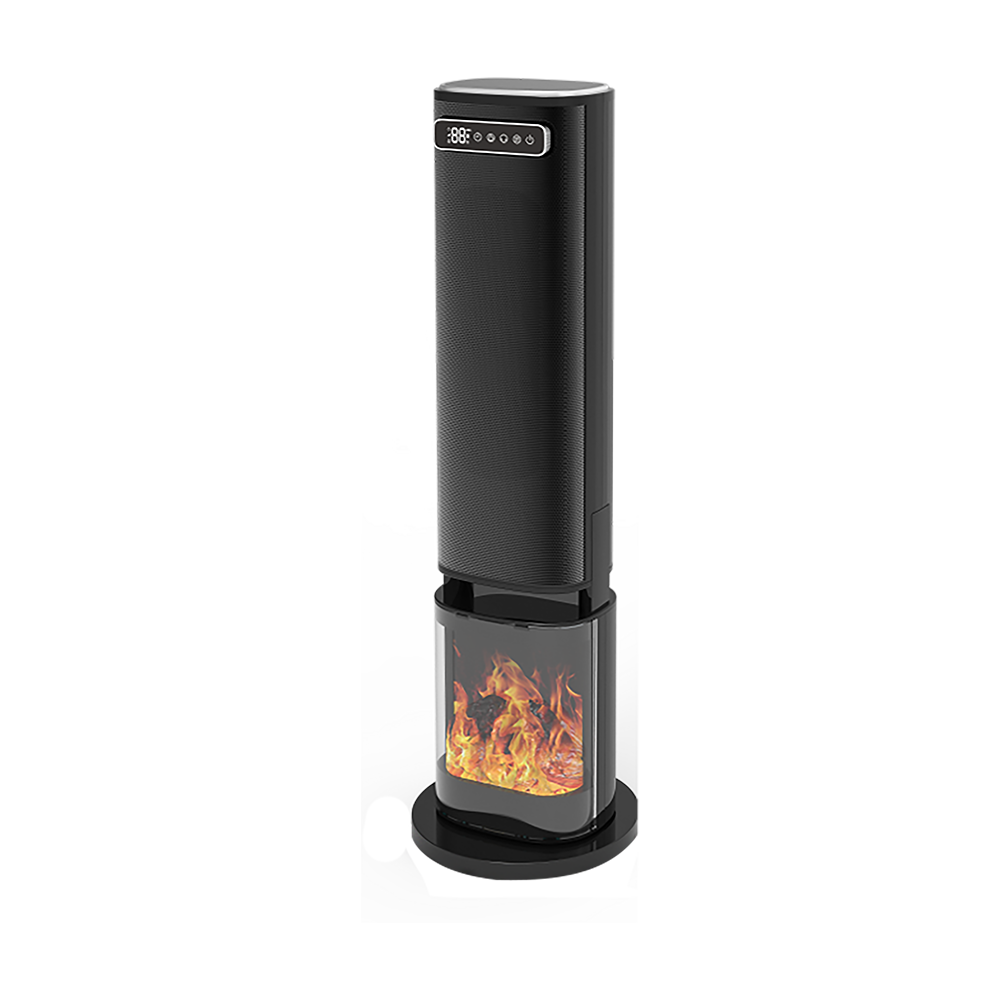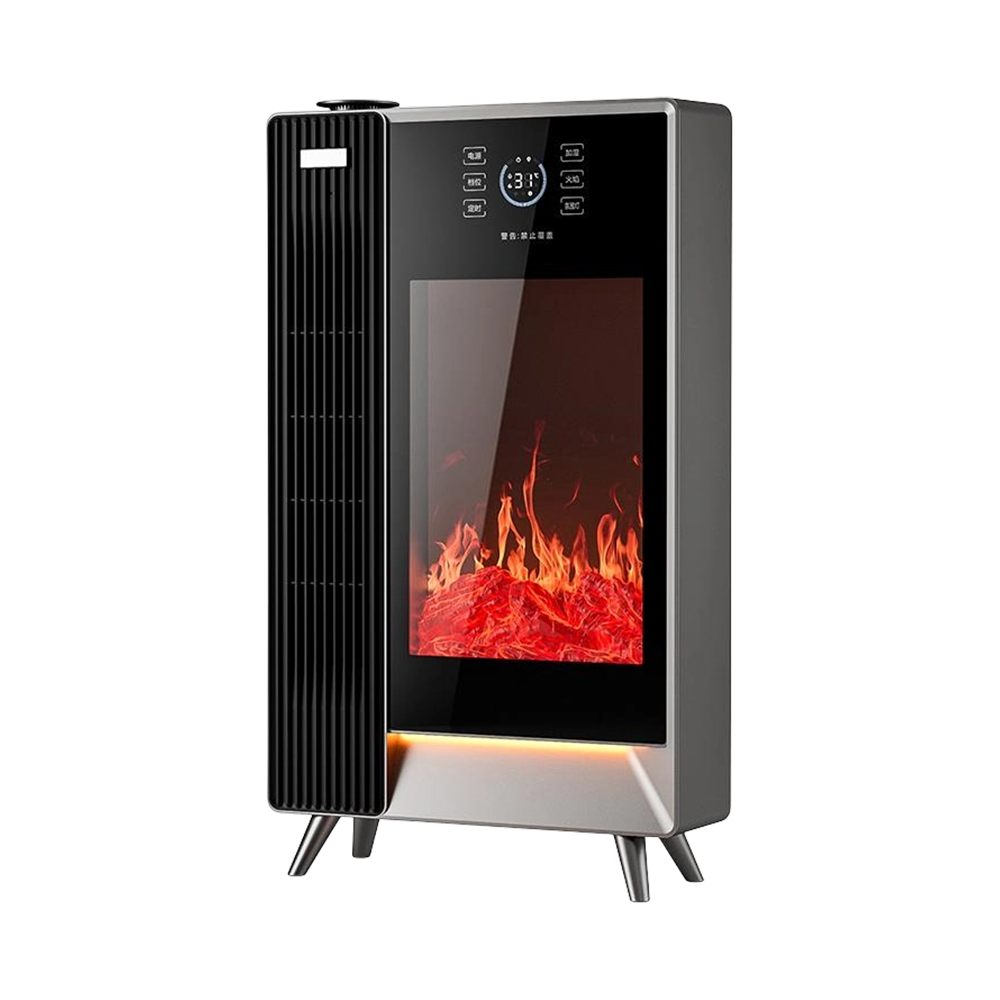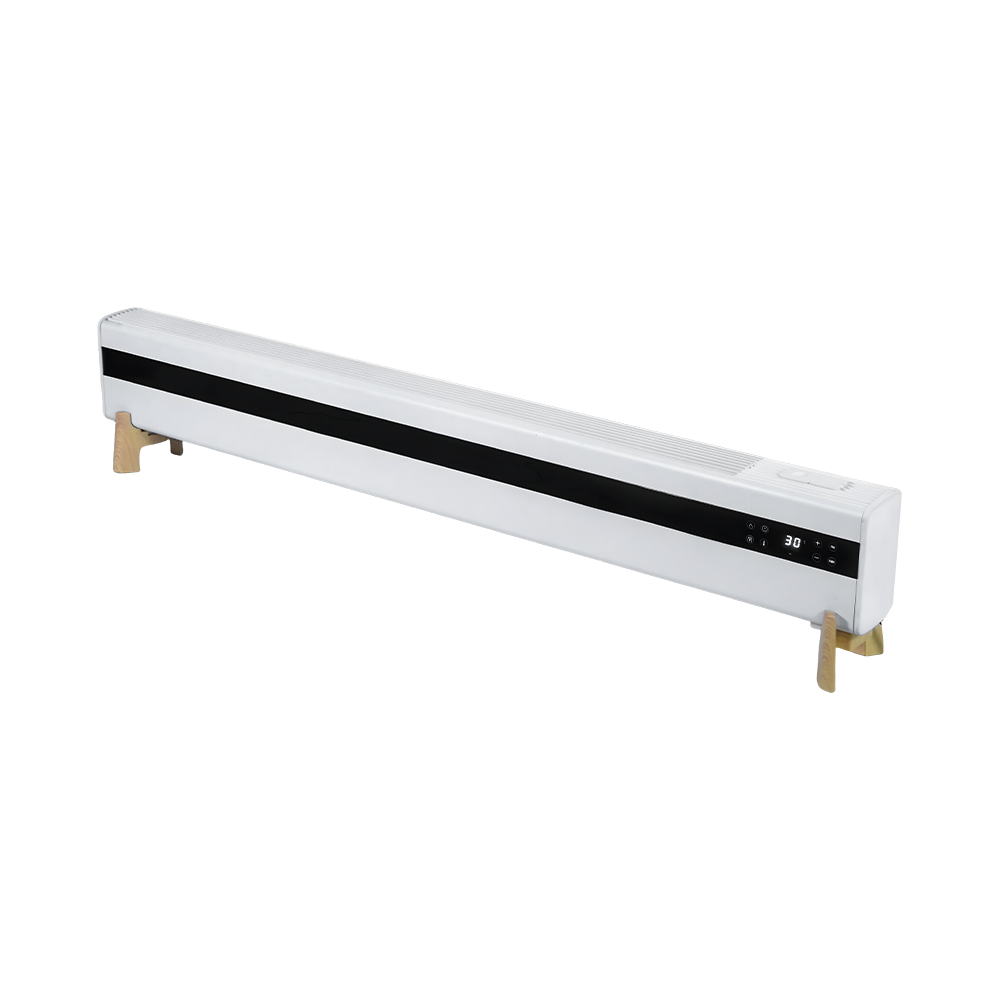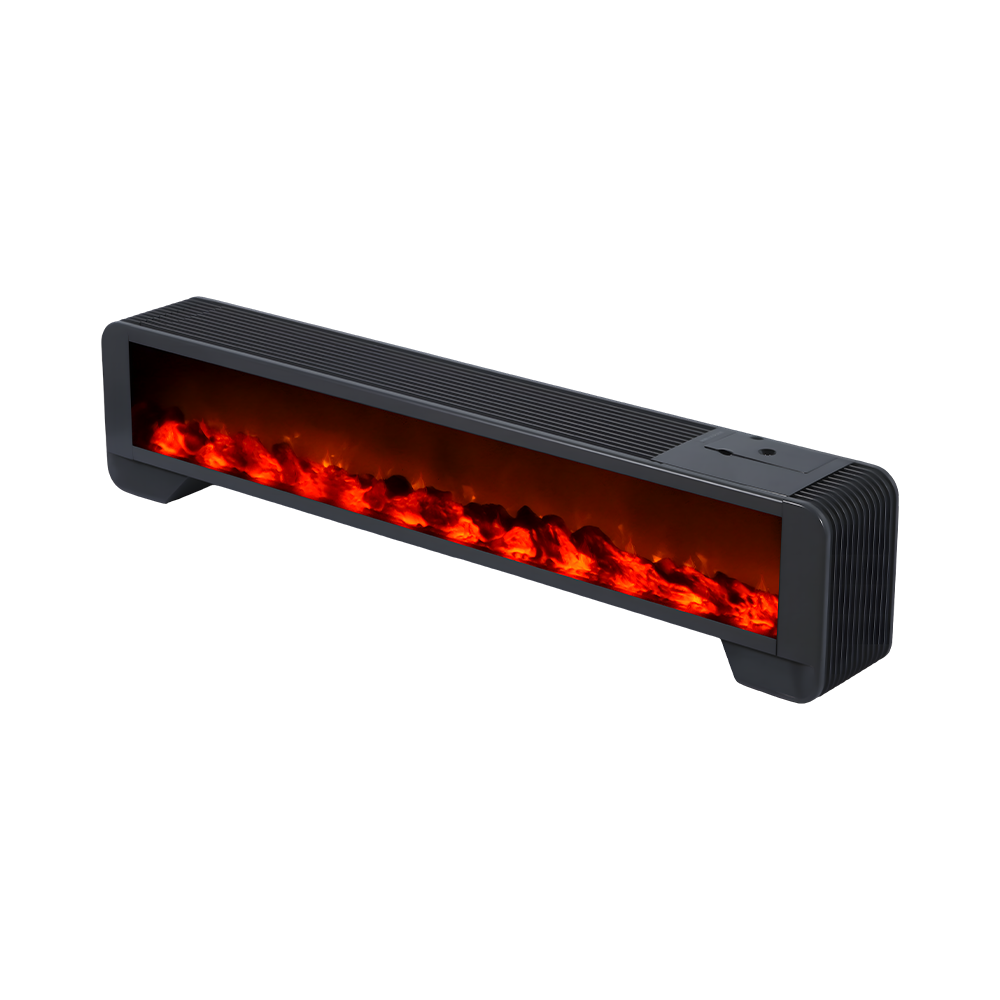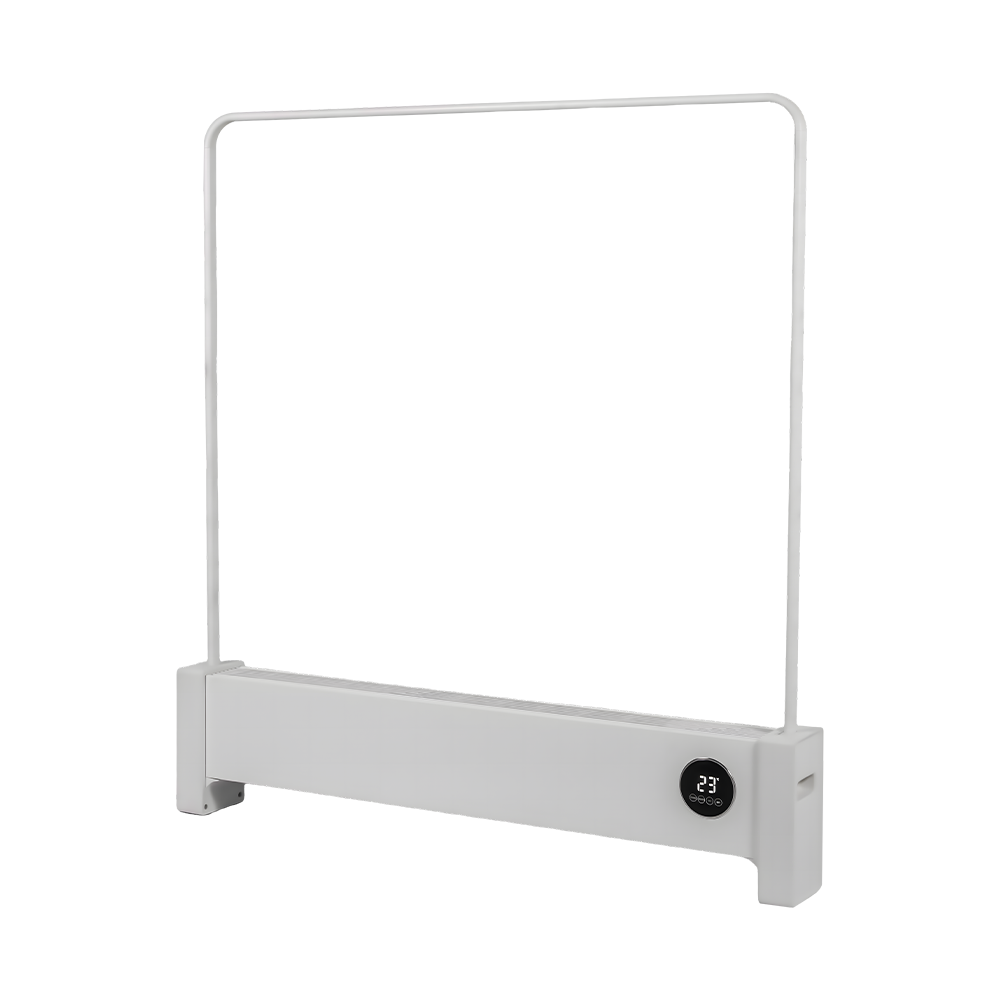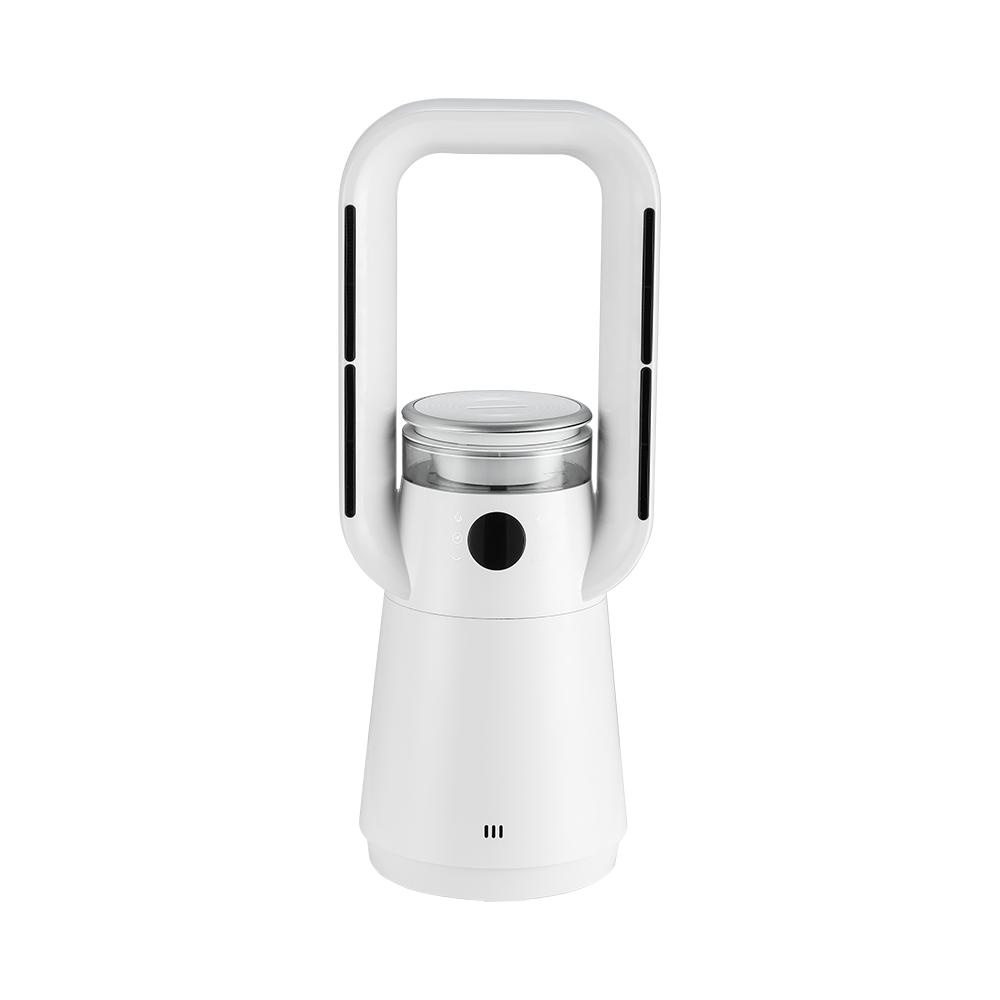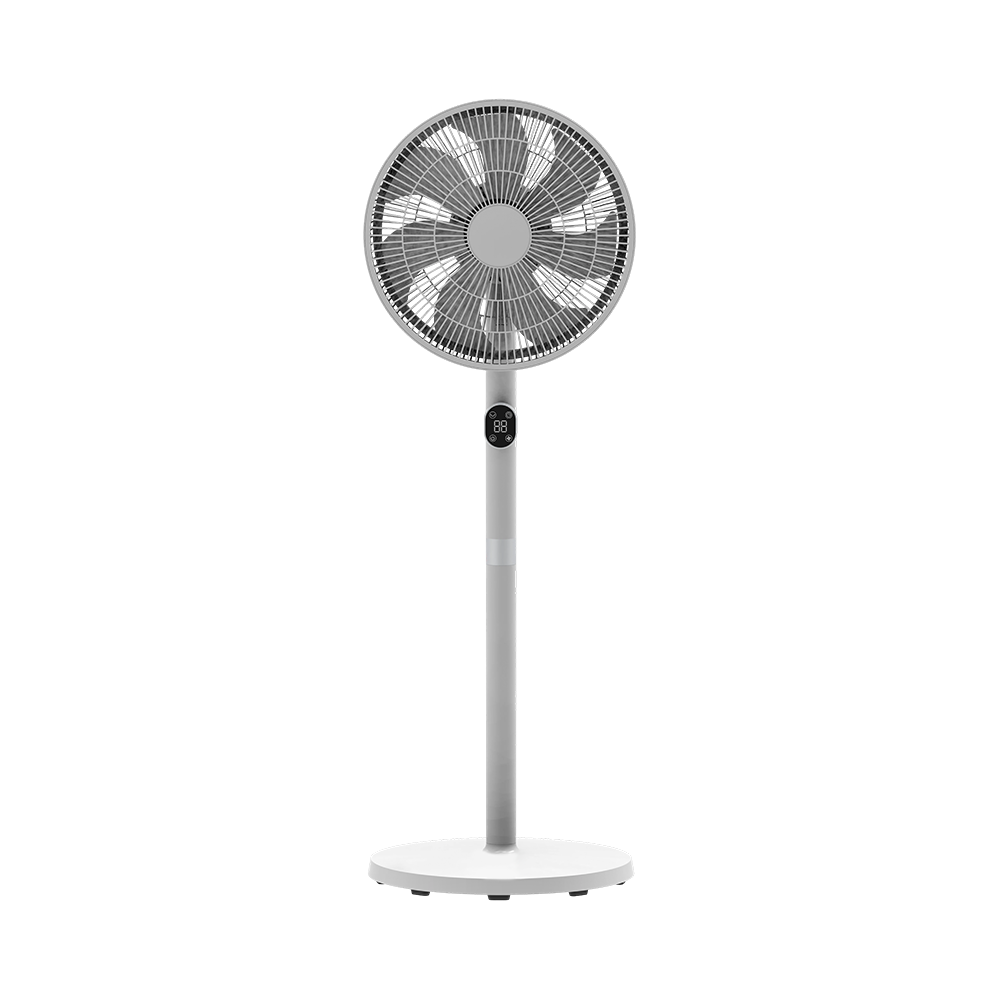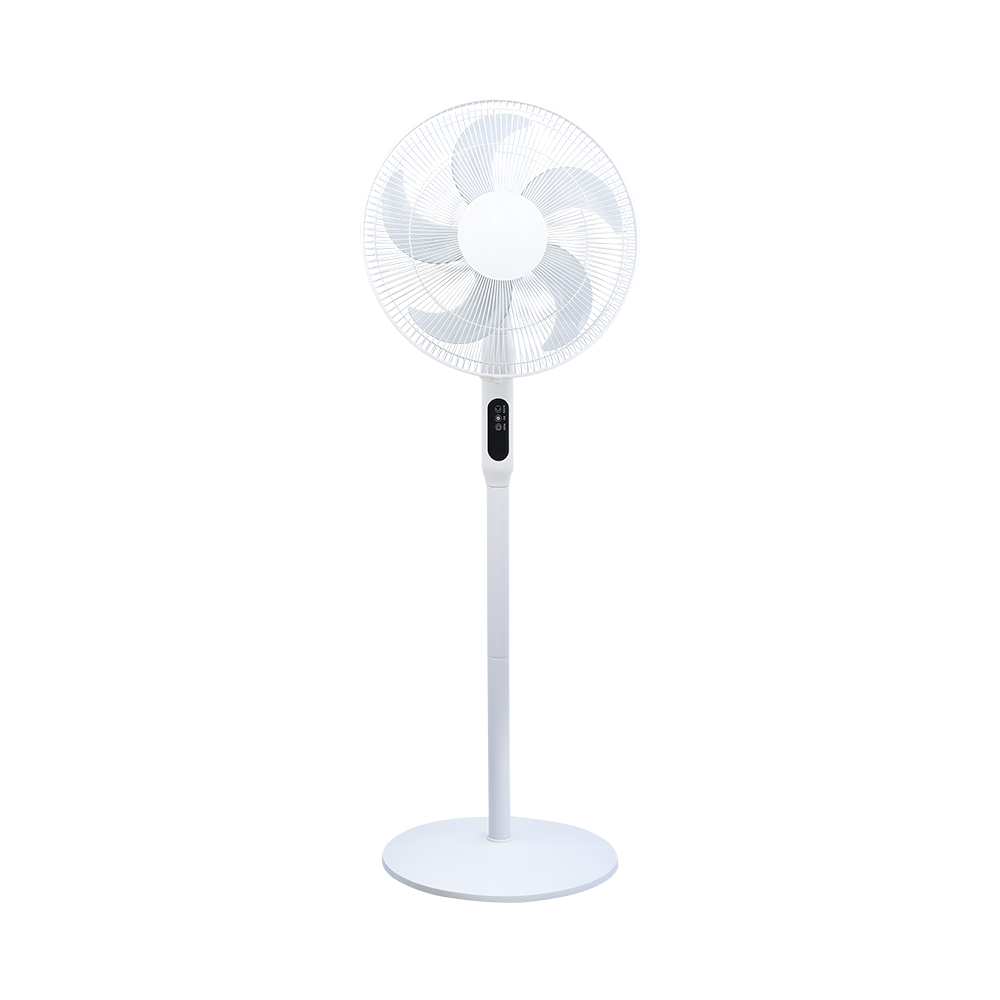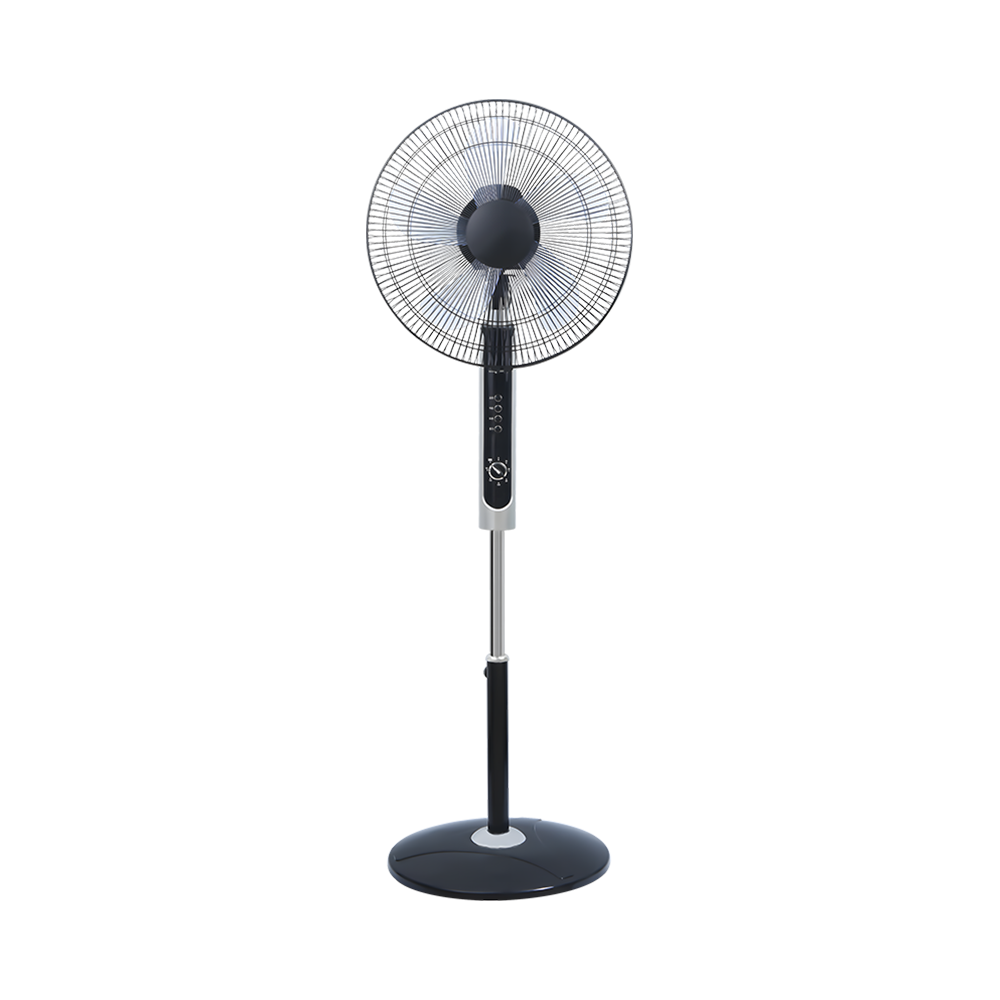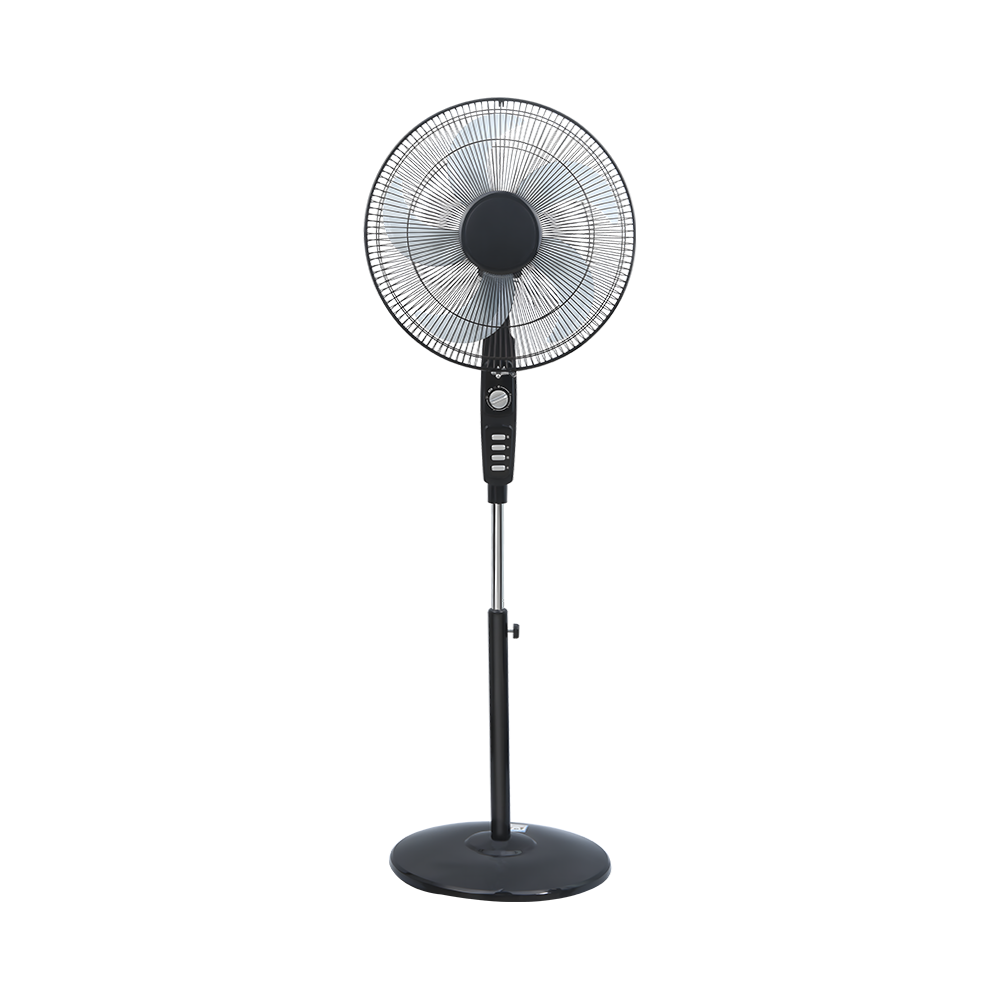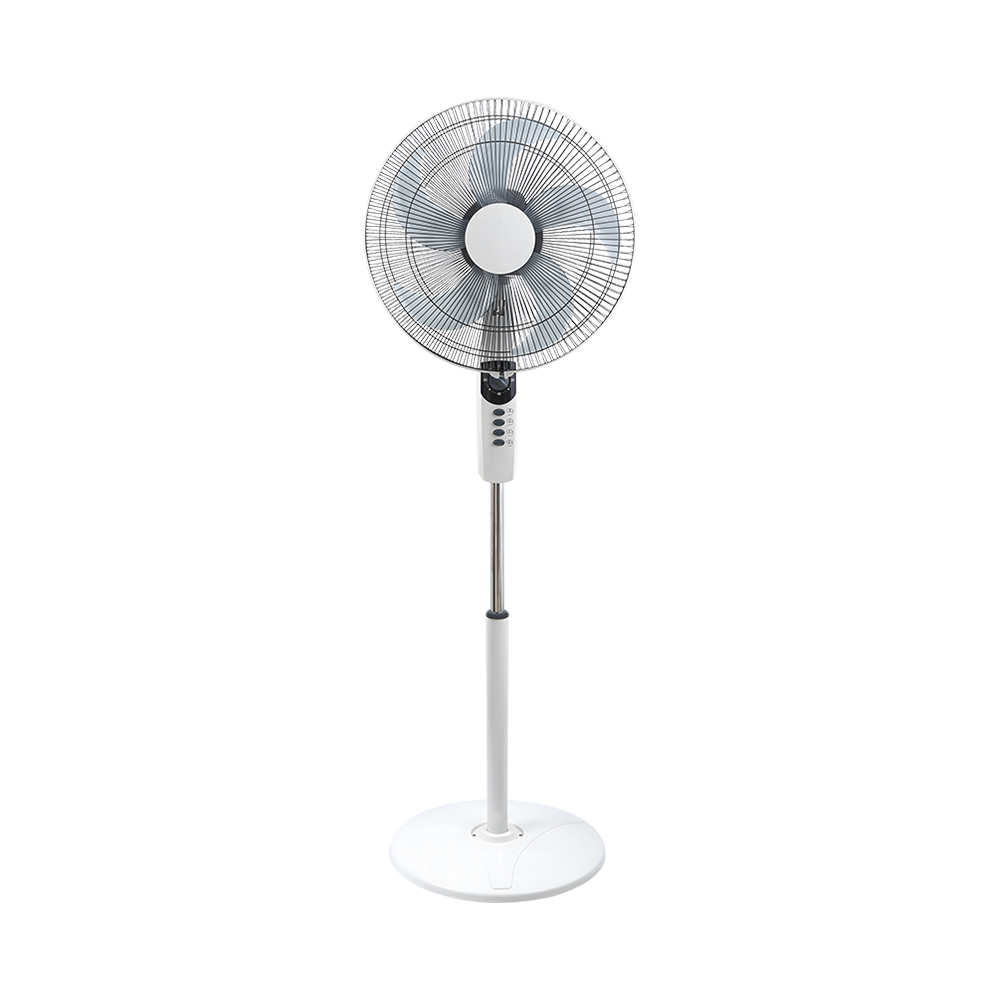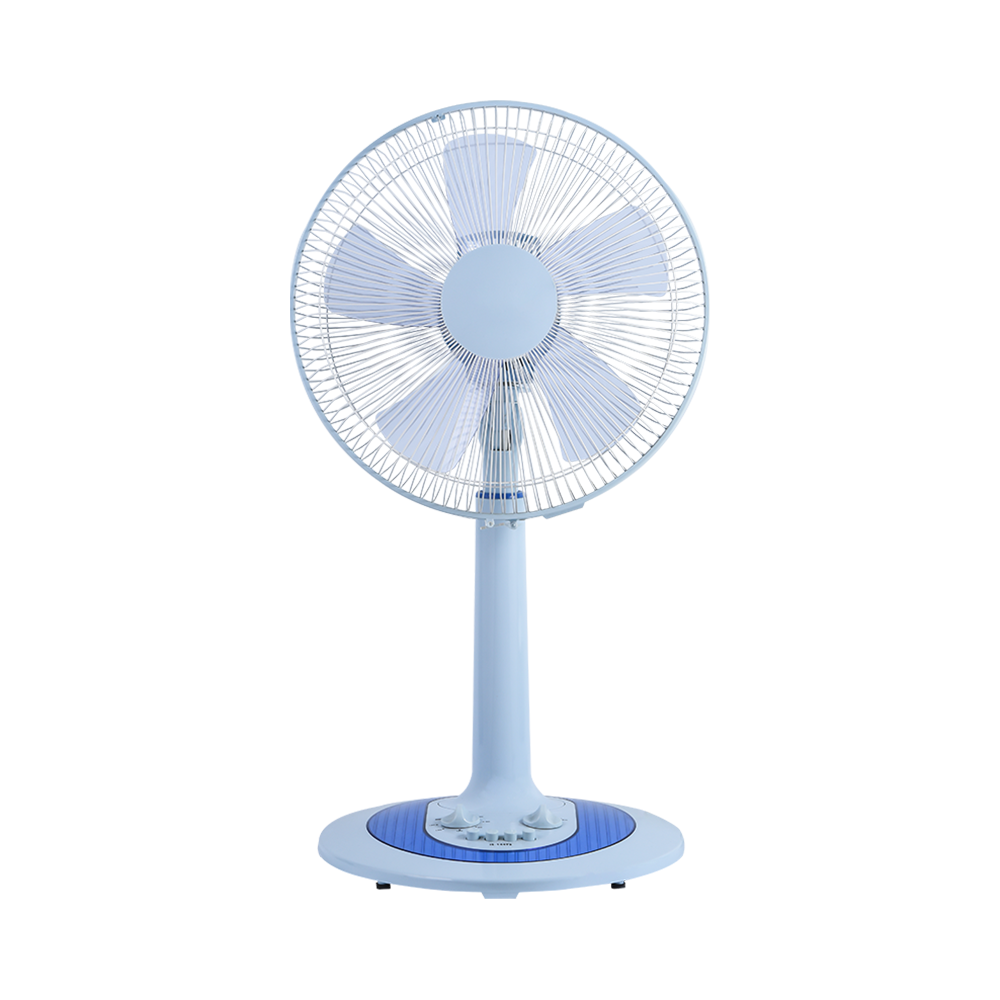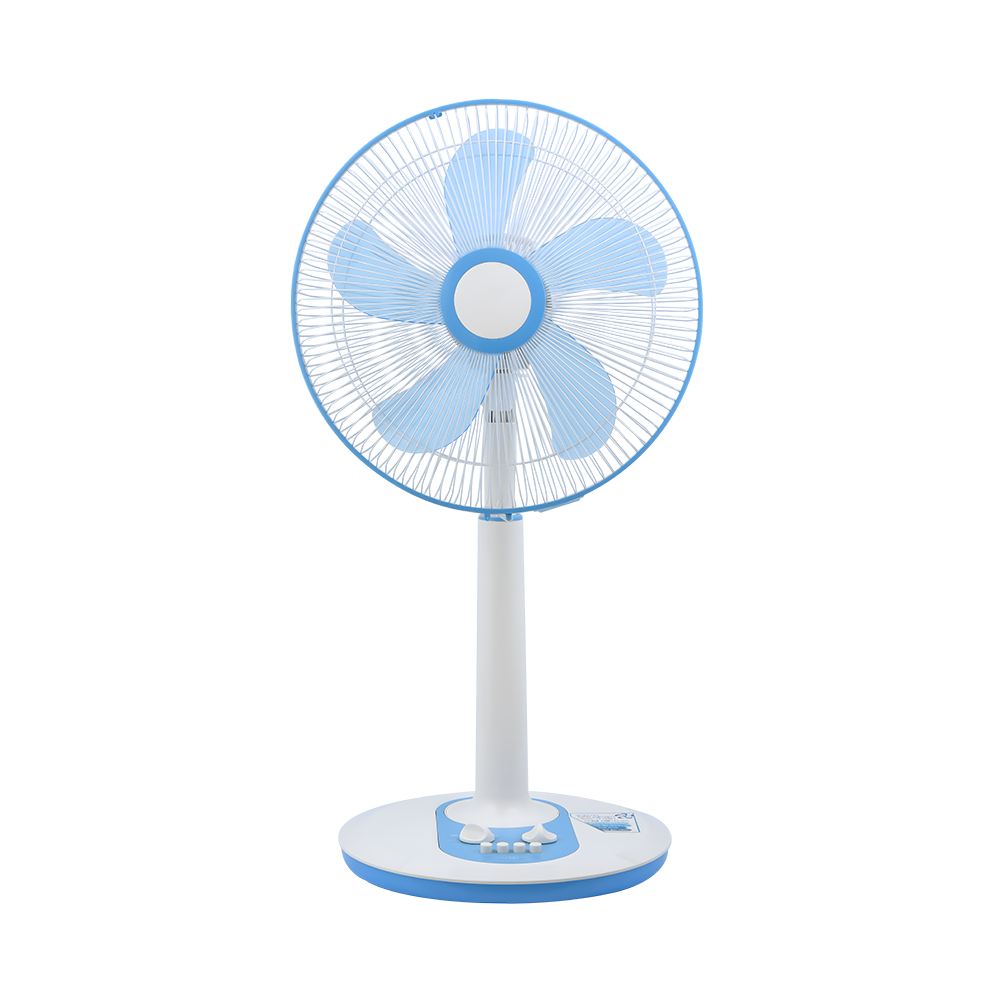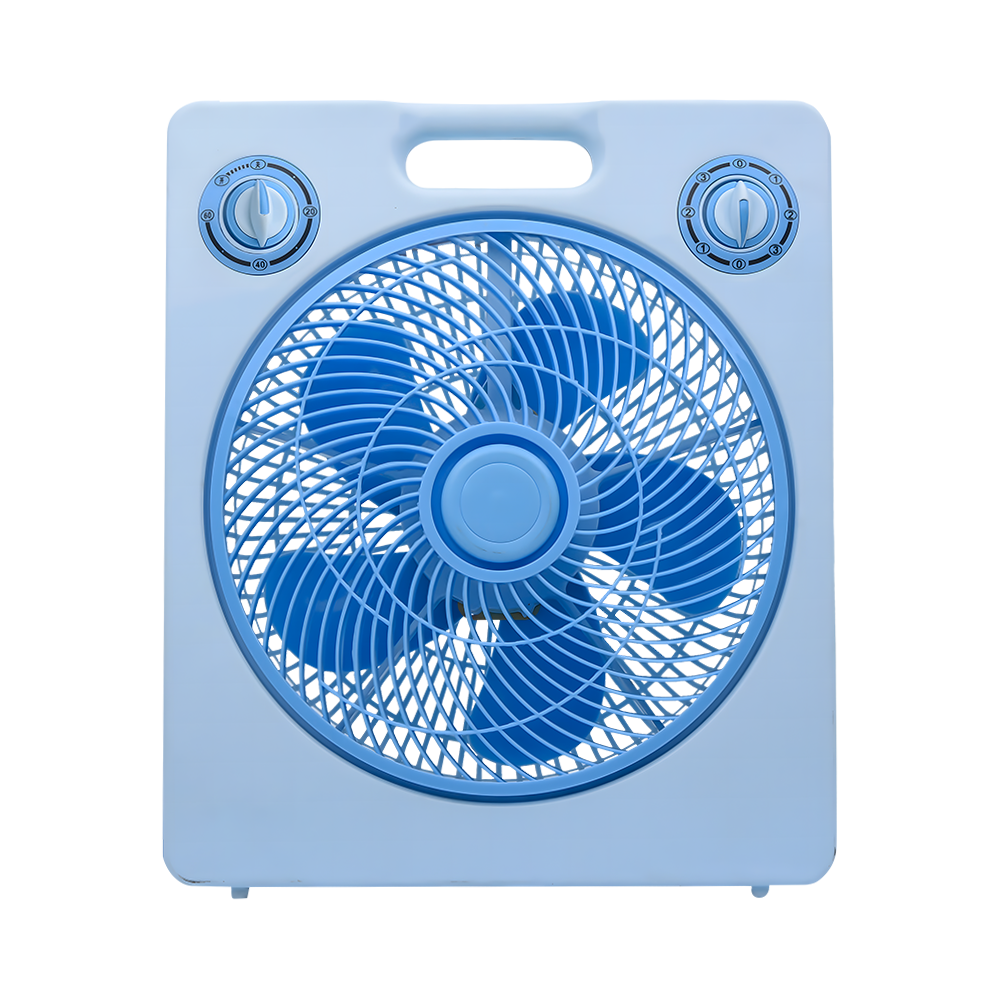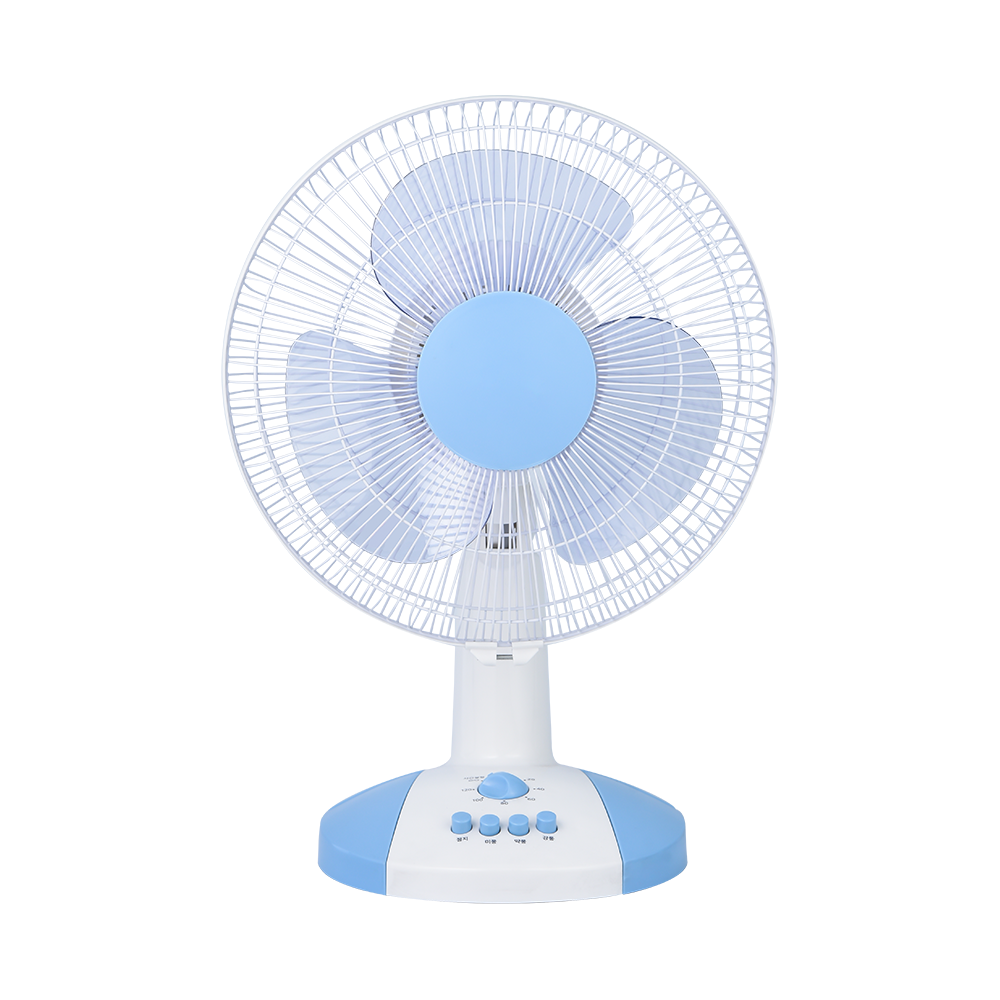

A fan uses spinning blades to move air, creating directional airflow that promotes evaporation and replaces stagnant hot air, improving comfort without cooling the air itself.
Fans typically have a simple design, with a motor and blades supported by a sturdy base, and can be adjusted for angle or height to direct airflow.
By circulating air, fans create a dynamic breeze in otherwise static spaces, offering localized comfort whether on a desk or from a floor-standing model.
Don't hesitate to contact when you need us!
We're a reliable partner that shapes our expertise into success for your project.
Oct 12, 2026
The Heated Ceiling Fan: Does It Exist? Smart Heat & Air Circulation Guide If you searched for a heated ceiling fan expecting one appliance that both blows air and warms a room, here is the direct answer: integrated heated ceiling fans exist, but they are a rare, mostly commercial niche. In ordinary homes they rarely make sense, because heat rises. A heating element mounted at ceiling height... read moreOct 05, 2026
Indoor Heaters Buying Guide: Types, Sizing, Wattage, Safety and Cost Tips The right indoor heater is chosen by room size first, heat technology second, and control features last. A 1,300W PTC heater is enough for a bedroom of about 8 to 10 m², while a 2,200W graphene baseboard heater is a better match for a living room of 18 to 22 m². If you also want a visual centerpiece, a 3D flame firepl... read moreSep 28, 2026
Best Heater for Greenhouse: Types, Sizing Tips and Buying Advice | Baopeng Short answer first: for most backyard and small commercial greenhouses, the best heater setup is a thermostat-controlled, fan-forced ceramic heater to hold overall air temperature, backed by a small radiant tube heater aimed at the bench or seed-tray area for direct plant warmth. If you only buy one unit, make it the ... read more
Cooling equipment for homes, offices, and workshops now spans a wide range of formats, from a compact small floor fan tucked beside a desk to a powerful floor fan built for warehouse aisles and workshop floors. Buyers comparing a modern floor fan against a modern table fan, or an electric floor fan against an electric desk fan, are really weighing three things at once: how much air a unit can move, how much space it needs, and how it fits into a room's layout. A commercial floor fan sits at the far end of that spectrum, prioritizing continuous-duty airflow over portability. Understanding how these categories differ helps buyers match a fan to the room it will actually live in, rather than choosing on size or price alone.
Since 2002, Ningbo Baopeng Electric Appliance Co., Ltd. has manufactured seasonal appliances for households and businesses across different climates, and one recurring pattern shows up in how customers choose a fan: the room dictates the category before any feature list does. A bedroom or dorm typically calls for a compact small floor fan that can sit in a corner without crowding the space, while a home office desk is better served by a modern table fan that clears paperwork and keeps a low profile.
Beyond footprint, the practical distinction between categories usually comes down to three factors buyers can check before purchase:
Getting this match right early avoids a common complaint: a fan that is technically working correctly but simply undersized or oversized for the room it was placed in.
Illustrative airflow ranges commonly referenced when comparing fan categories by size class.
Motor output and blade geometry together determine how a fan performs once it is switched on, and this is where the gap between an electric floor fan made for daily household use and a powerful floor fan built for larger rooms becomes clear. A higher-output motor does not automatically mean a louder fan; blade pitch and housing design play just as large a role in how noise builds across speed settings.
In its production facility spanning 17,000 square meters, Ningbo Baopeng Electric Appliance Co., Ltd. runs its assembly lines with a team of more than 200 staff, supported by inspection checkpoints at each stage of the process, from component build-up through to final testing of a completed unit. That kind of consistent testing matters most at the top speed setting, where motor strain and airflow output both peak at the same time.
Relative airflow trend across four speed settings on a typical multi-speed floor fan.
For rooms with poor cross-ventilation, running a fan on a mid-range setting for longer periods often moves more total air than short bursts at maximum speed, since the motor avoids the thermal load that comes with sustained high-speed operation.
The look and control layout of a fan has changed as much as its motor over the past decade. A modern floor fan today typically favors a slimmer pole and a rounder grille compared with older box-style units, while a modern table fan tends toward a lower center of gravity so it sits stably on a desk edge without wobbling.
Push-button dials, rotary knobs, and touch panels each carry trade-offs: a touch panel looks cleaner but can be harder to operate with wet or gloved hands, while a rotary knob is simple to feel for in a dim room. Some designs pair a remote control with a physical panel so the fan can be adjusted from across the room or directly at the base.
Relative comparison of design attributes across the two fan formats.
From product development through to mass production, Ningbo Baopeng Electric Appliance Co., Ltd. keeps this kind of design and process control tight across every batch, so that a fan ordered in one production run performs consistently with one ordered months later.
Duty cycle is the detail most often overlooked when comparing an electric desk fan meant for a few hours of personal use against a commercial floor fan expected to run for a full shift. A motor and bearing set rated for occasional home use is not built to the same tolerance as one meant to run continuously in a kitchen, warehouse, or workshop.
| Setting | Typical Daily Runtime | Priority |
|---|---|---|
| Home desk | 2-6 hours | Quiet operation, compact footprint |
| Home living space | 6-10 hours | Balanced airflow and noise level |
| Office or retail floor | 8-12 hours | Stable base, low maintenance |
| Workshop or warehouse | 12+ hours | High airflow, continuous-duty motor |
Relative comparison of runtime expectations across common settings.
This is the gap Ningbo Baopeng Electric Appliance Co., Ltd. designs around when developing units for different customer segments, since a fan intended for continuous commercial duty needs a different bearing and motor specification from one intended for occasional desk use, even if the two look similar on the outside.
Not necessarily. Blade angle, motor torque, and grille design all affect airflow, so a well-engineered smaller unit can outperform a poorly designed larger one at the same speed setting.
For a small room, a table fan positioned on a nightstand or dresser can circulate air effectively. For a larger bedroom, a floor fan positioned lower in the room tends to move air more evenly across the whole space.
Dust buildup on blades reduces airflow efficiency over time, so a light cleaning every few weeks during heavy-use months helps the fan maintain its rated output.
Continuous-duty fans generally use motors and bearings built to handle extended run times without overheating, along with a base and housing sturdy enough to withstand vibration from long operating hours.
Don't hesitate to contact when you need us!
For any questions and feedback from customers, we will reply patiently and meticulously.

The product has obtained multiple domestic and international certifications, including 3C, CE, ROHS, CB, and the ISO9001 quality management system.
CONTACT US
Address: No. 118, Guyao Highway, Zhangqi Town, Cixi City, Zhejiang Province, China
Wechat: +86-15921162693
Email: [email protected]
Mobile



 English
 Español
 عربى
عربى