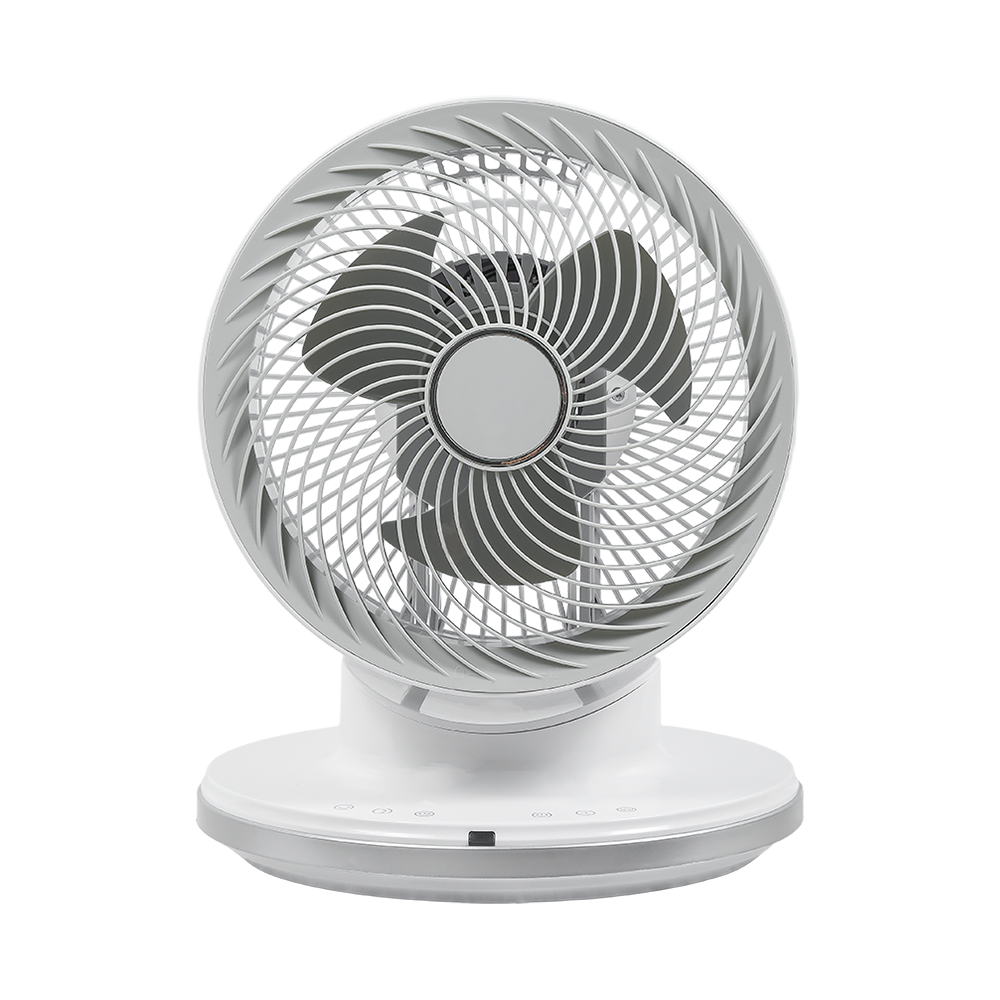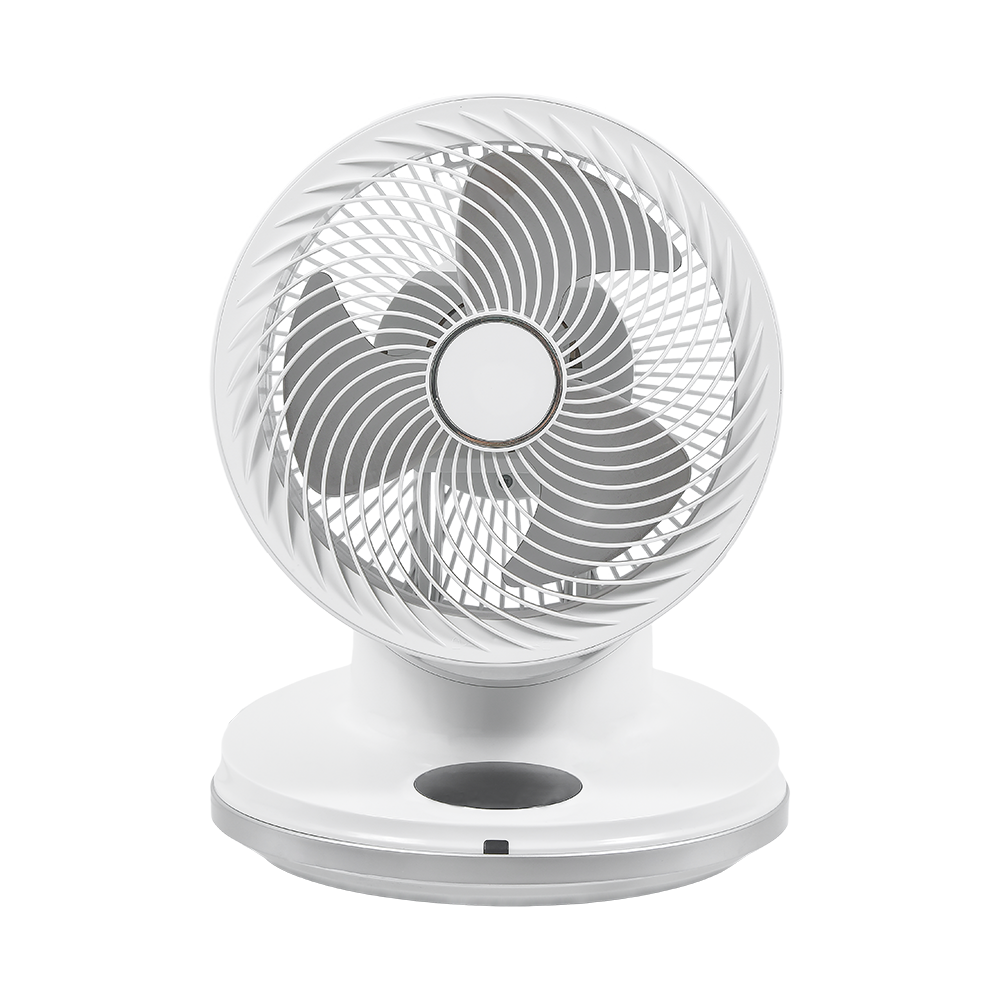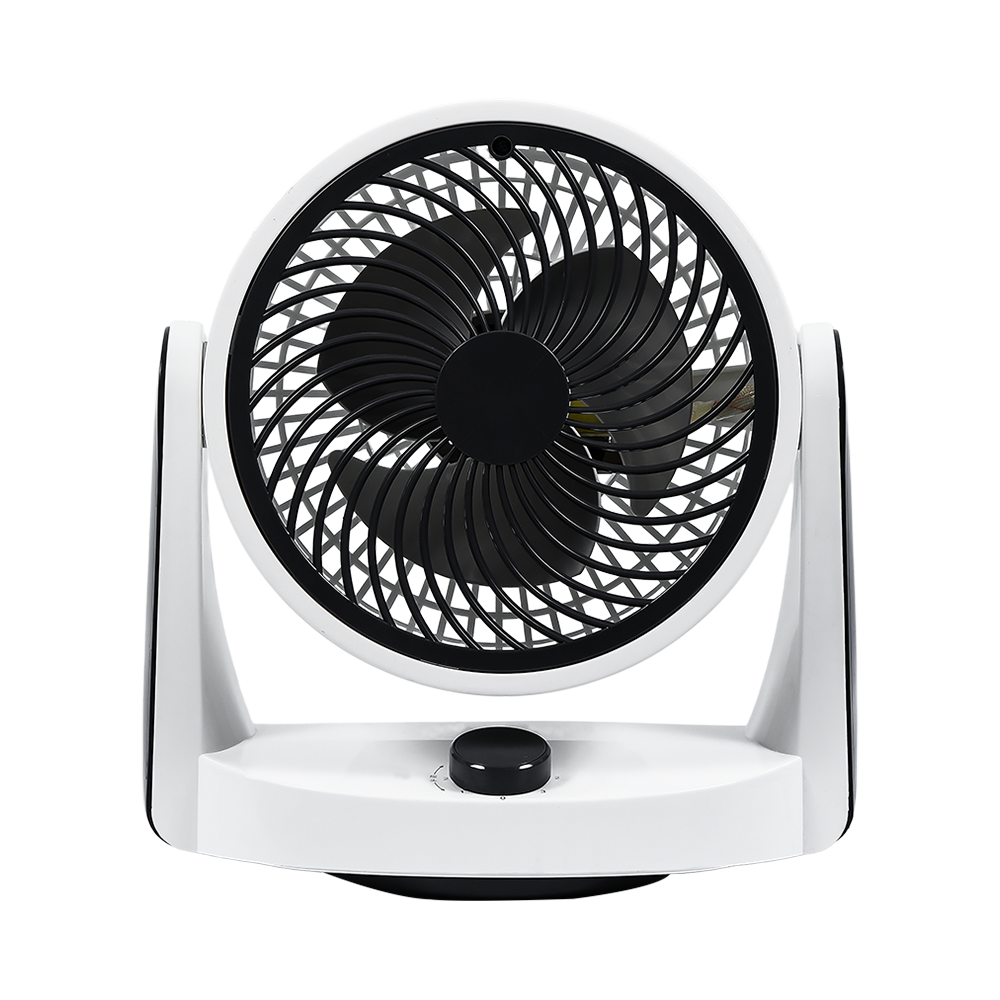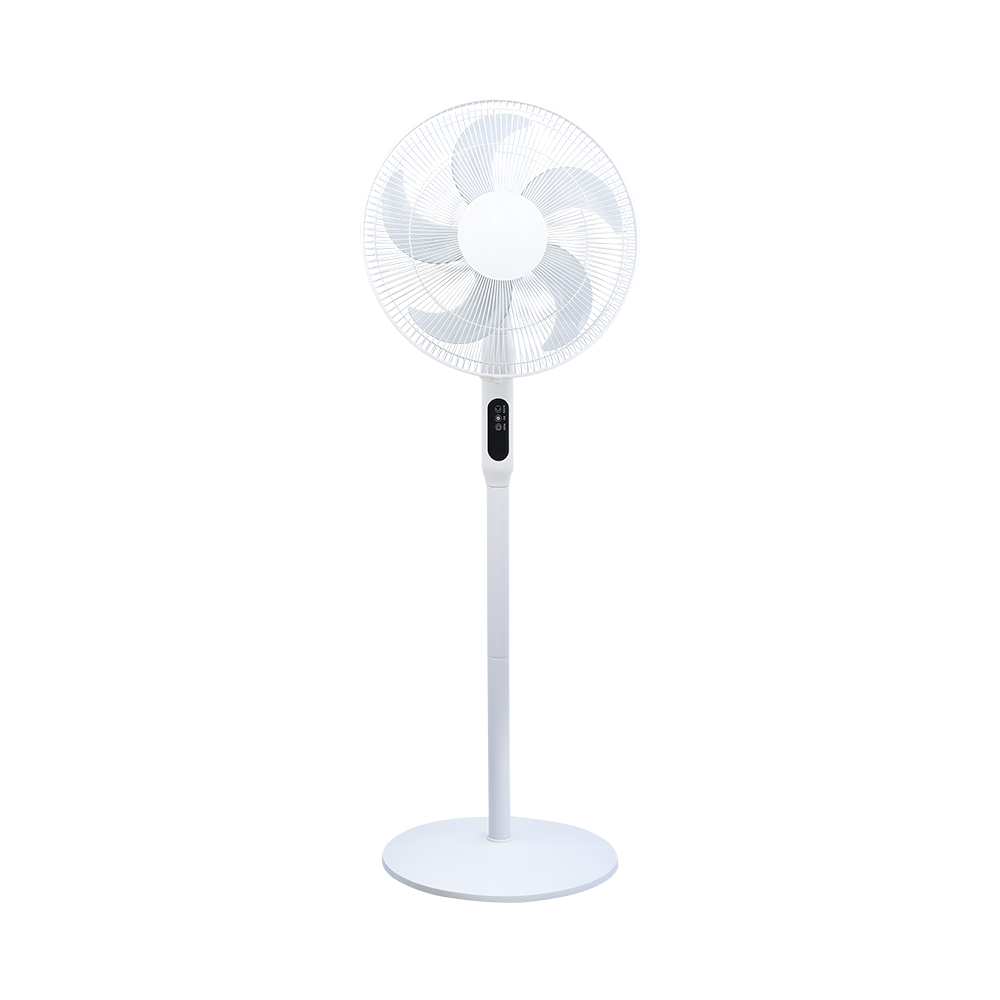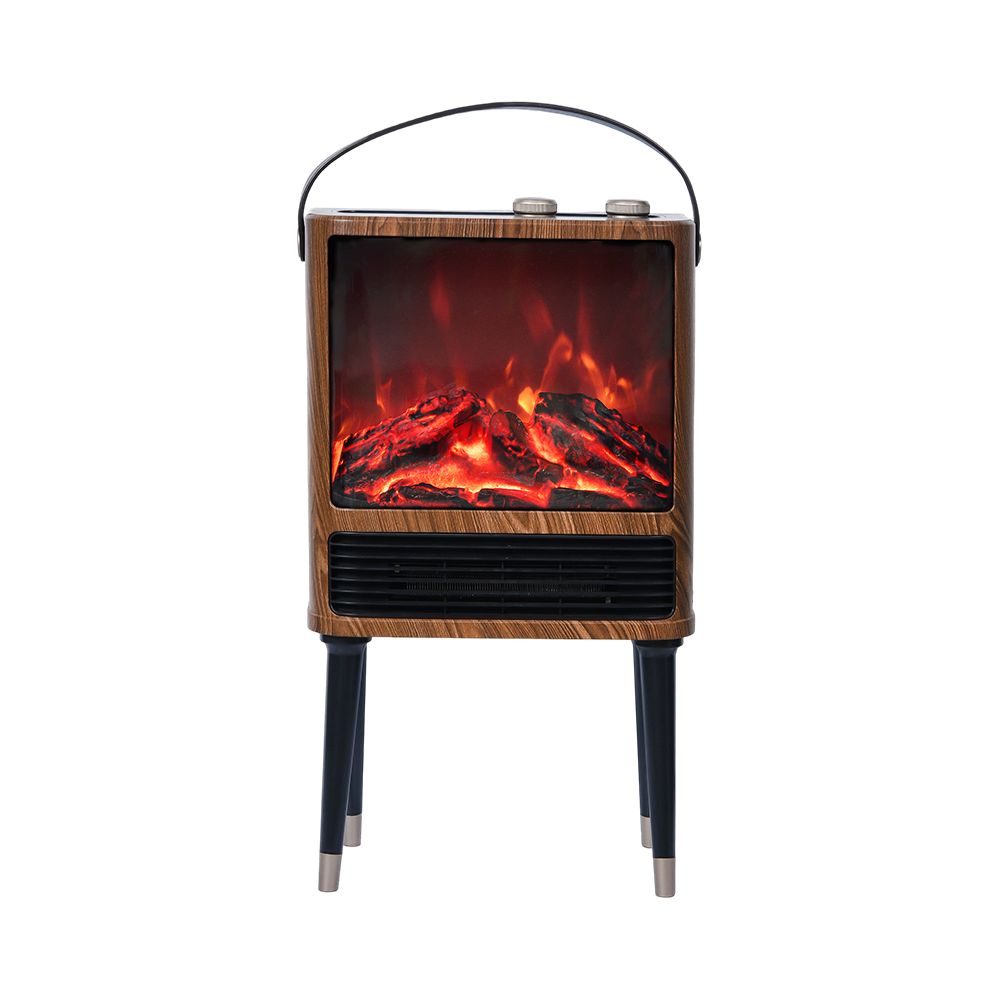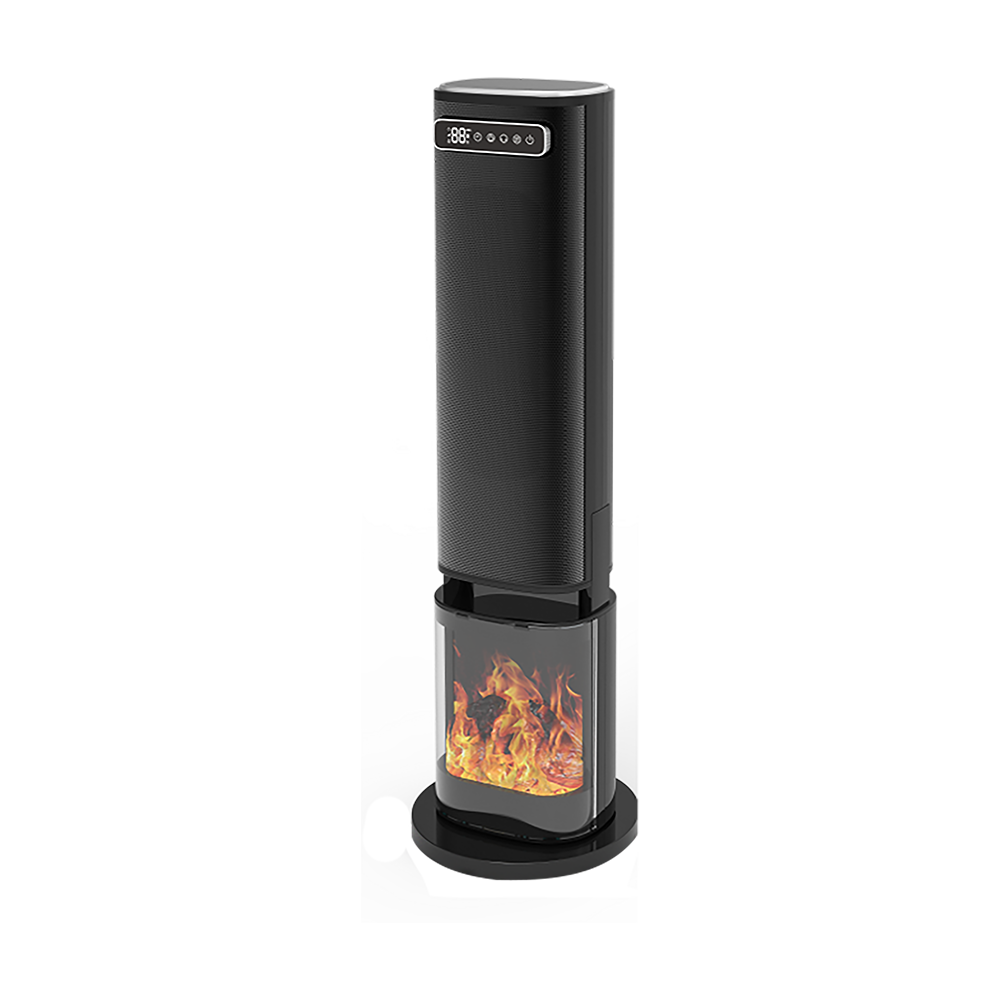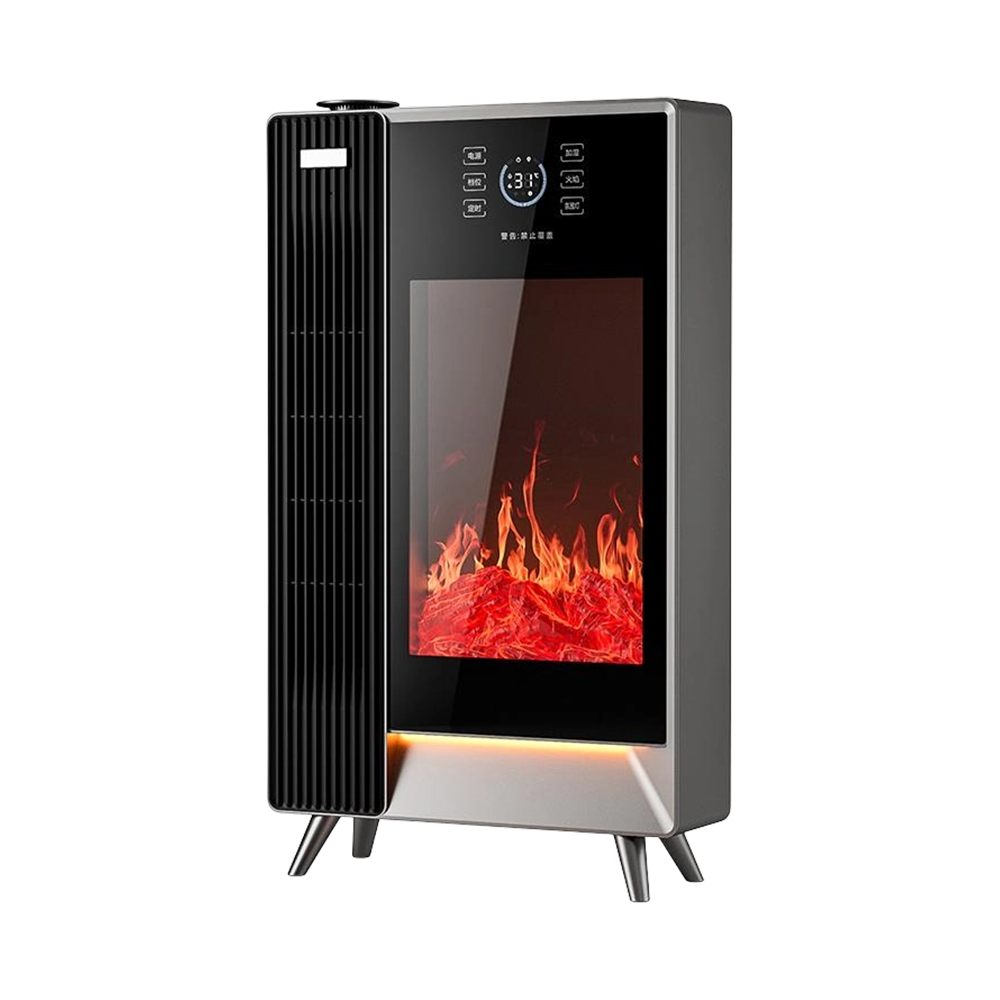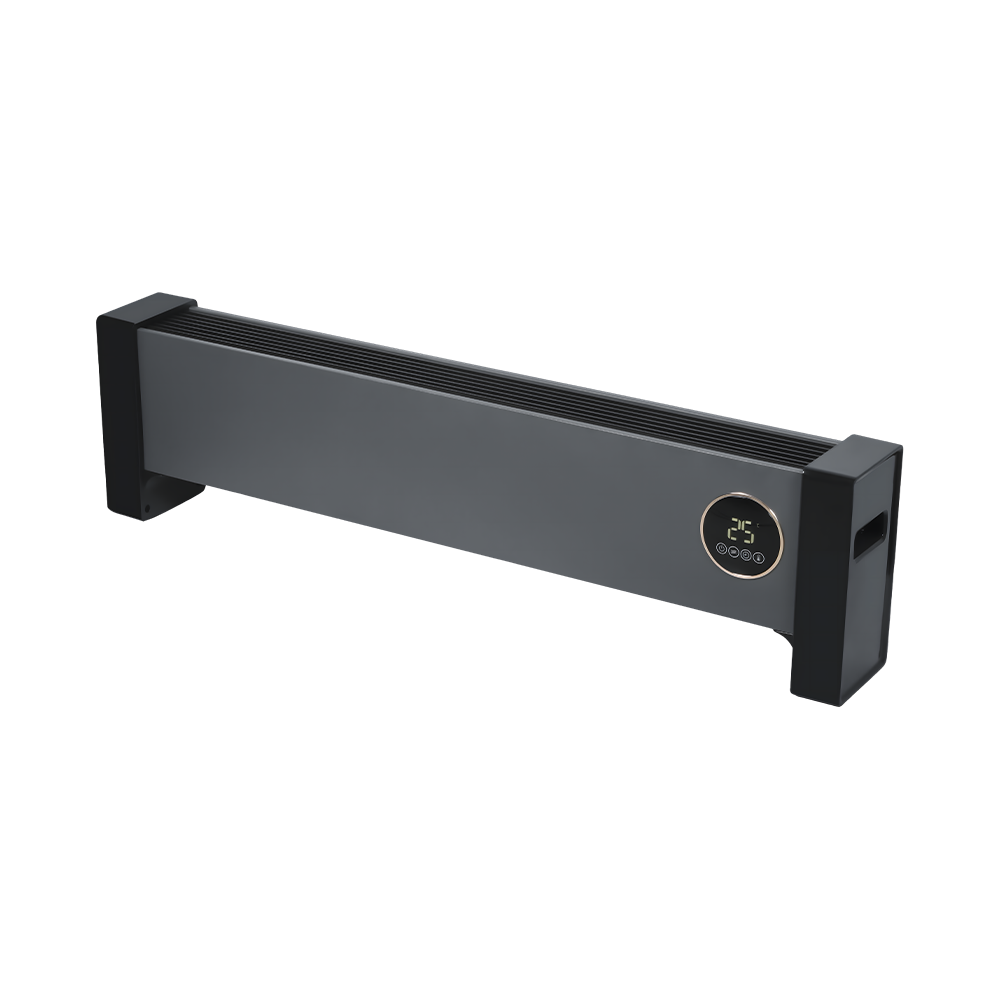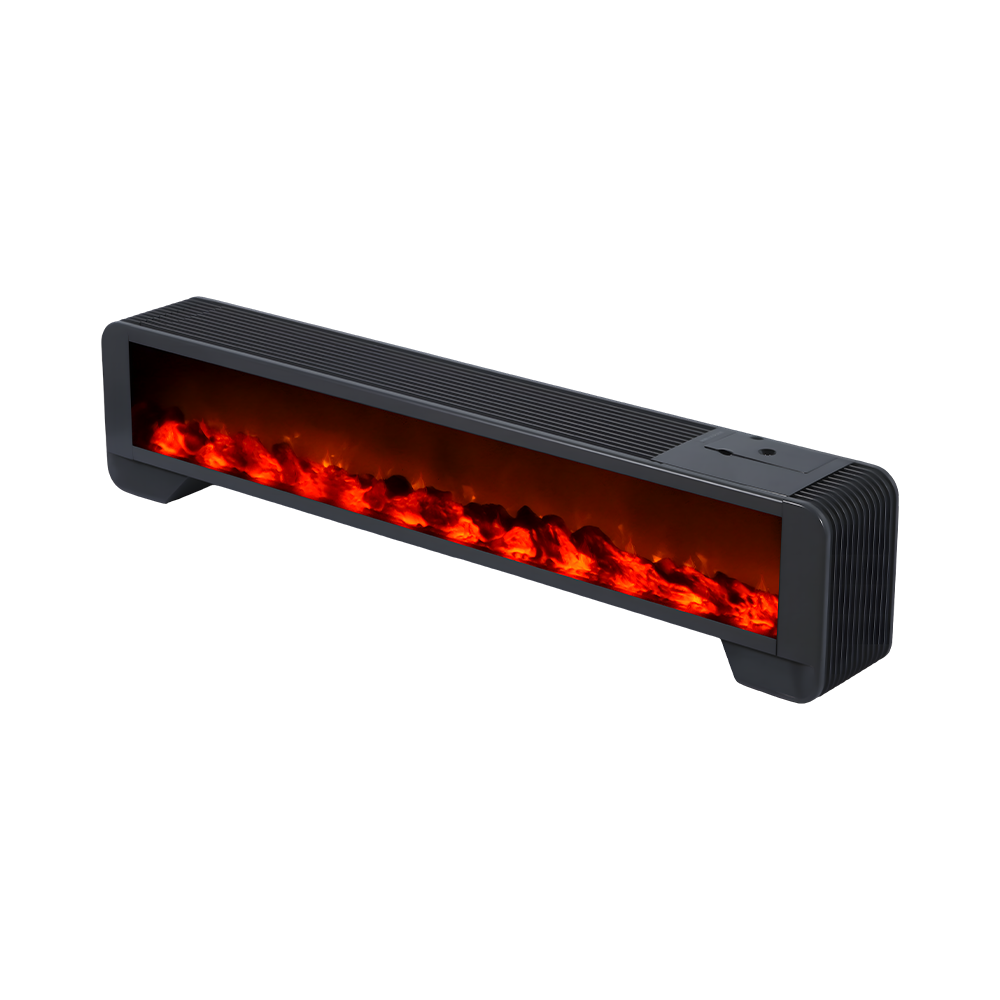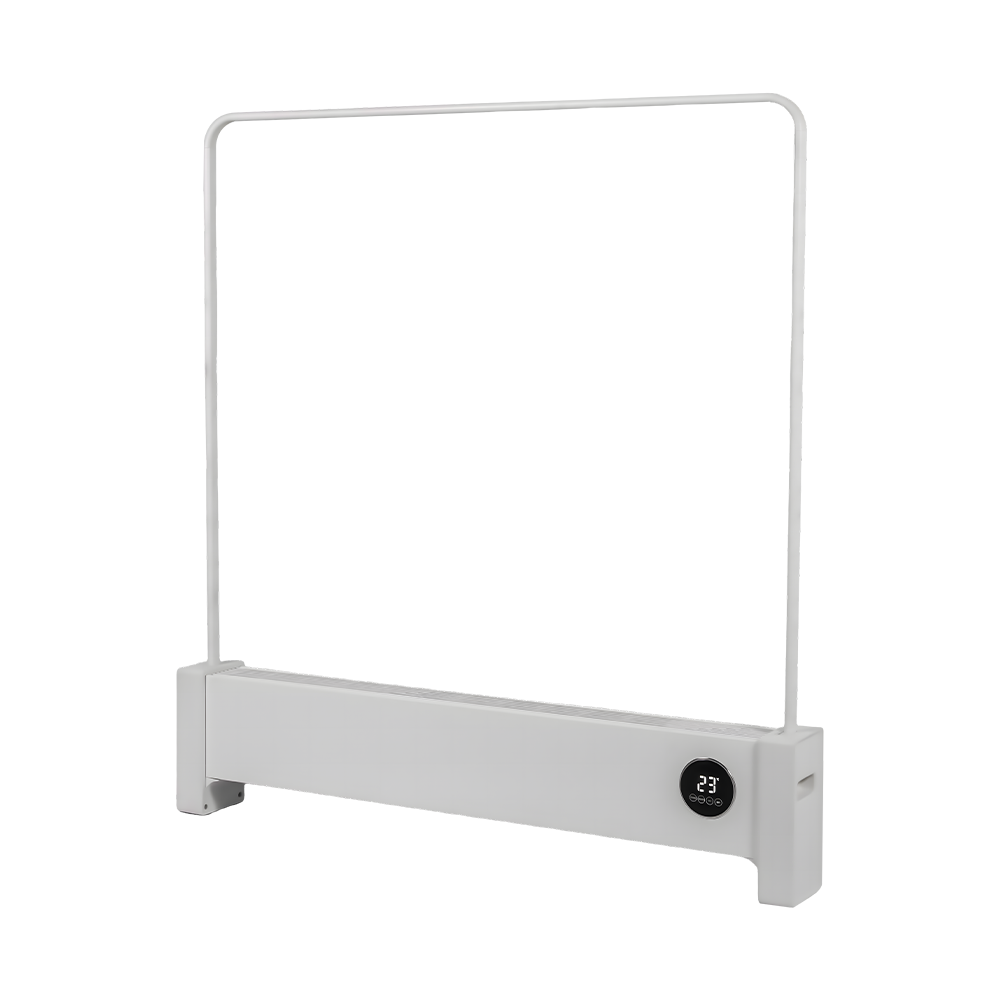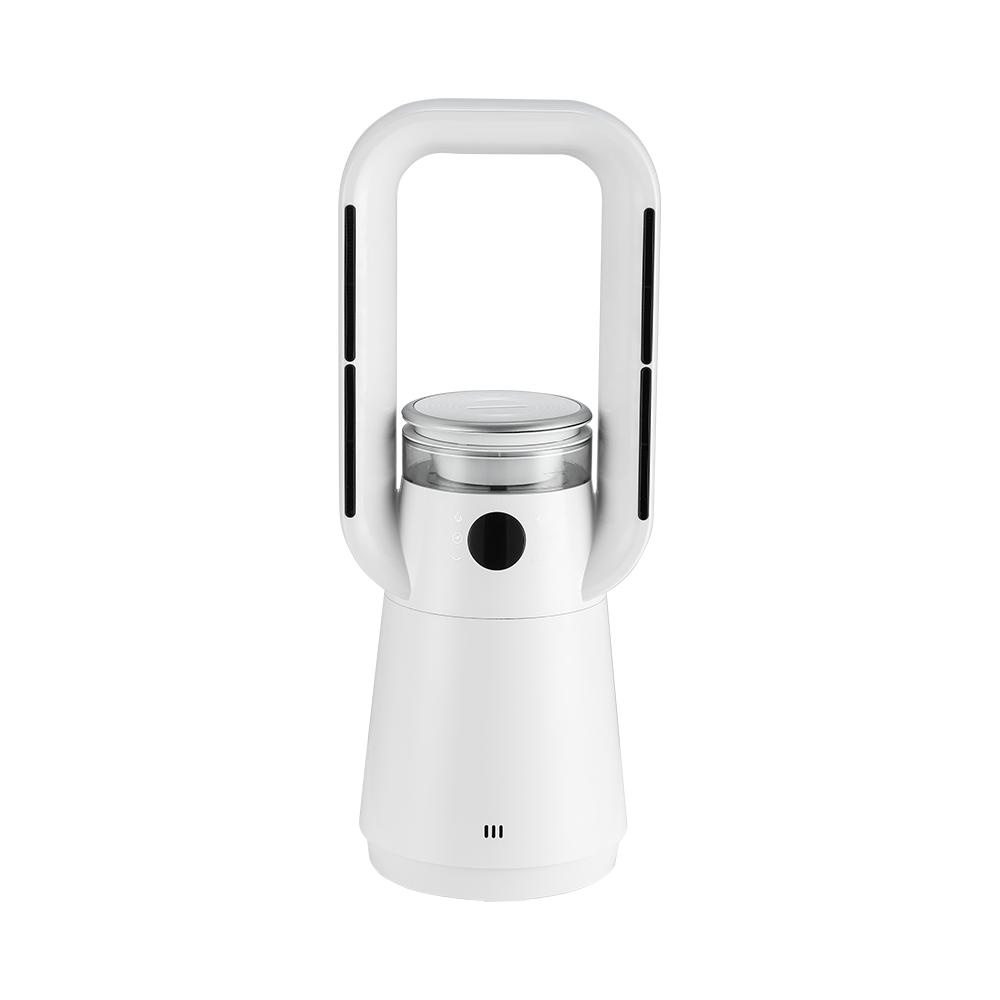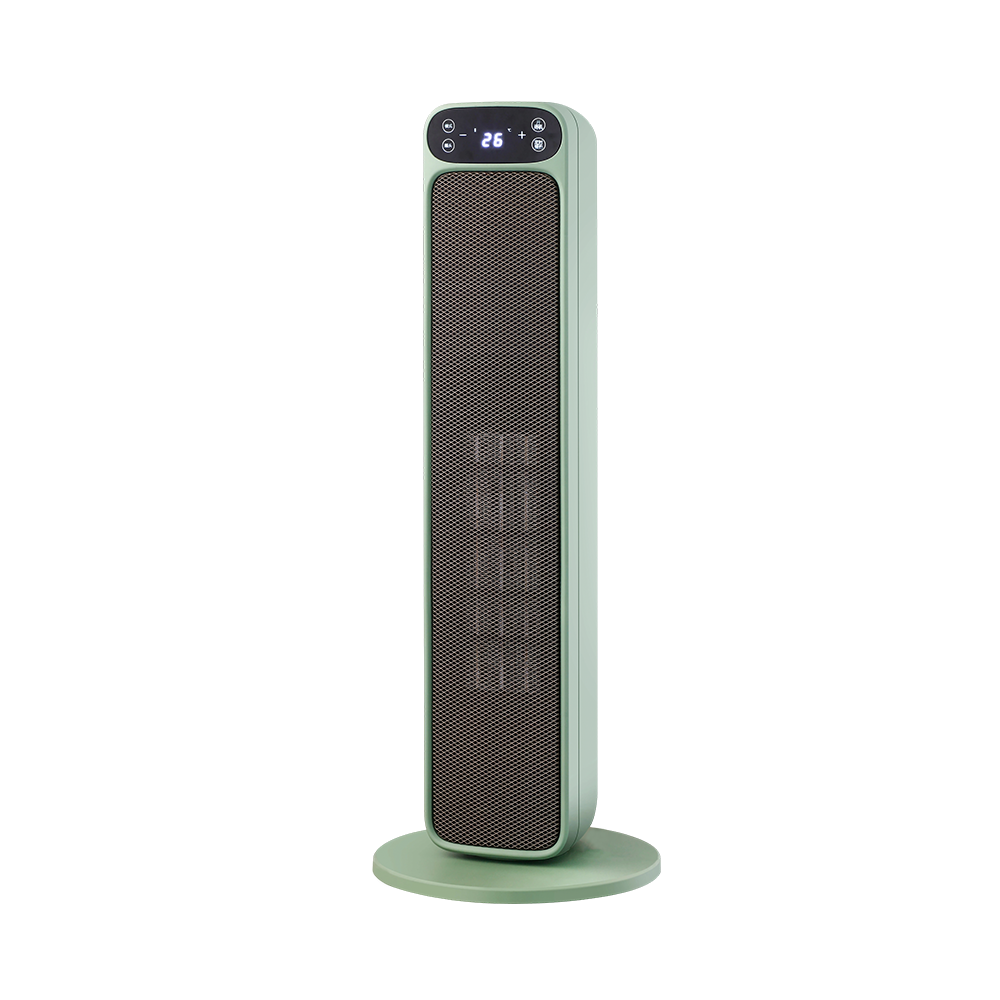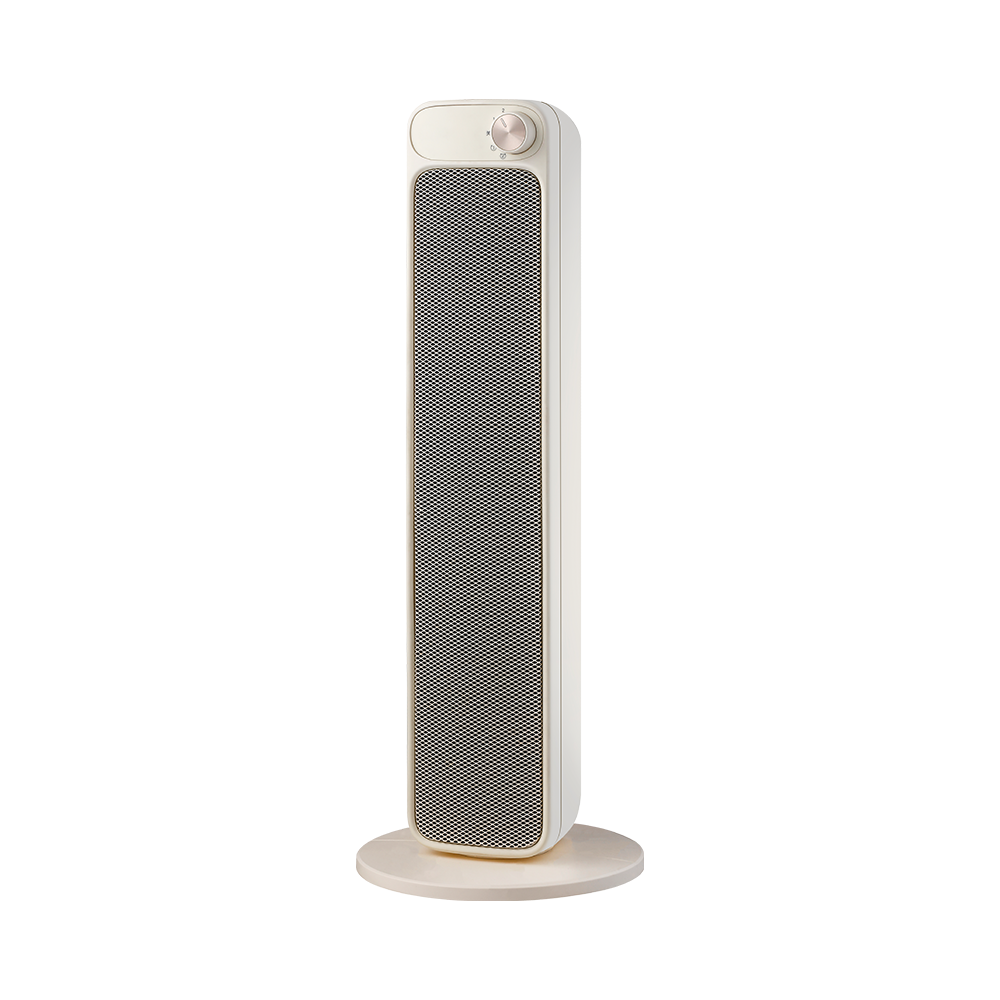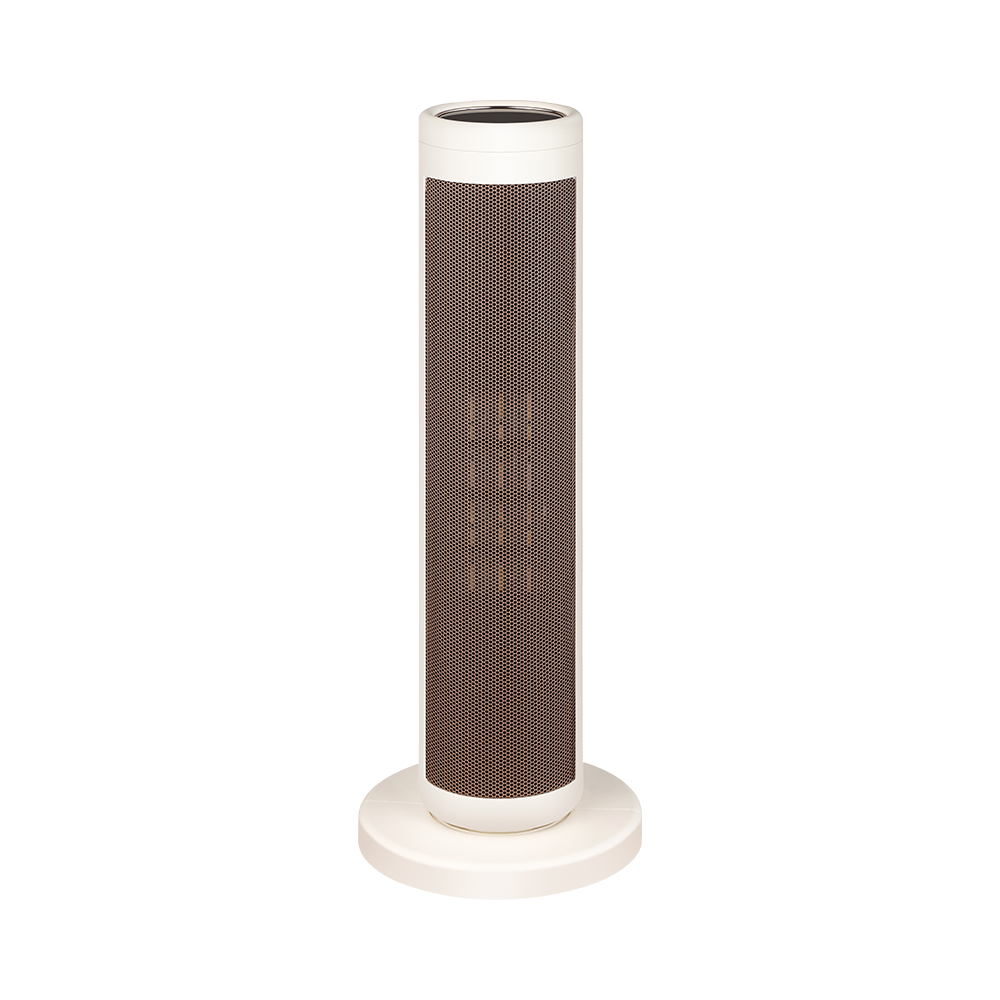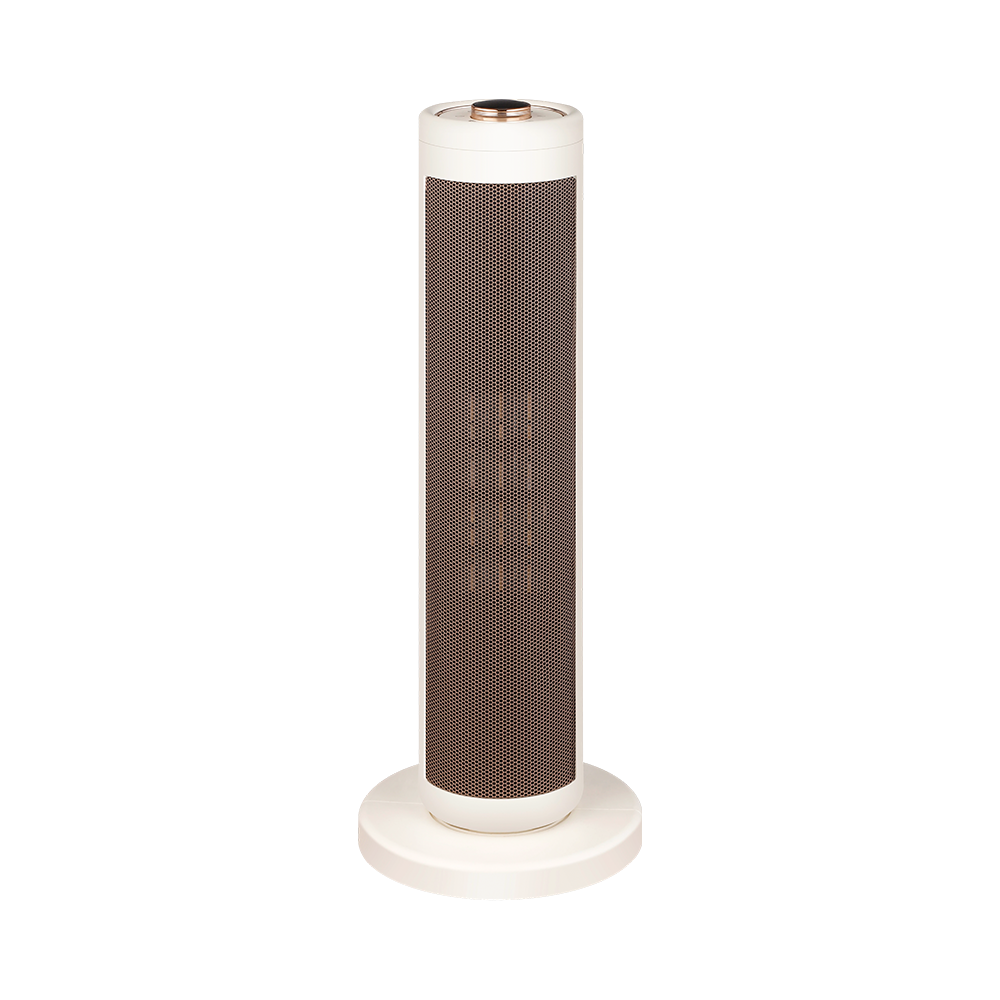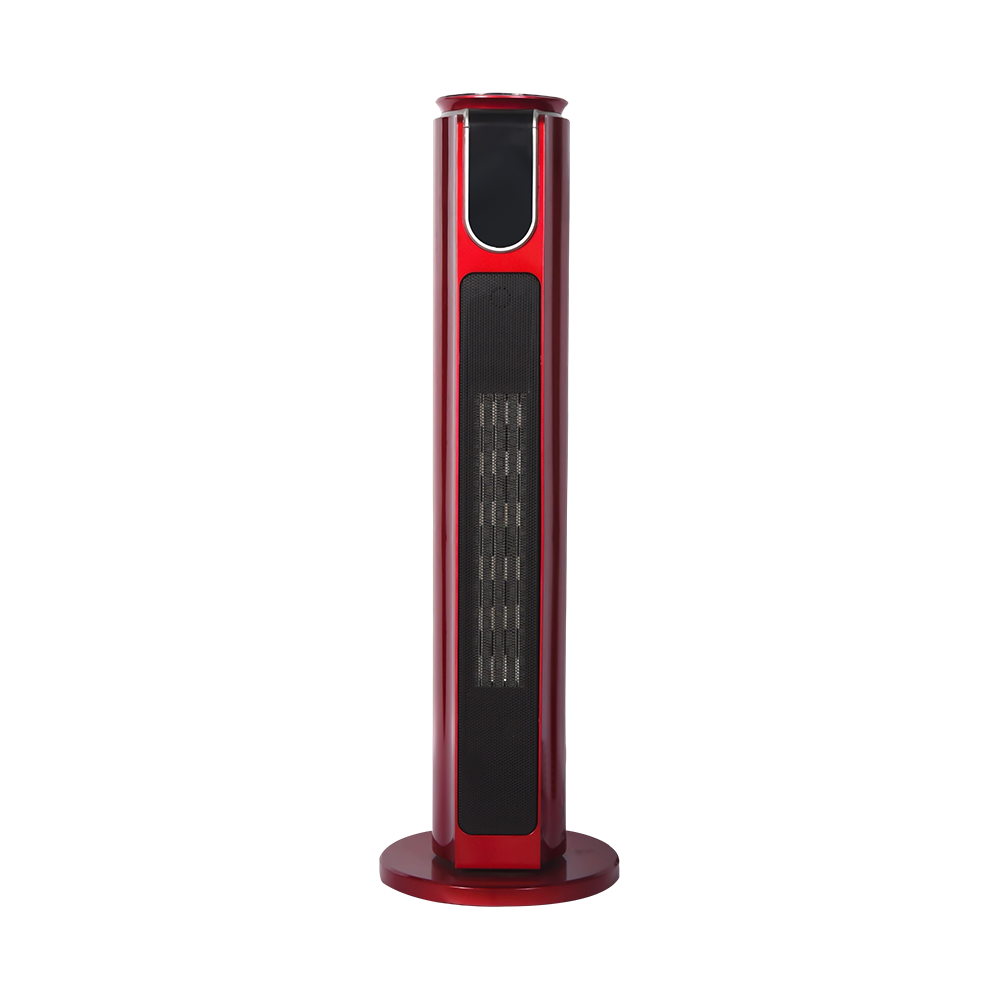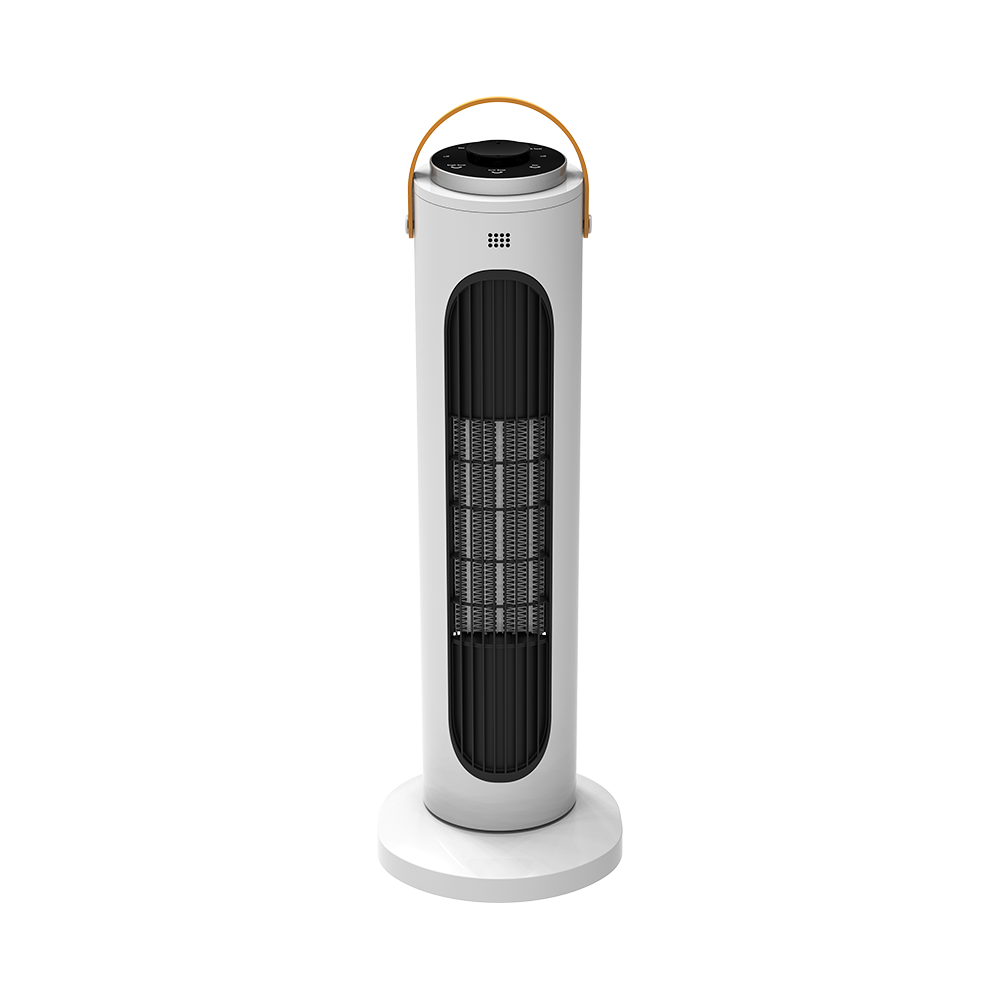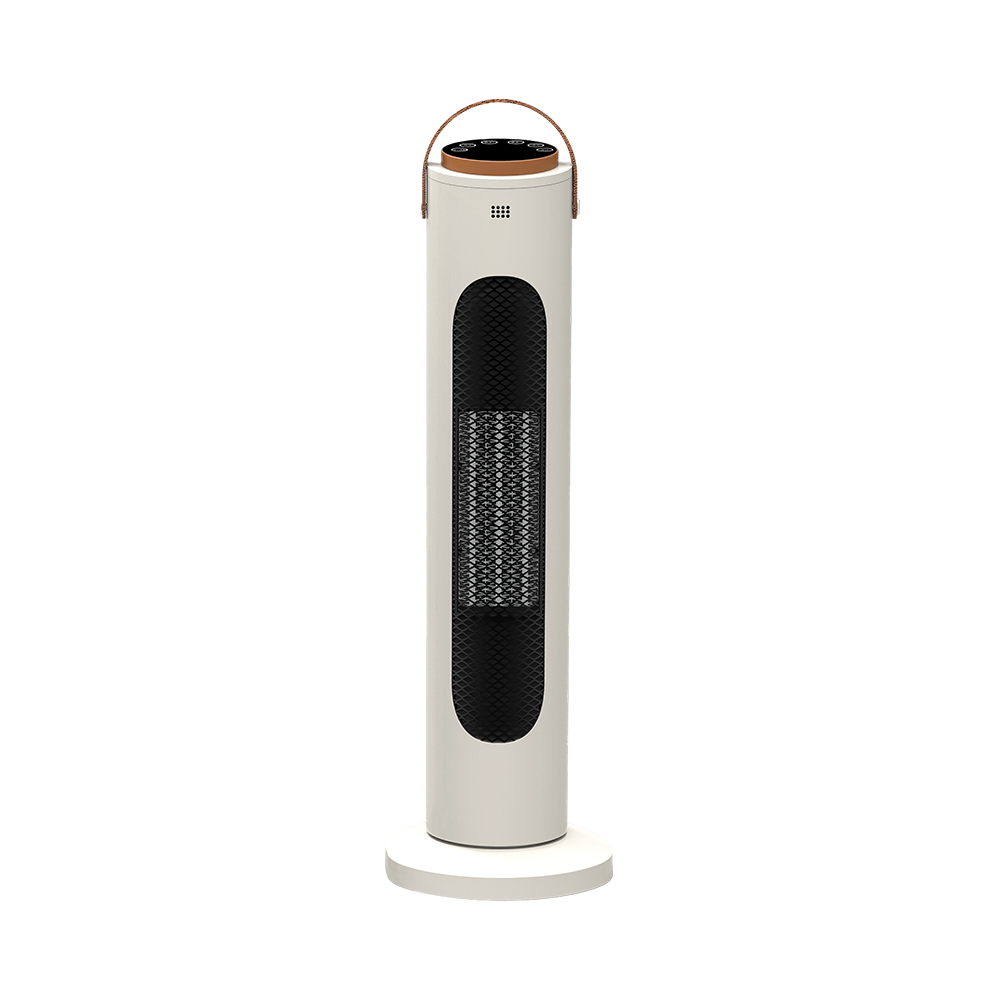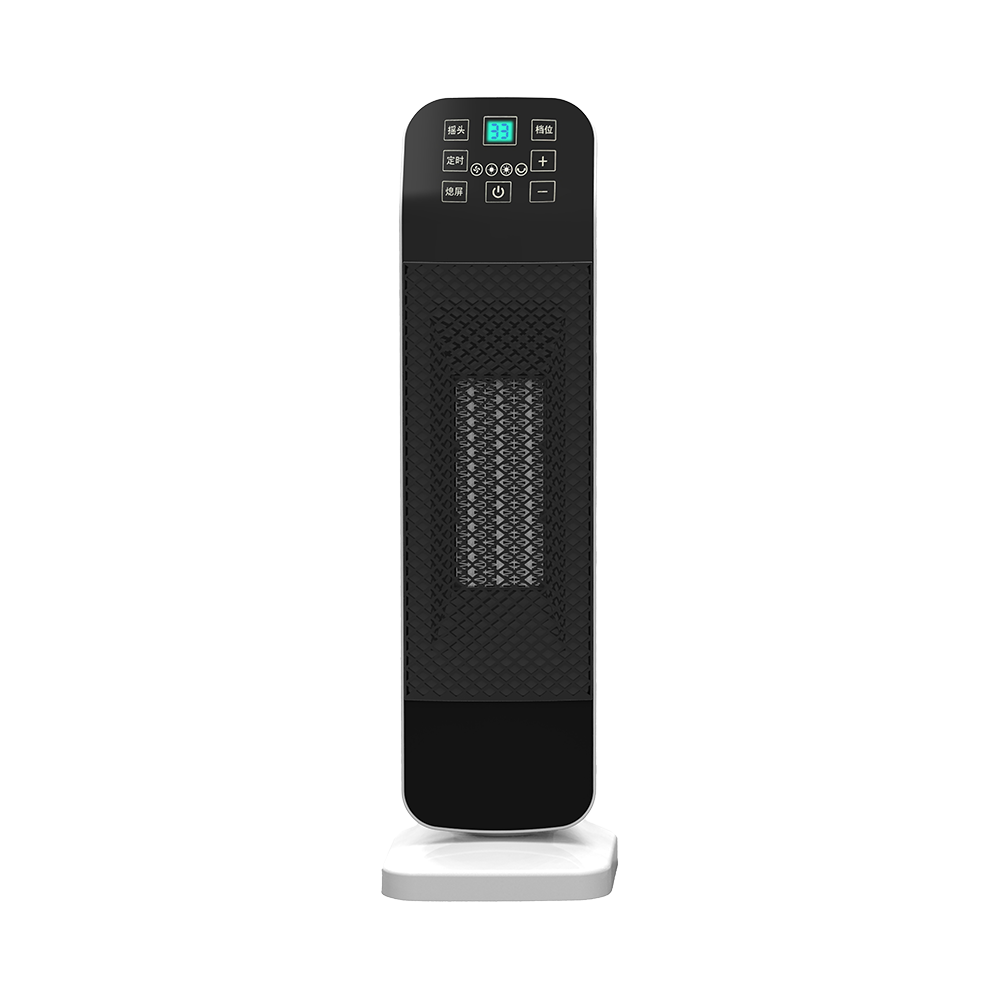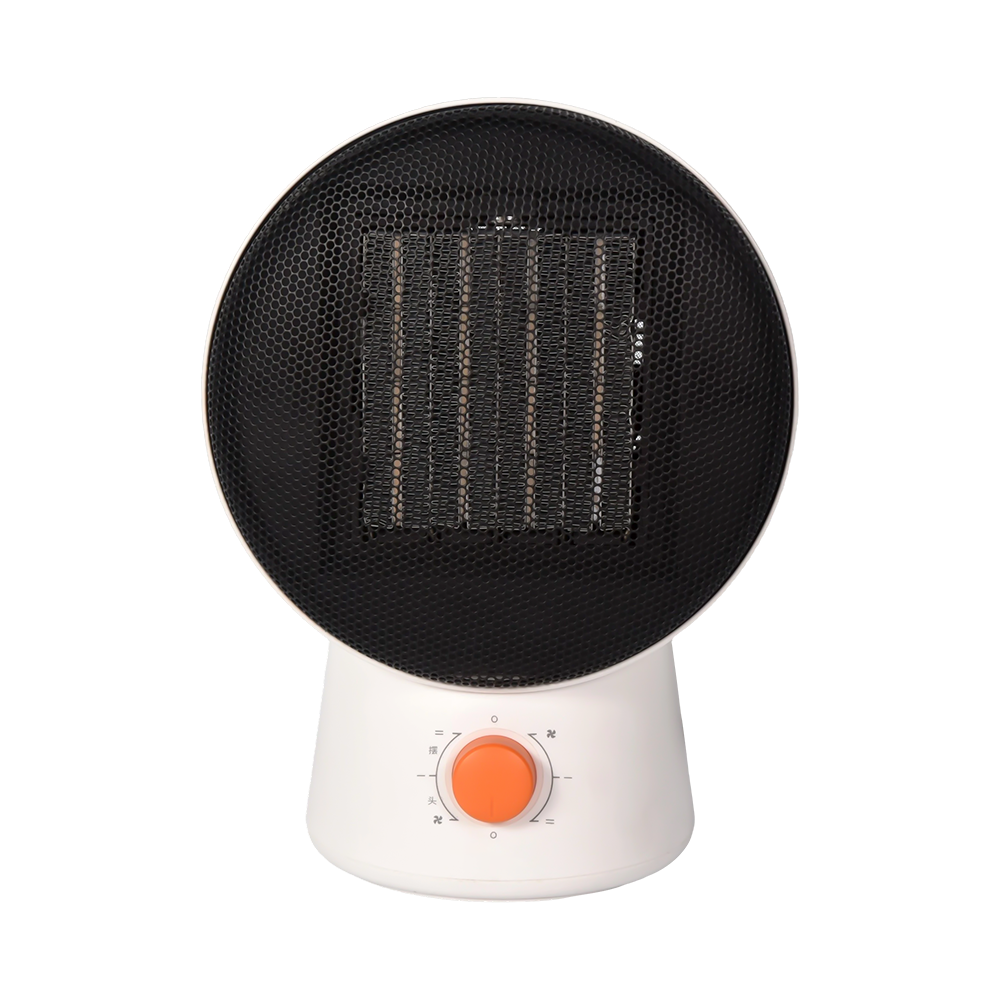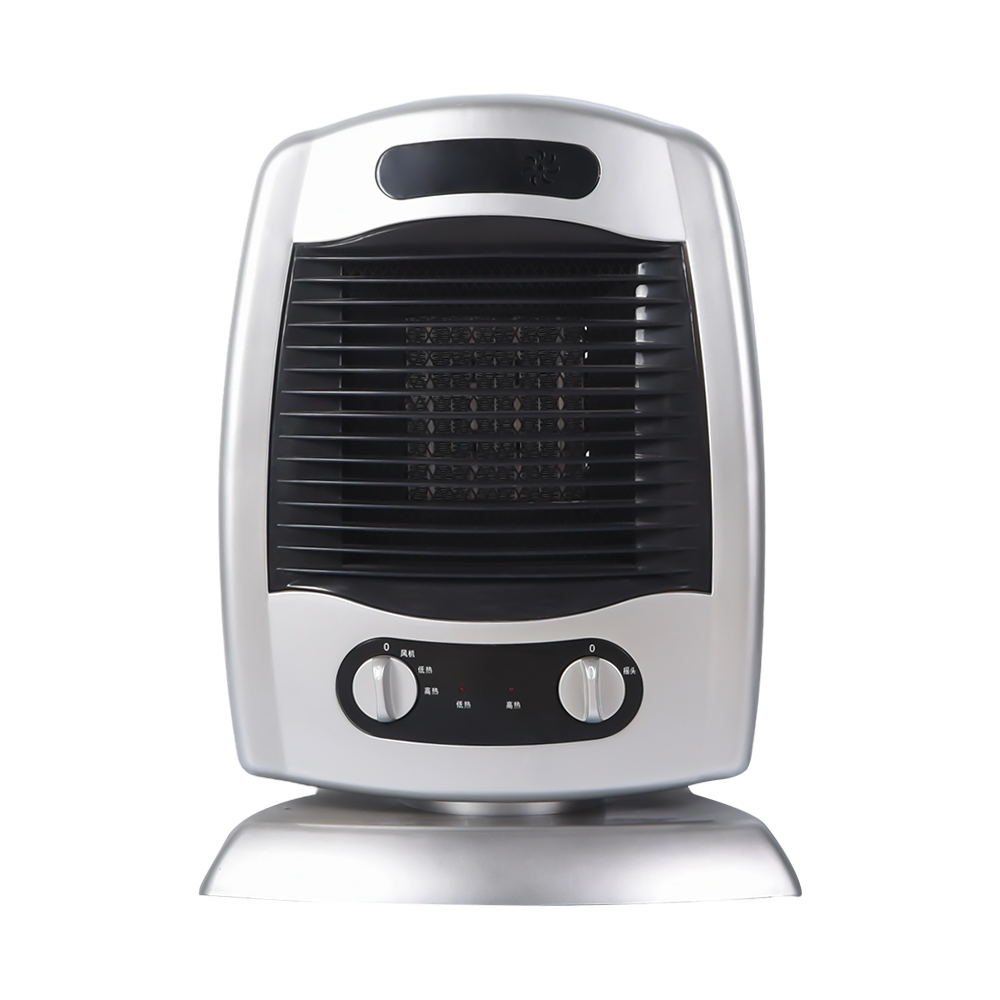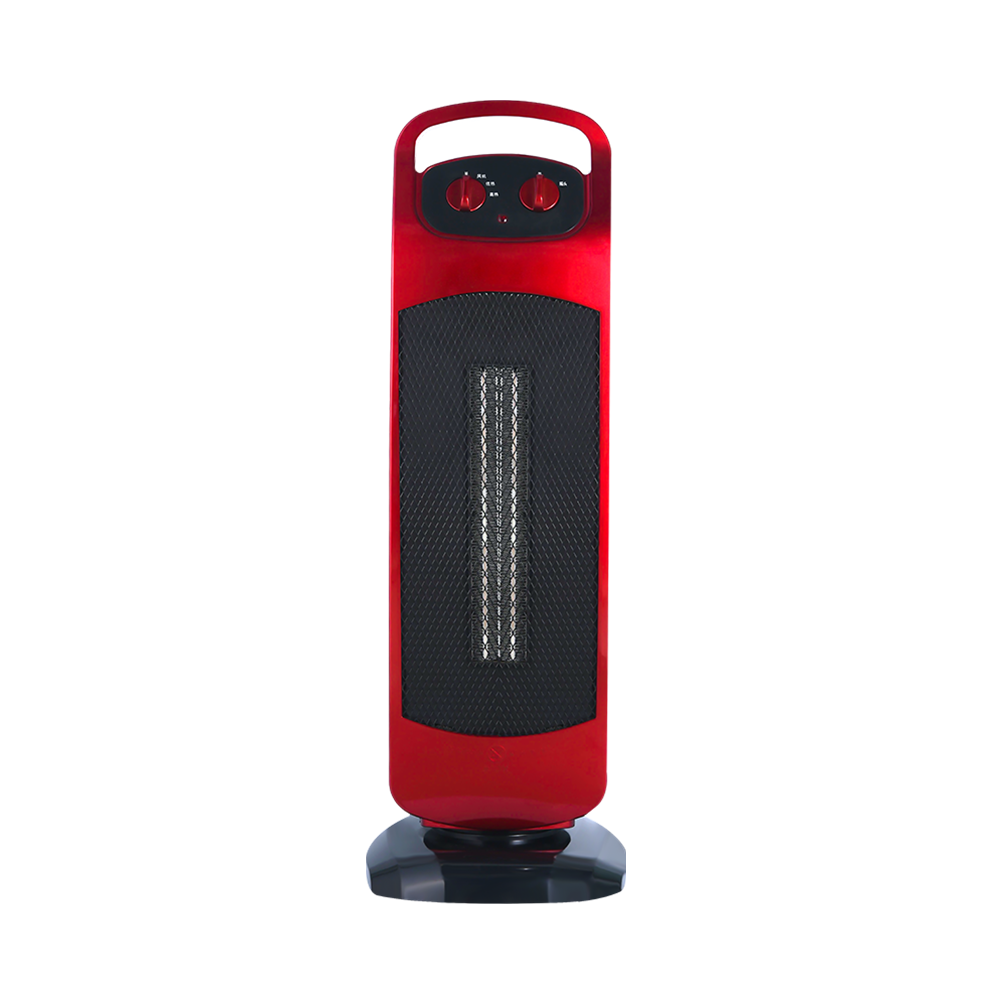

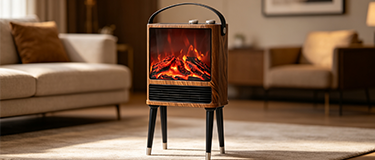
A PTC heater uses special materials with a "positive temperature coefficient", which naturally adjusts heat output as the temperature rises, reducing current flow and preventing overheating.
It doesn't need external sensors or controls—when the room is cold, it generates heat, and as the temperature increases, it reduces power to maintain a stable temperature.
The heater provides warmth without complex controls, making it safer and quieter, ideal for applications like space heaters, car seat heaters, or small household appliances.
Don't hesitate to contact when you need us!
We're a reliable partner that shapes our expertise into success for your project.
Oct 12, 2026
The Heated Ceiling Fan: Does It Exist? Smart Heat & Air Circulation Guide If you searched for a heated ceiling fan expecting one appliance that both blows air and warms a room, here is the direct answer: integrated heated ceiling fans exist, but they are a rare, mostly commercial niche. In ordinary homes they rarely make sense, because heat rises. A heating element mounted at ceiling height... read moreOct 05, 2026
Indoor Heaters Buying Guide: Types, Sizing, Wattage, Safety and Cost Tips The right indoor heater is chosen by room size first, heat technology second, and control features last. A 1,300W PTC heater is enough for a bedroom of about 8 to 10 m², while a 2,200W graphene baseboard heater is a better match for a living room of 18 to 22 m². If you also want a visual centerpiece, a 3D flame firepl... read moreSep 28, 2026
Best Heater for Greenhouse: Types, Sizing Tips and Buying Advice | Baopeng Short answer first: for most backyard and small commercial greenhouses, the best heater setup is a thermostat-controlled, fan-forced ceramic heater to hold overall air temperature, backed by a small radiant tube heater aimed at the bench or seed-tray area for direct plant warmth. If you only buy one unit, make it the ... read more
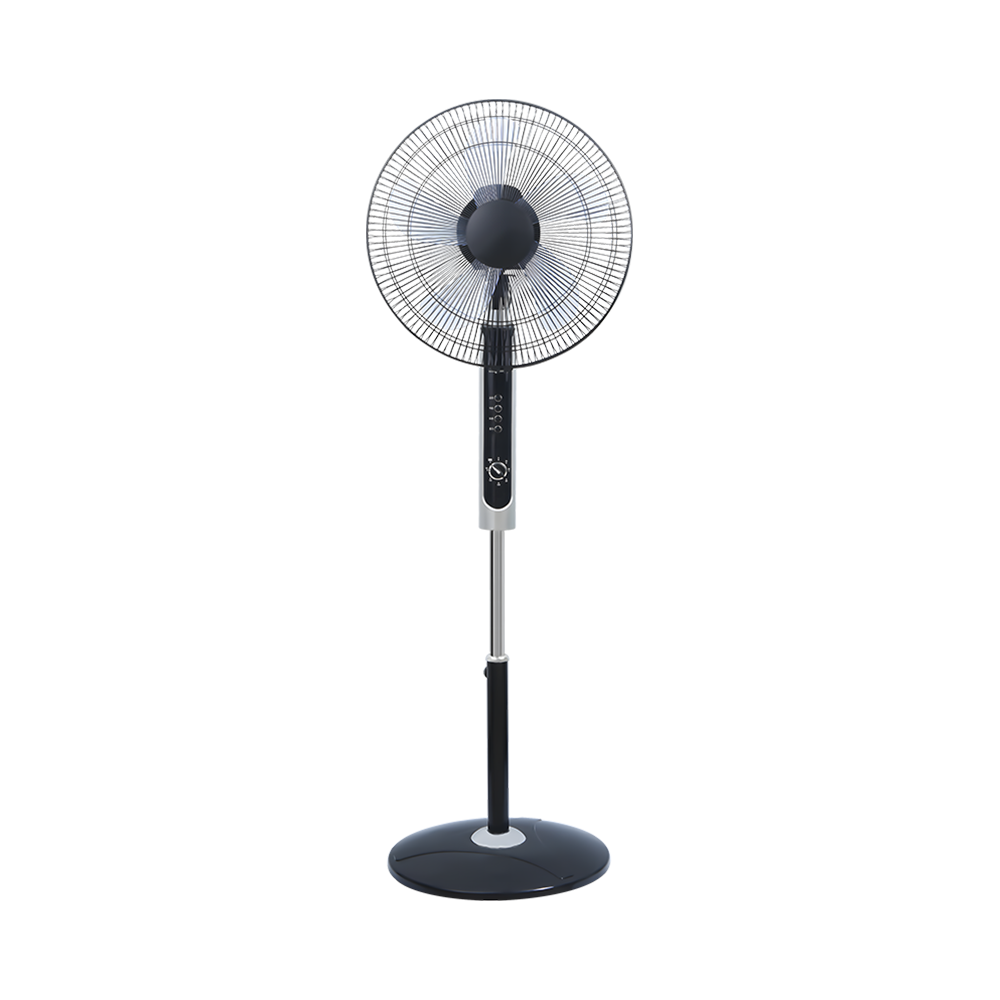
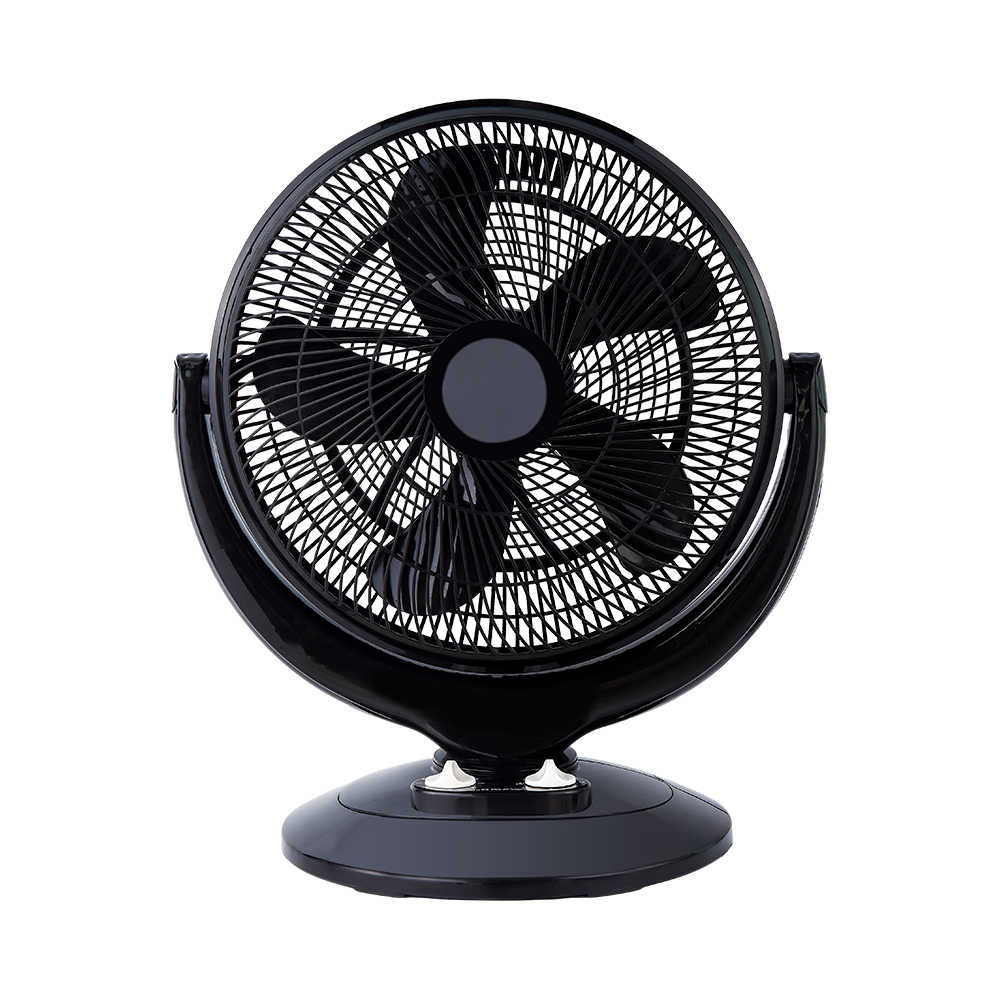
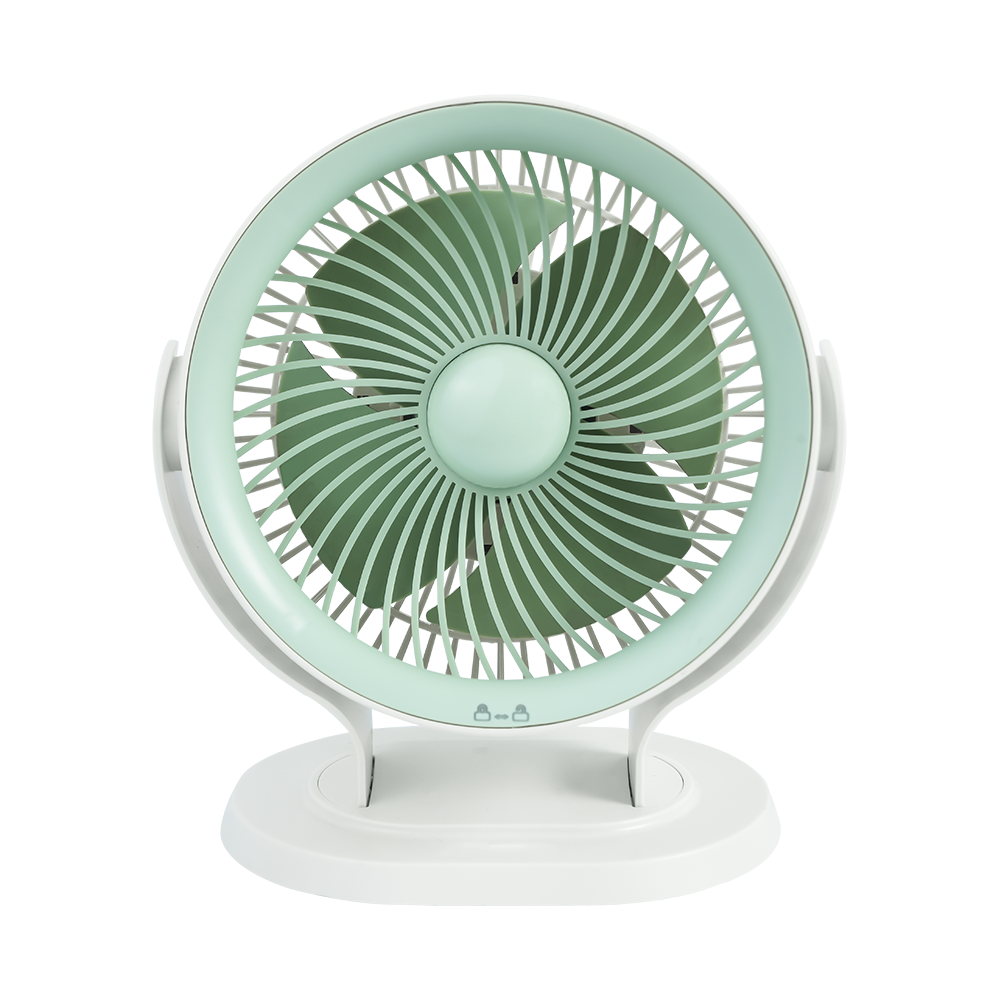
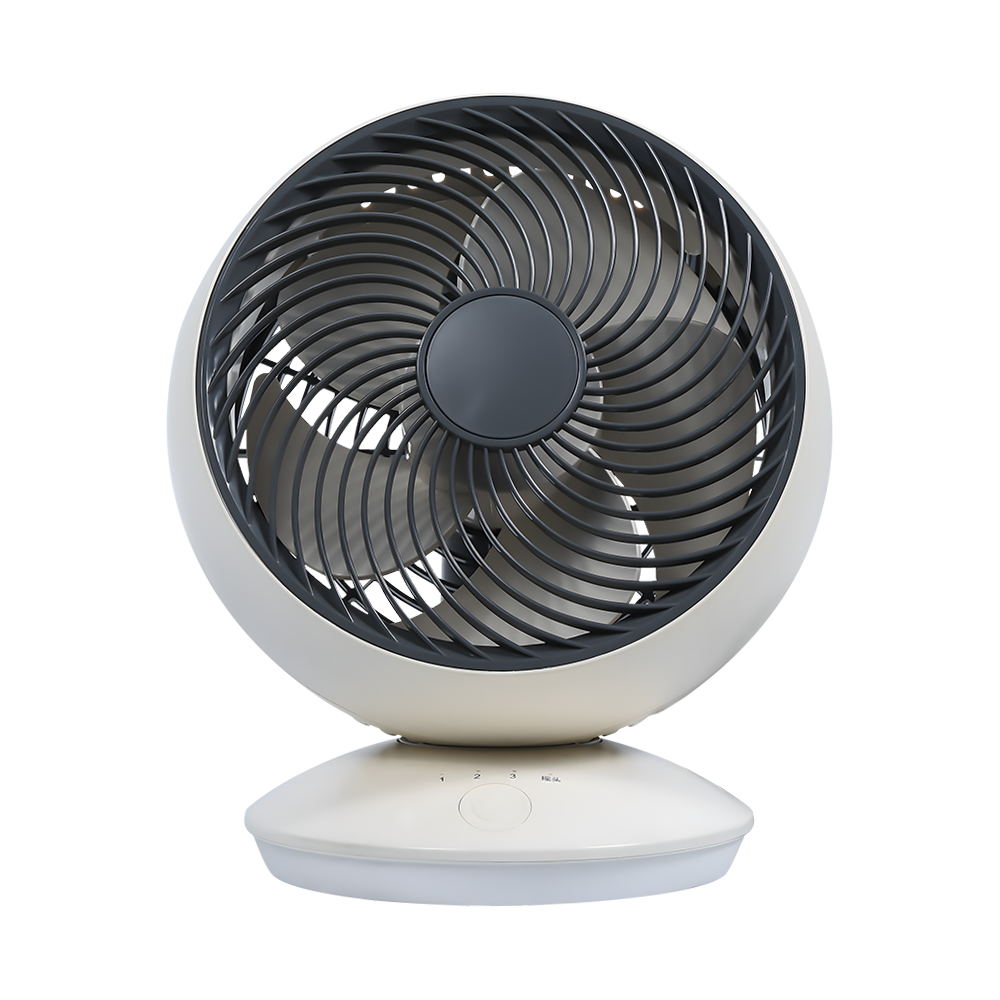
A PTC Heater gets its name from the ceramic element inside it — a material whose resistance climbs sharply once it reaches a set temperature, which is what lets the part regulate its own heat output without a thermostat doing all the work. That single behavior is why the technology turns up in so many different housings: a ptc space heater meant to warm one room on its own, a ptc room heater built into furniture-style or wall-mounted units, a ptc electric heater tucked inside appliances that need contained, even heat, and a ptc heater with fan that pushes that warmth across a wider stretch of floor space. The element stays largely the same across all four; what changes is the housing, the fan, and how the airflow is shaped around it.
At Ningbo Baopeng Electric Appliance Co., Ltd, the ceramic elements that go into a PTC Heater are produced and inspected on the same lines that run the rest of the company's output, which matters more than it might sound — because the whole safety case for PTC technology depends on every element behaving consistently once it warms up. As the ceramic body heats past its switch point, its resistance rises steeply, which throttles current draw and caps the surface temperature without a separate cutoff circuit doing the job. That's a different failure mode than a bare wire coil, which keeps drawing current and glowing red until something else intervenes.
The practical upside is a heating element that can sit close to plastic housings, fan blades, or fabric without needing thick air gaps for safety margin — which is part of why the format compacts so well into fan-assisted units.
Schematic curve illustrating the self-limiting resistance response of a PTC ceramic element; not measured data for a specific product.
Choosing between a static ptc room heater and a fan-assisted format usually comes down to how quickly the space needs to feel warm versus how quiet the unit needs to be. A ptc space heater without a fan relies on convection, so it heats the air immediately around it first and the room gradually catches up. Add a fan and the element becomes a ptc heater with fan, which trades a bit of quiet operation for faster, more even coverage across the room, since the moving air carries heat further from the element instead of letting it rise and stall near the ceiling.
This is one of the areas where production flexibility on Baopeng's lines comes into play — the housing, vent layout, and fan spec can be adjusted per order so the same core ceramic element supports either a compact fan-forced unit or a quieter convection format, depending on what a customer's product line is built around.
Illustrative comparison of typical coverage behavior by format, not a measured ranking of specific models.
| Format | Primary Heat Delivery | Typical Setting |
|---|---|---|
| Room Heater | Convection, quiet operation | Bedrooms, offices |
| Space Heater | Mixed convection / light airflow | Living areas, workshops |
| Heater with Fan | Forced airflow | Bathrooms, entryways, quick warm-up |
| Electric Heater (built-in) | Direct, contained heat | Integrated into another appliance |
A ptc electric heater destined for another appliance maker's product line has to arrive consistent batch after batch, since it's usually one component among many going onto an assembly line. Ningbo Baopeng Electric Appliance Co., Ltd runs a standardized production facility covering 17,000 square meters with a team of more than 200 employees, and the production lines are supported by inspection systems that carry through from product development into mass production rather than being applied only at the final step.
The company's own operating principle, "Survive by Quality, Develop by Innovation," shows up in how orders are handled day to day: each product is customized to the customer's specification, and a third-party inspection is carried out before shipment rather than relying solely on internal sign-off. Standard lead time runs 50 calendar days from order confirmation and receipt of deposit, which gives the process control enough room to work without cutting corners under schedule pressure. As a factory rather than a trading intermediary, Baopeng provides direct manufacturing services from its base in Cixi, Zhejiang Province, a location chosen in part for how well it connects to transportation and logistics routes.
Approximate phase distribution across the standard 50-day cycle stated by the manufacturer; individual orders vary by product and quantity.
For a buyer sourcing a ptc room heater or a fan-assisted variant for a private-label line, the decision usually comes down to trade-offs rather than one format being universally better:
Qualitative comparison of two common formats across buyer-relevant criteria; not a numeric performance rating.
This is the kind of specification conversation Ningbo Baopeng Electric Appliance Co., Ltd has with customers regularly, drawing on extensive experience gained from long-term cooperation with first and second-tier domestic home appliance brands, which is part of what keeps product quality reliable and stable order after order.
In practice the terms overlap a lot. "Room heater" tends to describe a fixed or semi-fixed unit meant for one space, while "space heater" is often used more loosely for any portable unit you can move between rooms. The underlying PTC element and safety behavior are typically the same either way.
The fan motor itself draws a small additional load on top of the heating element, but it's usually minor compared to the element's own wattage. The bigger practical difference is how quickly the warm air reaches you, not the total energy draw.
PTC elements reach operating temperature faster than a traditional metal coil because the ceramic mass is small and the self-regulating behavior lets it stabilize quickly once it hits its switch point, rather than needing a separate thermostat cycle to settle.
Yes. Housing shape, fan inclusion, wattage, and control layout can generally be adjusted to match a customer's product requirements, with a third-party inspection carried out before the order ships.
Don't hesitate to contact when you need us!
For any questions and feedback from customers, we will reply patiently and meticulously.

The product has obtained multiple domestic and international certifications, including 3C, CE, ROHS, CB, and the ISO9001 quality management system.
CONTACT US
Address: No. 118, Guyao Highway, Zhangqi Town, Cixi City, Zhejiang Province, China
Wechat: +86-15921162693
Email: [email protected]
Mobile



 English
 Español
 عربى
عربى