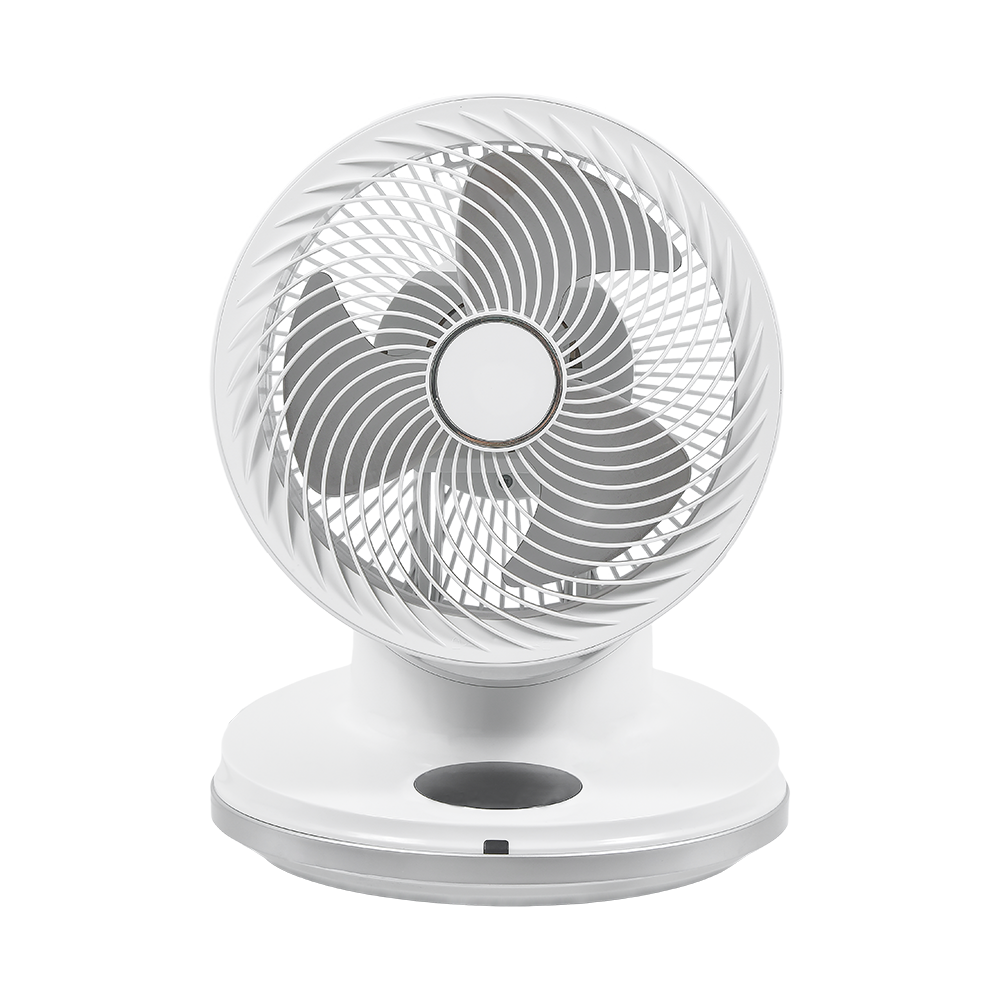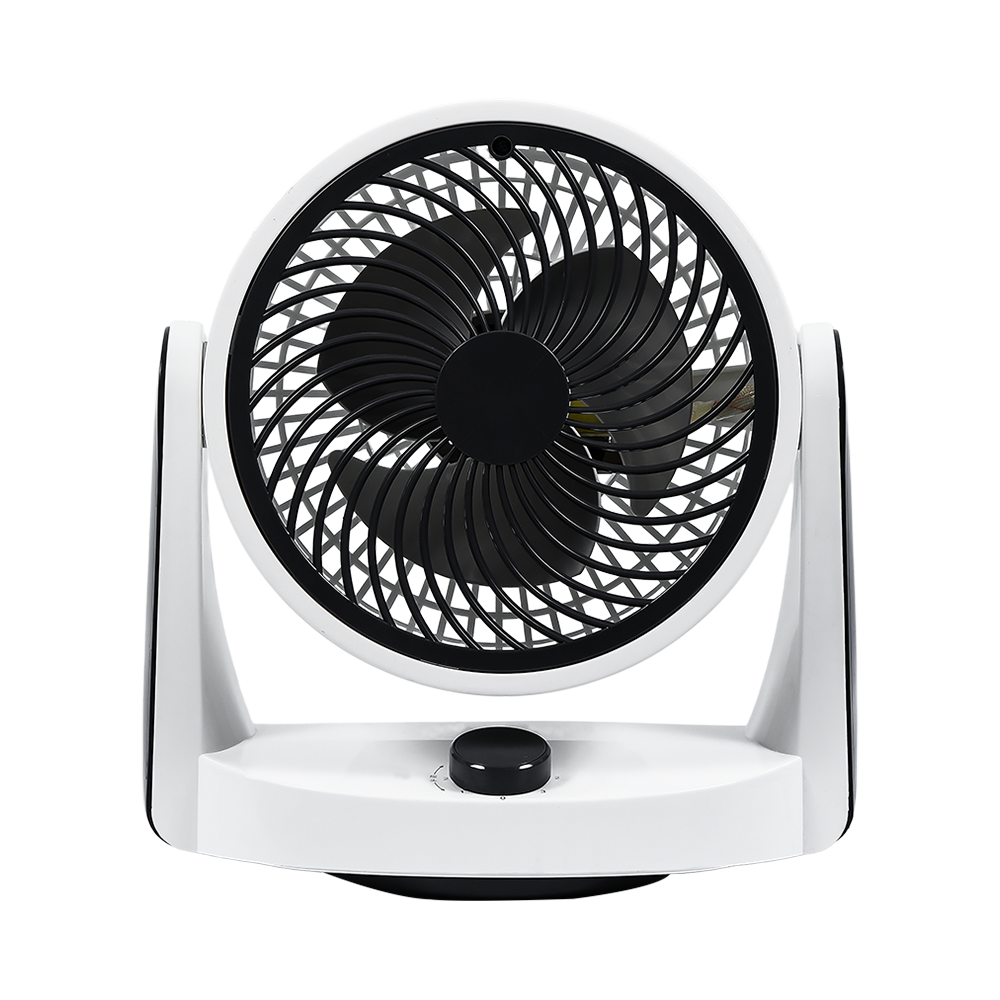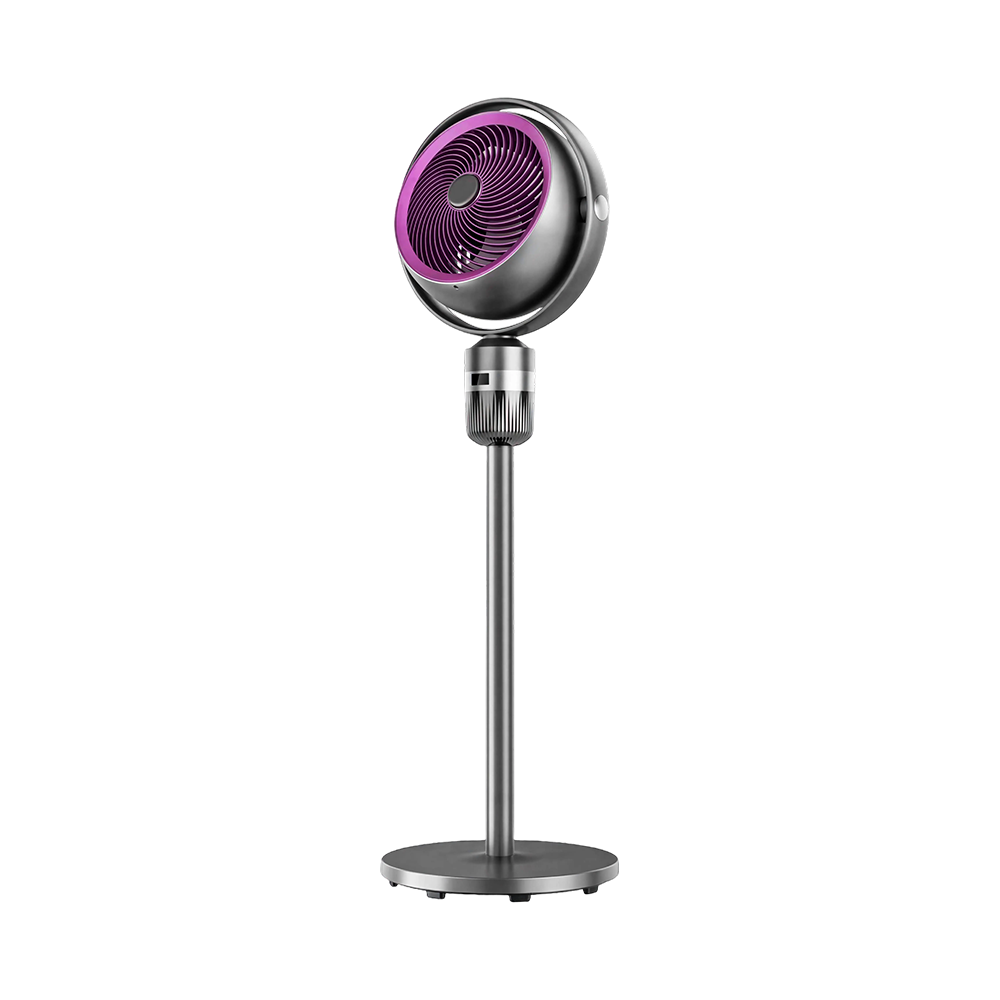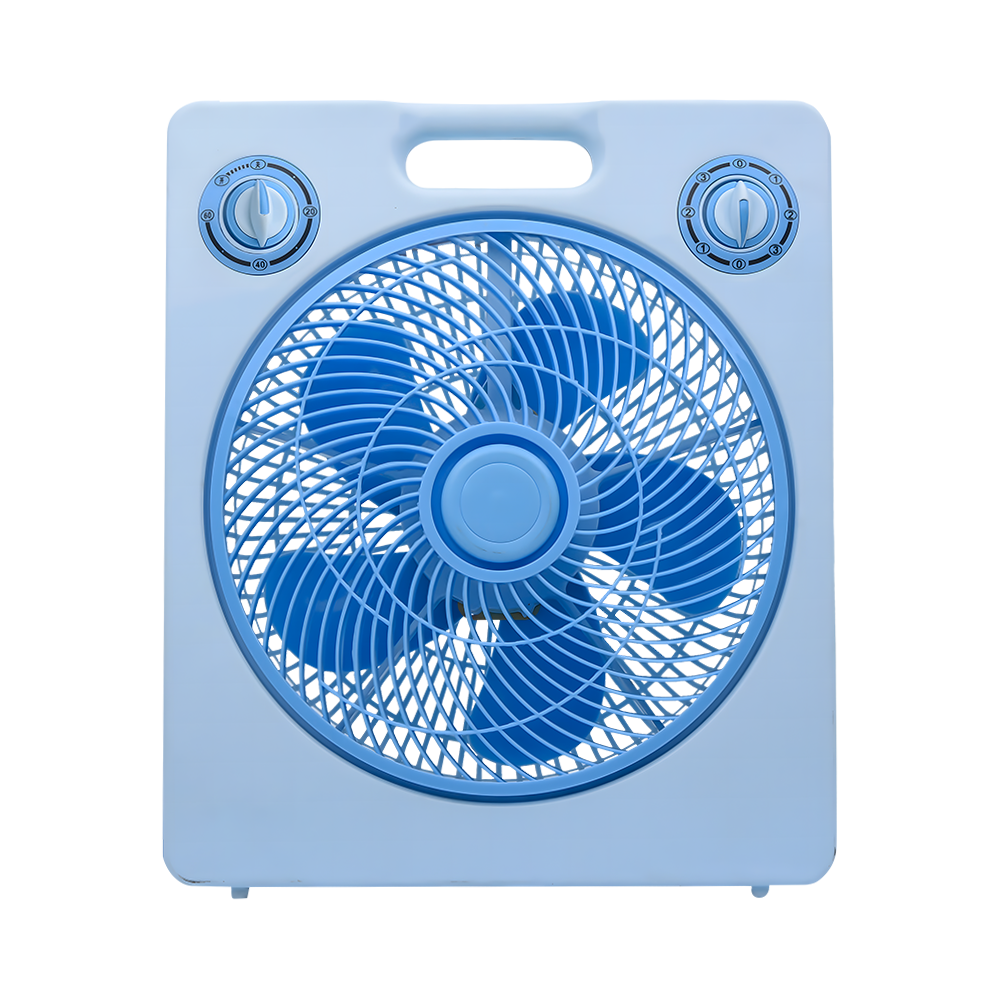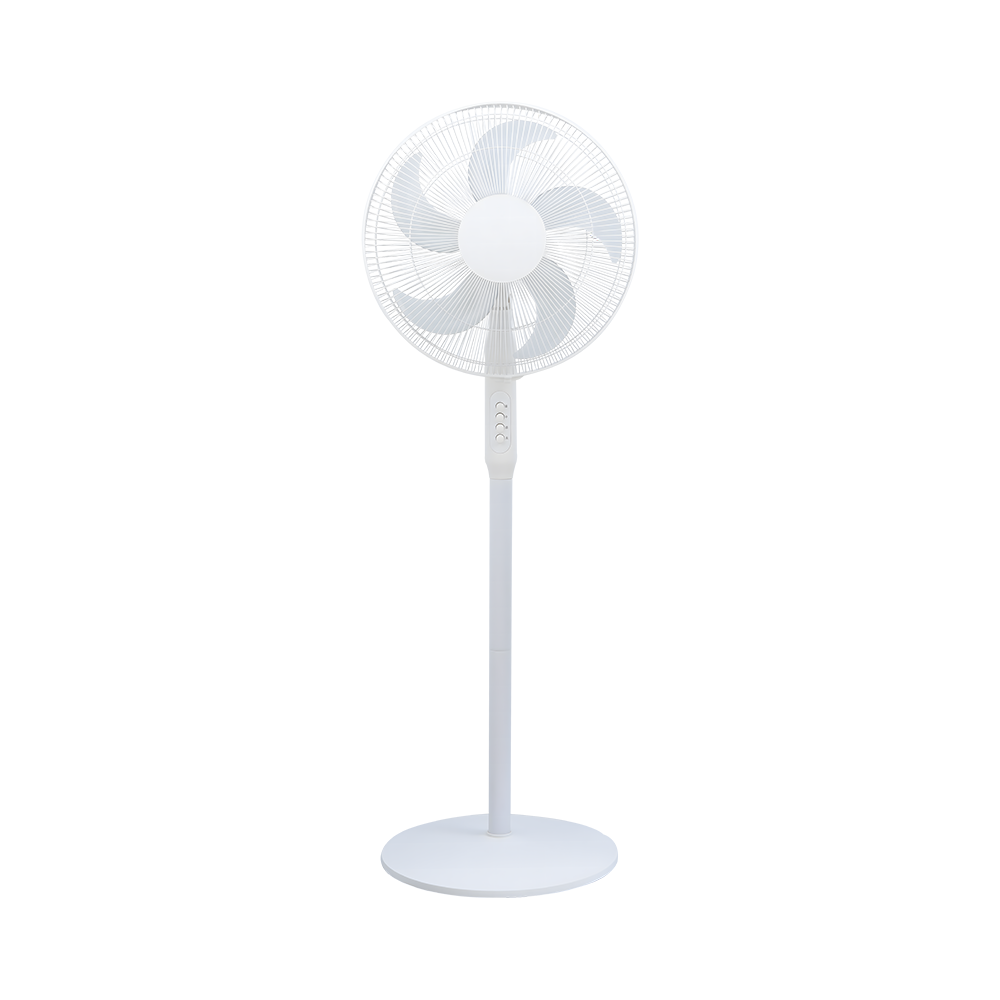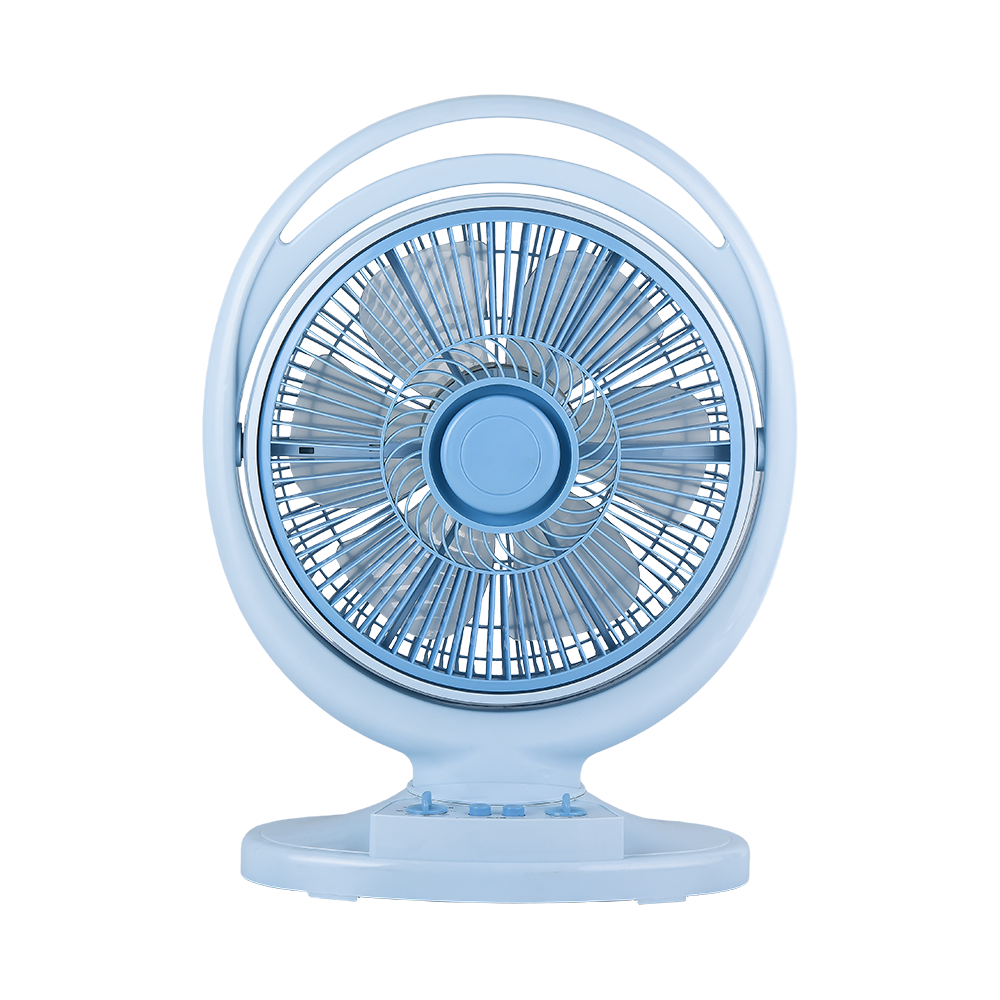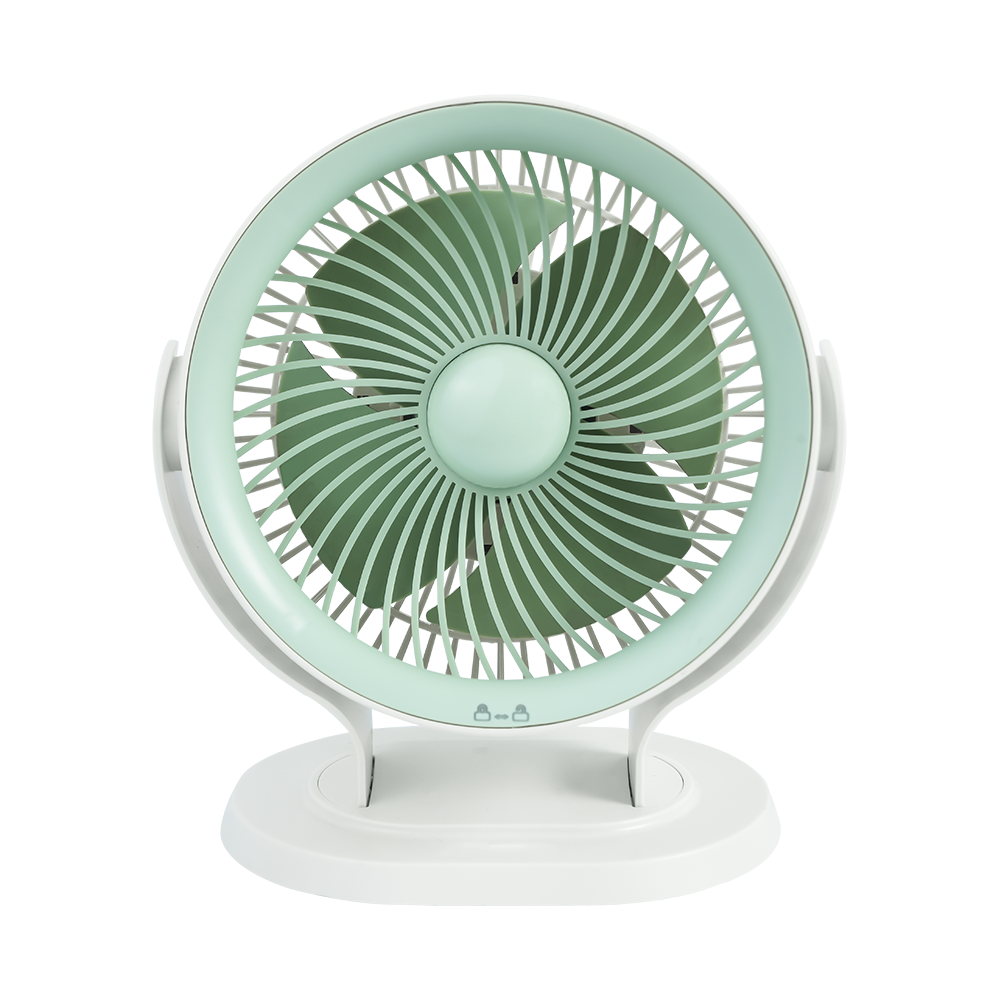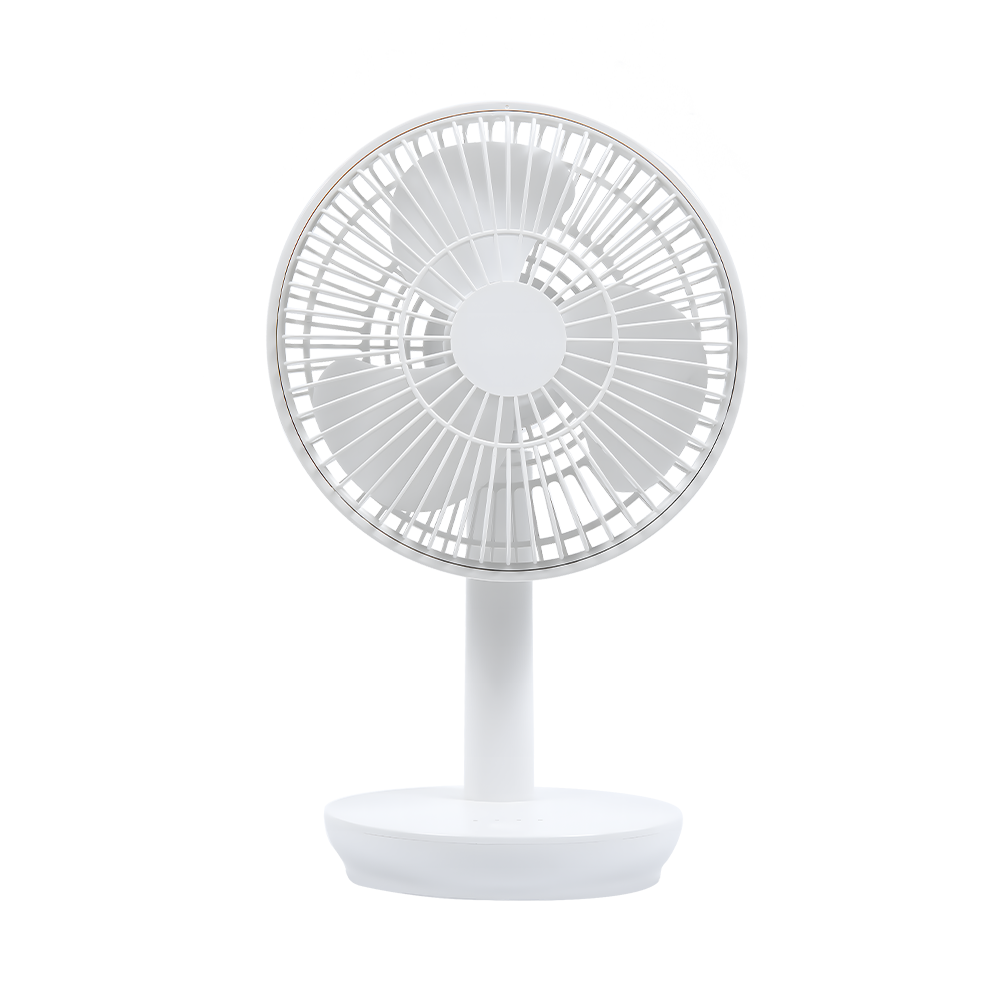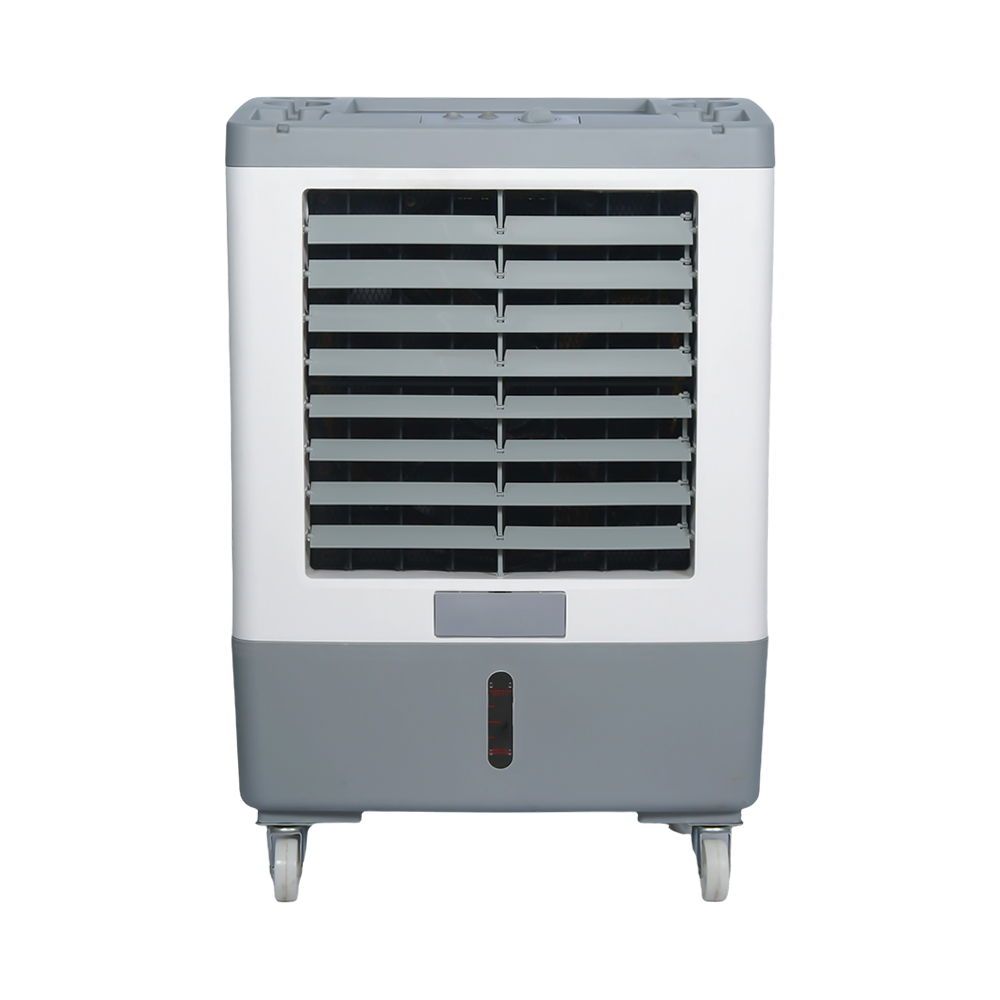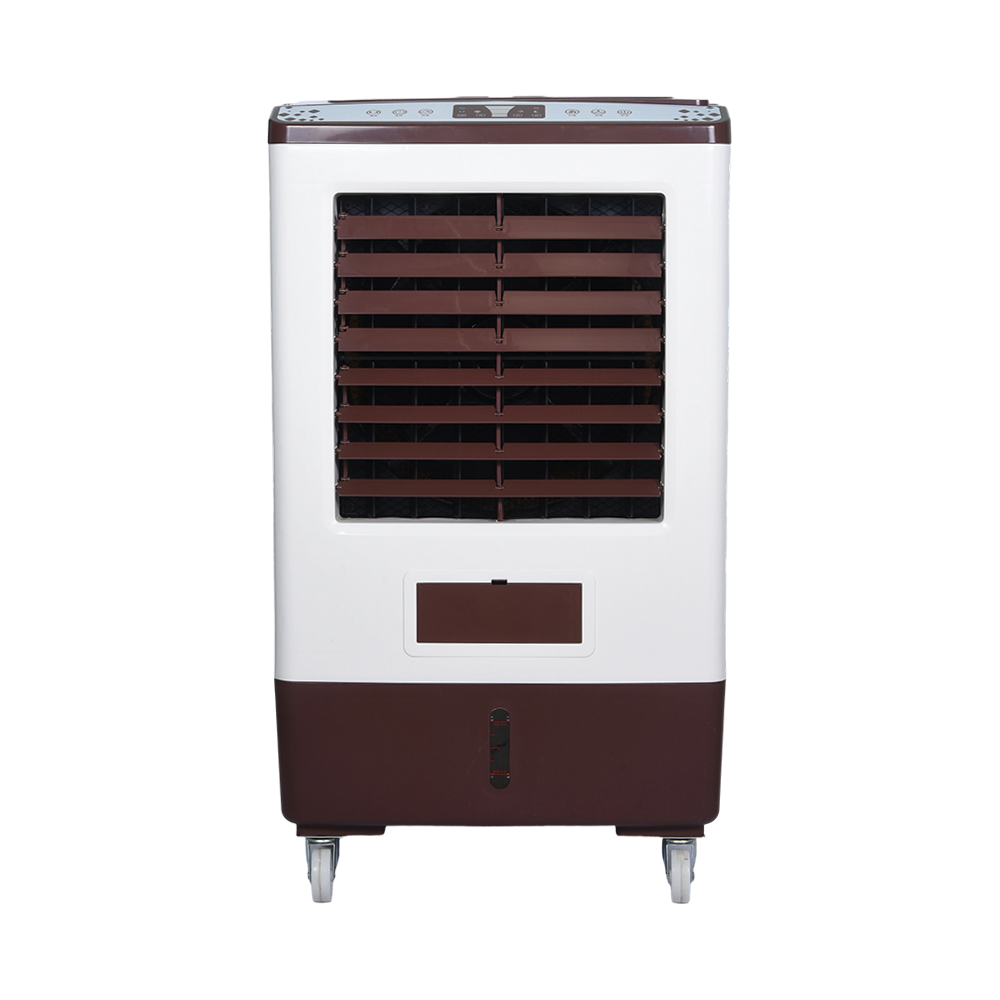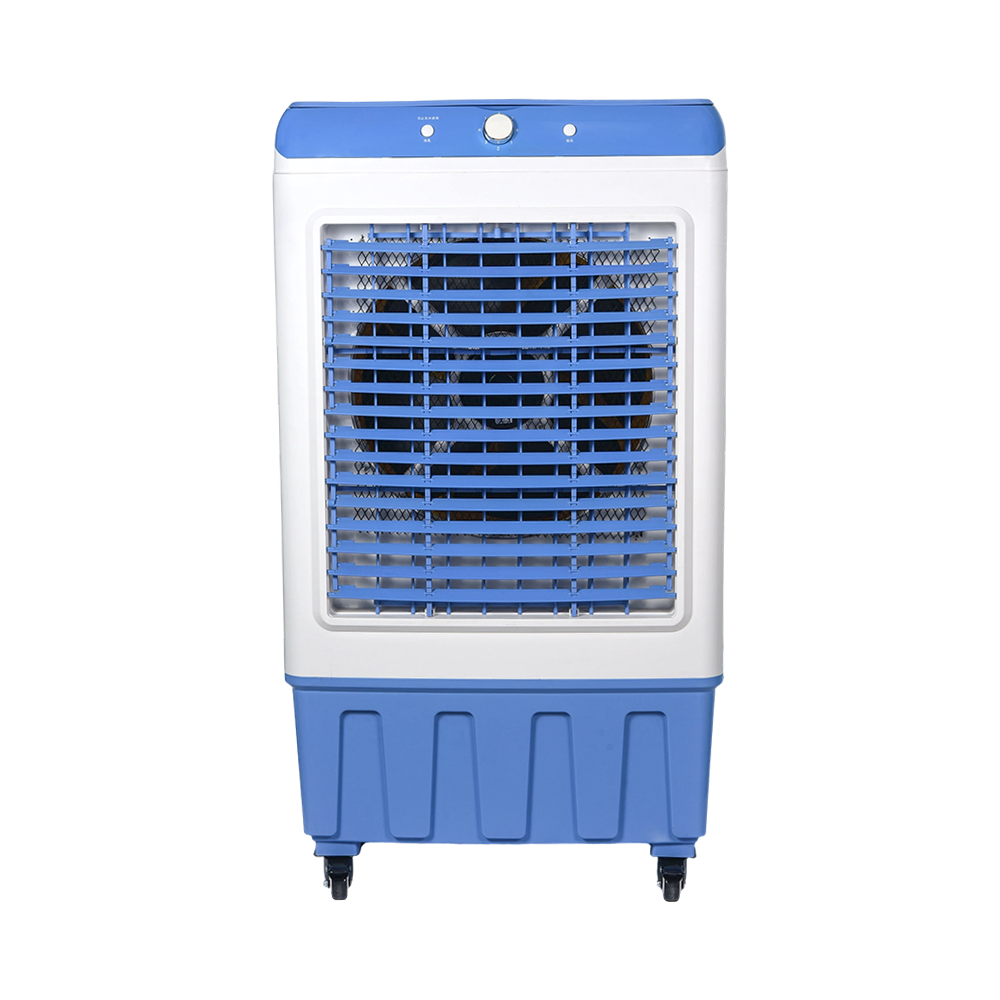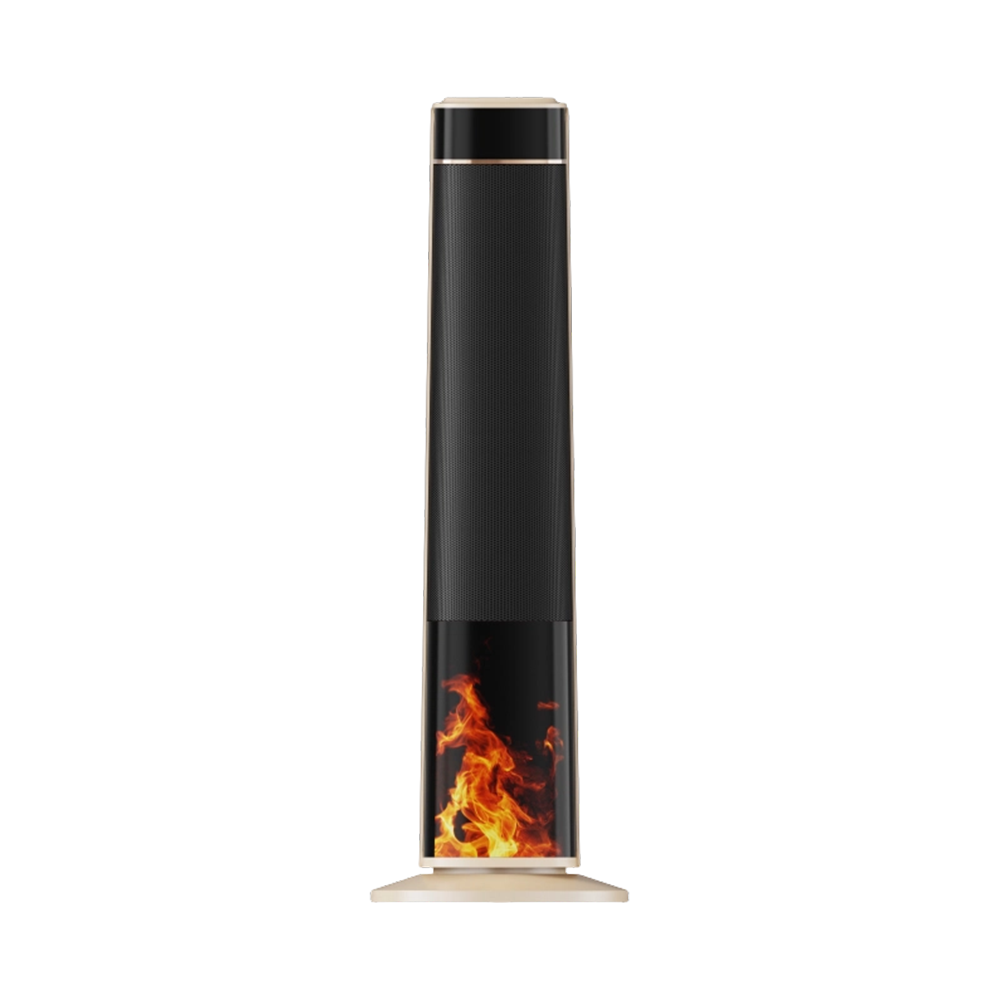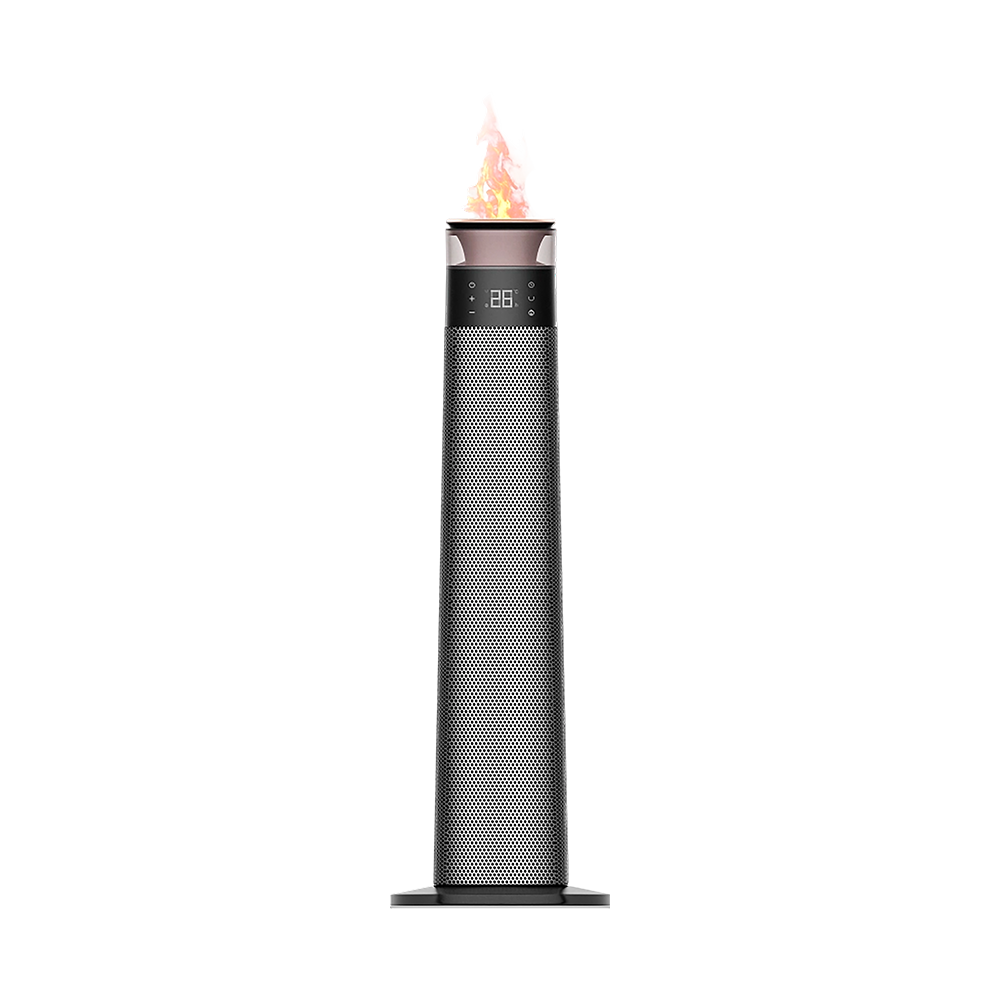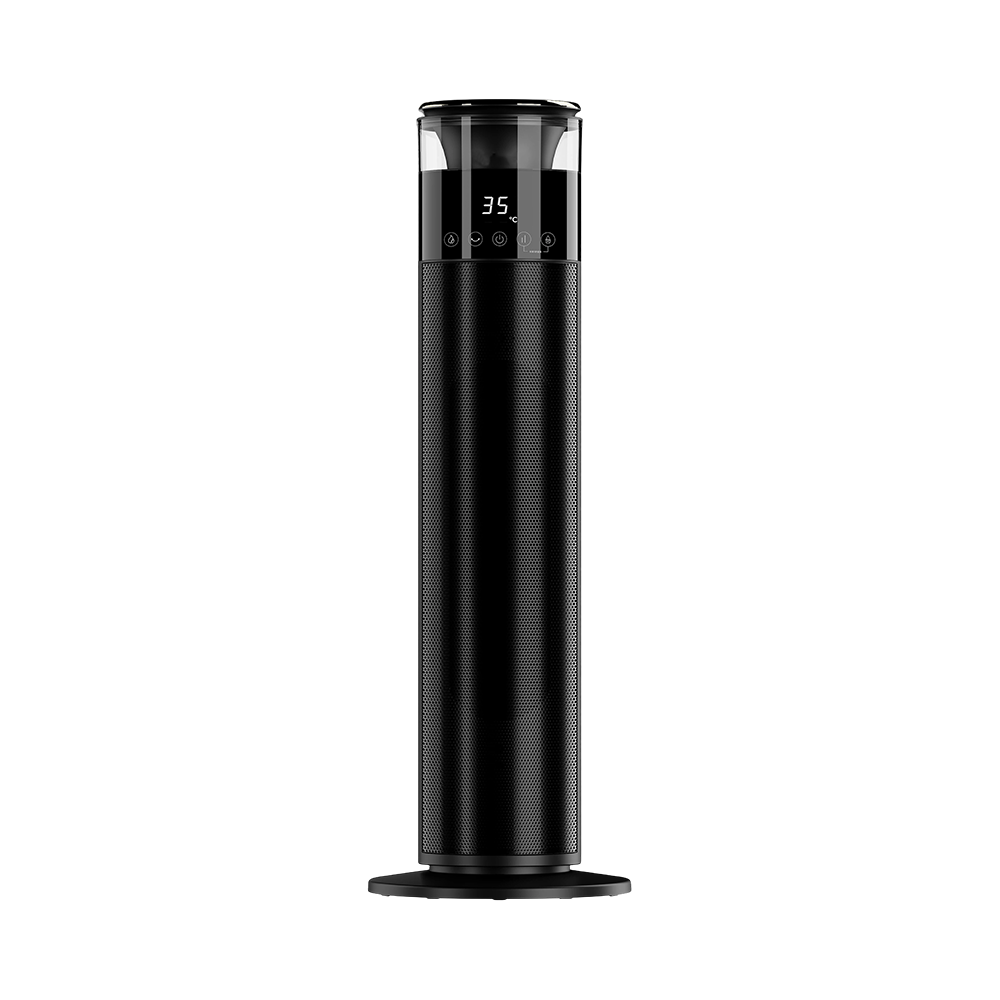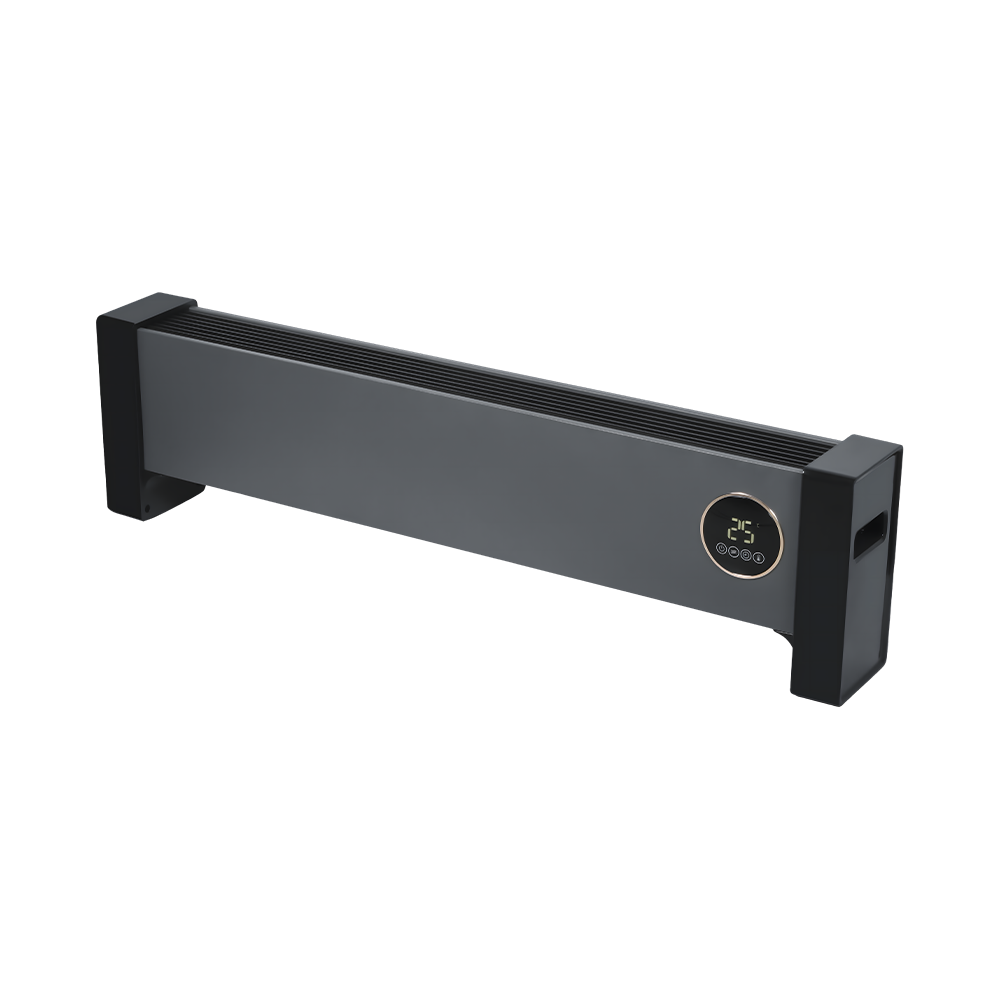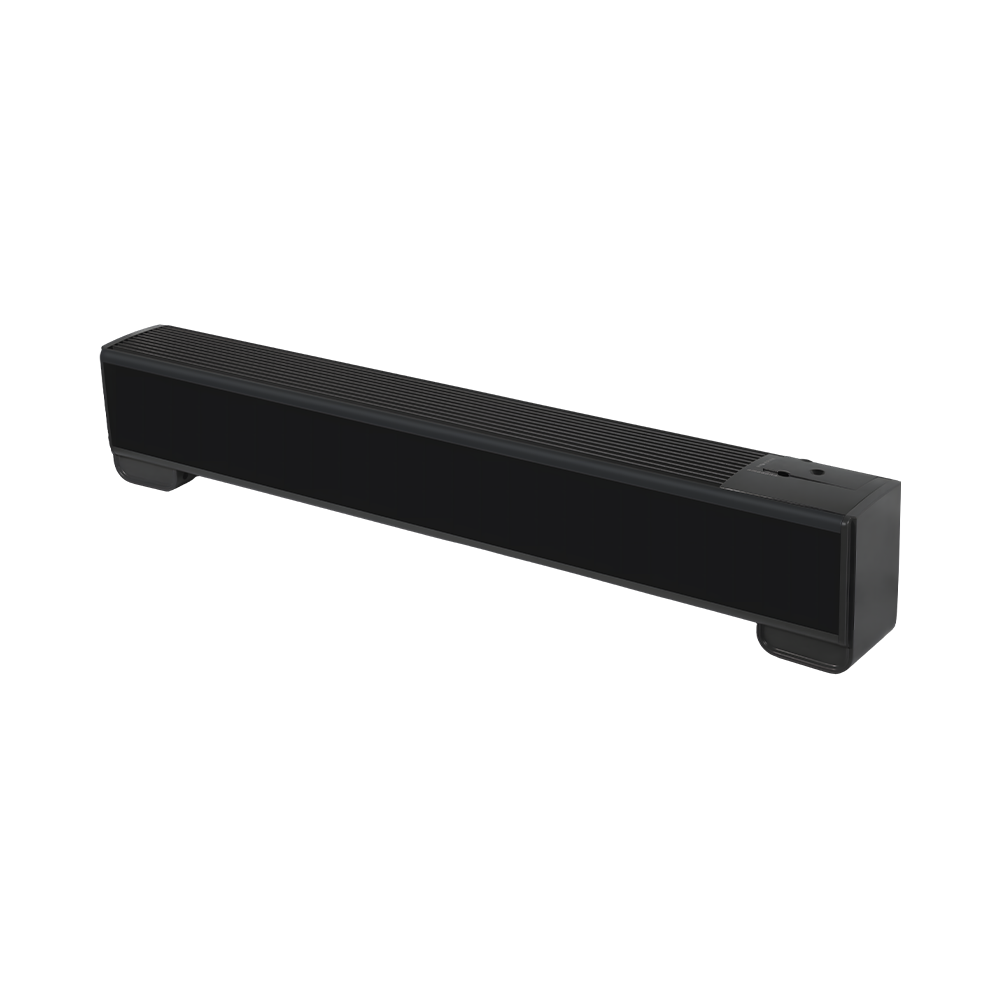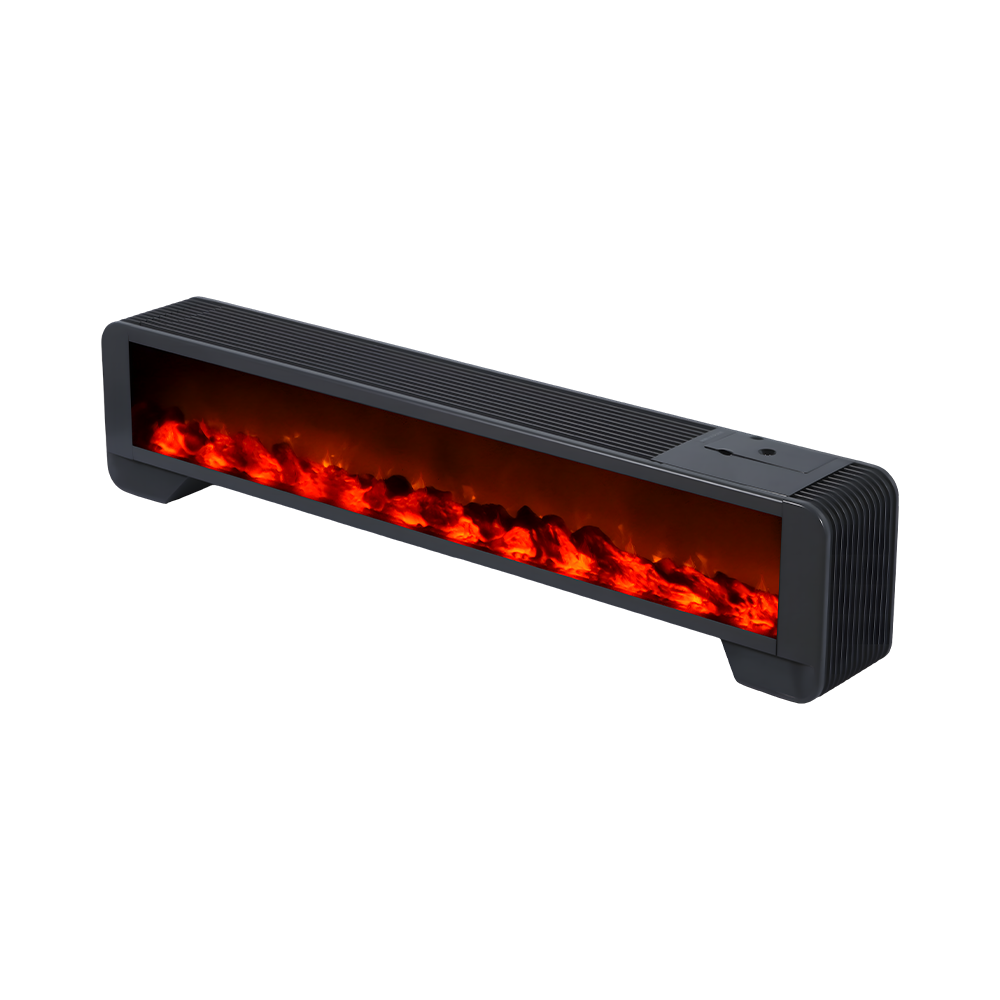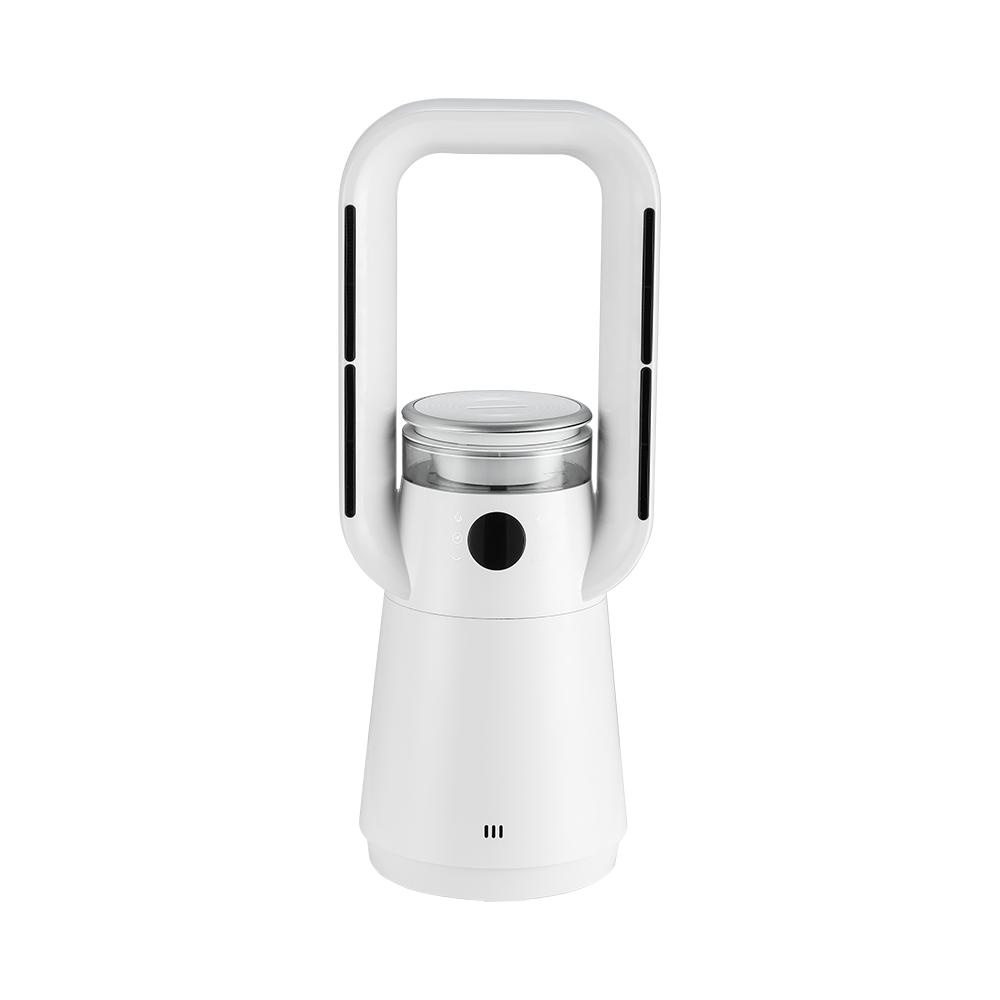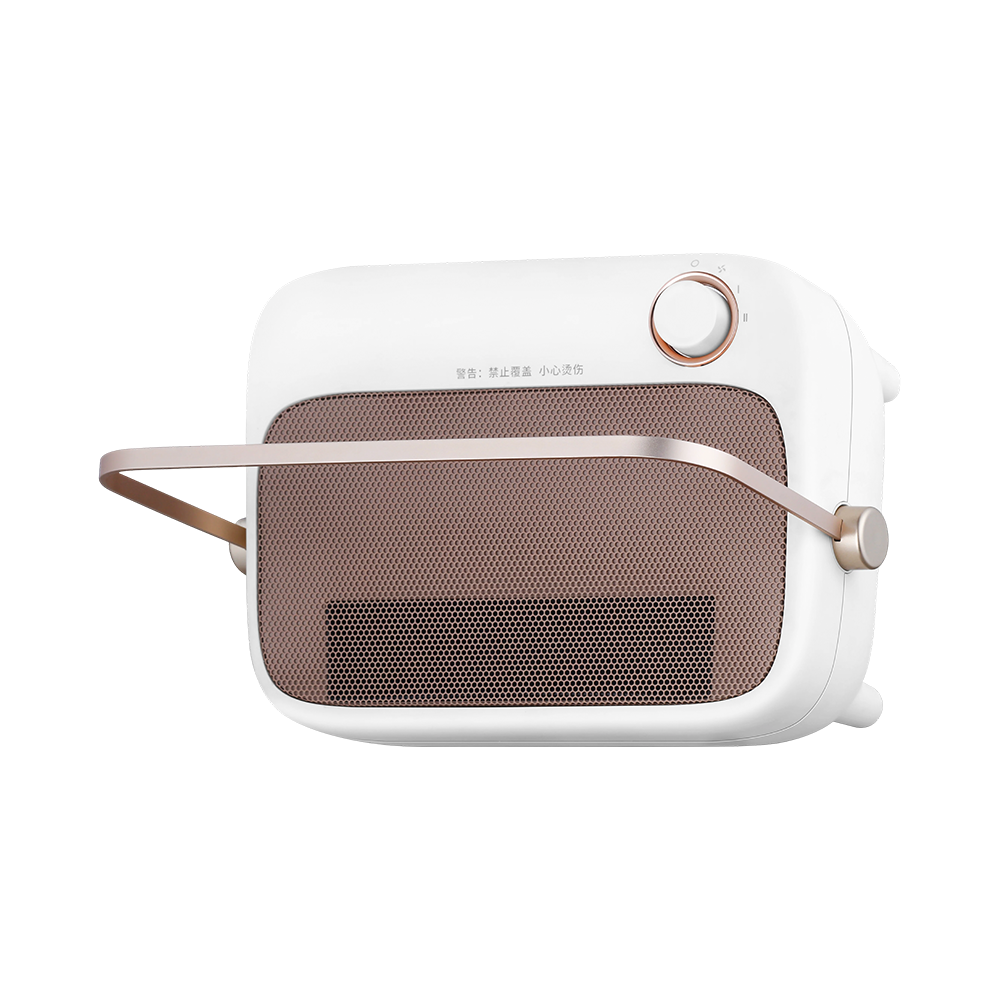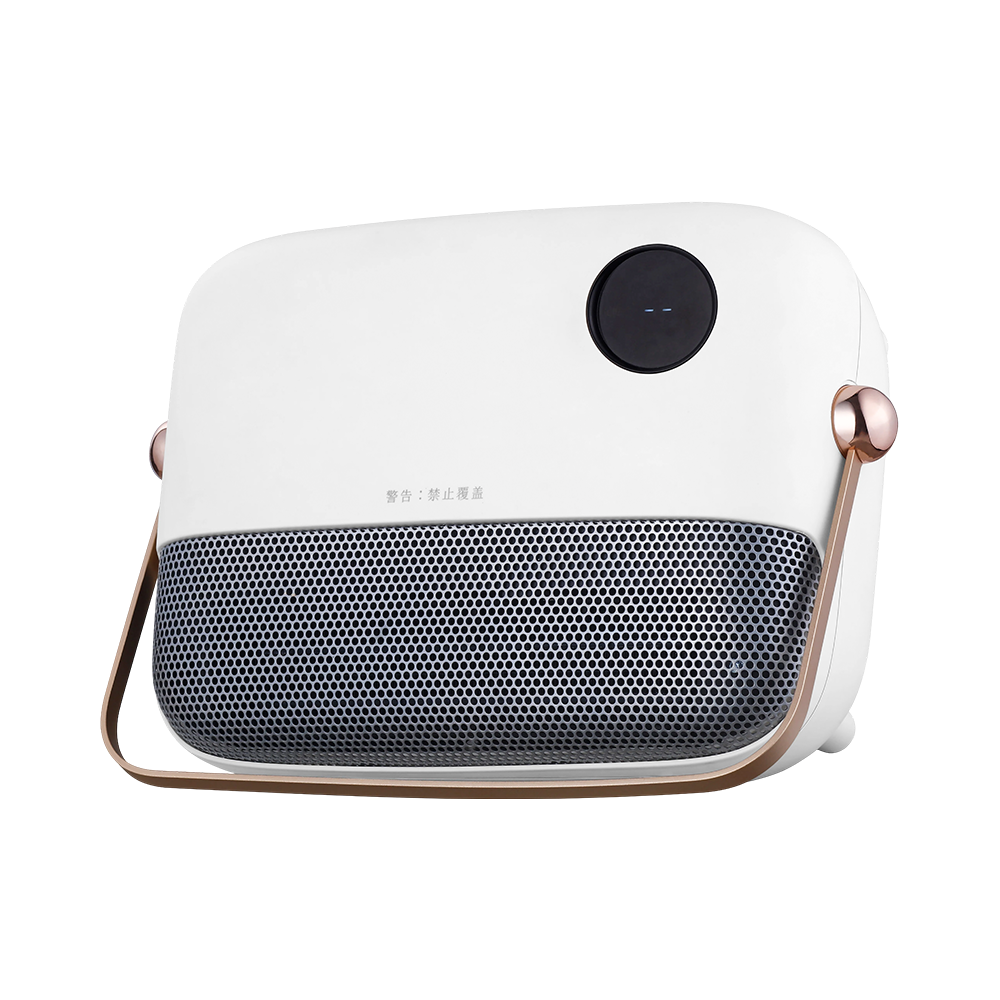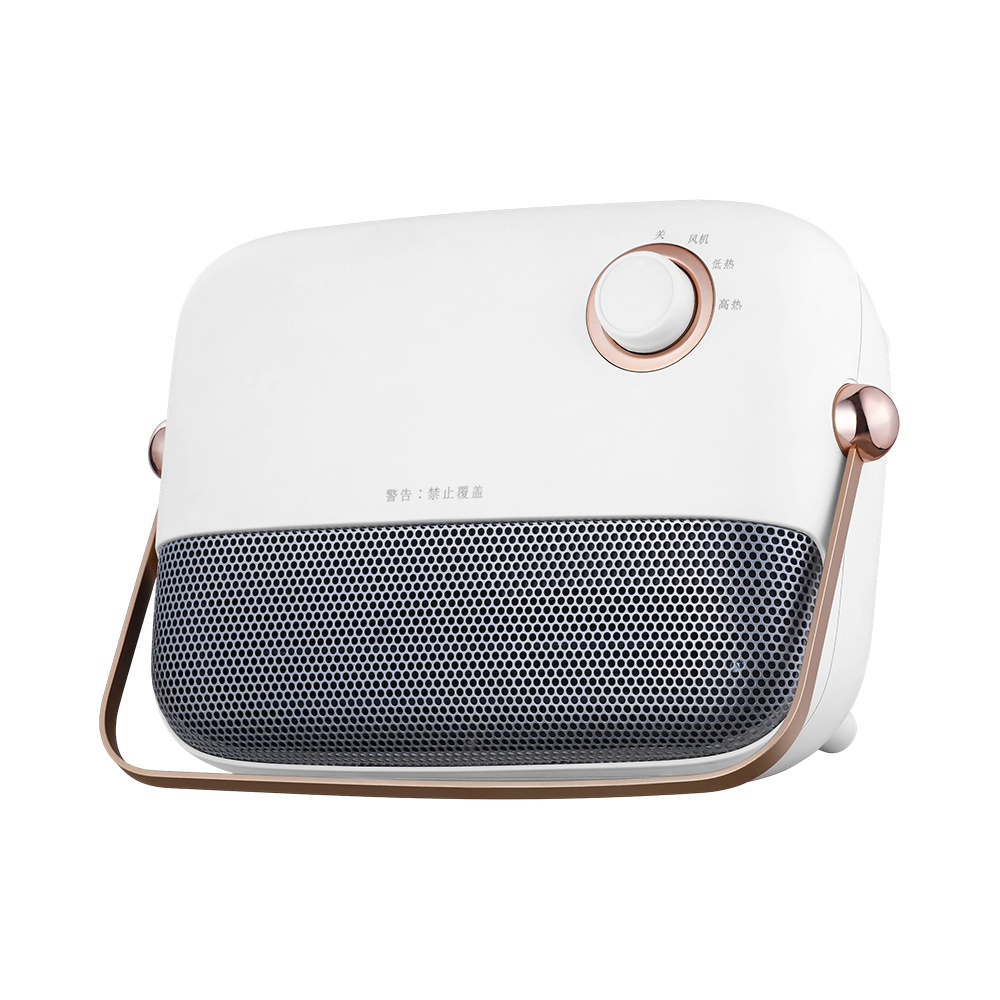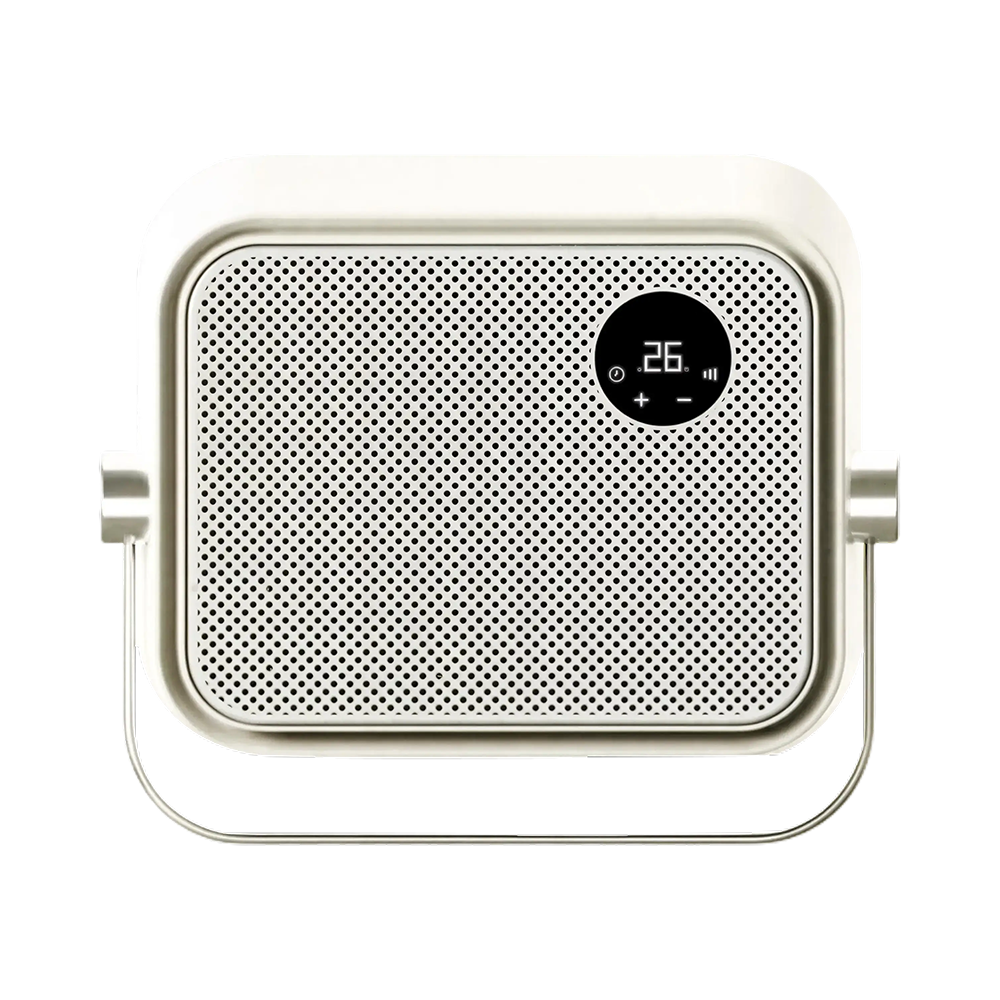

A wall-mounted heater is widely used in homes, offices, and commercial spaces. By mounting the heating device on a wall, they don't take up floor space, making them particularly suitable for environments with limited space or those requiring precise space layout.
Modern wall-mounted heaters place greater emphasis on intelligence and safety in their design, generally featuring thermostat control, timer functions, overheat protection, and waterproofing/moisture resistance. Some high-end models also support remote control and smart home integration. In terms of appearance, they often adopt an ultra-thin body and a minimalist design style, blending seamlessly with various interior décor styles.
Don't hesitate to contact when you need us!
We're a reliable partner that shapes our expertise into success for your project.
Oct 12, 2026
The Heated Ceiling Fan: Does It Exist? Smart Heat & Air Circulation Guide If you searched for a heated ceiling fan expecting one appliance that both blows air and warms a room, here is the direct answer: integrated heated ceiling fans exist, but they are a rare, mostly commercial niche. In ordinary homes they rarely make sense, because heat rises. A heating element mounted at ceiling height... read moreOct 05, 2026
Indoor Heaters Buying Guide: Types, Sizing, Wattage, Safety and Cost Tips The right indoor heater is chosen by room size first, heat technology second, and control features last. A 1,300W PTC heater is enough for a bedroom of about 8 to 10 m², while a 2,200W graphene baseboard heater is a better match for a living room of 18 to 22 m². If you also want a visual centerpiece, a 3D flame firepl... read moreSep 28, 2026
Best Heater for Greenhouse: Types, Sizing Tips and Buying Advice | Baopeng Short answer first: for most backyard and small commercial greenhouses, the best heater setup is a thermostat-controlled, fan-forced ceramic heater to hold overall air temperature, backed by a small radiant tube heater aimed at the bench or seed-tray area for direct plant warmth. If you only buy one unit, make it the ... read more
A Wall-Mounted Heater is built around one core job: delivering steady heat without taking up floor space, which is why the category stretches from a compact single-room unit up to heavy-duty equipment rated for continuous operation. On the lighter end sit panel-style models sized for a bathroom, bedroom, or office corner. On the heavier end sit units built for workshops, loading bays, and production floors that run for long stretches without a break. In between, most buyers now look for a model that pairs digital comfort features, such as programmable temperature control, with a slim wall-mounted footprint. Getting the right fit means matching wattage, control type, and mounting method to the space, rather than picking on looks alone.
Undersizing is the most common mistake in wall heater selection. A rough planning rule used across the heating industry is about 10 watts per square foot of floor area for a room with average insulation and an 8-foot ceiling, then adjusting upward for poor insulation, high ceilings, or a cold climate, and downward for a well-insulated, smaller enclosed space. This is a starting point for estimation, not a substitute for a proper heat-loss calculation, but it explains why a small wall mounted electric heater in the 750 to 1500 watt range is enough for a bathroom or bedroom, while a workshop bay or warehouse zone needs several times that output.
Figures are general planning ranges for average insulation; actual requirements vary with ceiling height, climate, and air changes.
A basic on/off wall heater without electronic regulation tends to overshoot and undershoot the target temperature, since it only reacts once the room has already drifted noticeably warm or cool. A wall mount heater with thermostat instead reads room temperature continuously and adjusts output in smaller steps, which keeps the swing much tighter and cuts the amount of time the element runs at full power. In practice this means less energy spent reheating a room that overshot its target, and a more even surface temperature for anyone sitting near the unit.
Many current digital thermostats used in wall heaters can hold a room within roughly half a degree Celsius of the set point, and pairing that with a timer or weekly schedule lets a space stay at a lower background temperature overnight and step up automatically before the room is occupied again.
Duty cycle is the real dividing line between the two product groups, more so than appearance. Industrial electric heaters wall mounted in a workshop are usually built to run for hours at a stretch, tolerate dust, occasional splashing, and wide temperature swings near loading doors, and they are typically installed once and left running through a shift. Modern electric wall heaters aimed at homes and offices lean the other way, favoring finer control precision, slimmer mounting, and app or remote scheduling over raw ambient tolerance. Neither type is universally "better"; the right choice depends on how the room is used.
This is the kind of trade-off Ningbo Baopeng Electric Appliance Co., Ltd. works through with buyers directly. The company runs a standardized production facility covering 17,000 square meters with a team of more than 200 employees, operating production lines supported by inspection systems that carry through from product development to mass production, so consistency does not drop off between a small residential order and a larger industrial run.
Where a heater sits on the wall affects both safety clearance and how evenly the heat spreads. Low-profile units in bathrooms or bedrooms are usually mounted closer to floor level for gentle, even warmth, while larger industrial units are set higher to keep the heat path clear of stored goods, foot traffic, and moving equipment. Clearance from curtains, furniture, or stacked materials should scale with output: a higher-wattage unit needs more breathing room around it than a small panel heater.
| Heater type | Typical mounting | Clearance emphasis |
|---|---|---|
| Small wall mounted electric heater | Lower wall, near occupant zone | Textiles, curtains, low furniture |
| Modern panel heater | Mid wall, open sight line | Airflow path across the room |
| Industrial wall unit | Higher wall, above stored goods | Stacked materials, foot traffic |
Ningbo Baopeng Electric Appliance Co., Ltd. builds to customer-specified requirements rather than a single fixed layout, and every order goes through a third-party inspection before shipment. The factory itself is located in Cixi, Zhejiang Province, which keeps transportation and logistics straightforward for outbound orders, and the team works as a direct manufacturer offering professional customization for buyers who need a specific mounting profile, wattage step, or control layout.
Usually not well on its own. Open-plan spaces lose heat faster near doorways and windows, so most installers split the load across two or more units rather than oversizing a single heater, which also gives more even coverage across the room.
Yes, mainly by reducing overshoot. A heater that stops adding heat right at the target temperature, rather than several degrees past it, spends less total time drawing full power over a day.
Mainly build tolerance for continuous run time and a less controlled environment: dust, temperature swings near doors, and longer daily operating hours, which residential panel heaters are not typically built around.
Yes. Ningbo Baopeng Electric Appliance Co., Ltd. works from customer requirements and customizes accordingly, with third-party inspection carried out before each shipment leaves the Cixi, Zhejiang facility.
Don't hesitate to contact when you need us!
For any questions and feedback from customers, we will reply patiently and meticulously.

The product has obtained multiple domestic and international certifications, including 3C, CE, ROHS, CB, and the ISO9001 quality management system.
CONTACT US
Address: No. 118, Guyao Highway, Zhangqi Town, Cixi City, Zhejiang Province, China
Wechat: +86-15921162693
Email: [email protected]
Mobile



 English
 Español
 عربى
عربى