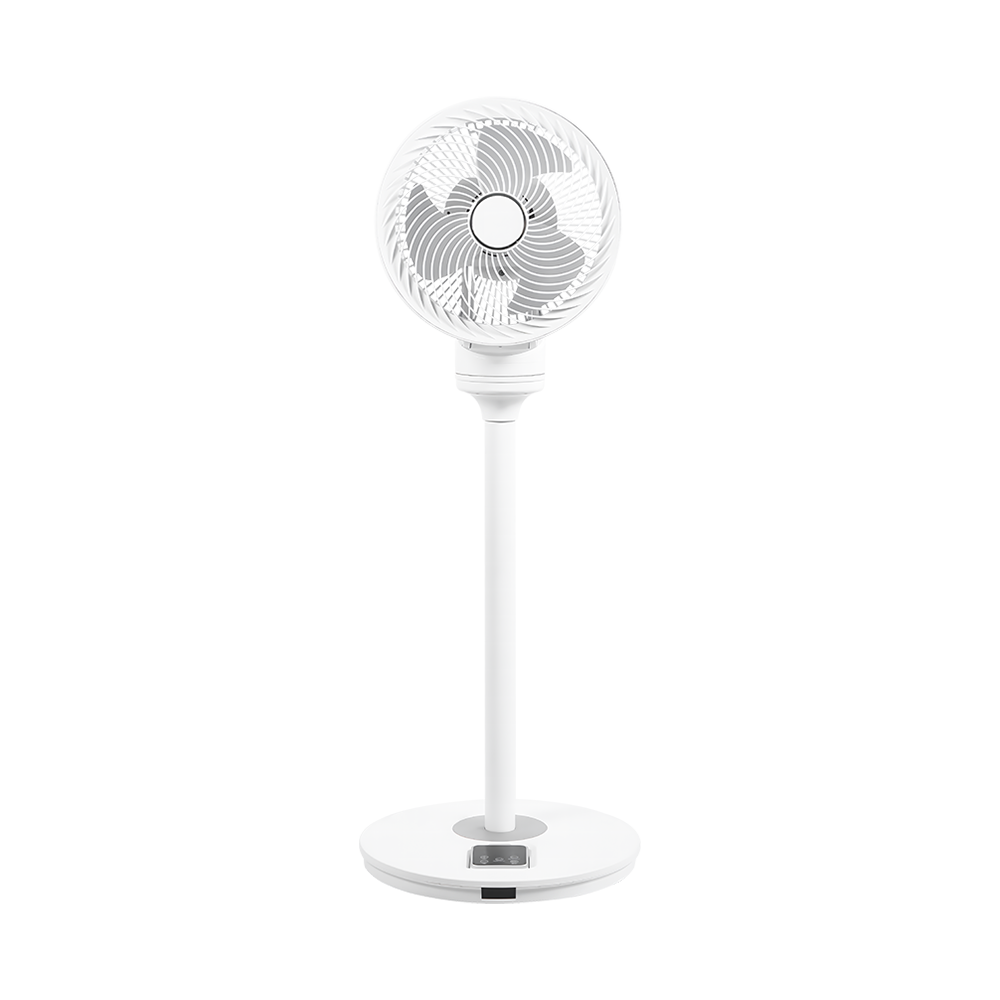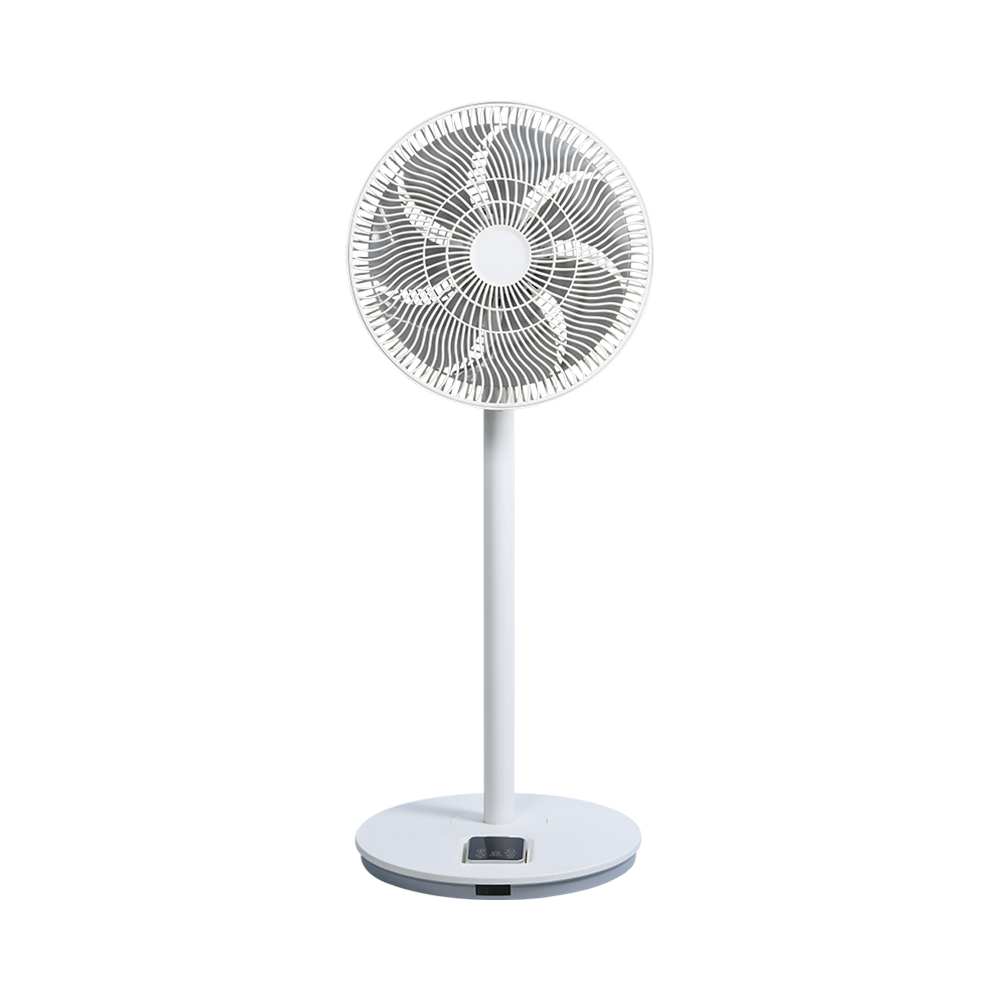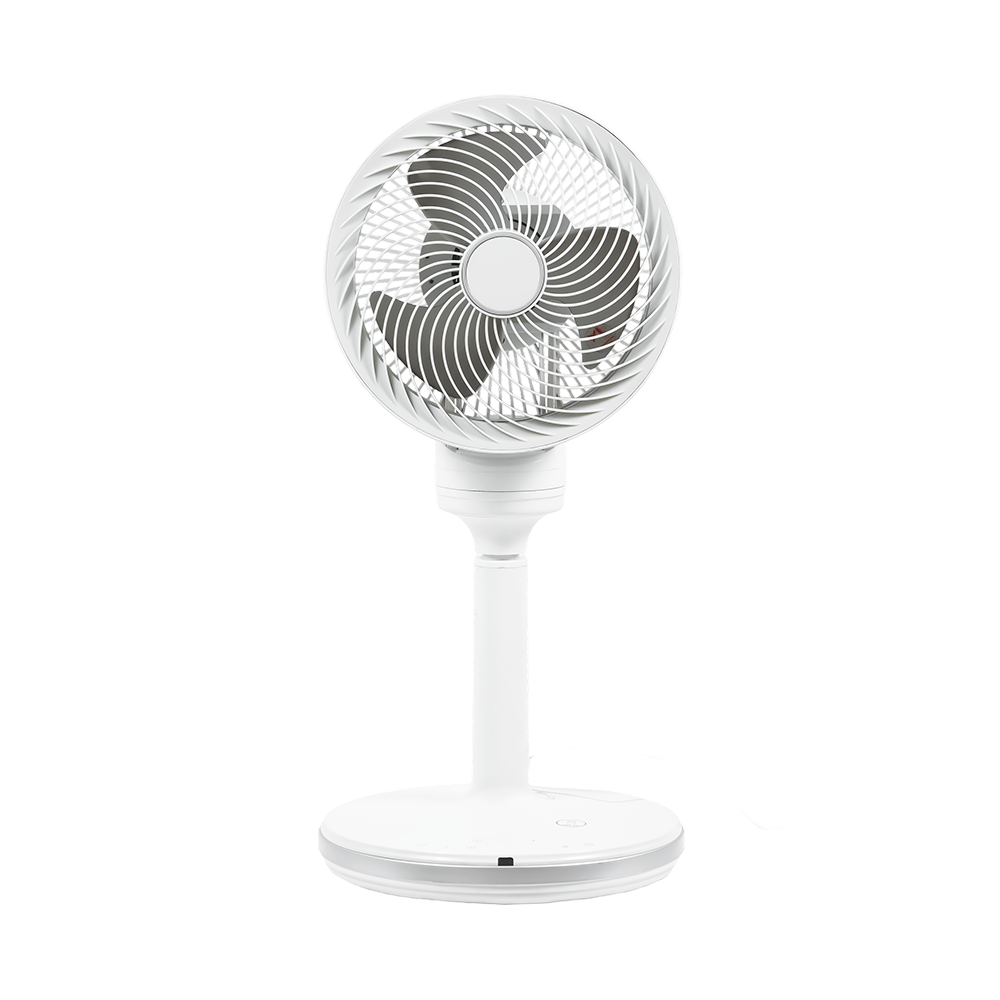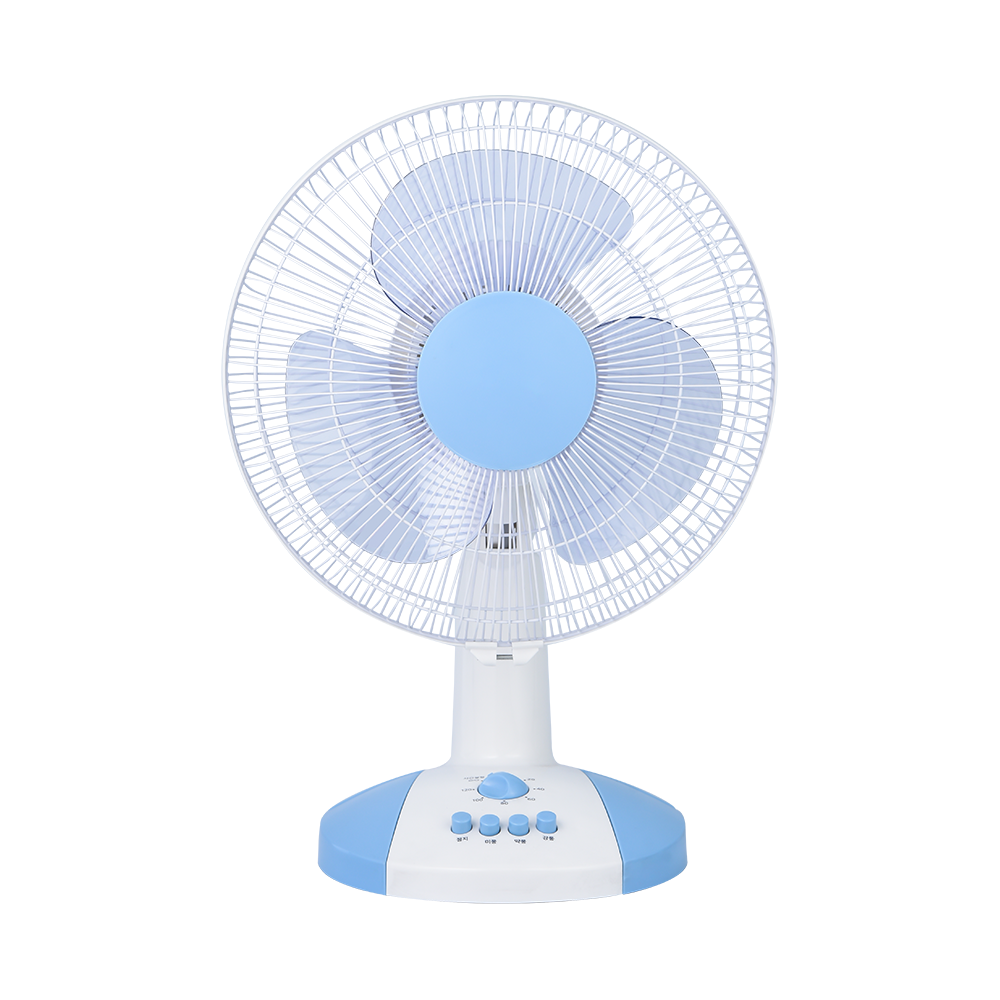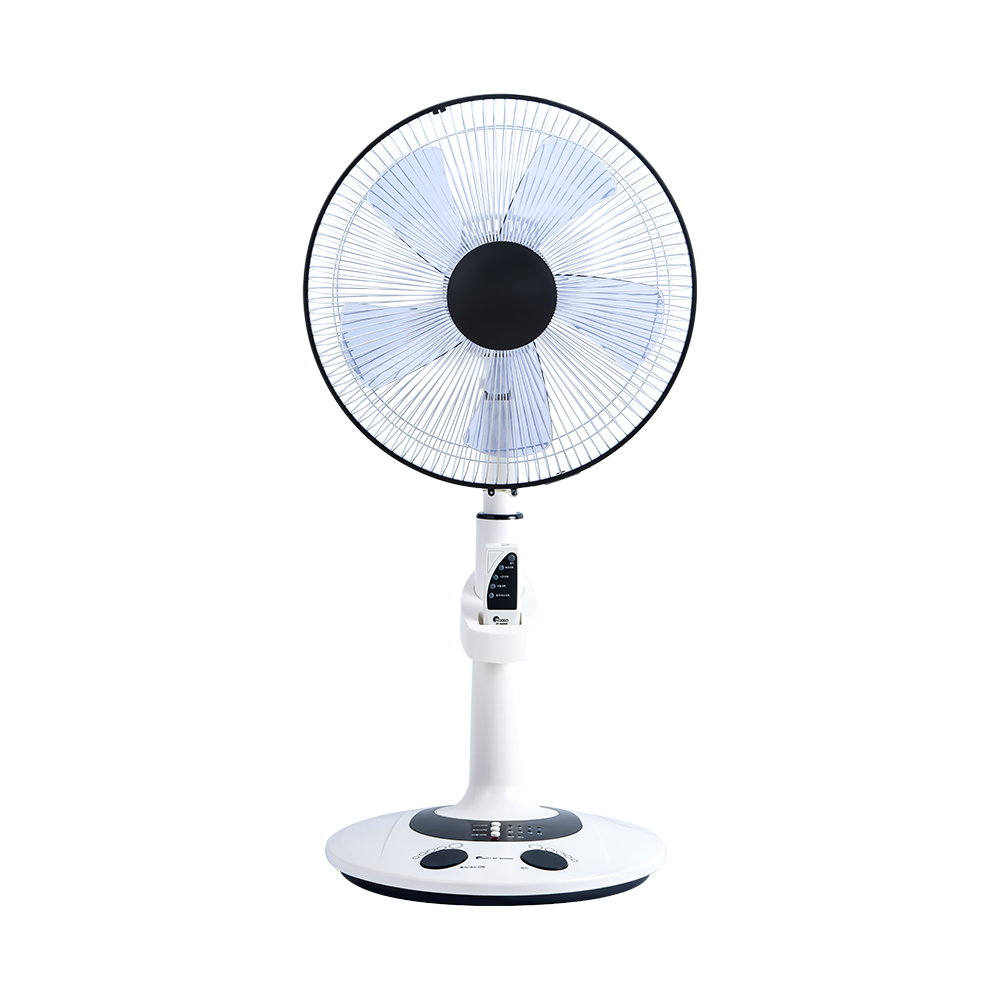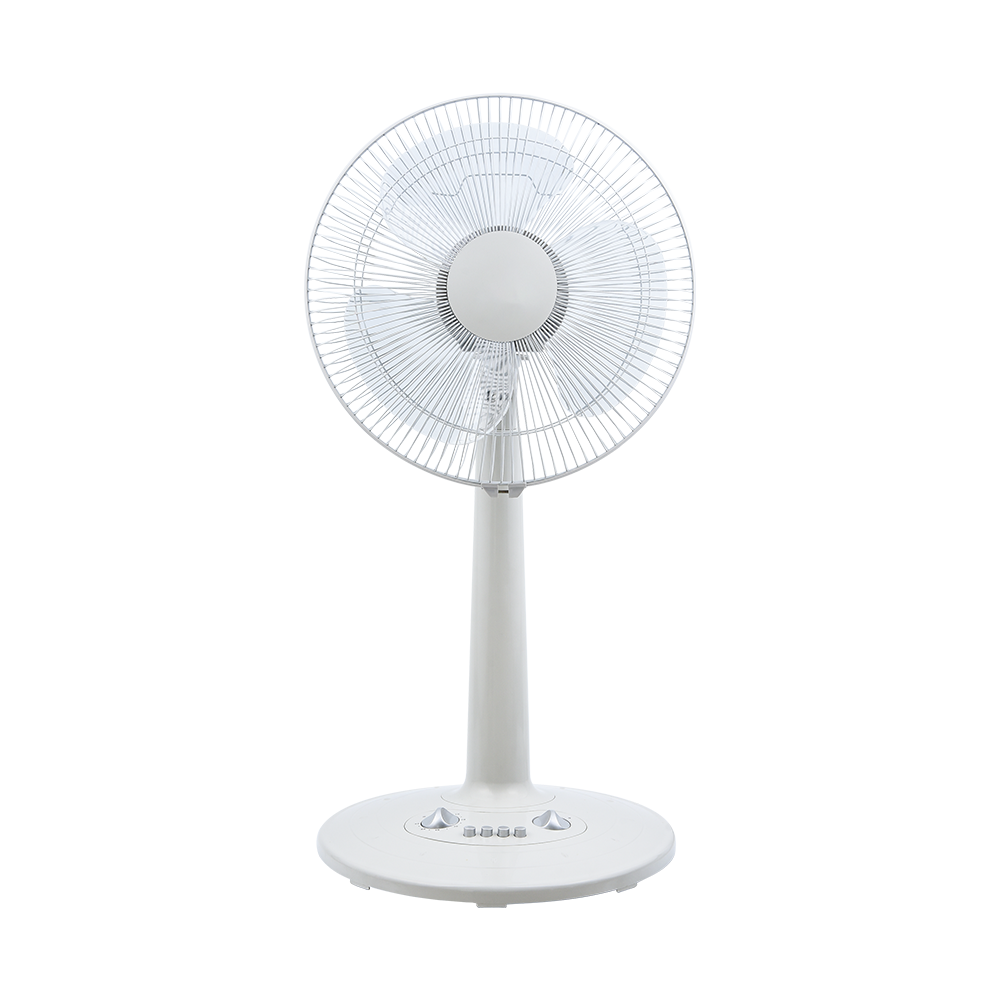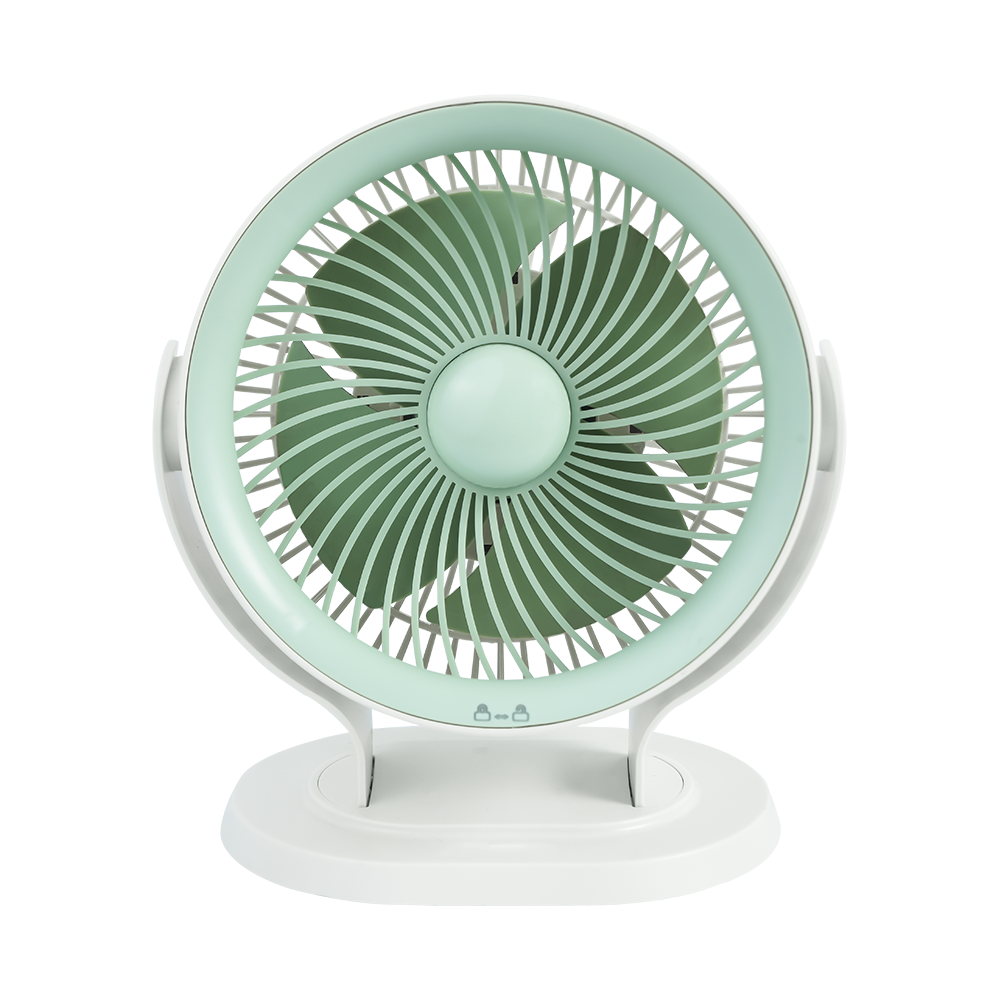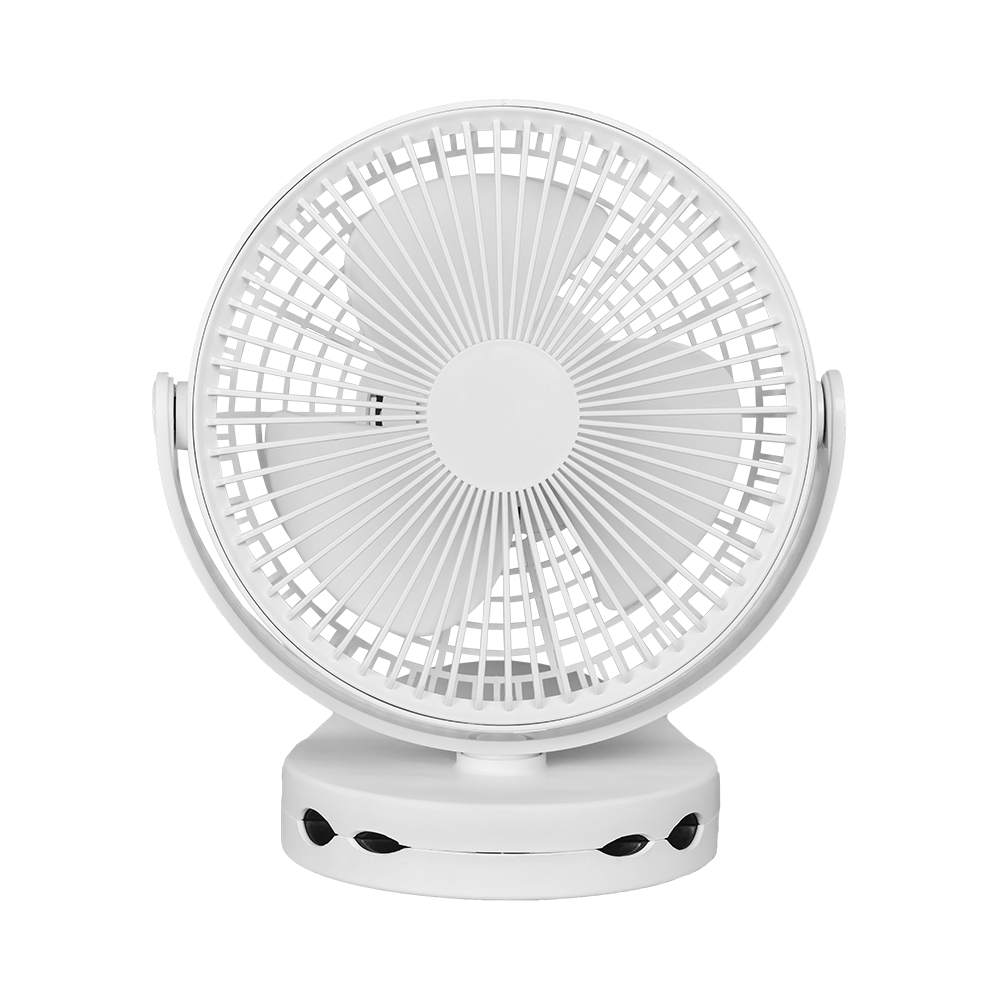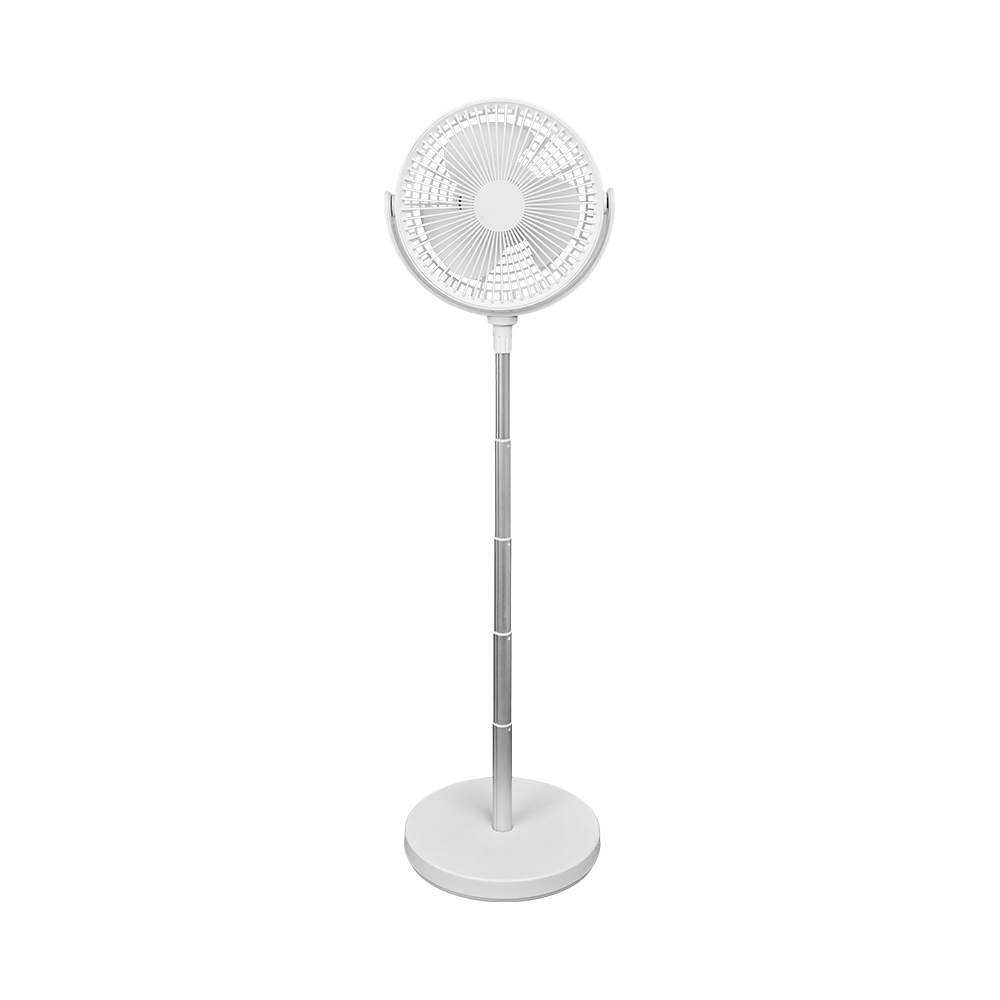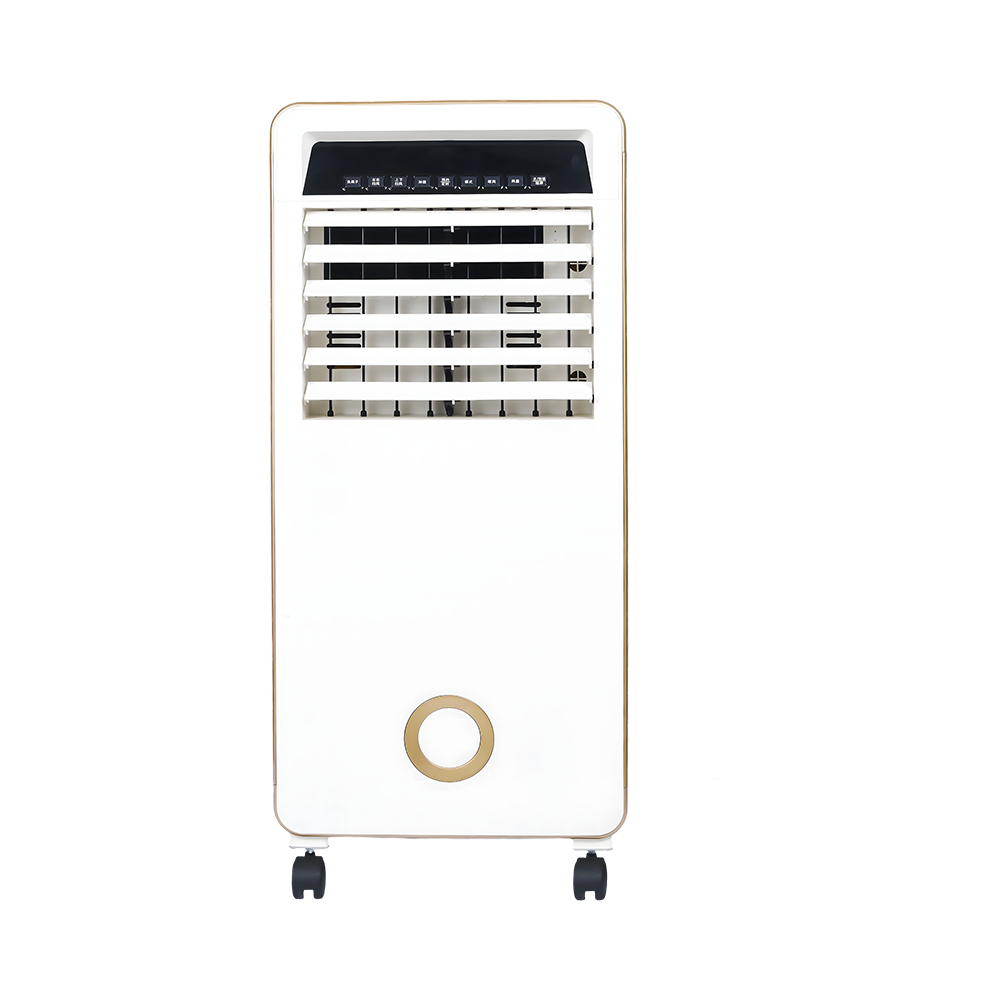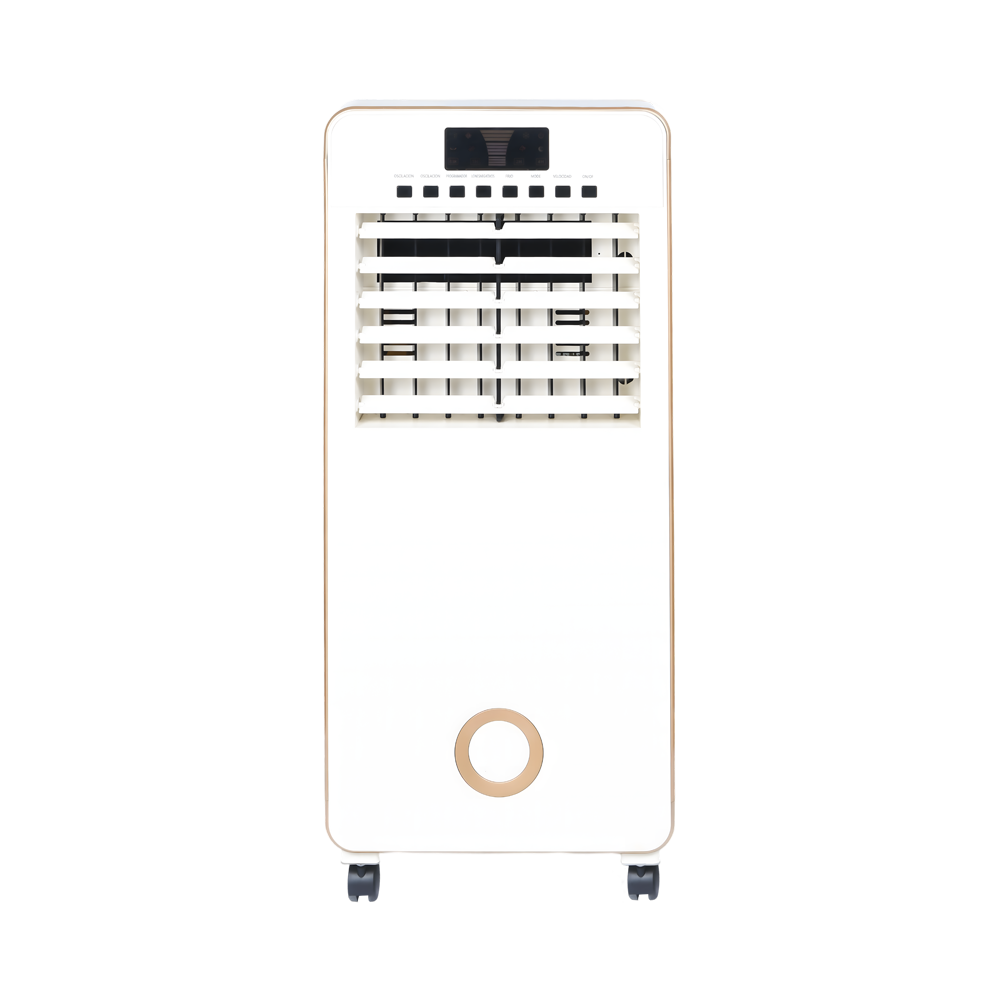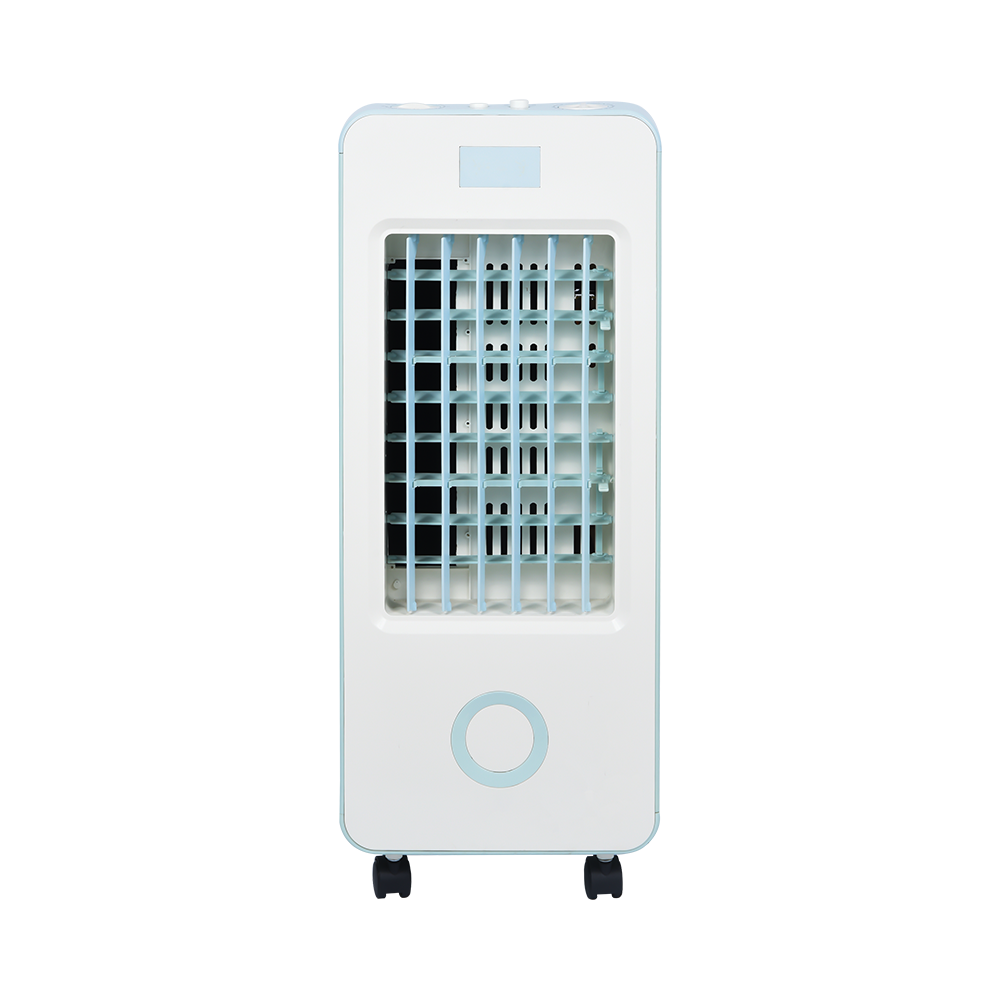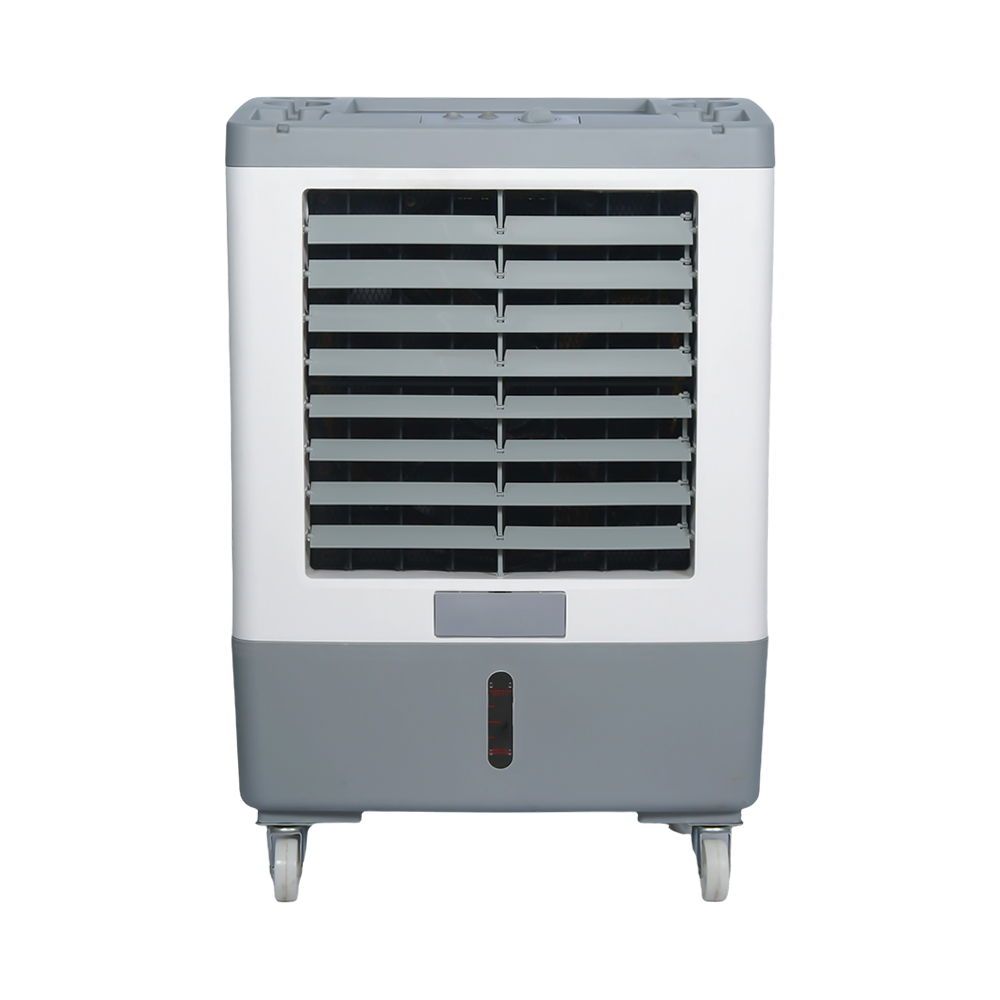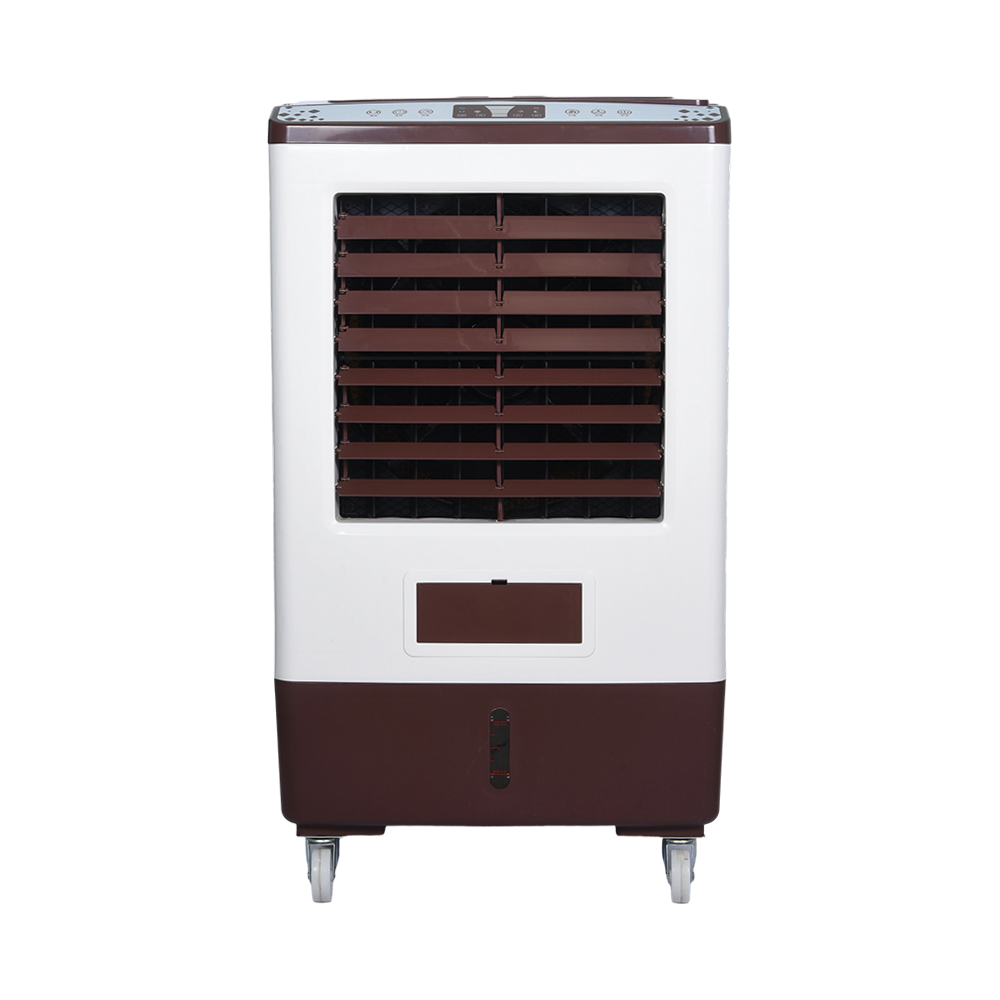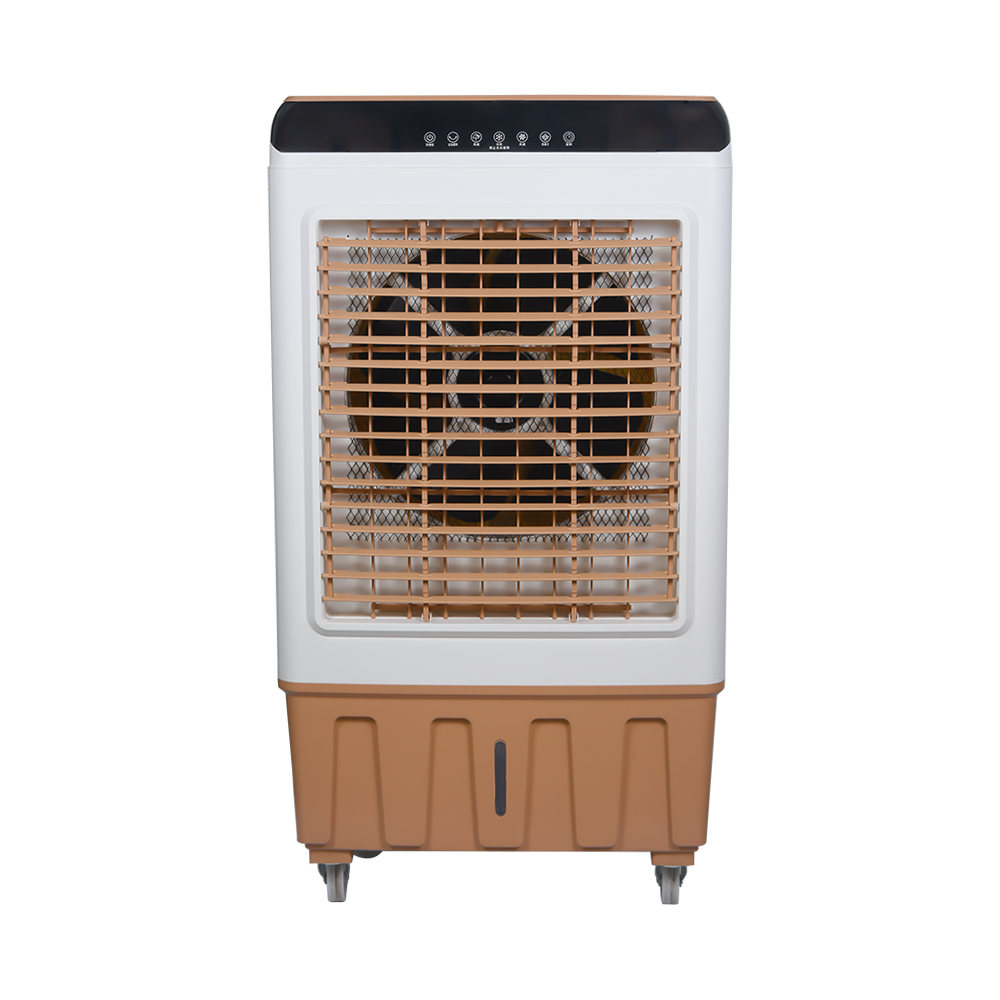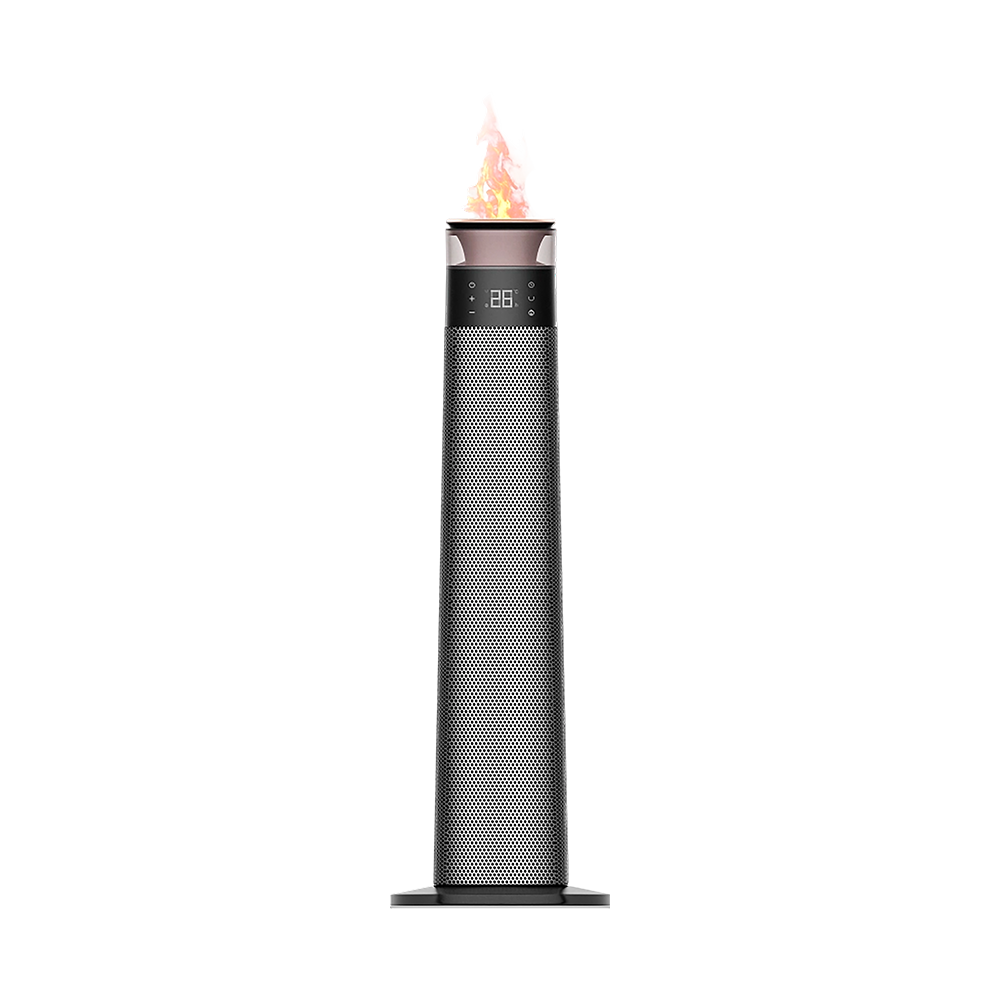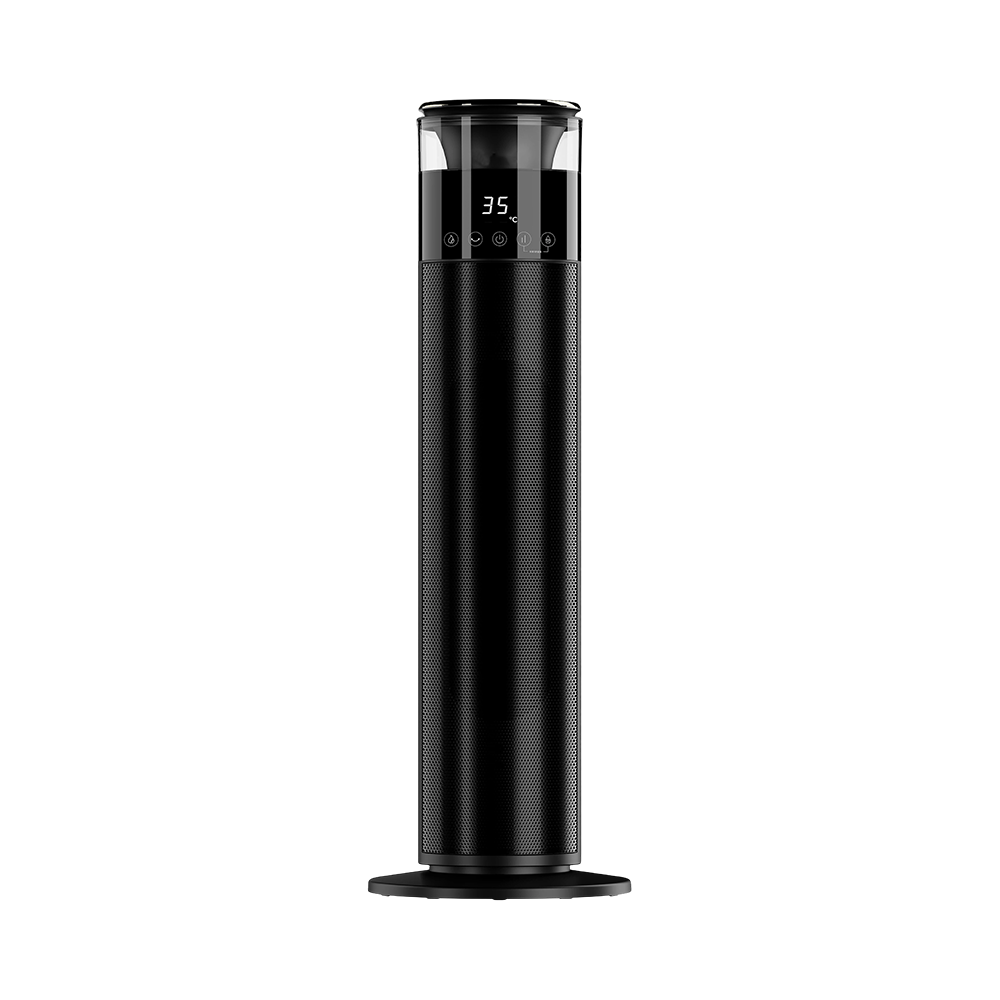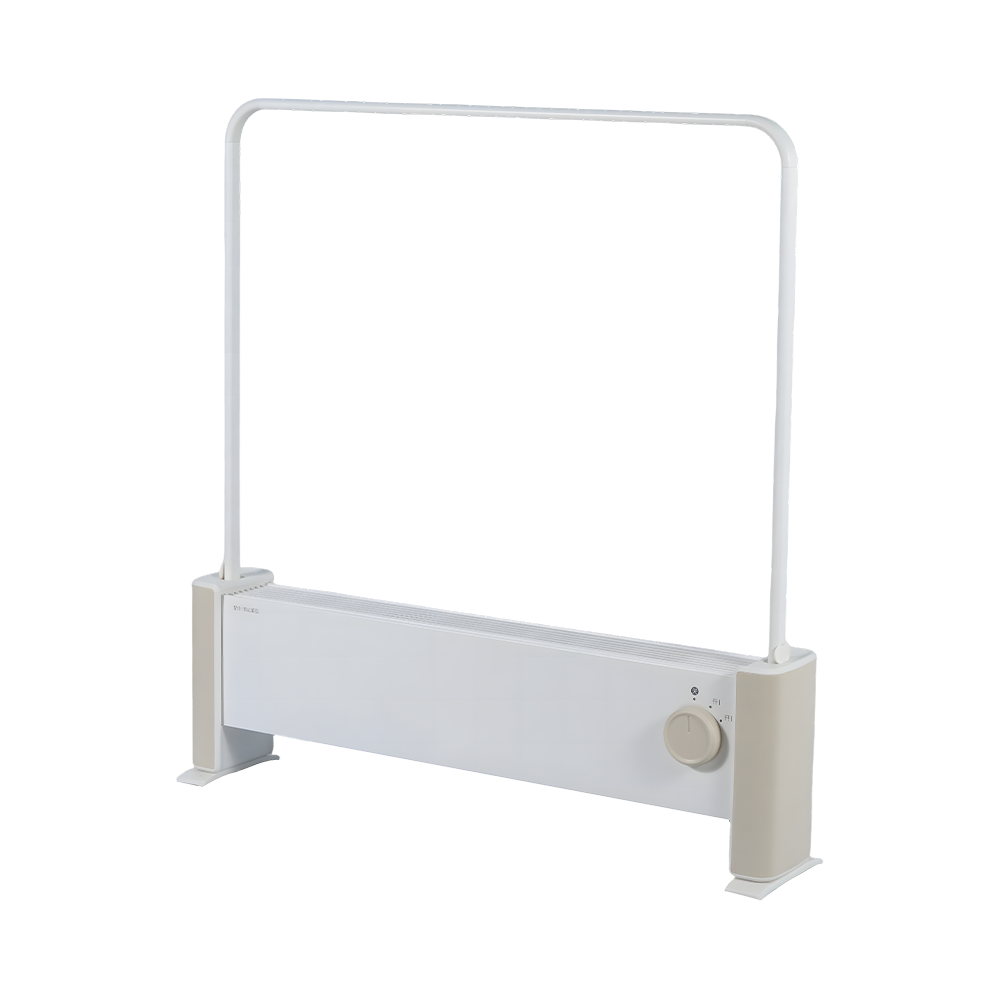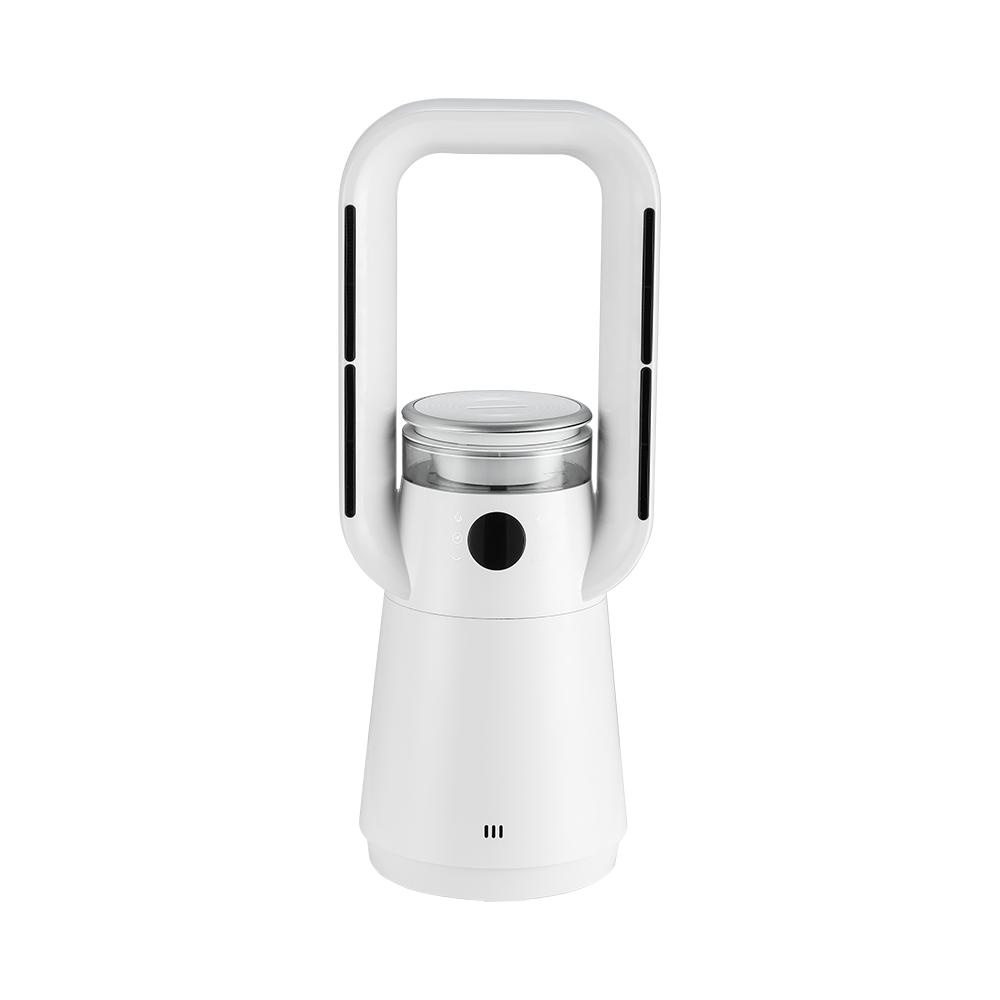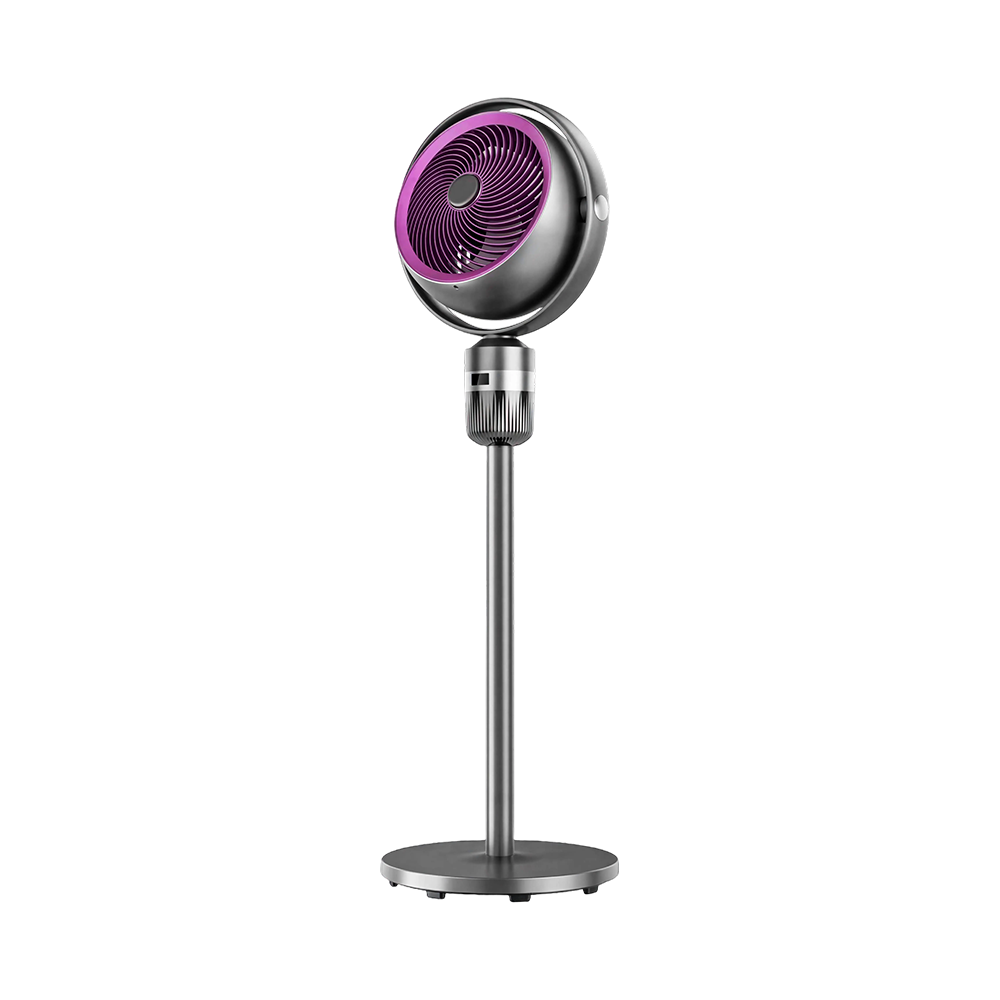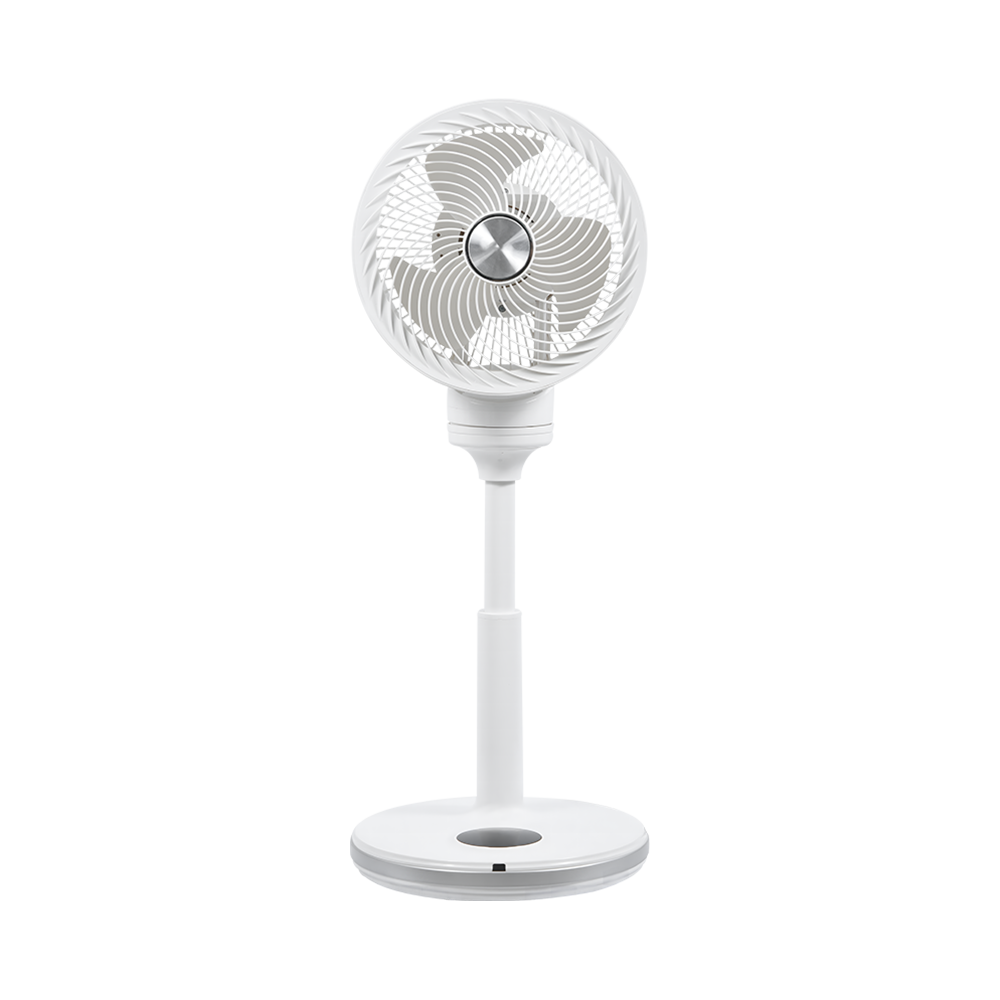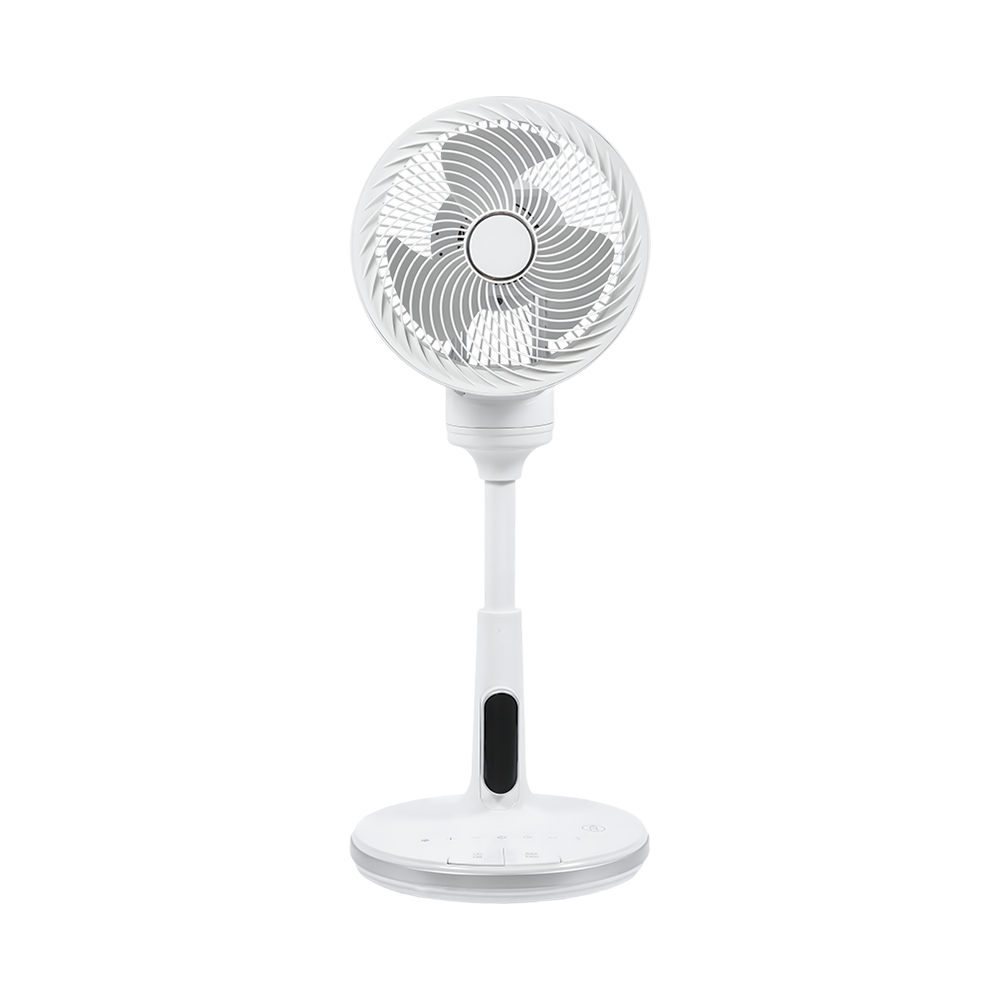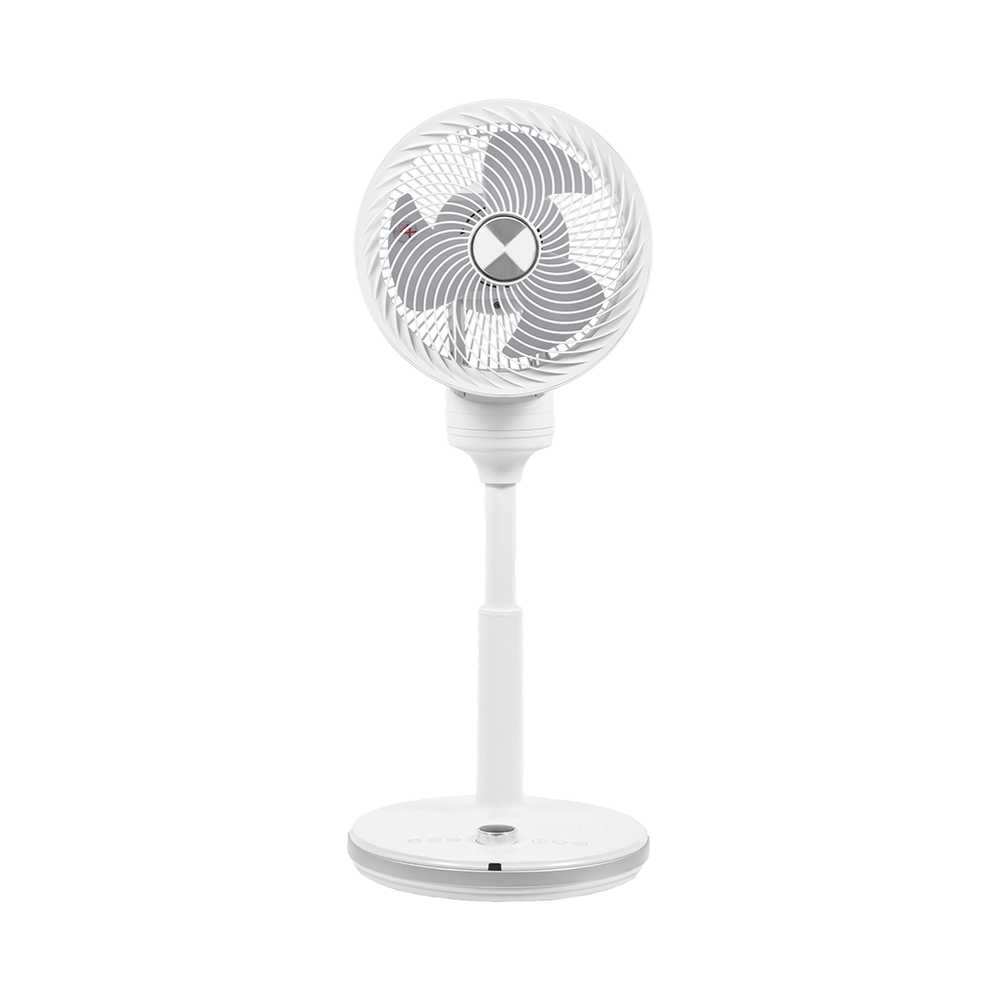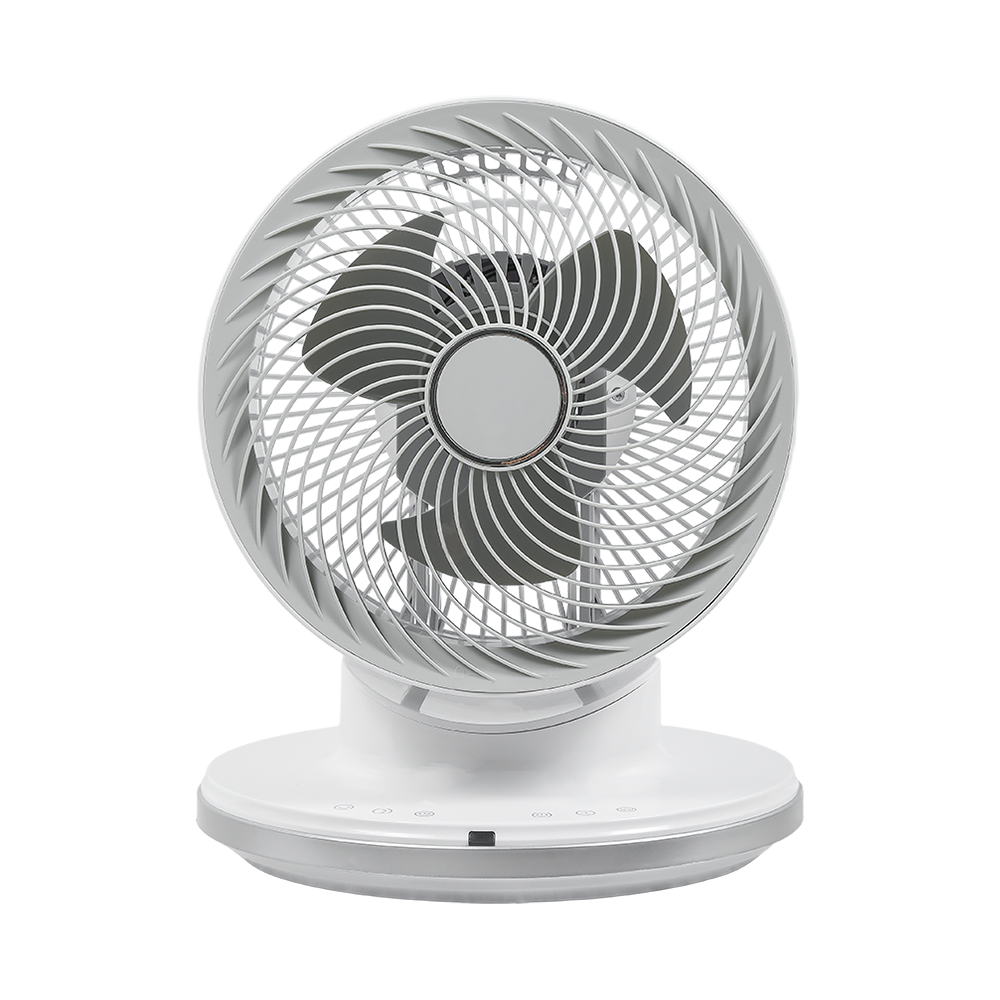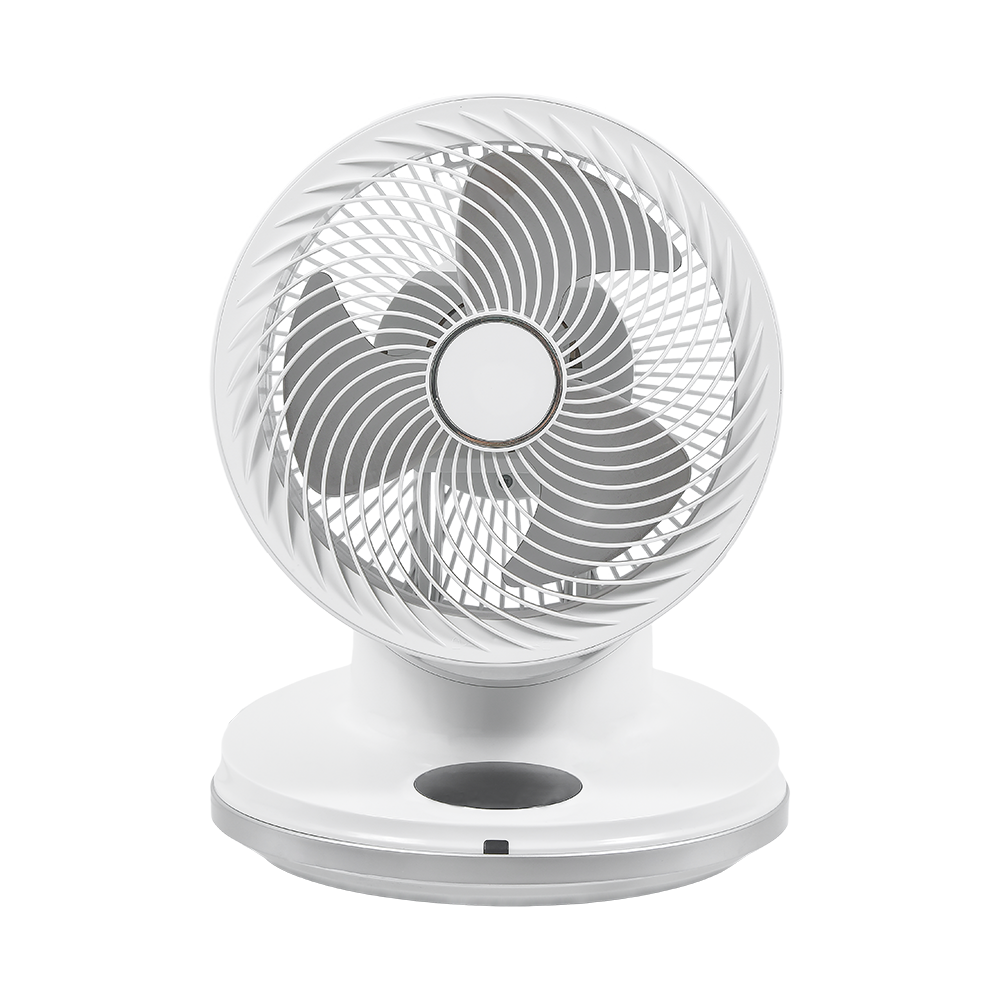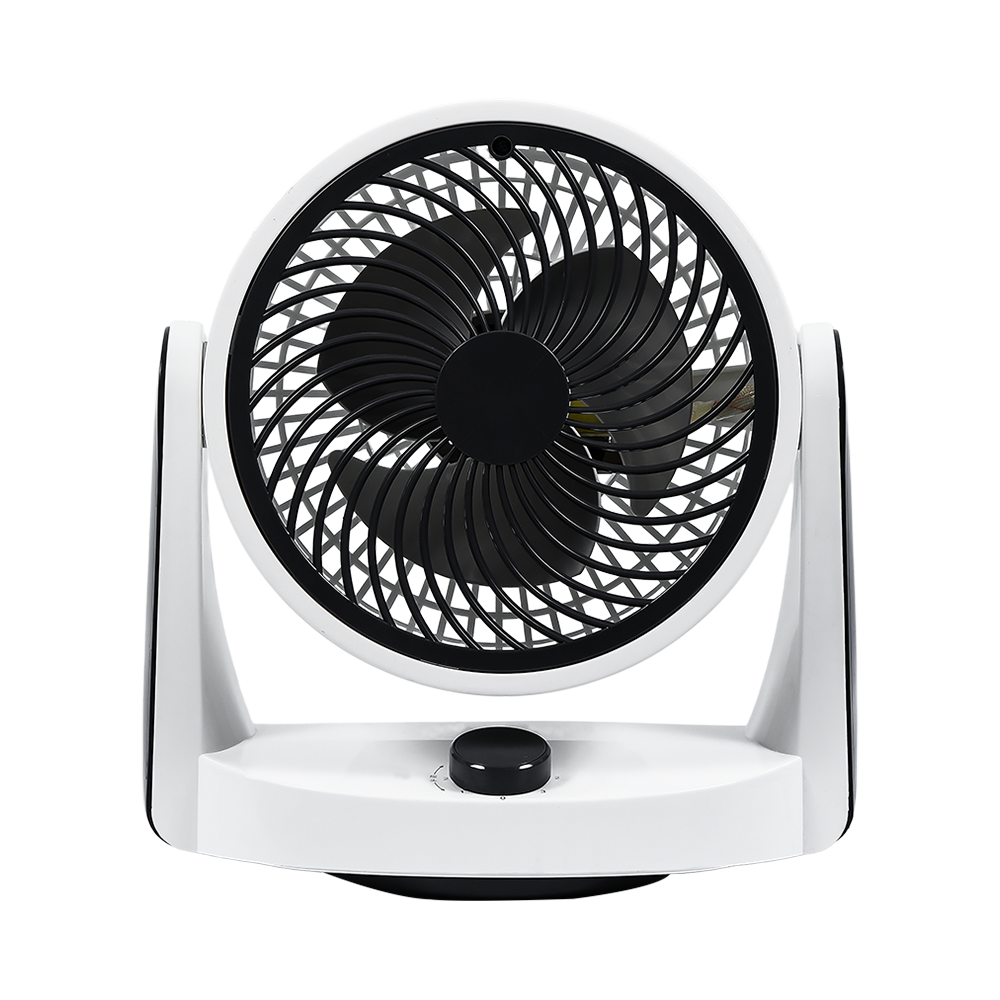


A circulator fan moves stagnant air by drawing it in and propelling it forward, creating directional airflow throughout the room.
The airflow interacts with obstacles, like walls and furniture, generating a continuous circulation pattern that mixes hot and cold, or fresh and stale air.
It improves overall air circulation, ensuring a more even distribution of temperature and air quality, and enhances environmental comfort.
Don't hesitate to contact when you need us!
We're a reliable partner that shapes our expertise into success for your project.
Oct 12, 2026
The Heated Ceiling Fan: Does It Exist? Smart Heat & Air Circulation Guide If you searched for a heated ceiling fan expecting one appliance that both blows air and warms a room, here is the direct answer: integrated heated ceiling fans exist, but they are a rare, mostly commercial niche. In ordinary homes they rarely make sense, because heat rises. A heating element mounted at ceiling height... read moreOct 05, 2026
Indoor Heaters Buying Guide: Types, Sizing, Wattage, Safety and Cost Tips The right indoor heater is chosen by room size first, heat technology second, and control features last. A 1,300W PTC heater is enough for a bedroom of about 8 to 10 m², while a 2,200W graphene baseboard heater is a better match for a living room of 18 to 22 m². If you also want a visual centerpiece, a 3D flame firepl... read moreSep 28, 2026
Best Heater for Greenhouse: Types, Sizing Tips and Buying Advice | Baopeng Short answer first: for most backyard and small commercial greenhouses, the best heater setup is a thermostat-controlled, fan-forced ceramic heater to hold overall air temperature, backed by a small radiant tube heater aimed at the bench or seed-tray area for direct plant warmth. If you only buy one unit, make it the ... read more
A Circulator Fan is built around one job: pushing air across a room or a workshop floor rather than just cooling the person standing in front of it. That distinction shapes everything from blade pitch to motor torque, and it explains why the category splits into so many working formats — a compact window air circulator for a single room, a room air circulator meant to even out temperature between corners, a tall air circulator pedestal fan for flexible height adjustment, and a heavy-duty industrial air circulator fan sized for warehouses and production floors. Buyers researching an air circulator fan quiet enough for bedrooms or offices, or a high velocity air circulator strong enough to move air across a 500-square-meter space, are really asking the same underlying question — how much air does it move, how far does that air travel, and how much noise comes with it.
Ningbo Baopeng Electric Appliance Co., Ltd designs its circulator range around a simple engineering fact: airflow output and motor sizing scale together, and the two decisions that matter most are blade diameter and motor speed steps. A window unit typically moves a modest volume of air suited to one room, while an industrial air circulator fan uses a larger blade sweep and a heavier motor to push air down long aisles or across open floor plans. The chart below shows the general output range across four common circulator formats, expressed as typical CFM (cubic feet per minute) bands rather than fixed figures, since actual output always depends on blade diameter and motor speed setting.
The jump from a room-format unit to an industrial air circulator fan is not just about a bigger motor. Baopeng's production lines pair blade geometry testing with motor balancing during assembly, since an unbalanced blade at industrial speed settings creates vibration that shortens bearing life. For buyers evaluating a high velocity air circulator for a warehouse or a spray-drying room, the practical takeaway is that throw distance — how far the air column travels before it loses directional force — matters as much as the CFM number printed on the box.
Noise on a circulator fan comes from three sources: motor hum, blade turbulence at the tip, and housing resonance. An air circulator fan quiet enough for a bedroom or a study needs all three addressed at once — a motor tuned for low-vibration running, blades angled to reduce tip turbulence, and a housing that does not amplify vibration into audible buzz. In the middle of solving this balance is where Baopeng's engineering team spends most of its testing time, running each motor batch through inspection before it reaches final assembly so that noise levels stay consistent from unit to unit rather than drifting between production runs.
This curve is typical of a well-tuned multi-speed circulator rather than a fixed spec for any single product, but it illustrates the pattern buyers should look for: a gentle rise between the lowest and mid-range settings, with the steeper jump reserved for the top one or two speeds. That pattern lets a room air circulator run quietly overnight while still offering a strong-airflow option for daytime use.
Placement changes what a circulator can actually do for a space. A window air circulator mounted at sill height pulls in or pushes out air along a fixed path, which makes it useful for cross-ventilation but limits it to that one line of airflow. A room air circulator set on the floor or a low table works best when the goal is mixing — breaking up the layer of warm air that collects near the ceiling and pushing it back down to where people actually feel it. Height-adjustable pedestal formats sit in between, letting the airflow angle be raised or lowered to match the season or the layout of the furniture.
| Format | Typical Mount Height | Best Use Pattern |
|---|---|---|
| Window | Sill level | Cross-ventilation, single room |
| Room / Floor | Ground level | Breaking up warm air near ceiling |
| Pedestal | Adjustable, 0.5–1.5m | Flexible seasonal or task-based airflow |
| Industrial | Floor or wall-mounted | Long-aisle or open-floor movement |
Within a 17,000-square-meter production facility, Baopeng's engineering team builds each of these formats on dedicated lines rather than treating them as one motor housed in different shells, since a pedestal unit's tilt mechanism and a window unit's slim housing call for different tooling and assembly steps.
No single circulator format wins on every measure — the trade-offs between noise, throw distance, footprint, and adjustability shift depending on whether the fan is going into a bedroom or a warehouse aisle. The radar comparison below lines up a quiet room-format unit against an air circulator pedestal fan and an industrial unit across these four factors, scored on a relative 1–5 scale.
The pattern is fairly consistent across the category: industrial units win on throw distance and footprint tolerance, while pedestal and room formats trade some of that raw output for quieter running and a smaller physical presence. Matching the format to the room, rather than buying the highest CFM number available, is usually the better decision for everyday use.
No. A circulator moves existing air rather than cooling it, which is why it works best alongside air conditioning — mixing cooled air evenly through a room — or on its own in mild weather where moving air simply feels more comfortable.
Industrial units typically use larger blades and higher-torque motors built for throw distance over long spans, and that combination generates more blade-tip turbulence than a smaller room-format motor running at the same relative speed setting.
Angling the head slightly upward toward the ceiling from a corner position tends to circulate air through the whole room rather than pushing it directly at one spot, which is the pattern most pedestal units are designed to support with their tilt adjustment.
Not necessarily. Quiet operation depends more on motor balance and blade design than on raw output, so a well-engineered unit can hold a low-speed setting near 38dB while still delivering usable airflow at its higher settings. Guided by the principle of quality first, Baopeng's engineering and quality assurance teams treat this balance between quiet running and consistent output as a standing production priority rather than a one-time design goal.
Don't hesitate to contact when you need us!
For any questions and feedback from customers, we will reply patiently and meticulously.

The product has obtained multiple domestic and international certifications, including 3C, CE, ROHS, CB, and the ISO9001 quality management system.
CONTACT US
Address: No. 118, Guyao Highway, Zhangqi Town, Cixi City, Zhejiang Province, China
Wechat: +86-15921162693
Email: [email protected]
Mobile



 English
 Español
 عربى
عربى