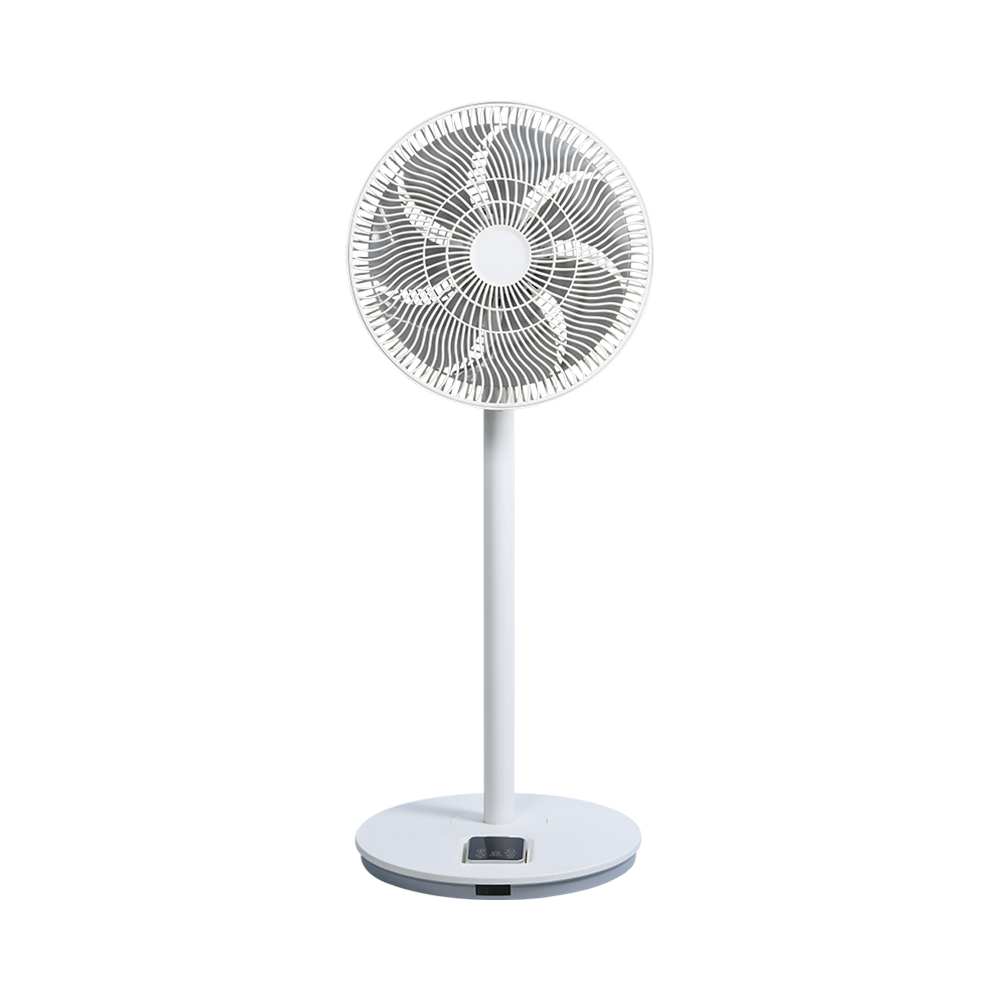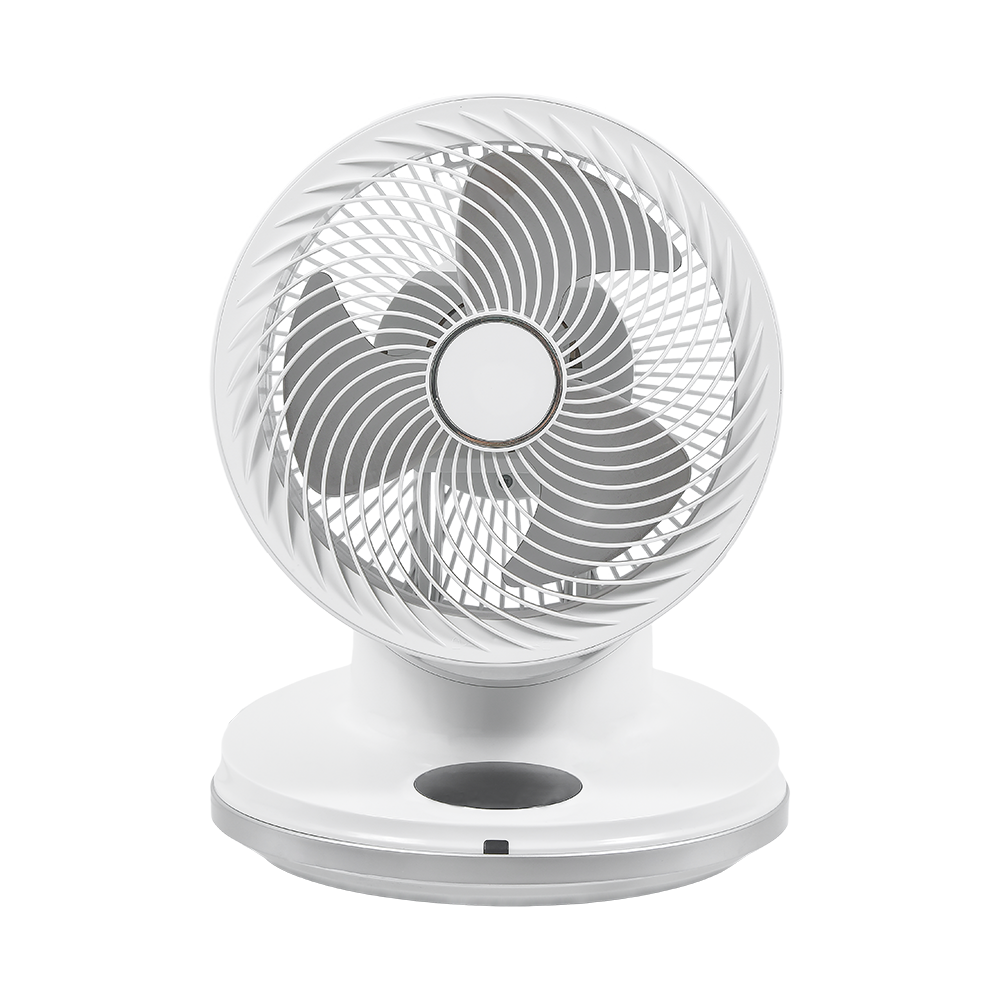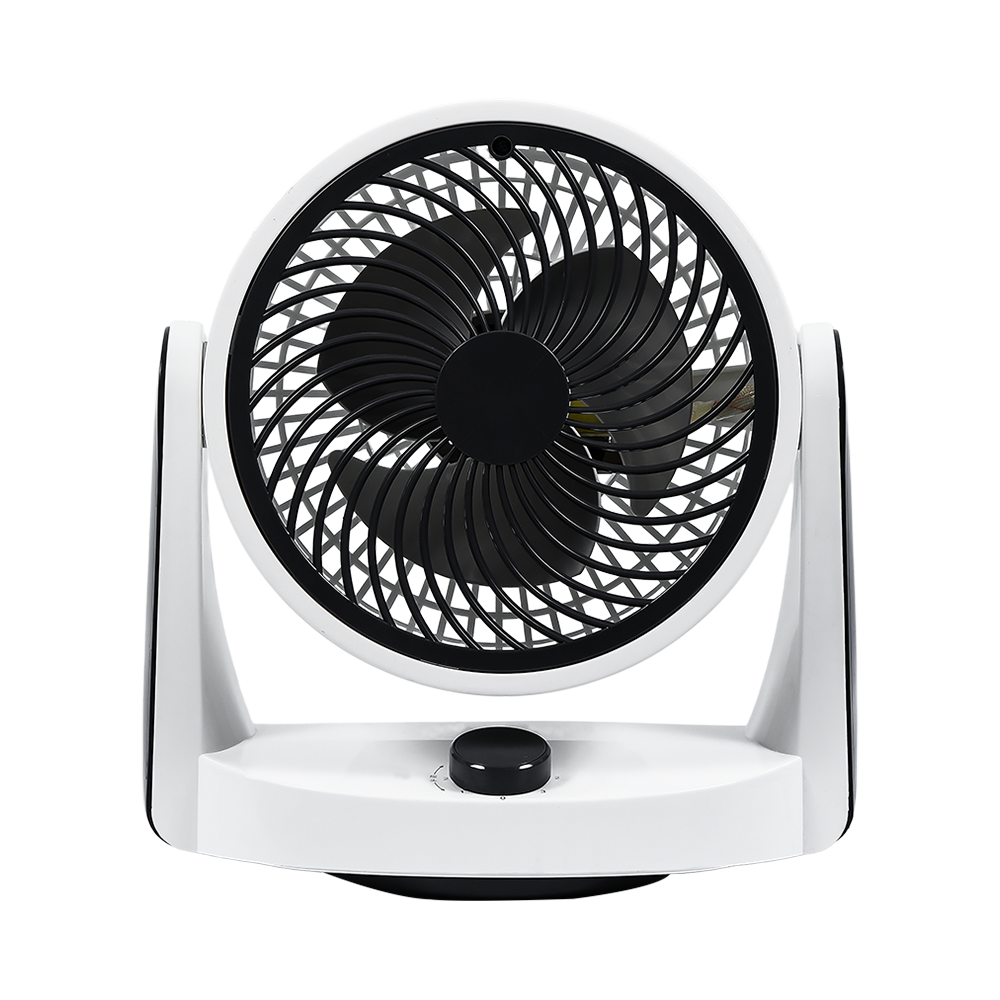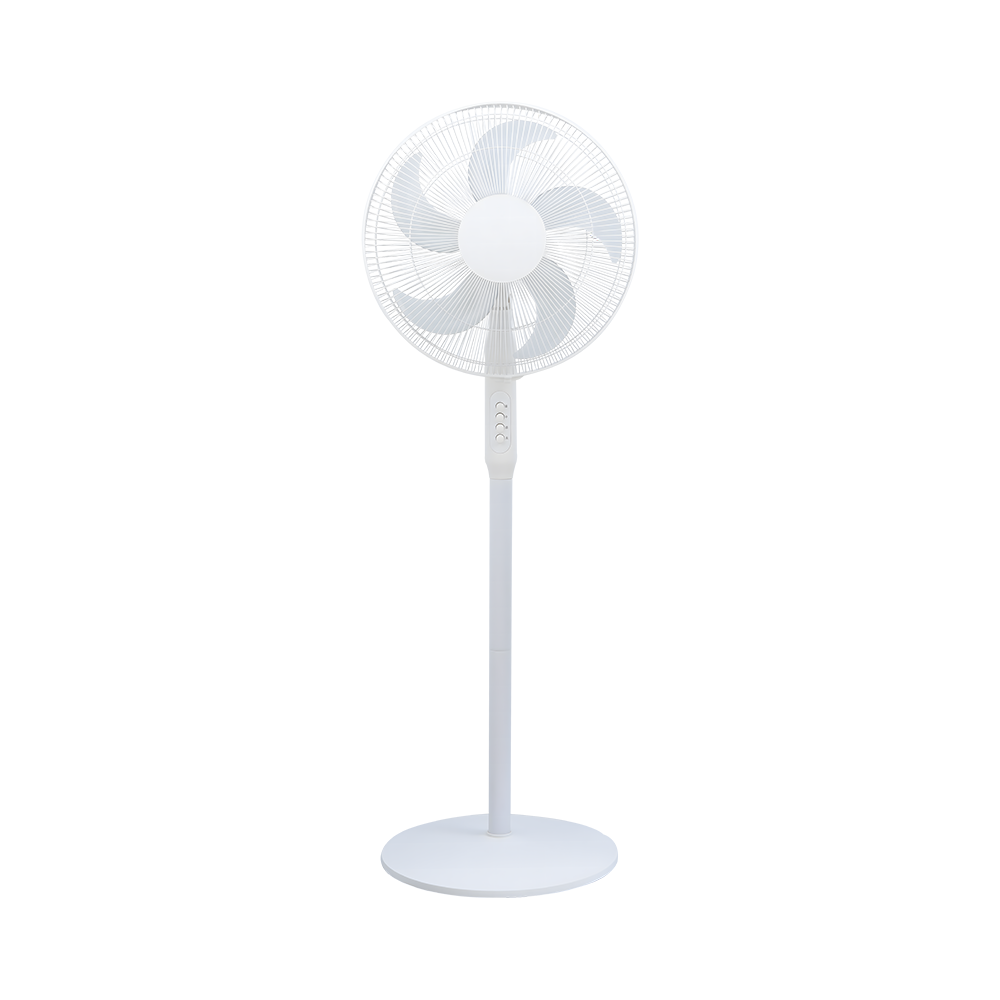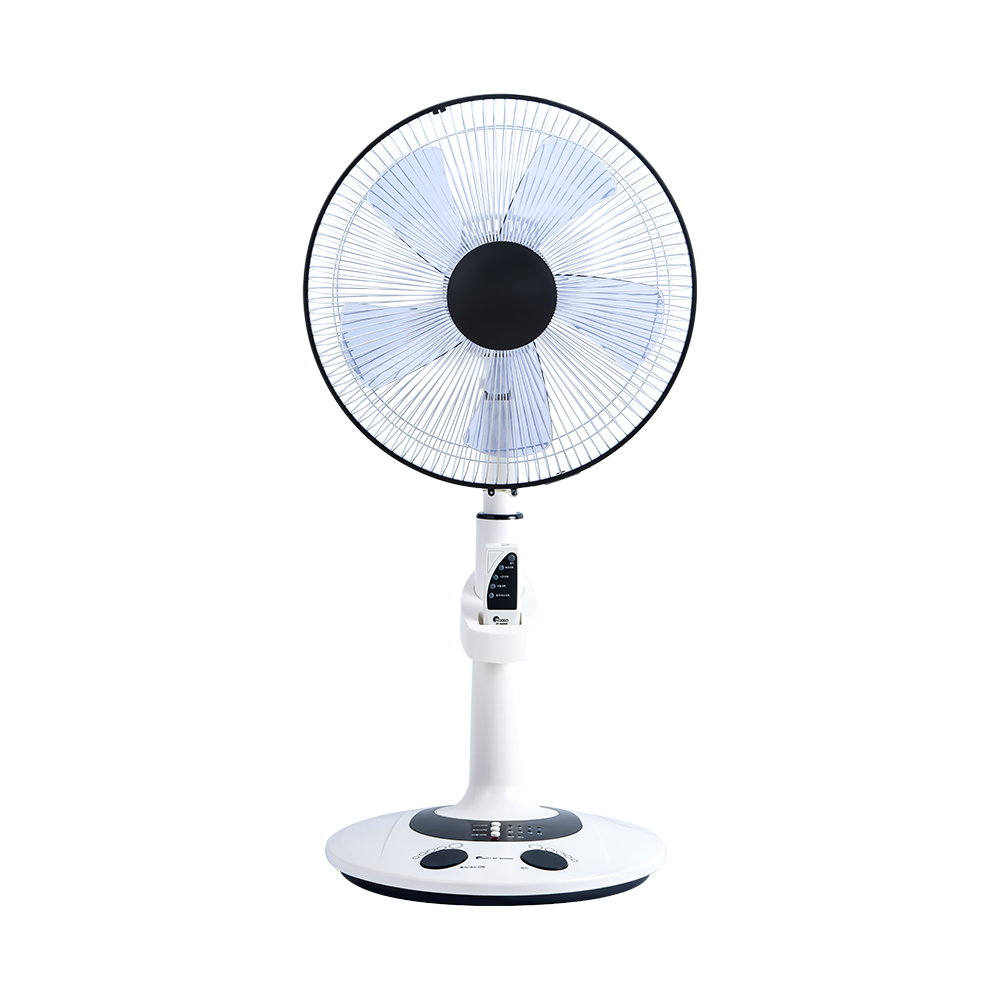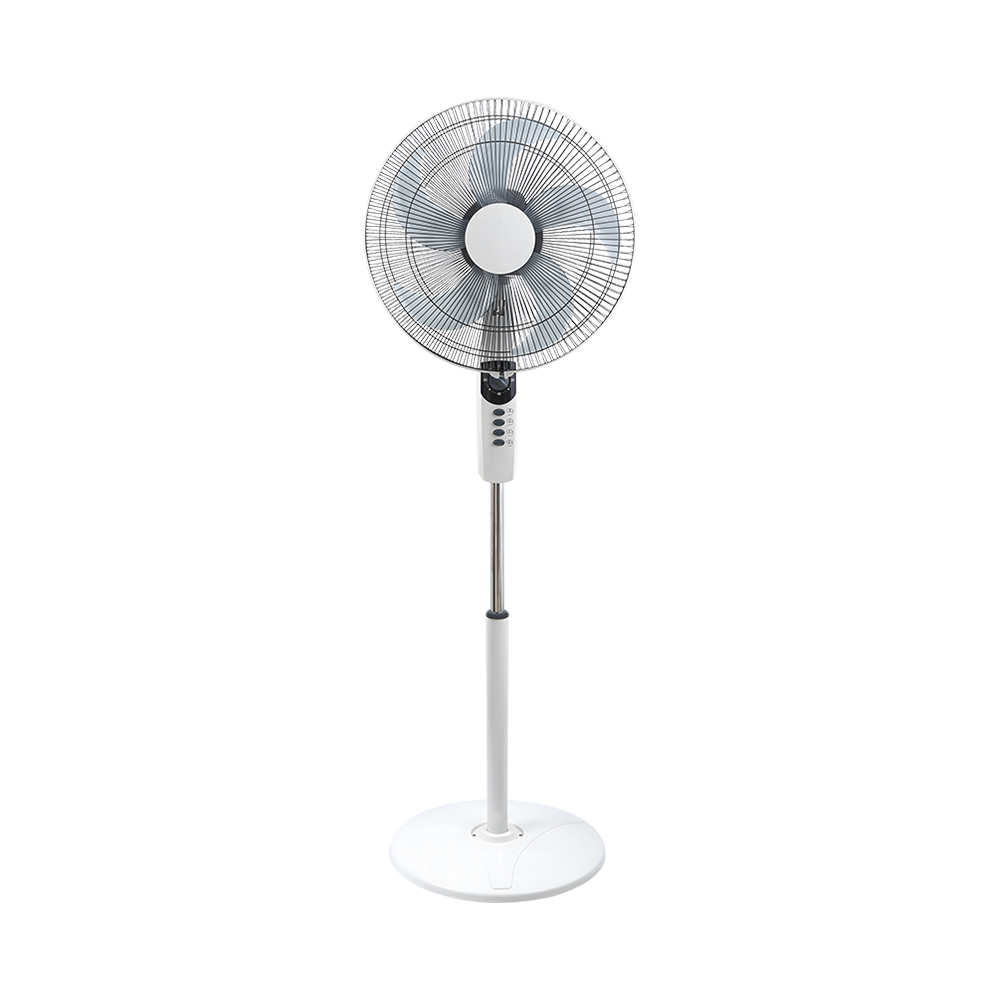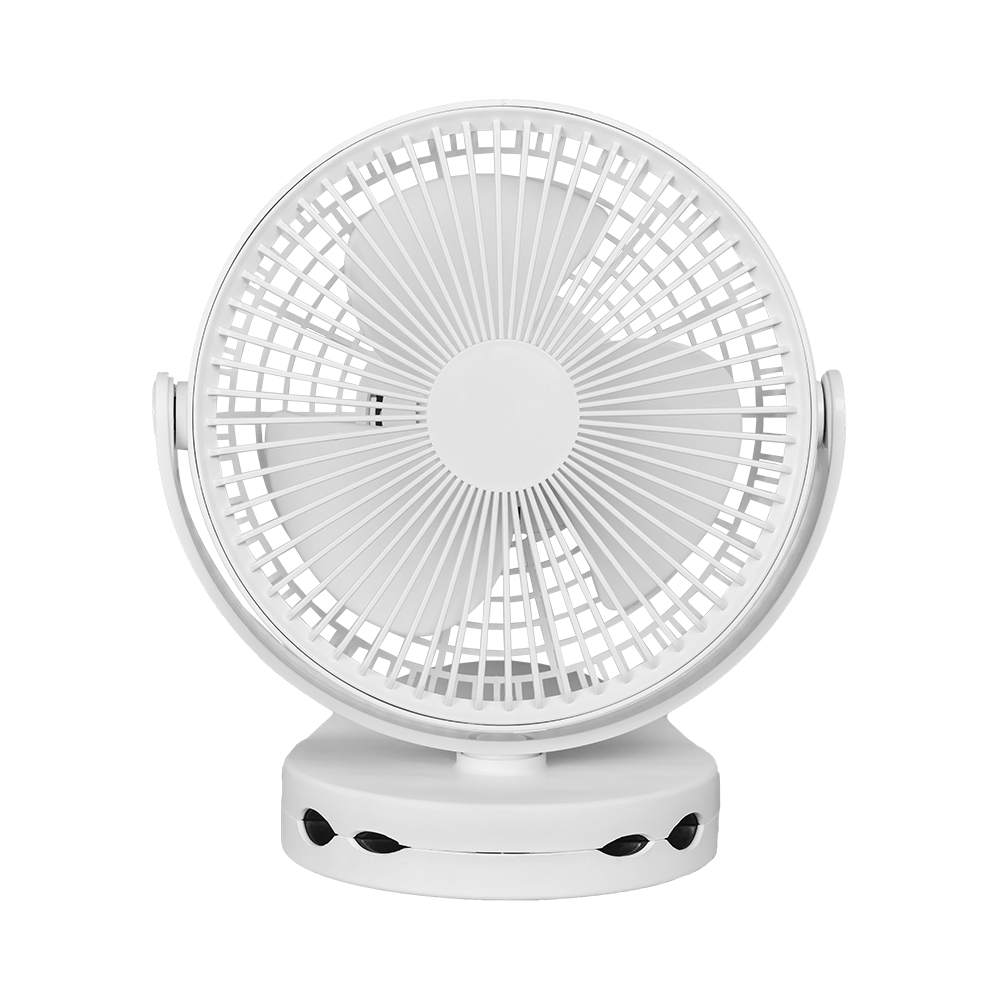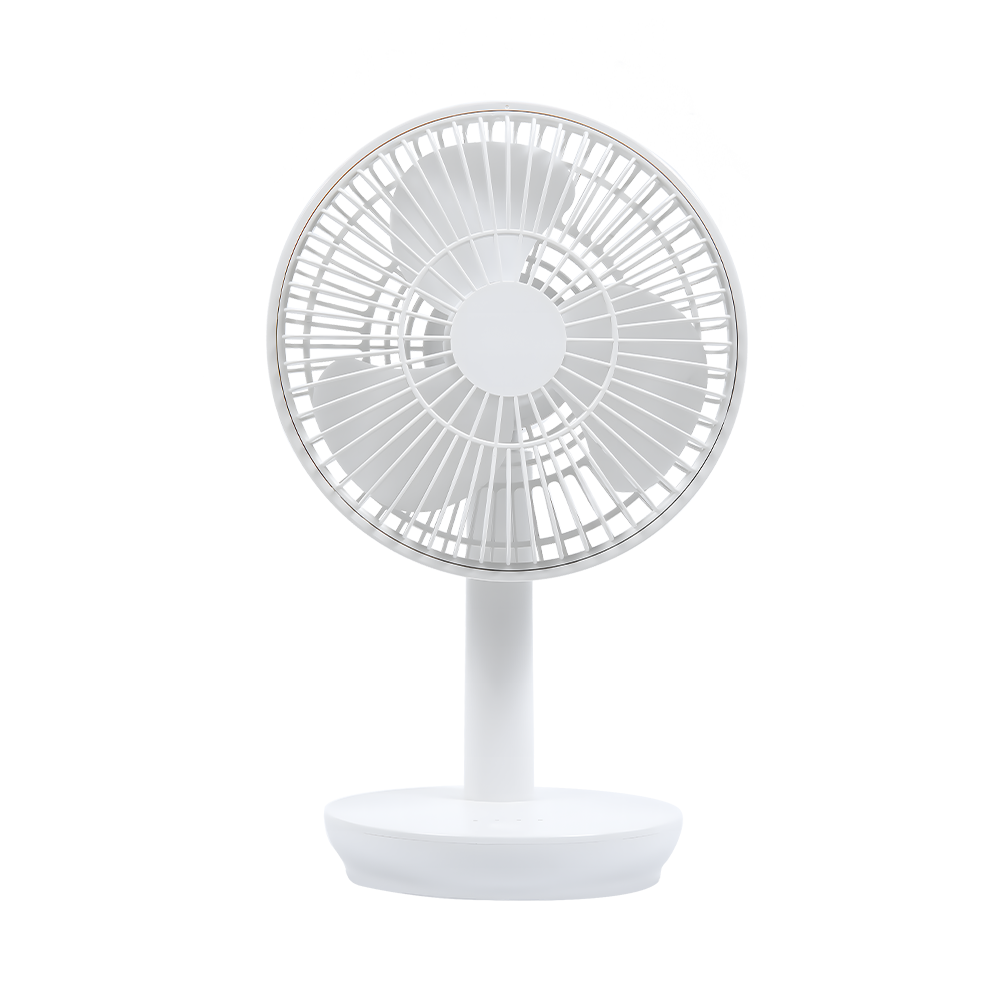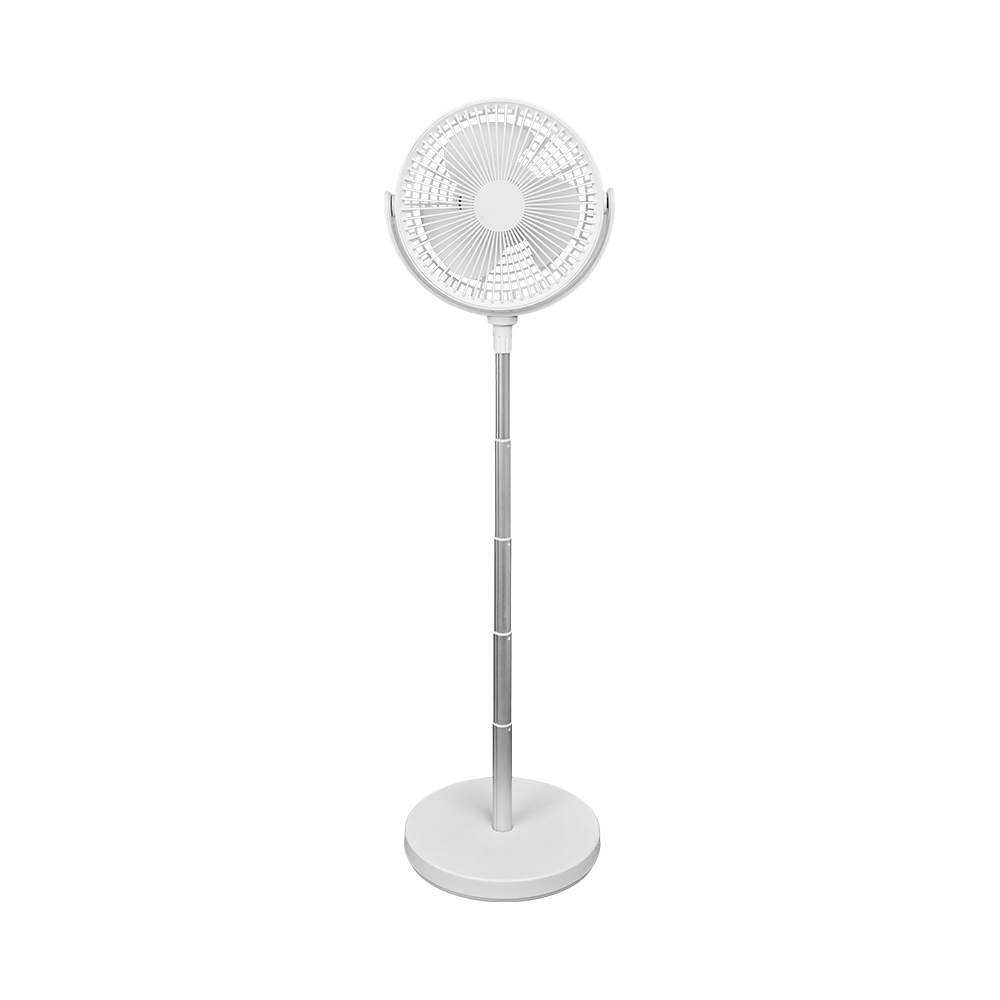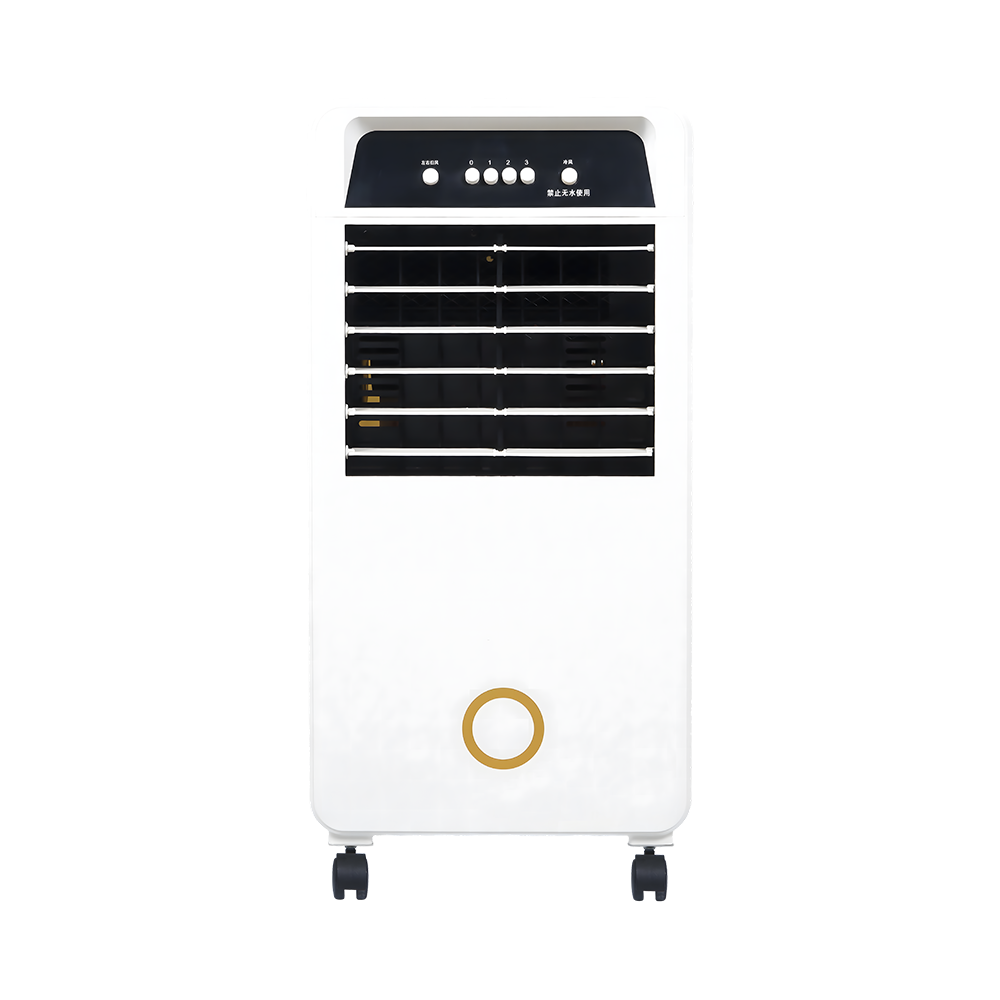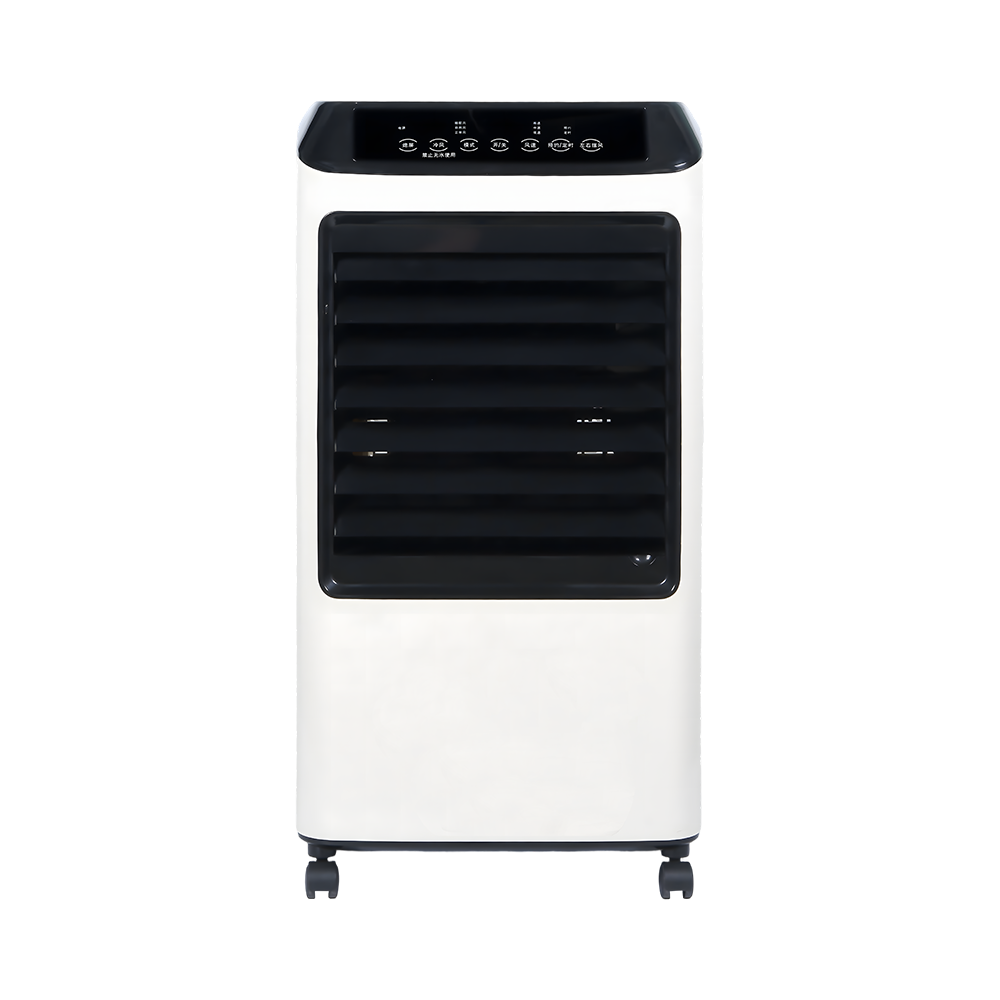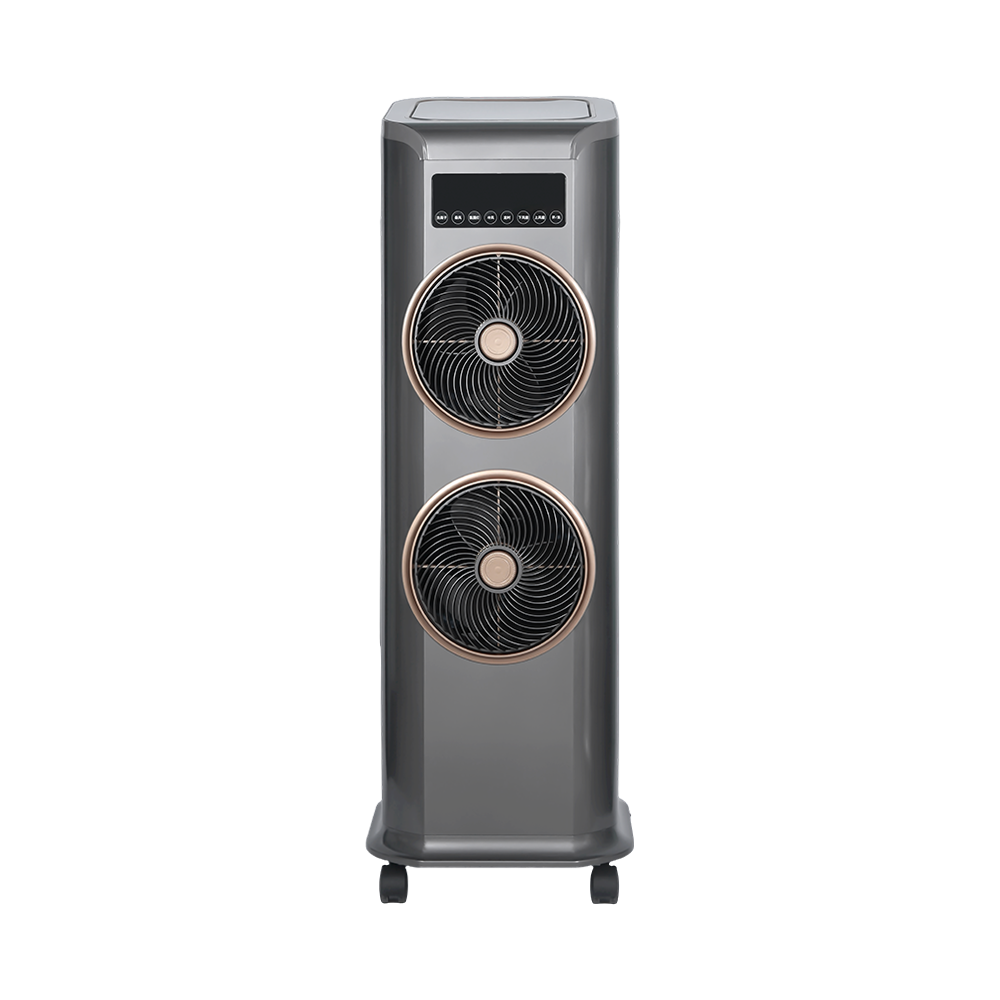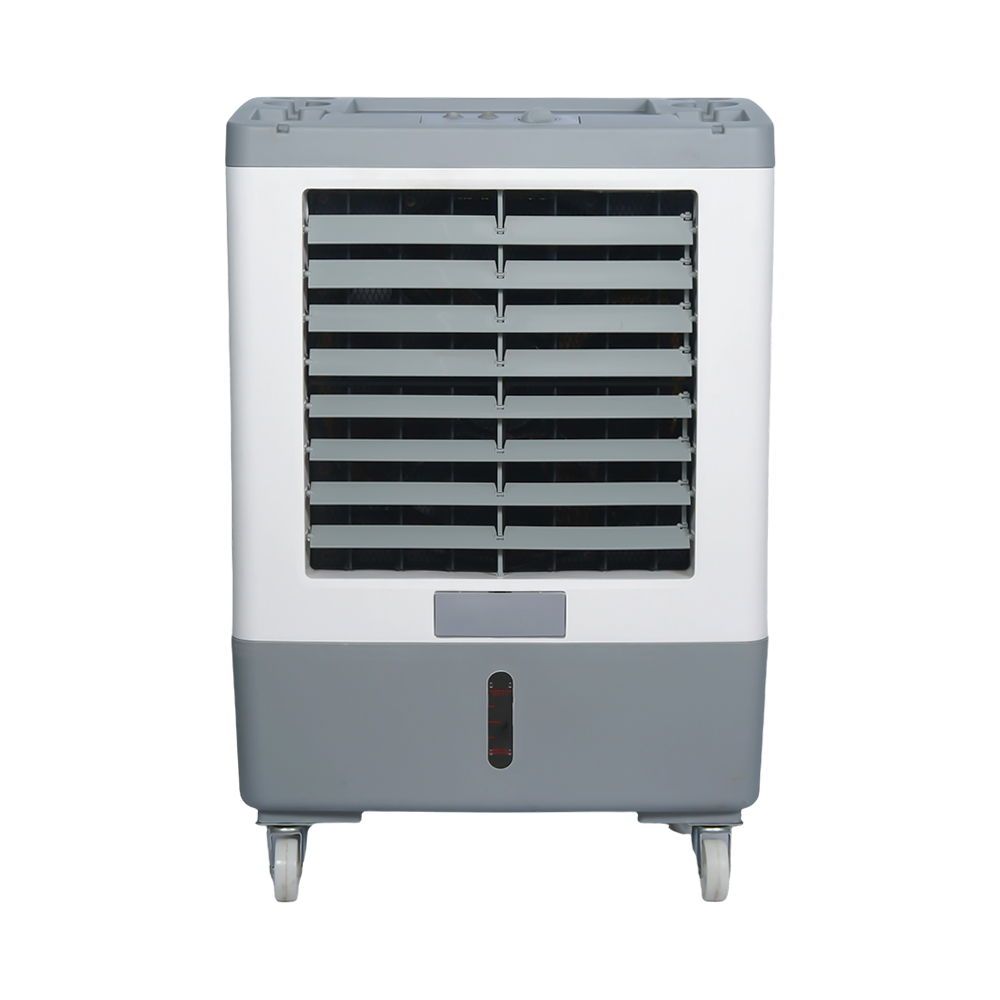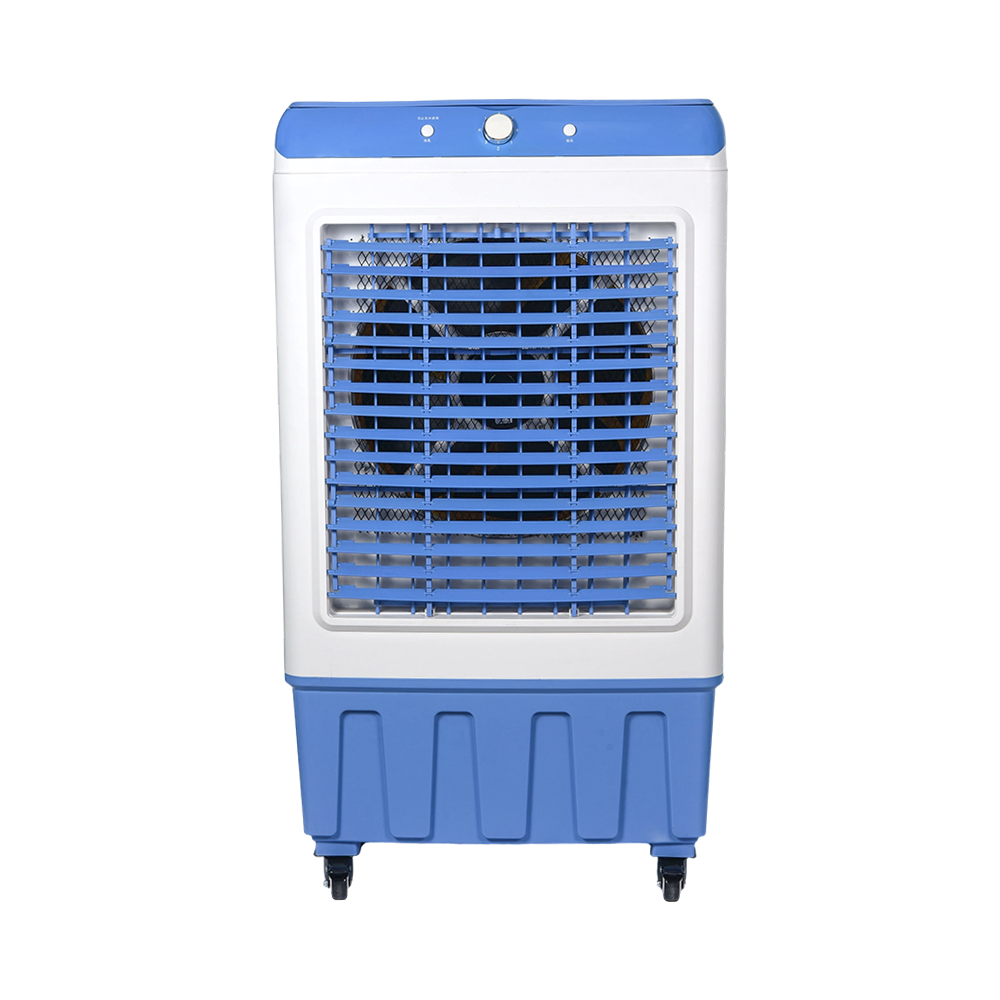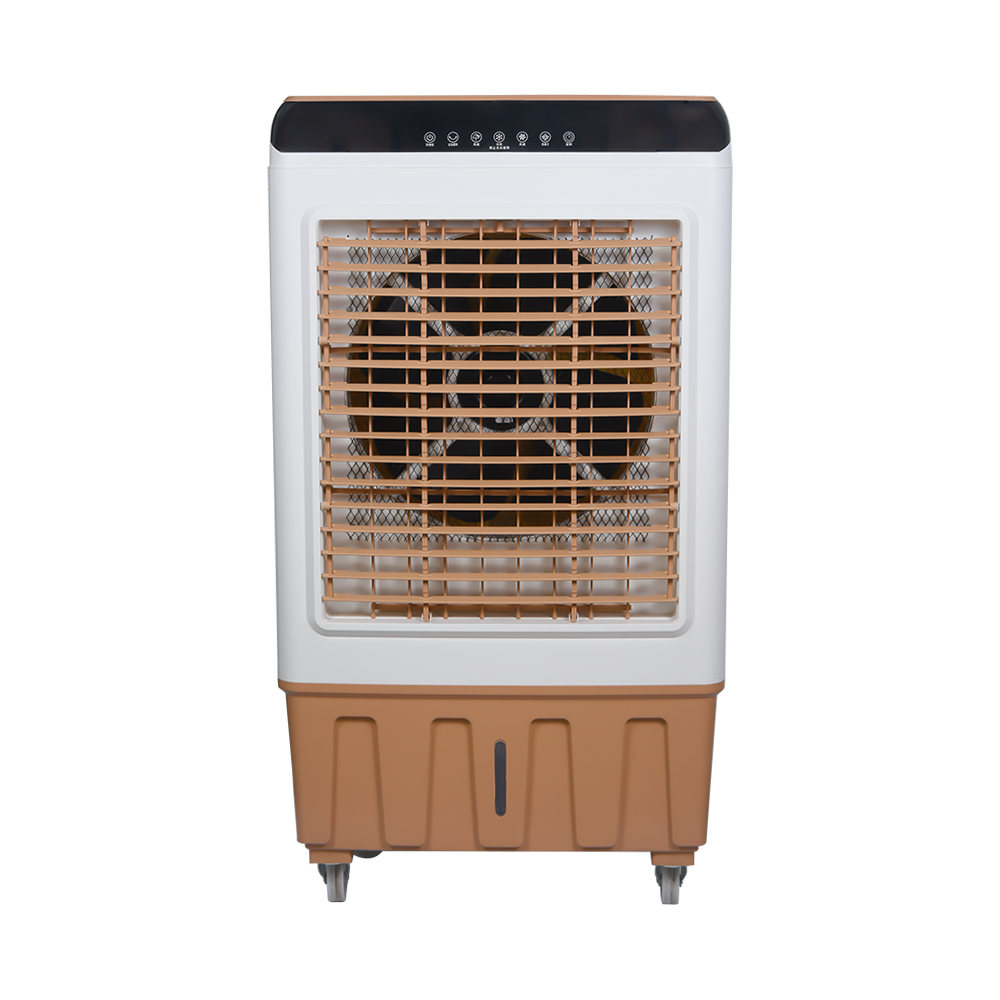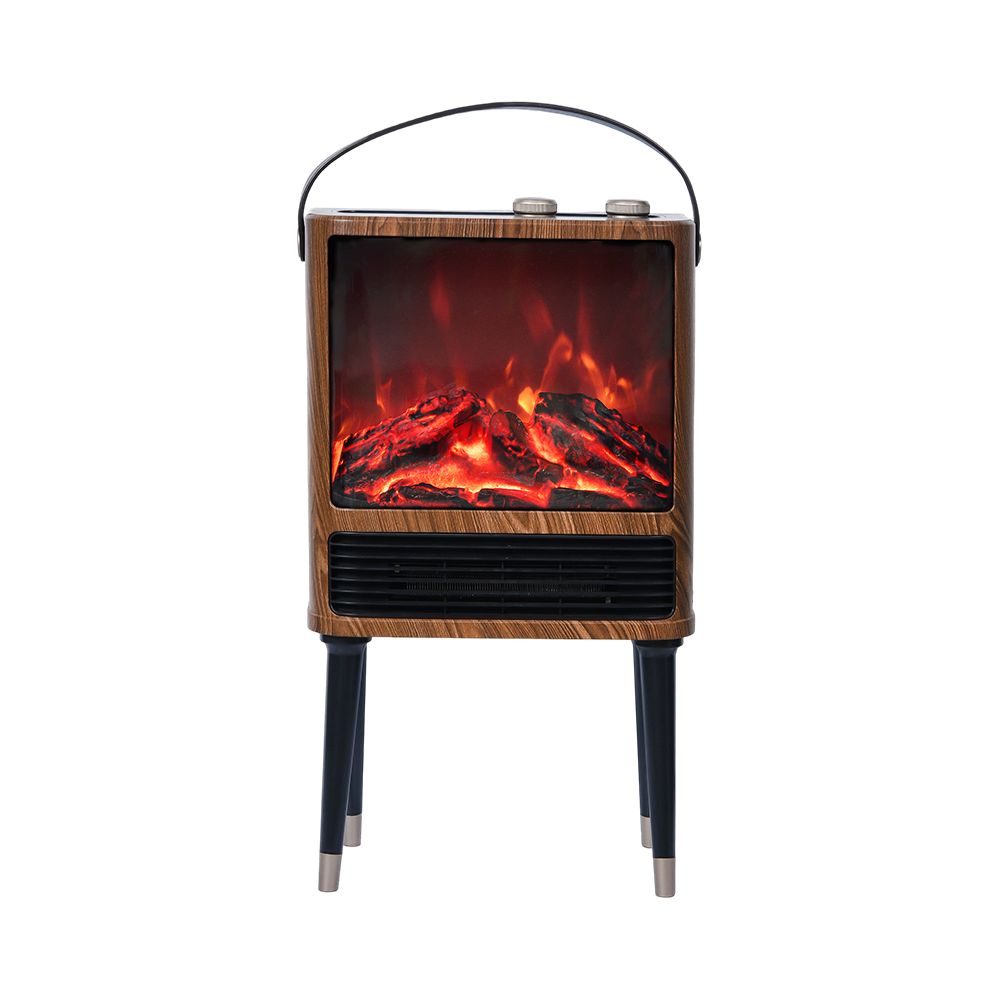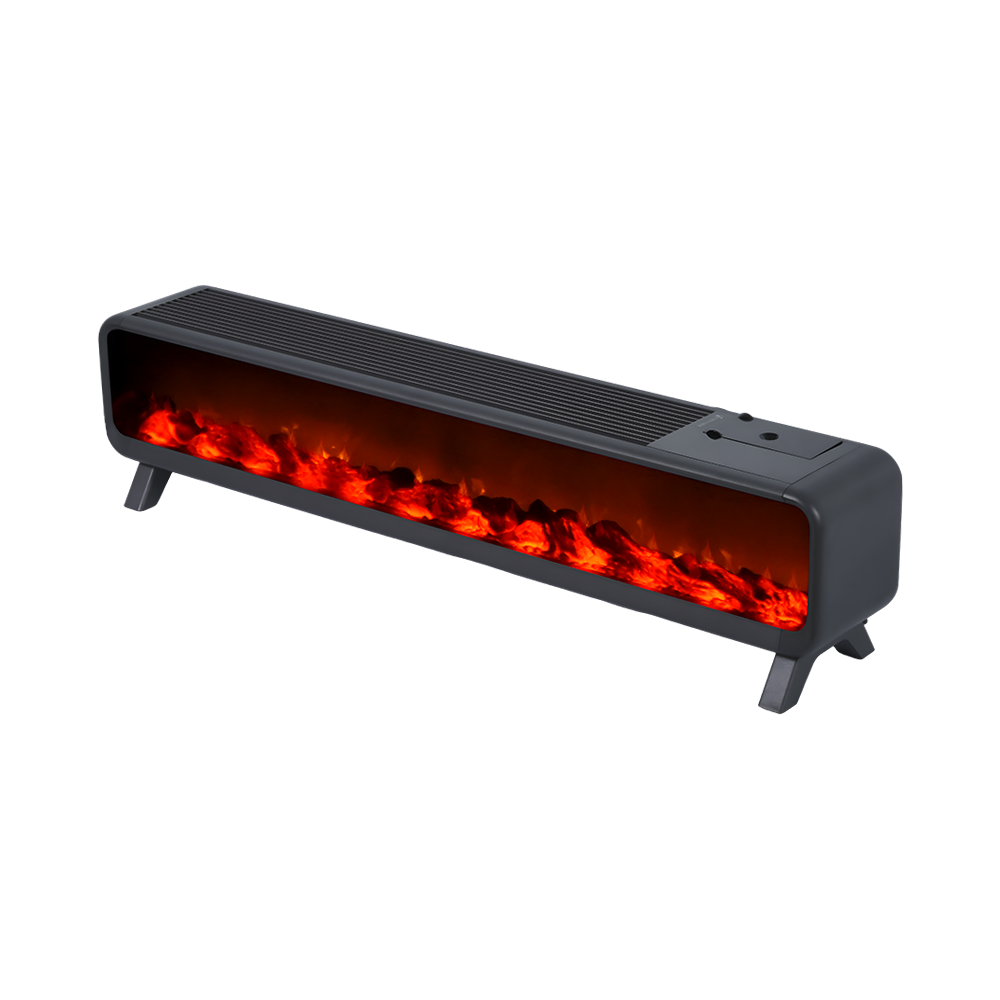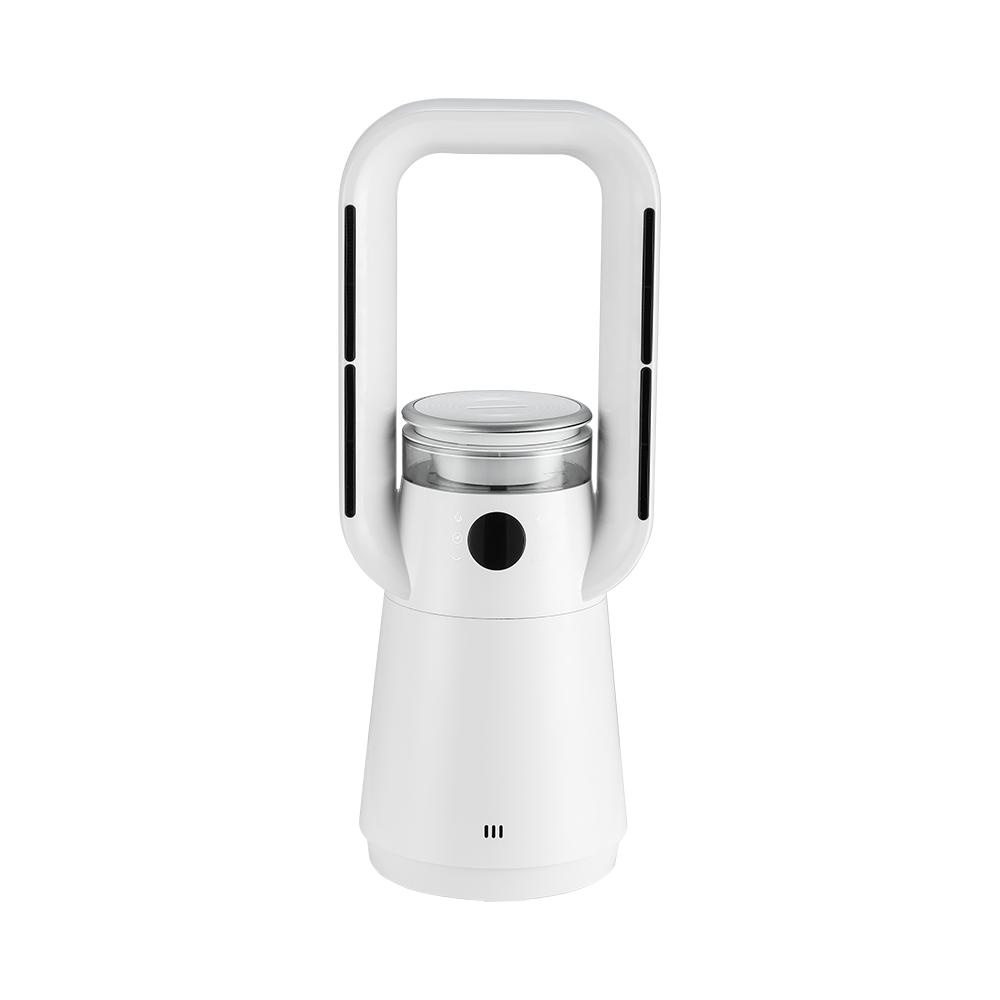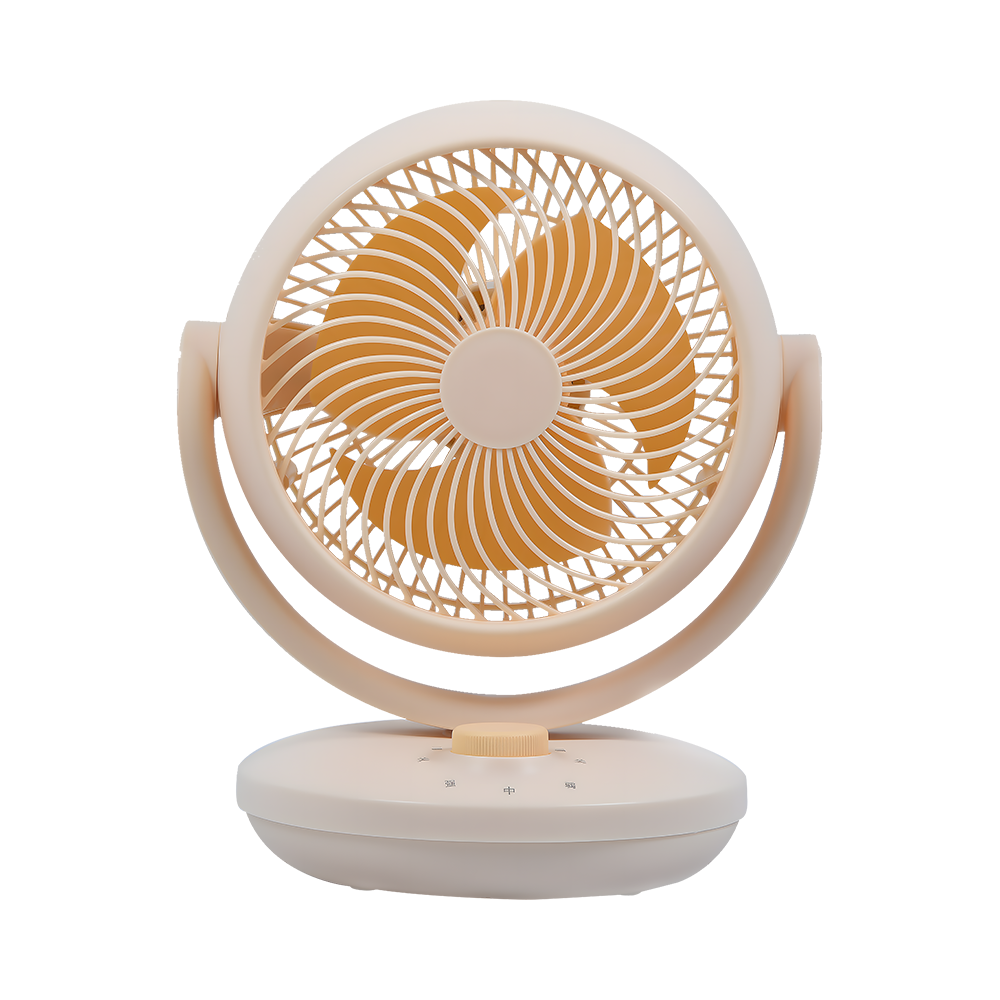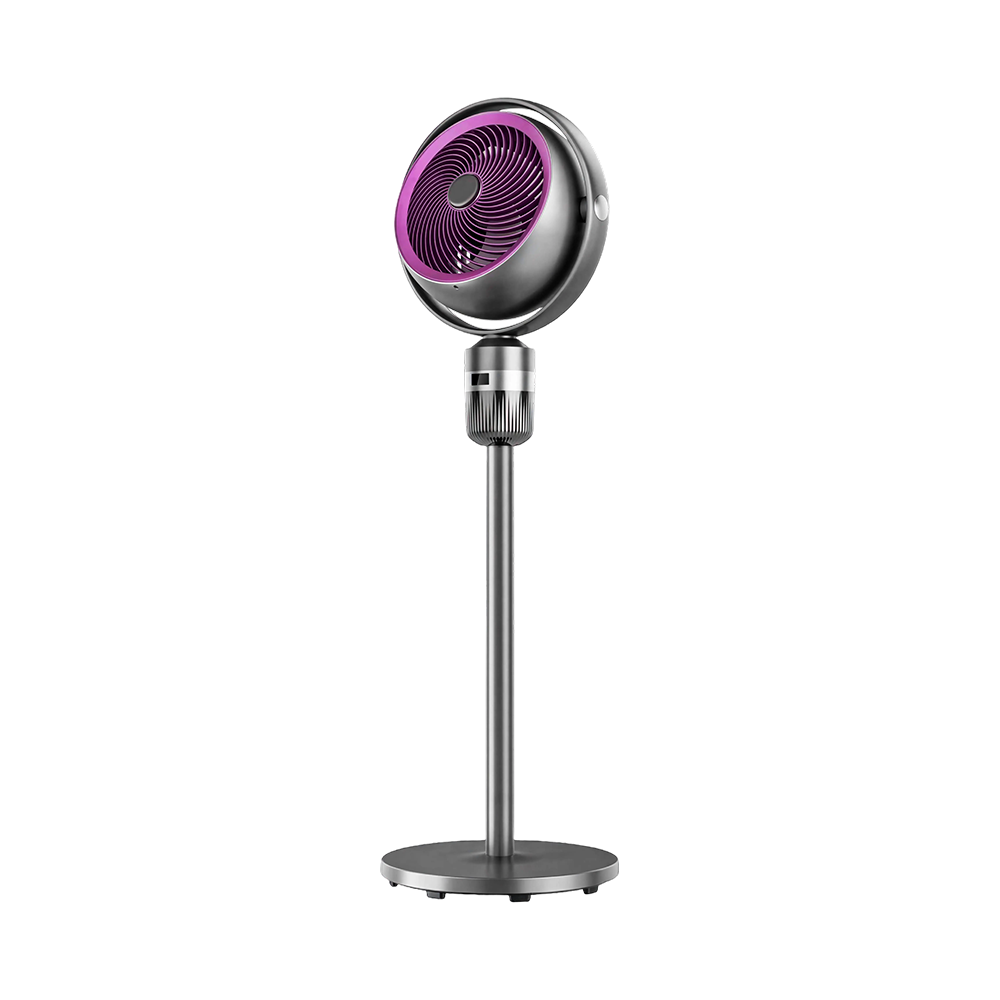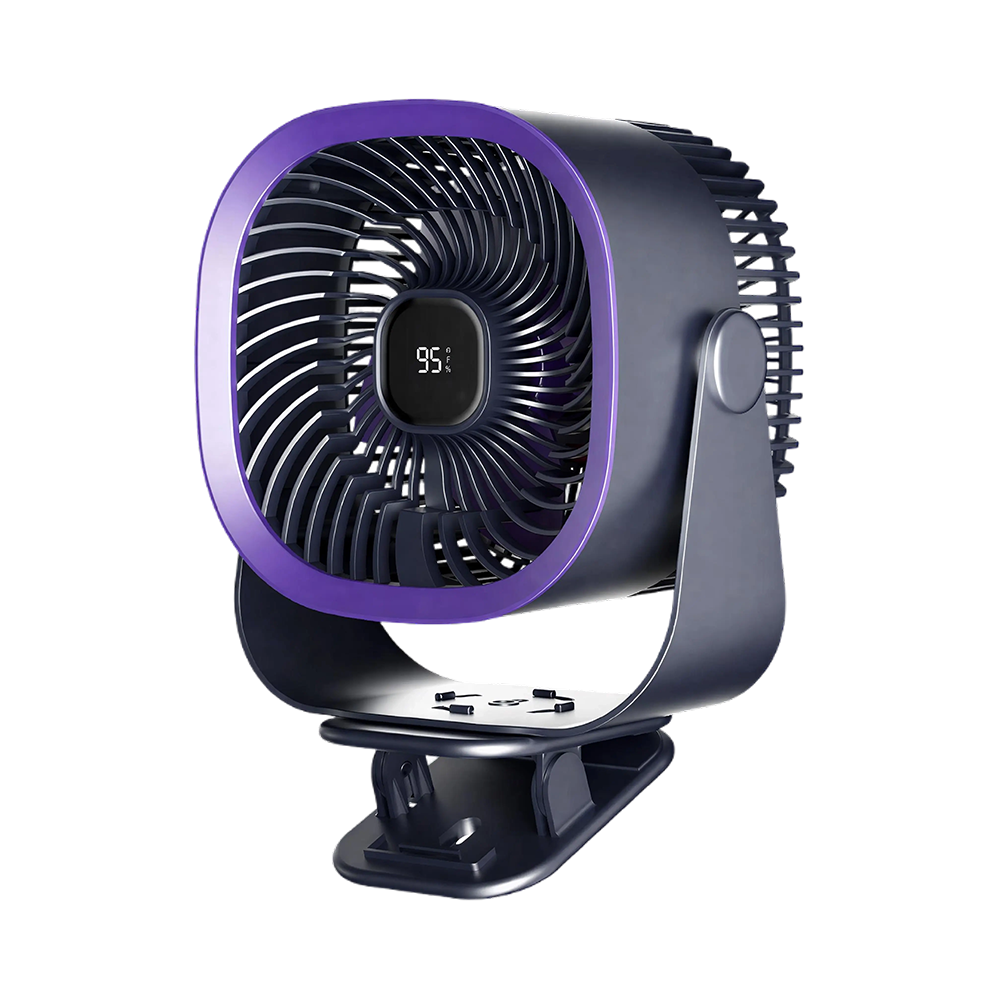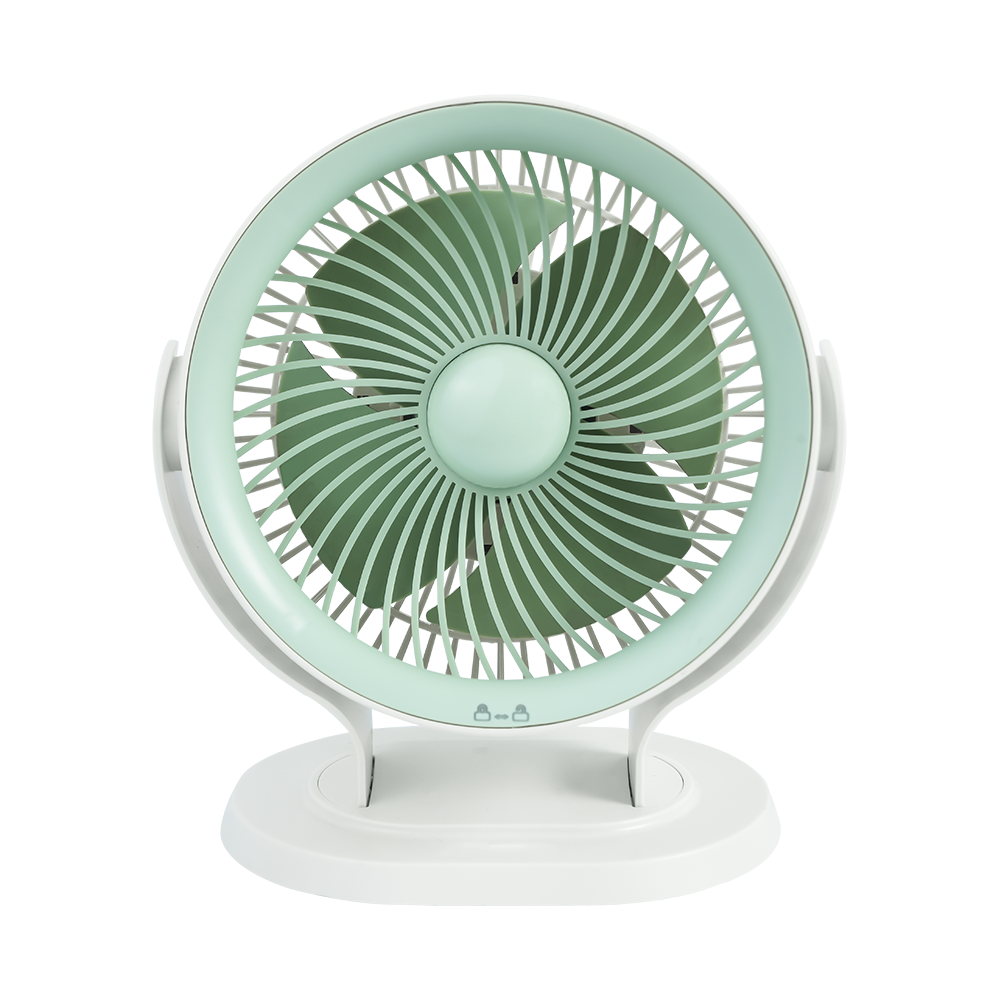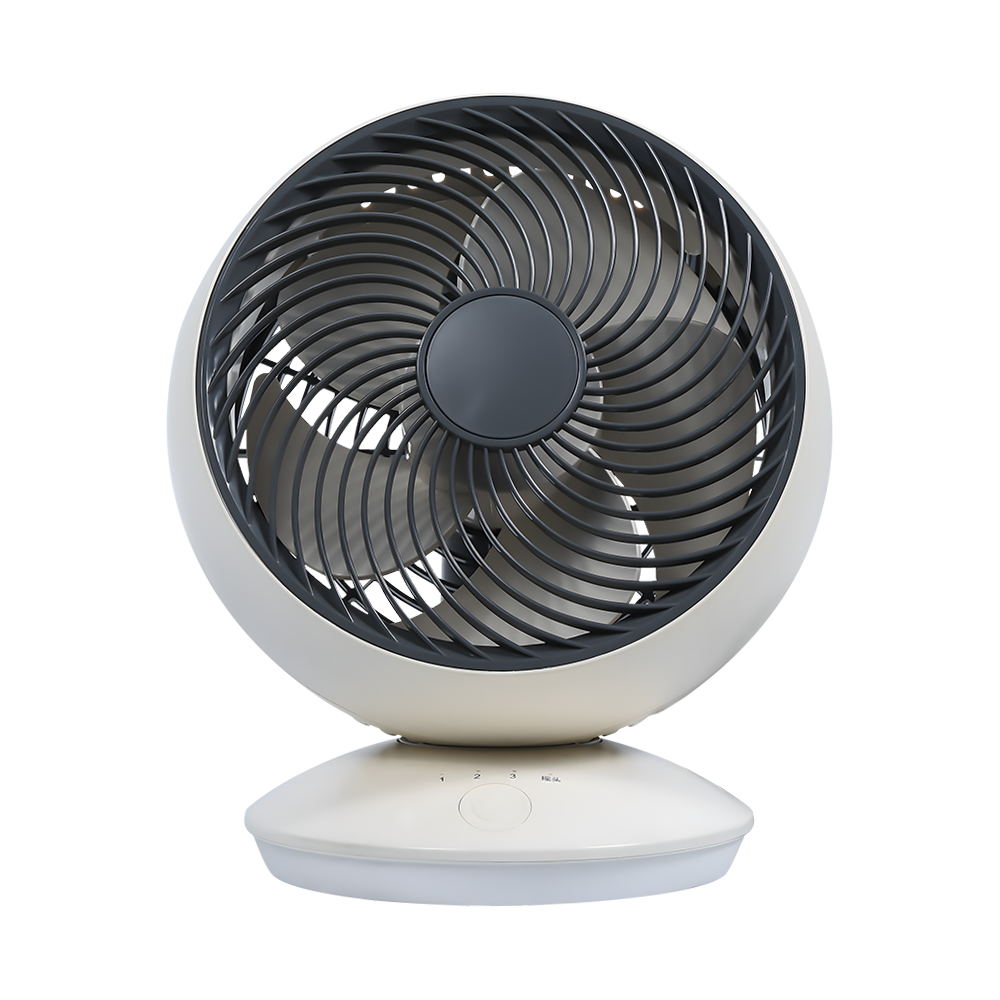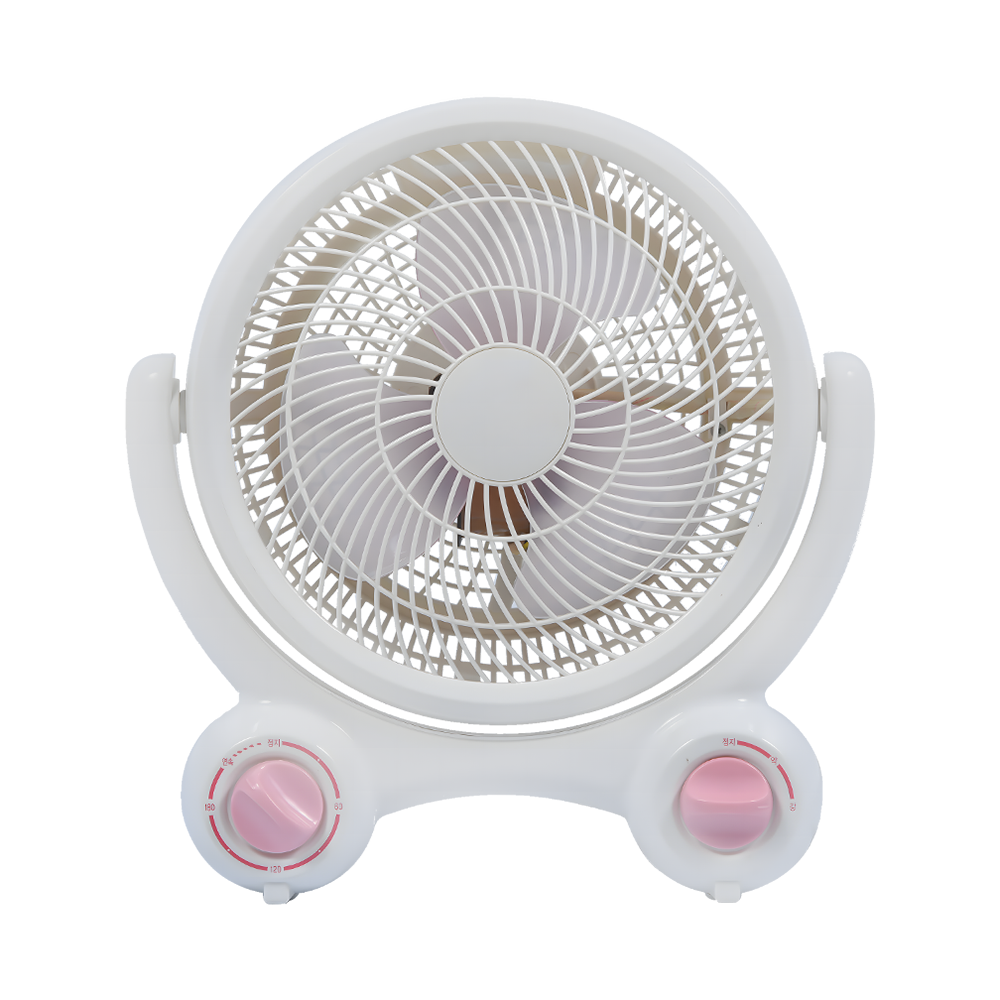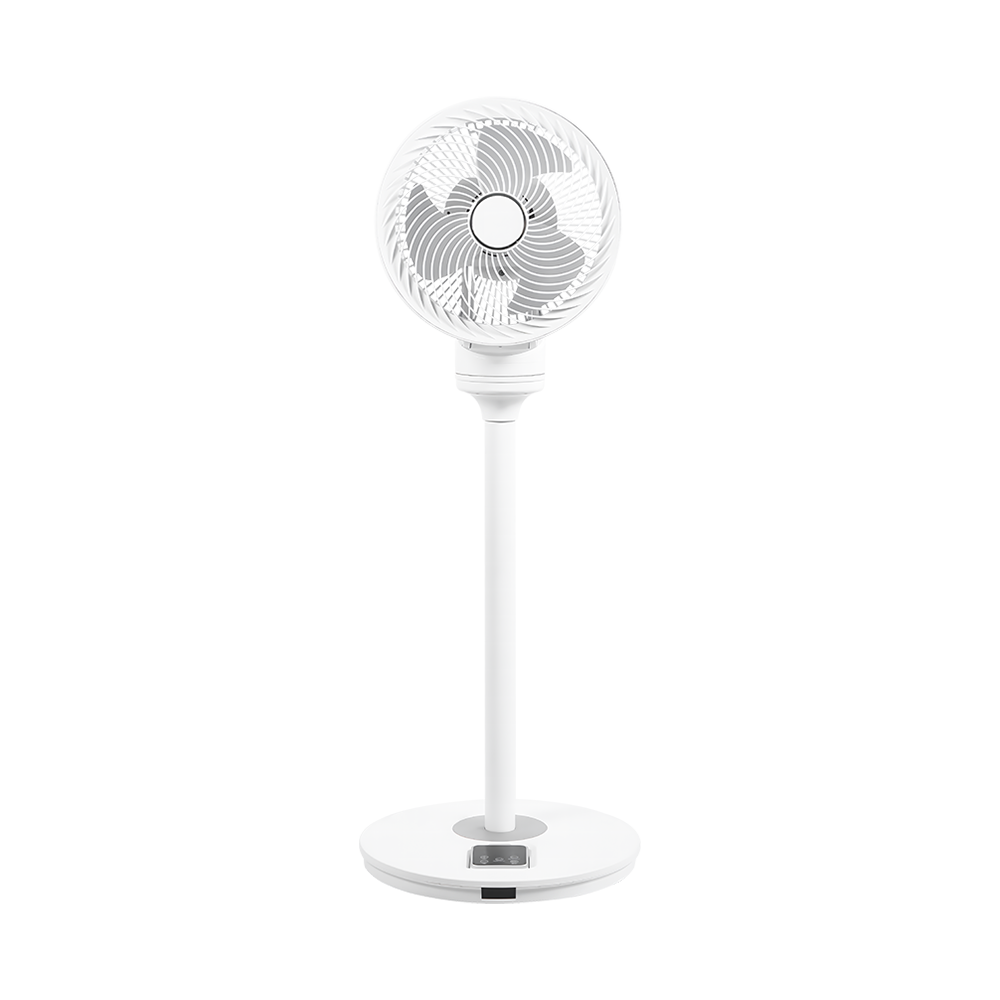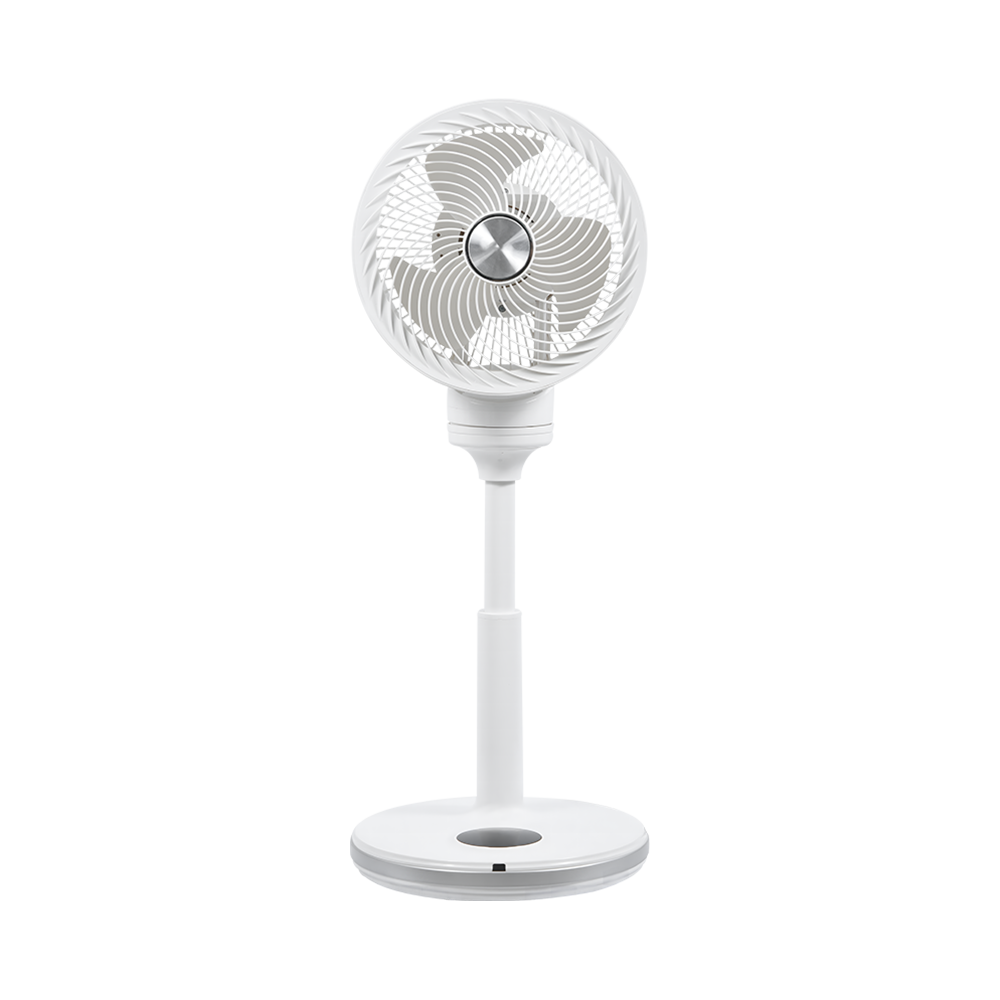


A fan circulates air by agitating invisible gases, directing and speeding up the flow of stagnant air.
It helps cool by moving air, carrying away body heat, and refreshing the atmosphere by replacing stale air.
The fan transforms electrical energy into mechanical rotation, regulating heat and air exchange for comfort without altering the air itself.
Don't hesitate to contact when you need us!
We're a reliable partner that shapes our expertise into success for your project.
Oct 12, 2026
The Heated Ceiling Fan: Does It Exist? Smart Heat & Air Circulation Guide If you searched for a heated ceiling fan expecting one appliance that both blows air and warms a room, here is the direct answer: integrated heated ceiling fans exist, but they are a rare, mostly commercial niche. In ordinary homes they ra... read moreOct 05, 2026
Indoor Heaters Buying Guide: Types, Sizing, Wattage, Safety and Cost Tips The right indoor heater is chosen by room size first, heat technology second, and control features last. A 1,300W PTC heater is enough for a bedroom of about 8 to 10 m², while a 2,200W graphene baseboard heater is a better match for a livi... read moreSep 28, 2026
Best Heater for Greenhouse: Types, Sizing Tips and Buying Advice | Baopeng Short answer first: for most backyard and small commercial greenhouses, the best heater setup is a thermostat-controlled, fan-forced ceramic heater to hold overall air temperature, backed by a small radiant tube heater aimed at the bench o... read moreSep 21, 2026
Fan with Heat: How Fan Heaters Work, Which Type to Buy, and Where They Fit Best If a cold room needs to feel comfortable in minutes rather than an hour, a fan with heat — sold most often as a fan heater — is the most direct tool for the job. The unit pulls room air across a heating element and throws it back out as a ... read more
Air-moving equipment covers a much wider range than it first appears. An electric fan converts electrical energy into directed airflow, and depending on motor design, blade geometry, and mounting style, that same basic principle produces very different products: a brushless radiator fan engineered for continuous, high-RPM duty in vehicles and machinery, an electric vent fan built to clear stale air from enclosed spaces, a large electric fan sized for workshops and open-plan facilities, and an electric pedestal fan suited to household and office rooms. At the smaller end, a usb electric fan plugs straight into a power bank or laptop port for personal comfort. Whether a project calls for a general electric fan for everyday use or a modern electric fan built around quieter, more efficient components, the choices made around motor type, blade pitch, and housing are what decide real-world performance.
As a factory that handles direct manufacturing for our customers rather than reselling someone else's line, Ningbo Baopeng Electric Appliance Co., Ltd sees motor selection as the first decision that shapes everything downstream. A conventional brushed motor uses physical carbon brushes to switch current through the windings; the friction from that contact is what eventually wears the motor out and adds a faint scratchy noise as speed increases. A brushless radiator fan replaces that mechanical contact with electronic commutation, so there is nothing physically rubbing together to wear down. That single change is why brushless designs are the standard choice anywhere a fan runs for long, unattended stretches, such as engine cooling or industrial equipment cooling loops.
The practical difference shows up most clearly at higher speeds, where a brushed motor's friction losses climb faster than a brushless motor's electronic losses. That gap is also why brushless units tolerate finer speed control — the controller can step current up or down in small increments without the mechanical wear penalty a brushed design would take on.
Choosing between an electric pedestal fan, an electric vent fan, and a large electric fan comes down to one question: how much air actually needs to move, and how far. A pedestal fan is built to circulate air within a room, so its airflow rating is modest by design. A vent fan is judged less by raw volume and more by how reliably it can pull air through a duct or opening against static pressure. A large electric fan, by contrast, is sized for open volumes — a warehouse floor or production hall — where the goal is bulk air movement rather than a directed personal breeze. Our engineering team works from the customer's stated room or facility dimensions and adjusts blade diameter, pitch, and motor output accordingly, since a fan built for the wrong category ends up either underpowered or unnecessarily noisy.
A usb electric fan exists because personal cooling needs stopped being tied to a wall outlet. Drawing power from a 5V USB source instead of mains electricity means the motor, blade span, and airspeed all have to be designed within a tight power budget — which is exactly why USB fan motors tend to run at lower noise levels than their pedestal-scale cousins, even before any brushless benefit is added in.
Products in this category are customized in line with each customer's specifications, and every batch goes through third-party inspection before it ships, which matters more for small USB accessories than the size might suggest — a loose fit or a slightly unbalanced blade is far more noticeable in a device sitting inches from someone's face than in a floor-standing unit across a room.
The gap between a general electric fan built to older conventions and a modern electric fan usually isn't visible from the outside — it's in the motor winding efficiency, the blade profile, and how much of the input power actually turns into airflow versus heat. Guided by the principle of "Survive by Quality, Develop by Innovation," Ningbo Baopeng Electric Appliance Co., Ltd continuously strengthens its manufacturing standards, engineering management, and quality assurance systems to keep pace with what customers are actually asking for, which in recent years has leaned toward lower power draw at equivalent airflow.
| Fan Type | Typical Setting | Best Suited For |
|---|---|---|
| Electric Pedestal Fan | Medium oscillating | Home and office rooms |
| Electric Vent Fan | Continuous low-medium | Kitchens, bathrooms, workshops |
| Large Electric Fan | High, fixed | Warehouses, halls, outdoor stalls |
| USB Electric Fan | Low, adjustable | Desks, travel, personal use |
For anything that runs long hours or unattended — engine bays, server rooms, industrial cooling loops — yes. The lack of brush wear means fewer failures over the same duty cycle, and the quieter operation is a bonus rather than the main reason to choose it.
Start from the space's volume and airflow purpose rather than the fan's blade diameter alone — a pedestal fan circulates air within a room, a vent fan is judged on how well it clears air through an opening, and a large electric fan is chosen for bulk movement across an open floor.
It provides real, localized airflow rather than whole-room cooling — the low power budget limits total output, but for a desk, a stroller, or a travel bag it's usually exactly the scale of cooling that's actually needed.
Yes — both OEM and ODM services are supported, with a professional R&D and production team available to work through personalized requirements from concept to finished unit.
Every product is customized according to the customer's specification, and a third-party inspection is carried out before shipment to confirm the finished units match what was agreed.
Don't hesitate to contact when you need us!
For any questions and feedback from customers, we will reply patiently and meticulously.

The product has obtained multiple domestic and international certifications, including 3C, CE, ROHS, CB, and the ISO9001 quality management system.
CONTACT US
Address: No. 118, Guyao Highway, Zhangqi Town, Cixi City, Zhejiang Province, China
Wechat: +86-15921162693
Email: [email protected]
Mobile



 English
 Español
 عربى
عربى