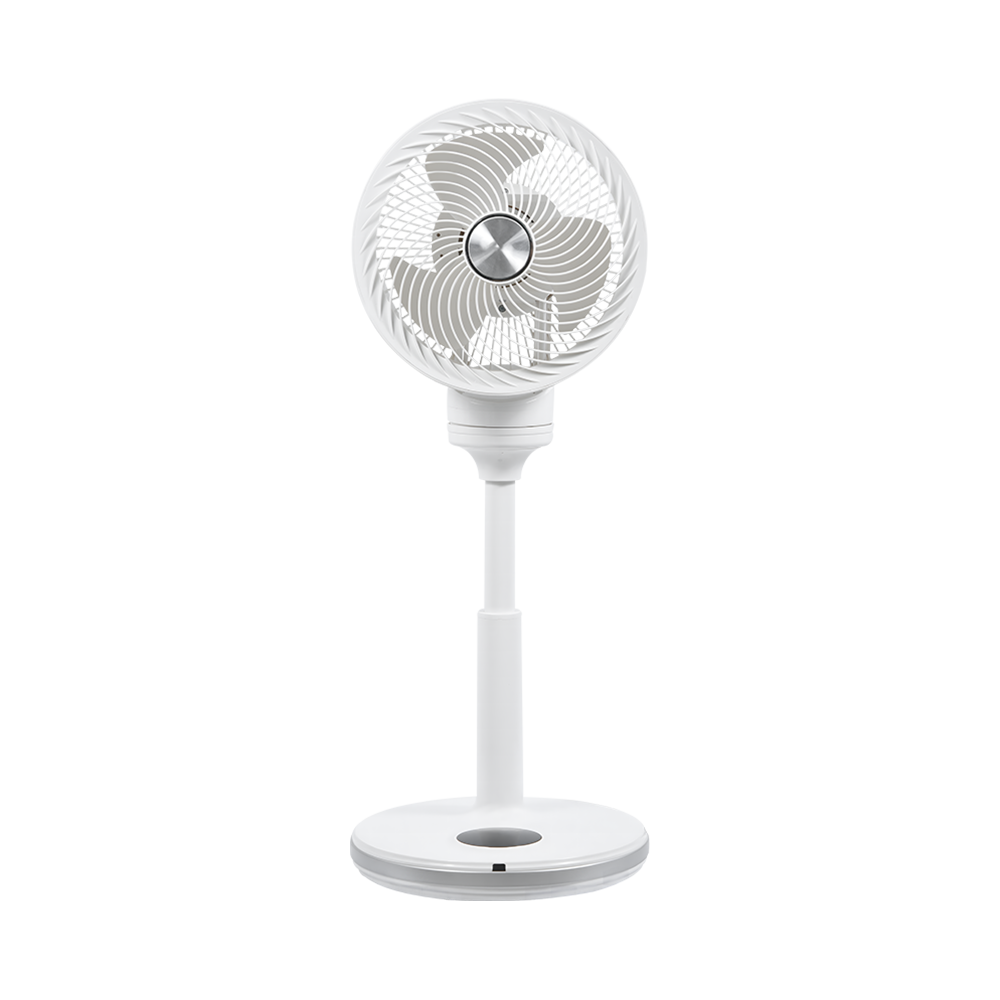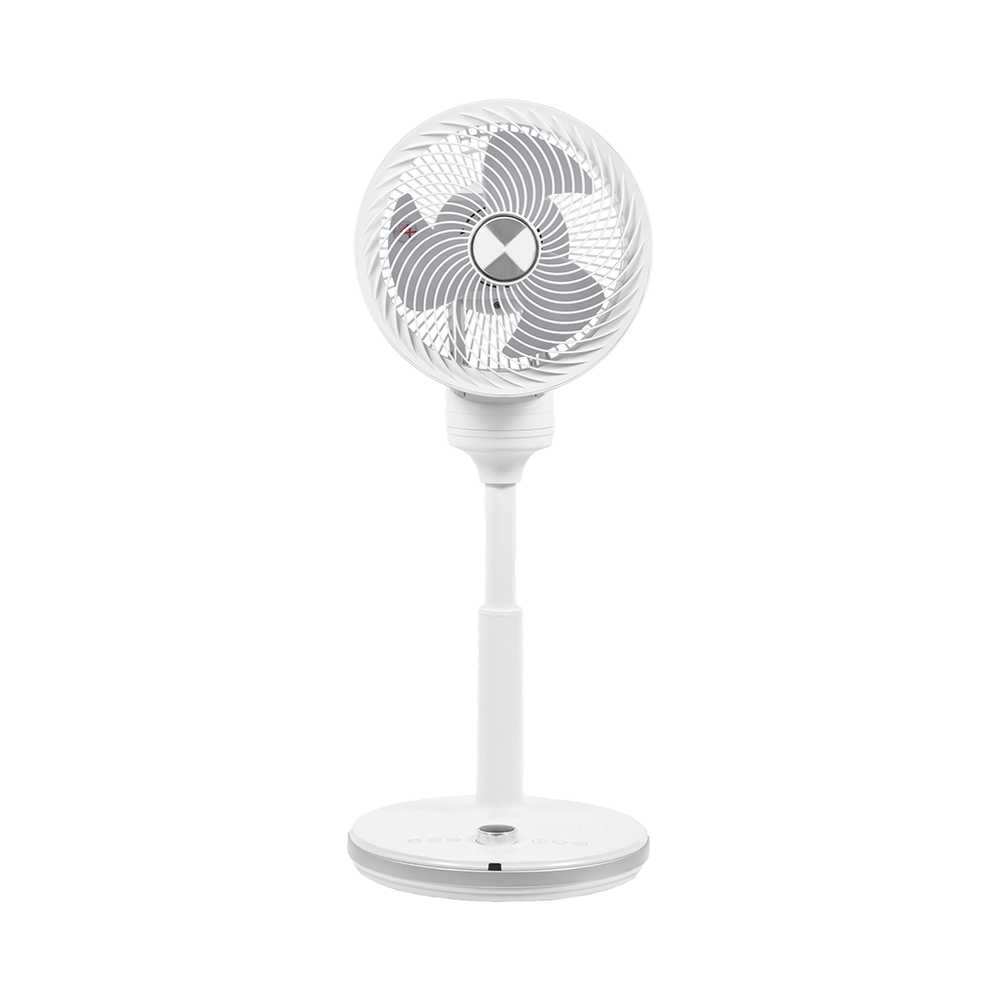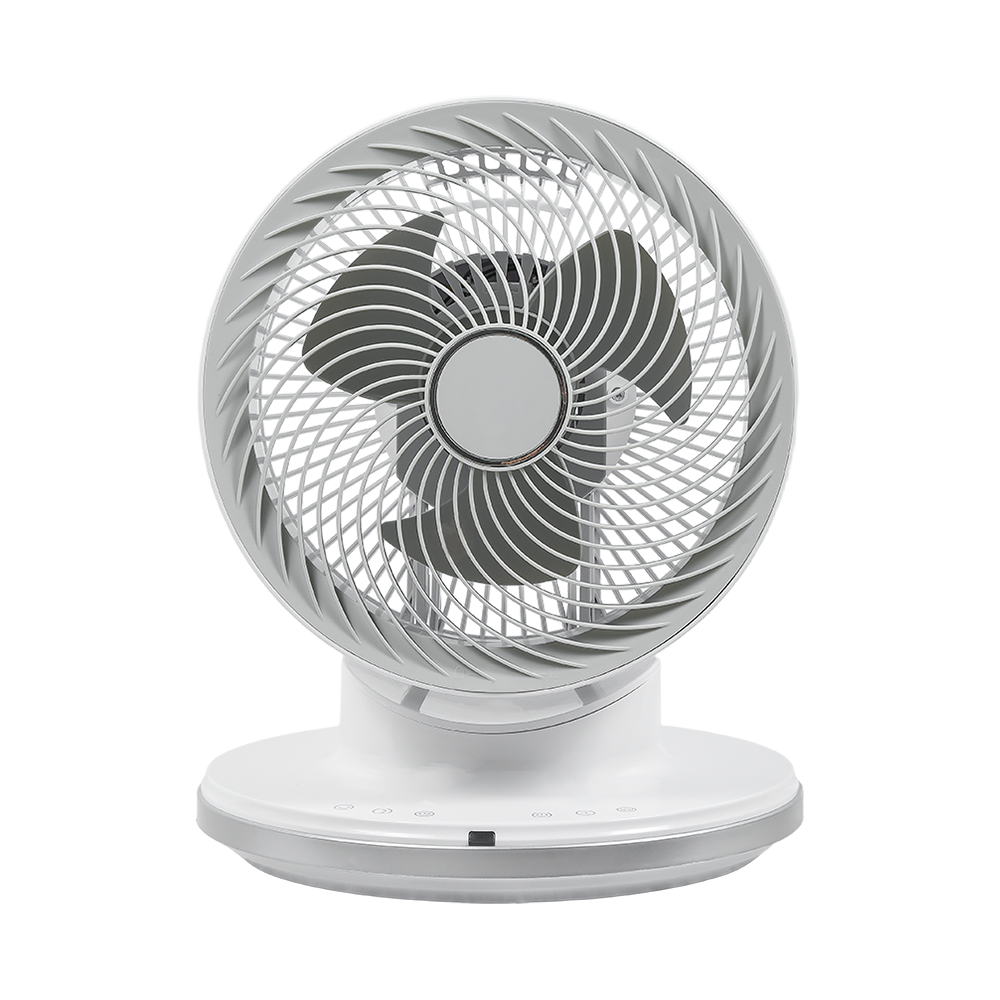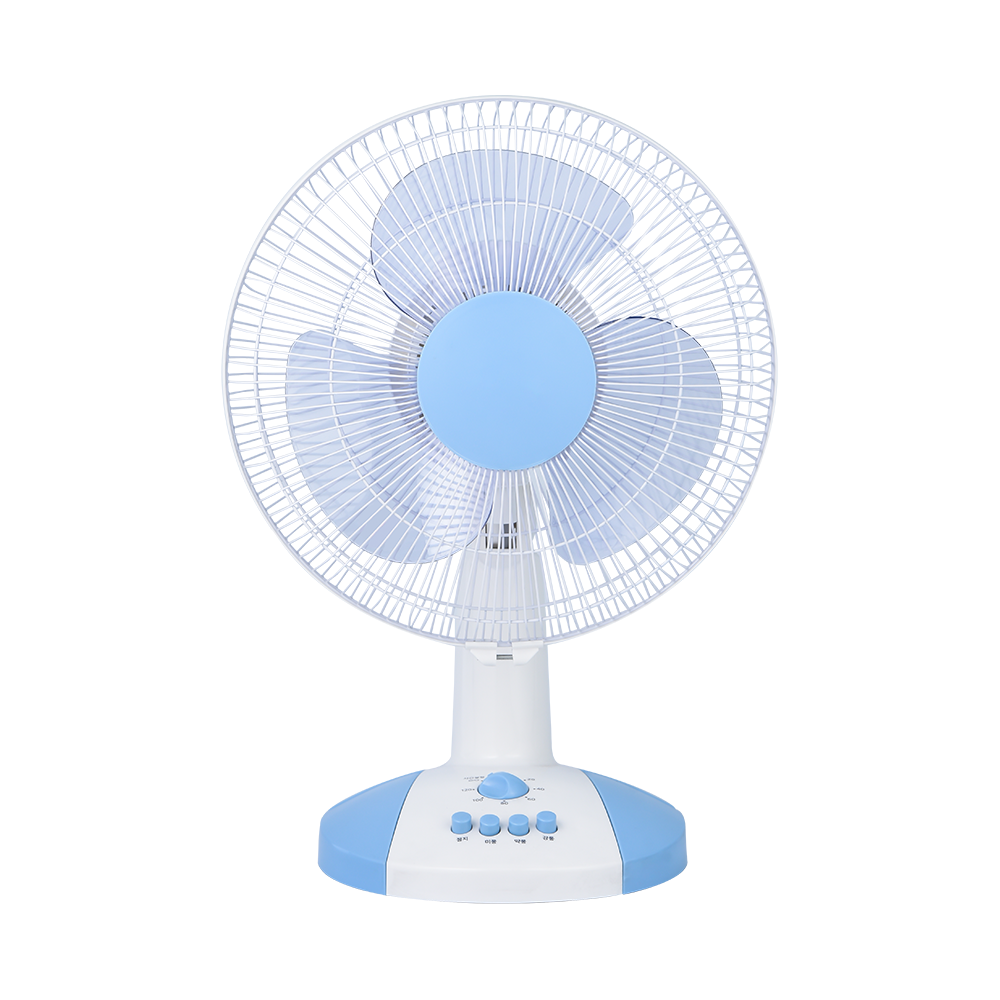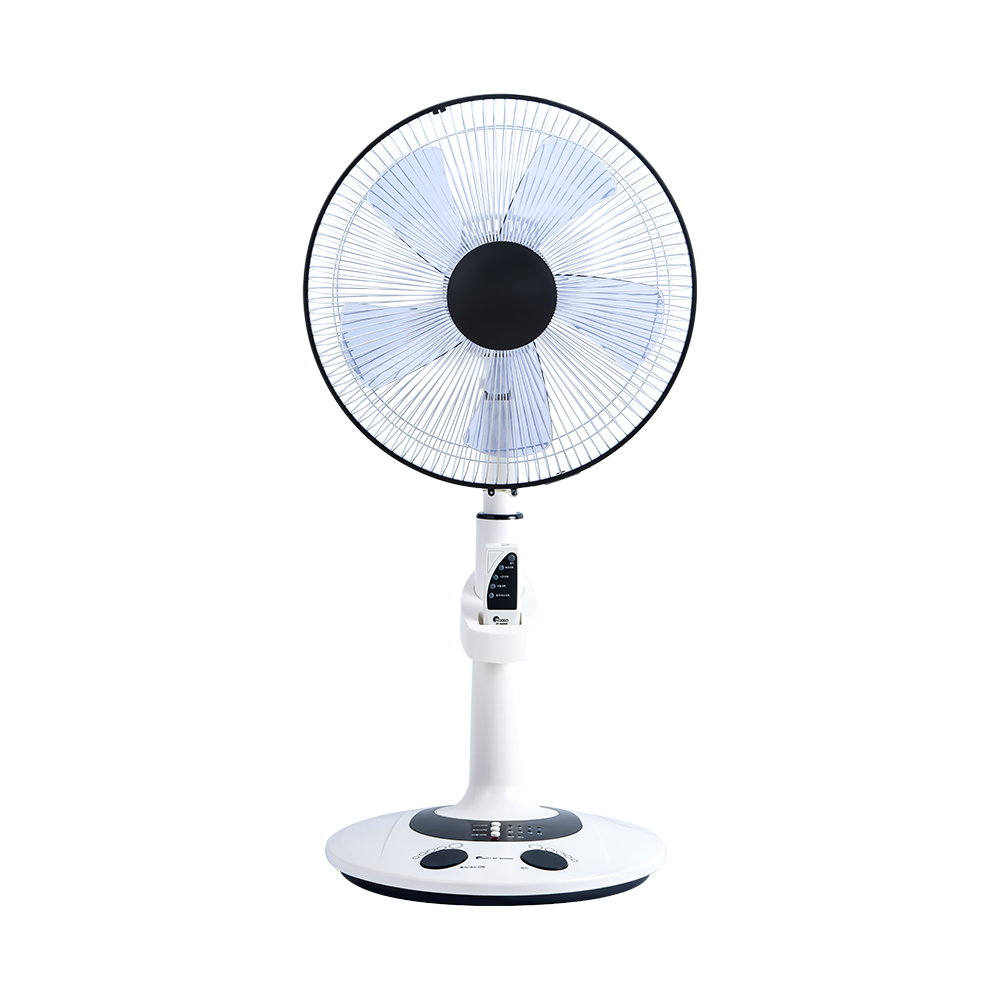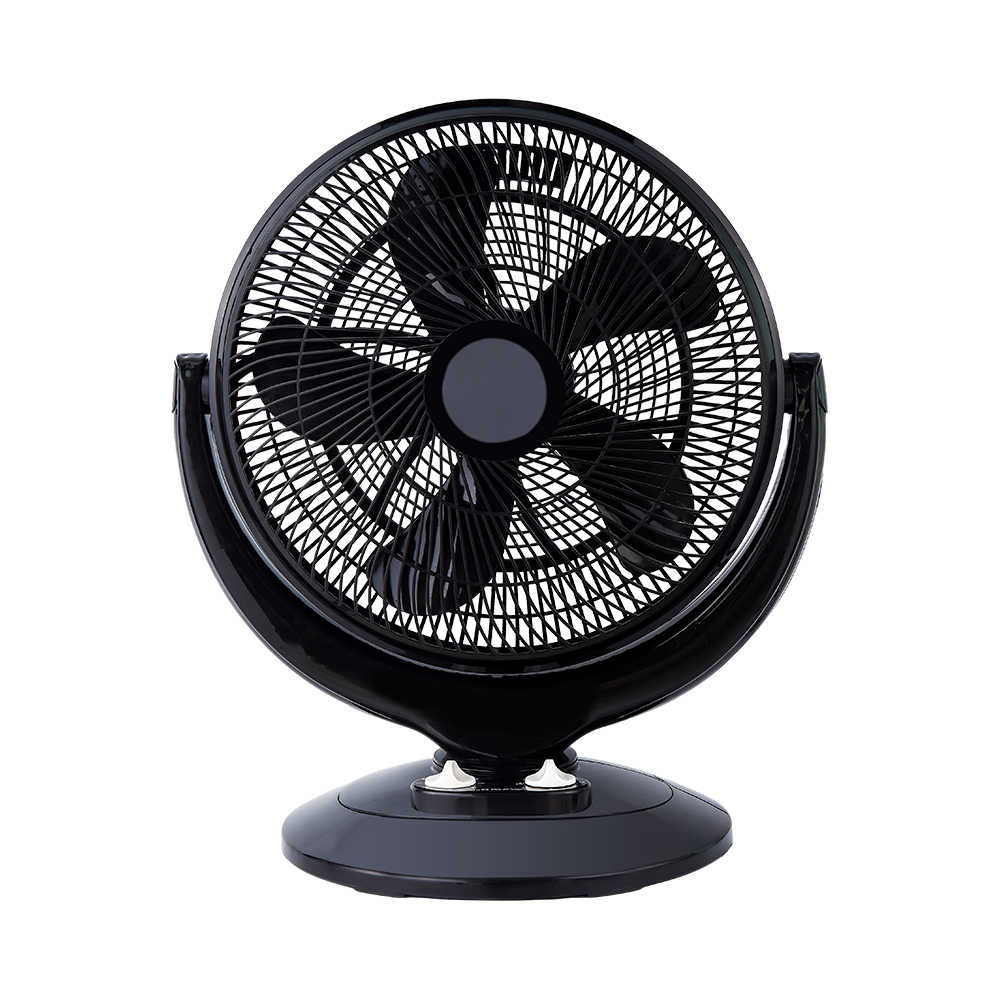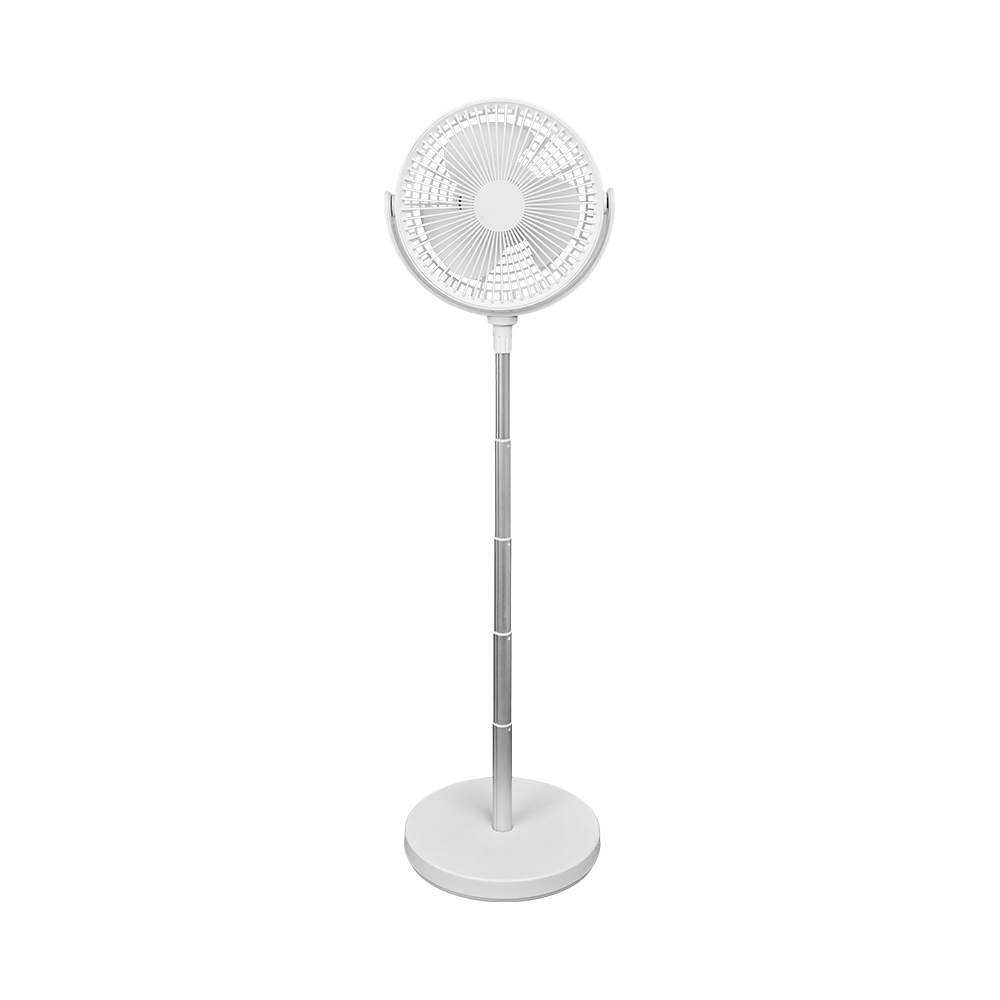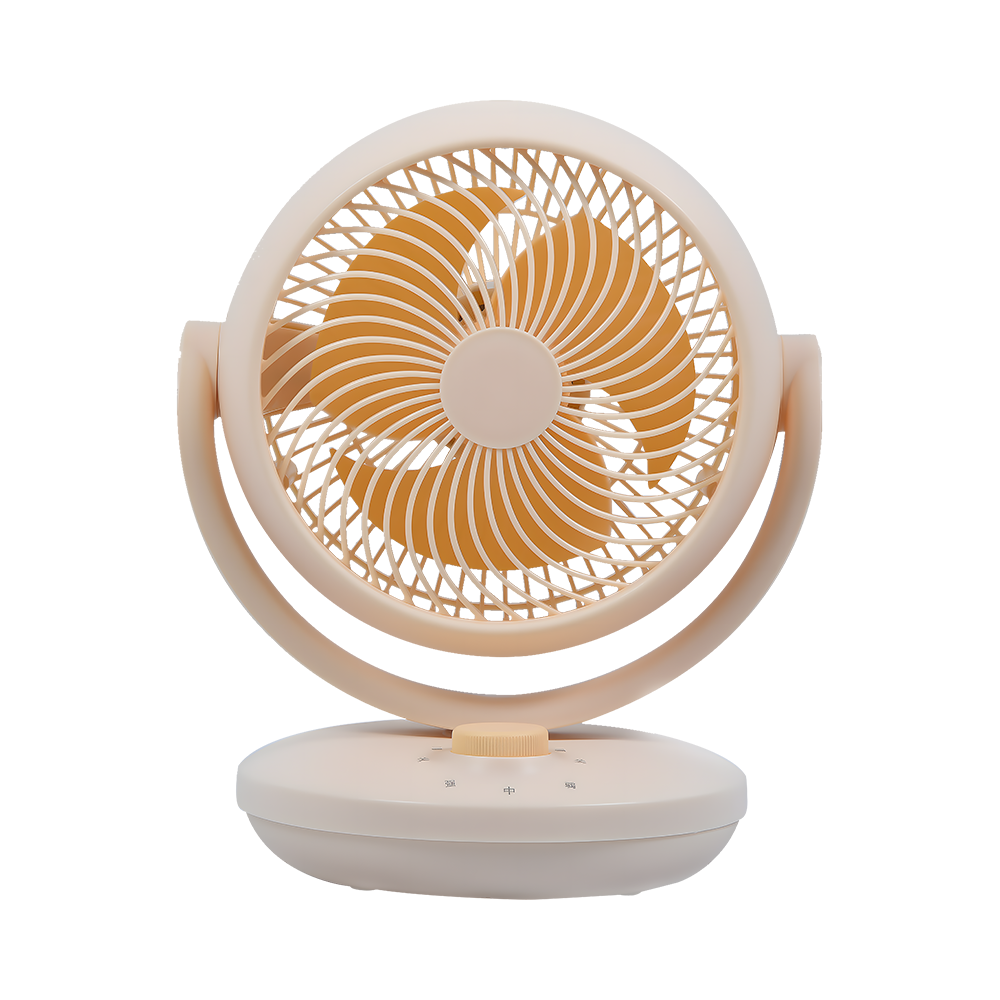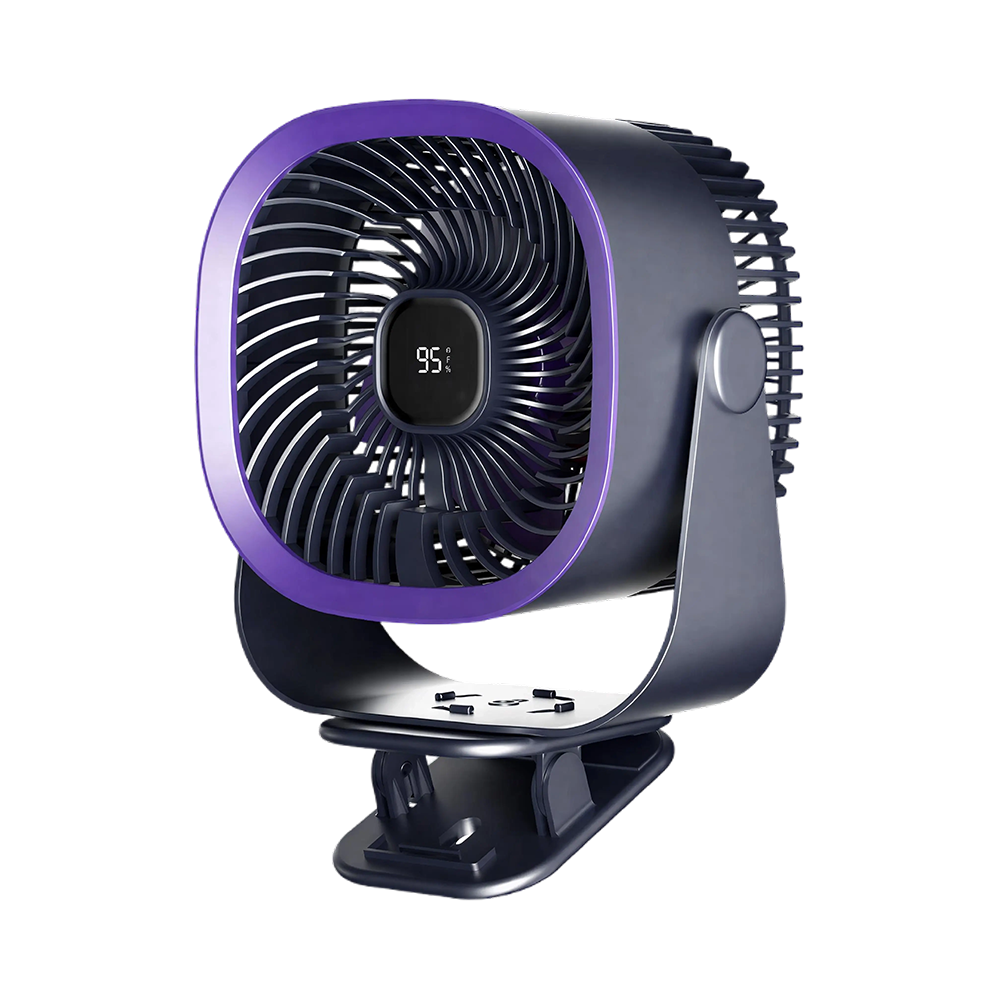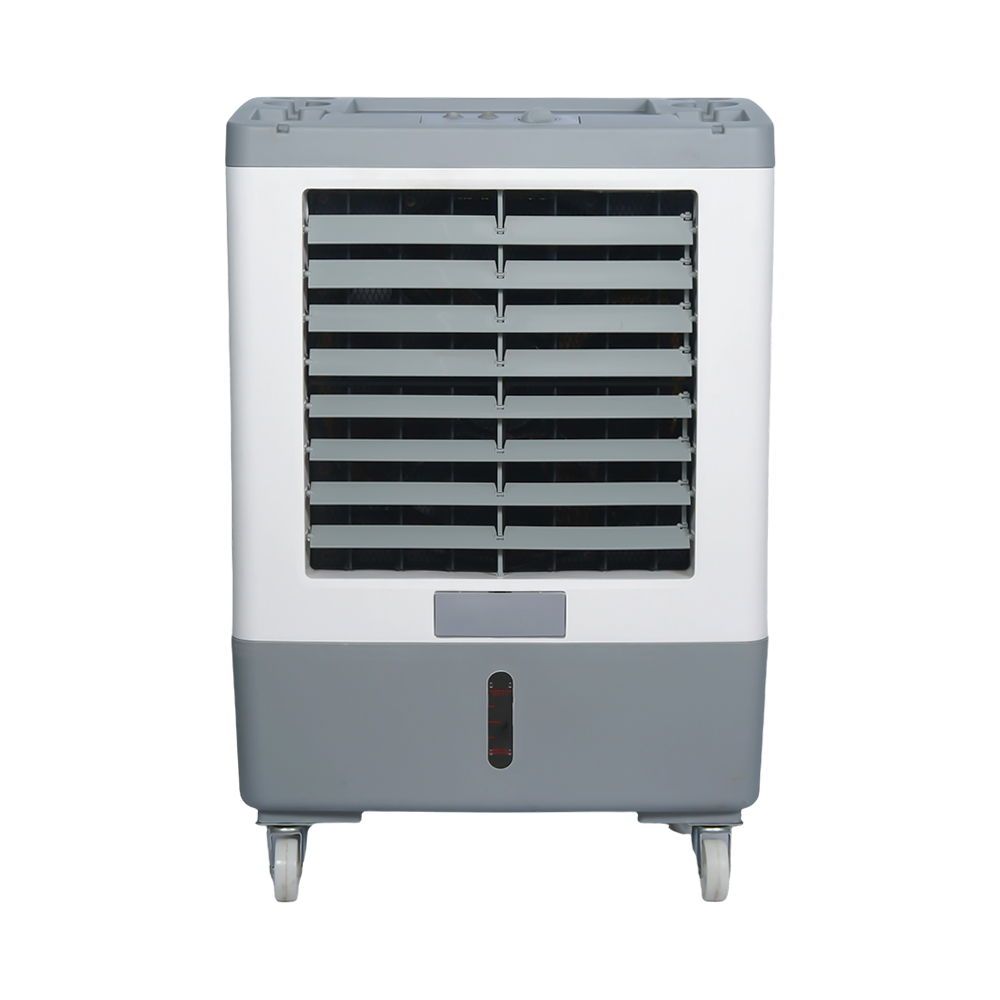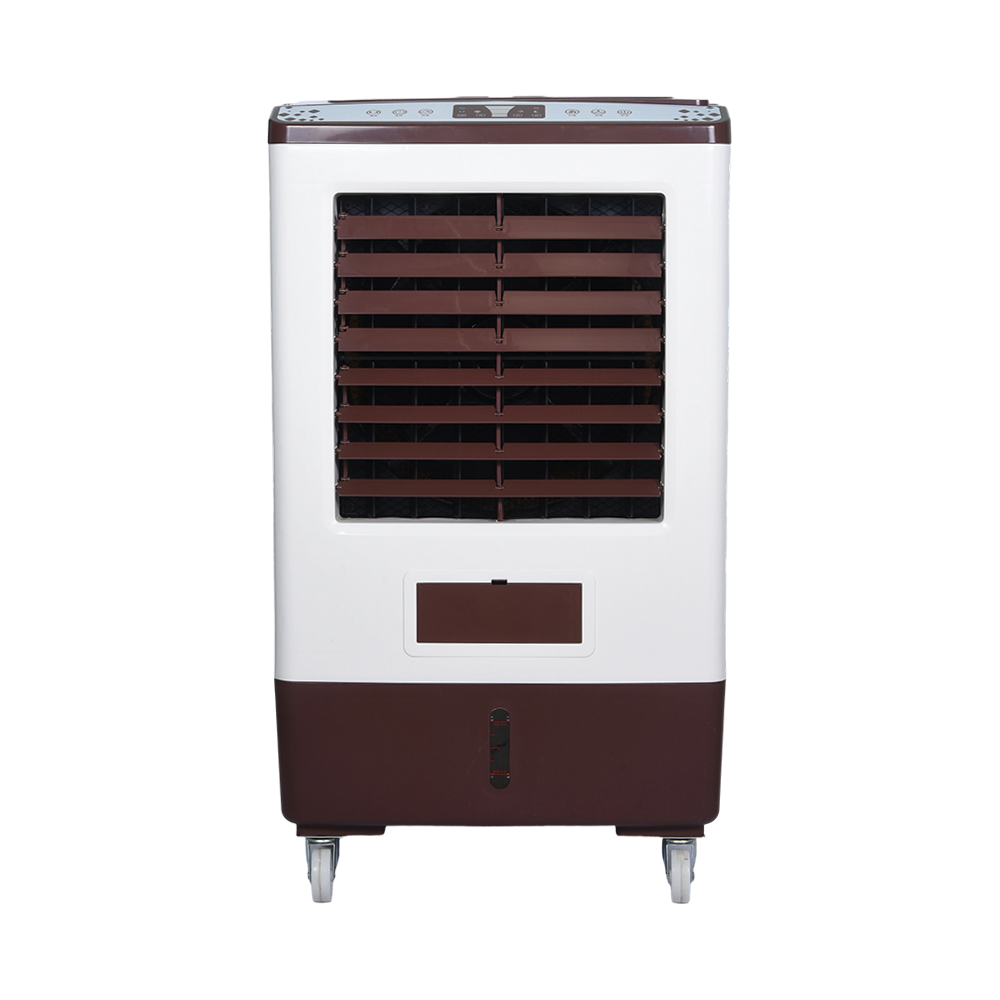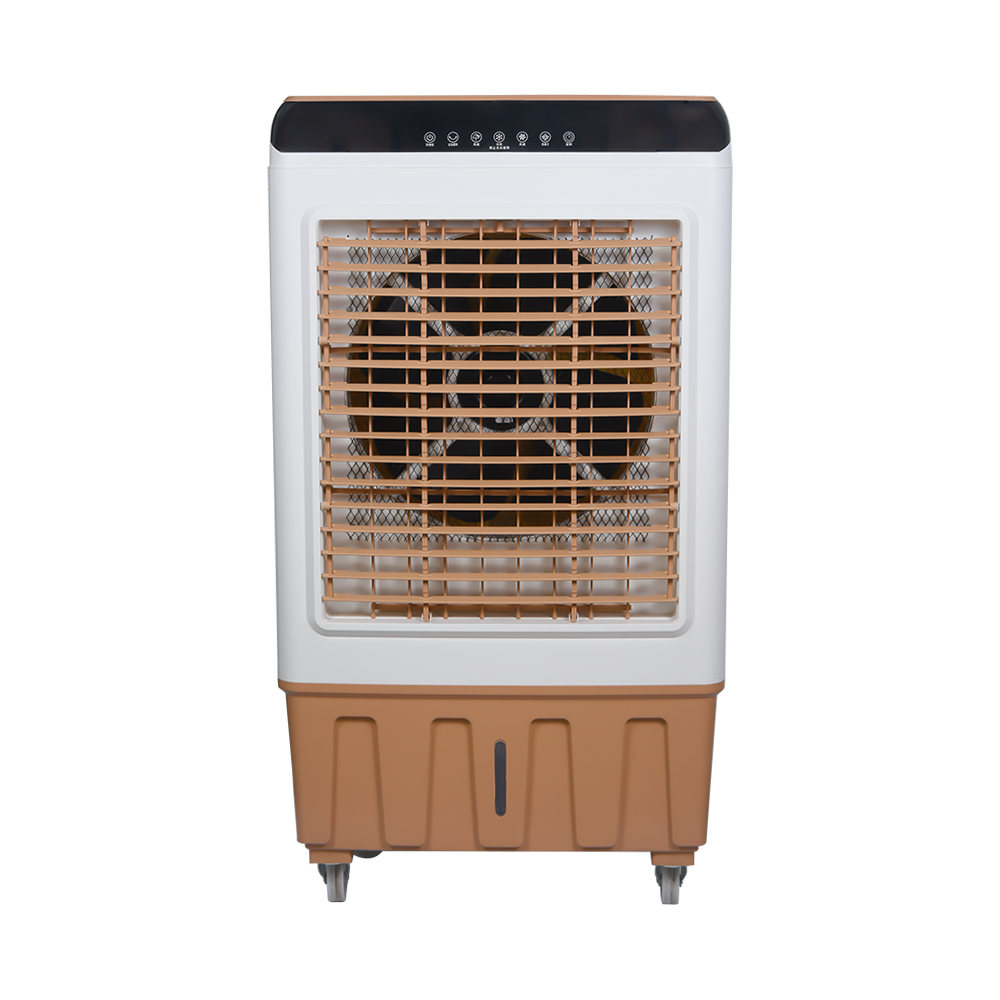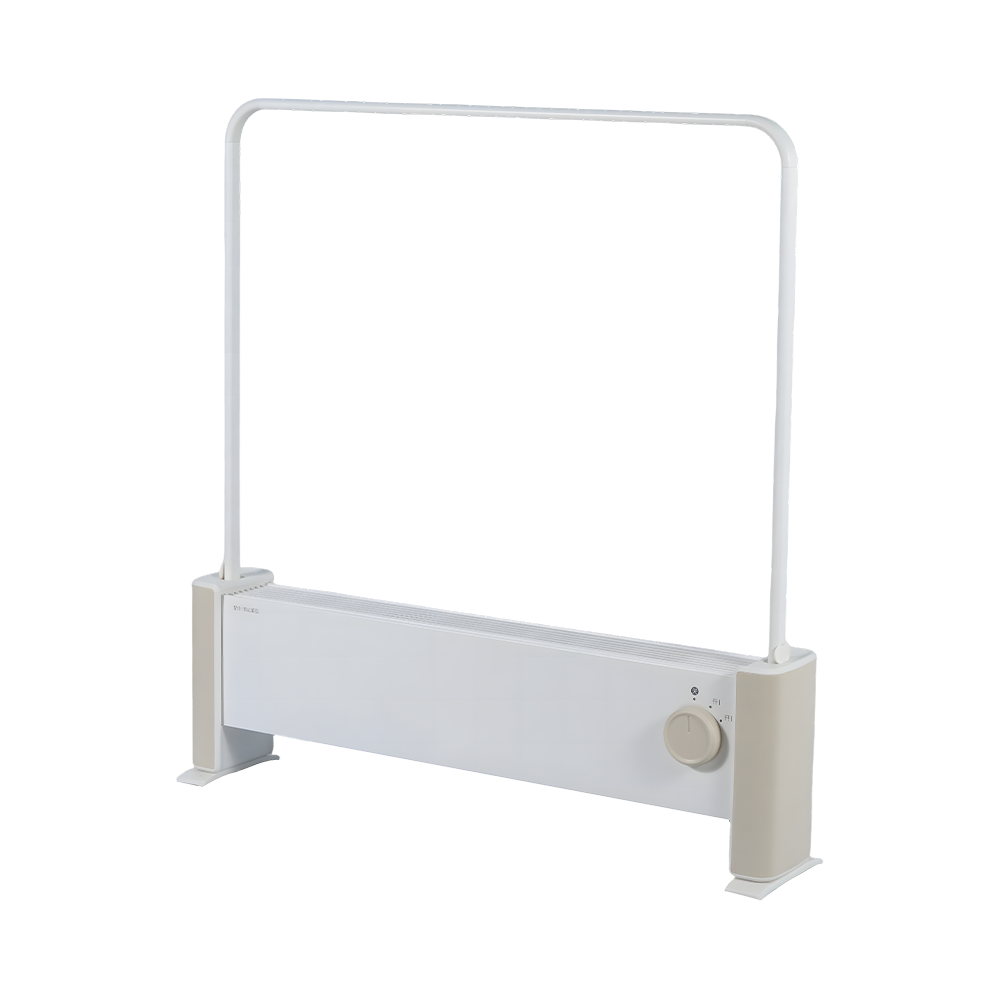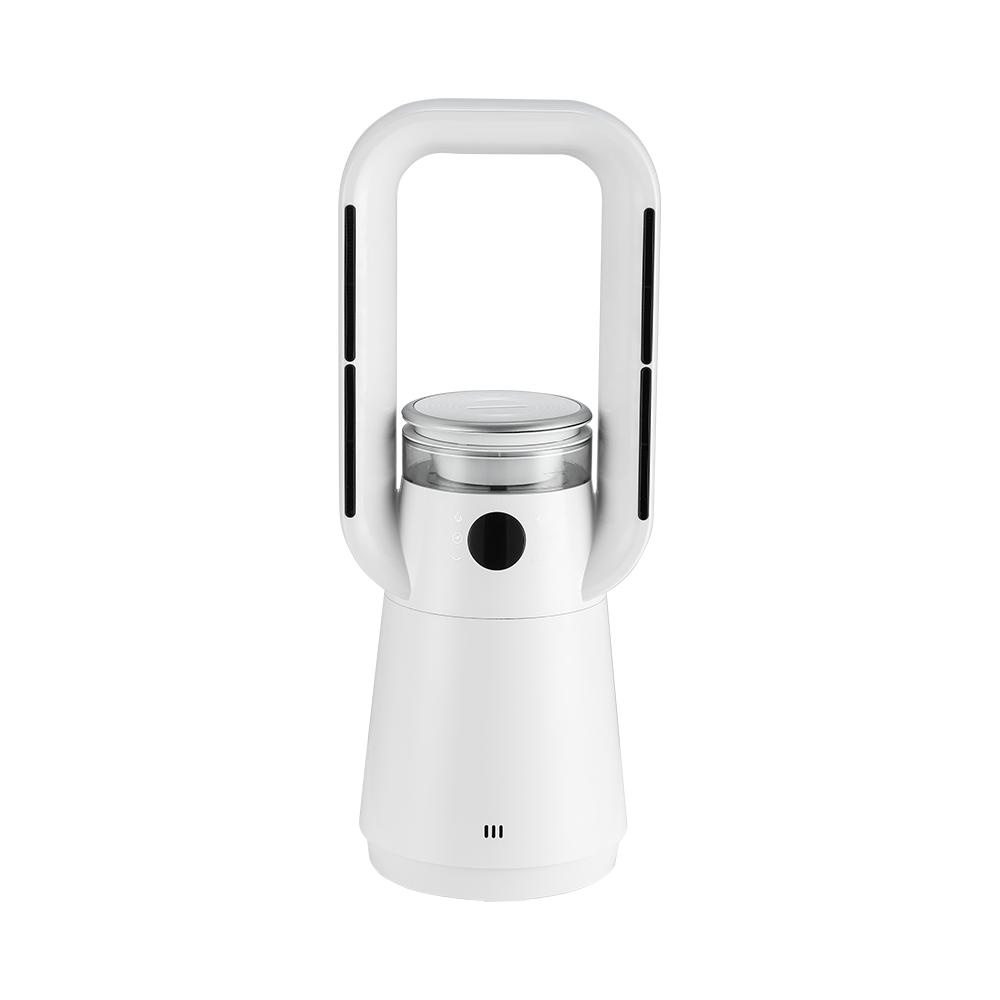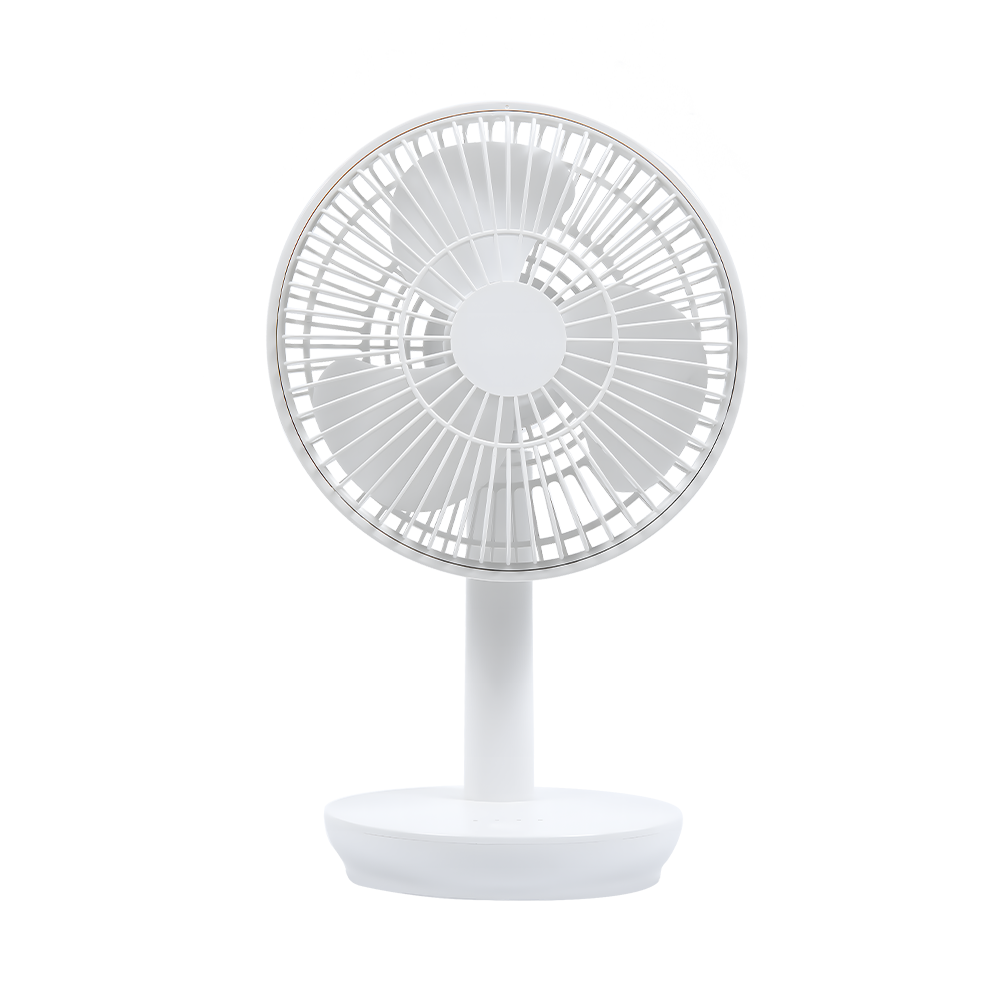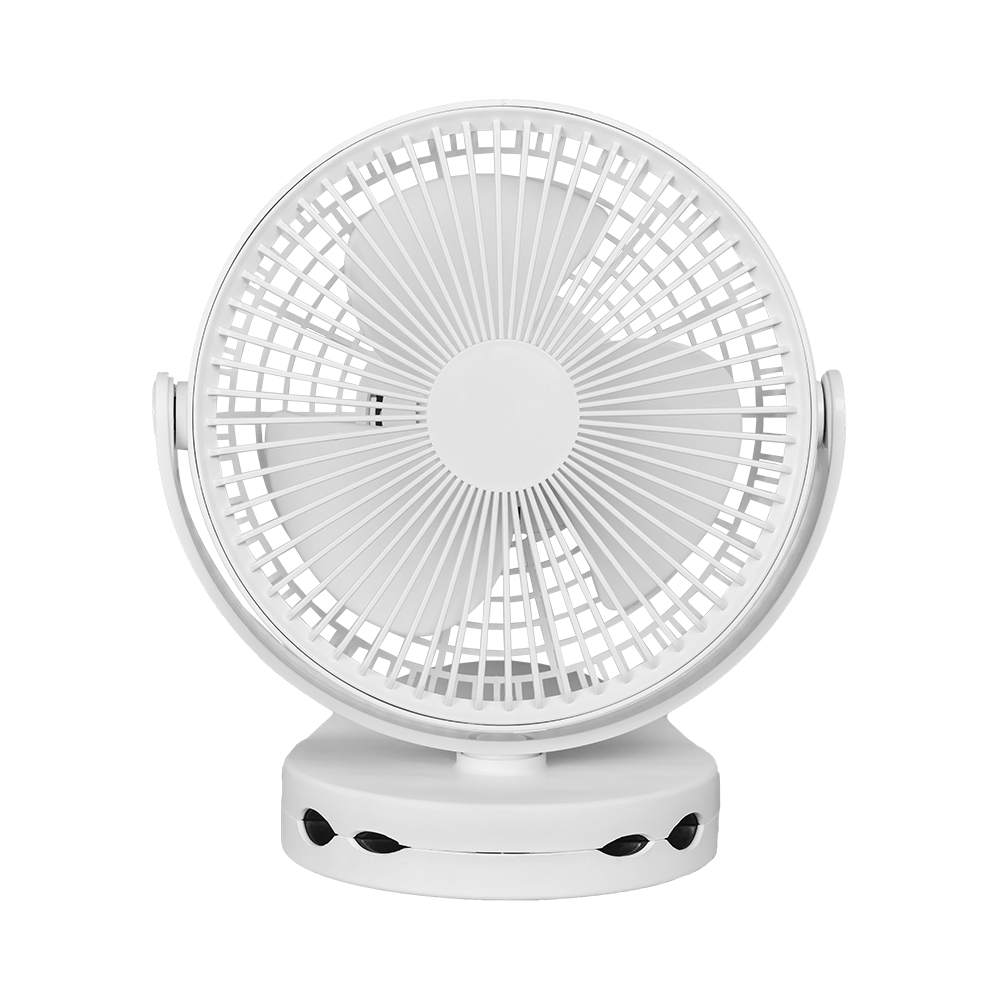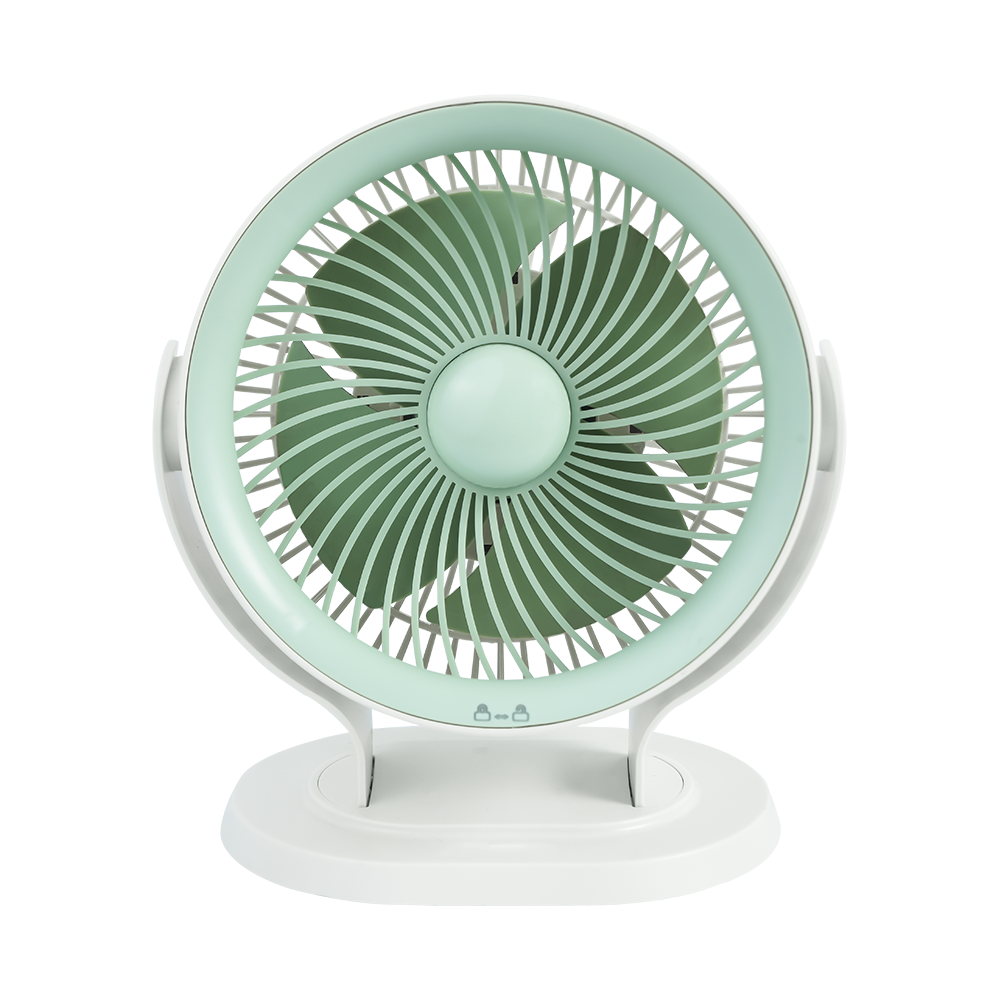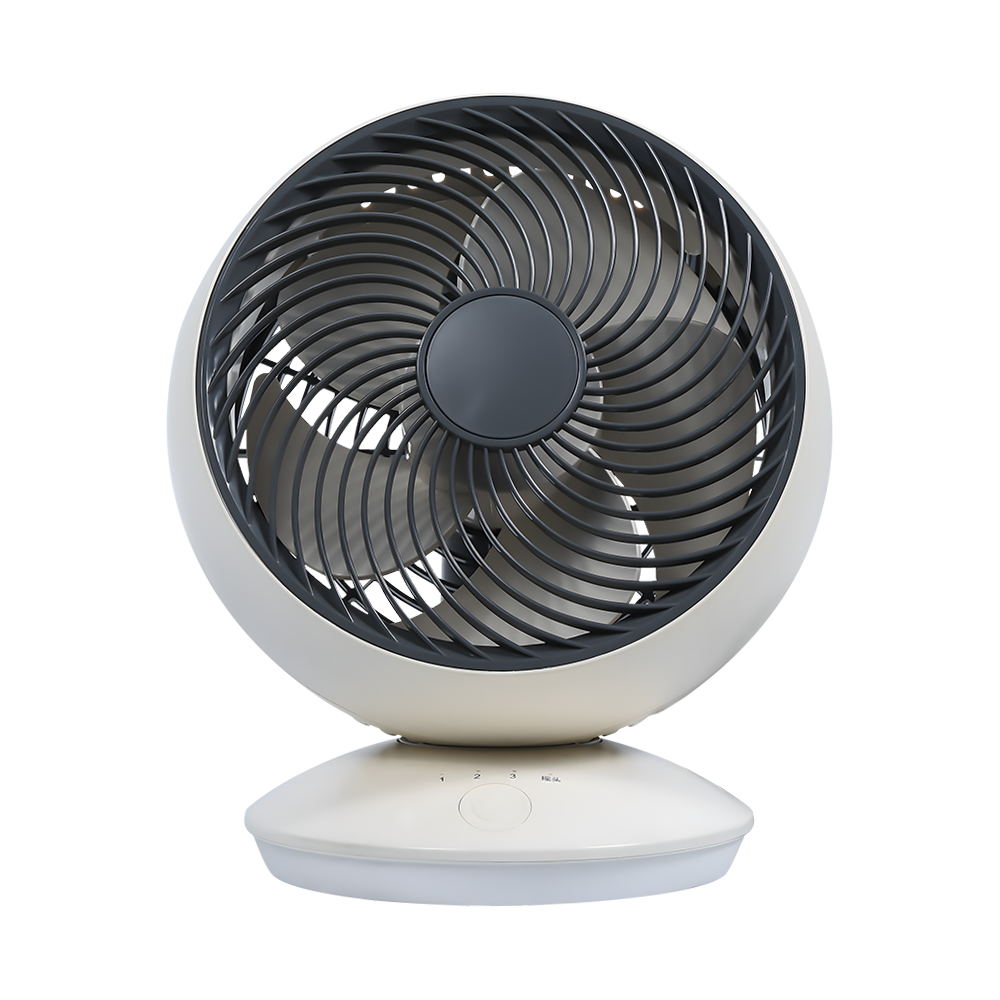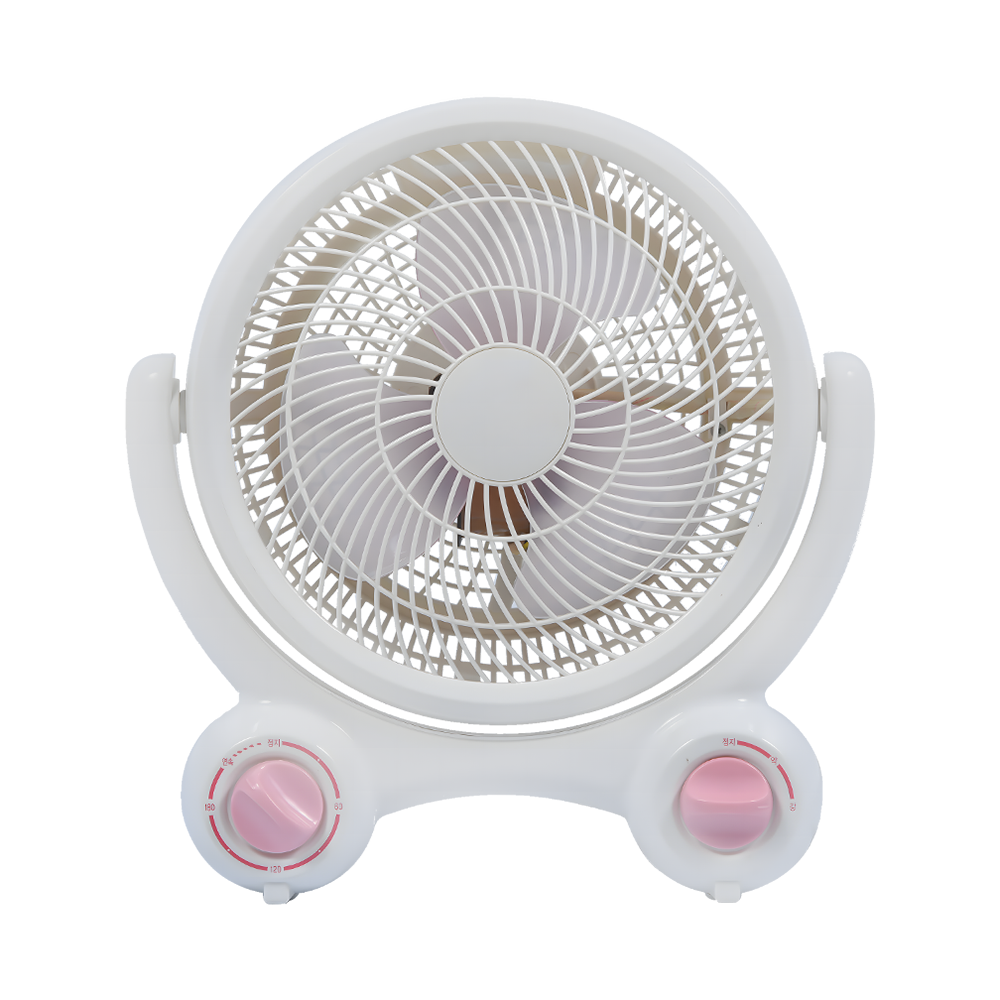

The Mini Fan features a built-in high-capacity battery for extended wireless use, freeing you from the constraints of a power source and making it ideal for home or outdoor use.
The Mini Fan utilizes a brushless motor or optimized blade design for quiet and smooth operation. Its robust and durable construction is drop-resistant, wear-resistant, and safe.
The Mini Fan is suitable for various settings, including office desks, studies, bedside tables, strollers, kitchens, and outdoor camping, providing a comfortable and cool experience anytime, anywhere.
Don't hesitate to contact when you need us!
We're a reliable partner that shapes our expertise into success for your project.
Oct 12, 2026
The Heated Ceiling Fan: Does It Exist? Smart Heat & Air Circulation Guide If you searched for a heated ceiling fan expecting one appliance that both blows air and warms a room, here is the direct answer: integrated heated ceiling fans exist, but they are a rare, mostly commercial niche. In ordinary homes they rarely make sense, because heat rises. A heating element mounted at ceiling height... read moreOct 05, 2026
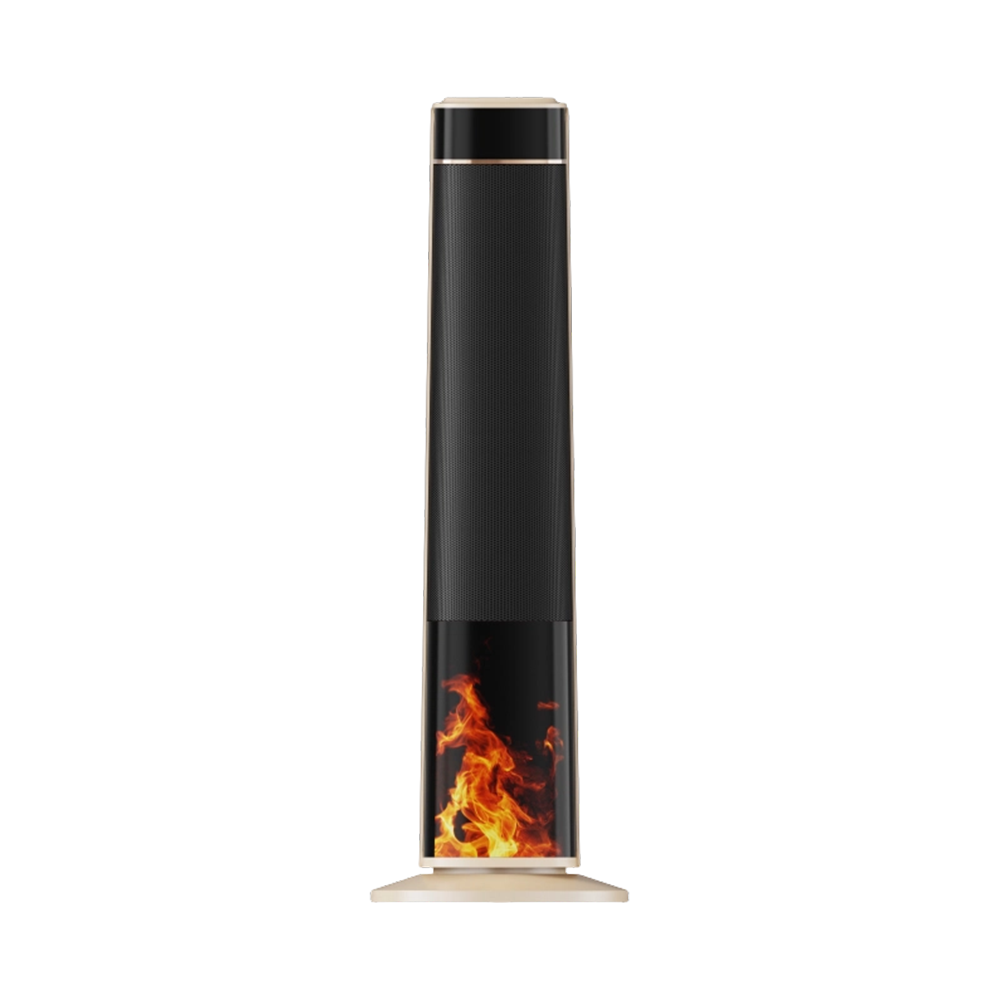
Indoor Heaters Buying Guide: Types, Sizing, Wattage, Safety and Cost Tips The right indoor heater is chosen by room size first, heat technology second, and control features last. A 1,300W PTC heater is enough for a bedroom of about 8 to 10 m², while a 2,200W graphene baseboard heater is a better match for a living room of 18 to 22 m². If you also want a visual centerpiece, a 3D flame firepl... read moreSep 28, 2026
Best Heater for Greenhouse: Types, Sizing Tips and Buying Advice | Baopeng Short answer first: for most backyard and small commercial greenhouses, the best heater setup is a thermostat-controlled, fan-forced ceramic heater to hold overall air temperature, backed by a small radiant tube heater aimed at the bench or seed-tray area for direct plant warmth. If you only buy one unit, make it the ... read more
From personal desks to open-air patios, the demand for compact air-moving devices spans a wide range of settings. A mini fan is generally built around a small motor and blade assembly sized to fit limited spaces, while a mini personal fan focuses specifically on close-range airflow aimed at a single user. Products marketed as a small outdoor fan typically add weather-resistant housings for patios, workshops, or outdoor stalls, whereas a small office fan or the broader category of small house fans prioritize quiet, steady circulation for shared indoor spaces. A small metal fan swaps plastic housing for a metal shell, which changes how the unit handles heat and daily wear, and a small rotating fan adds oscillation to spread airflow across a wider area instead of a single fixed direction. Understanding how these formats differ in construction, airflow pattern, and intended environment helps buyers match a fan to its actual use case rather than choosing on size alone.
The biggest design split in this category is not size but environment. A small outdoor fan generally needs a housing that can shrug off dust, humidity, and temperature swings, so the vent shape and blade guard spacing are often different from an indoor unit built for a clean desk or shelf. Indoors, priorities shift toward quiet operation and a stable base or clip mount, which is why small house fans tend to be tuned for lower noise at the airflow levels a household actually uses day to day, rather than for peak output on the highest setting.
Weatherproofing is emphasized most heavily in outdoor-rated designs, while desk and household categories place more weight on portability and low operating noise. The comparison below illustrates how these design priorities typically shift across three common use categories.
Comparison reflects typical design differences between outdoor, office, and household small fan categories rather than a specific product line.
Housing material changes more than the look of the unit. A small metal fan generally holds up better under repeated handling and resists warping near a heat source, which is why metal housings are common on models meant to sit near a stove, workbench, or outdoor equipment. The trade-off is weight and unit cost: a metal shell adds mass and typically costs more to produce than an injection-molded plastic body, so a standard mini fan built for portability often stays with plastic construction instead.
Illustrative comparison of metal-body versus plastic-body small fan housings (blue: metal, gold: plastic).
Speed settings do not scale airflow and noise in the same proportion. A mini personal fan aimed at close-range cooling usually needs a smaller jump between low and high settings, since the user sits close to the blade and does not need maximum throw. A small rotating fan with a wider sweep and larger blade diameter generally needs a bigger increase from low to high to cover the same room area, which is why oscillating models often show a steeper airflow curve across their speed settings.
| Speed | Mini personal fan (CFM) | Small rotating fan (CFM) | Typical noise (dB) |
|---|---|---|---|
| Low | 15 | 20 | 32-36 |
| Medium | 25 | 35 | 40-45 |
| High | 35 | 50 | 48-53 |
In practice, this means a buyer choosing between the two formats should weigh coverage area against acceptable noise rather than airflow numbers alone, since the rotating format's wider coverage comes with a higher ceiling on both CFM and decibel output at top speed.
Behind any small office fan program sits a production timeline that buyers rarely see but that directly affects delivery planning. At Ningbo Baopeng Electric Appliance Co., Ltd., the standard production lead time is 50 calendar days from the date of order confirmation and receipt of the deposit, a window built to maintain consistent quality control while efficiently managing the manufacturing process for each order. Products are customized in line with each customer's specific requirements, and a third-party inspection is carried out before shipment.
Illustrative allocation of a typical 50-day production cycle from confirmation to shipping readiness.
Ningbo Baopeng is a factory dedicated to providing direct manufacturing services rather than working through intermediaries, and the plant is located in Cixi, Zhejiang Province, which is convenient for transportation and logistics when moving finished units to port. This factory-direct setup is also what allows professional customization services to be offered to meet specific product requirements, from housing style to control layout.
Consistency across production runs is often a bigger differentiator than any single feature on a spec sheet. Ningbo Baopeng Electric Appliance Co., Ltd. has built its process around extensive experience gained from long-term cooperation with first and second-tier domestic home appliance brands, which effectively helps ensure reliable and stable product quality run after run rather than only on a single sample.
For buyers evaluating suppliers for any of these formats, from a compact desk unit to a metal-bodied outdoor model, this kind of repeat-brand track record is a more reliable signal than a one-time product photo.
Mini fan is the broader term covering any compact unit, while mini personal fan specifically describes a design meant for one user at close range, usually with a smaller blade and lower maximum airflow than a shared desk or room unit.
Yes, the metal housing adds weight compared with an injection-molded plastic shell of the same size, which is a trade-off for the added durability and heat handling discussed above.
At Ningbo Baopeng, the standard lead time is 50 calendar days from order confirmation and deposit receipt, which includes customization to the buyer's requirements and a third-party inspection before the order leaves the factory.
Customization is handled according to each customer's specific requirements, so control layout, housing finish, and oscillation range can typically be adjusted within the agreed production plan.
Don't hesitate to contact when you need us!
For any questions and feedback from customers, we will reply patiently and meticulously.

The product has obtained multiple domestic and international certifications, including 3C, CE, ROHS, CB, and the ISO9001 quality management system.
CONTACT US
Address: No. 118, Guyao Highway, Zhangqi Town, Cixi City, Zhejiang Province, China
Wechat: +86-15921162693
Email: [email protected]
Mobile



 English
 Español
 عربى
عربى