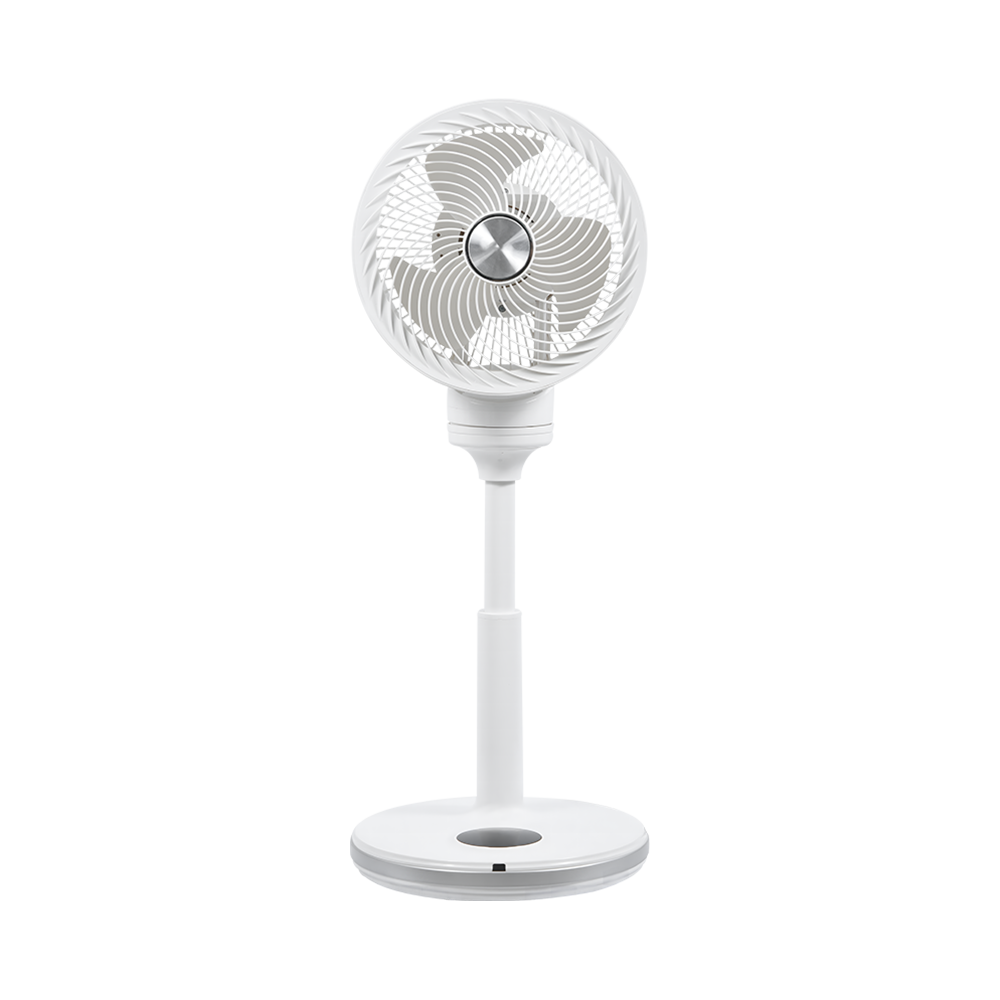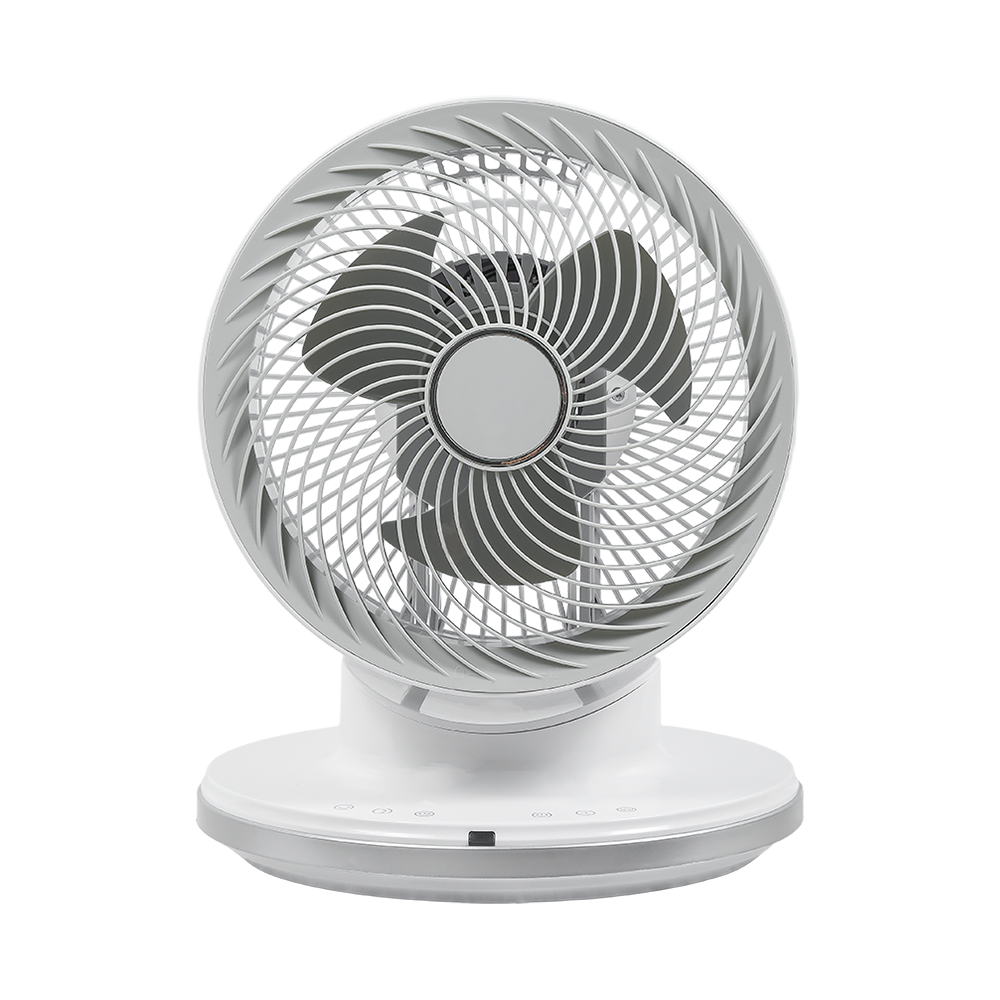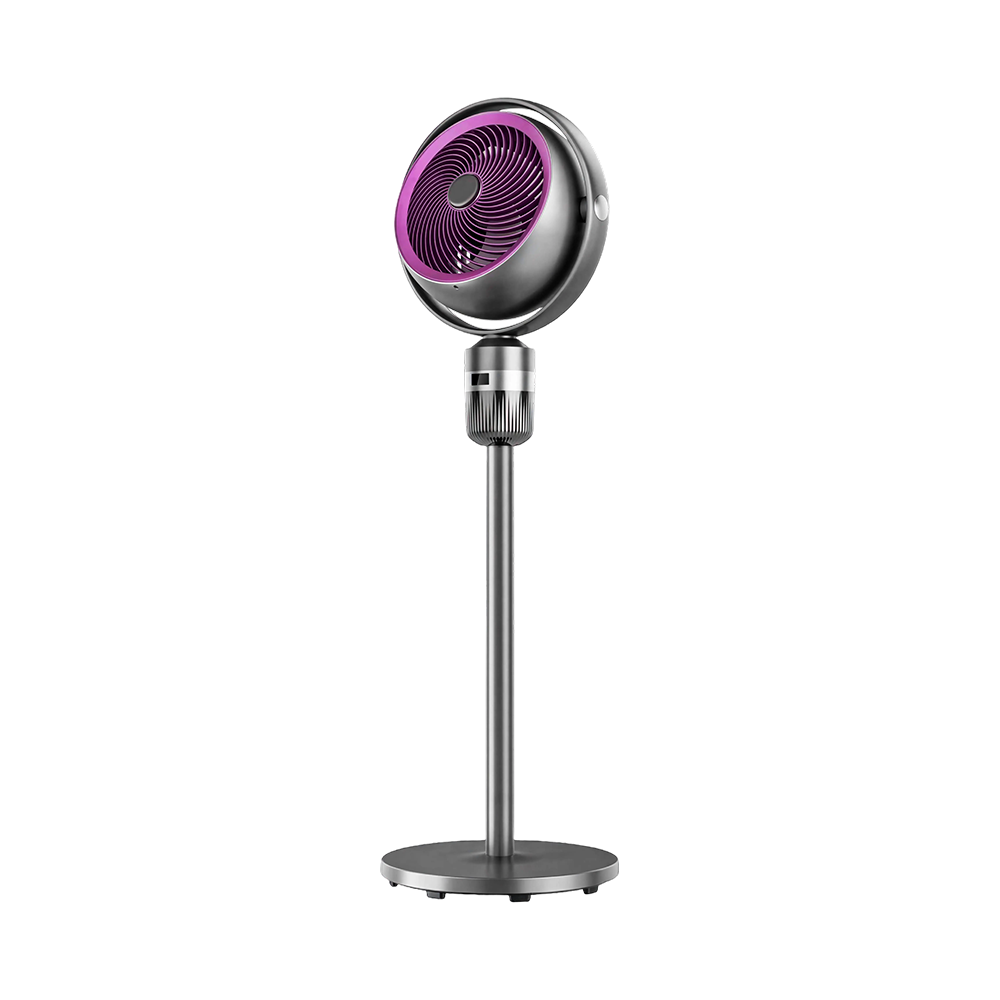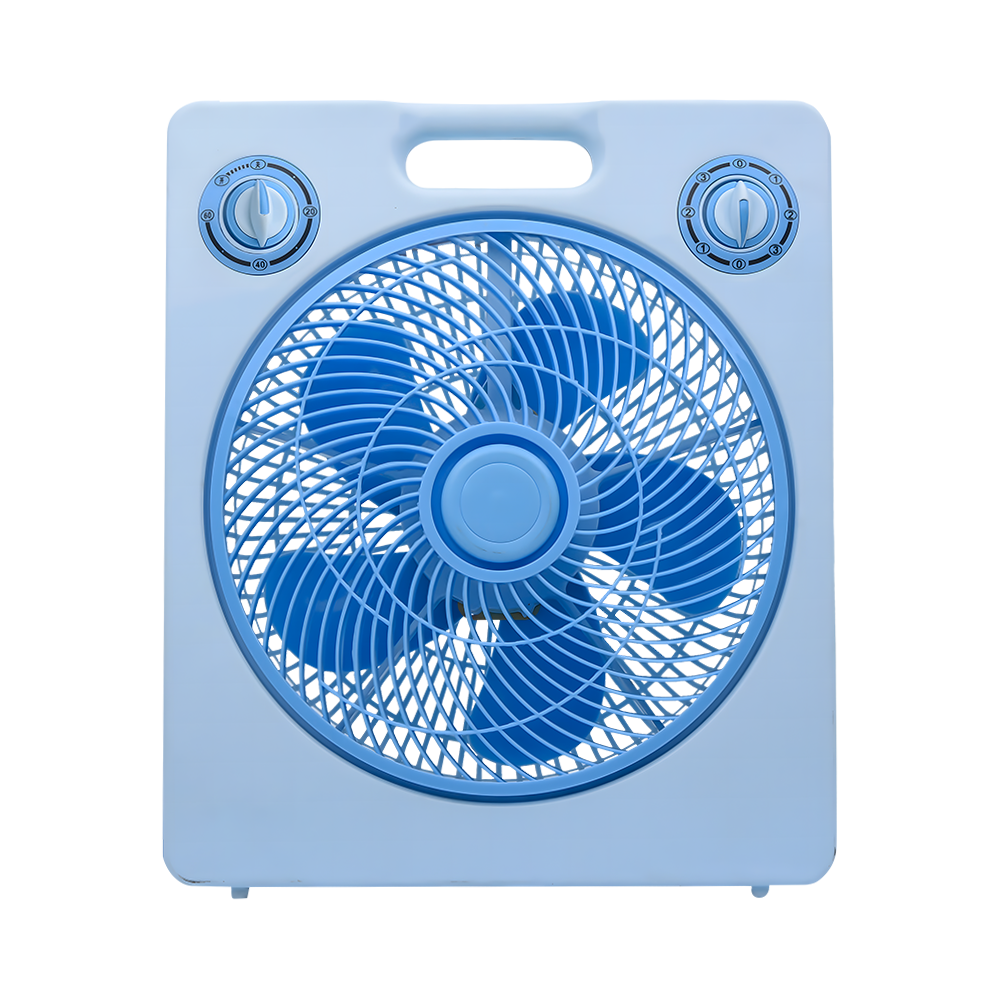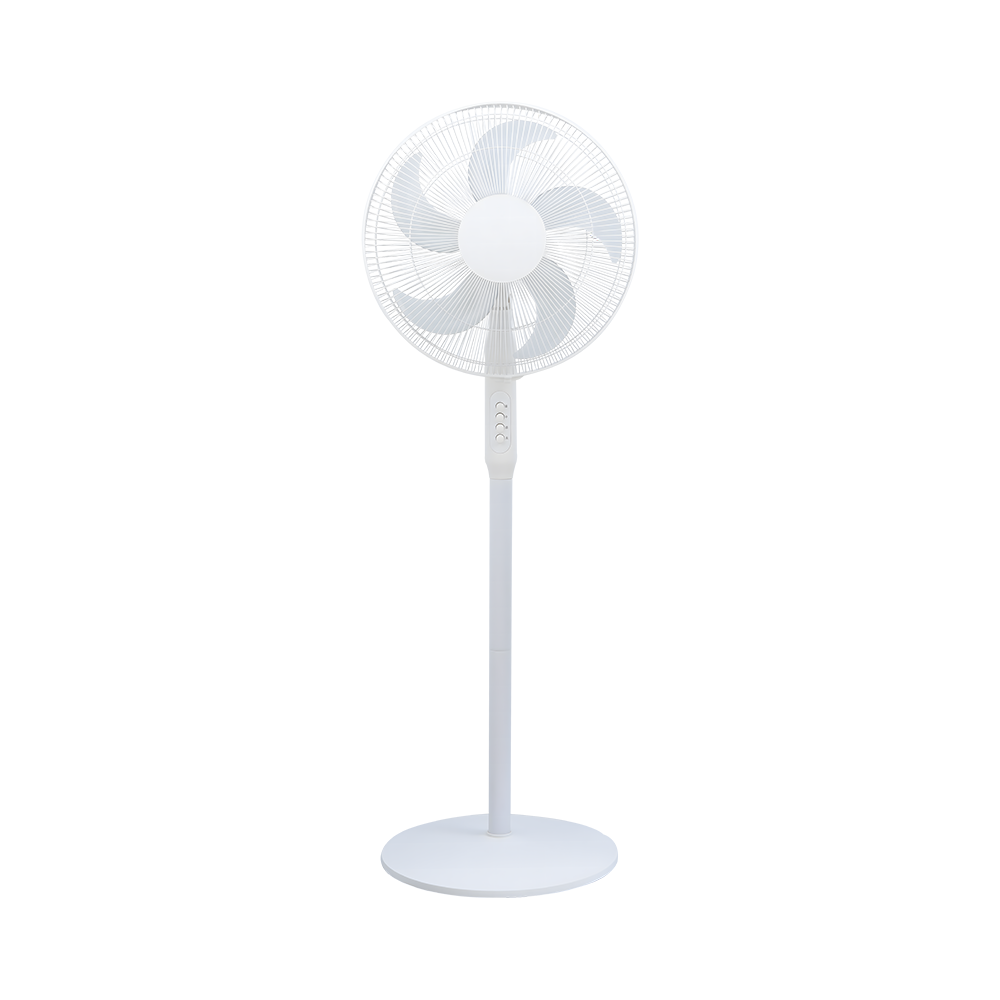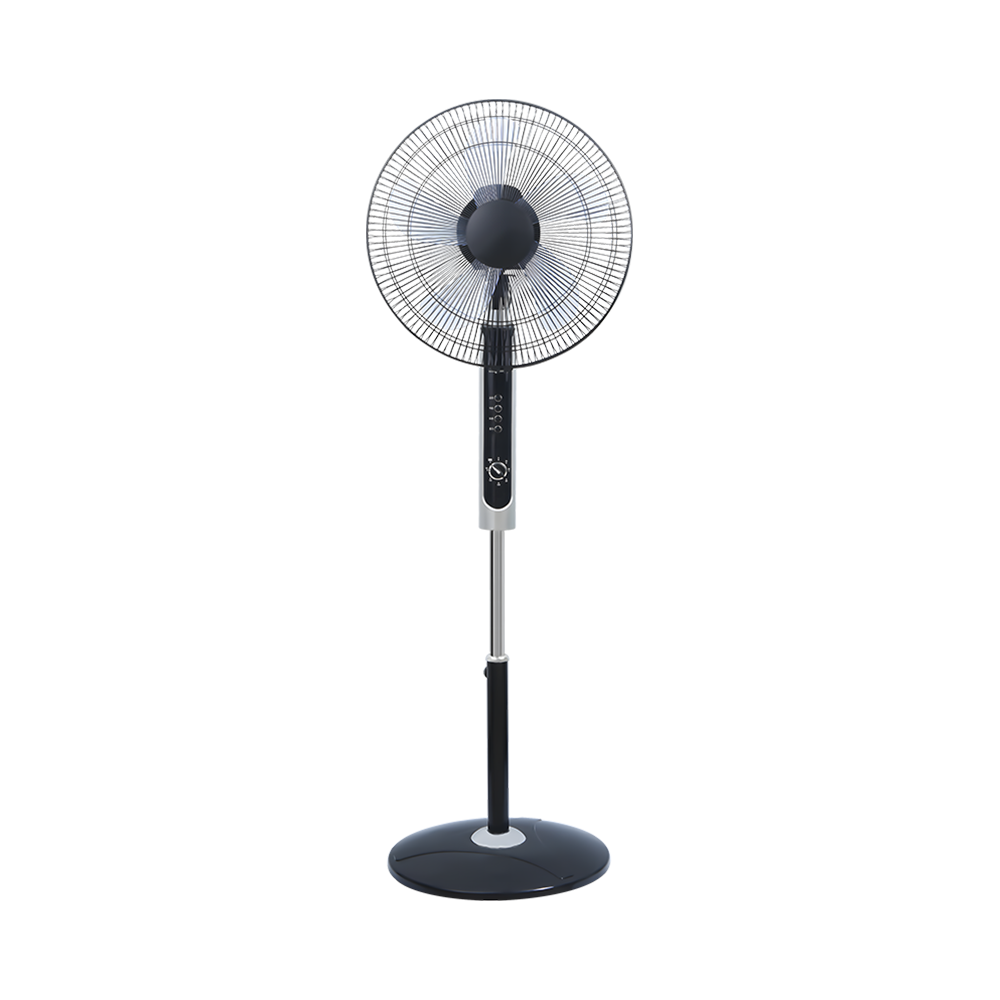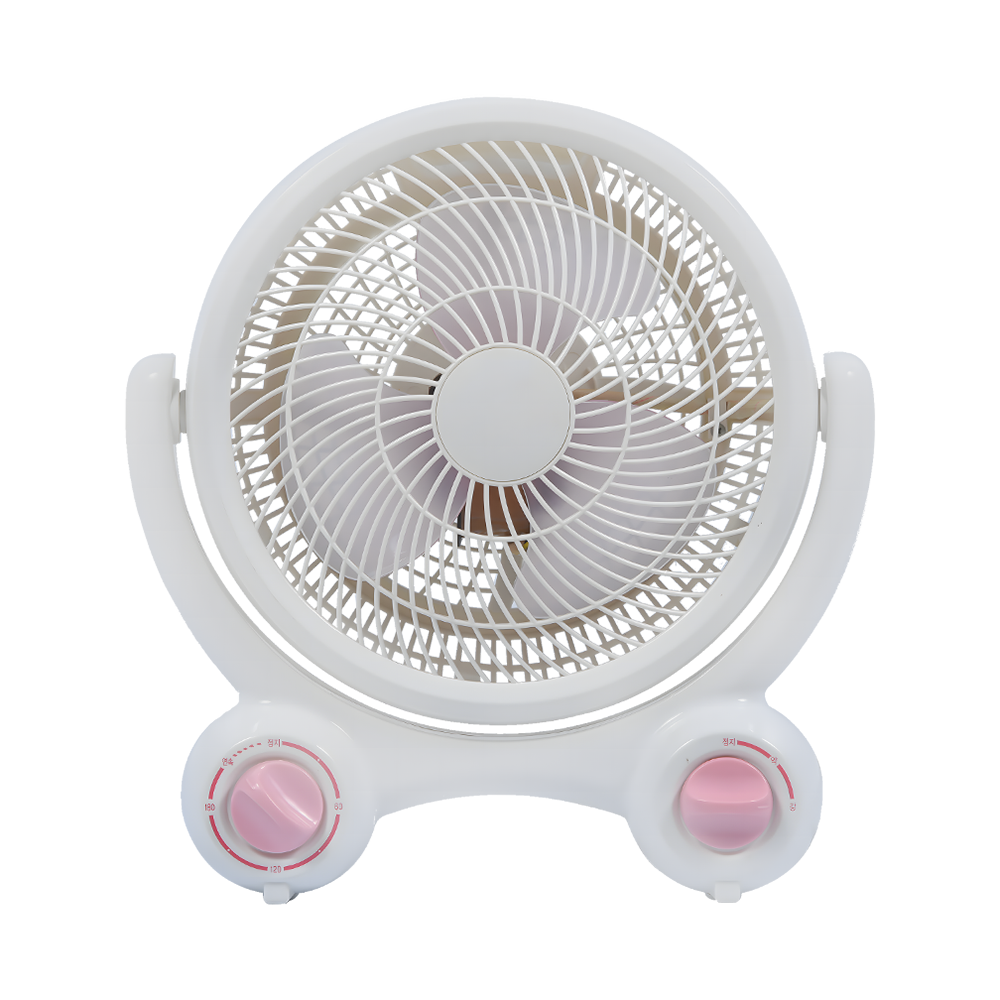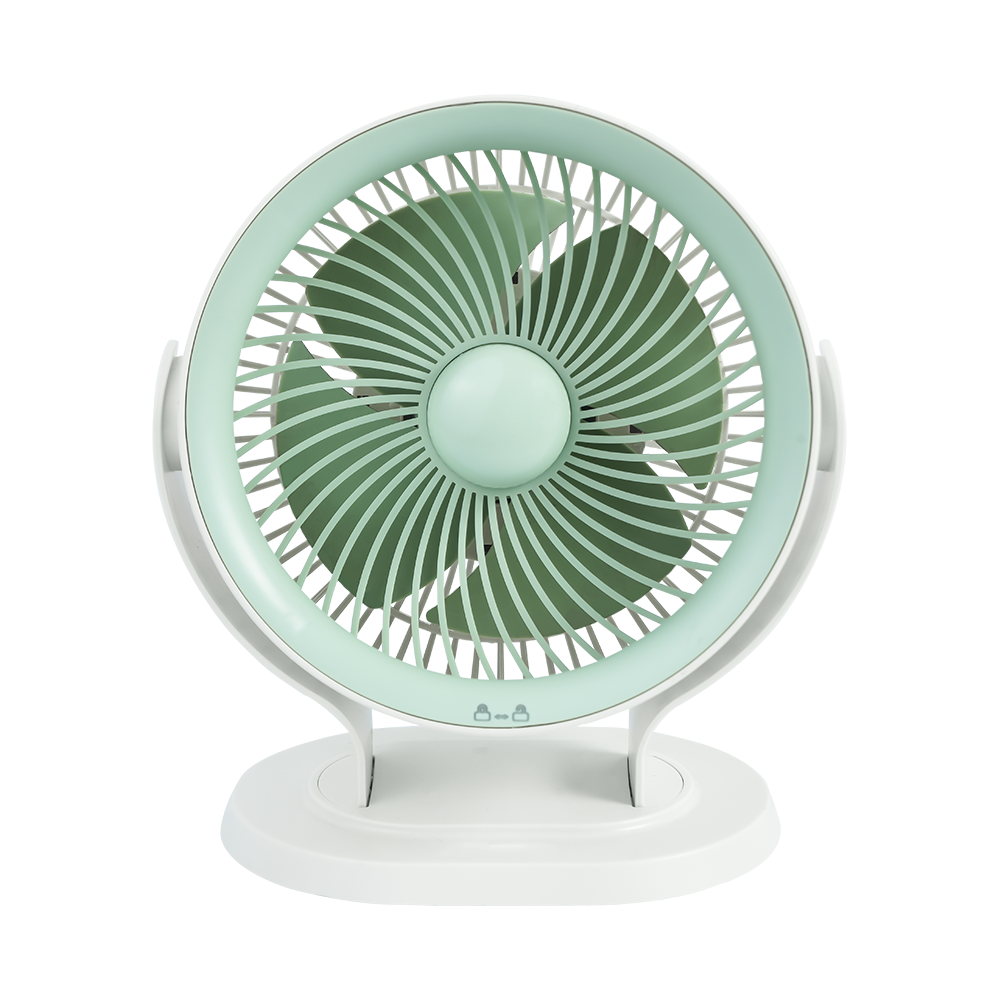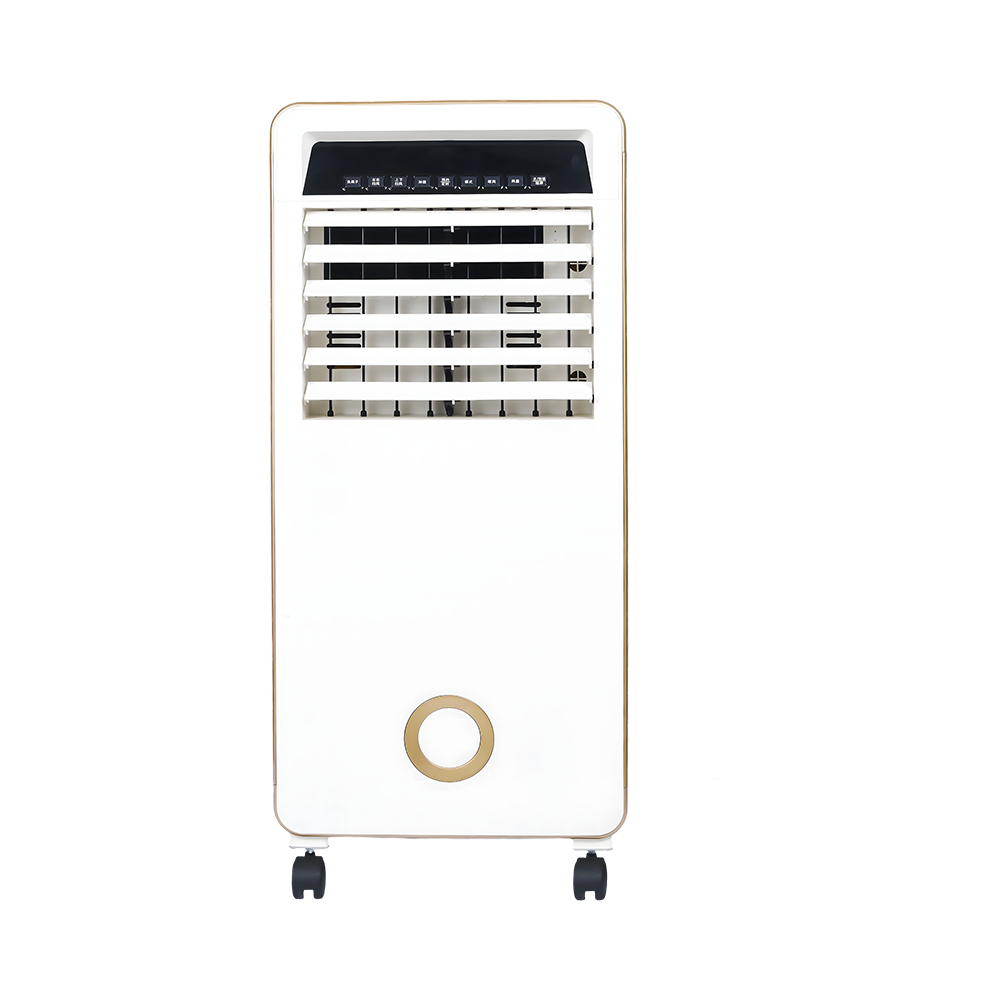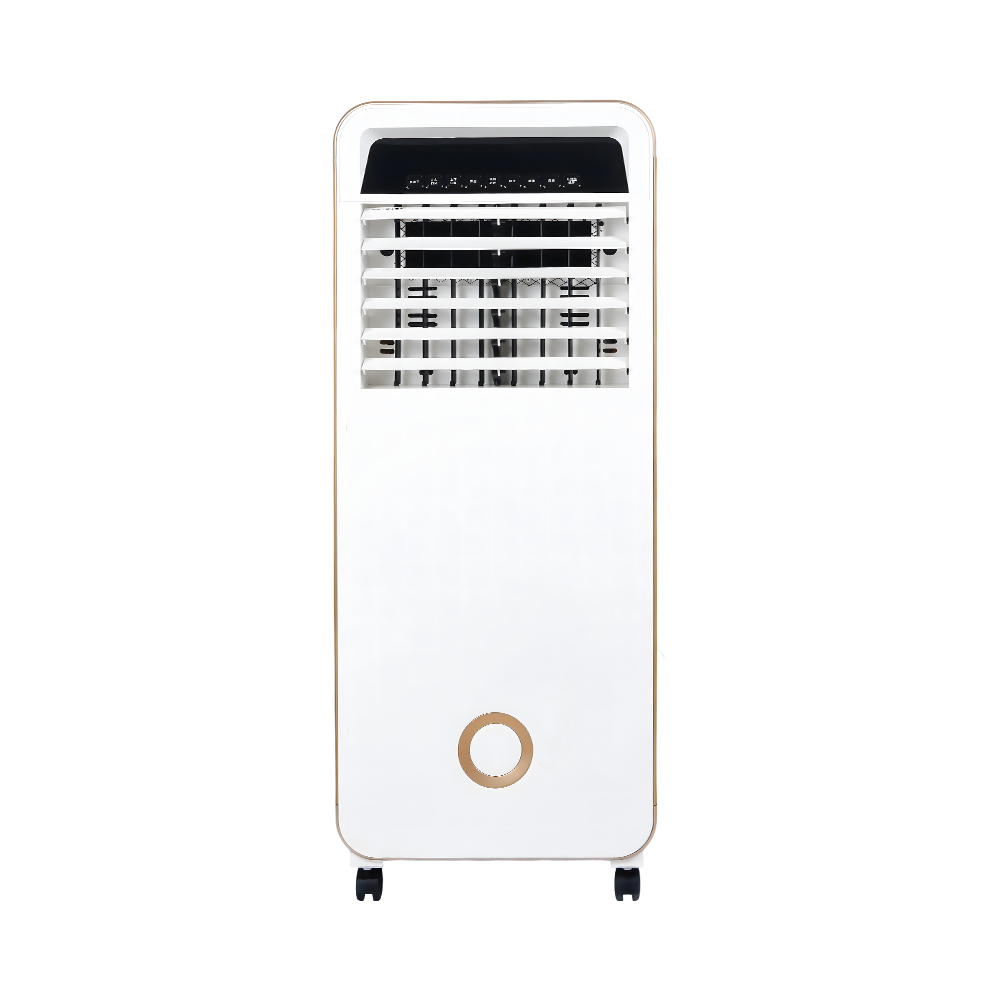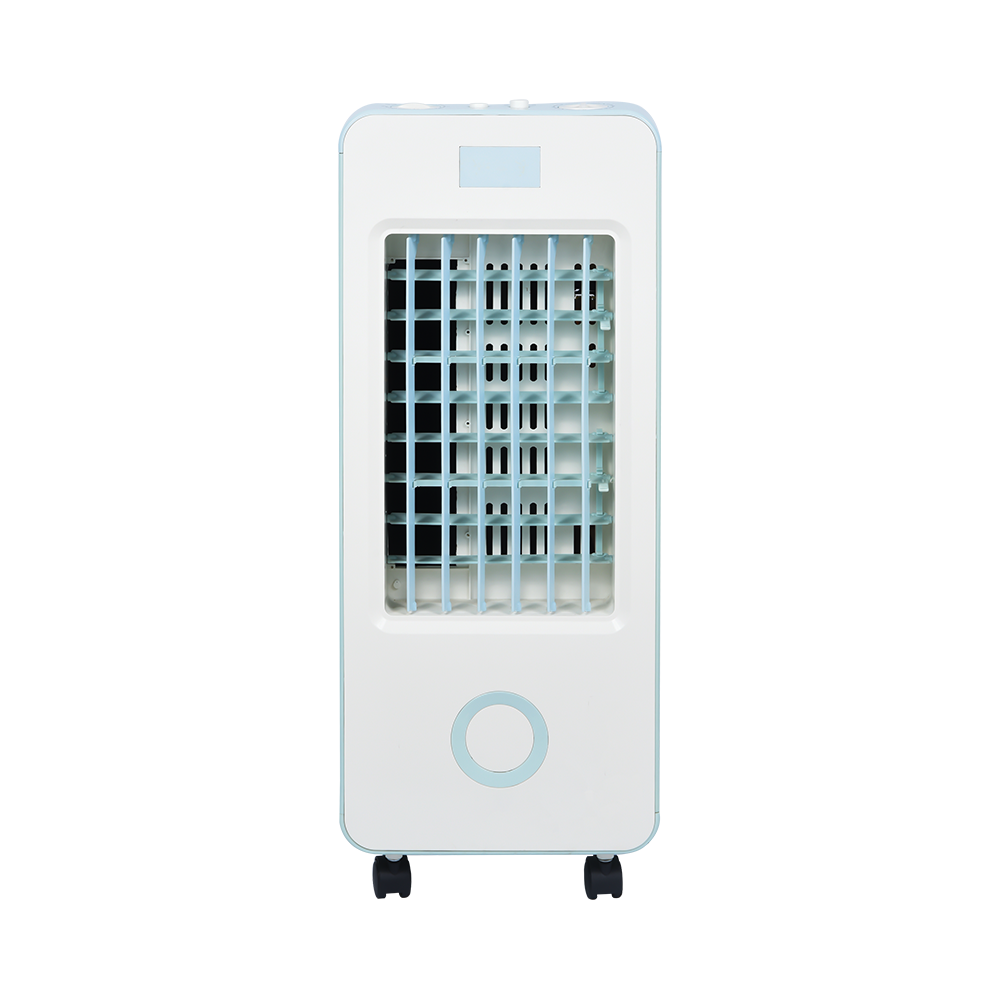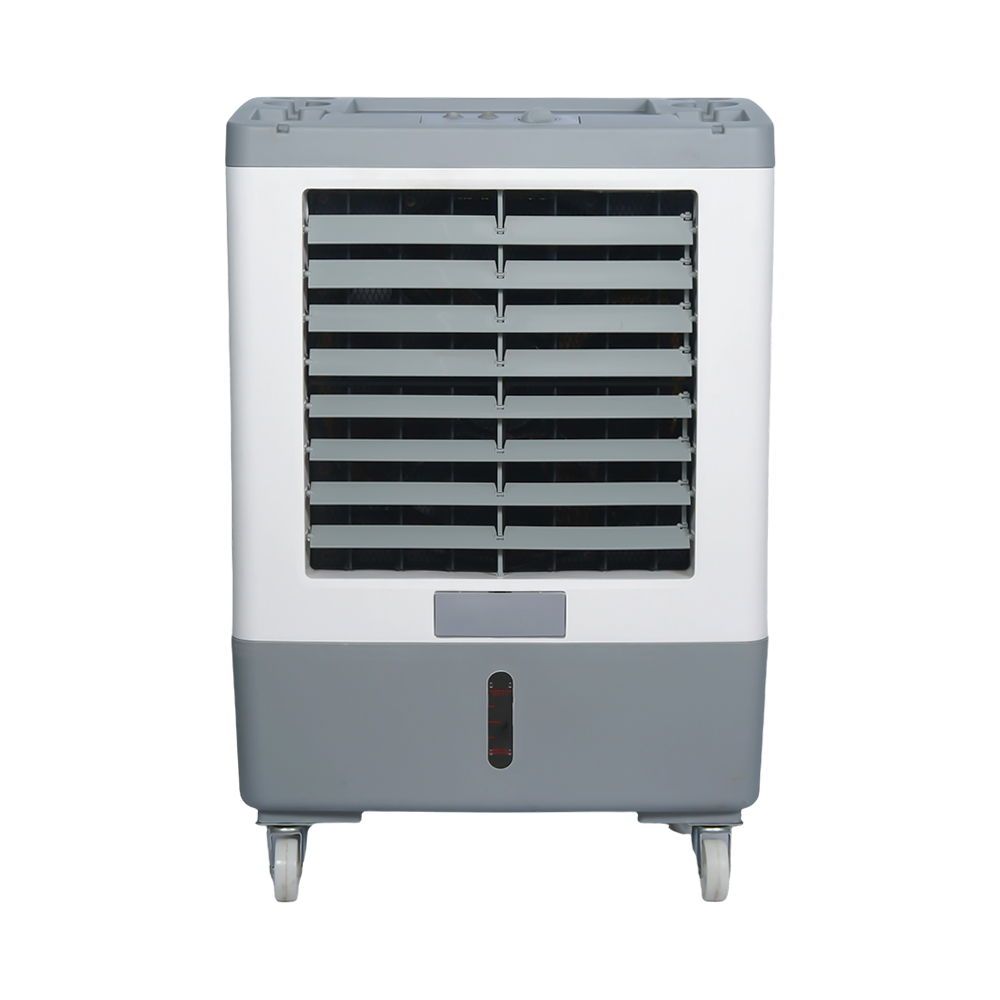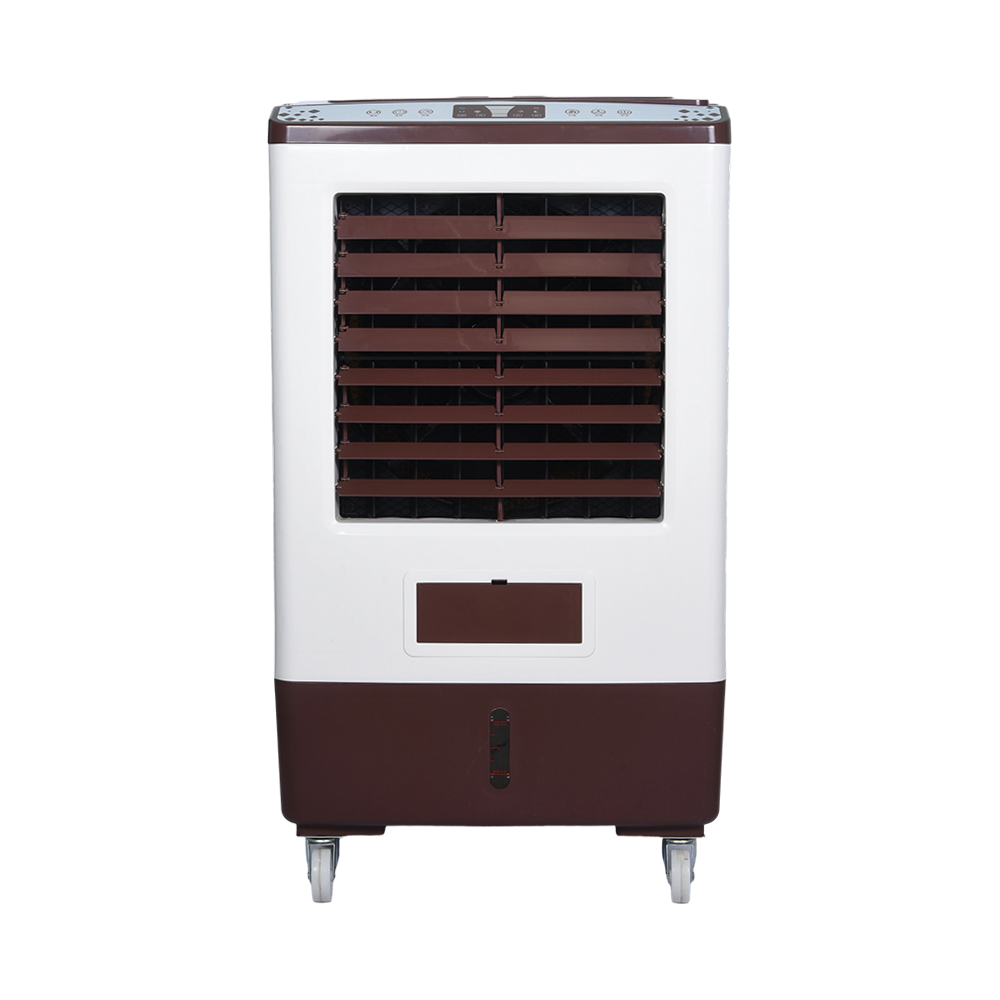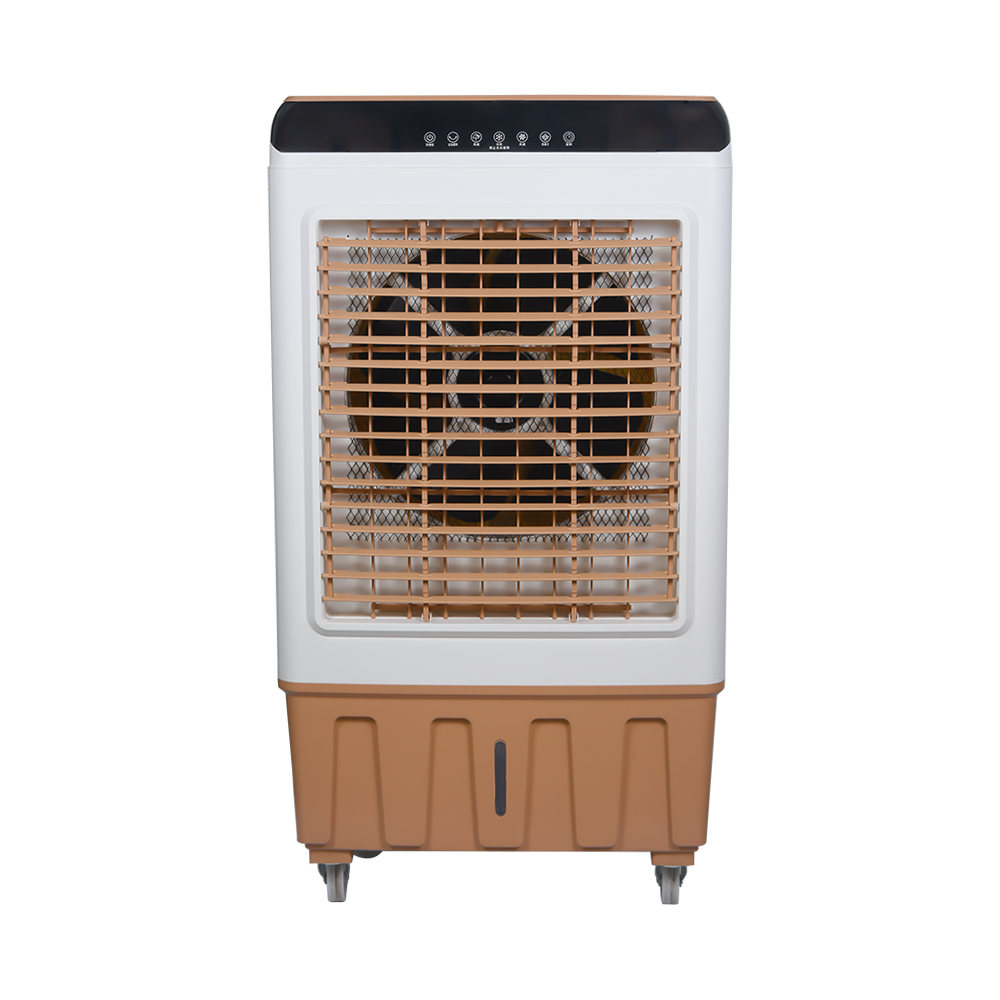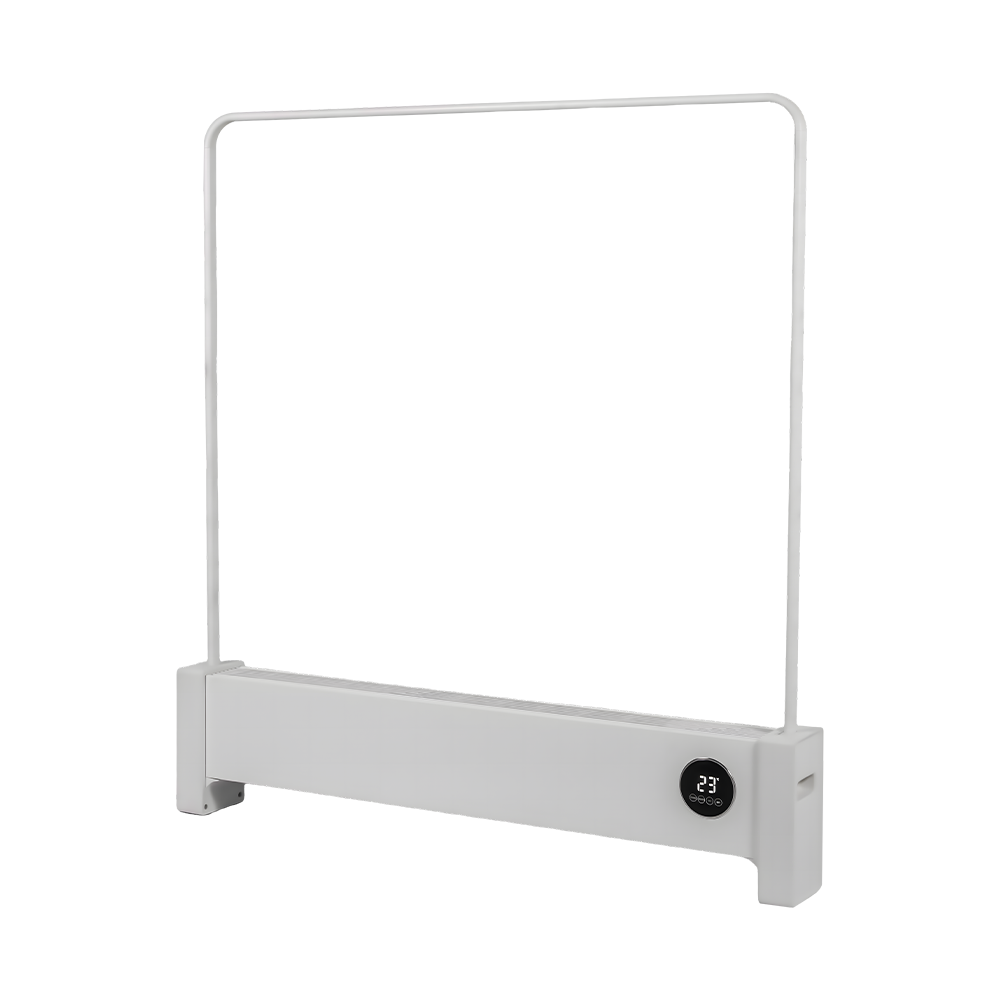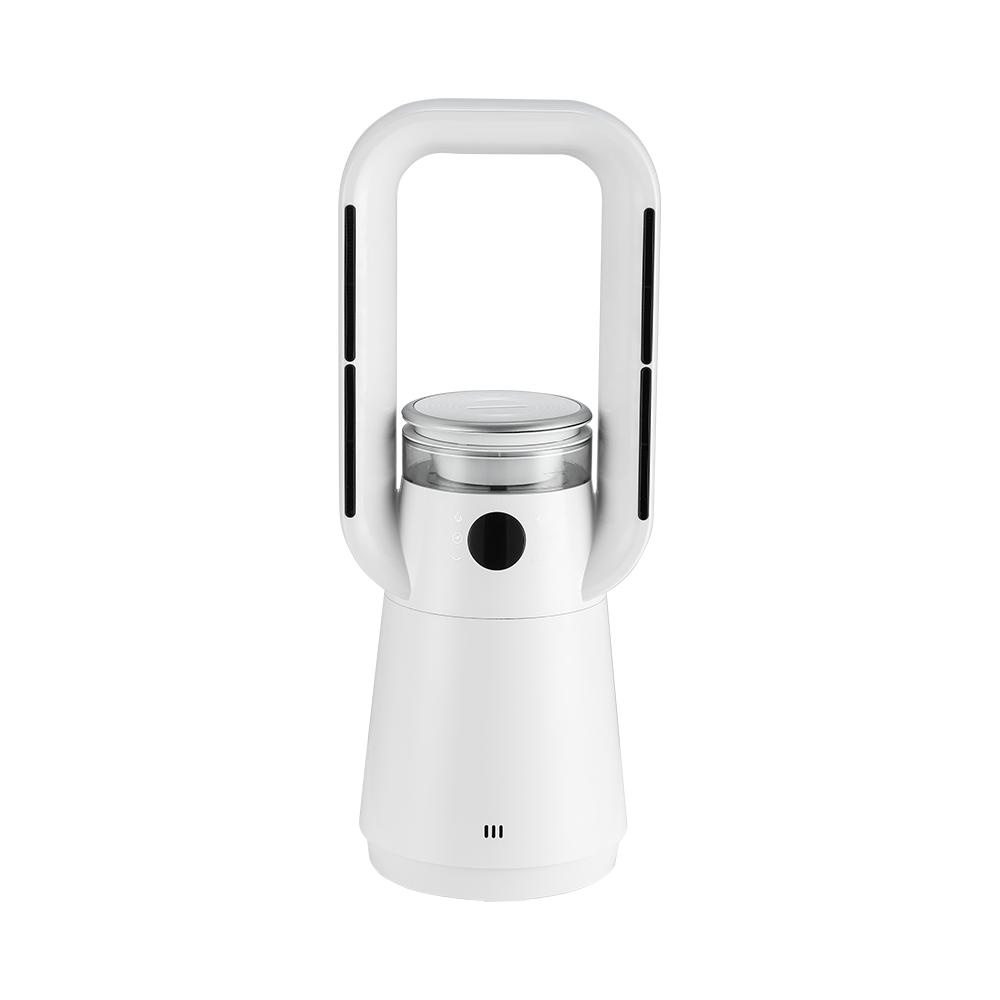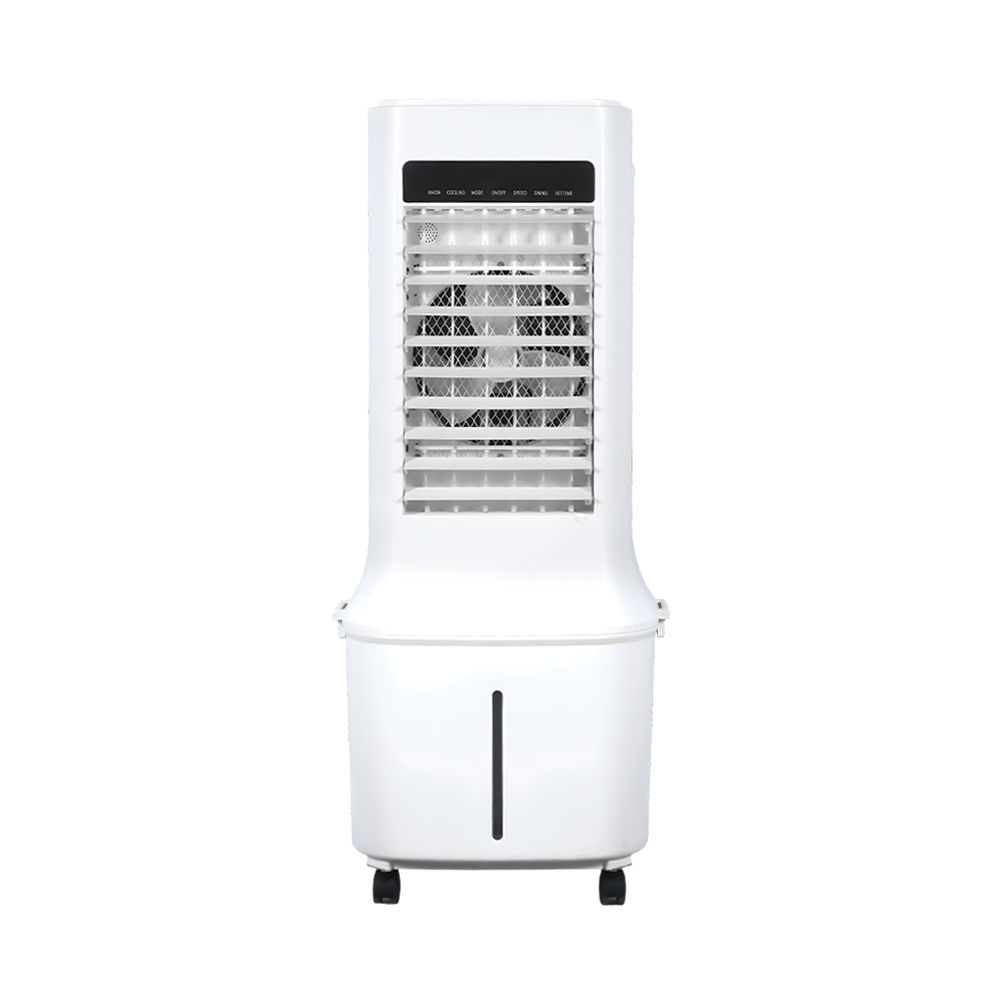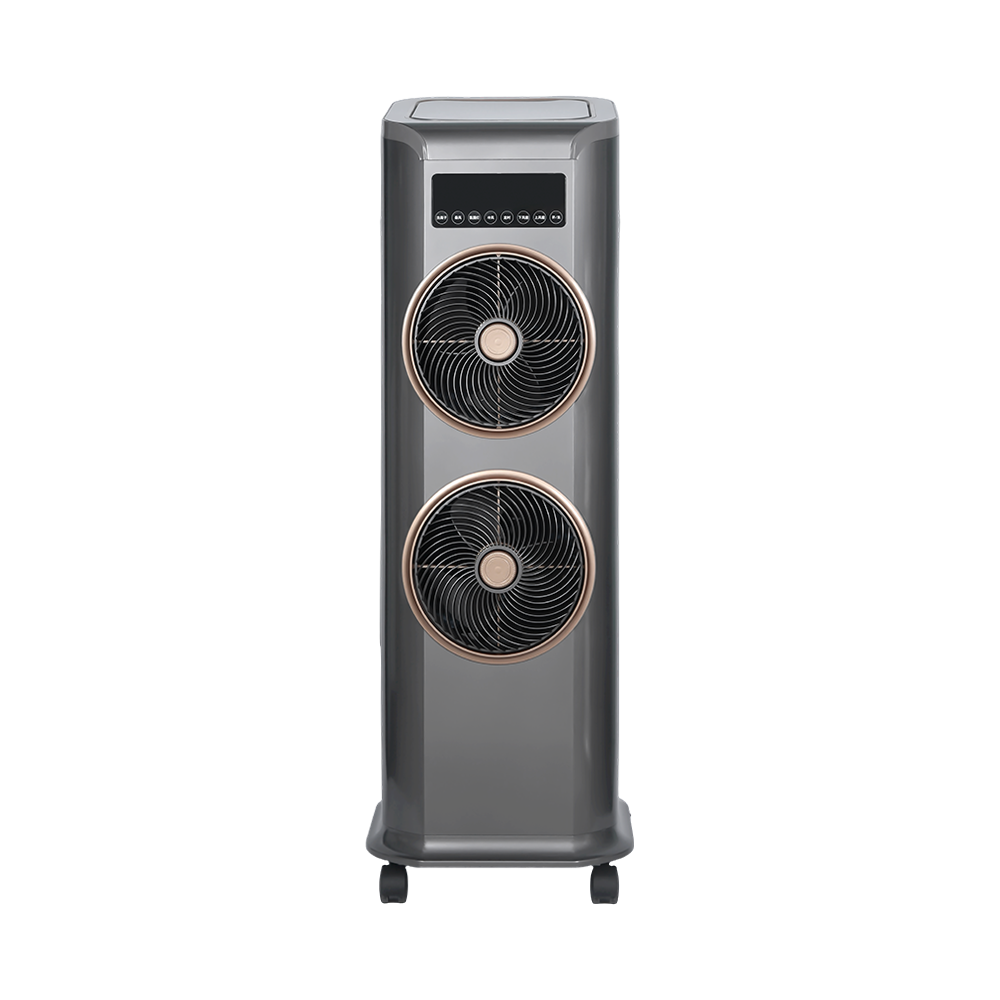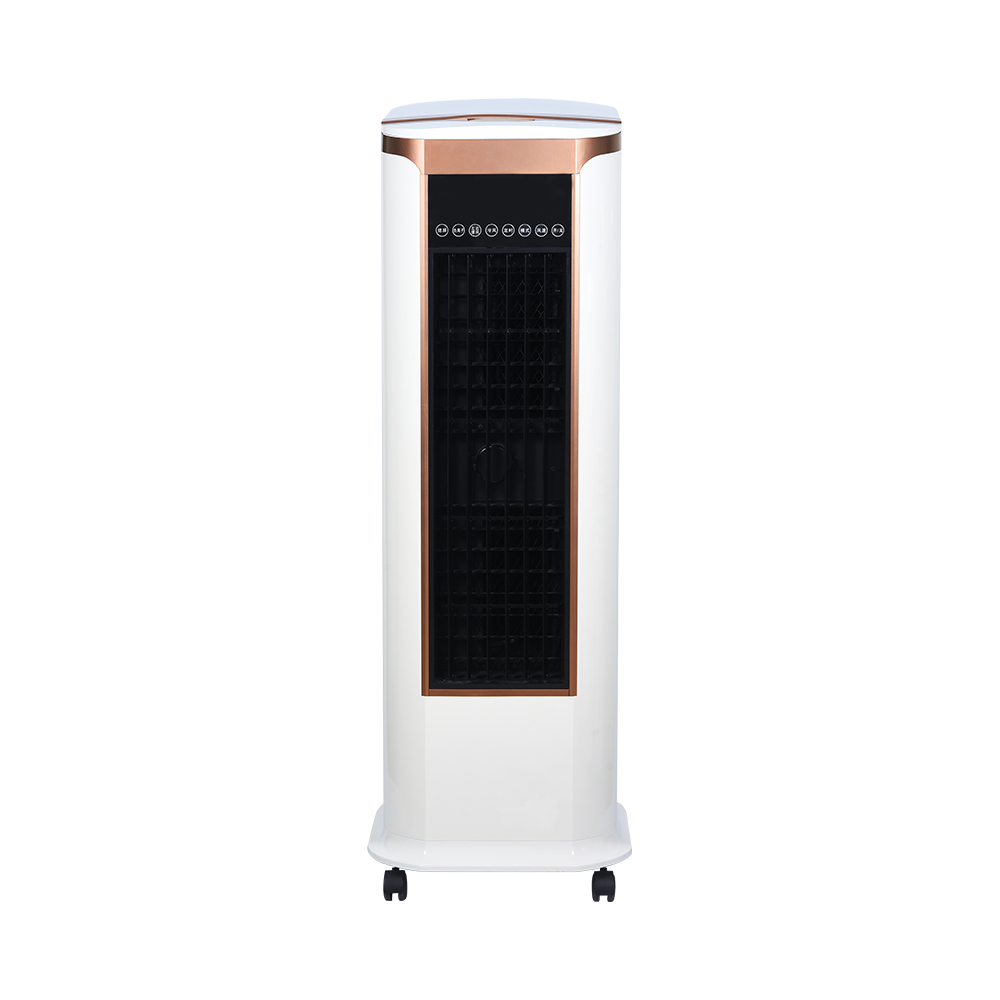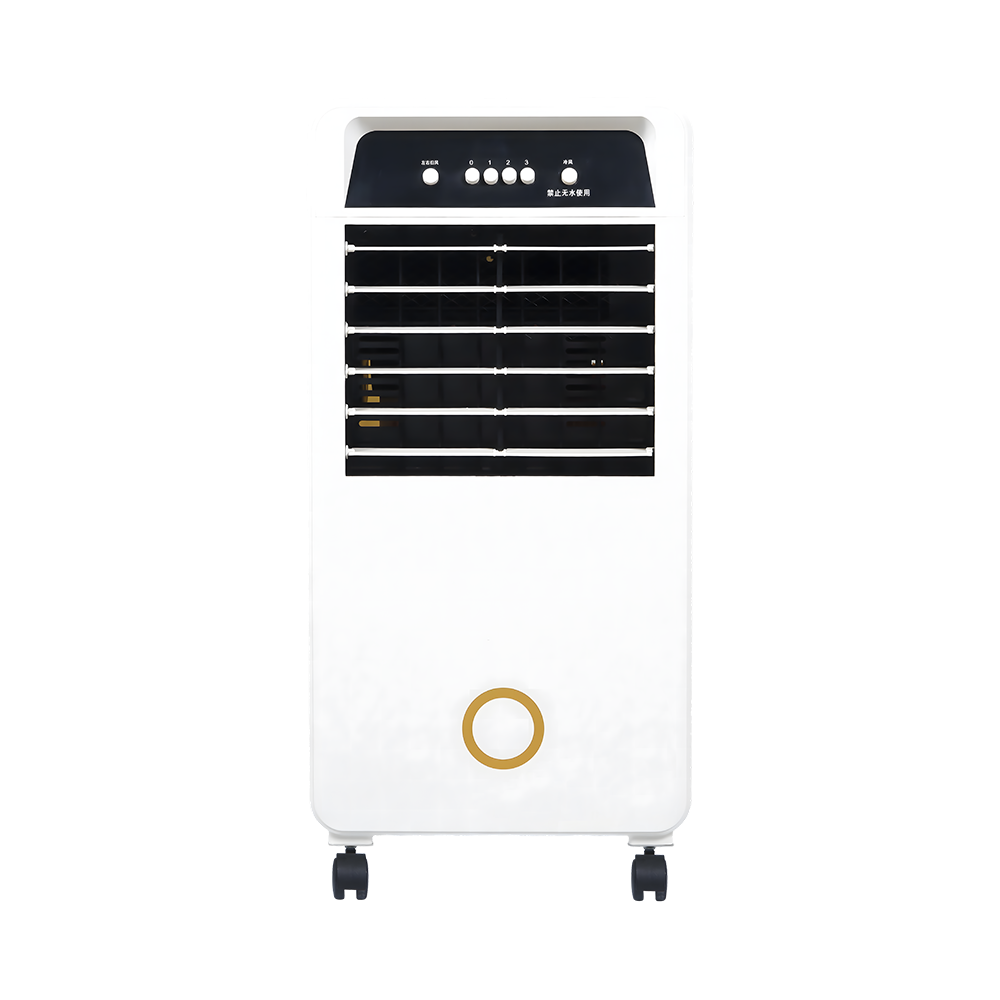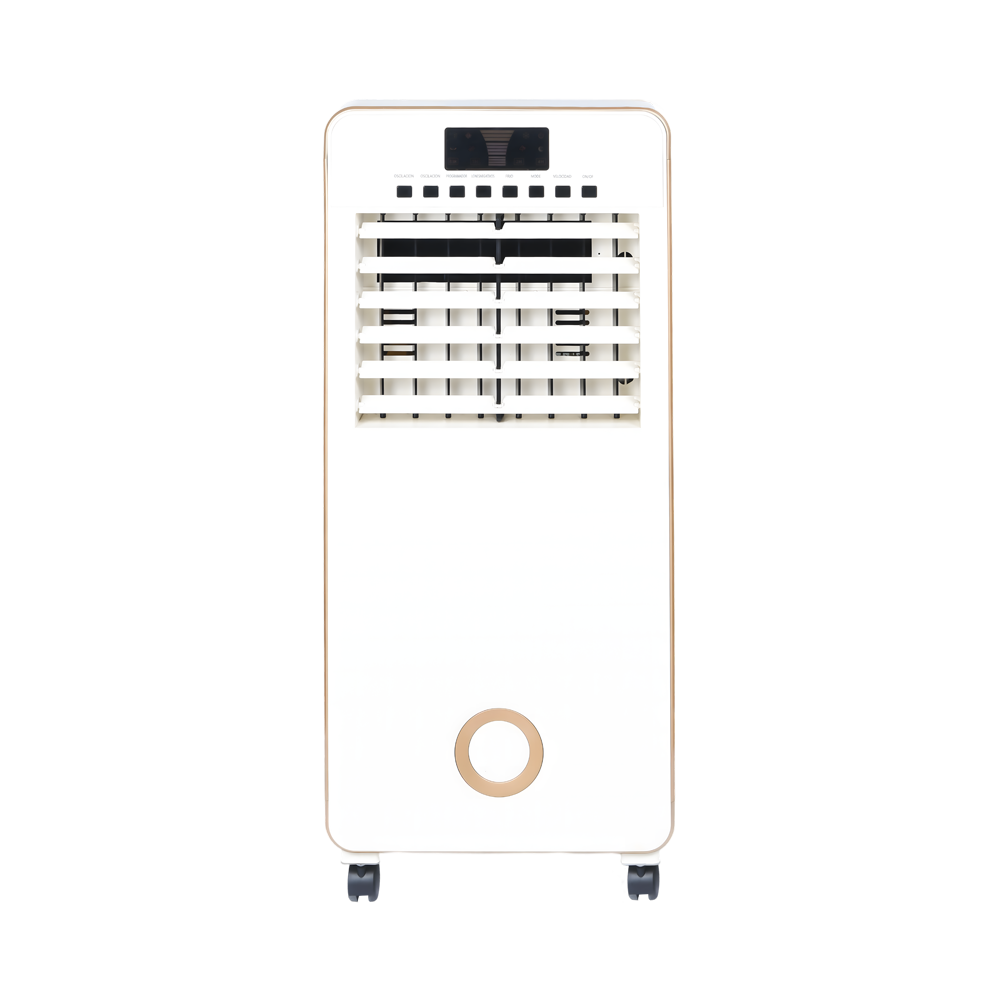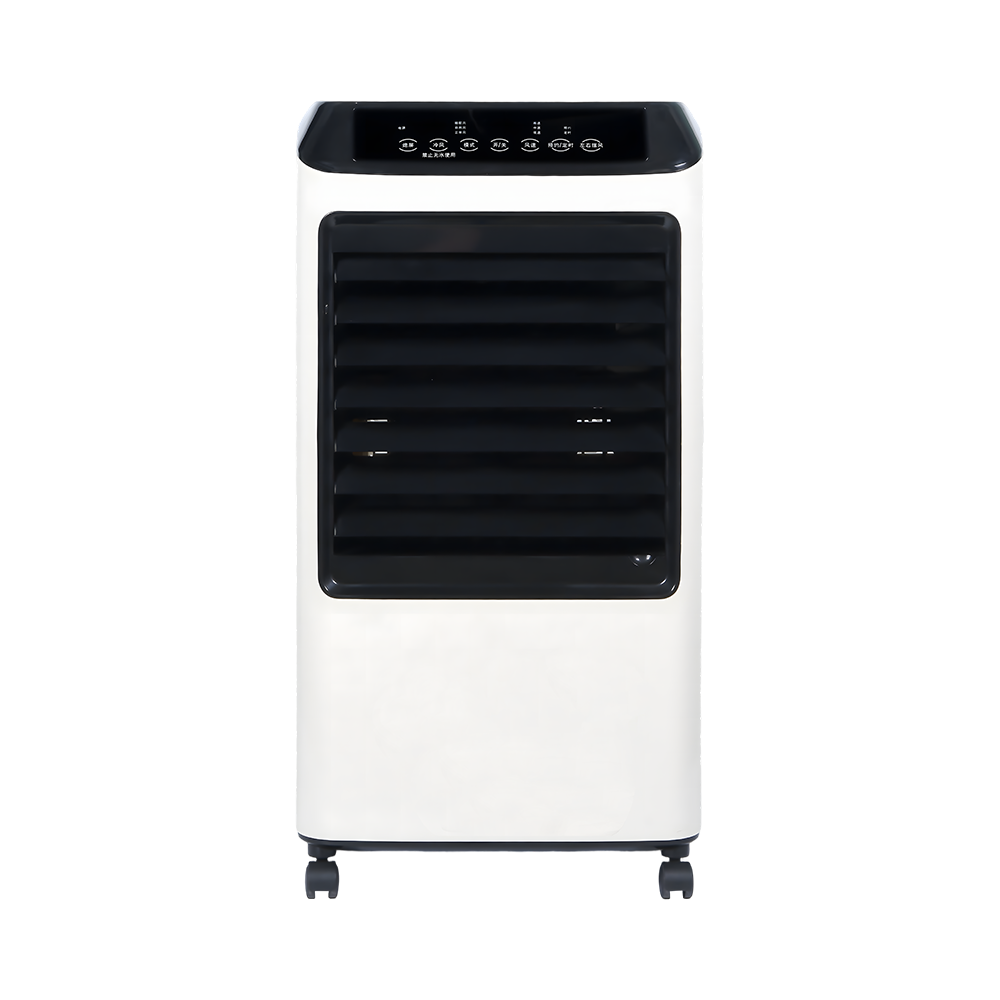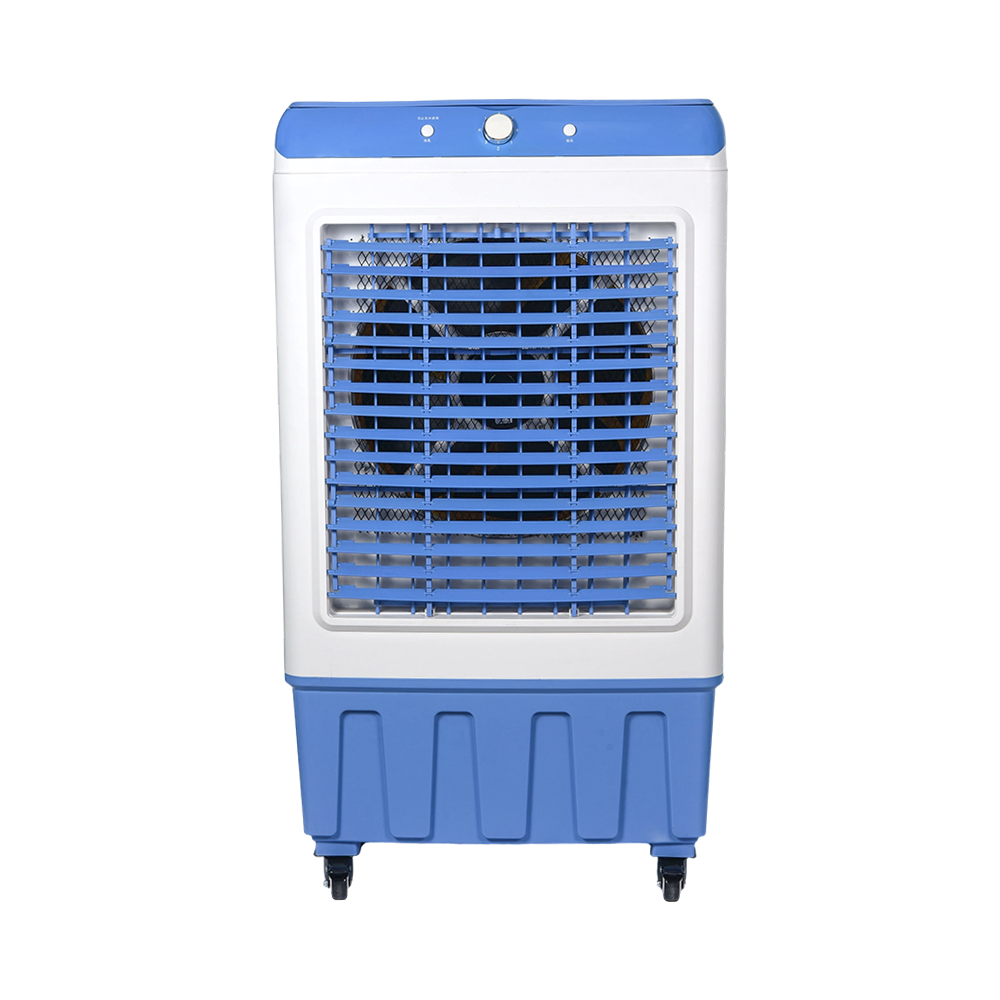


An air cooler captures excess indoor heat and transfers it outdoors using a closed-loop system with a circulating medium that absorbs and releases heat.
The process also removes moisture from the air, helping to reduce humidity and creating a cooler, drier environment.
By regulating temperature and humidity, air coolers provide a more comfortable living or working space, especially in hot and humid conditions.
Don't hesitate to contact when you need us!
We're a reliable partner that shapes our expertise into success for your project.
Oct 12, 2026
The Heated Ceiling Fan: Does It Exist? Smart Heat & Air Circulation Guide If you searched for a heated ceiling fan expecting one appliance that both blows air and warms a room, here is the direct answer: integrated heated ceiling fans exist, but they are a rare, mostly commercial niche. In ordinary homes they ra... read moreOct 05, 2026
Indoor Heaters Buying Guide: Types, Sizing, Wattage, Safety and Cost Tips The right indoor heater is chosen by room size first, heat technology second, and control features last. A 1,300W PTC heater is enough for a bedroom of about 8 to 10 m², while a 2,200W graphene baseboard heater is a better match for a livi... read moreSep 28, 2026
Best Heater for Greenhouse: Types, Sizing Tips and Buying Advice | Baopeng Short answer first: for most backyard and small commercial greenhouses, the best heater setup is a thermostat-controlled, fan-forced ceramic heater to hold overall air temperature, backed by a small radiant tube heater aimed at the bench o... read moreSep 21, 2026
Fan with Heat: How Fan Heaters Work, Which Type to Buy, and Where They Fit Best If a cold room needs to feel comfortable in minutes rather than an hour, a fan with heat — sold most often as a fan heater — is the most direct tool for the job. The unit pulls room air across a heating element and throws it back out as a ... read more
An electric air cooler works on a simple principle — pulling warm air through a wet cooling pad and pushing out cooler, moisture-carrying air — but the way that principle is engineered changes a lot from unit to unit. Under the broad label of air general cooler products, you'll find everything from compact home units to larger metal air cooler cabinets built for workshops and semi-outdoor spaces. Some are designed as a fresh air cooler for continuous ventilation, others run on a dc air cooler platform for low-voltage or solar setups, and buyers looking for stronger throw distance often ask about an ultra air cooler or a dependable cool air cooler for everyday cooling. This piece looks at what actually separates these designs from one another in daily use.
At Ningbo Baopeng Electric Appliance Co., Ltd, one of the first things we walk customers through is how fan speed and pad thickness need to be matched — a strong motor pushed through a thin pad just moves dry air faster, it doesn't cool it any better. In an electric air cooler, the pad's job is to slow the airflow just enough for evaporation to happen before the air exits, so pad density and fan speed are really one design decision, not two separate ones.
The chart below shows how output volume typically scales across the three common fan settings on a mid-size unit — the jump from low to high isn't linear, since higher speeds also pull more resistance through the wet pad.
This is also why an air general cooler spec sheet listing only a top-speed airflow number can be misleading — the more useful figure for daily comfort is usually the medium setting, since that's where most households and small offices actually run the unit for hours at a time.
Switching a unit from a standard AC motor to a low-voltage DC motor changes more than the power draw. A dc air cooler generally runs quieter at comparable airflow, since the motor doesn't need to overcome the same startup inrush current, and it's easier to pair with solar panels or battery packs for off-grid use. The trade-off is usually a slightly lower peak airflow ceiling compared to a similarly sized AC unit pushed at full speed. For custom orders, our team at Ningbo Baopeng Electric Appliance Co., Ltd can work through which motor type fits a buyer's power source and noise requirements before production starts, since we provide professional customization services to meet specific product requirements.
Neither motor type is universally "better" — it comes down to matching the setup to where the unit will actually run, indoors on mains power versus outdoors or off-grid.
Housing material matters more for air coolers than for most other small appliances, mainly because the internal water tank and pad keep the interior humid for long stretches. A metal air cooler body resists warping under that constant moisture better than most plastics, and it tends to hold up better against repeated moving and knocking around on job sites or in workshop settings. The table below lays out the practical differences buyers usually ask about.
| Attribute | Metal Housing | Plastic Housing |
|---|---|---|
| Weight | Heavier, more stable footing | Lighter, easier to carry |
| Moisture resistance | Strong with coated finish | Good, but can flex over time |
| Best setting | Workshops, semi-outdoor use | Home, office, light commercial |
Whichever housing a buyer chooses, packaging is what actually gets the unit there in one piece — our packaging at Ningbo Baopeng Electric Appliance Co., Ltd is professionally designed and strictly tested so it protects the product from damage during transportation and storage.
Even a well-built cool air cooler underperforms if it's placed wrong. Evaporative cooling needs a source of dry outside air coming in and somewhere for the cooled air to go — running one in a fully sealed room just raises humidity without dropping the temperature much. Positioning a fresh air cooler near a partially open window or door, with airflow able to move through the space rather than just circulate in one corner, makes a noticeable difference within the first half hour of running it.
The line below illustrates a typical temperature drop pattern once a unit is running with proper cross-ventilation — most of the drop happens early, then levels off as the room reaches equilibrium with the incoming cooled air.
For anyone sourcing units for resale or a larger site, our team at Ningbo Baopeng Electric Appliance Co., Ltd can walk through placement and ventilation questions as part of the quoting conversation — to help buyers get an accurate quote quickly, they can request one directly, and we'll follow up promptly to confirm specifications, quantity, and any customization needed.
Does an air cooler work the same way as an air conditioner?
No — an air cooler uses water evaporation to cool air, while an air conditioner uses a refrigerant cycle. Coolers work best in drier climates and need airflow through the space, whereas air conditioners work in any humidity but require a sealed room.
How often should the cooling pad be checked or replaced?
A pad running with clean water and light use can often last a full season, but hard water or heavy daily use tends to clog the pad's honeycomb structure faster, which shows up as weaker cooling before the pad looks visibly worn.
Is a DC-powered cooler suitable for continuous indoor use?
Yes, DC units run well indoors on mains power through an adapter — the main reason to choose one is usually lower noise and compatibility with battery or solar setups, not a limitation on where it can be used.
Can production progress be tracked after placing a bulk order?
Yes — buyers can get real-time updates through online communication with our team, and we provide timely feedback on production progress via your preferred online channel so you always know where the order stands.
Don't hesitate to contact when you need us!
For any questions and feedback from customers, we will reply patiently and meticulously.

The product has obtained multiple domestic and international certifications, including 3C, CE, ROHS, CB, and the ISO9001 quality management system.
CONTACT US
Address: No. 118, Guyao Highway, Zhangqi Town, Cixi City, Zhejiang Province, China
Wechat: +86-15921162693
Email: [email protected]
Mobile



 English
 Español
 عربى
عربى