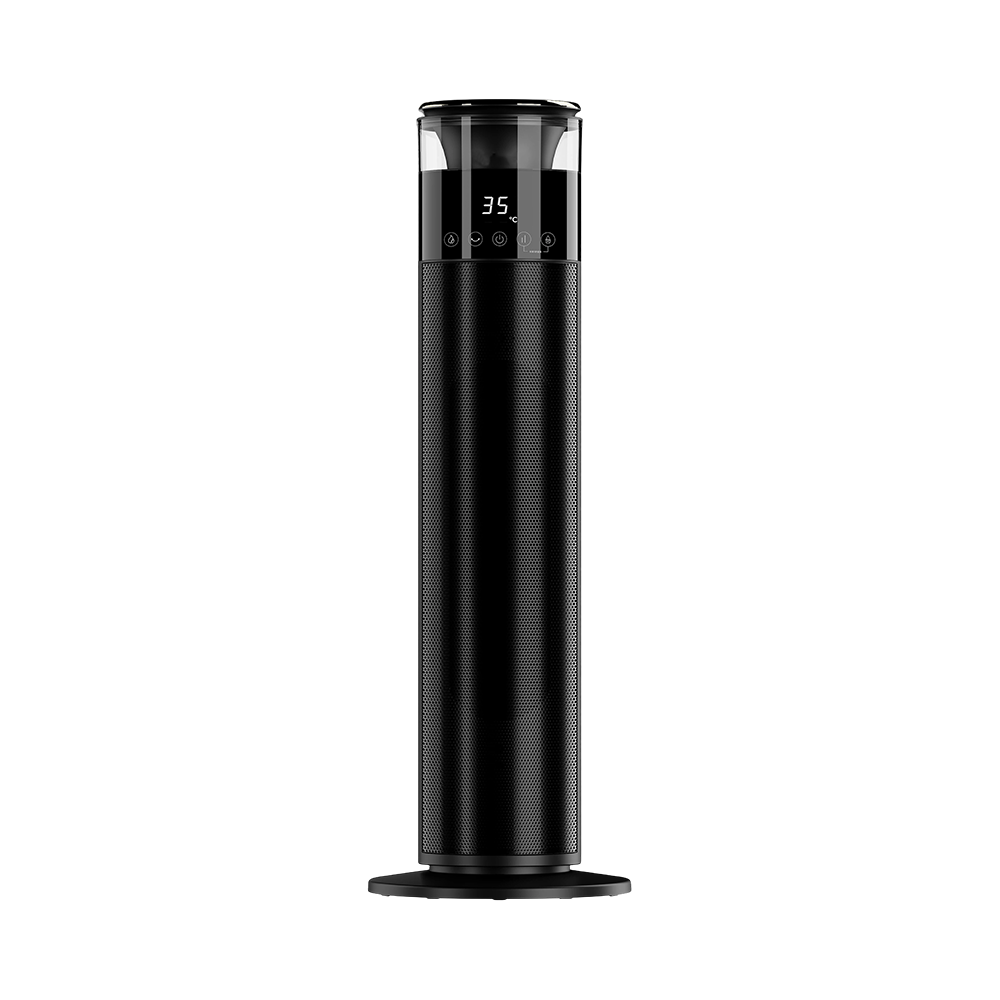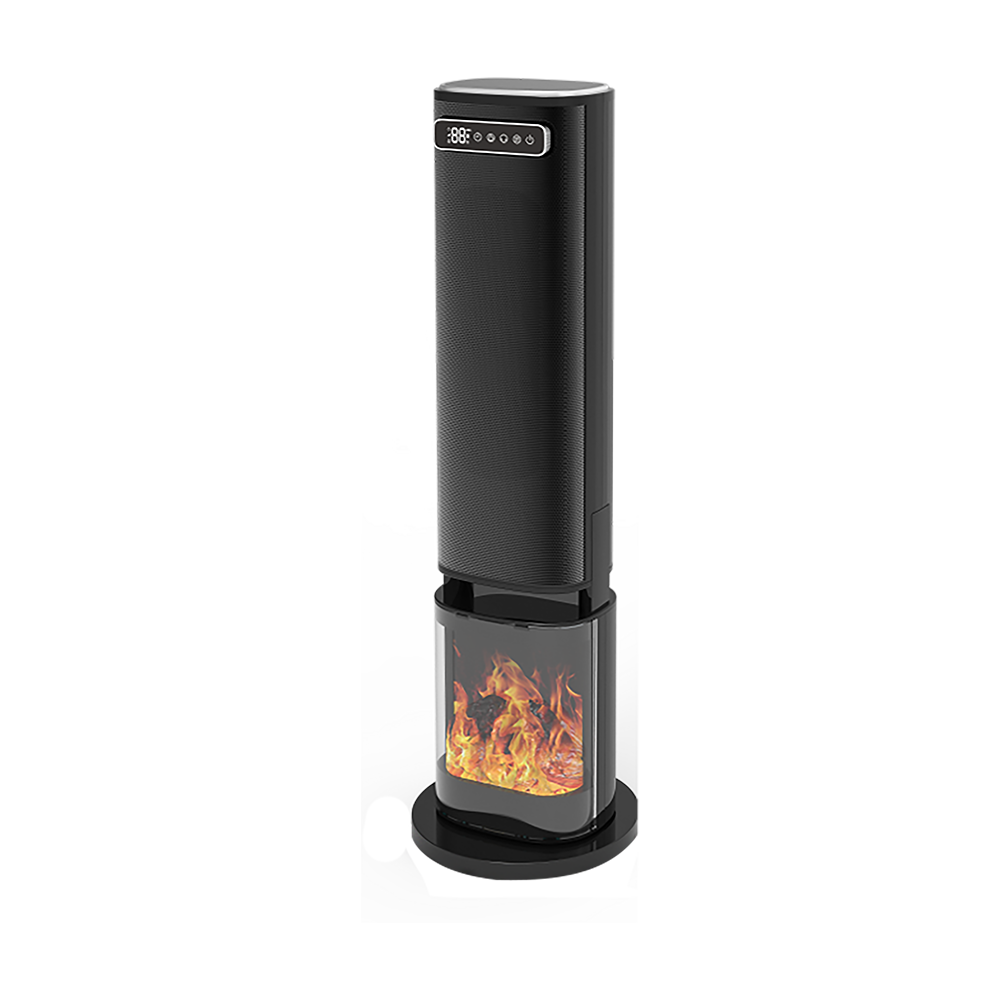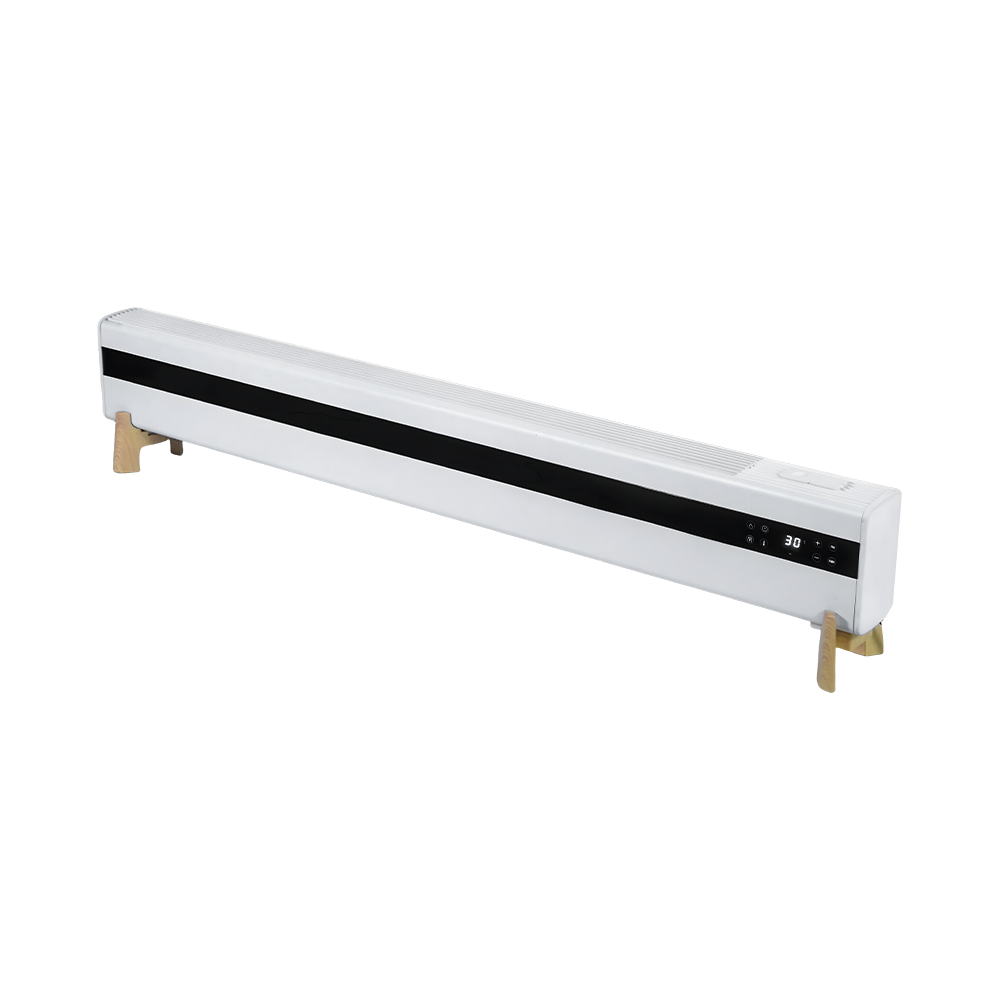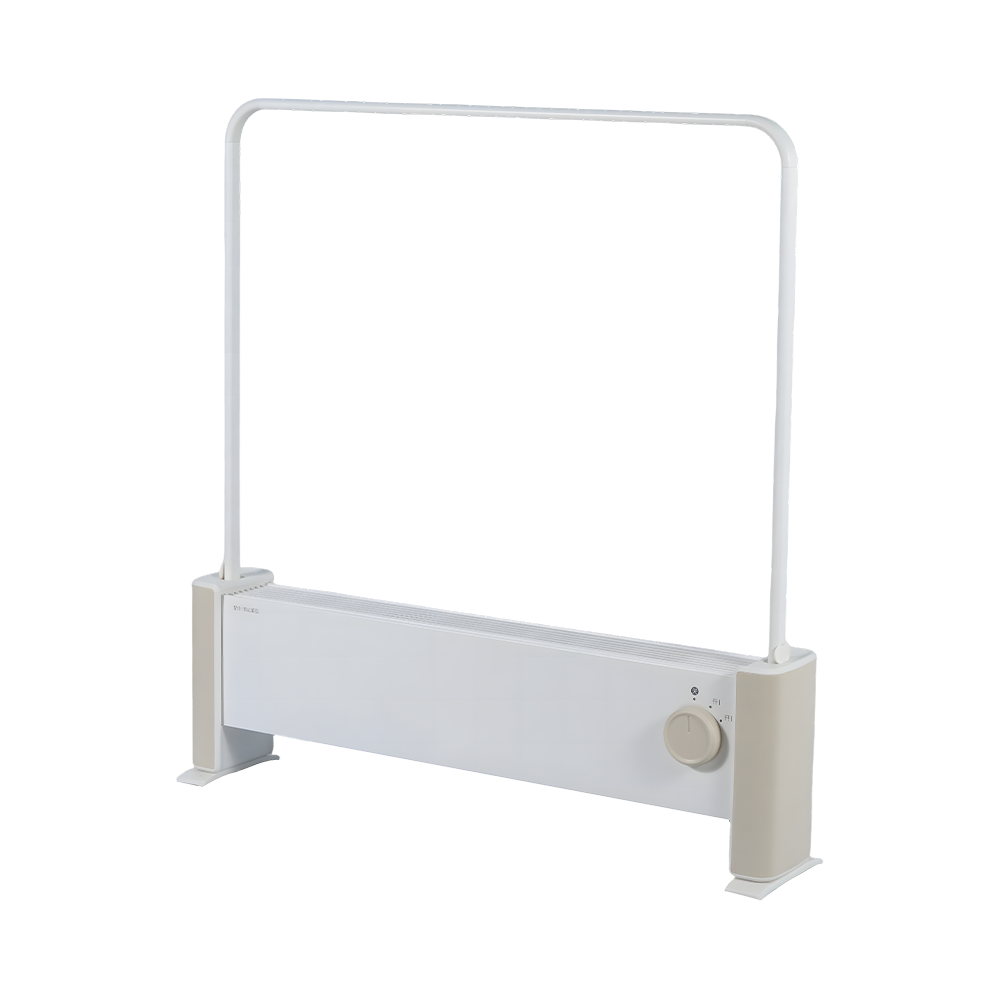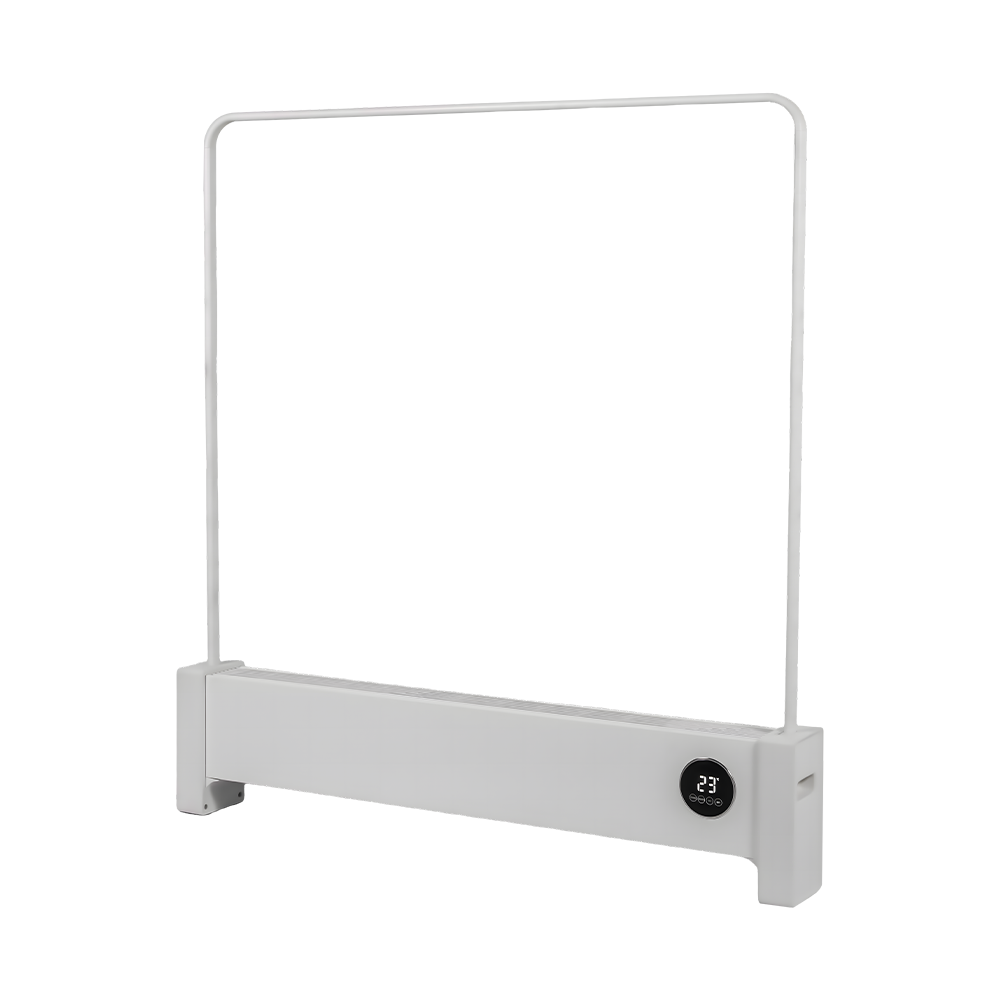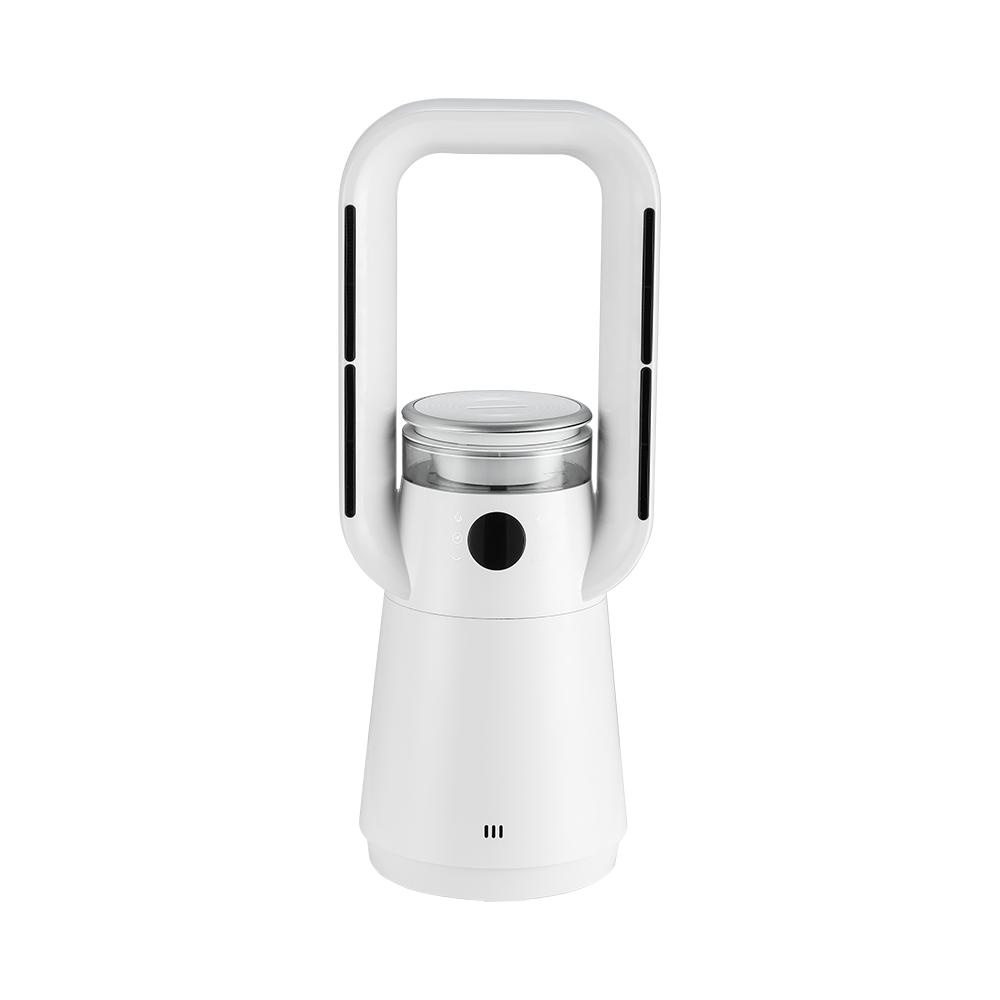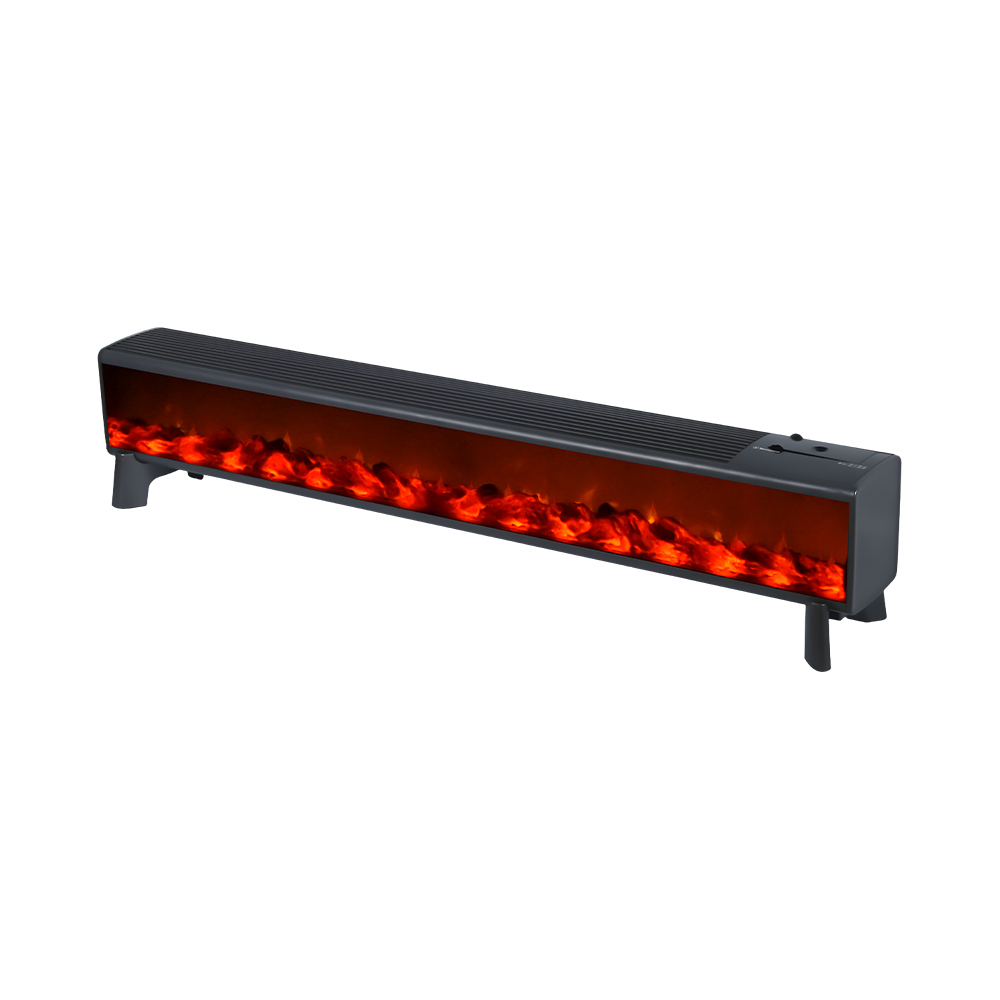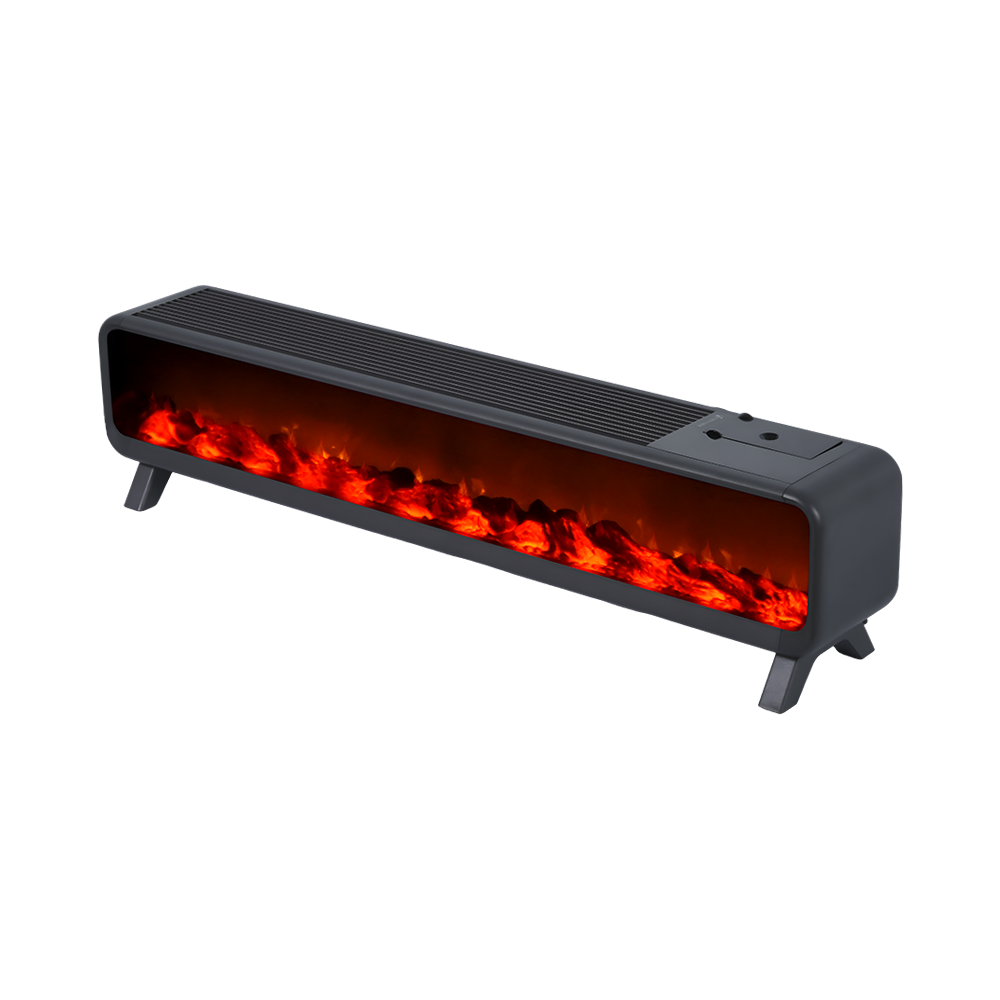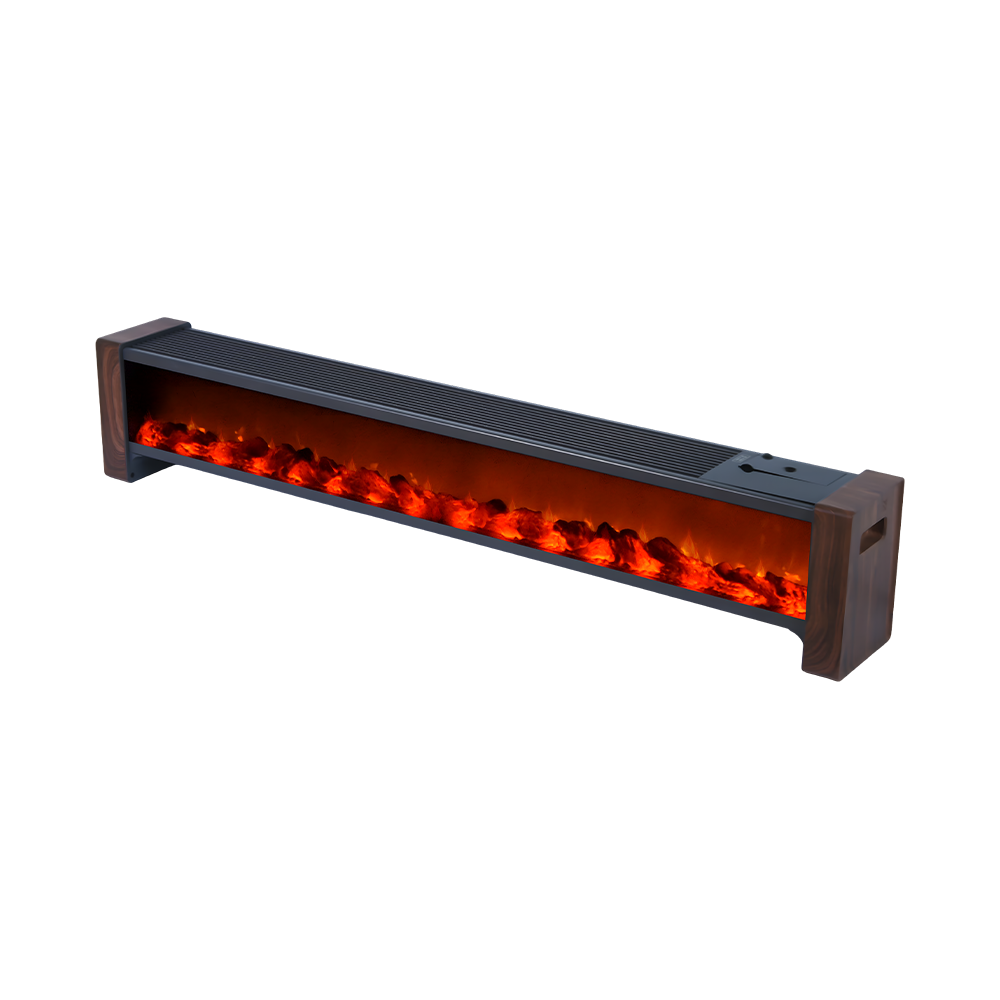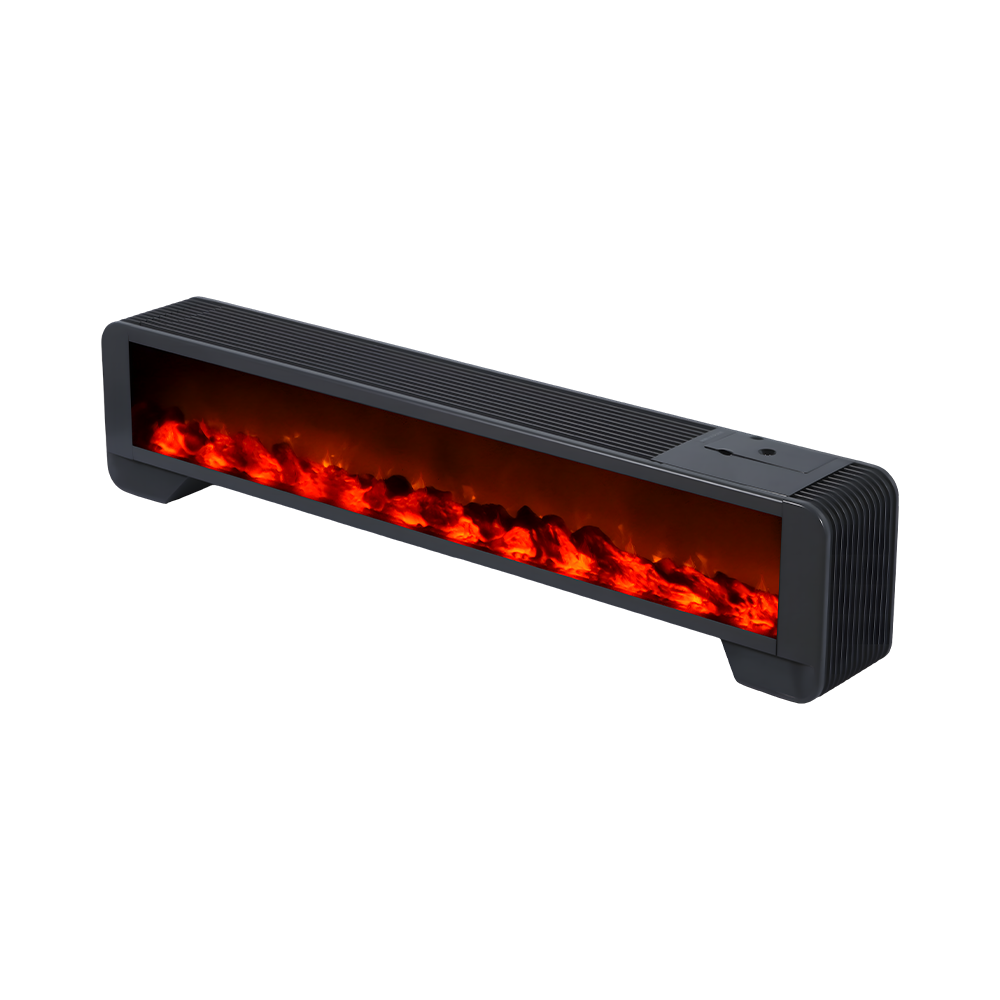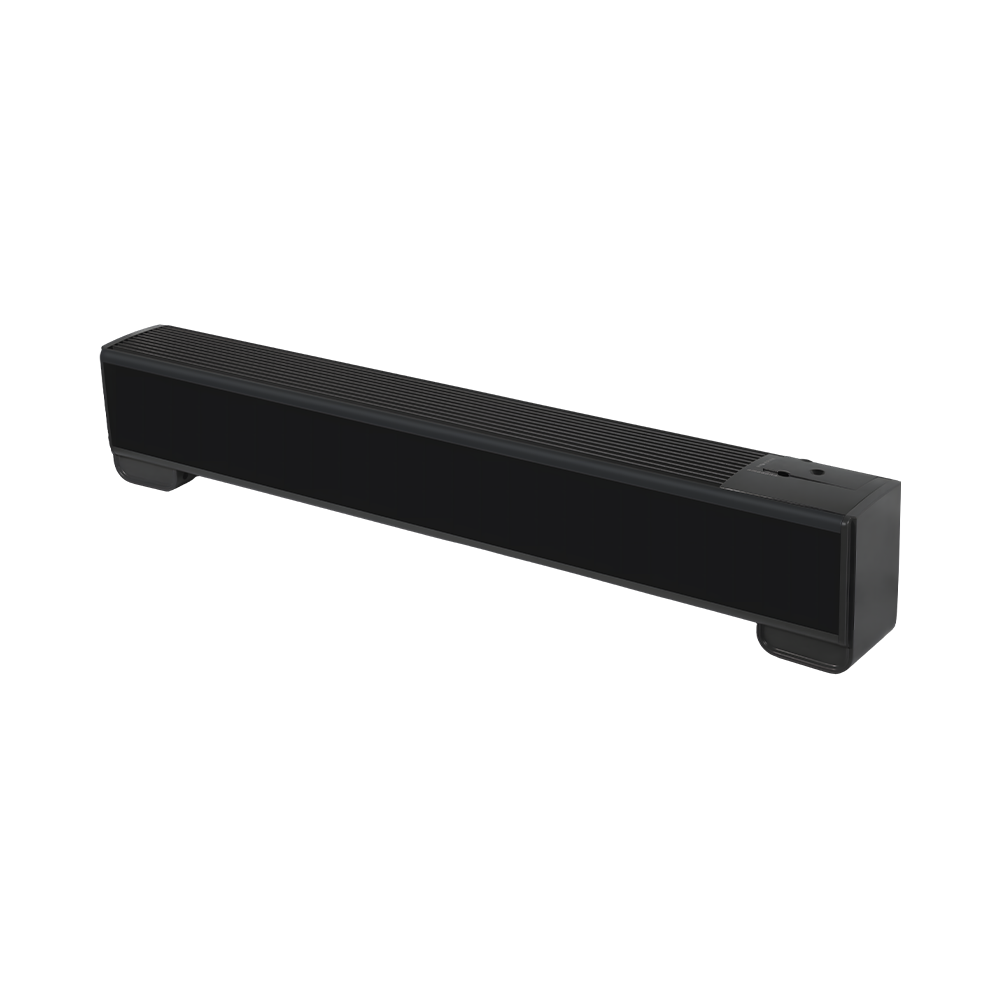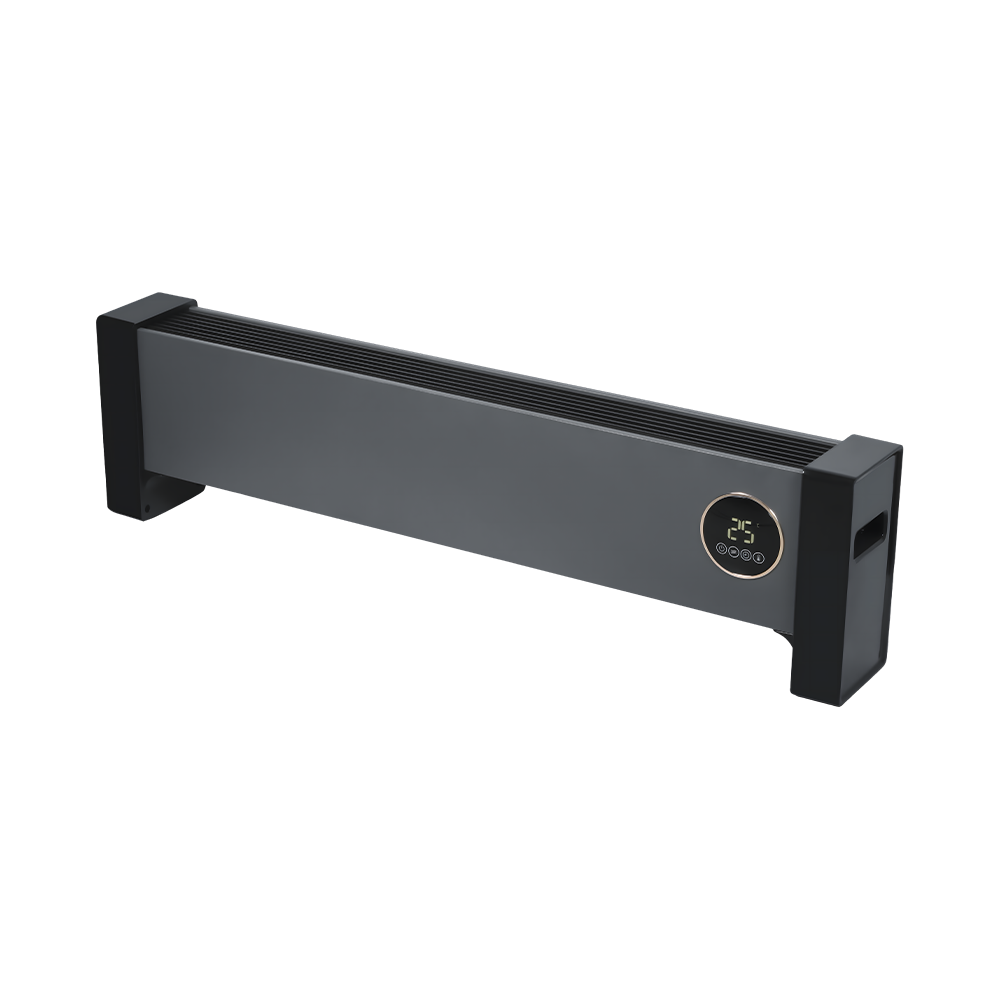

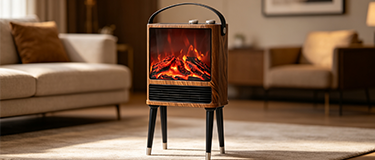
A baseboard heater uses electricity to heat elements, which in turn warm the surrounding air through convection, creating a gentle airflow.
It provides quiet, continuous warmth without fans, with warm air rising and cooler air being drawn in for reheating.
Installed along the baseboard, it saves space and is typically controlled by wall-mounted thermostats, making it an economical and practical option for supplemental heating.
Don't hesitate to contact when you need us!
We're a reliable partner that shapes our expertise into success for your project.
Oct 12, 2026
The Heated Ceiling Fan: Does It Exist? Smart Heat & Air Circulation Guide If you searched for a heated ceiling fan expecting one appliance that both blows air and warms a room, here is the direct answer: integrated heated ceiling fans exist, but they are a rare, mostly commercial niche. In ordinary homes they rarely make sense, because heat rises. A heating element mounted at ceiling height... read moreOct 05, 2026
Indoor Heaters Buying Guide: Types, Sizing, Wattage, Safety and Cost Tips The right indoor heater is chosen by room size first, heat technology second, and control features last. A 1,300W PTC heater is enough for a bedroom of about 8 to 10 m², while a 2,200W graphene baseboard heater is a better match for a living room of 18 to 22 m². If you also want a visual centerpiece, a 3D flame firepl... read moreSep 28, 2026
Best Heater for Greenhouse: Types, Sizing Tips and Buying Advice | Baopeng Short answer first: for most backyard and small commercial greenhouses, the best heater setup is a thermostat-controlled, fan-forced ceramic heater to hold overall air temperature, backed by a small radiant tube heater aimed at the bench or seed-tray area for direct plant warmth. If you only buy one unit, make it the ... read more
A Baseboard Heater is a perimeter-mounted convection unit that runs along the base of a wall to warm a room evenly without taking up floor space or requiring ductwork. The category has grown well beyond the simple resistive units of decades past: today's lineup ranges from compact residential models to modern baseboard heaters built for quieter operation and finer thermostatic control, alongside commercial baseboard heaters engineered for continuous duty in offices, corridors, and public spaces. Within this family, high efficiency baseboard heaters and other efficient baseboard heaters are designed to convert a larger share of input electricity into usable room heat, while energy efficient electric baseboard heaters extend that same principle to fully electric-resistance systems built for lower standby loss. Together, these variations give specifiers a broad but coherent toolkit for perimeter heating across different building types.
Ningbo Baopeng Electric Appliance Co., Ltd. has been manufacturing seasonal appliances since 2002, and that production history is closely tied to how a baseboard heater actually moves heat through a room. Instead of blowing warm air with a fan, a baseboard unit relies on natural convection: cool air near the floor is drawn into the heating element, warms up, and rises along the wall, pulling in more cool air behind it. This continuous loop is what gives a well-placed unit even, floor-to-ceiling warmth rather than the hot-and-cold cycling that fan-driven space heaters often produce.
Sizing a heater correctly matters more than most people expect. A common engineering rule of thumb used across the industry is roughly 7.5 watts per square foot of living space with standard ceiling heights, adjusted upward for rooms with poor insulation or large windows. The chart below illustrates how that guideline scales across different room categories.
Getting the wattage right is only half the job — the length and mounting position of the unit also need to fit the space. A standardized production facility spanning 17,000 square meters with a team of more than 200 employees at Ningbo Baopeng Electric Appliance Co., Ltd. supports production across this kind of range, running dedicated lines with inspection checkpoints at each stage so that heater length, element wattage, and enclosure quality stay consistent from one batch to the next. That consistency is what allows the same core design to scale from residential bedrooms to larger commercial floor plans.
| Room Type | Approx. Area | Suggested Wattage | Typical Unit Length |
|---|---|---|---|
| Bedroom | 100 sq ft | 750W | 3 ft |
| Living Room | 250 sq ft | 1,875W | 6 ft |
| Office / Reception | 300 sq ft | 2,250W | 8 ft |
| Commercial Corridor | 400 sq ft | 3,000W | 10 ft |
For larger open-plan areas, splitting the load across two or three shorter units along different walls generally distributes heat more evenly than relying on a single long run.
Placement affects both comfort and running cost. Mounting a unit below a window intercepts the cold draft as it falls, which is why that position is the most common recommendation for perimeter heating. A clearance of at least one inch from the floor and a few inches from curtains or furniture keeps airflow unobstructed, which in turn keeps the internal thermostat reading the room temperature accurately rather than cycling on false highs or lows.
Warm-up behavior is also worth understanding before installation. Because convection relies on the natural rise of heated air, a baseboard unit typically reaches a stable room temperature gradually rather than instantly, as shown below.
This gradual curve is normal for convection heating and is one reason baseboard units are often left on a low, steady setting rather than switched fully off and on — a pattern that also tends to suit the internal components better over years of daily cycling. Ningbo Baopeng Electric Appliance Co., Ltd. builds this kind of durability into its process by applying strict, checkpoint-based process control from product development through mass production, in line with its operating principle of survive by quality, develop by innovation.
No. A space heater is a freestanding, movable unit usually placed in the middle of a room, while a baseboard heater is fixed along a wall and heats through steady convection rather than a fan. Baseboard units are generally intended as a room's primary heat source rather than a supplemental one.
Running cost depends mainly on wattage, local electricity rates, and how well the room is insulated. Because output is proportional to wattage, correctly sizing the unit — rather than oversizing "just in case" — is the single biggest factor in keeping operating cost reasonable.
The core convection principle is identical, but commercial settings usually call for higher wattage per unit, longer continuous duty cycles, and more robust enclosures to handle higher foot traffic and longer daily run times than a typical household room requires.
With correct sizing, unobstructed airflow, and periodic dusting of the element, a well-built unit is generally expected to remain reliable for well over a decade of seasonal use.
Don't hesitate to contact when you need us!
For any questions and feedback from customers, we will reply patiently and meticulously.

The product has obtained multiple domestic and international certifications, including 3C, CE, ROHS, CB, and the ISO9001 quality management system.
CONTACT US
Address: No. 118, Guyao Highway, Zhangqi Town, Cixi City, Zhejiang Province, China
Wechat: +86-15921162693
Email: [email protected]
Mobile



 English
 Español
 عربى
عربى