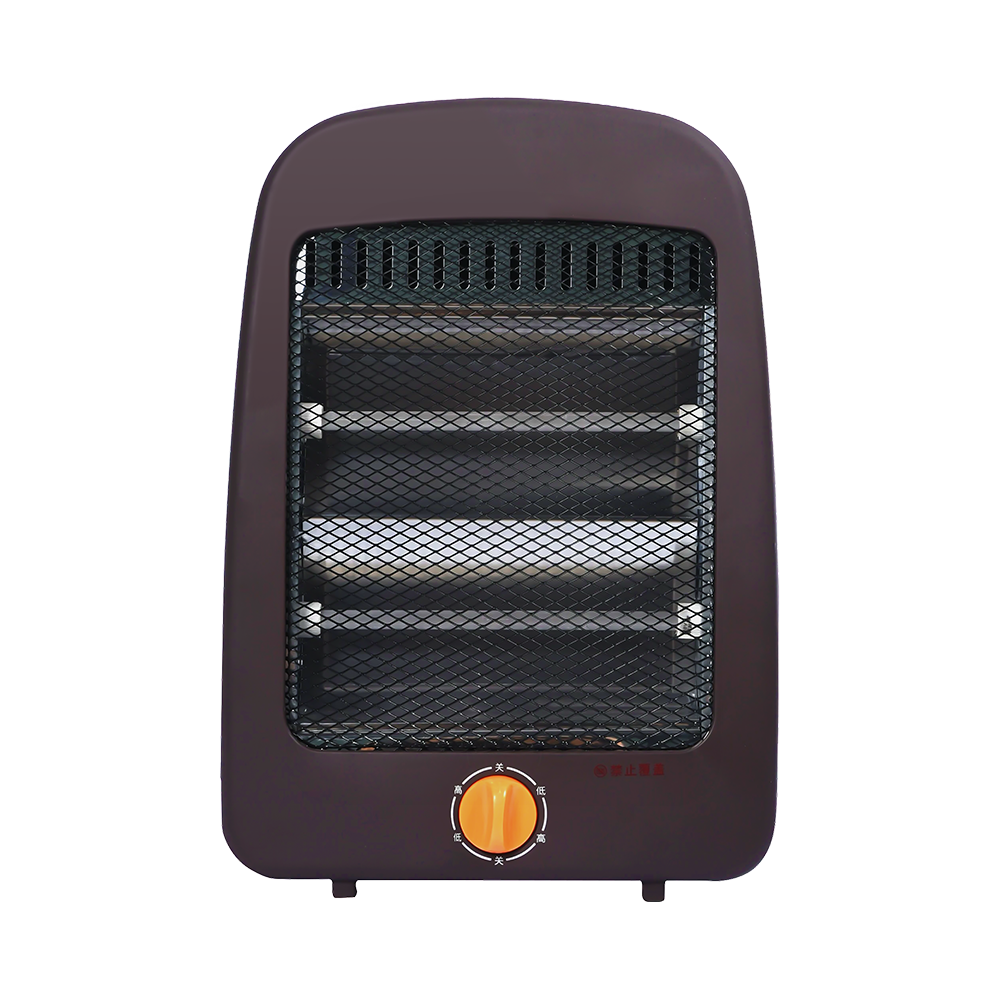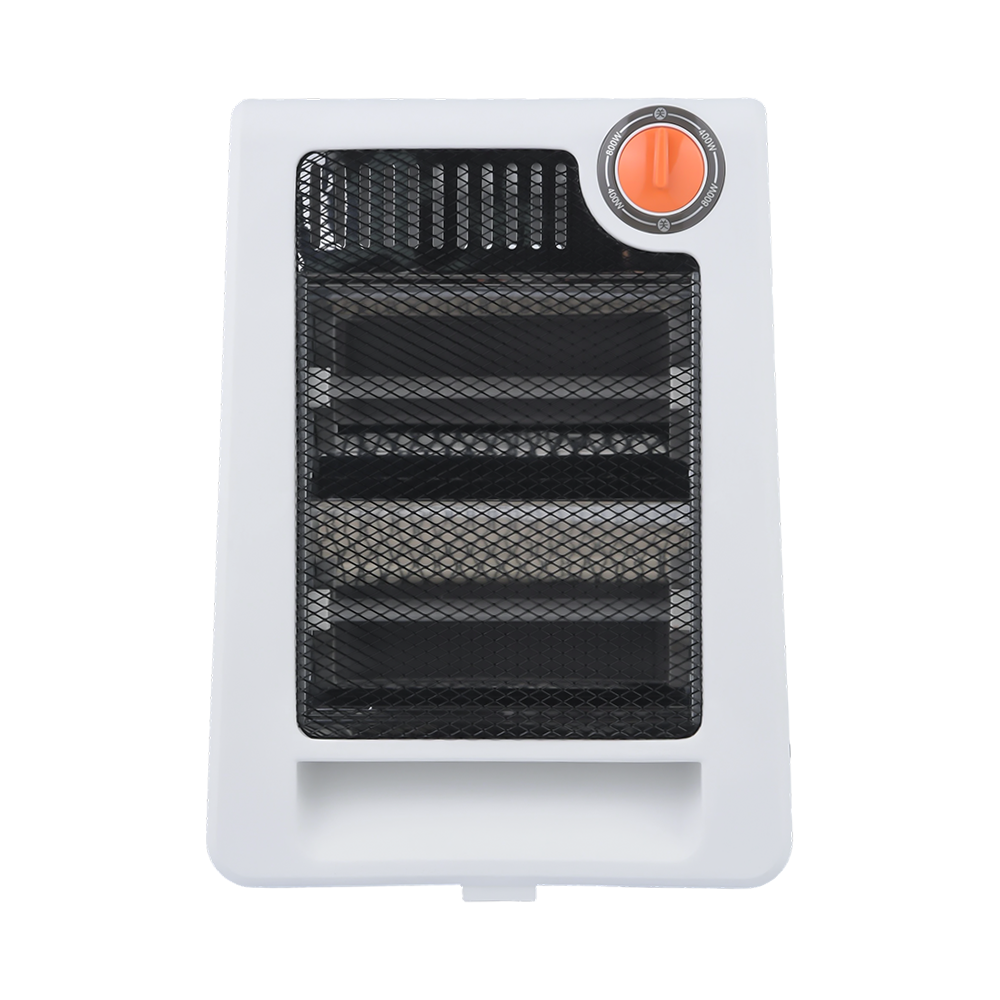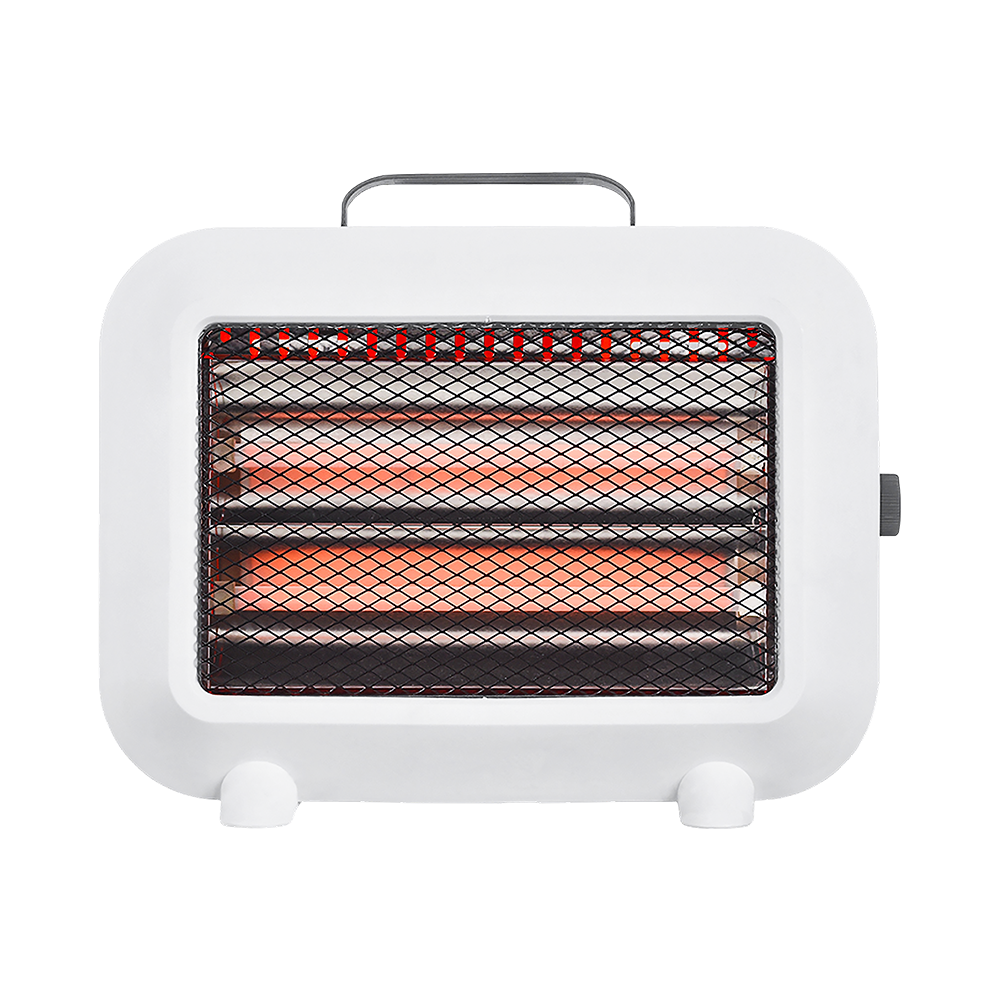

A quartz tube heater uses a transparent, durable tube to enclose a heating wire, which heats up and emits infrared radiation through the tube.
The infrared radiation directly heats objects, offering high efficiency with strong penetration power, while the transparent tube allows easy monitoring of the heating wire.
The heat-resistant and corrosion-resistant material makes it ideal for high-temperature or corrosive environments, such as industrial kilns or precision manufacturing.
Don't hesitate to contact when you need us!
We're a reliable partner that shapes our expertise into success for your project.
Oct 12, 2026
The Heated Ceiling Fan: Does It Exist? Smart Heat & Air Circulation Guide If you searched for a heated ceiling fan expecting one appliance that both blows air and warms a room, here is the direct answer: integrated heated ceiling fans exist, but they are a rare, mostly commercial niche. In ordinary homes they rarely make sense, because heat rises. A heating element mounted at ceiling height... read moreOct 05, 2026
Indoor Heaters Buying Guide: Types, Sizing, Wattage, Safety and Cost Tips The right indoor heater is chosen by room size first, heat technology second, and control features last. A 1,300W PTC heater is enough for a bedroom of about 8 to 10 m², while a 2,200W graphene baseboard heater is a better match for a living room of 18 to 22 m². If you also want a visual centerpiece, a 3D flame firepl... read moreSep 28, 2026
Best Heater for Greenhouse: Types, Sizing Tips and Buying Advice | Baopeng Short answer first: for most backyard and small commercial greenhouses, the best heater setup is a thermostat-controlled, fan-forced ceramic heater to hold overall air temperature, backed by a small radiant tube heater aimed at the bench or seed-tray area for direct plant warmth. If you only buy one unit, make it the ... read more
A quartz tube heater is a radiant heating element built around a sealed quartz glass tube that houses a resistance wire, turning electrical current into infrared energy almost the instant power is applied. Because the quartz envelope transmits infrared wavelengths efficiently instead of absorbing them as heat, a heater quartz tube assembly warms objects and people directly in its path rather than heating the surrounding air first. That single property explains why the format shows up in such a wide range of settings — from outdoor patio and terrace heating to industrial drying lines, greenhouse warming, and spot heating on factory floors. This section looks at how the technology actually works, how to size it correctly, where it gets used, and what keeps output consistent once a unit is in service.
Inside a quartz tube heater, a coiled resistance wire — usually a nickel-chromium alloy — sits inside the quartz tube, either suspended in air or packed in quartz sand or ceramic powder depending on the tube design. When current passes through the wire, it glows and emits infrared radiation across the short-, medium-, or long-wave band, and the quartz glass lets most of that radiation pass straight through instead of trapping it as conducted heat. This is the core difference from convection-based heating elements, which have to warm the surrounding air or a metal casing before any heat reaches a target surface.
One practical result of this radiant path is speed. A typical quartz tube heater element reaches near-full infrared output within a couple of seconds of being switched on, while elements that rely on heating a solid mass first need noticeably longer to build up to working temperature and then to cool back down once power is cut.
Having worked with resistance wire and quartz glass assembly since 2002, Ningbo Baopeng Electric Appliance Co., Ltd. has spent over two decades of experience in the seasonal appliance industry refining exactly this kind of wire-to-tube fit, since even small inconsistencies in coil spacing or tube sealing can change how evenly a finished element heats up.
At Ningbo Baopeng Electric Appliance Co., Ltd., the most common question buyers ask before placing an order isn't about the tube itself but about sizing — how much wattage and how many tubes a given space actually needs. Undersizing leaves cold spots at the edge of the heated zone; oversizing wastes energy and can shorten wire life through unnecessary thermal cycling. The safer approach is to work backward from the area to be covered and the mounting height, then choose wattage per tube and spacing between tubes accordingly.
| Application | Typical Wattage per Tube | Common Tube Length |
|---|---|---|
| Outdoor patio / terrace | 1000–2000W | 300–500mm |
| Workshop spot heating | 1500–3000W | 500–900mm |
| Greenhouse / agricultural | 2000–4000W | 900–1200mm |
| Industrial drying / curing line | 3000–6000W | 1200–1800mm |
As a rule of thumb, mounting height and wattage should scale together: a tube mounted higher above the target zone needs proportionally more wattage to deliver the same surface heat, since infrared intensity falls off with distance.
Because a heater quartz tube element heats a target directly rather than the surrounding air, it tends to work best wherever heat needs to reach a specific zone quickly rather than raise the temperature of an entire enclosed room. In practice, that covers a fairly wide spread of settings, and the Ningbo Baopeng Electric Appliance Co., Ltd. product range is built around a handful of them:
Coverage per unit rises step by step across these categories, which is why suppliers typically offer several wattage tiers of the same tube diameter rather than a single fixed output.
Ningbo Baopeng Electric Appliance Co., Ltd. runs a standardized production facility covering 17,000 square meters with a team of more than 200 employees, operating production lines supported by inspection at each stage from product development through to mass production. That kind of process control matters more for quartz tube heaters than it might seem, because output consistency depends less on the raw materials than on how precisely the coil is wound and centered inside the tube before sealing.
A few factors that most directly affect how evenly and how long an element performs:
Guided by the principle of “Survive by Quality, Develop by Innovation,” the company treats these as ongoing engineering and quality-assurance priorities rather than a one-time setup step, since seasonal appliance production runs benefit from catching drift in any of these variables early rather than after a batch is complete.
Yes, provided the specific model is designed for outdoor or damp-location use and is mounted with the correct clearance from combustible materials and from anyone standing directly beneath it. Wind has little effect on radiant output since the heat travels as infrared rather than warm air, which is part of why the format is popular for patios.
The wire's glow color is a rough visual indicator of the infrared wavelength band it's emitting: a deeper red-orange glow corresponds to longer wavelengths, while a brighter, whiter glow corresponds to shorter wavelengths and generally faster heat-up. Neither is inherently better — the right band depends on how far the heat needs to travel and how quickly a surface needs to warm.
Most units can be run at reduced output through a compatible dimmer or controller, and because the response is near-instant, output can be adjusted in real time rather than waiting for a heating mass to catch up, unlike slower convection-style elements.
Service life varies with duty cycle and installation conditions, but the two biggest factors under a manufacturer's control are coil winding precision and end-seal integrity — the same factors that determine how evenly the element heats from day one.
Don't hesitate to contact when you need us!
For any questions and feedback from customers, we will reply patiently and meticulously.

The product has obtained multiple domestic and international certifications, including 3C, CE, ROHS, CB, and the ISO9001 quality management system.
CONTACT US
Address: No. 118, Guyao Highway, Zhangqi Town, Cixi City, Zhejiang Province, China
Wechat: +86-15921162693
Email: [email protected]
Mobile



 English
 Español
 عربى
عربى