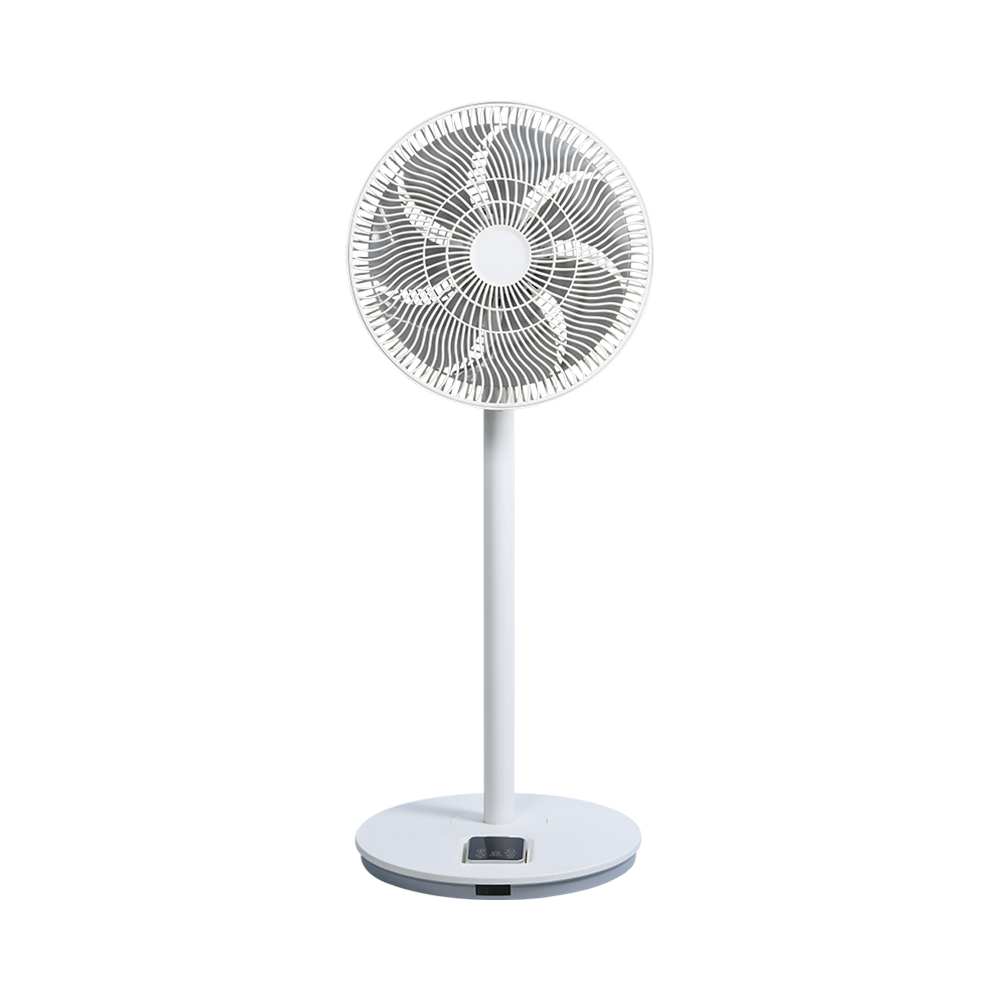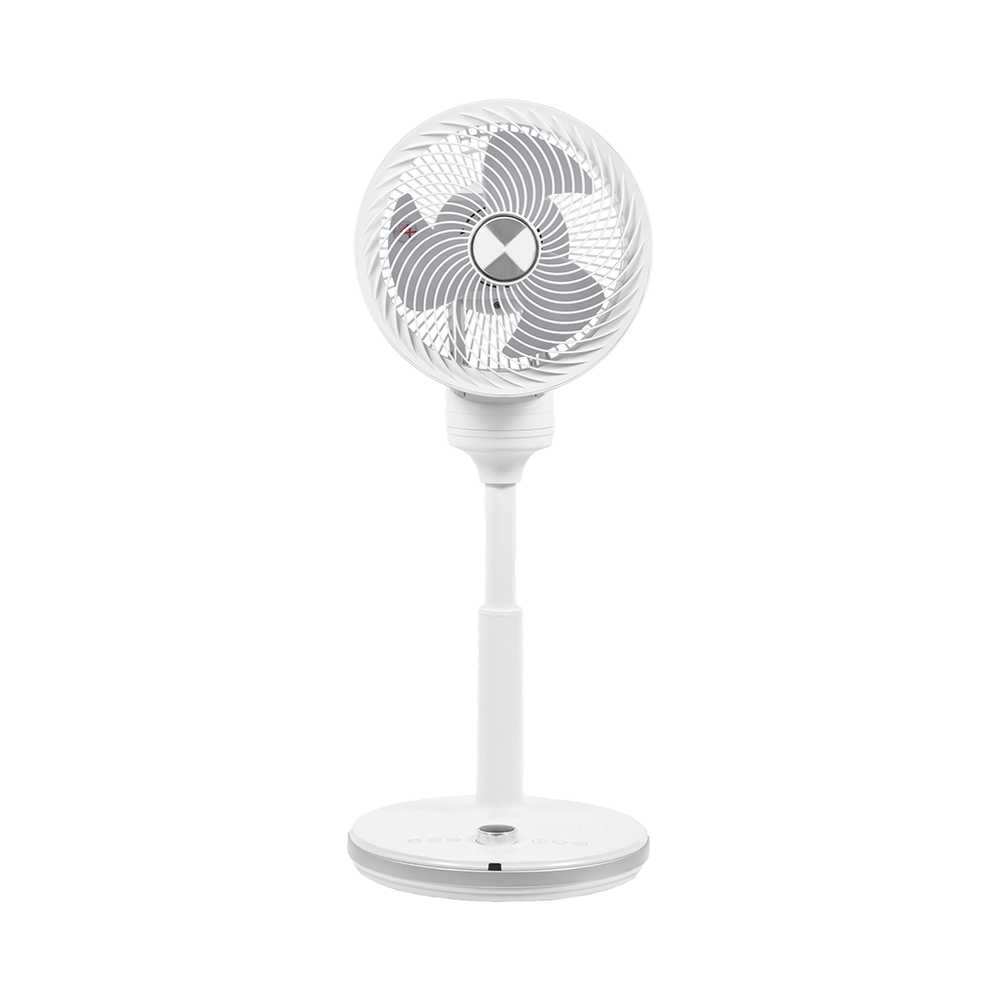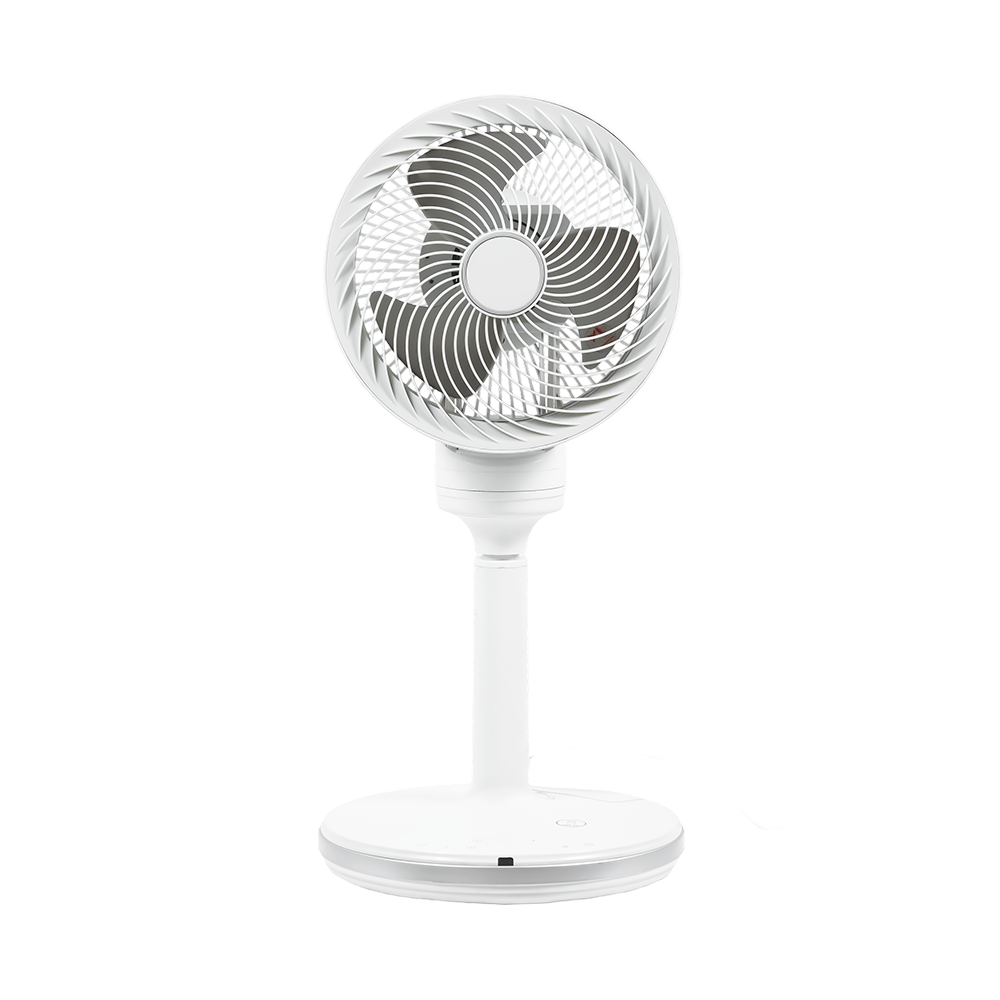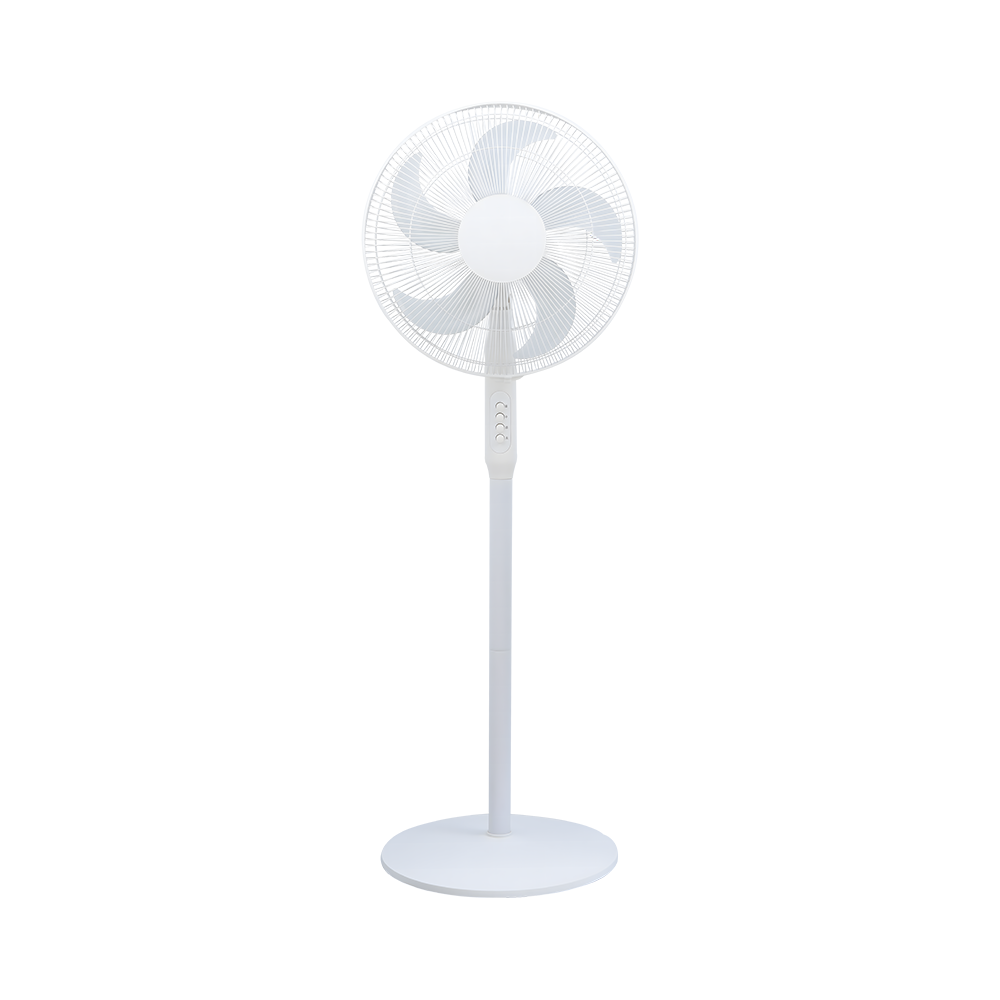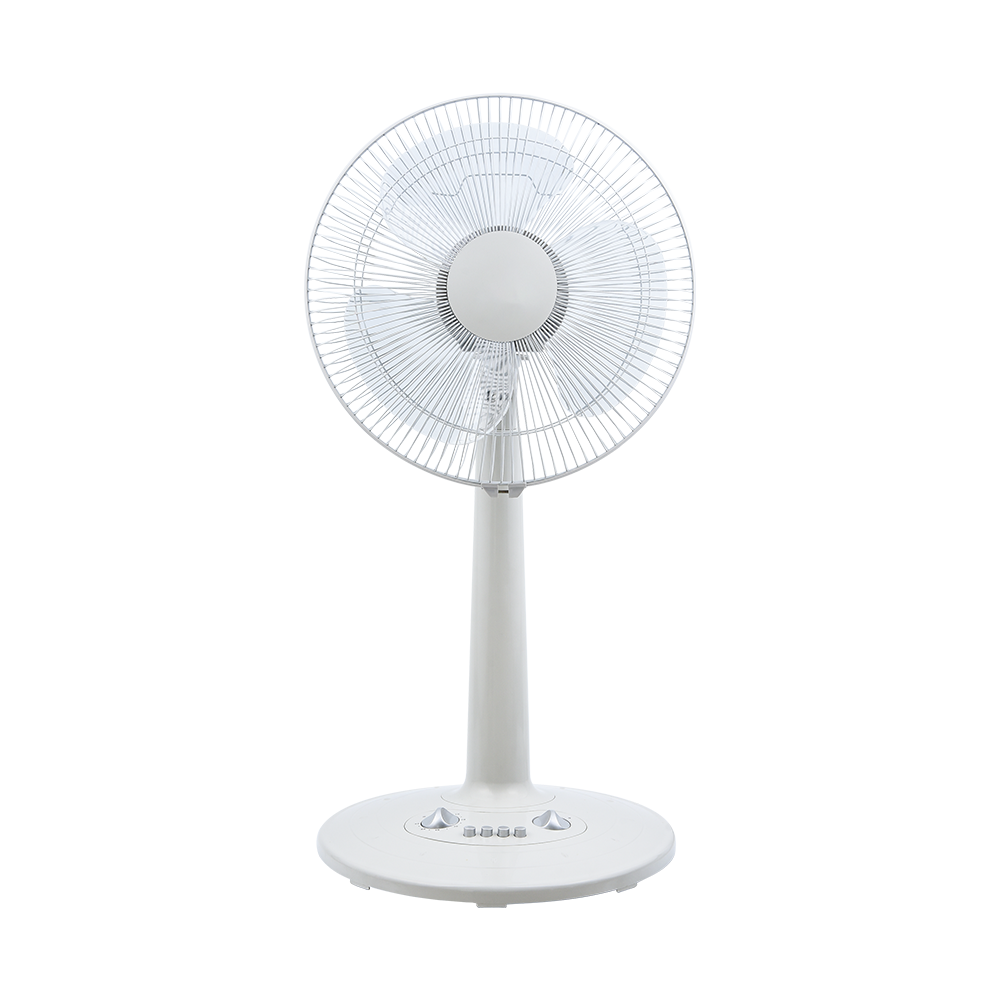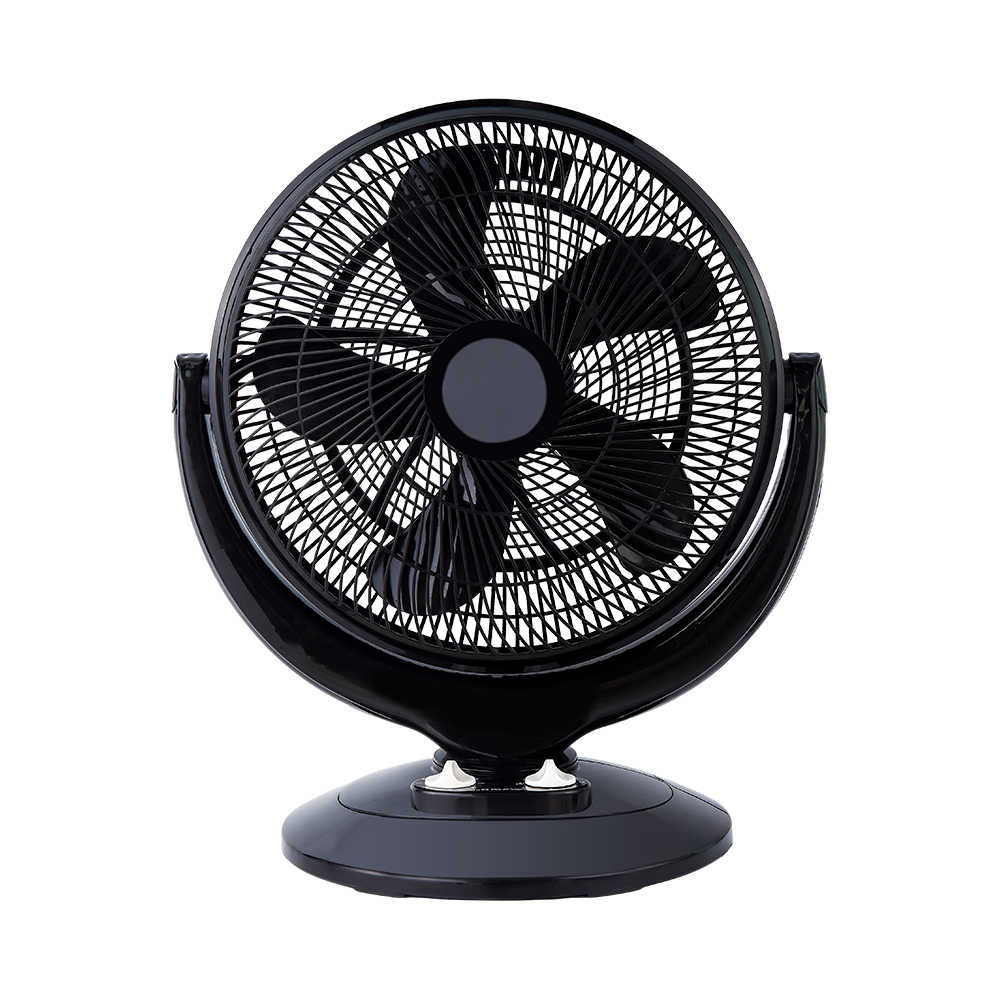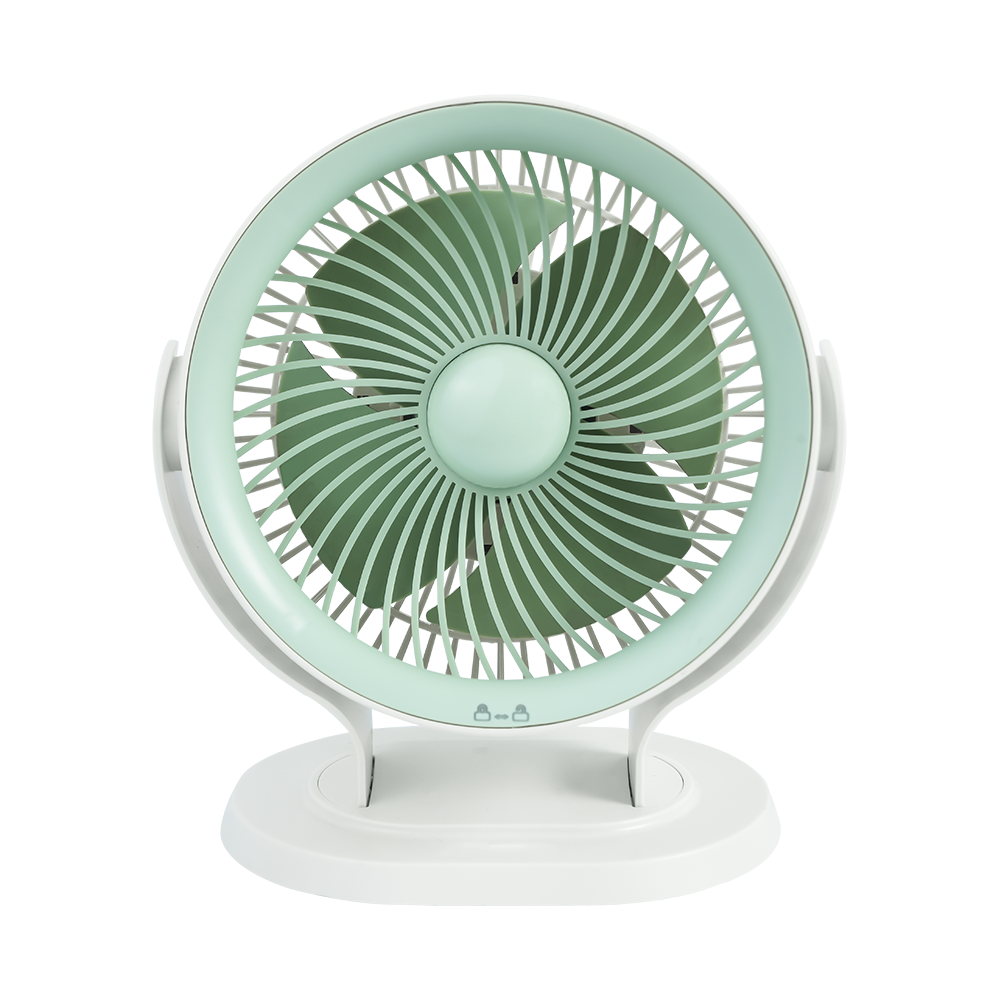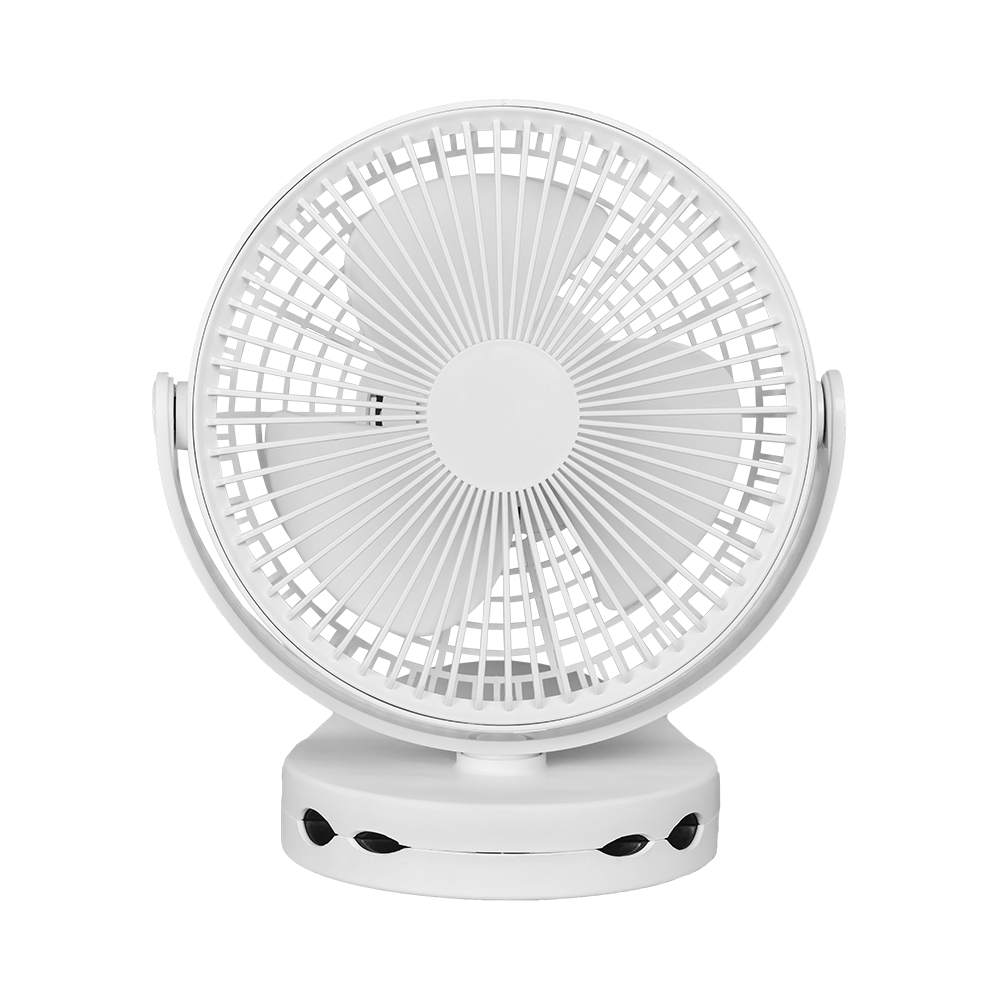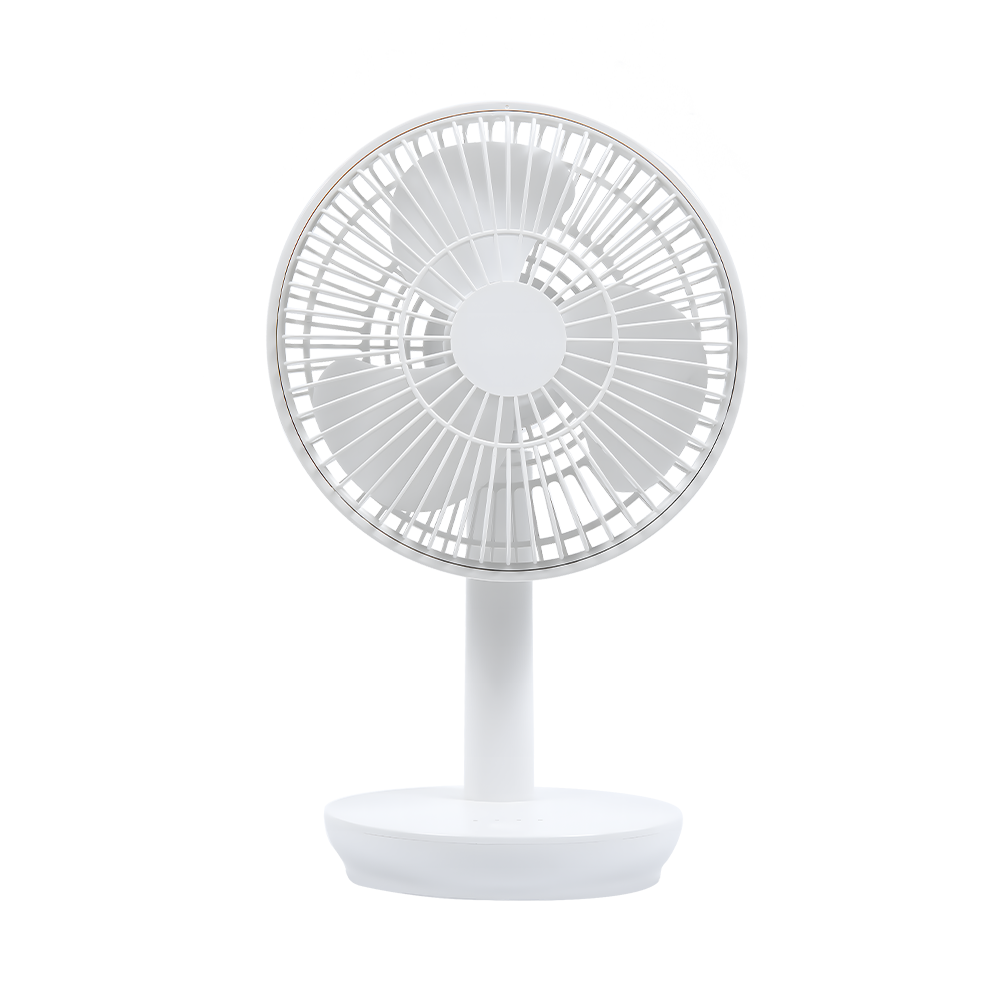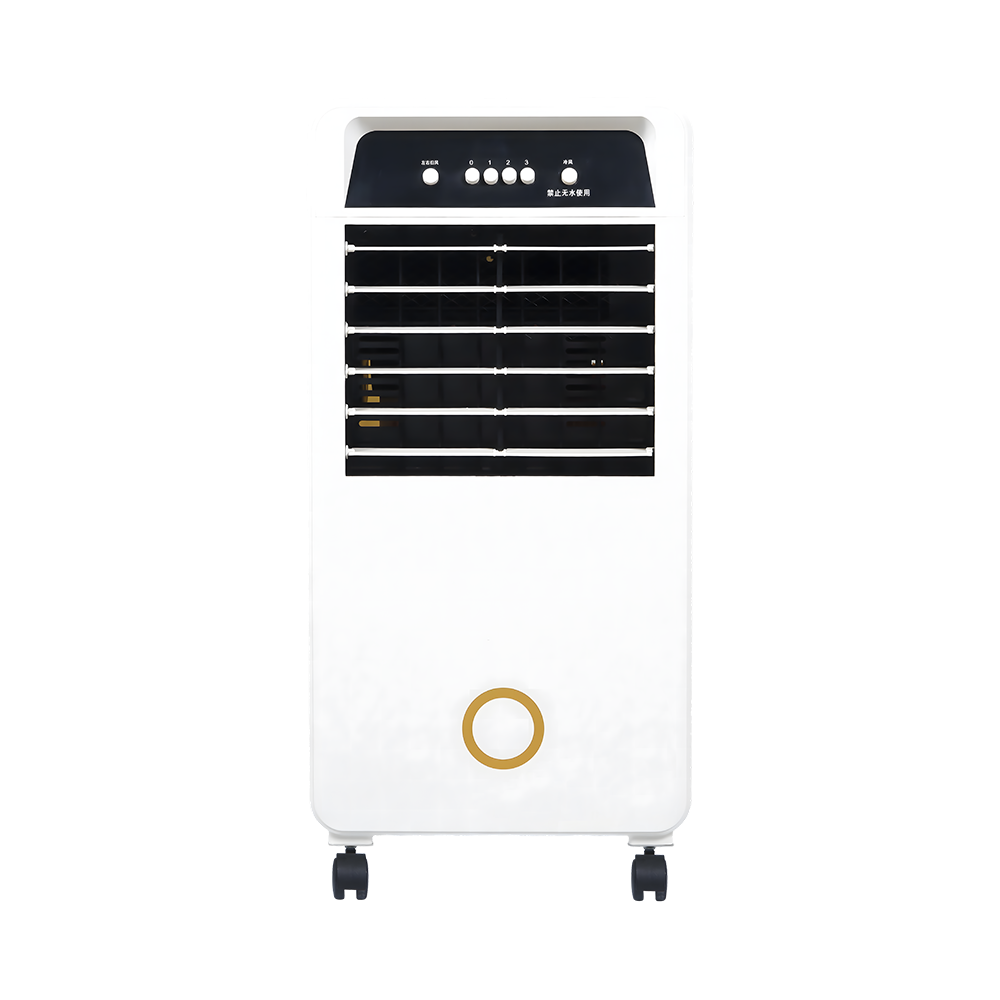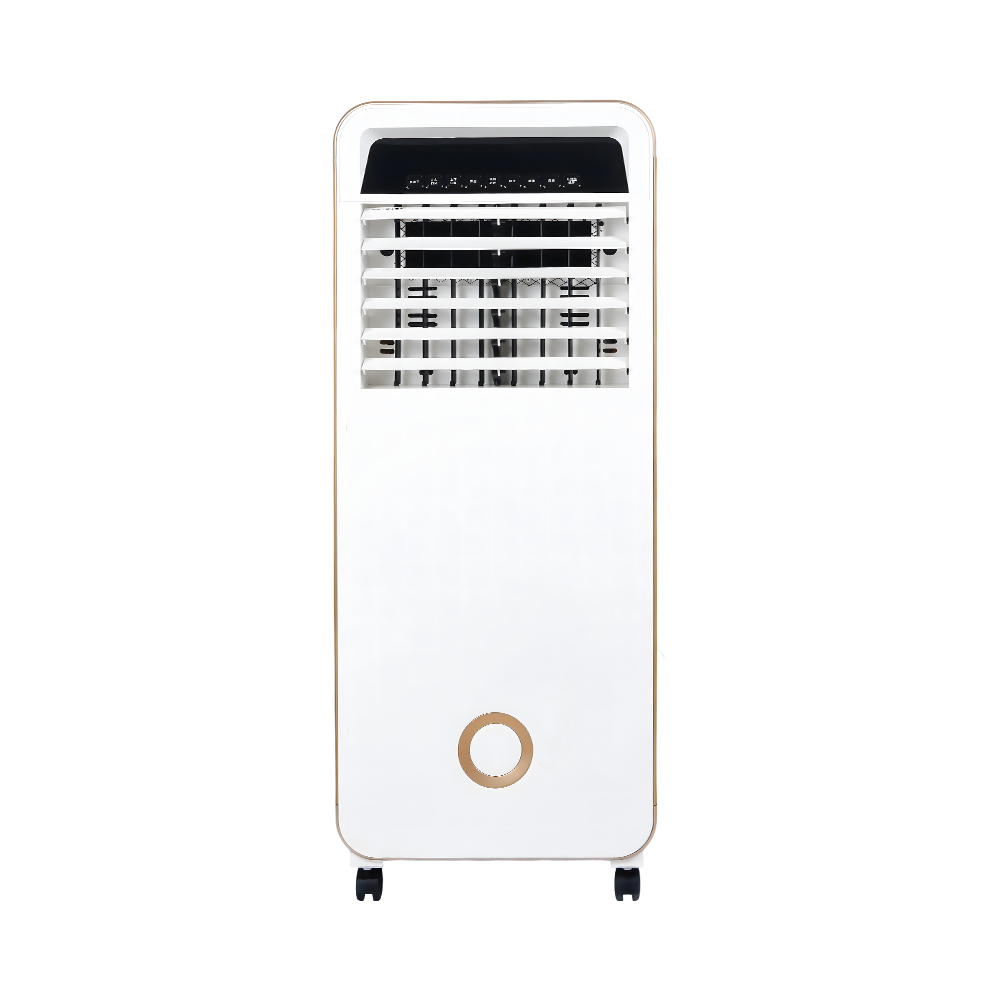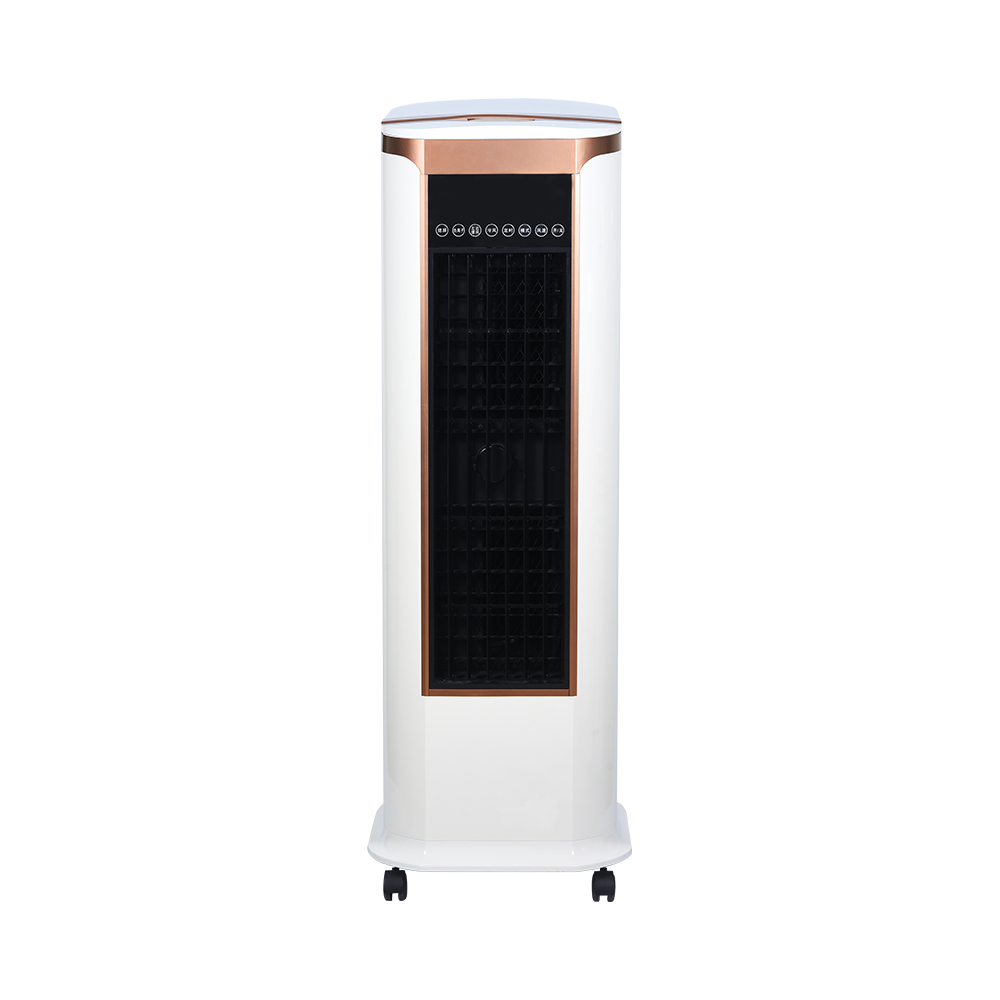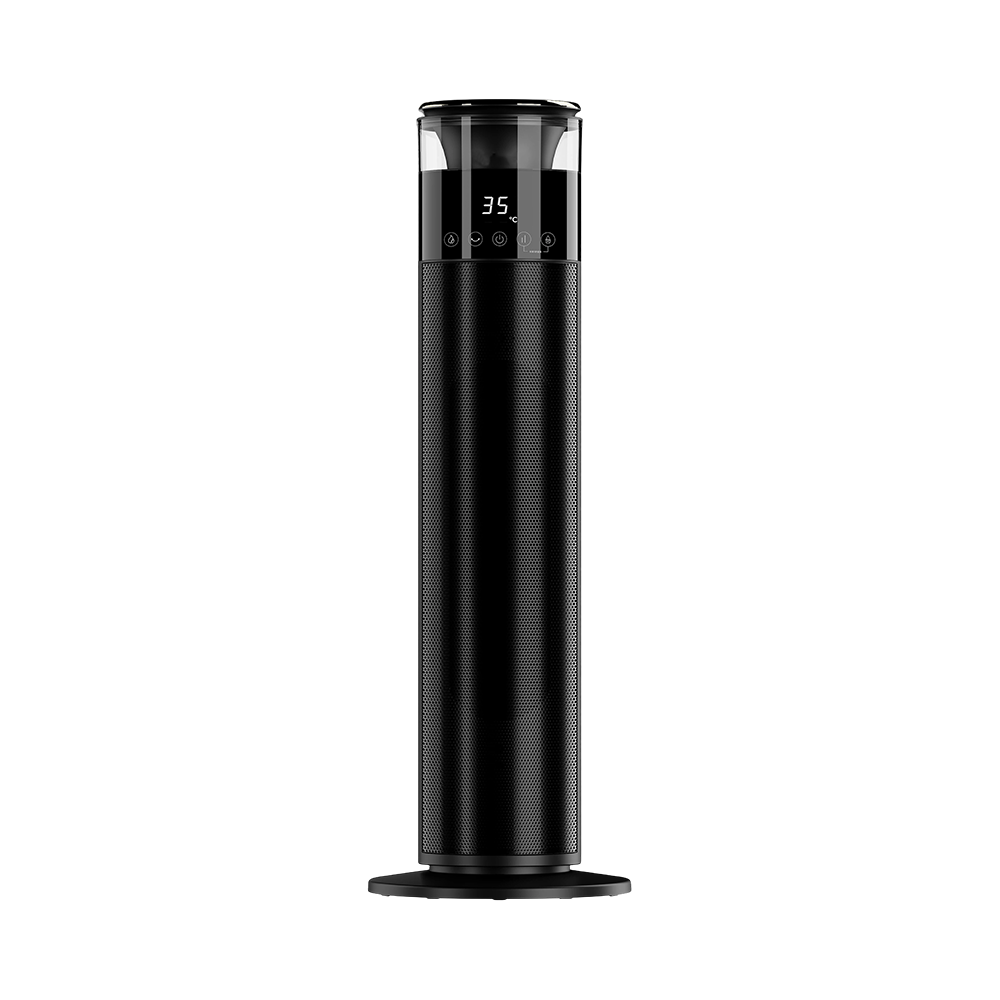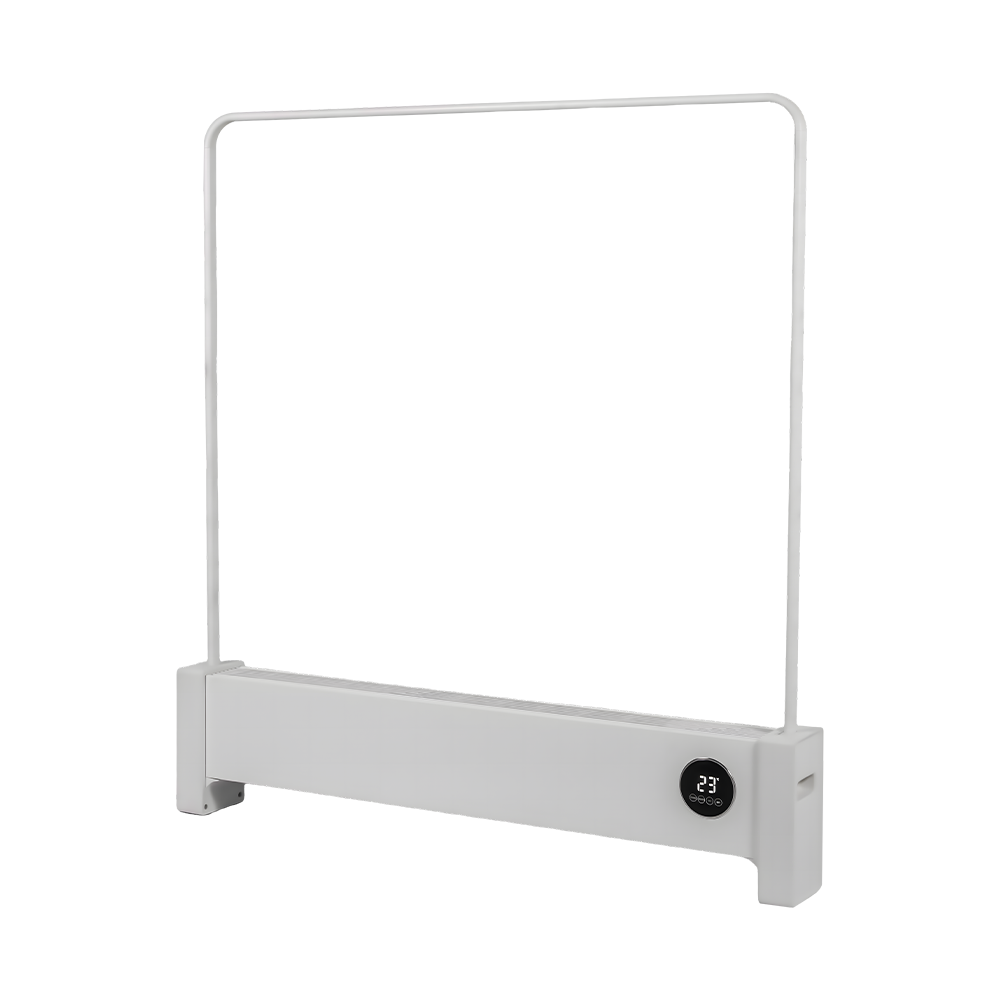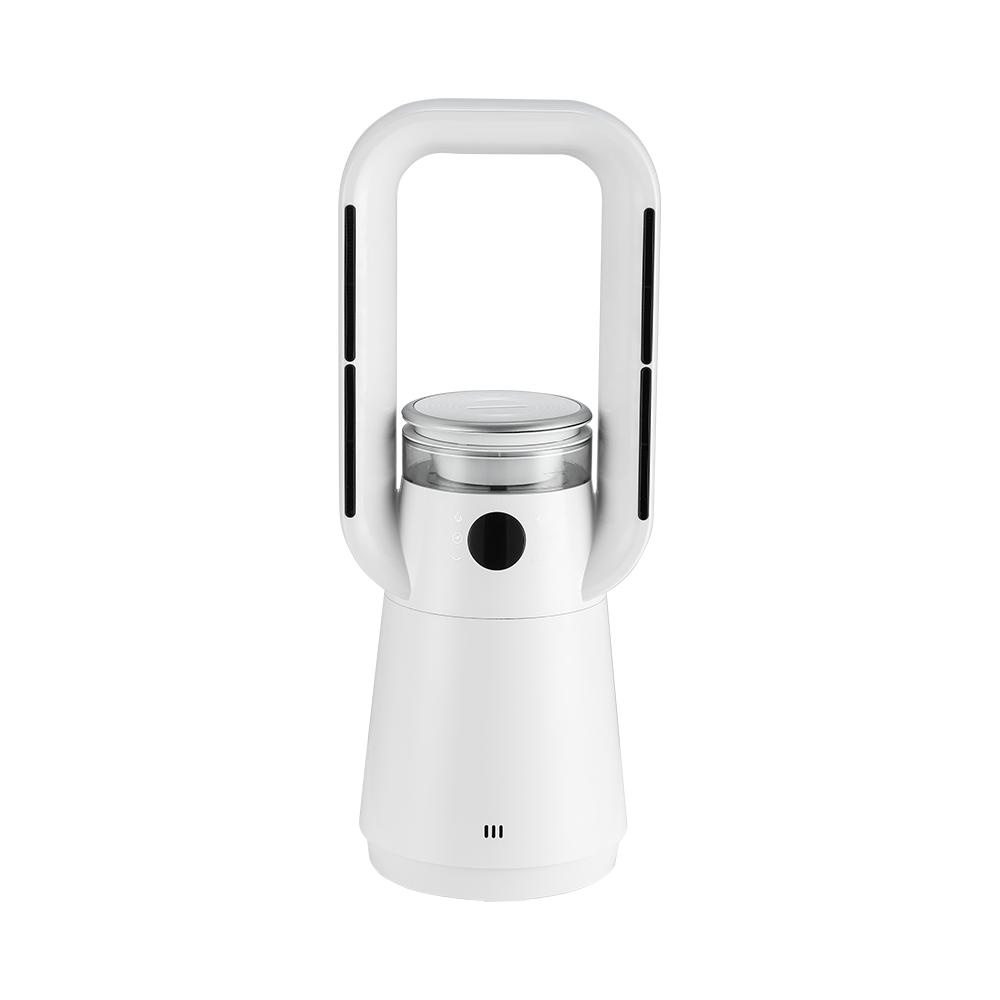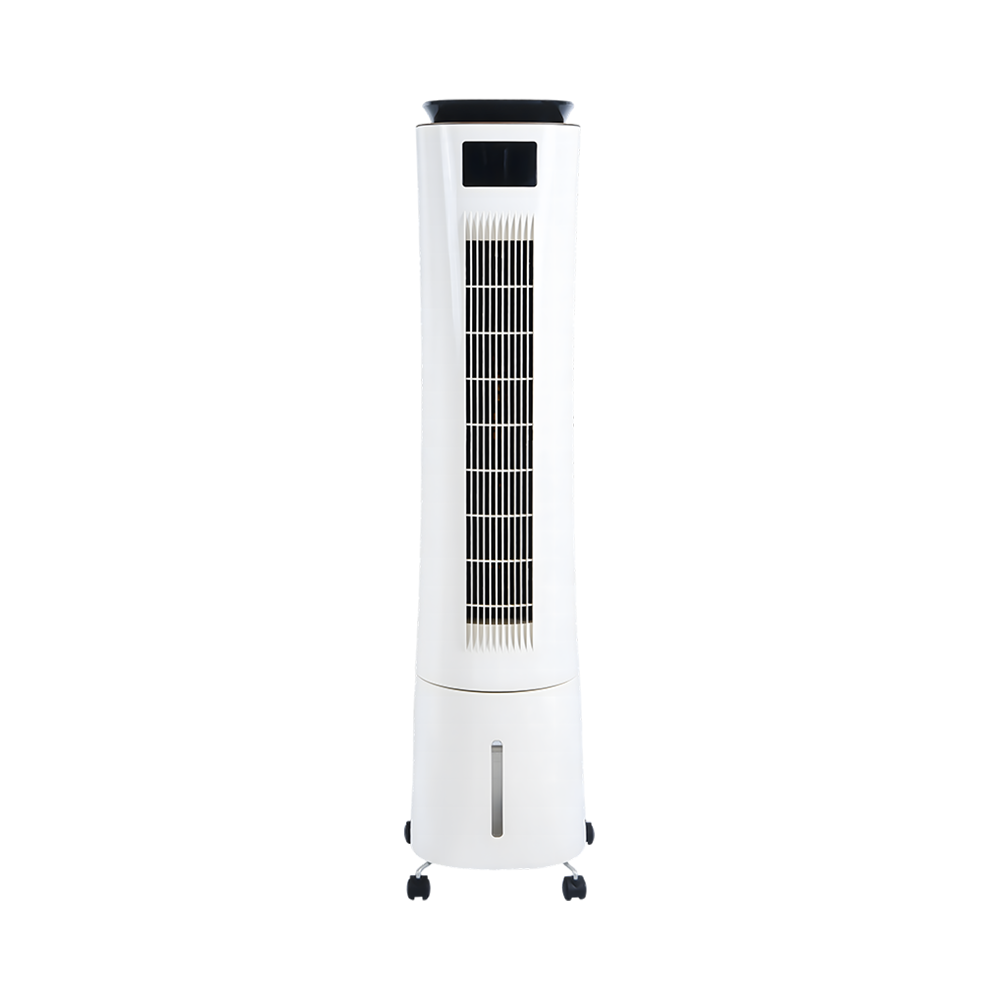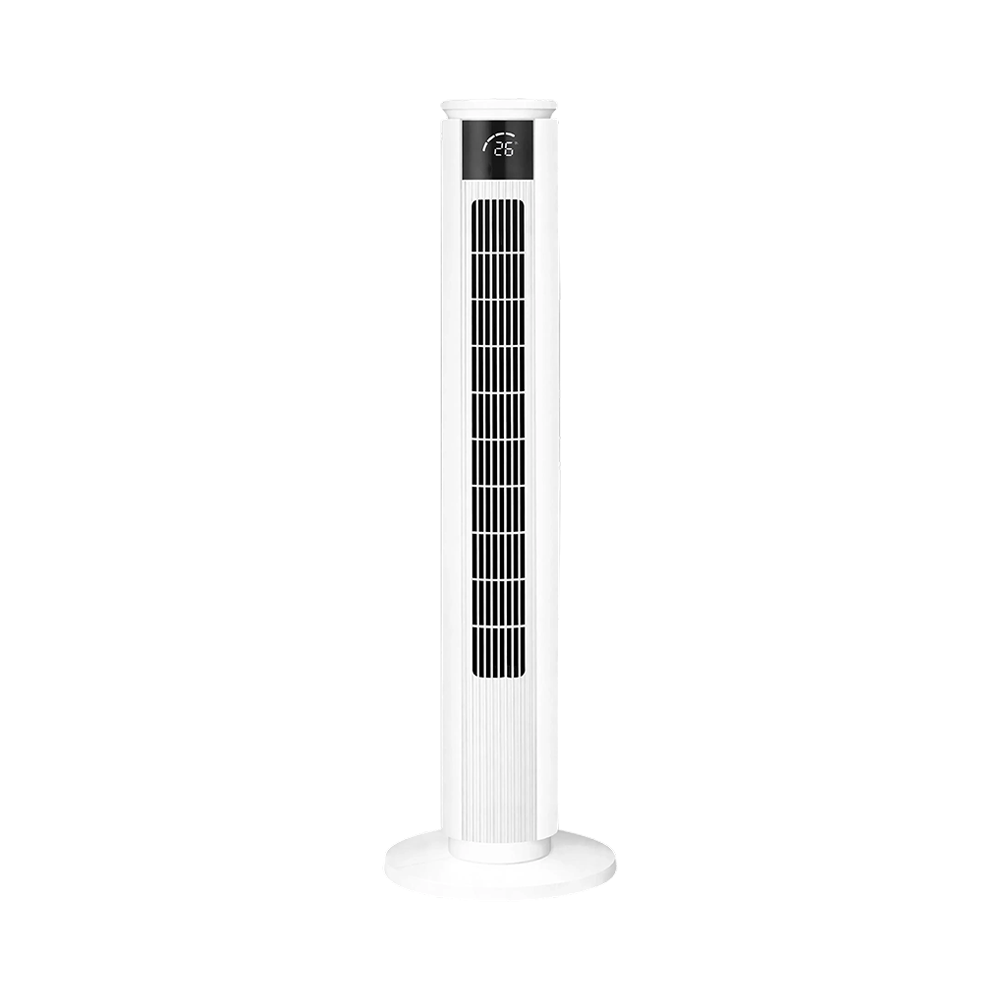

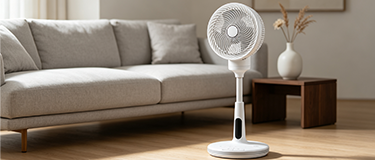
Tower fan combines efficient airflow, space-saving, and modern design, and are widely used in bedrooms, living rooms, offices, and other settings. Compared to traditional fans, tower fans feature a vertical structure, taking up less space and making them more suitable for modern homes and smaller spaces, while providing a more even and gentle airflow experience.
We focus on the research and development, and production of tower fans, committed to providing global customers with high-quality, high-performance air circulation solutions to meet the diverse comfort and functionality needs of different users.
Don't hesitate to contact when you need us!
We're a reliable partner that shapes our expertise into success for your project.
Oct 12, 2026
The Heated Ceiling Fan: Does It Exist? Smart Heat & Air Circulation Guide If you searched for a heated ceiling fan expecting one appliance that both blows air and warms a room, here is the direct answer: integrated heated ceiling fans exist, but they are a rare, mostly commercial niche. In ordinary homes they rarely make sense, because heat rises. A heating element mounted at ceiling height... read moreOct 05, 2026
Indoor Heaters Buying Guide: Types, Sizing, Wattage, Safety and Cost Tips The right indoor heater is chosen by room size first, heat technology second, and control features last. A 1,300W PTC heater is enough for a bedroom of about 8 to 10 m², while a 2,200W graphene baseboard heater is a better match for a living room of 18 to 22 m². If you also want a visual centerpiece, a 3D flame firepl... read moreSep 28, 2026
Best Heater for Greenhouse: Types, Sizing Tips and Buying Advice | Baopeng Short answer first: for most backyard and small commercial greenhouses, the best heater setup is a thermostat-controlled, fan-forced ceramic heater to hold overall air temperature, backed by a small radiant tube heater aimed at the bench or seed-tray area for direct plant warmth. If you only buy one unit, make it the ... read more
A tower fan is built around one simple design goal: move a useful volume of air through a narrow, vertical footprint that fits against a wall, beside a desk, or at the end of a bed. Within that category sit several product types buyers now expect as standard rather than premium add-ons. A modern tower fan pairs a slim housing with digital speed control and, in most current product lines, a remote handset, while other terms in the same search cluster describe specific decision points: how a unit is switched on and off, how far it throws air across a room, and how much motor output it actually delivers. This piece walks through those decision points from a manufacturing point of view rather than a marketing one, and connects each one to how a production line actually builds toward it.
A digital tower fan replaces mechanical dial switches with a touch panel or button strip and an LED readout, which is what allows precise, repeatable speed steps instead of a rough low/medium/high guess. The same control board is usually what carries timer logic. A tower fan with timer typically offers shut-off increments somewhere between 1 and 8 hours, and that range matters more than it looks: it covers a nap, an evening of work, or a full night's sleep without the unit running unattended into the next day. Households commonly leave a timer-equipped fan on the 4-hour setting, long enough to cool a room to a comfortable point before the space naturally holds that temperature. Manufacturers such as Ningbo Baopeng Electric Appliance Co., Ltd. can adjust these control layouts through professional customization services, so a brand can request its own button sequence, timer range, or display style rather than accepting a fixed control panel design.
Illustrative airflow scaling across common speed steps; actual output varies by motor size and blade design.
An electric tower fan moves air with a motor-driven blade stack sitting inside a tall, narrow housing rather than an open exposed blade, which is what keeps the footprint small. That housing also carries the oscillation motor. A rotating tower fan commonly sweeps somewhere between 60 and 90 degrees, and the wider that arc, the more of a room gets even coverage instead of one column of cooled air facing a single direction. When buyers search for the most powerful tower fan available, they are usually comparing airflow distance and volume rather than the wattage number printed on the box, since two units with similar motor ratings can throw air very differently depending on blade pitch and vent design.
Typical airflow strength pattern through an oscillation sweep, strongest near the center of the arc.
Consistency in a tower fan comes less from any single feature and more from how the unit was actually built. Ningbo Baopeng Electric Appliance Co., Ltd. runs a standardized production facility covering 17,000 square meters with a team of more than 200 employees, supported by advanced production lines and comprehensive inspection systems that carry through from initial product development to mass production. That process control is what keeps one batch of fans matching the next in fit, finish, and function. As a factory rather than a trading company, we provide direct manufacturing services, which shortens the communication chain between an order and the production line building it.
Our standard production lead time is 50 calendar days from order confirmation and receipt of deposit, a timeline built around maintaining consistent quality control rather than rushing units out the door. Every unit is customized in line with customer requirements, and a third-party inspection is carried out before shipment. The factory itself sits in Cixi, Zhejiang Province, which keeps transportation and logistics straightforward for outbound orders. Long-term cooperation with first and second-tier domestic home appliance brands has shaped how this production line is run, and that background is part of why quality stays consistent order to order.
| Category | Detail |
|---|---|
| Facility size | 17,000 square meters |
| Team size | 200+ employees |
| Standard lead time | 50 calendar days from confirmation and deposit |
| Pre-shipment check | Third-party inspection |
| Location | Cixi, Zhejiang Province, China |
A mechanical unit uses a physical dial or push-button switch with fixed speed steps. A digital version reads inputs through a control board, which allows finer speed increments, a display showing the active setting, and compatibility with a remote or timer function without adding extra switches to the housing.
Most timer ranges cap out around 8 hours, which covers an overnight sleep cycle without leaving the unit running the next morning. Shorter increments of 1 to 2 hours are typically used for napping or short work sessions rather than a full night.
Not directly. Noise depends more on blade shape and vent design than raw motor output, so two units with similar airflow can sound noticeably different at the same speed setting.
On most rotating units, oscillation can be turned off entirely to hold a fixed direction, which is useful when a fan sits close to a wall or corner and full sweep isn't needed.
Yes. As a factory-direct manufacturer, Ningbo Baopeng Electric Appliance Co., Ltd. builds units to customer specification and runs a third-party inspection before any order ships, which keeps customized runs held to the same check as standard production.
Don't hesitate to contact when you need us!
For any questions and feedback from customers, we will reply patiently and meticulously.

The product has obtained multiple domestic and international certifications, including 3C, CE, ROHS, CB, and the ISO9001 quality management system.
CONTACT US
Address: No. 118, Guyao Highway, Zhangqi Town, Cixi City, Zhejiang Province, China
Wechat: +86-15921162693
Email: [email protected]
Mobile



 English
 Español
 عربى
عربى