
Sep 28, 2026
Content
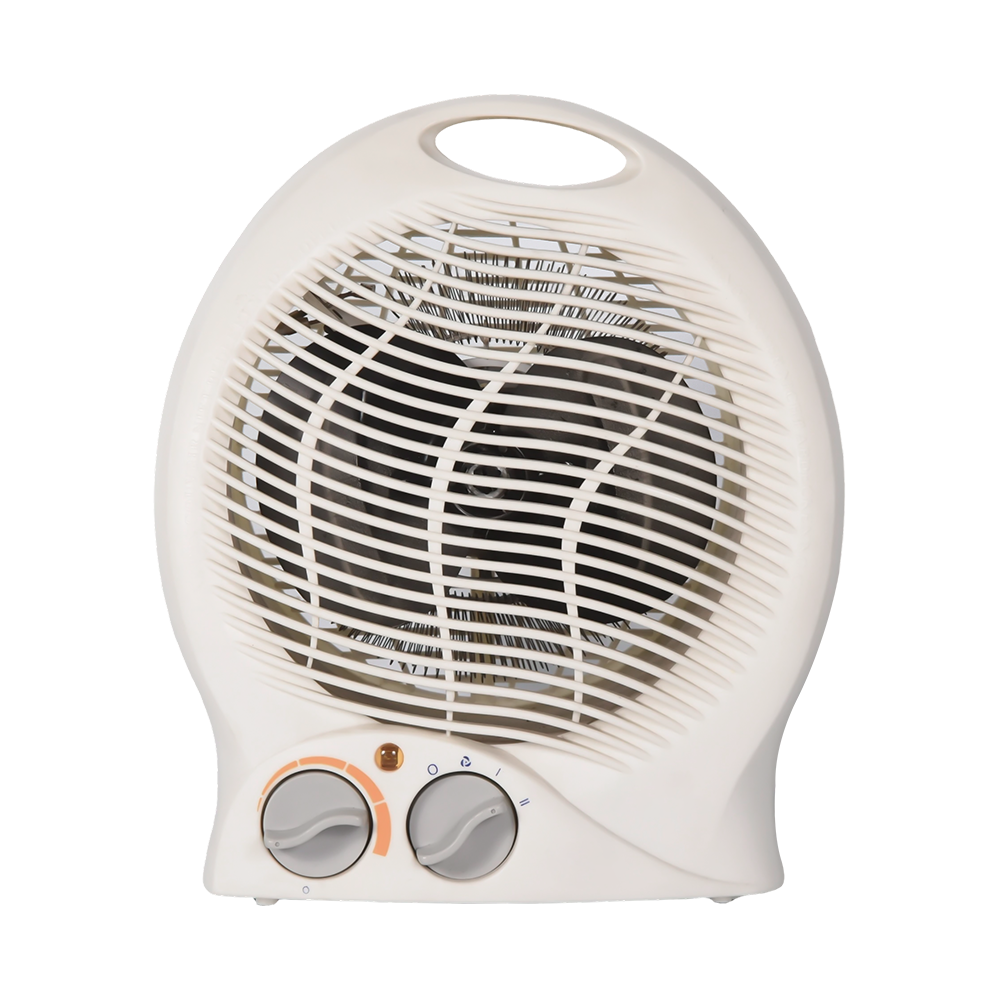
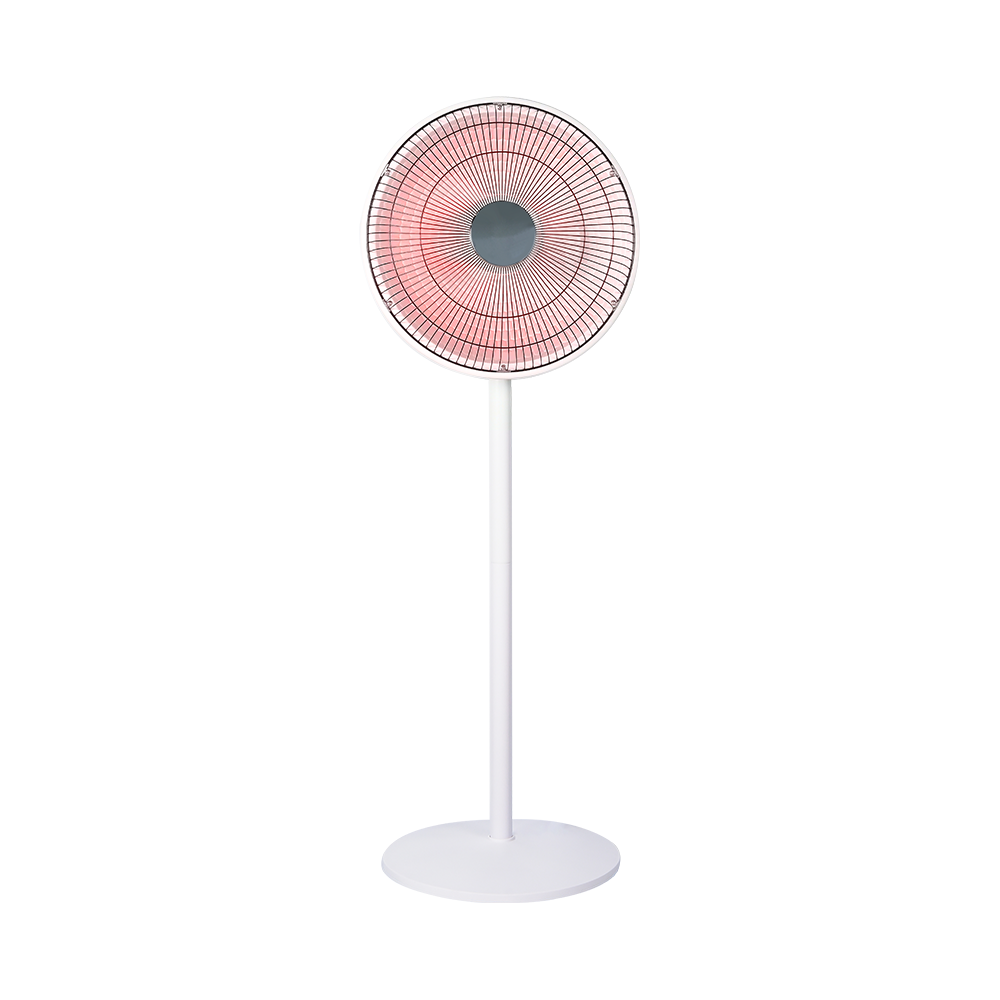
Short answer first: for most backyard and small commercial greenhouses, the best heater setup is a thermostat-controlled, fan-forced ceramic heater to hold overall air temperature, backed by a small radiant tube heater aimed at the bench or seed-tray area for direct plant warmth. If you only buy one unit, make it the fan-forced model with a dependable thermostat, because stable air temperature is what carries a greenhouse through a cold snap.
The catch is that "best" depends on three things you can measure before spending anything: how much heat your structure loses, how warm your crops actually need it, and how humid the space runs overnight. We manufacture heating appliances in Ningbo, China, including PTC ceramic, quartz tube, carbon tube, far-infrared and graphene baseboard models, and have supplied brand partners worldwide since 2002, so the notes below lean on sizing math and dealer feedback rather than a generic top-ten list.
A heater that is too small will run flat-out all night and still lose the battle. An oversized one wastes money on every bill. Get this number before you shop, and the rest of the decision becomes simple.
Growers commonly plan for roughly 10 watts per square foot of floor area in mild-winter regions, and up to 20 watts per square foot in cold regions or thin, single-layer structures. An 80 sq ft hobby house therefore needs somewhere between 800 W and 1,600 W as a bare minimum before any safety margin.
Greenhouse engineering materials from UMass Amherst Extension calculate required heating as: BTU/hr = U-value x total surface area x temperature difference. Single-layer poly film or glass runs near U = 1.1, double poly film near U = 0.7 (Source: UMass Amherst Extension greenhouse materials). Convert the result to watts by dividing by 3.41, since 1 kW equals 3,412 BTU/hr.
Worked example, an 8 x 10 ft greenhouse with 6 ft walls and single-layer glazing: total surface area is roughly 330 sq ft. To hold 45°F inside on a 15°F night, a 30°F rise: 1.1 x 330 x 30 = 10,890 BTU/hr, which works out to about 3,200 watts. That surprises many buyers. The familiar 1,500 W space-heater figure will not hold 45°F in that structure on a genuinely cold night. The practical answers are two heaters staged on separate thermostats, better insulation or thermal mass, or accepting a lower night setpoint.
University extension energy guidance commonly estimates savings of roughly 3 percent of heating energy for every 1°F you lower the night setpoint. Dropping an overwintering house from 55°F to 45°F can therefore trim heating costs by close to a third.
If you are weighing fuel-fired heating for a larger tunnel or range of houses, our diesel heater guide covers efficiency, running cost and sizing with the same approach.
| Heater Type | How It Delivers Heat | Best Greenhouse Fit | Main Limitation |
|---|---|---|---|
| Fan-forced PTC ceramic | Fan pushes warmed air; self-regulating element | Primary air heating in houses up to about 100 sq ft | Moves dry air across foliage; audible fan |
| Quartz or carbon tube | Infrared warms leaves, benches and soil directly | Spot heat on propagation benches and door zones | Heats objects, not air; must be aimed |
| Far-infrared heating wire | Gentle long-wave radiant plus mild convection | Corner coverage in taller houses | Slow to lift overall air temperature |
| Graphene baseboard | Low, even convection along the floor line | Under-bench and north-wall background heat | Occupies the wall perimeter |
| Wall-mounted PTC | Fixed position, keeps the floor clear | Small houses and frost protection at the door | Needs solid mounting; fixed coverage |
No single type wins every job. Electric units dominate small and mid-size greenhouses because they cycle precisely on a thermostat, need no venting, and add no combustion moisture or fumes to a sealed space.
PTC stands for positive temperature coefficient: the ceramic element's resistance climbs as it warms, so its output tapers automatically instead of spiking. In practice that means a steadier outlet temperature and forgiving behavior in a dusty greenhouse. A 2,000 W PTC unit stirring the air will hold a 45-50°F night in a mid-size hobby structure in all but the harshest weather, and in our worked 8 x 10 ft example, one 2,000 W fan-forced unit paired with one smaller radiant heater reaches the 3,200 W total with staged control.
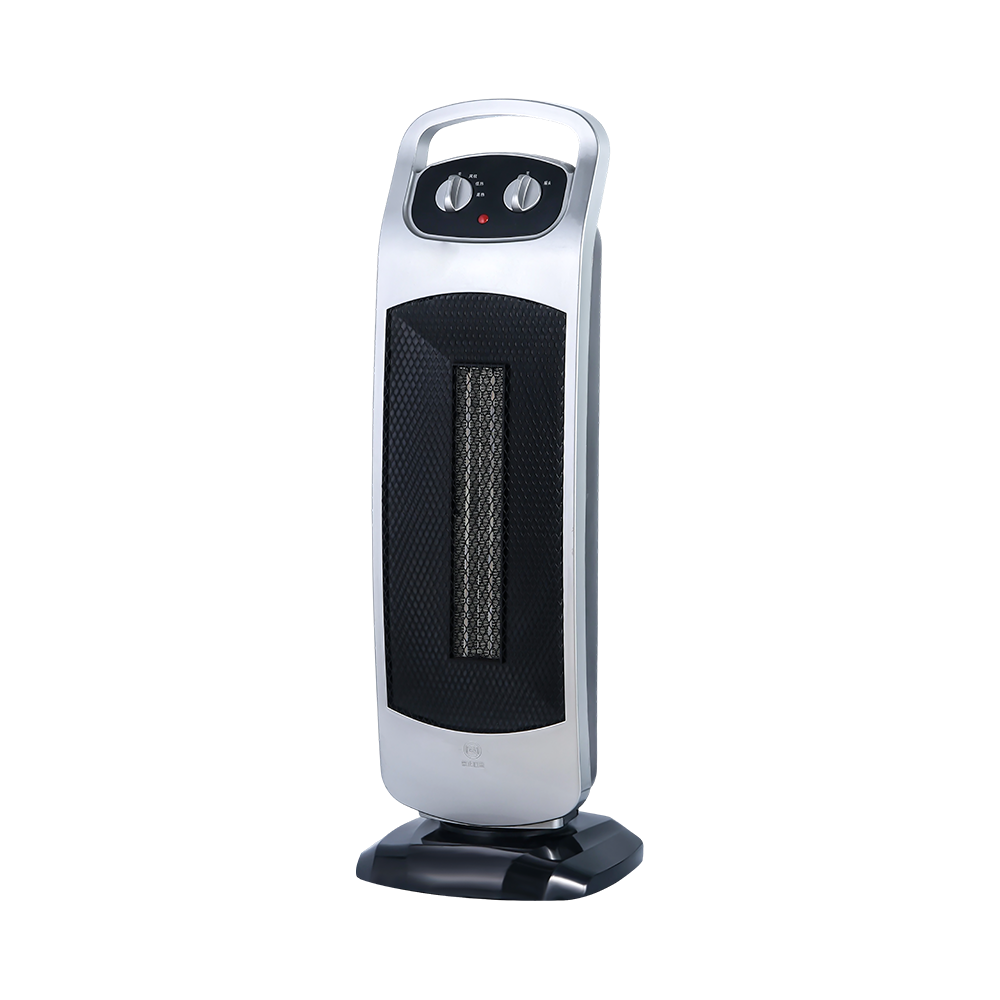 2000W PTC Ceramic Heater with OscillationThis fan-forced PTC ceramic heater delivers 2000W or 1000W output with automatic oscillation and tilt power-off. Its self-regulating element suits holding steady 45-50°F nights and pairing with radiant heat for staged control in a hobby greenhouse.View Product →
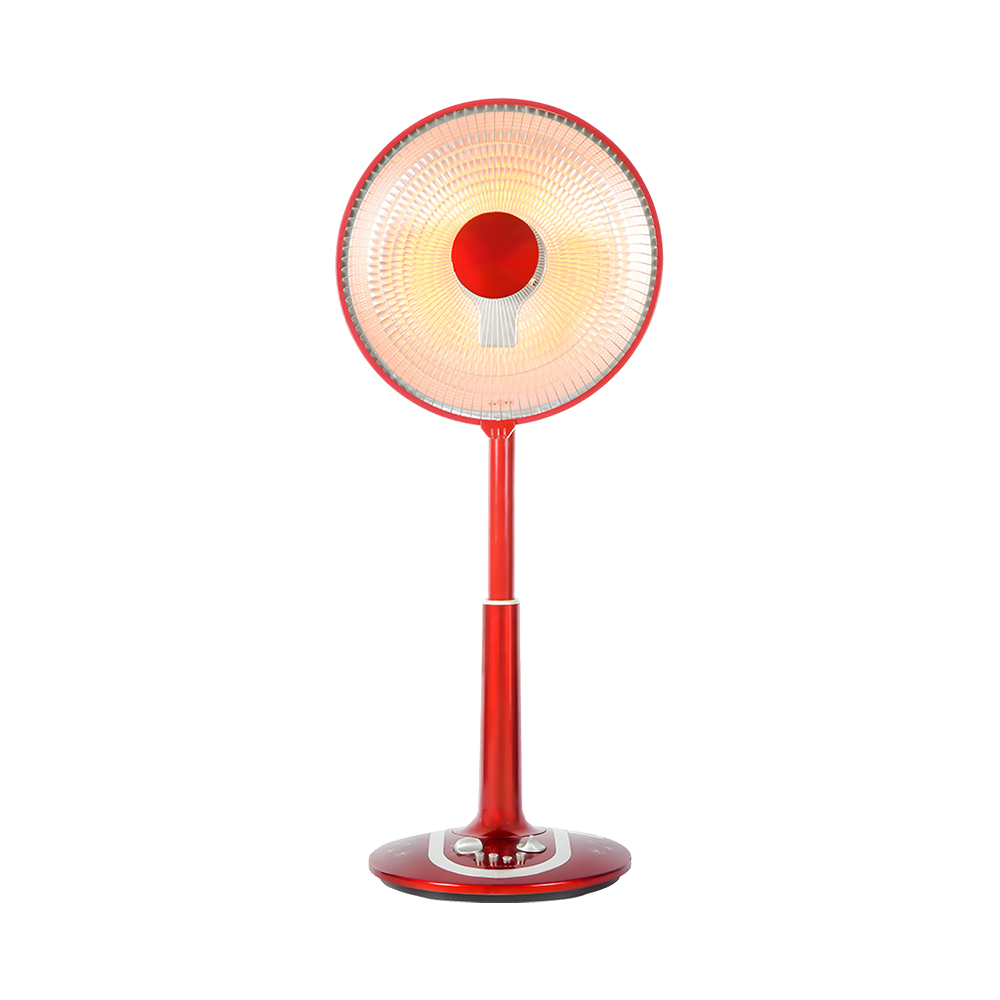
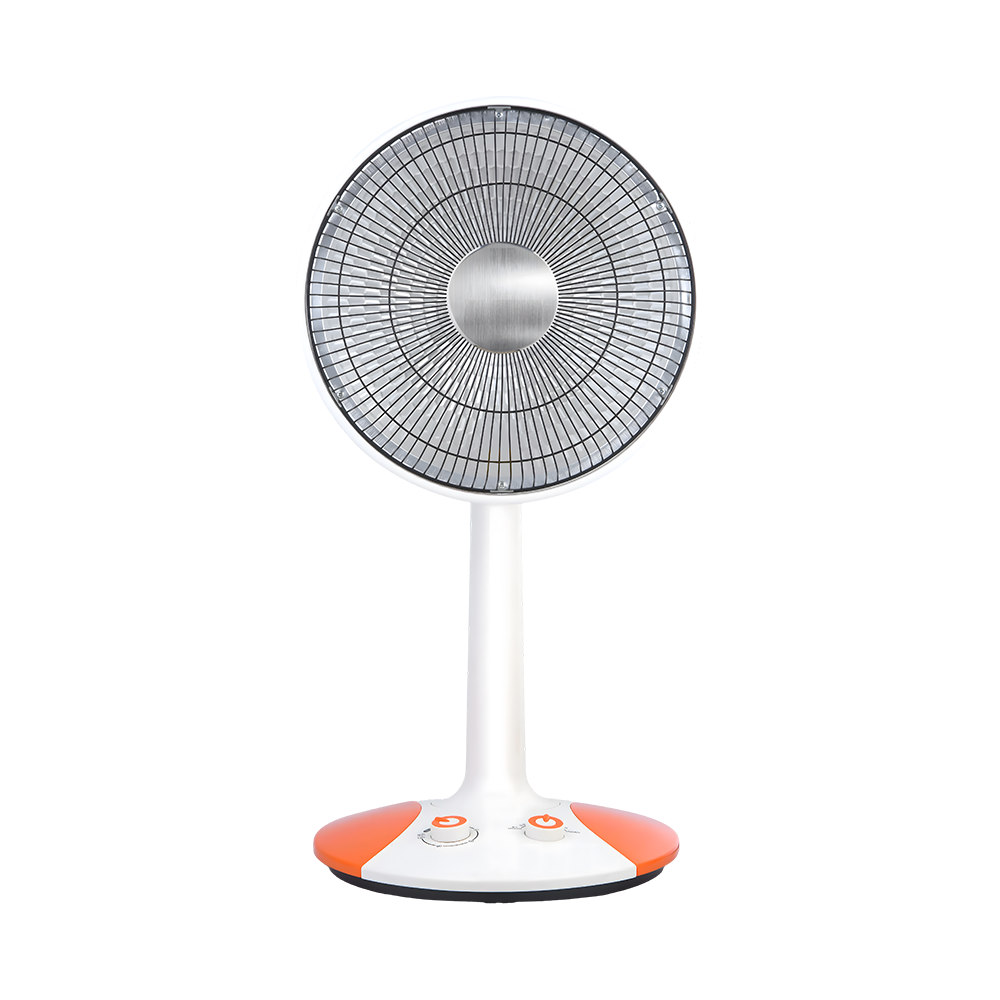
Infrared travels in straight lines and turns into heat when it strikes a surface: leaves, trays, soil. An 800 W portable quartz tube hung above a bench warms seedlings within seconds, without waiting for the entire air volume to heat up. Mount the unit high, angle it 30-45 degrees downward, and keep it out of irrigation splash, since the glass tube surface runs hot. This is the tool for propagation benches and for the cold zone just inside the door.
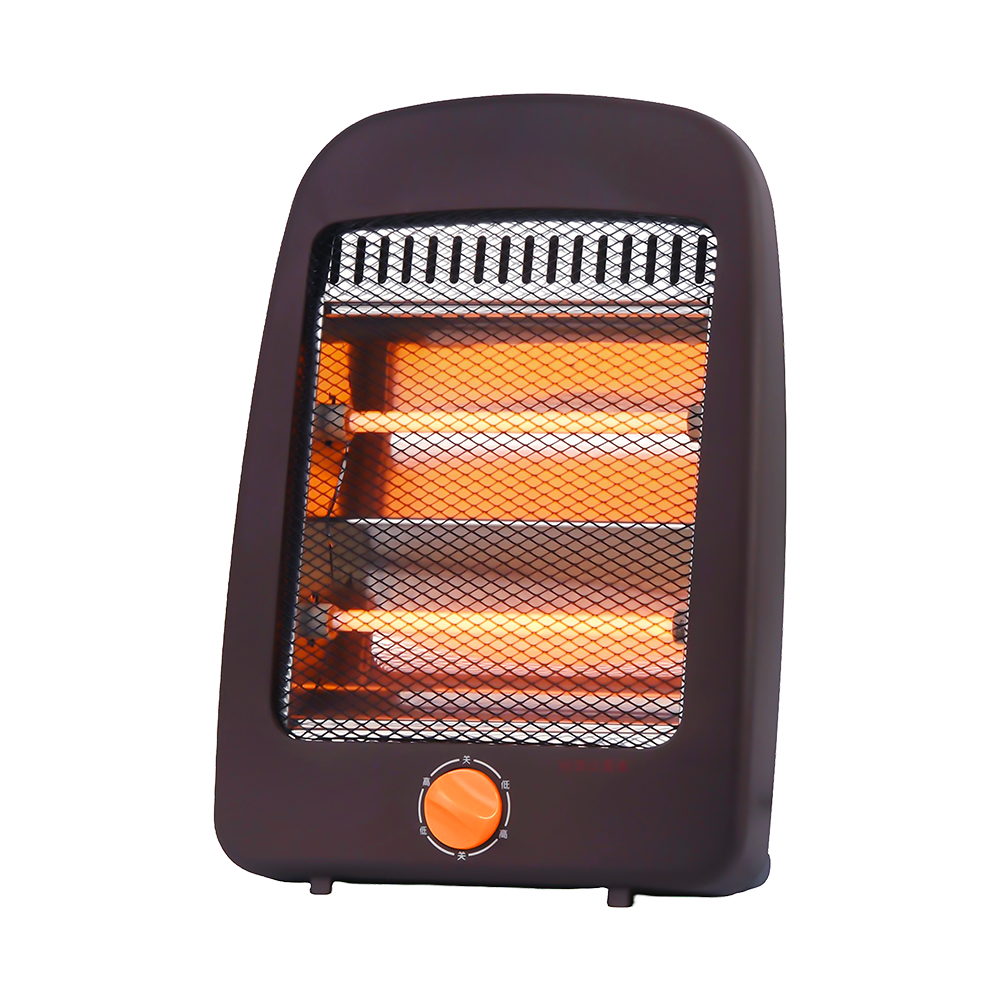 800W Portable Quartz Tube Radiant HeaterWith 800W and 400W settings, this quartz tube heater gives instant infrared warmth aimed directly at benches or seedlings. Its directional radiant heat makes it a practical pick for propagation areas and cold zones near the door.View Product →
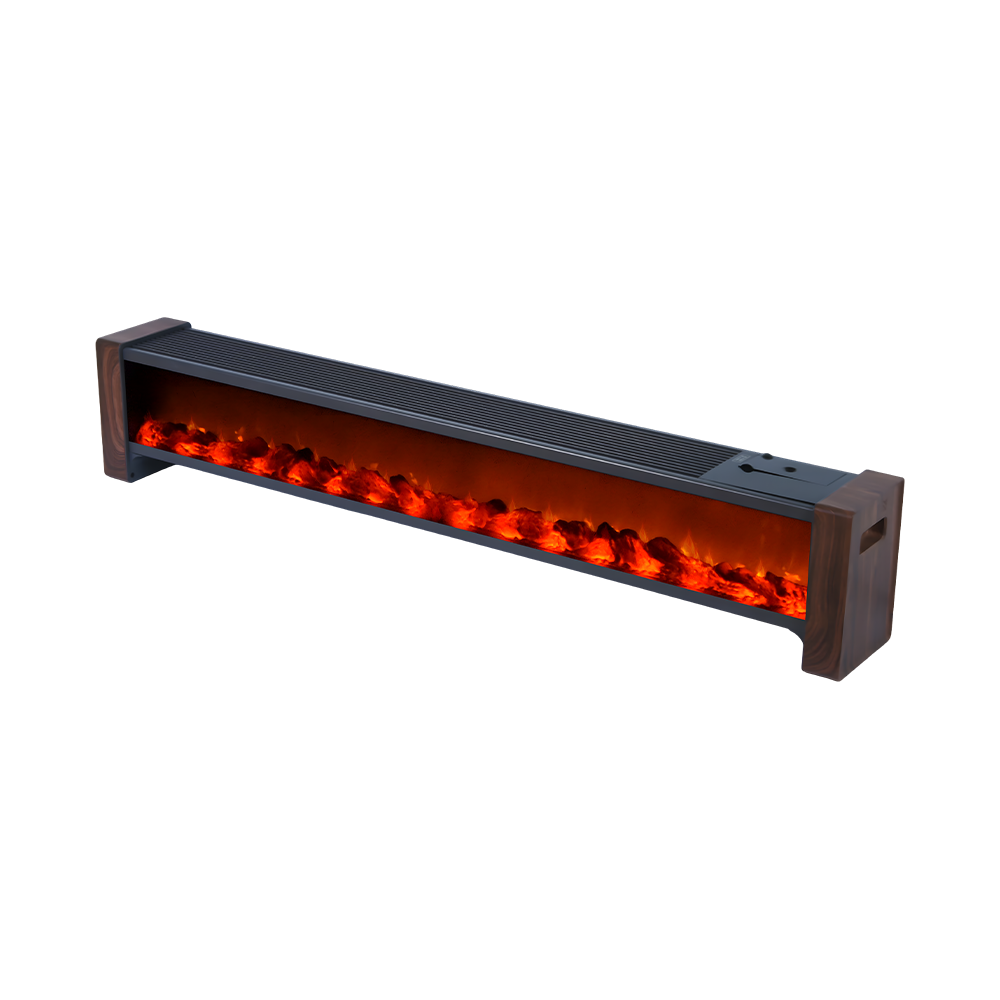
A 2,200 W graphene baseboard unit combines a radiant surface with natural convection. There is no fan, so no dry air is pushed across foliage, and the low position intercepts exactly where cold air collects: the floor line. It suits overwintering houses that hold 40-45°F around the clock, and versions with removable feet pack away neatly between seasons.
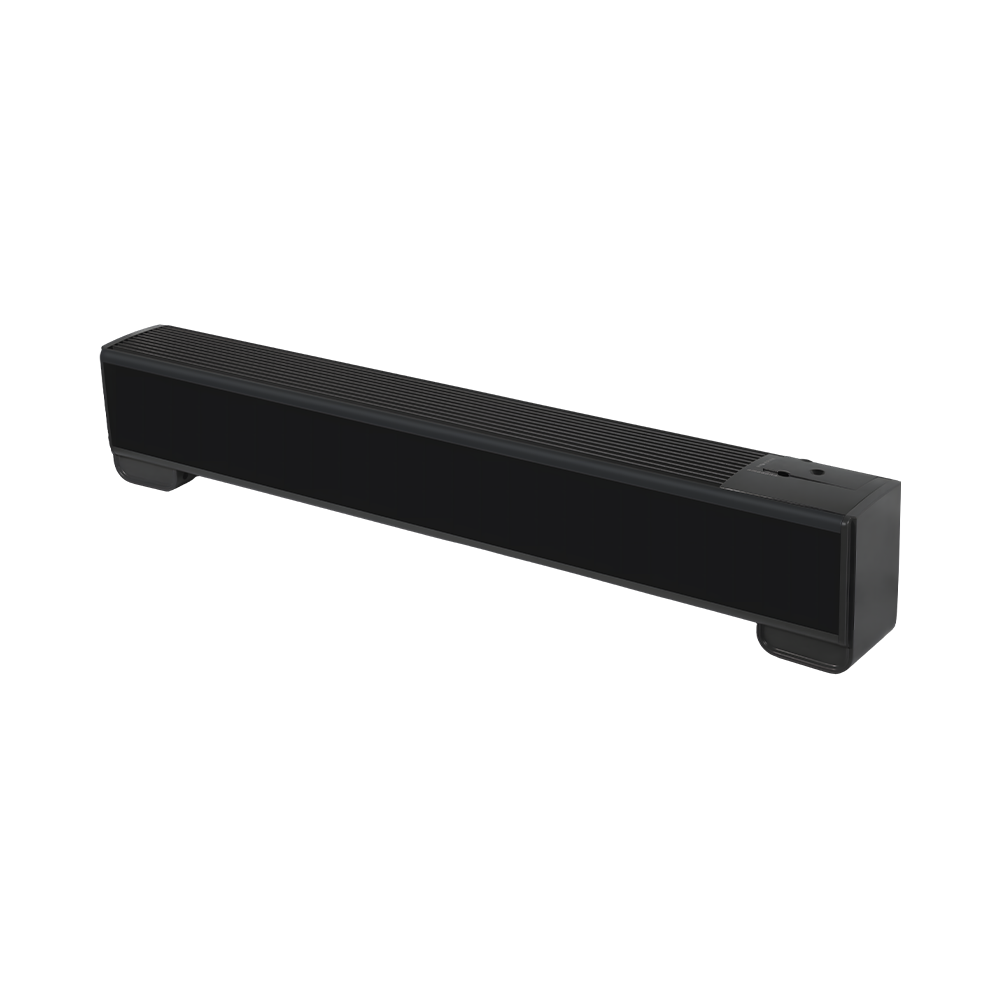 2200W Graphene Baseboard Heater with ThermostatThis 2200W graphene baseboard combines radiant warmth with fan-free convection, adjustable from 18-35°C with 15-hour scheduling and tilt power-off. Its low profile targets cold floor air, ideal for overwintering plants at 40-45°F.View Product →
The right setpoint depends on what is growing, and it changes the hardware you need more than anything else on this page.
Measure temperature at plant height with a min-max thermometer. The thermostat built into a floor heater reads air at 4-6 ft, where it is several degrees warmer than your seedlings; a cheap remote sensor on the bench prevents that blind spot.
At 48 sq ft of floor, the rule of thumb gives 480-960 W for mild winters. Run the heat-loss formula and a single-layer 6 x 8 ft house with a 30°F design rise, say 45°F target on a 15°F night, lands near 2,200 W. Most cold-climate growers install a 1,500-2,000 W fan-forced unit and add one or two water barrels as thermal mass.
Only slowly and inefficiently, because infrared heats surfaces first. Treat it as a spot-heating tool and measure results at leaf height, not at the ceiling.
They solve different problems. PTC ceramic governs whole-house air temperature; quartz tube delivers instant directional warmth to benches and door zones. The combination outperforms either one alone in anything larger than a lean-to.
Overwintering ornamentals and winter greens do well at 40-45°F. Propagation needs 65-70°F air and warmer soil (per university extension seed-starting charts). Every degree you drop saves roughly 3 percent in heating energy.
A 1,500 W heater running 10 hours a night uses 15 kWh. At a sample rate of $0.15 per kWh, that is about $2.25 per night, or roughly $68 a month. Because a working thermostat cycles the heater, real bills usually land a third to a half lower.
Yes, provided you choose sealed controls, keep the unit elevated and dry, and follow the placement rules above. Units designed with enclosed switches and quality internal wiring, like the ranges we manufacture, are built with damp, dusty seasonal duty in mind.
Buy against your heat load, not against a label. Run the wattage math, pick a fan-forced PTC ceramic unit as your primary source, add a quartz or carbon tube heater over the bench if you start seeds, and keep air moving with a thermostat in charge. Set up this way, a modest electric load holds a greenhouse steady through the kind of cold nights that decide whether the season starts on time.
You can compare specifications across our full range, including PTC ceramic, quartz tube, carbon tube, far-infrared, graphene baseboard and wall-mounted models, in the heater catalog (PDF).
Don't hesitate to contact when you need us!
For any questions and feedback from customers, we will reply patiently and meticulously.

The product has obtained multiple domestic and international certifications, including 3C, CE, ROHS, CB, and the ISO9001 quality management system.
CONTACT US
Address: No. 118, Guyao Highway, Zhangqi Town, Cixi City, Zhejiang Province, China
Wechat: +86-15921162693
Email: [email protected]
Mobile



 English
 Español
 عربى
عربى