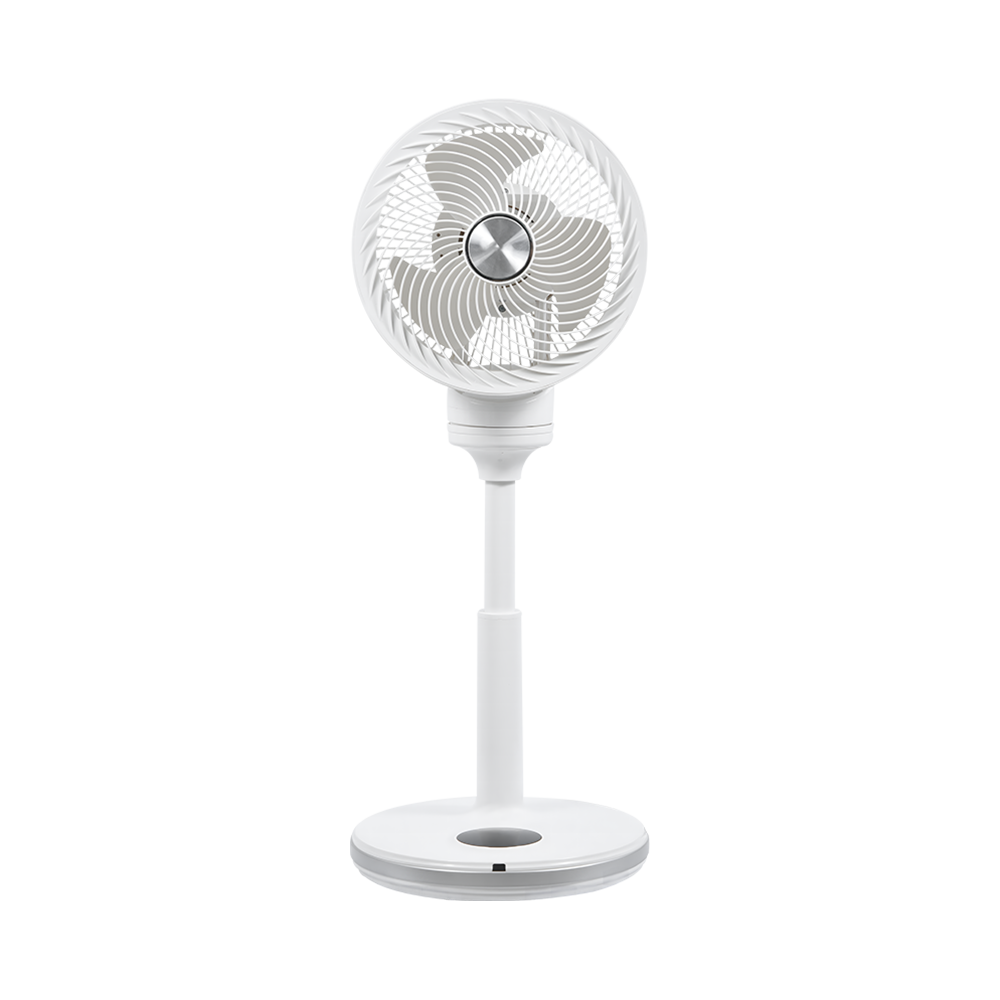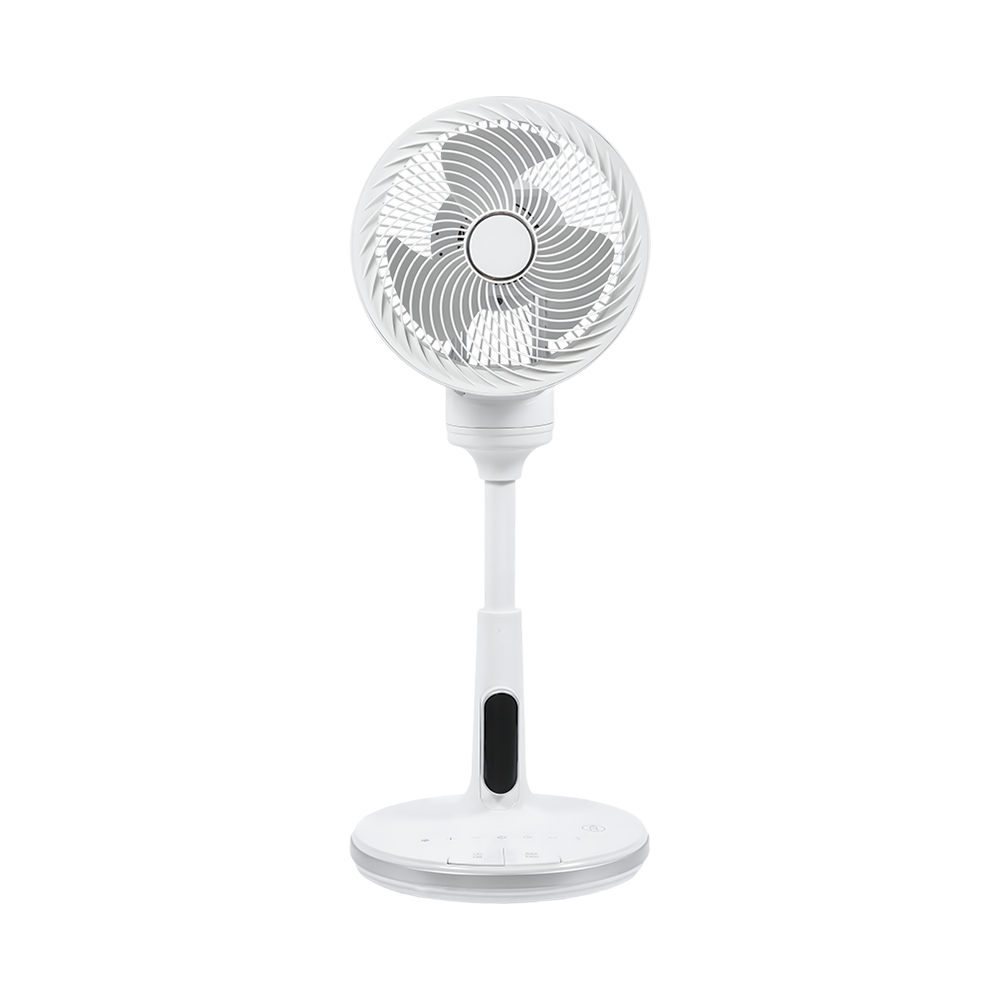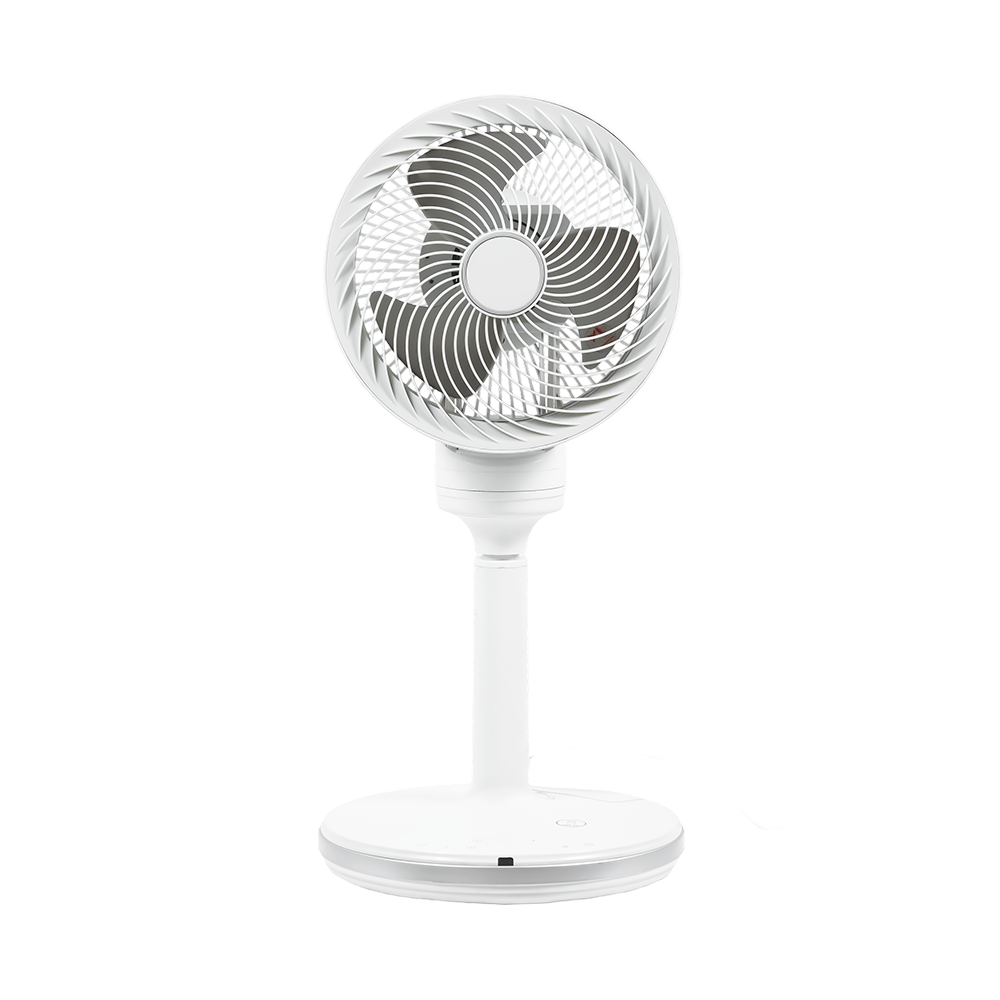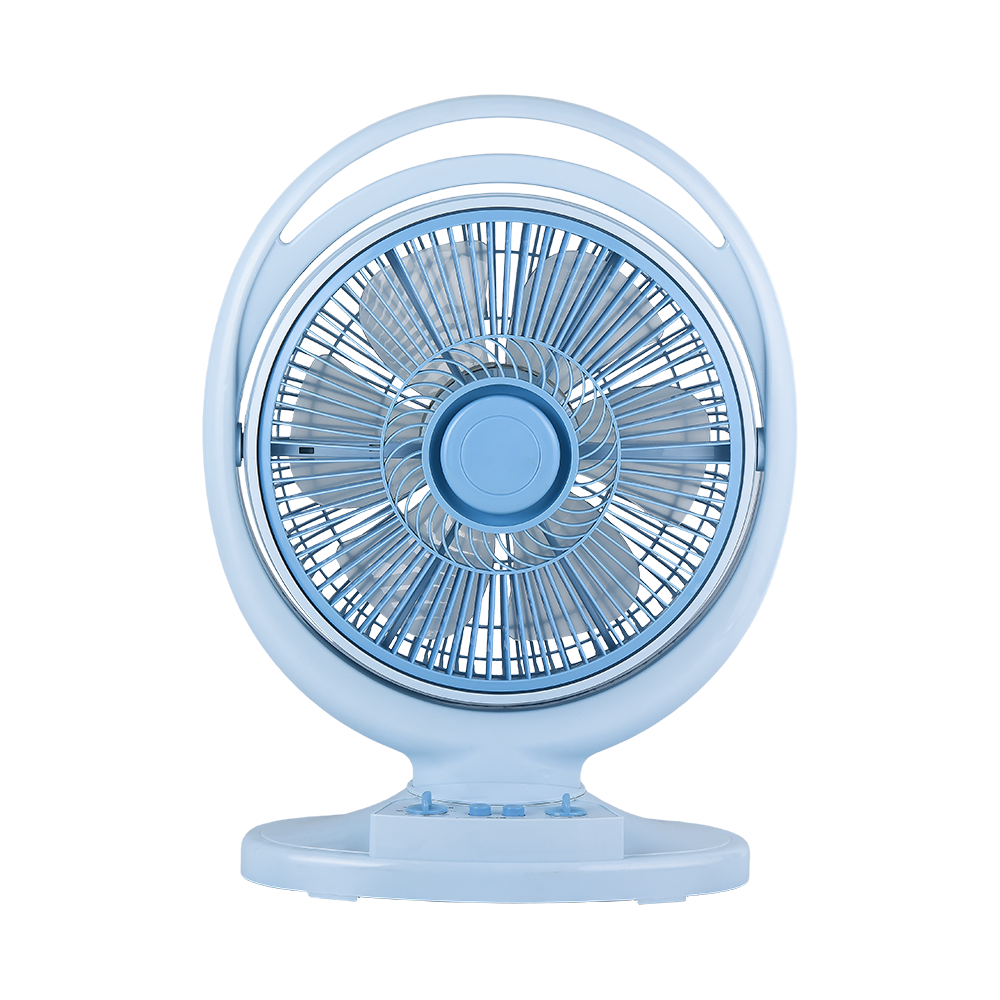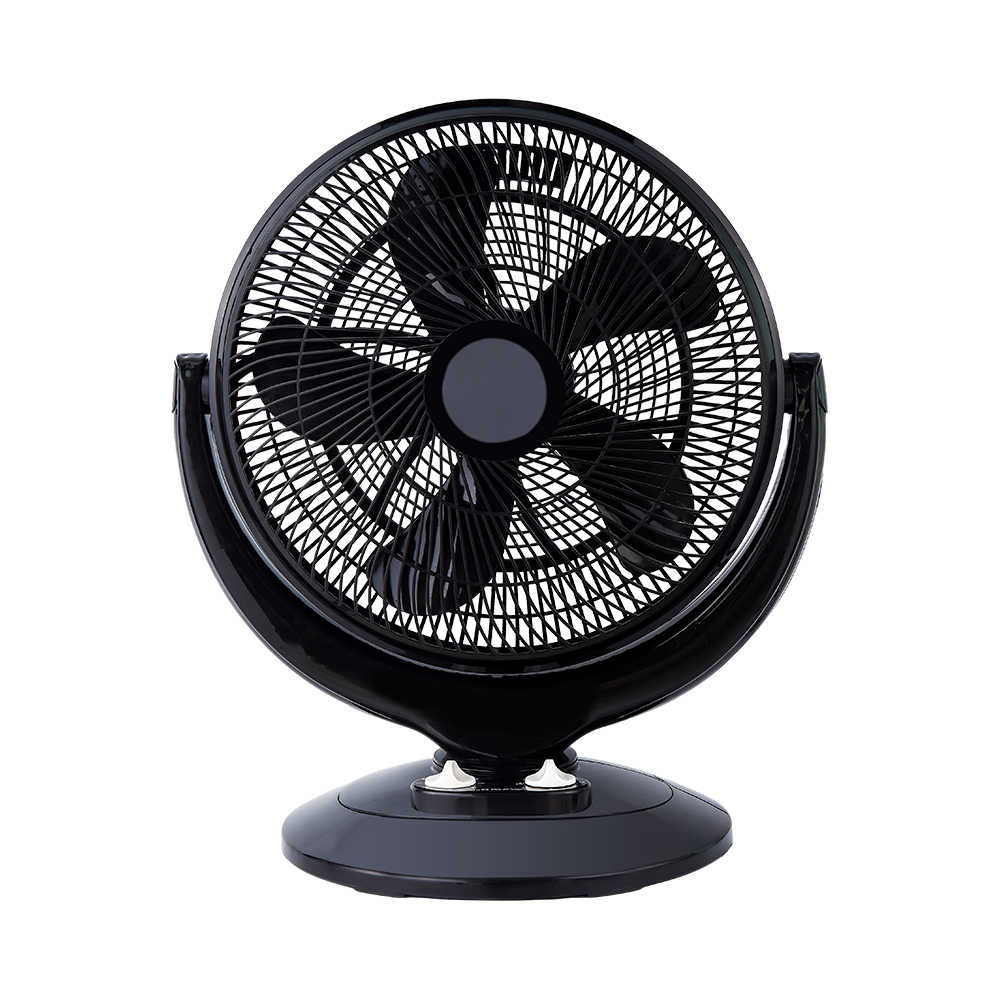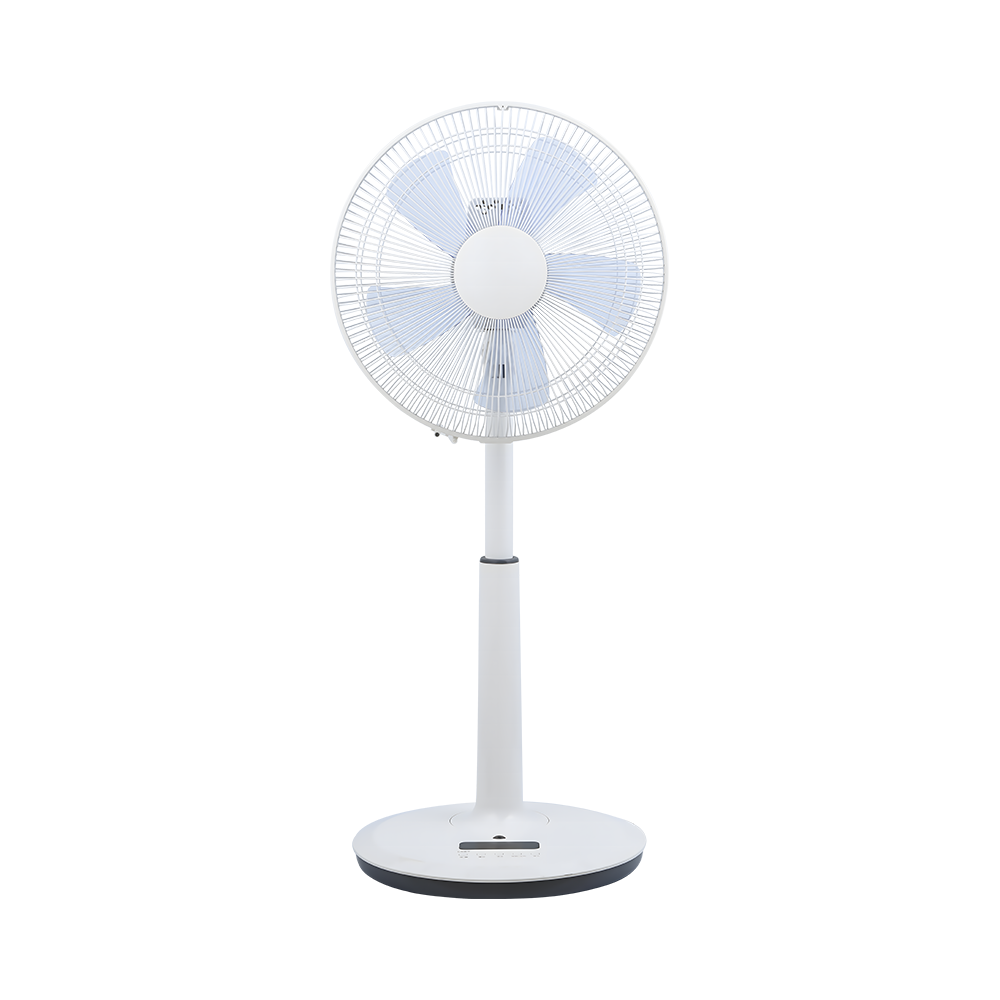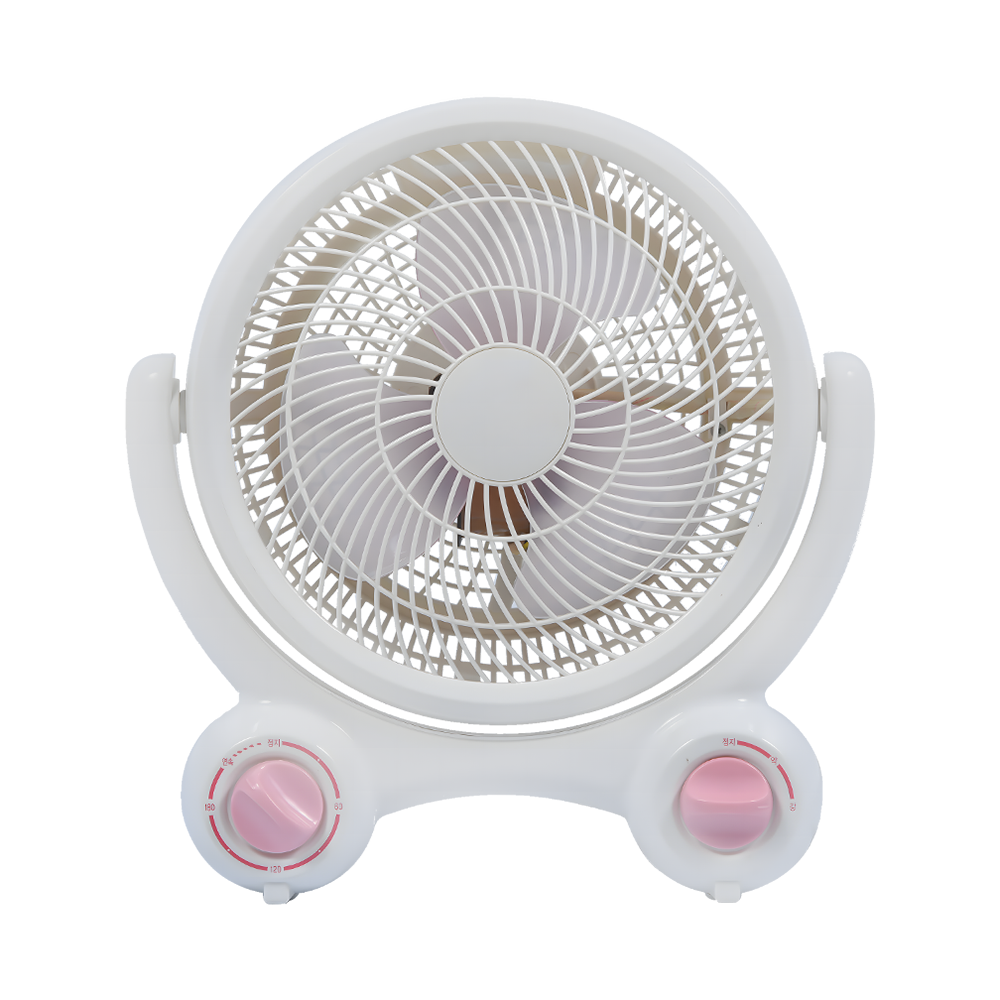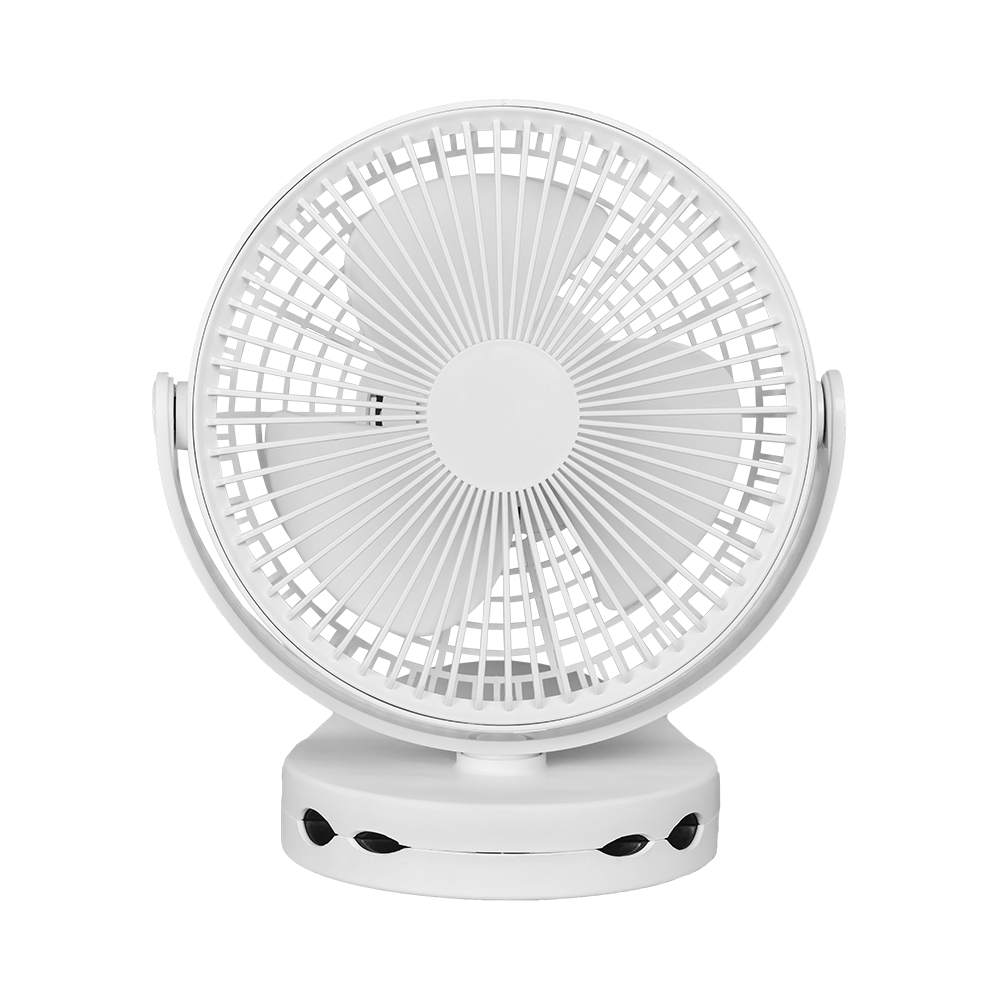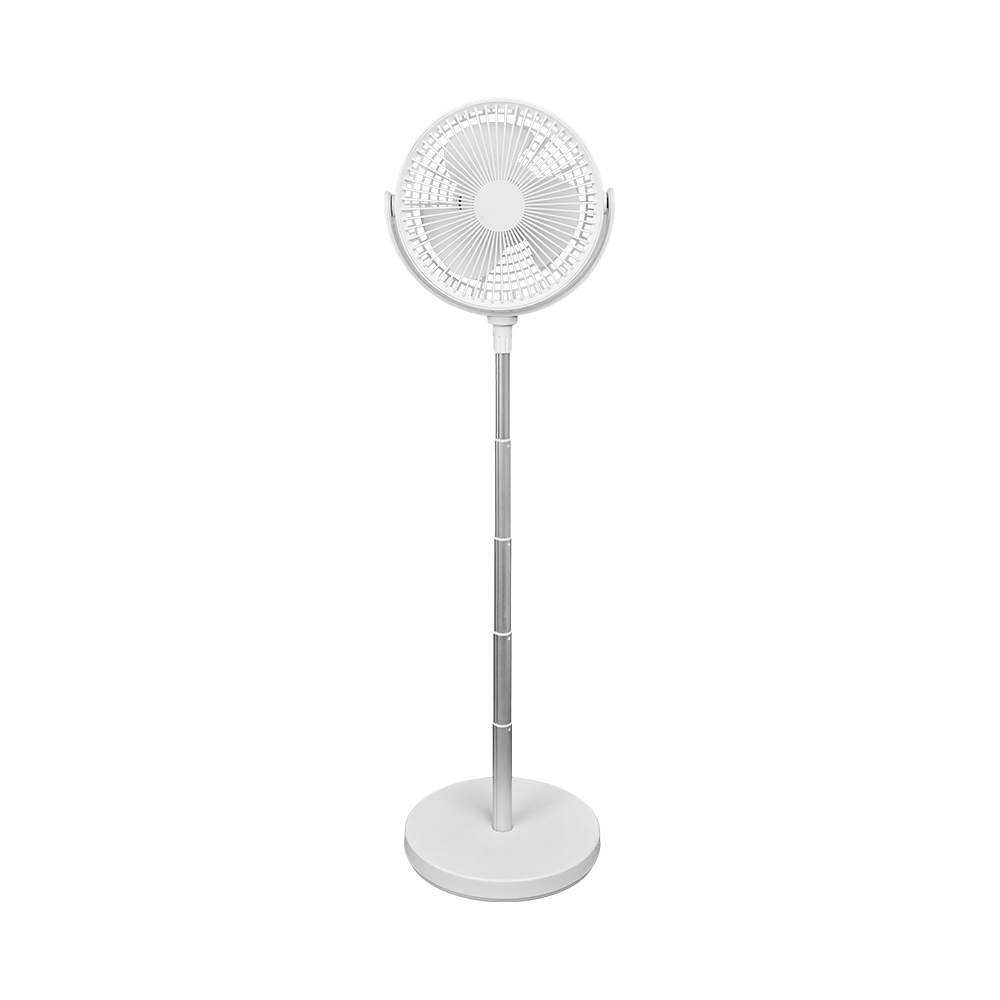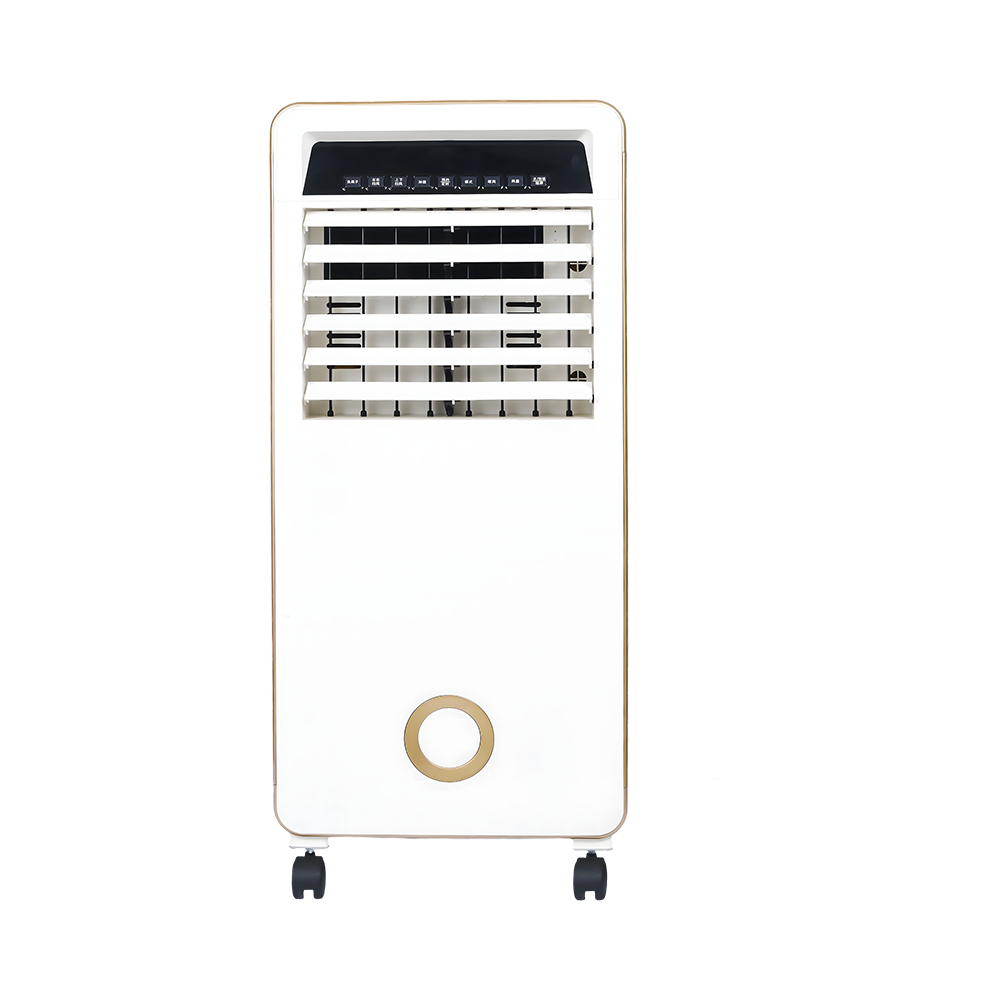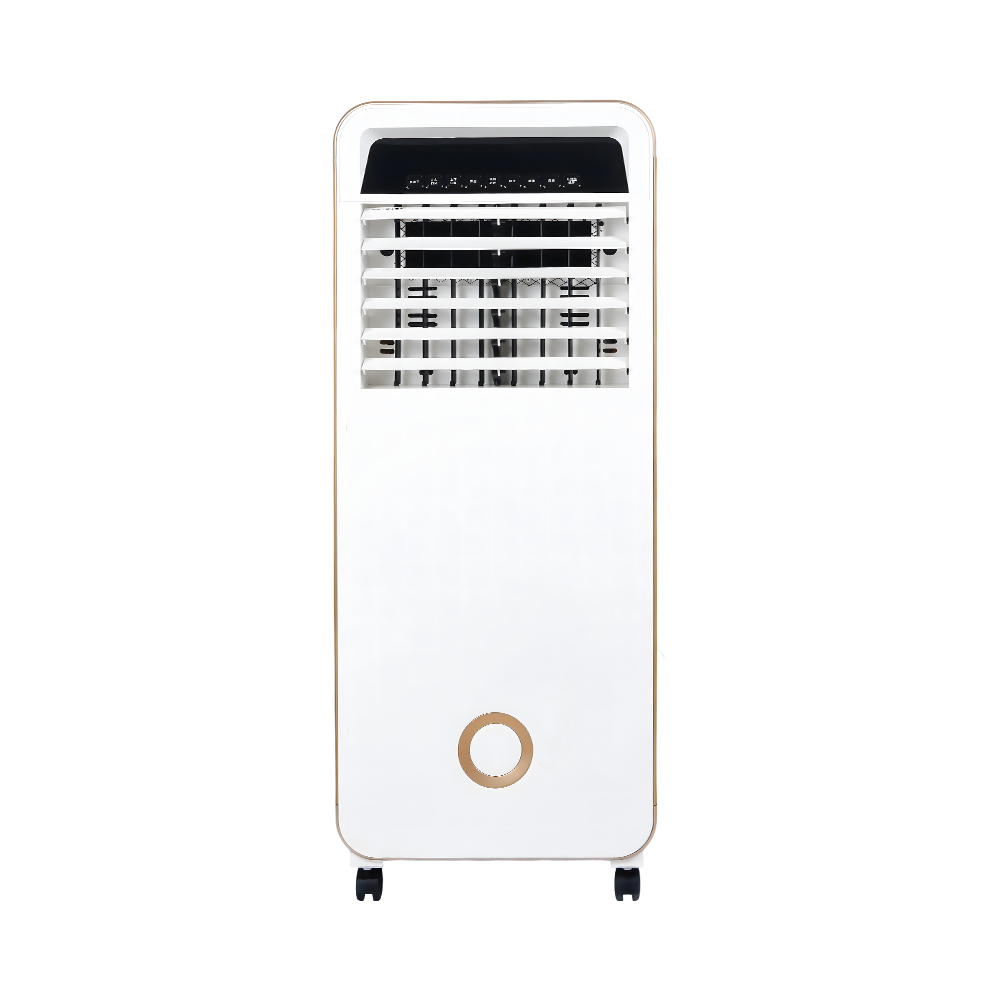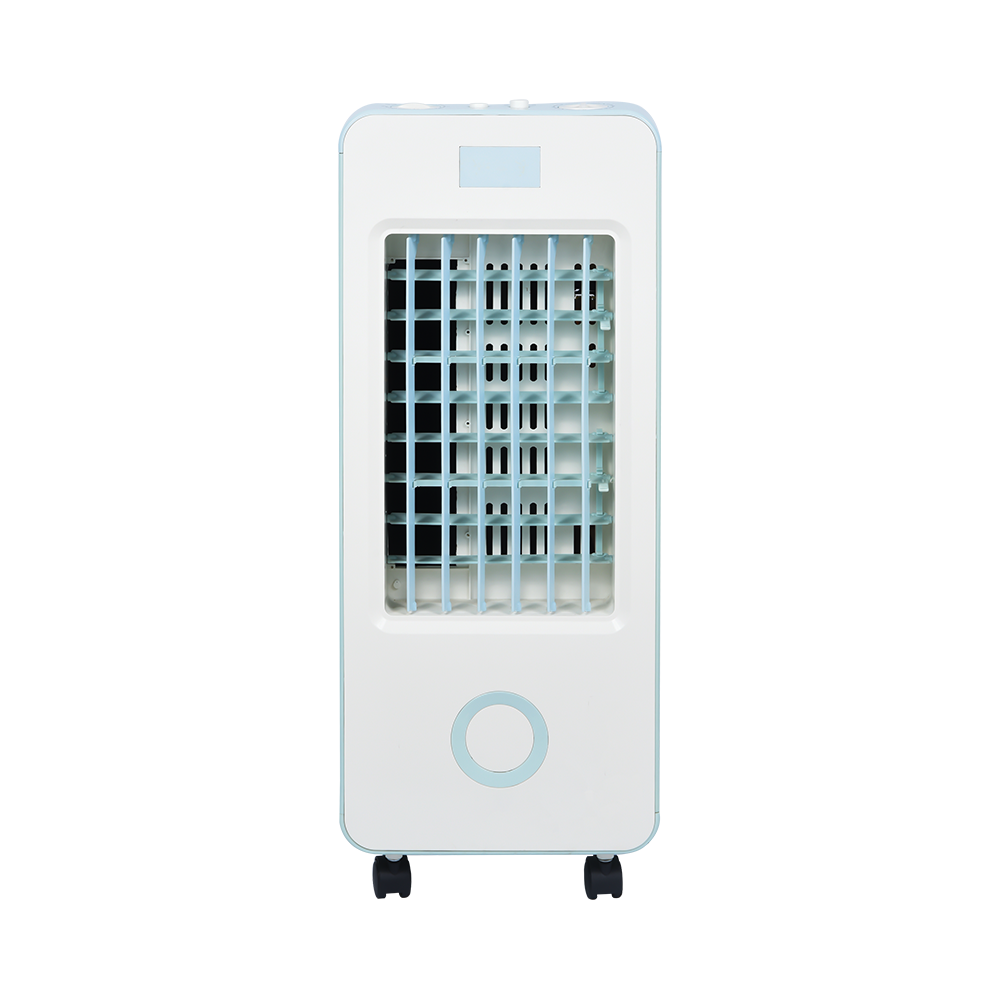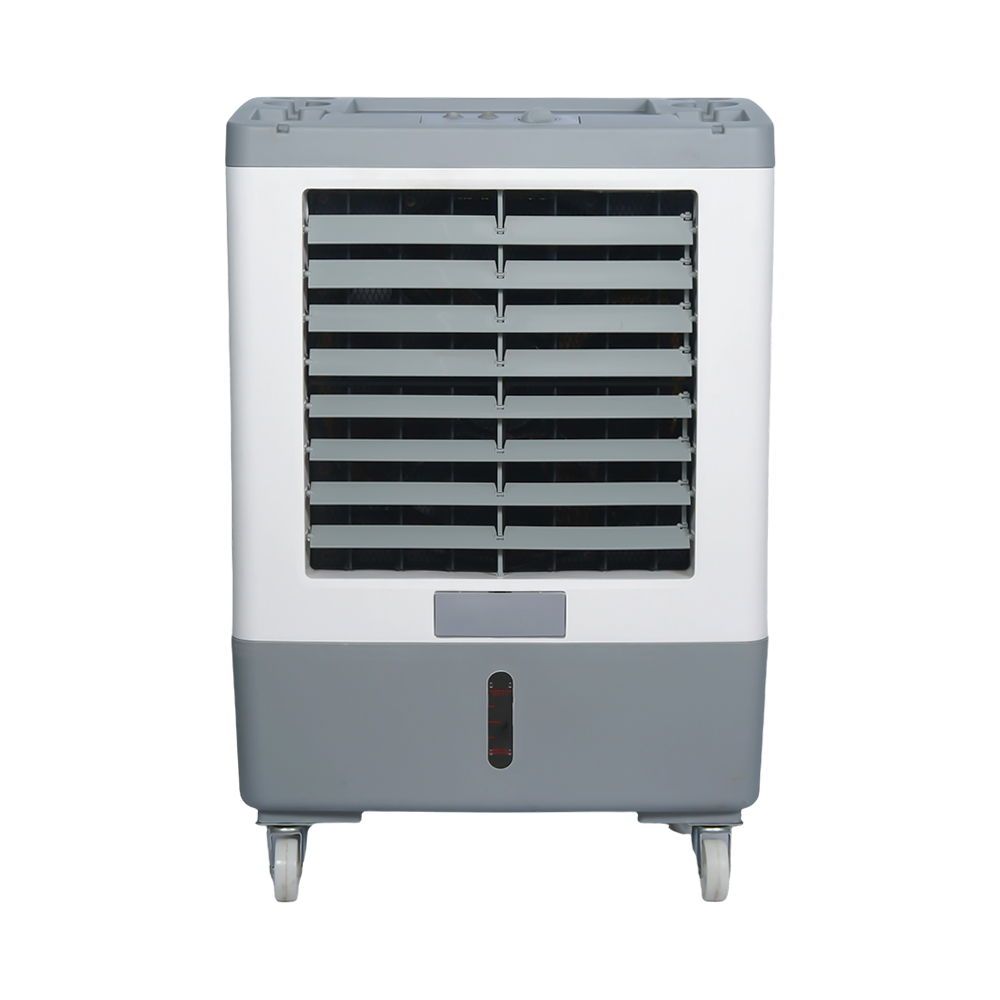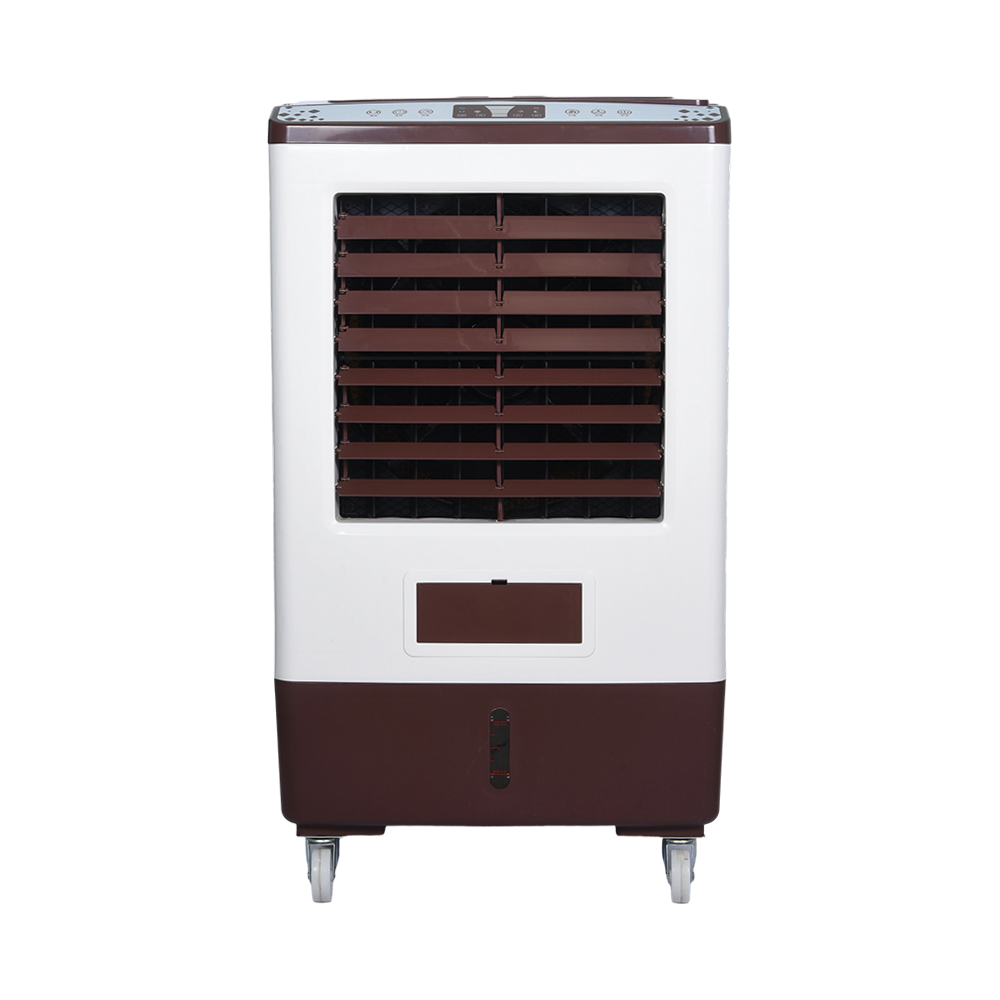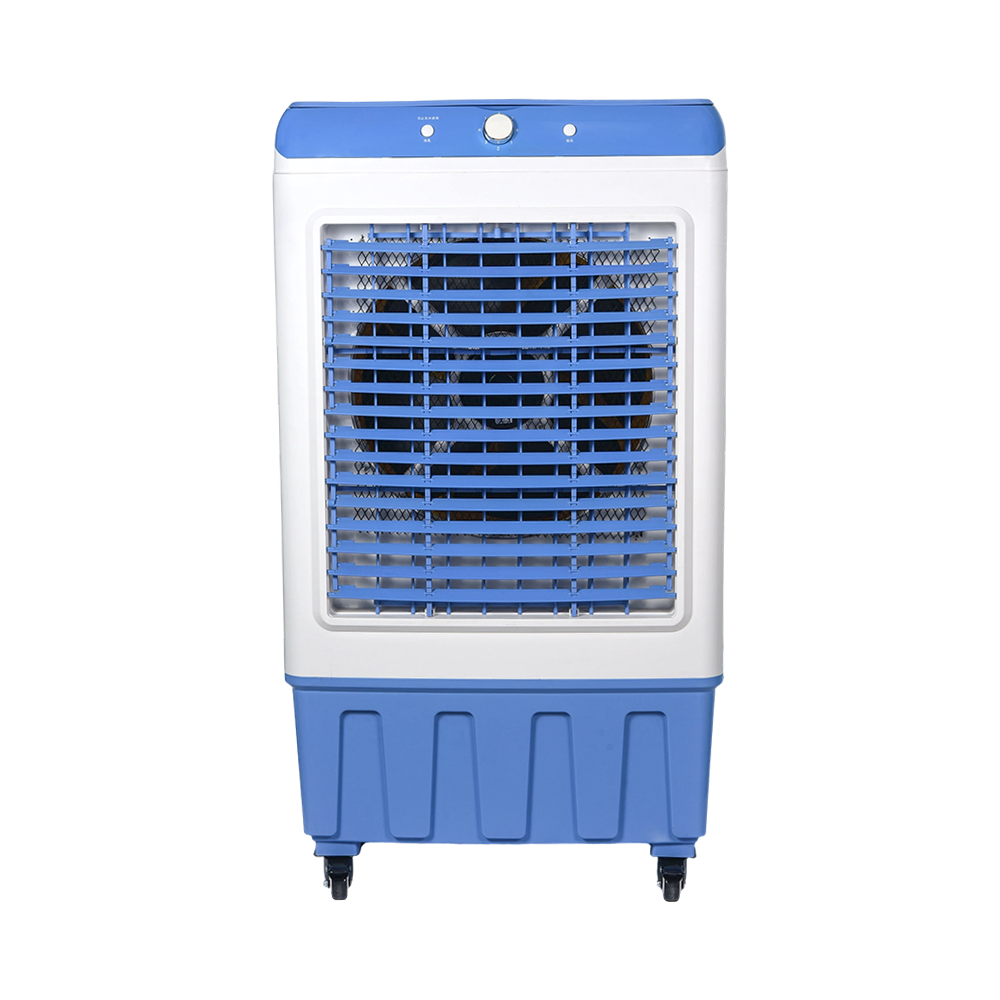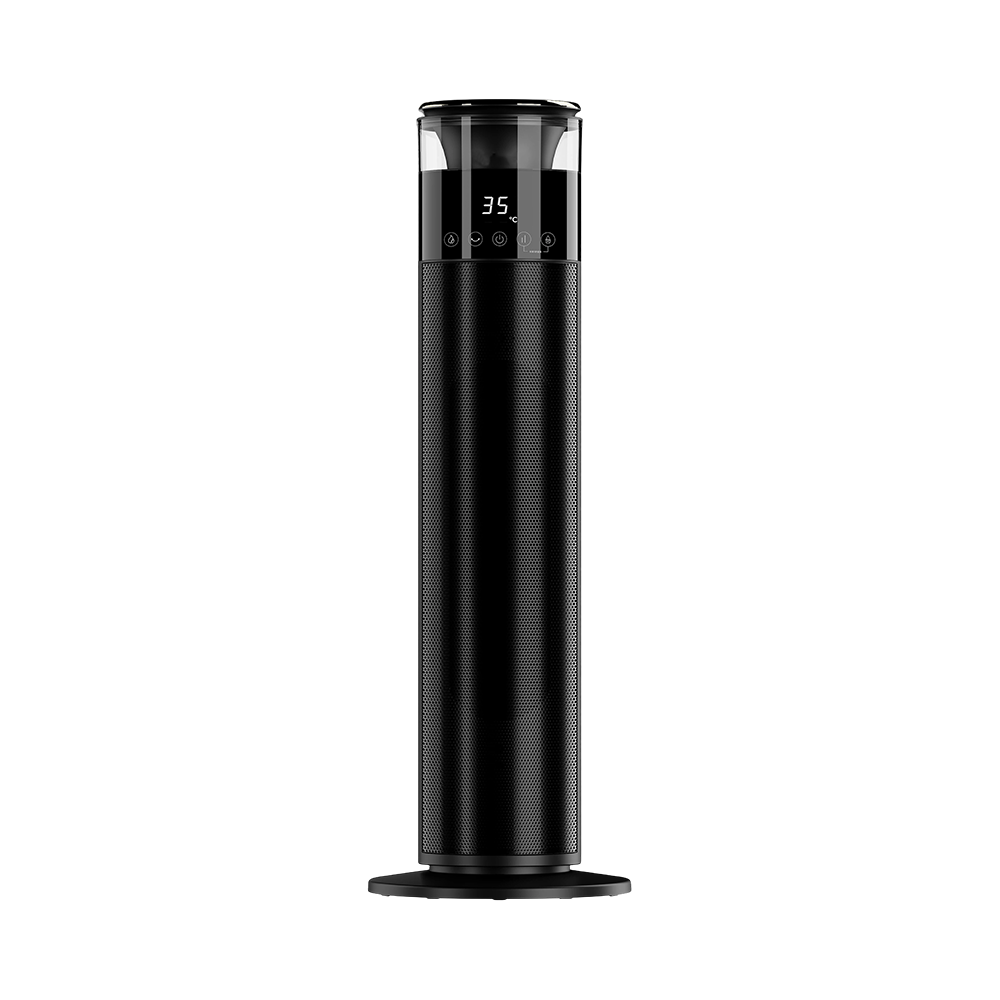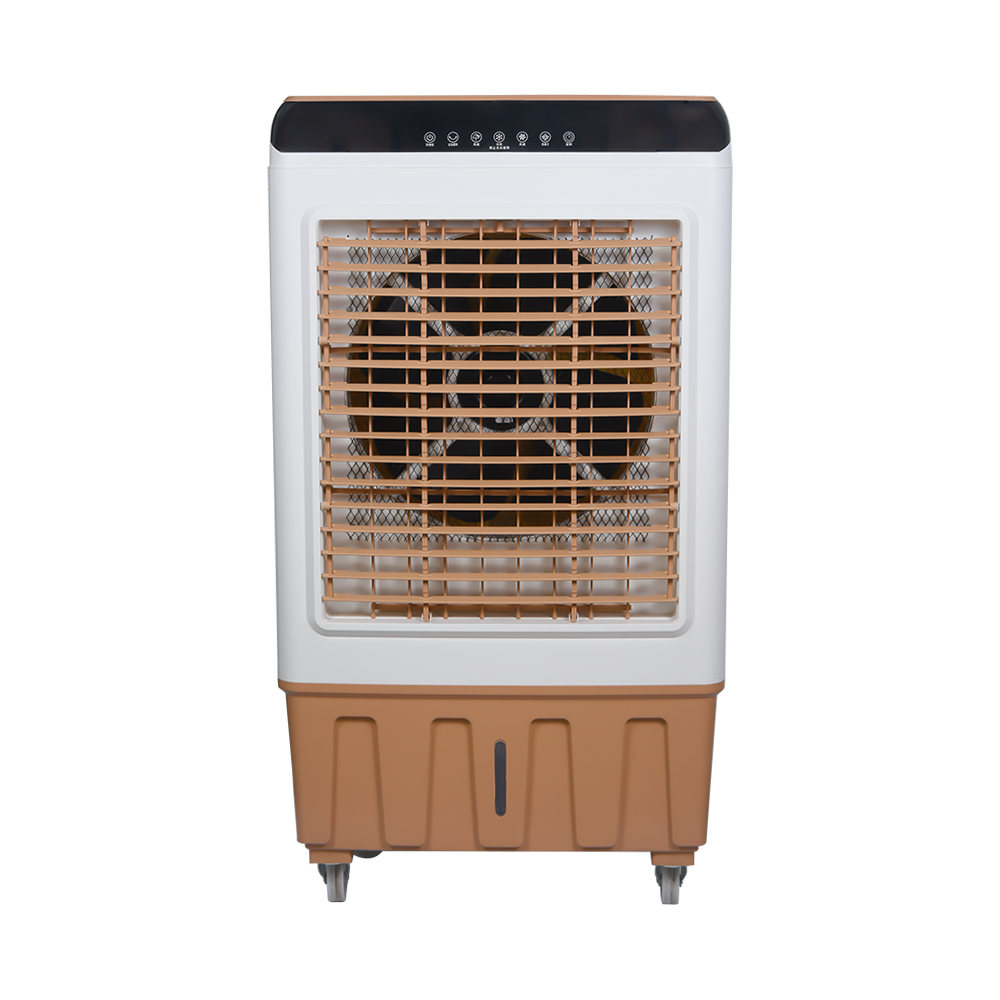


Industrial air coolers absorb heat from the environment through a heat exchange process, releasing cooler, actively flowing air to reduce temperatures.
These devices are built for large spaces and heavy-duty use, emphasizing airflow to handle significant heat loads, ideal for industrial environments.
Unlike precision air conditioners, they provide effective temperature control with lower operating costs, focusing on comfort and cooling in high-ventilation areas.
Don't hesitate to contact when you need us!
We're a reliable partner that shapes our expertise into success for your project.
Oct 12, 2026
The Heated Ceiling Fan: Does It Exist? Smart Heat & Air Circulation Guide If you searched for a heated ceiling fan expecting one appliance that both blows air and warms a room, here is the direct answer: integrated heated ceiling fans exist, but they are a rare, mostly commercial niche. In ordinary homes they rarely make sense, because heat rises. A heating element mounted at ceiling height... read moreOct 05, 2026
Indoor Heaters Buying Guide: Types, Sizing, Wattage, Safety and Cost Tips The right indoor heater is chosen by room size first, heat technology second, and control features last. A 1,300W PTC heater is enough for a bedroom of about 8 to 10 m², while a 2,200W graphene baseboard heater is a better match for a living room of 18 to 22 m². If you also want a visual centerpiece, a 3D flame firepl... read moreSep 28, 2026
Best Heater for Greenhouse: Types, Sizing Tips and Buying Advice | Baopeng Short answer first: for most backyard and small commercial greenhouses, the best heater setup is a thermostat-controlled, fan-forced ceramic heater to hold overall air temperature, backed by a small radiant tube heater aimed at the bench or seed-tray area for direct plant warmth. If you only buy one unit, make it the ... read more
An industrial air cooler is built to move large volumes of air through a wetted cooling pad or evaporative media, pulling down ambient temperature across open workshops, warehouses, poultry houses, and other high-ceiling spaces where standard split units are impractical. Unlike compressor-based air conditioning, this category relies on water evaporation to lower air temperature, which keeps running costs and installation complexity low even when covering thousands of square meters. The equipment spans portable floor units, wall-mounted models, and roof-mounted ducted systems, each sized around airflow volume (m³/h), water tank capacity, and the physical footprint of the space being cooled.
The physics behind an industrial air cooler is straightforward: a fan draws hot, dry air through a saturated cooling pad, and as water absorbs heat to evaporate, the air leaving the unit is measurably cooler and slightly more humid. The amount of temperature drop depends heavily on ambient humidity — the drier the incoming air, the greater the cooling effect, because dry air has more capacity to absorb moisture.
Illustrative relationship between incoming air humidity and achievable cooling effect for evaporative equipment.
This is why site conditions matter more than the spec sheet alone — a unit rated for a strong temperature drop in a coastal, humid plant will not perform the same way in a dry inland facility, and manufacturers who understand this variability, including Ningbo Baopeng Electric Appliance Co., Ltd, generally build in adjustable fan speeds and pad saturation controls so operators can tune output to their local climate rather than relying on a single fixed setting.
Getting airflow volume right is the single most common sizing mistake in industrial cooling projects. A unit that is undersized for a warehouse simply recirculates warm air; one that is oversized wastes water and energy without a proportional gain in comfort. Facility planners generally start from ceiling height, floor area, and the number of air changes per hour the space realistically needs.
Typical airflow ranges used as a starting point for sizing industrial evaporative air coolers by space type.
Because facility layouts rarely match a catalog exactly, working with a supplier able to adjust motor power, duct outlets, and cabinet dimensions to the real floor plan avoids the trial-and-error of retrofitting an off-the-shelf unit. Ningbo Baopeng Electric Appliance Co., Ltd customizes its air cooler production in accordance with each customer's stated requirements rather than shipping a fixed configuration, which is particularly useful for buyers whose site dimensions or duct routing don't fit a standard model.
Buyers sourcing industrial air coolers from overseas factories are usually less worried about the unit's specifications than about whether the production process is actually controlled and verifiable. A realistic production window matters here — rushed manufacturing tends to show up later as inconsistent pad saturation, motor noise, or water leakage.
Our standard production lead time is 50 calendar days from the date of order confirmation and receipt of the deposit. This timeline is set to keep quality control consistent while managing the manufacturing process for each order, rather than compressing production to hit a shorter but less reliable date. Every unit is customized to the buyer's stated requirements, and a third-party inspection is carried out before the goods leave the factory — a step that gives buyers an independent check beyond the factory's own internal QC.
This is the process Ningbo Baopeng Electric Appliance Co., Ltd follows for its industrial and home use air cooler lines: order confirmation and deposit, customized manufacturing, third-party pre-shipment inspection, then dispatch.
Sourcing industrial air coolers usually means choosing between a trading company that resells another factory's output, or a manufacturer selling directly. The practical difference shows up in how quickly a customization request gets answered, and how traceable a quality issue is once a unit is already in the field.
We are a factory dedicated to providing direct manufacturing services for our customers, so customization requests, inspection reports, and shipment schedules come from the same place the product is actually built, without a middle layer relaying information. Our factory is located in Cixi, Zhejiang Province, China, a location chosen in part because it is convenient for transportation and logistics when shipping finished units to overseas ports.
Air coolers destined for industrial environments run for long stretches — often continuously through hot seasons — so component consistency across a production batch matters as much as the design on paper. A supplier that has already had to meet the internal QC expectations of larger appliance brands tends to carry that discipline into every order.
| Buyer priority | What to check with the manufacturer |
|---|---|
| Consistent output across a large order | Prior experience supplying appliance brands, not just one-off orders |
| Independent verification | Third-party inspection before shipment, separate from in-house QC |
| Fit for a non-standard space | Willingness to customize configuration to stated requirements |
Guided by the principle of "Survive by Quality, Develop by Innovation," Baopeng continuously strengthens its manufacturing standards, engineering management, and quality assurance systems to meet evolving market demands — an approach built on extensive experience gained from long-term cooperation with first and second-tier domestic home appliance brands, which has helped keep product quality reliable and stable order after order.
An air conditioner uses a sealed refrigerant loop and compressor to cool a closed space, while an evaporative air cooler pulls outside air through wet media and pushes cooled, fresh air into an open or semi-open area. This makes it far more energy-efficient for large, ventilated spaces, though it depends on airflow in and out of the building to work well.
Most industrial units offer variable fan speeds and pad saturation control, so output can be tuned to the season or to changes in the space's layout without replacing the unit.
Typically the floor area or room volume, ceiling height, available duct or wall openings, and any voltage requirements. Sharing this upfront lets the manufacturer confirm airflow capacity and cabinet dimensions before production starts.
For a factory-direct order with third-party pre-shipment inspection, a 50-calendar-day cycle from order confirmation and deposit is a reasonable standard to expect, covering customization, manufacturing, and inspection before goods are dispatched.
Don't hesitate to contact when you need us!
For any questions and feedback from customers, we will reply patiently and meticulously.

The product has obtained multiple domestic and international certifications, including 3C, CE, ROHS, CB, and the ISO9001 quality management system.
CONTACT US
Address: No. 118, Guyao Highway, Zhangqi Town, Cixi City, Zhejiang Province, China
Wechat: +86-15921162693
Email: [email protected]
Mobile



 English
 Español
 عربى
عربى