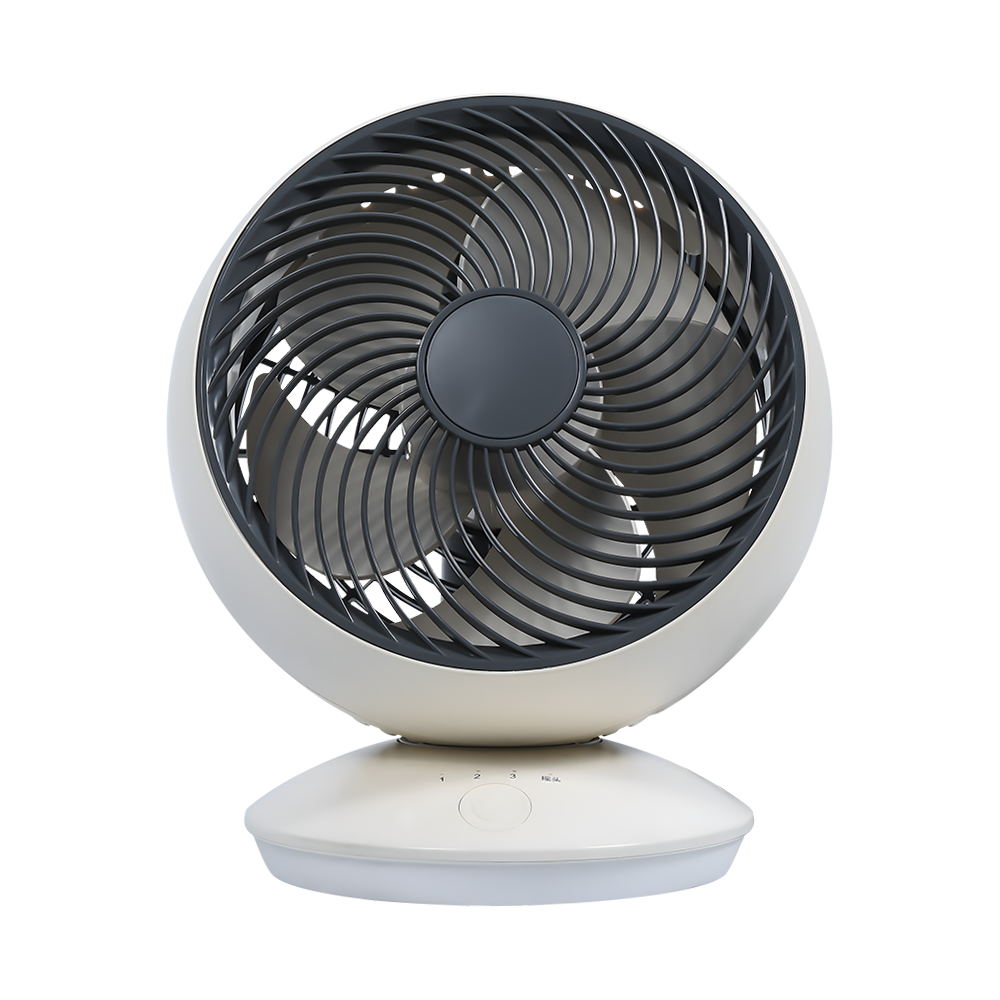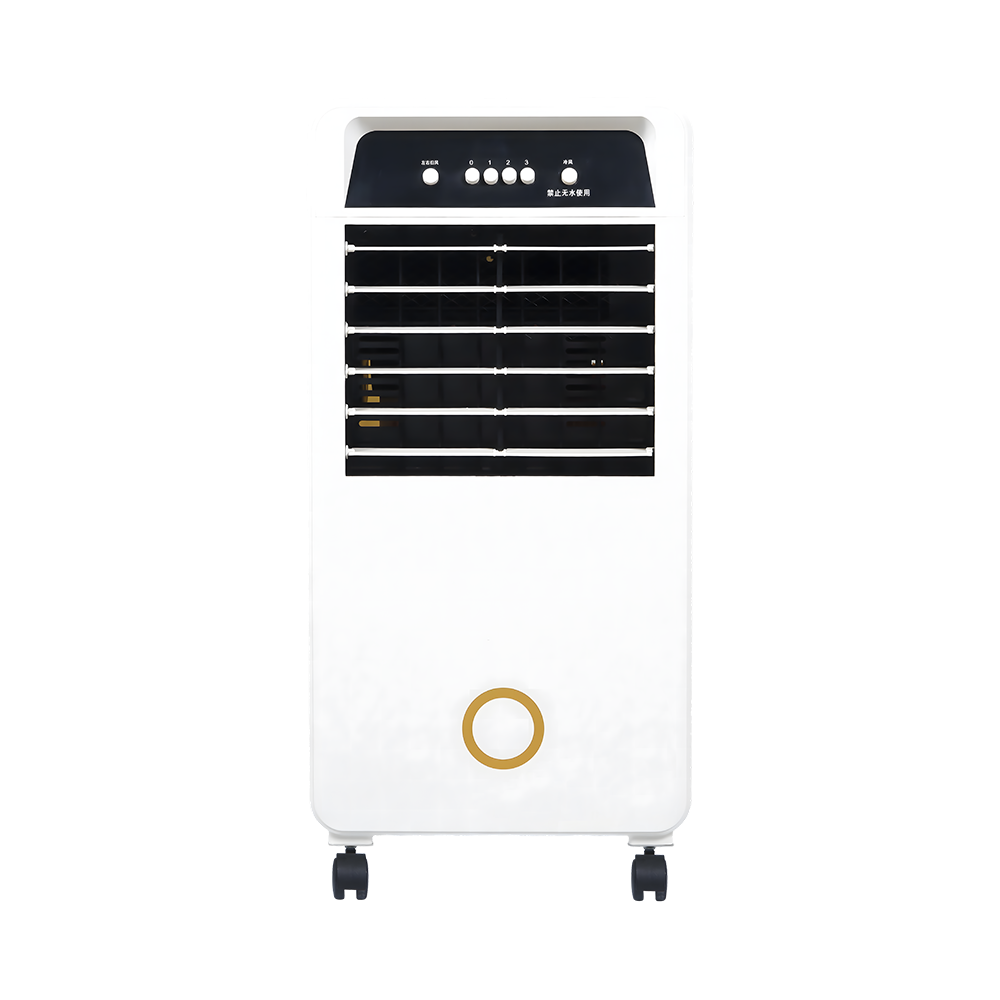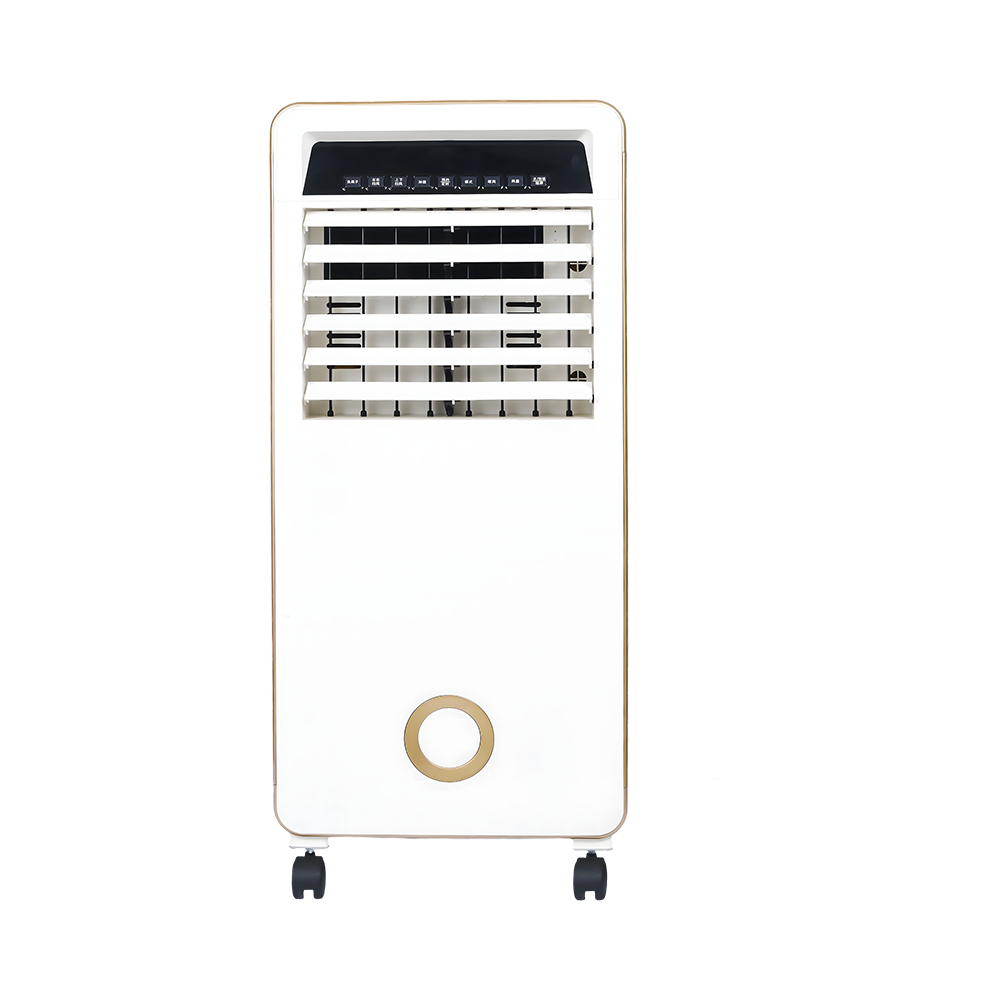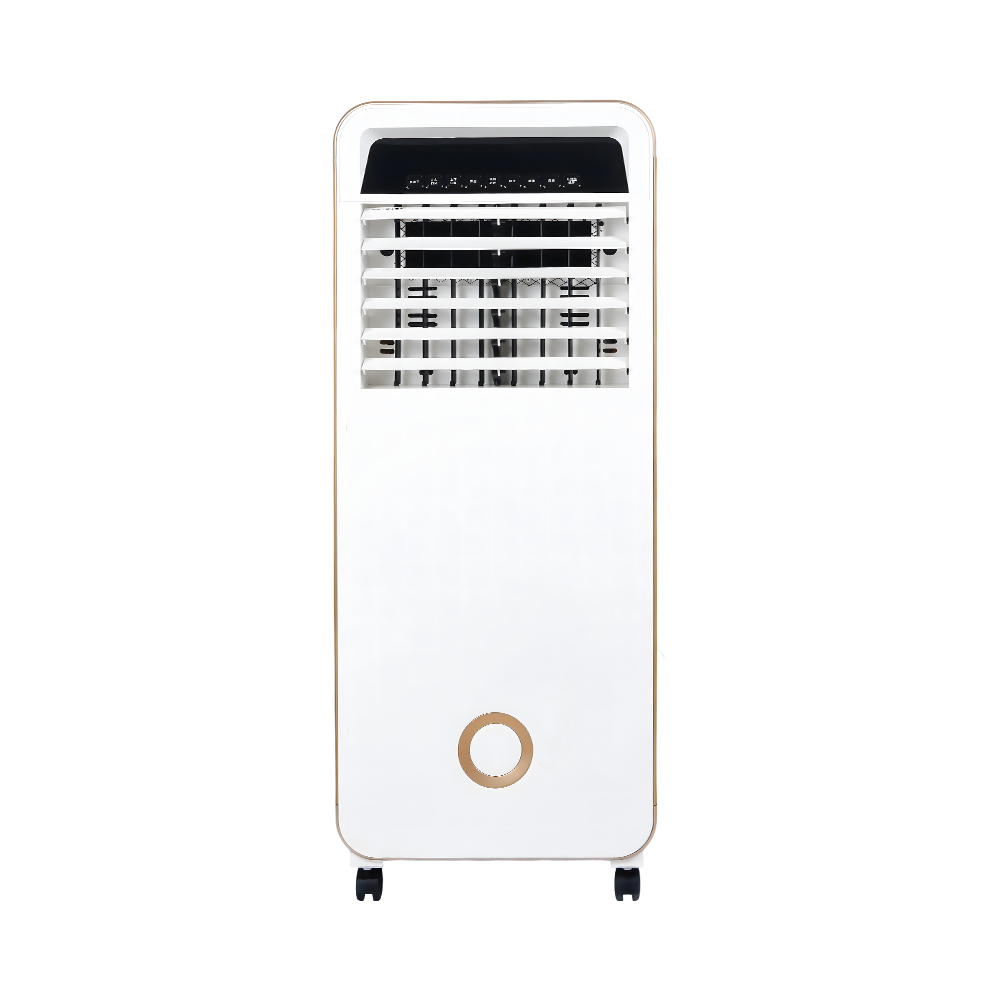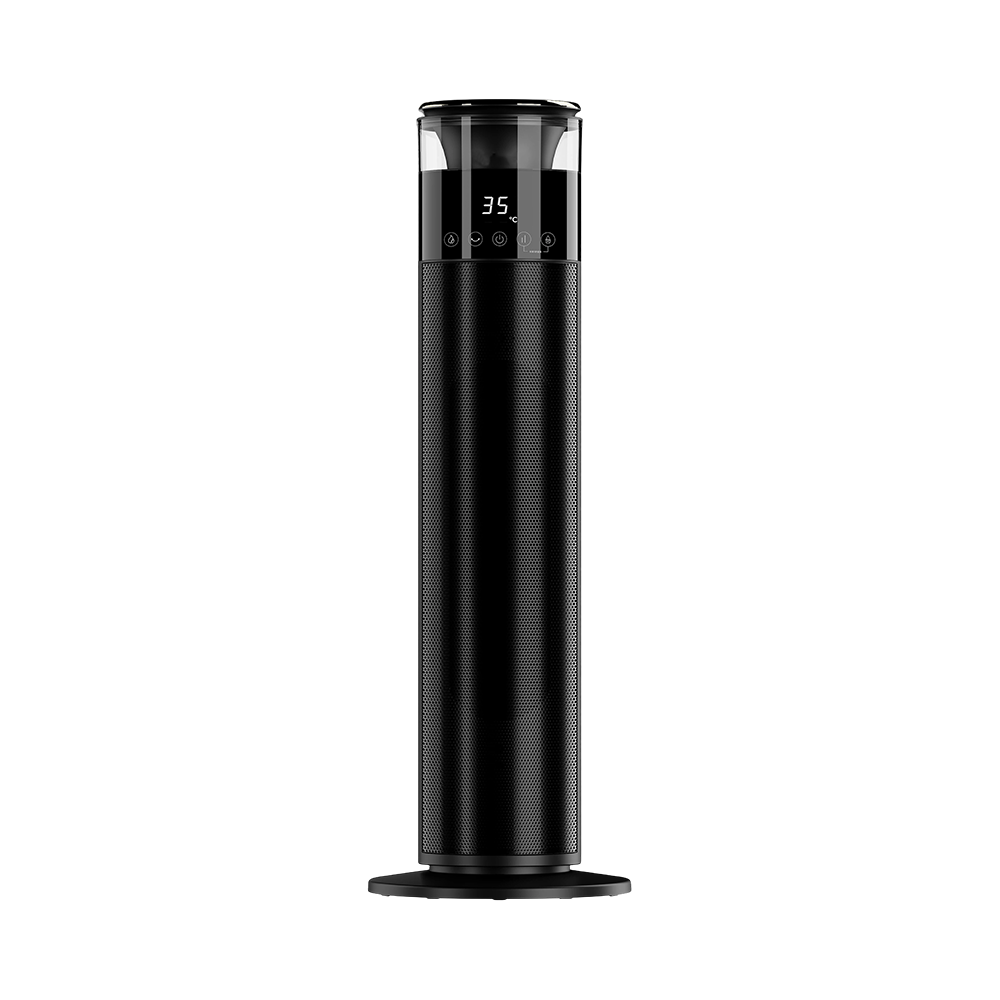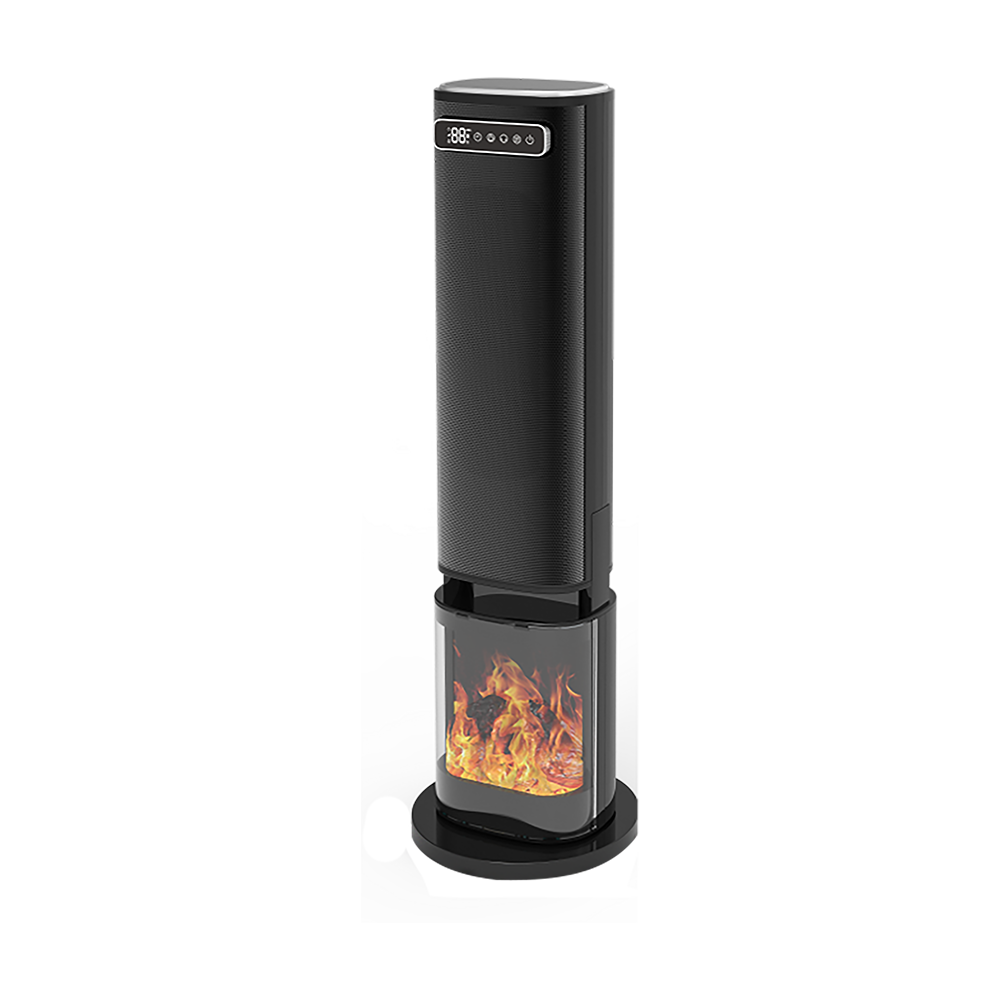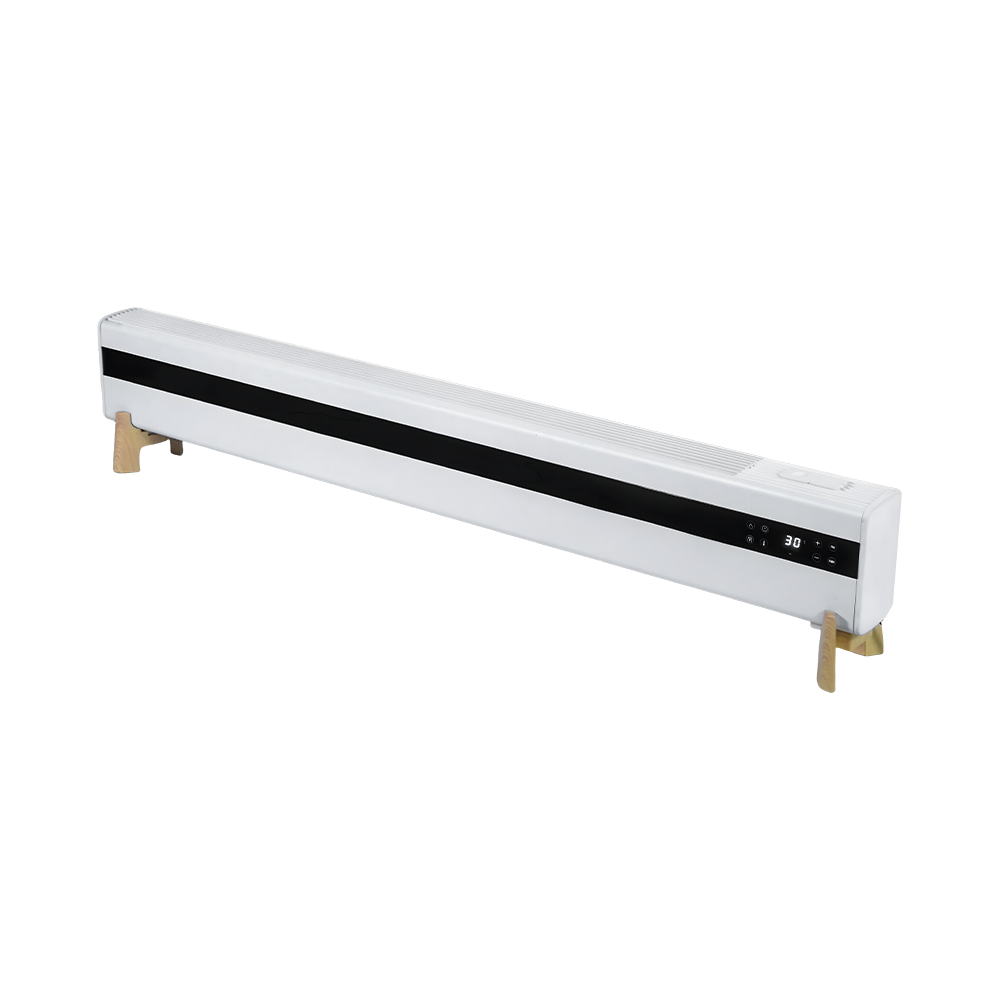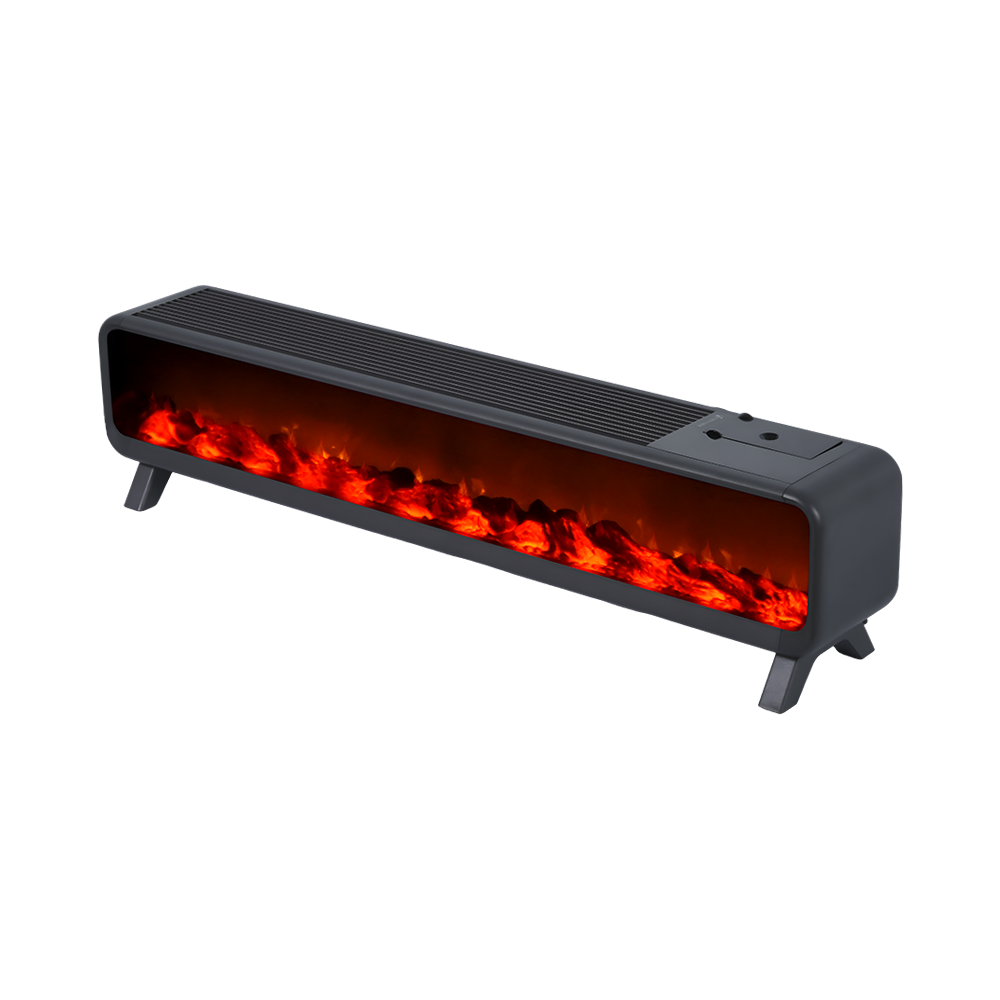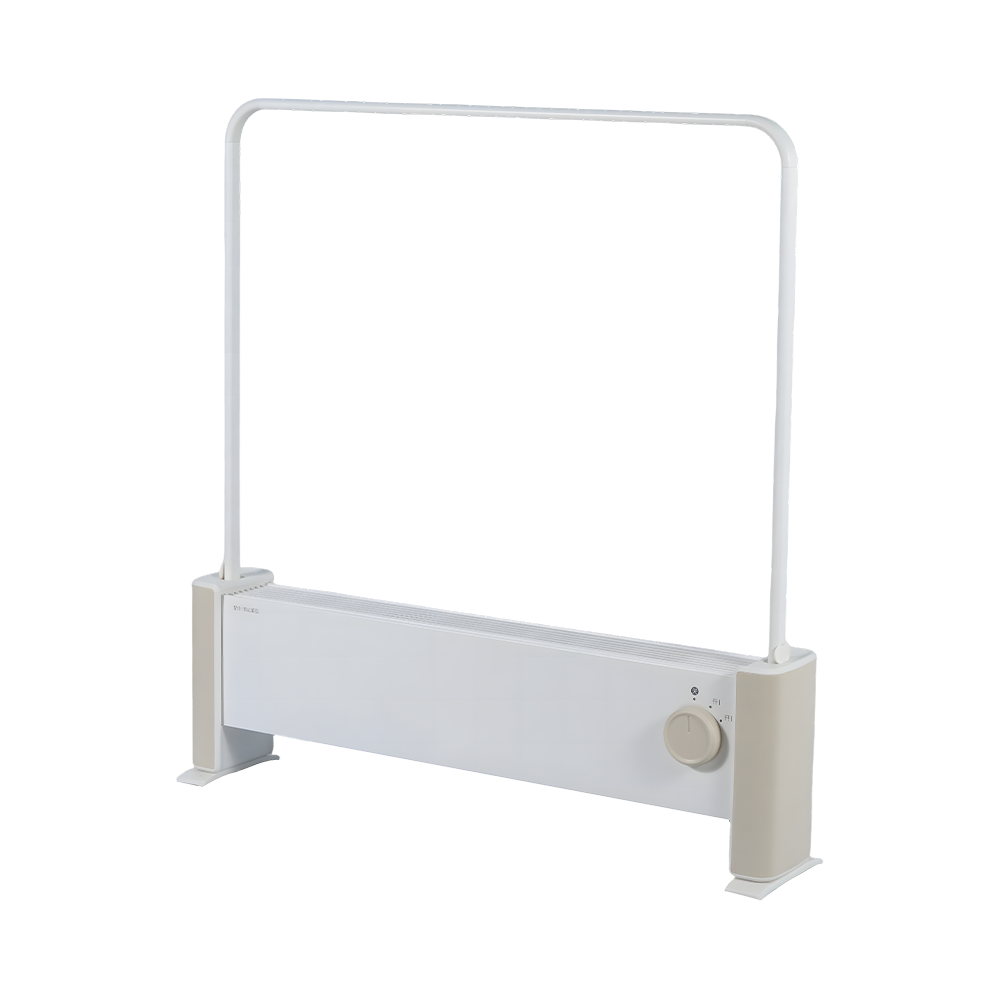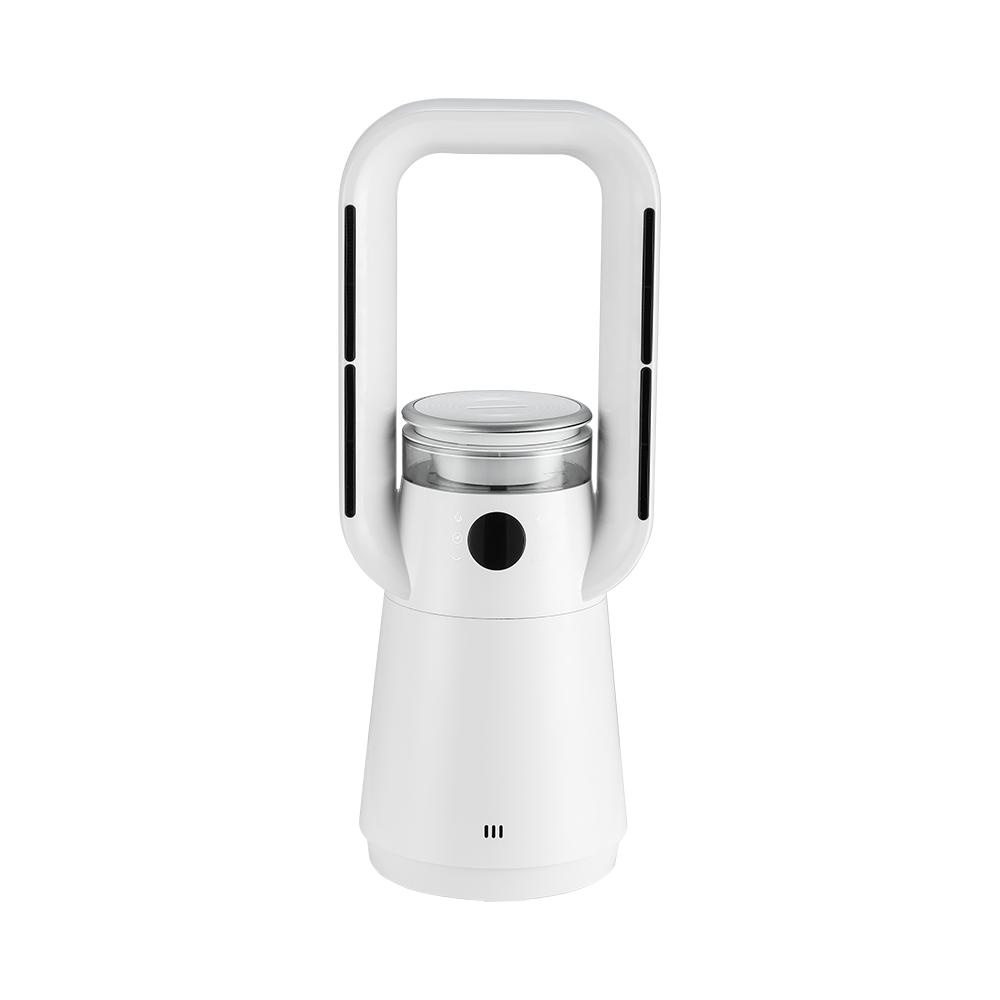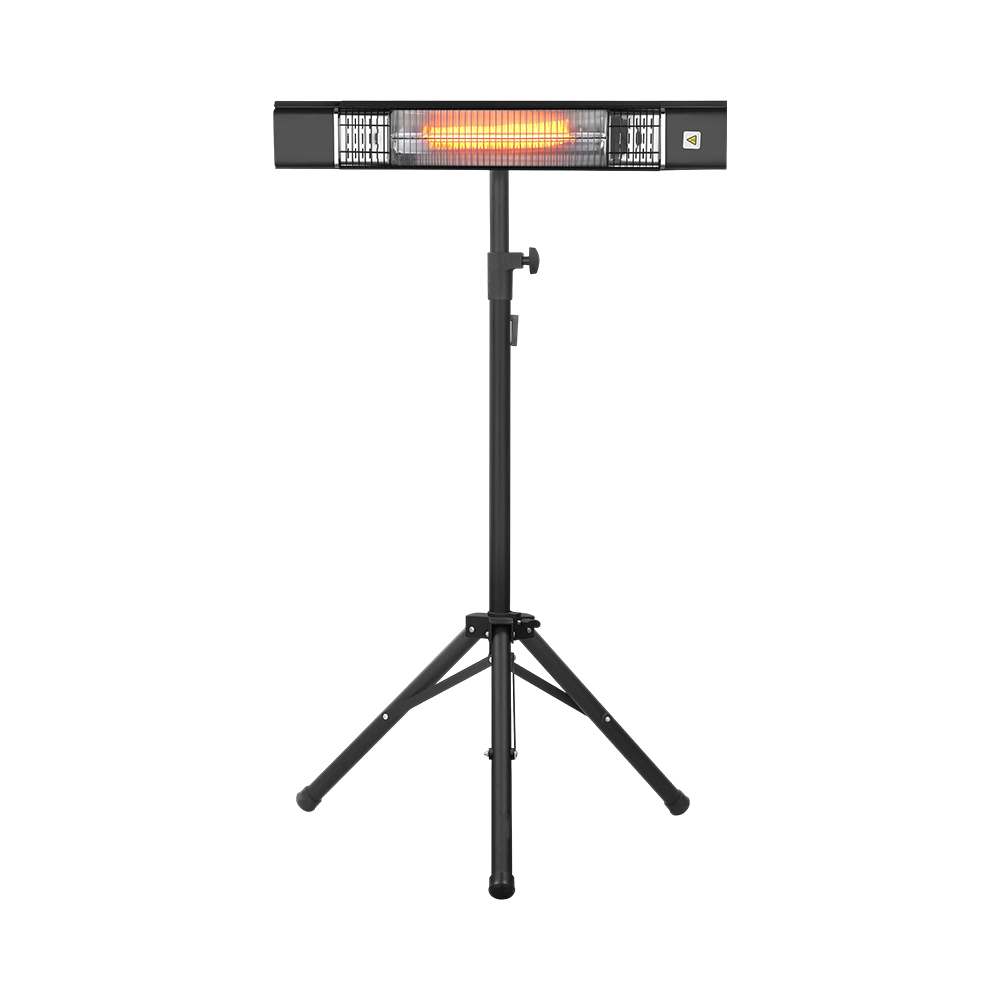

Carbon tube heater utilizes far-infrared radiation to heat the body, offering features such as rapid heating, high thermal efficiency, and soft light. Compared to traditional resistance wire heaters, carbon tube heaters release heat quickly after being powered on, directly radiating it to the human body and object surfaces, providing an instant warmth experience. As a highly efficient and energy-saving heating solution, carbon tube heaters balance comfort and practicality, meeting heating needs in various scenarios.
Don't hesitate to contact when you need us!
We're a reliable partner that shapes our expertise into success for your project.
Oct 12, 2026
The Heated Ceiling Fan: Does It Exist? Smart Heat & Air Circulation Guide If you searched for a heated ceiling fan expecting one appliance that both blows air and warms a room, here is the direct answer: integrated heated ceiling fans exist, but they are a rare, mostly commercial niche. In ordinary homes they rarely make sense, because heat rises. A heating element mounted at ceiling height... read moreOct 05, 2026
Indoor Heaters Buying Guide: Types, Sizing, Wattage, Safety and Cost Tips The right indoor heater is chosen by room size first, heat technology second, and control features last. A 1,300W PTC heater is enough for a bedroom of about 8 to 10 m², while a 2,200W graphene baseboard heater is a better match for a living room of 18 to 22 m². If you also want a visual centerpiece, a 3D flame firepl... read moreSep 28, 2026
Best Heater for Greenhouse: Types, Sizing Tips and Buying Advice | Baopeng Short answer first: for most backyard and small commercial greenhouses, the best heater setup is a thermostat-controlled, fan-forced ceramic heater to hold overall air temperature, backed by a small radiant tube heater aimed at the bench or seed-tray area for direct plant warmth. If you only buy one unit, make it the ... read more
A carbon tube heater generates warmth by passing electrical current through a carbon fiber or carbon crystal filament sealed inside a quartz glass tube, producing medium-wave infrared radiation that heats people and surfaces directly rather than warming the air in between. This category of infrared heating shows up across a wide span of settings — outdoor patio and balcony heaters, greenhouse and livestock barns, industrial drying and paint-curing lines, and household space heaters — because the carbon element reacts to power almost the moment it's switched on. Getting the most out of a carbon tube heater comes down to a handful of engineering variables: emitter wavelength, tube diameter, wattage density, and how evenly the heat spreads across a room or work surface.
The carbon fiber filament used in a carbon tube heater has very low thermal mass compared with the nichrome wire found in standard quartz tubes or the ceramic plate used in panel heaters, so it doesn't need to soak up heat before it starts radiating. In practical terms that means a carbon element typically reaches usable output within a couple of seconds, while a nichrome quartz tube needs several seconds and a ceramic panel can take a few minutes to get to full heat. That response speed also means less wasted energy during on/off cycling, which matters in settings like curing lines or barns where heaters switch frequently.
That kind of instant responsiveness is also something Ningbo Baopeng Electric Appliance Co., Ltd. pays close attention to on the production line, drawing on years of experience built through long-term cooperation with several first- and second-tier domestic home appliance brands to keep warm-up behavior consistent from one batch to the next.
Sizing a carbon tube heater correctly means balancing wattage, tube length, and mounting height against the volume of space and how exposed it is to wind or open air. Undersized units run at full output constantly and still leave cold spots at the edges of a room; oversized units cycle on and off, which shortens element life and wastes energy on unnecessary heat-up cycles. As a rough starting point:
| Room / Coverage Area | Suggested Wattage | Typical Tube Length |
|---|---|---|
| Up to 6 sq. m | 500-800 W | 400-600 mm |
| 6-12 sq. m | 1000-1500 W | 600-900 mm |
| Open patio / carport | 1500-2000 W | 900-1200 mm |
Because layouts and mounting distances vary so much from one installation to the next, Ningbo Baopeng Electric Appliance Co., Ltd offers customization services so wattage, tube length, and housing form can be adjusted to a specific project rather than forcing every buyer into one fixed configuration.
Operating from a factory in Cixi, Zhejiang Province — a location that keeps transportation and logistics straightforward — Ningbo Baopeng Electric Appliance Co., Ltd. follows the principle of "Survive by Quality, Develop by Innovation," continually strengthening its manufacturing standards, engineering management, and quality assurance systems as heating requirements evolve. That focus on process control matters more than it might seem for a carbon tube heater, because the filament's coating and the seal at each end of the tube are what determine whether output stays steady over thousands of on/off cycles or starts to drift.
A tube that holds a flat temperature line like the one above is generally a better long-term investment than one that fluctuates, even if both read similar on a spec sheet at the point of sale.
Most carbon fiber elements are rated for several thousand hours of use, though real-world lifespan depends heavily on how often the unit cycles on and off and how well the tube ends are sealed against moisture.
Yes, many are built specifically for patios, carports, and semi-open spaces, but outdoor placement generally calls for higher wattage than an equivalent indoor setup because wind carries heat away before it reaches people or surfaces.
Reflector shape and mounting angle change how much of the emitted infrared actually reaches the target area, so two heaters rated at the same wattage can feel noticeably different depending on how the heat is directed.
Yes — projects with non-standard mounting spaces or specific coverage needs are common, which is part of why manufacturers like Ningbo Baopeng Electric Appliance Co., Ltd. build customization into their production process rather than offering only fixed catalog sizes.
Don't hesitate to contact when you need us!
For any questions and feedback from customers, we will reply patiently and meticulously.

The product has obtained multiple domestic and international certifications, including 3C, CE, ROHS, CB, and the ISO9001 quality management system.
CONTACT US
Address: No. 118, Guyao Highway, Zhangqi Town, Cixi City, Zhejiang Province, China
Wechat: +86-15921162693
Email: [email protected]
Mobile



 English
 Español
 عربى
عربى