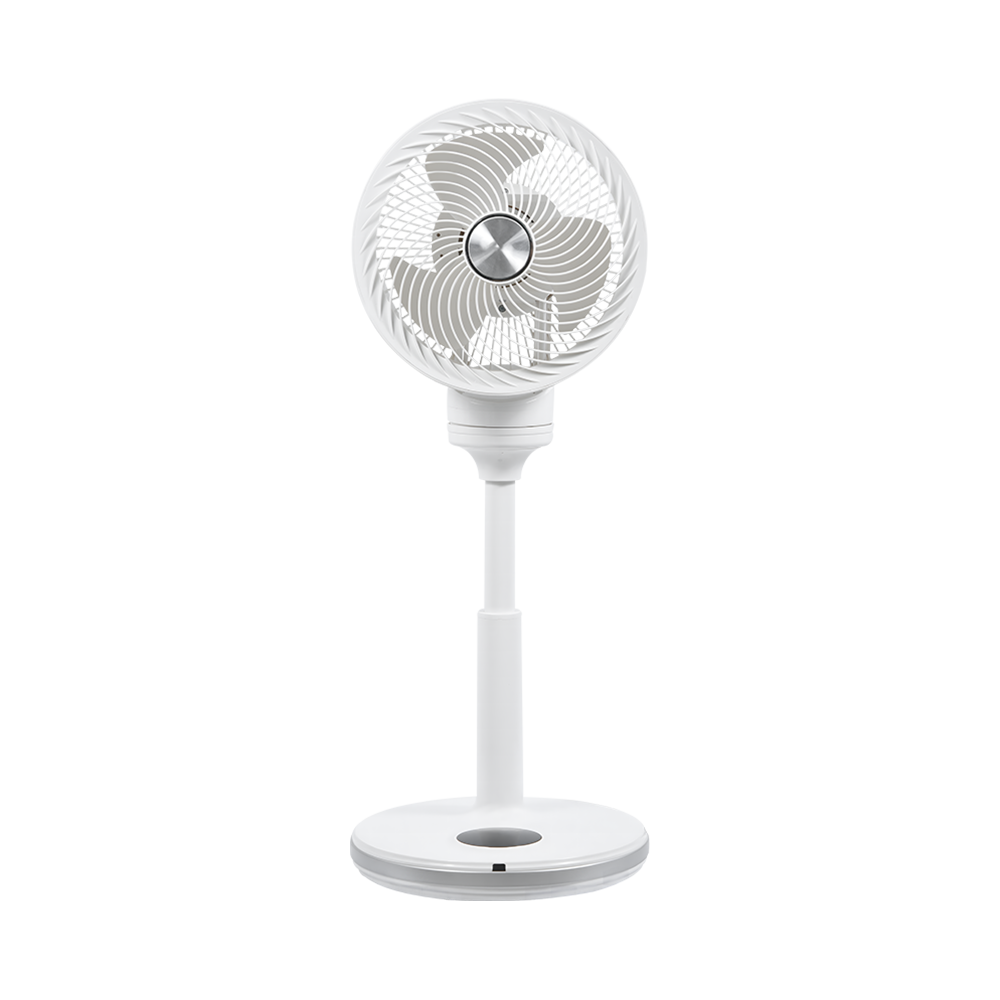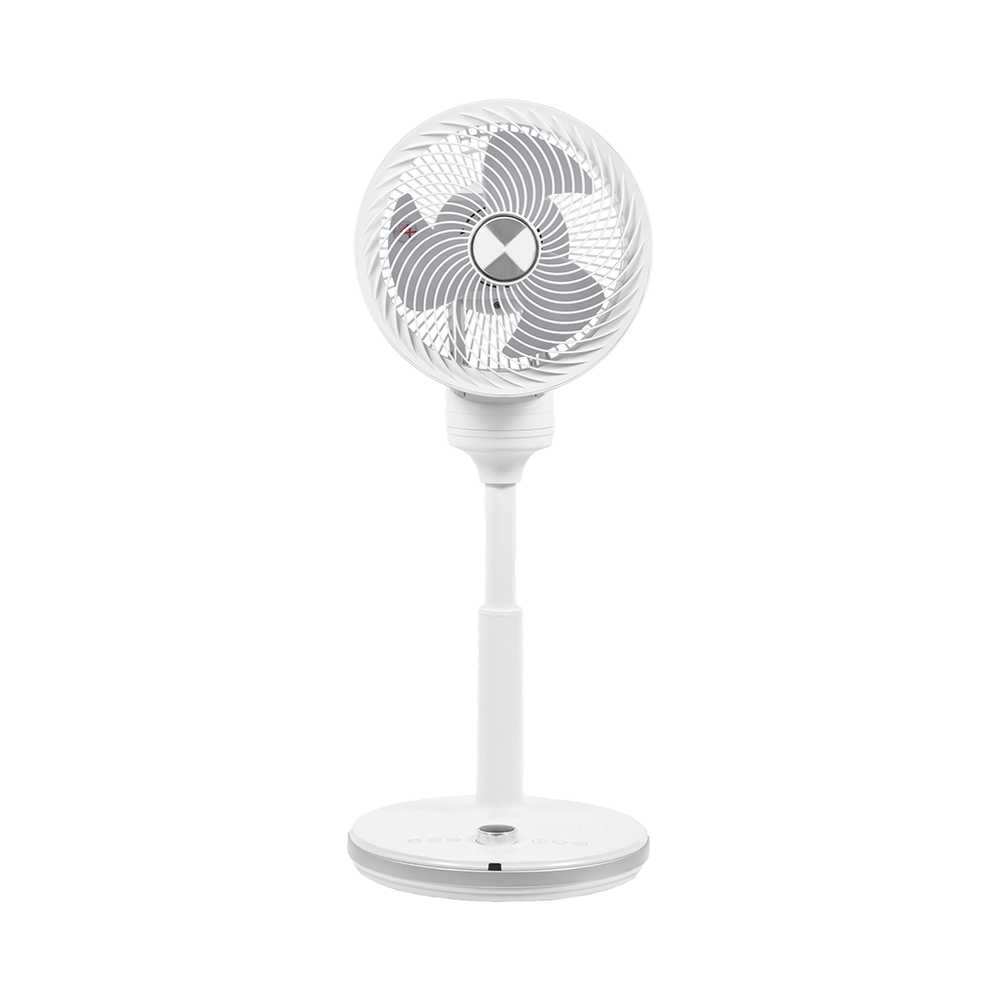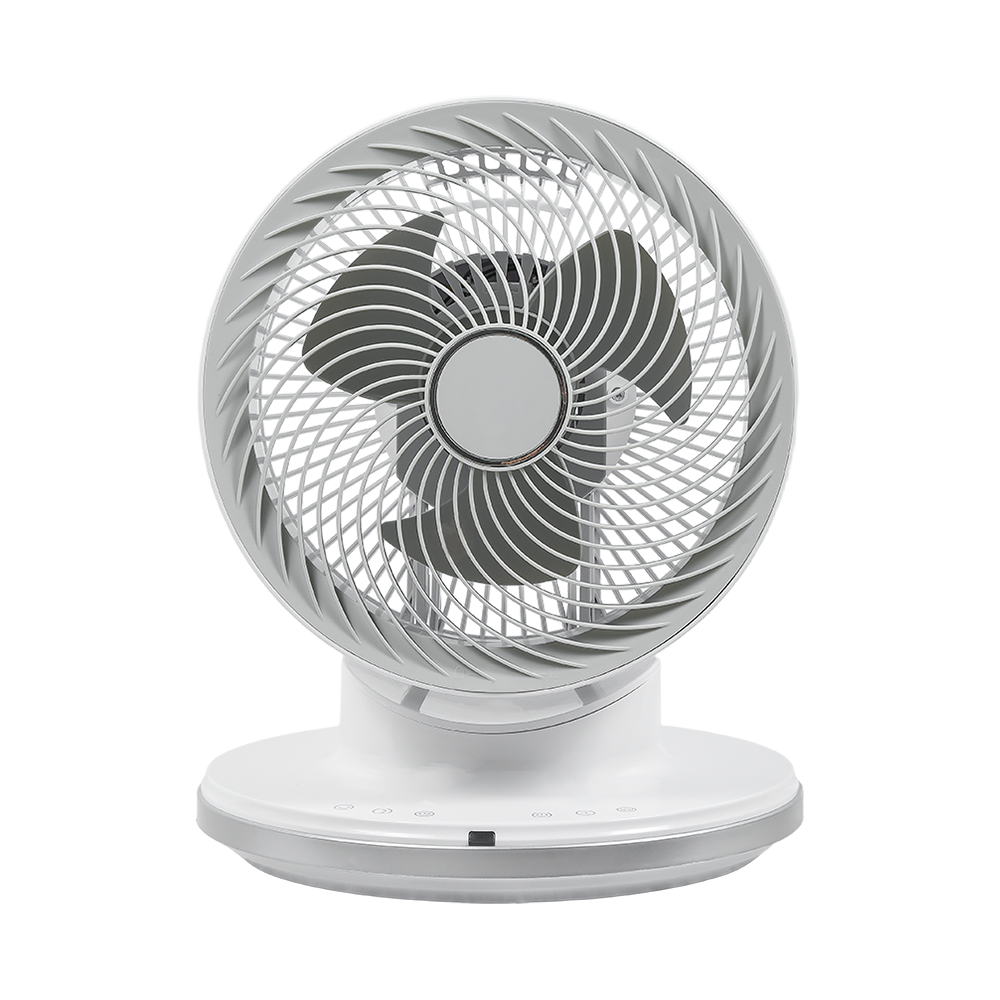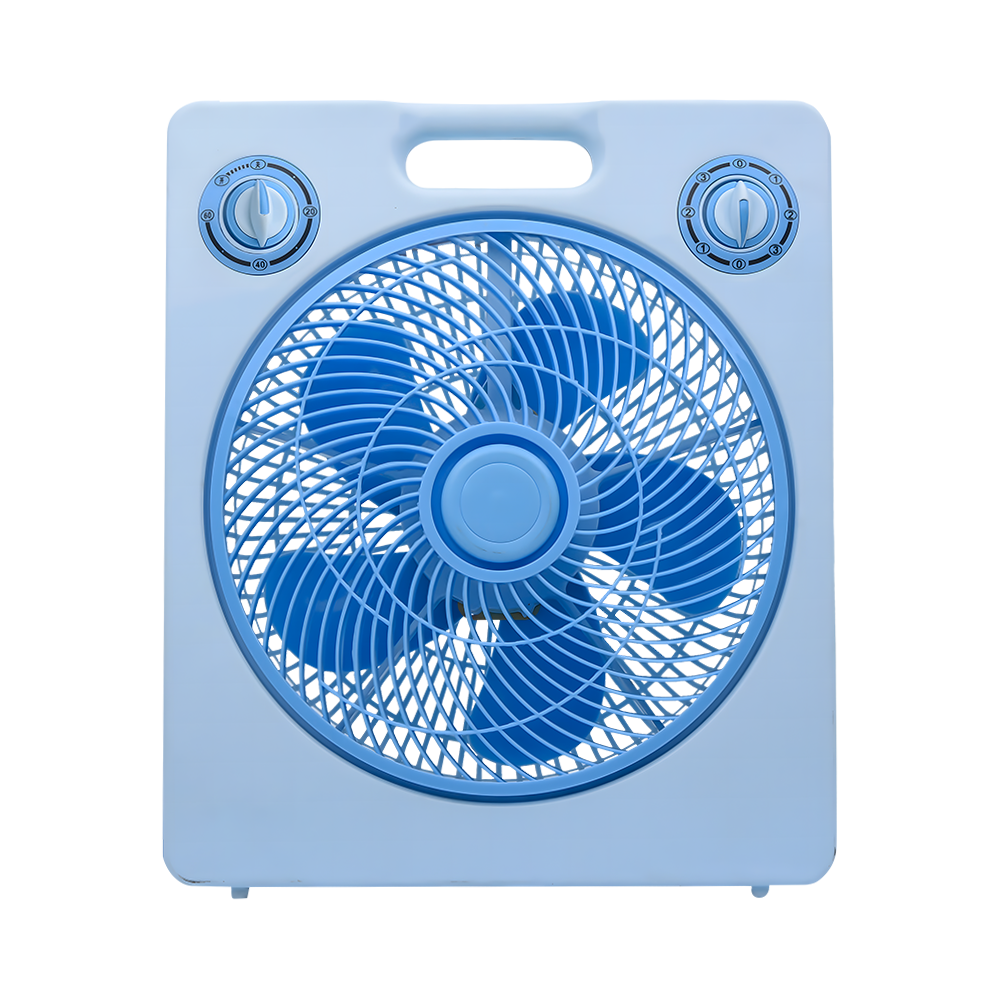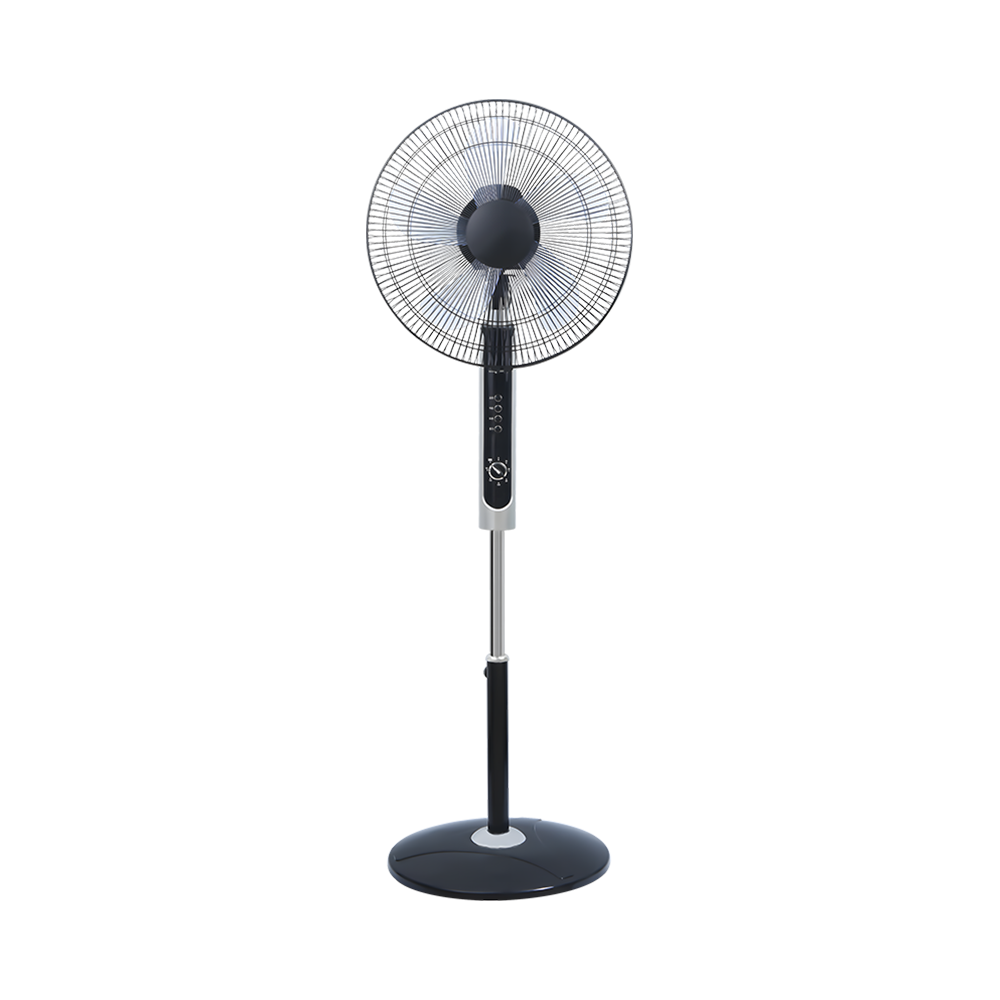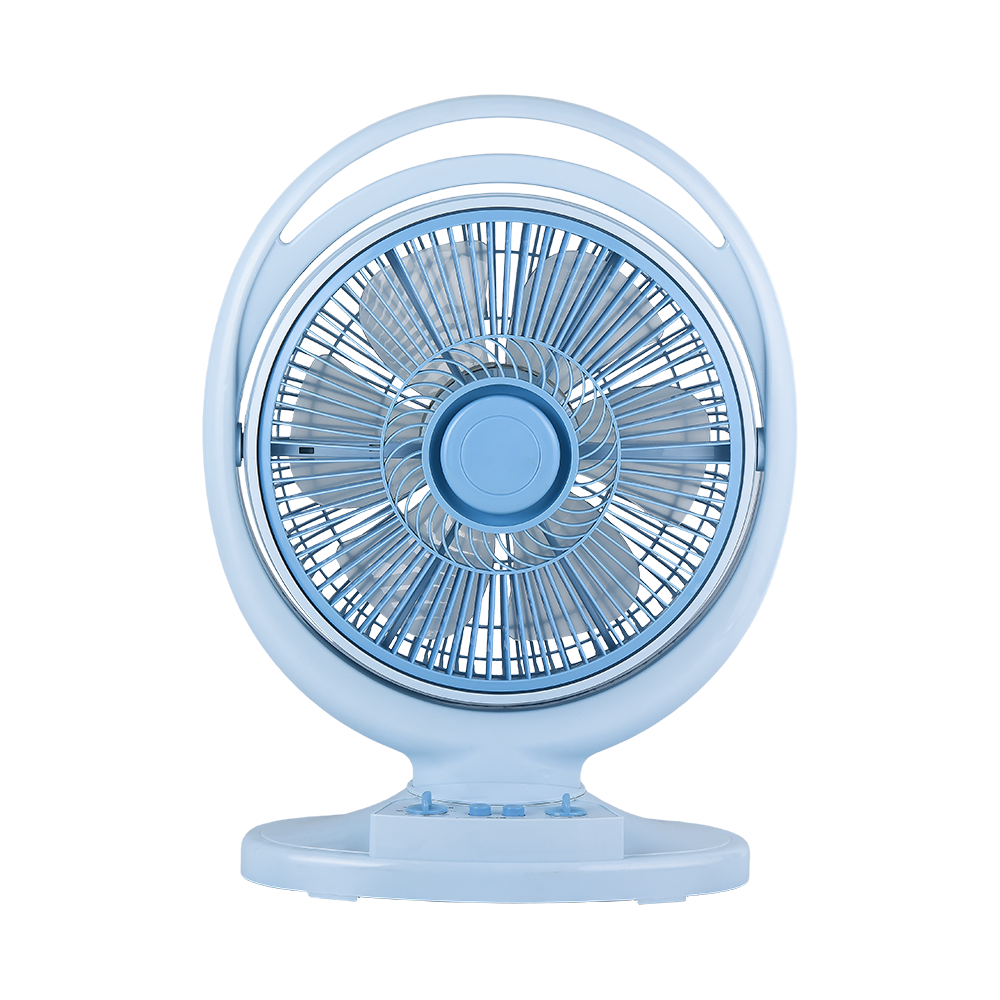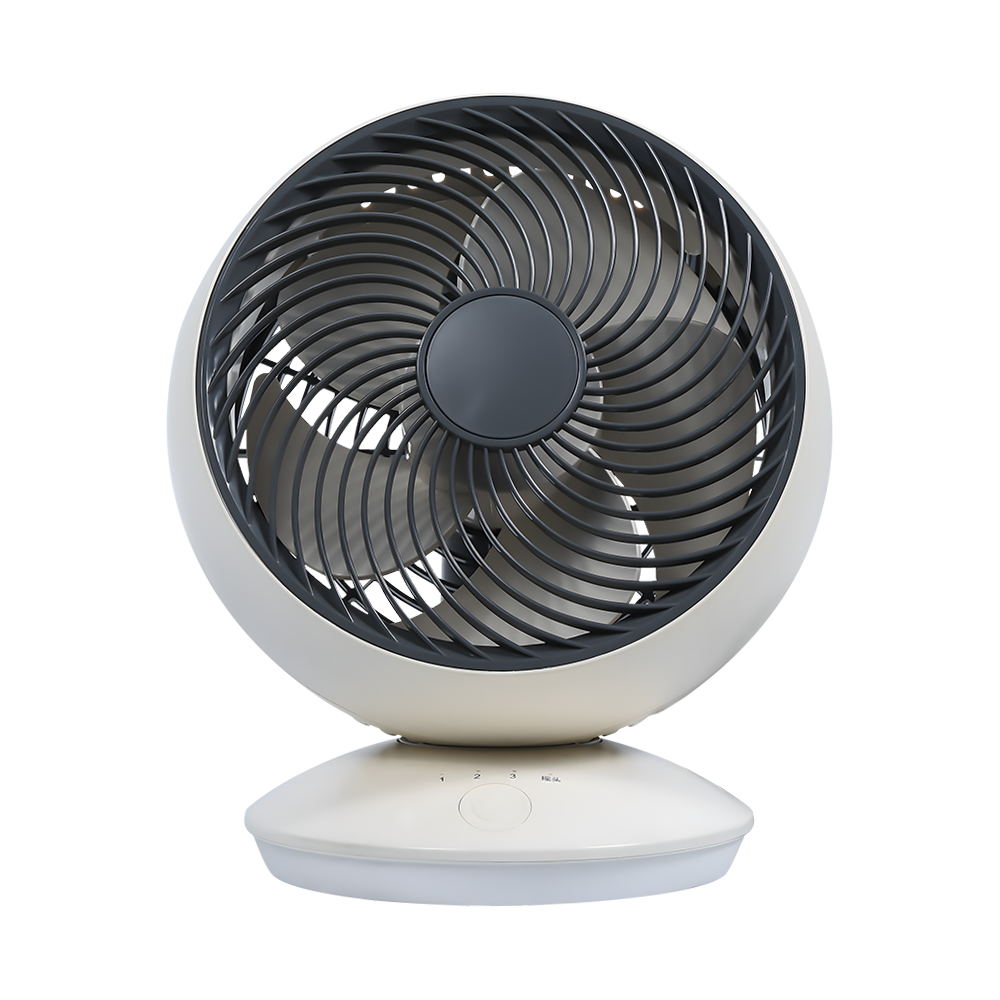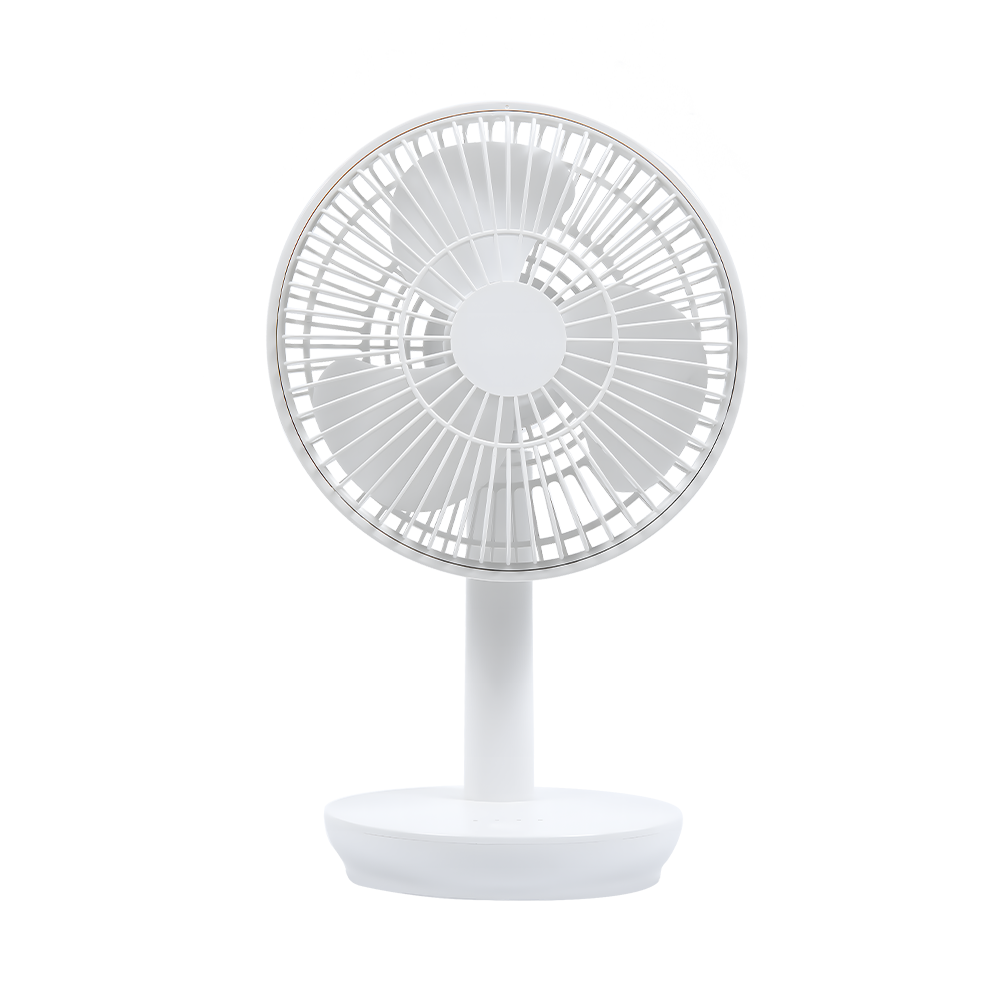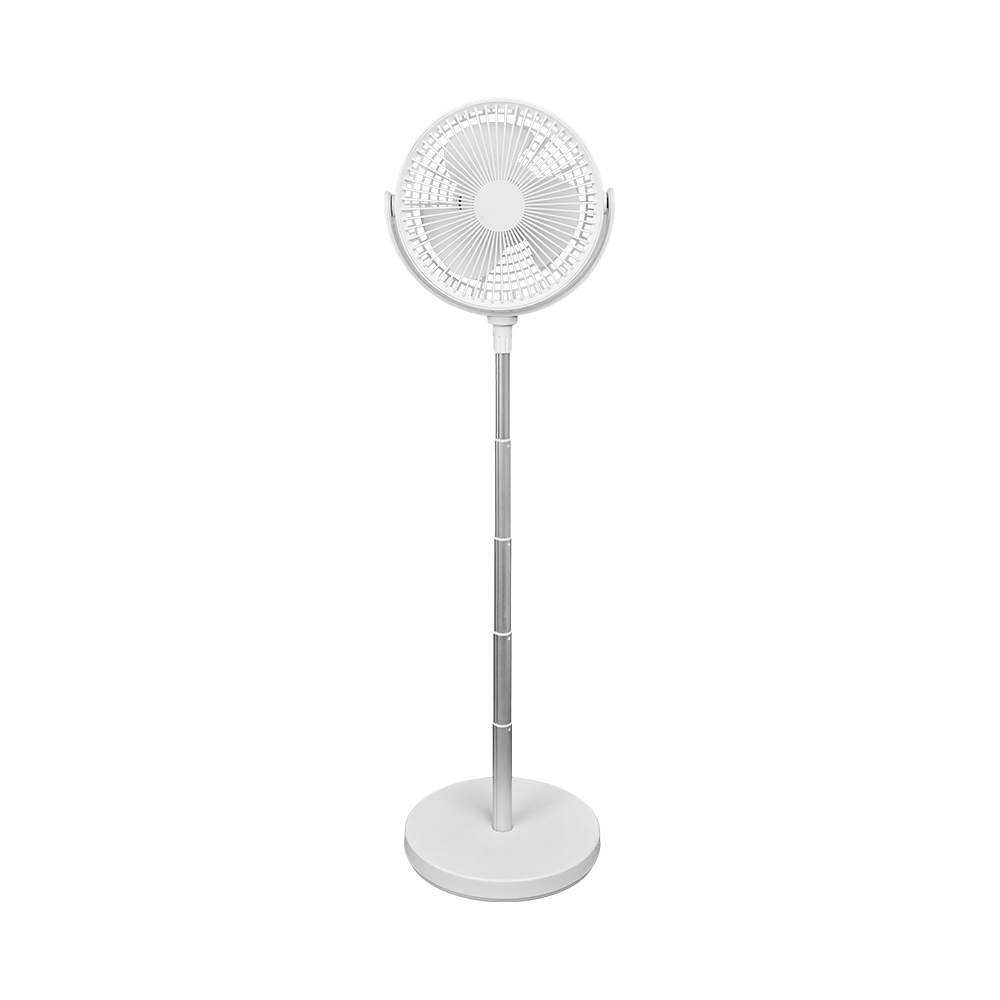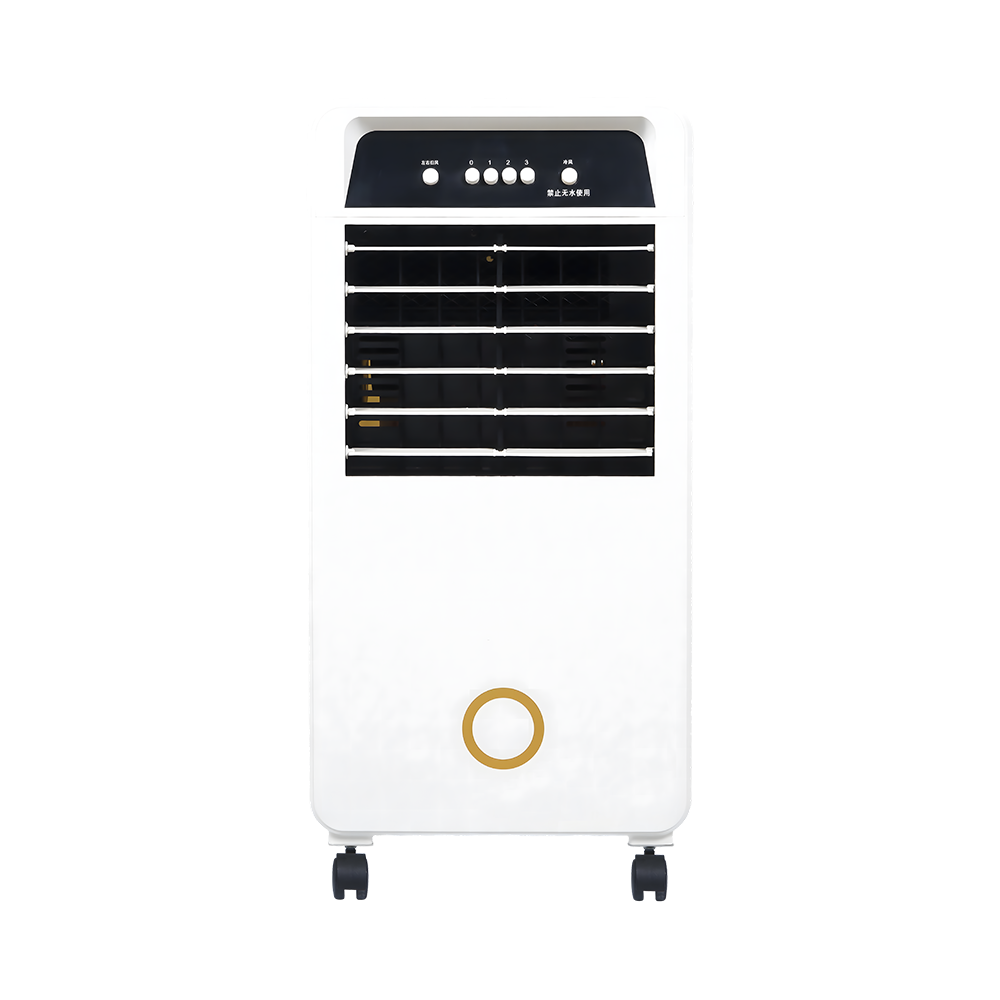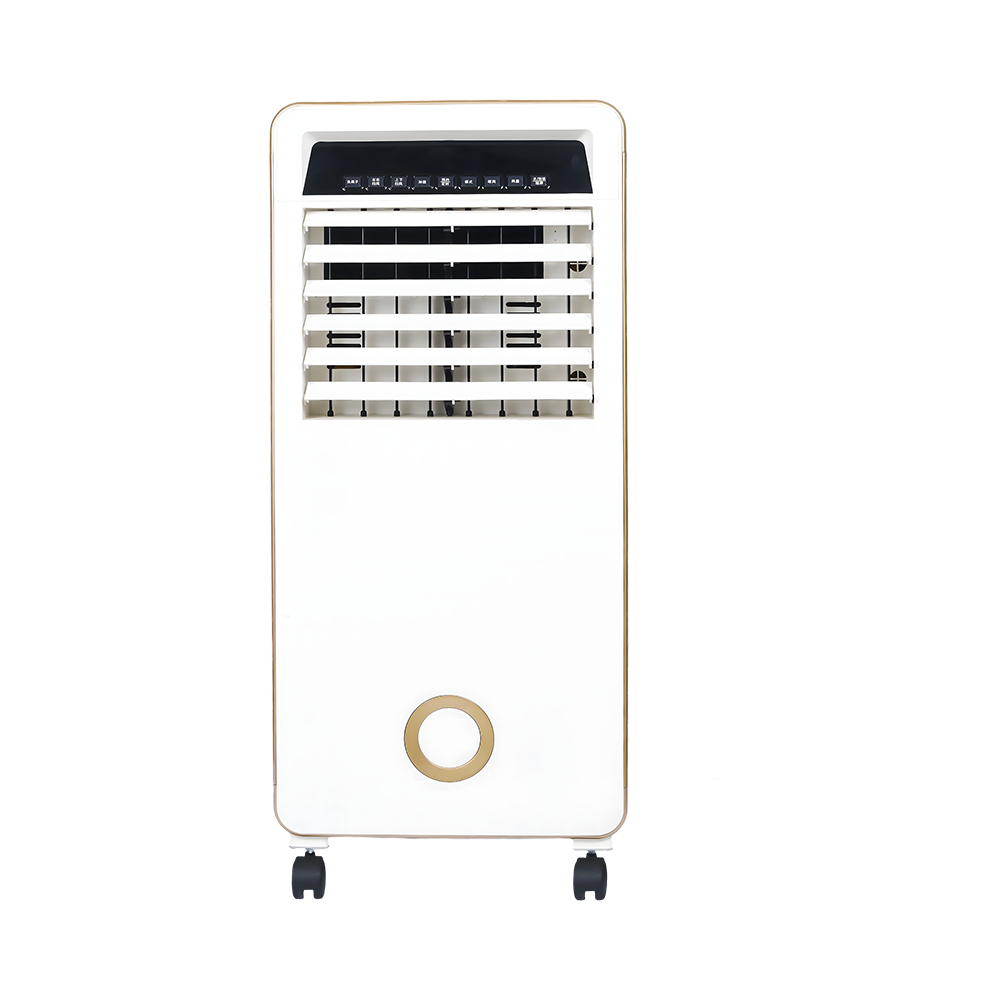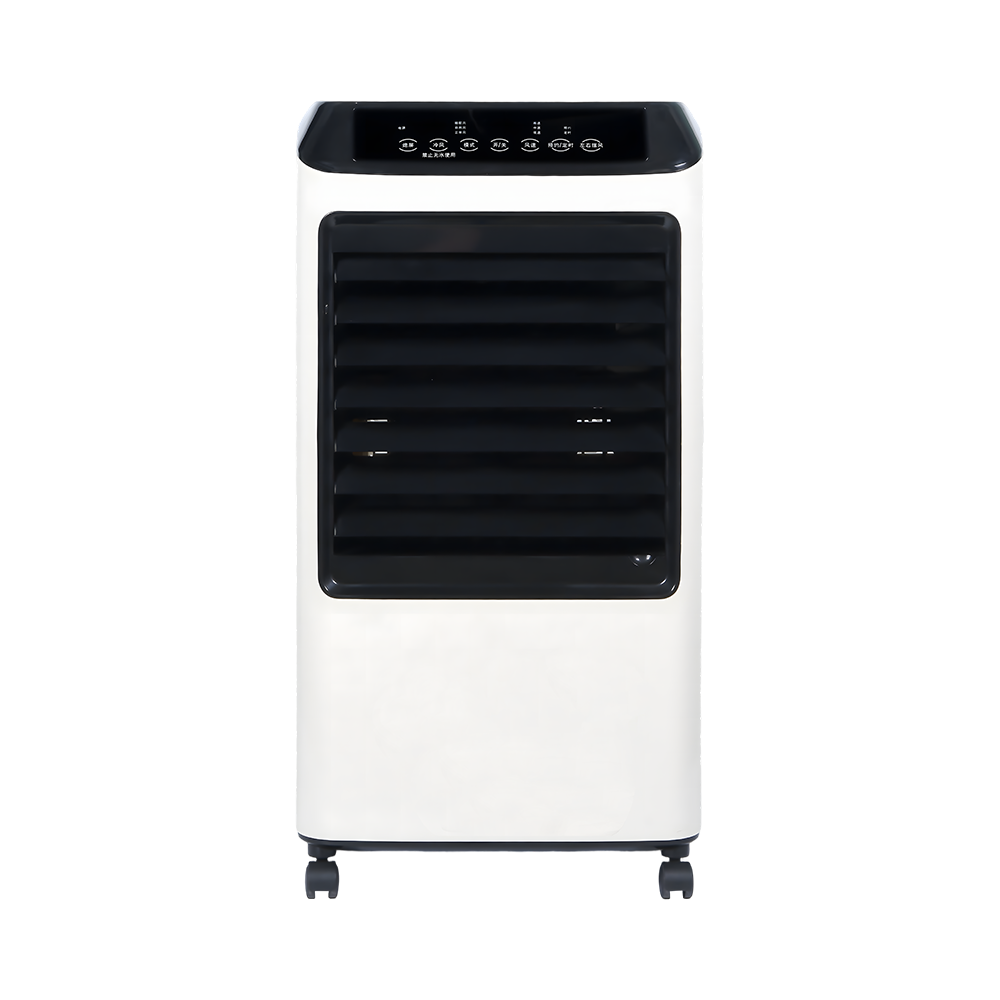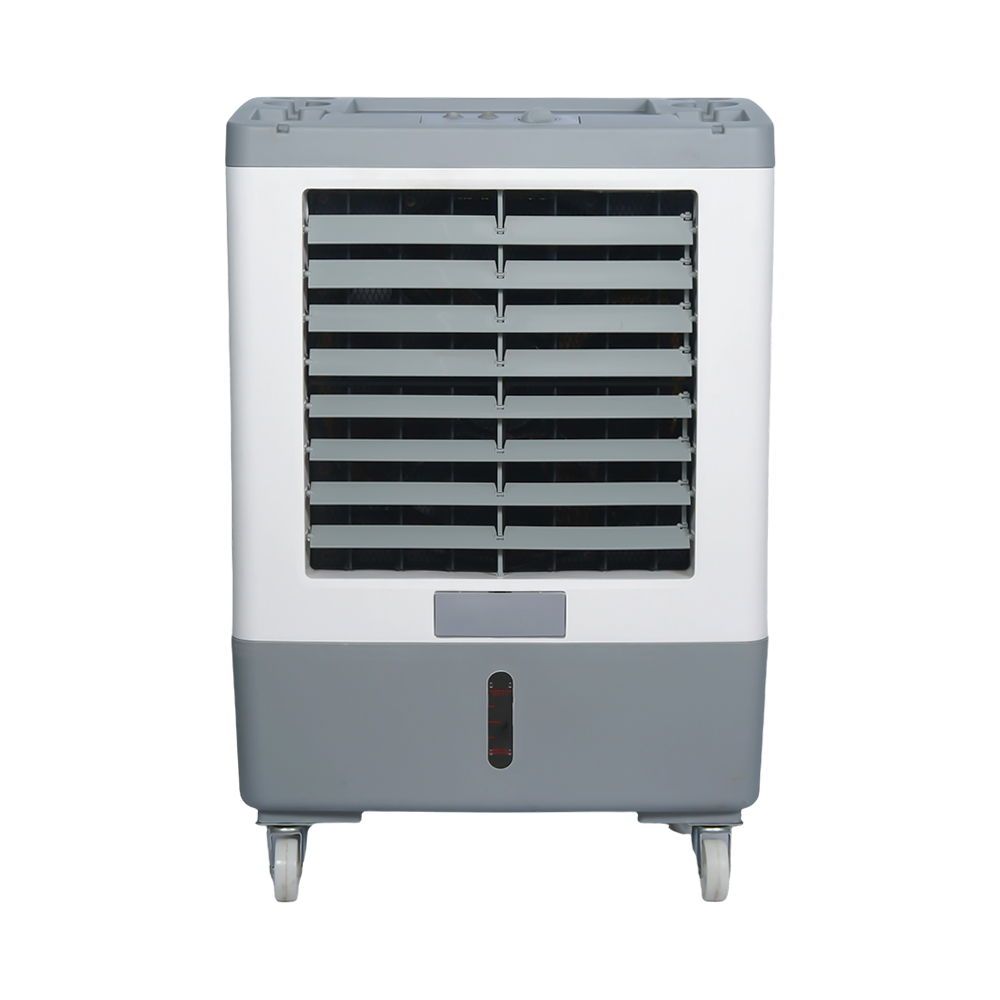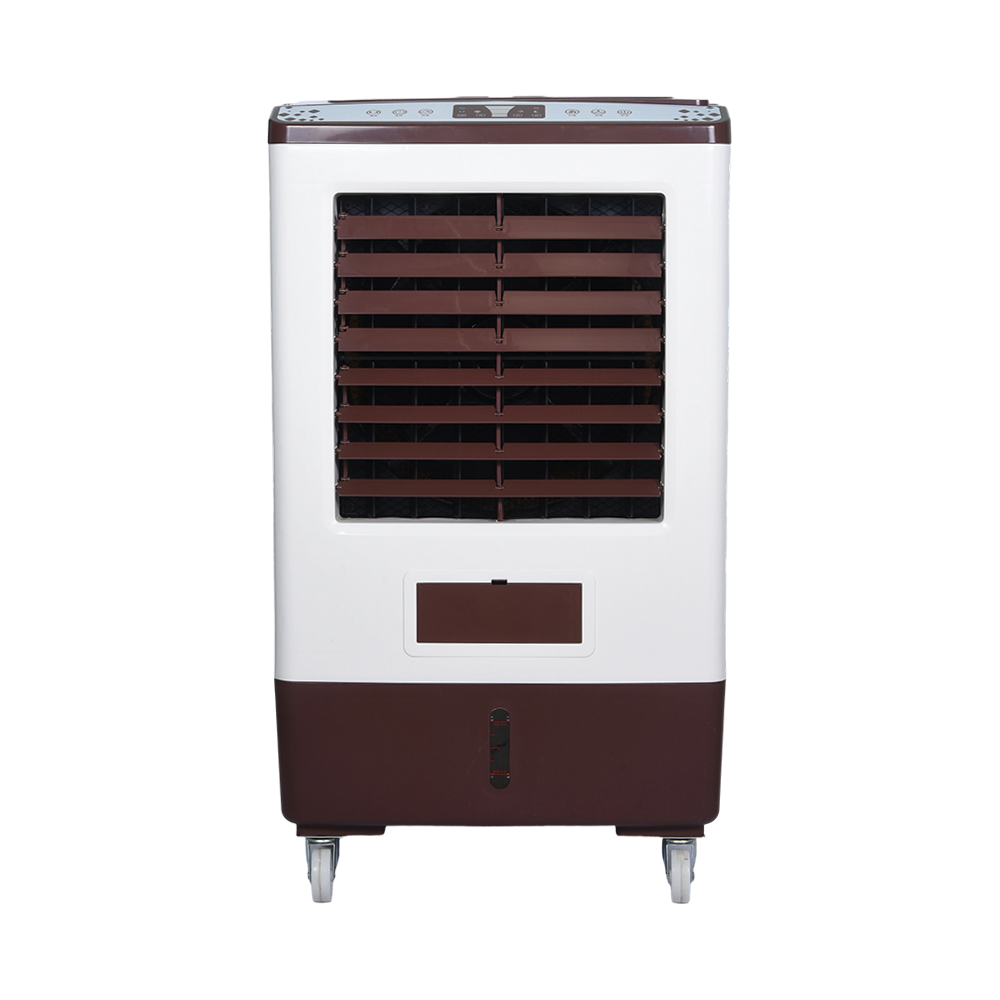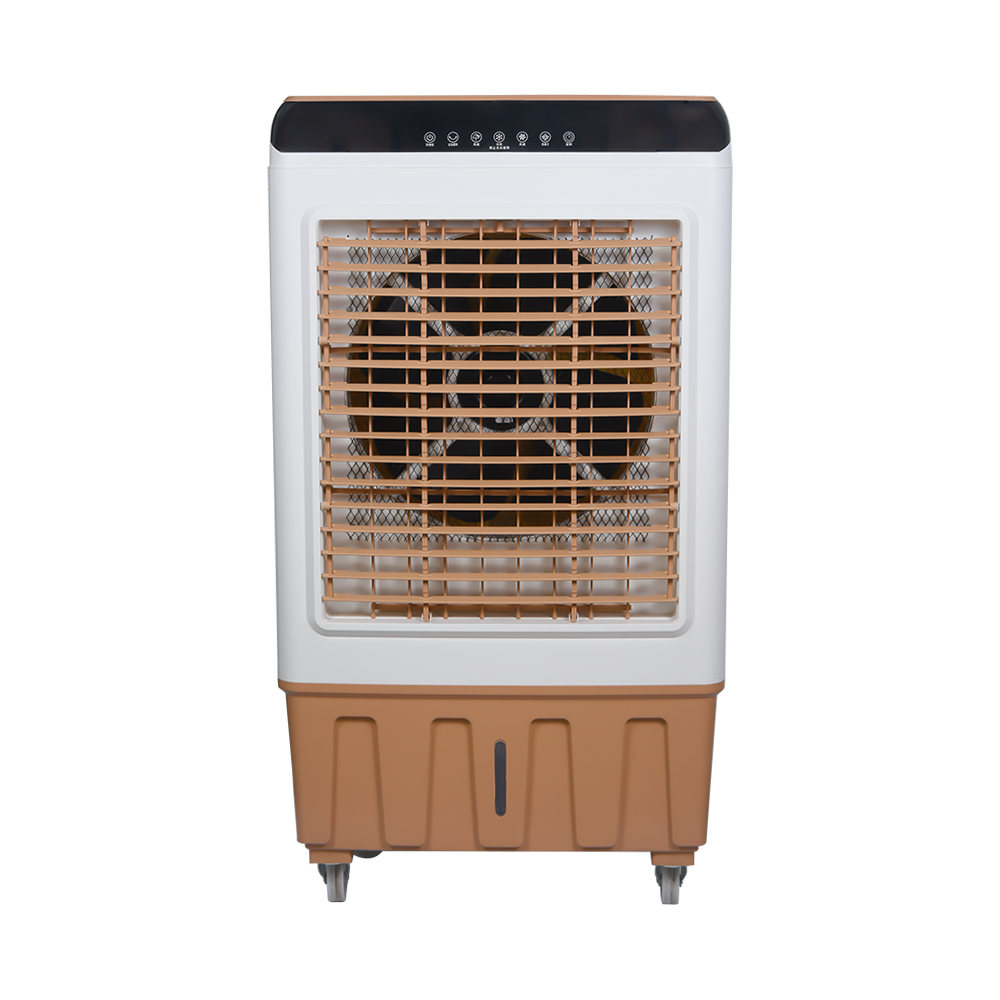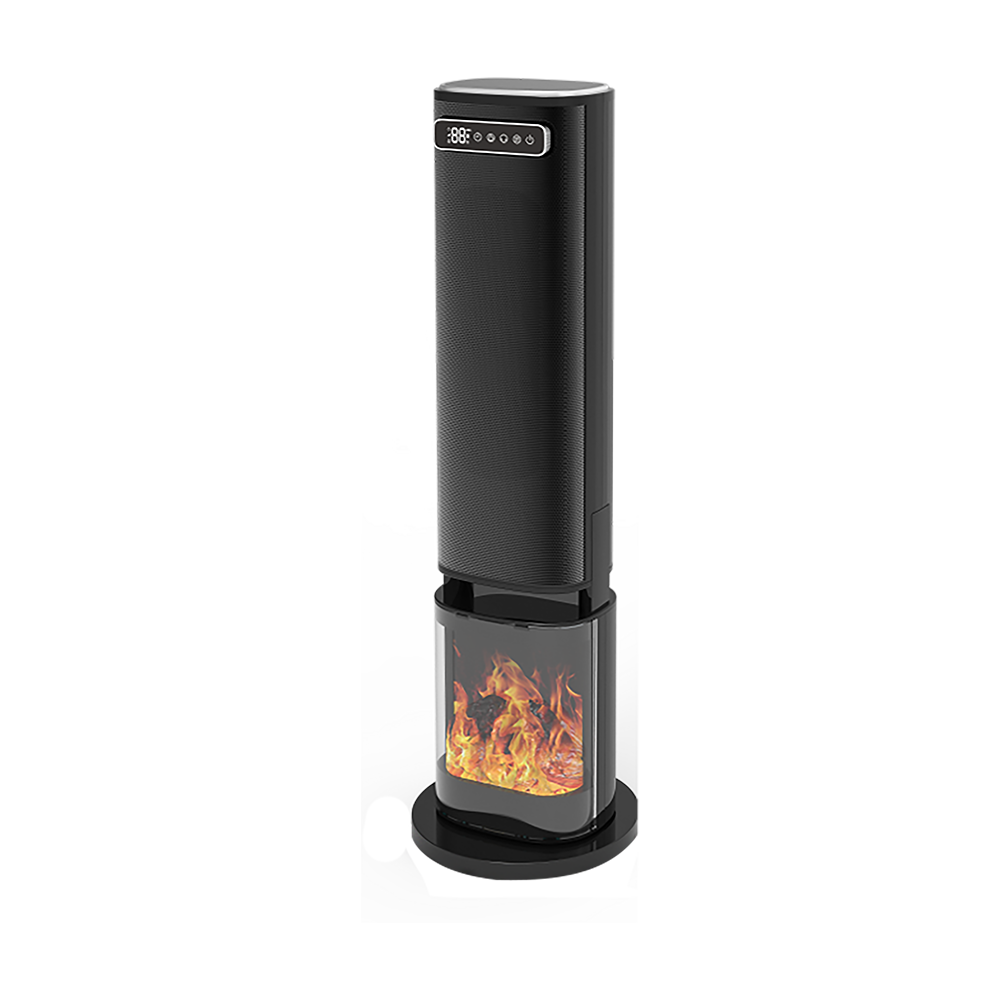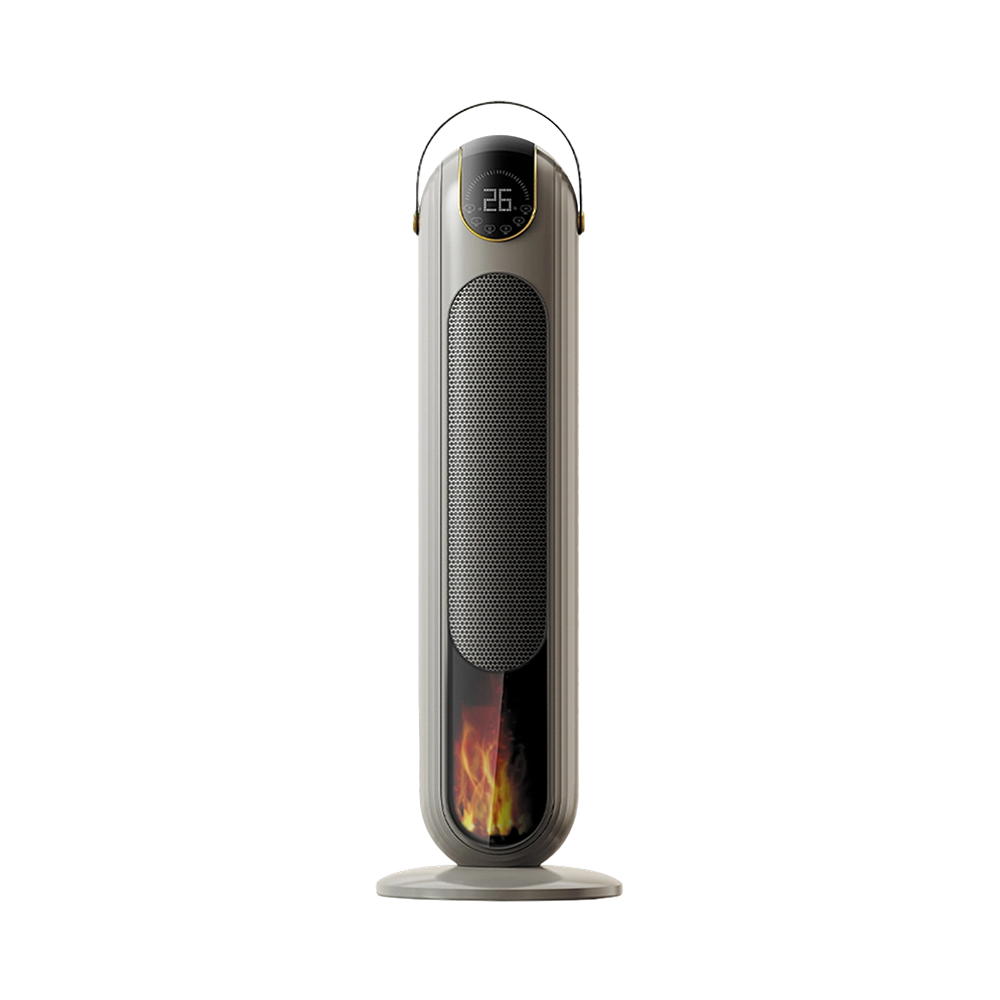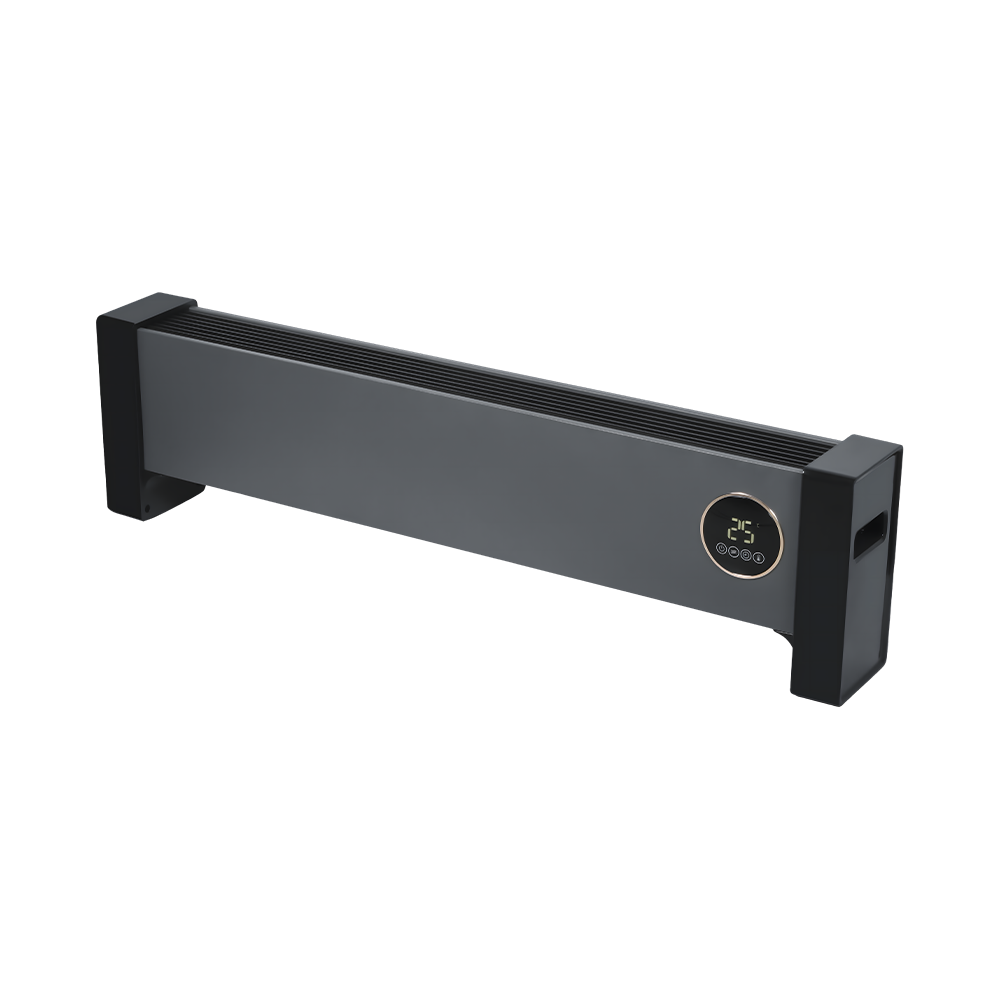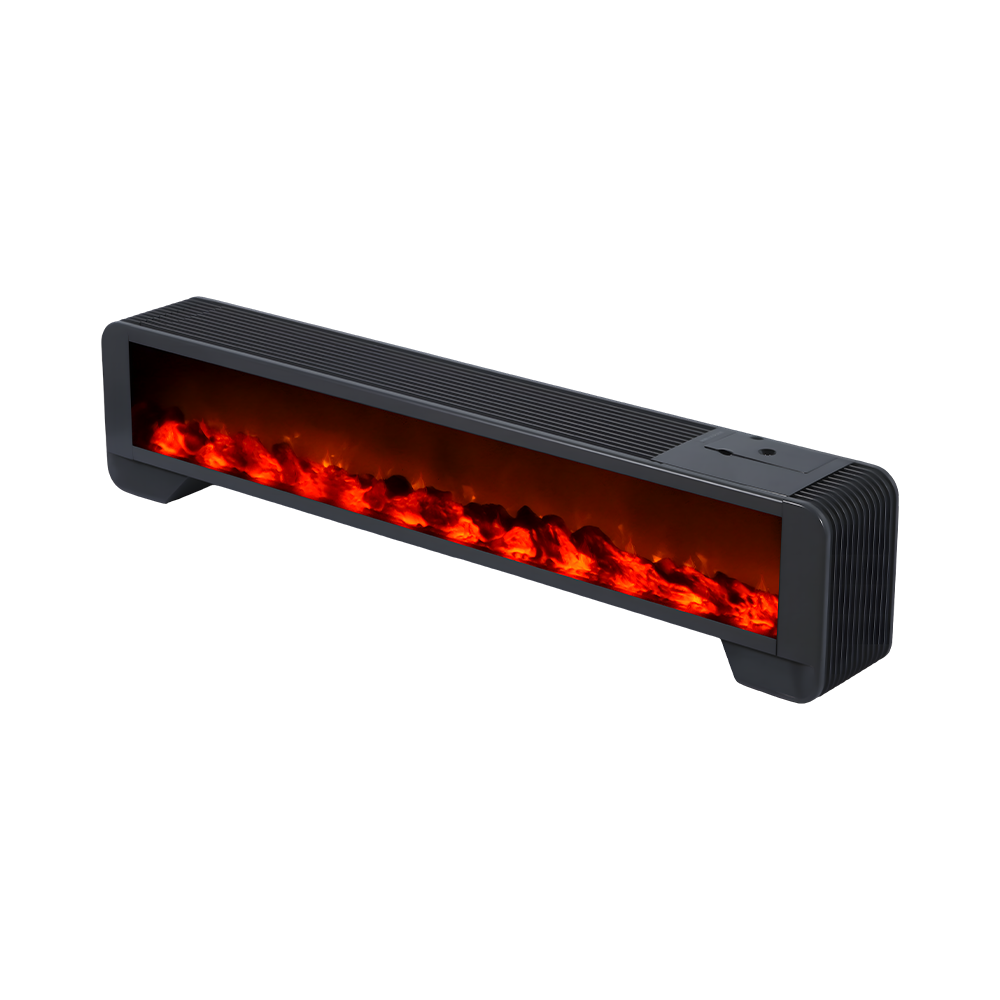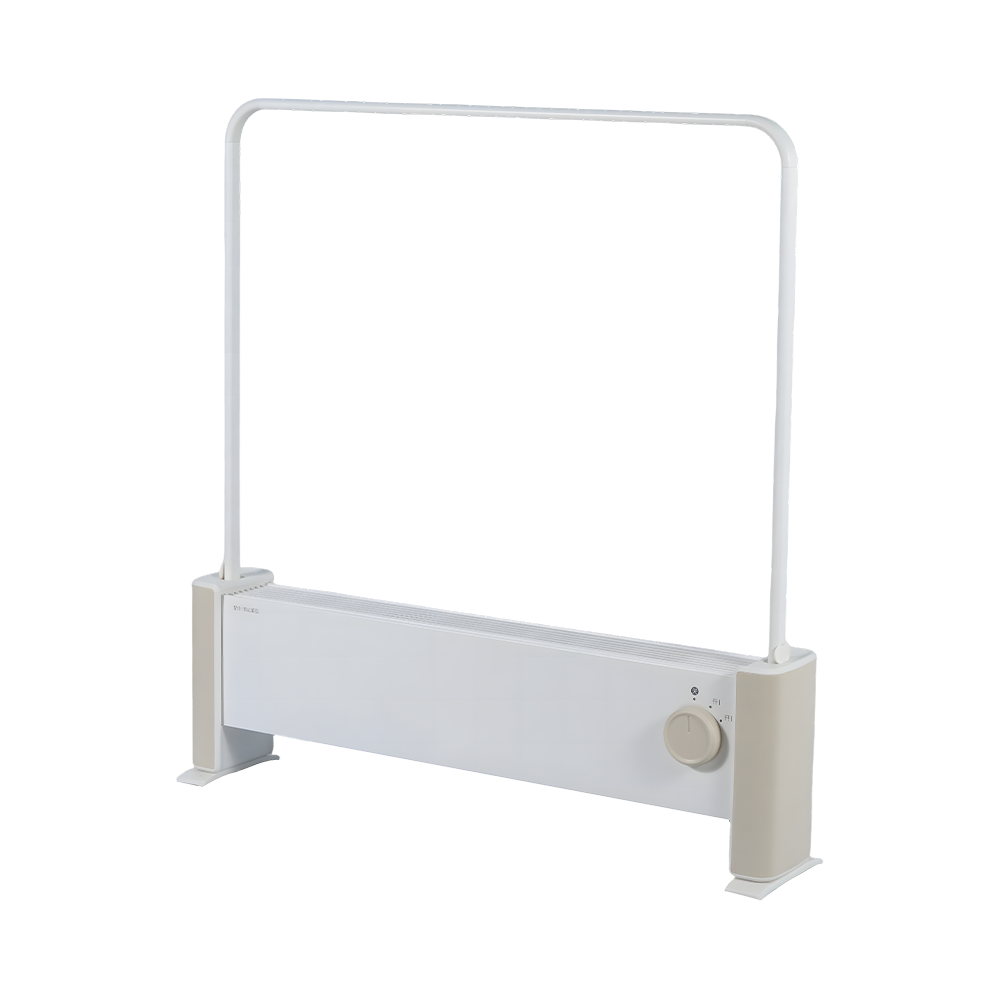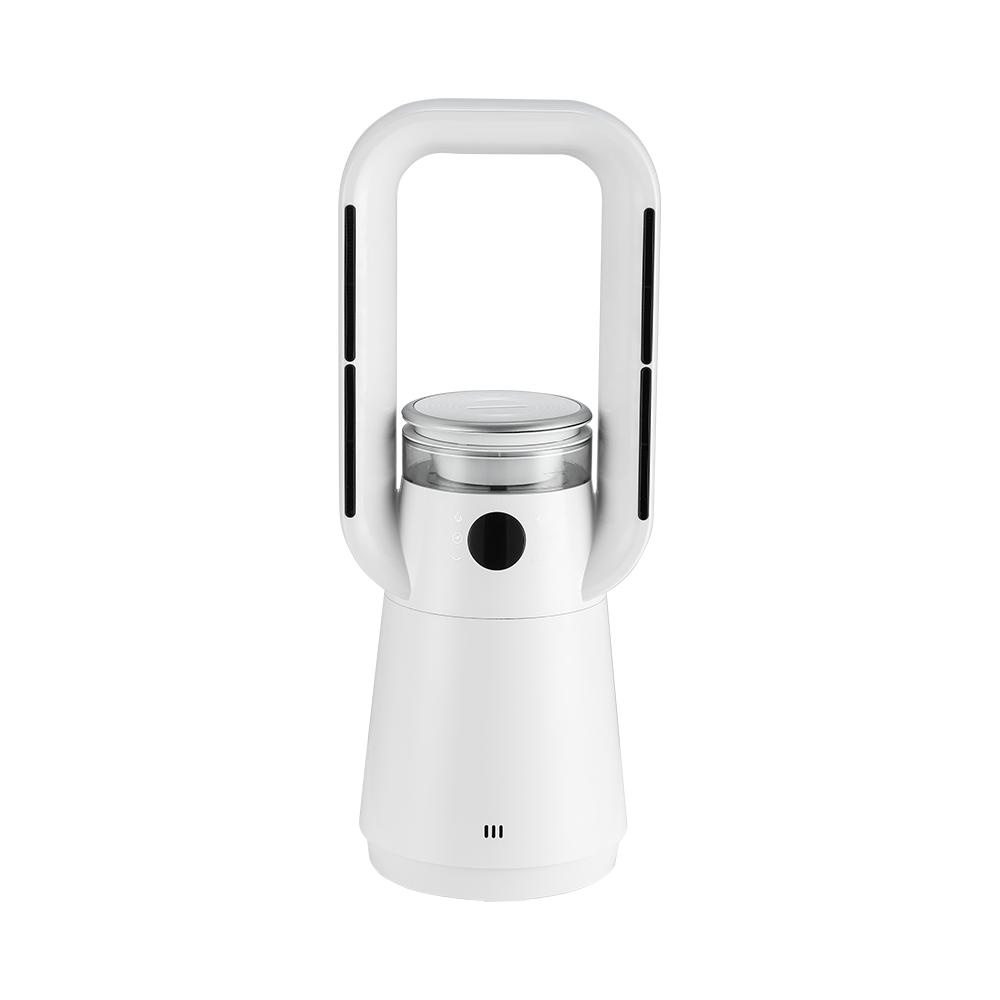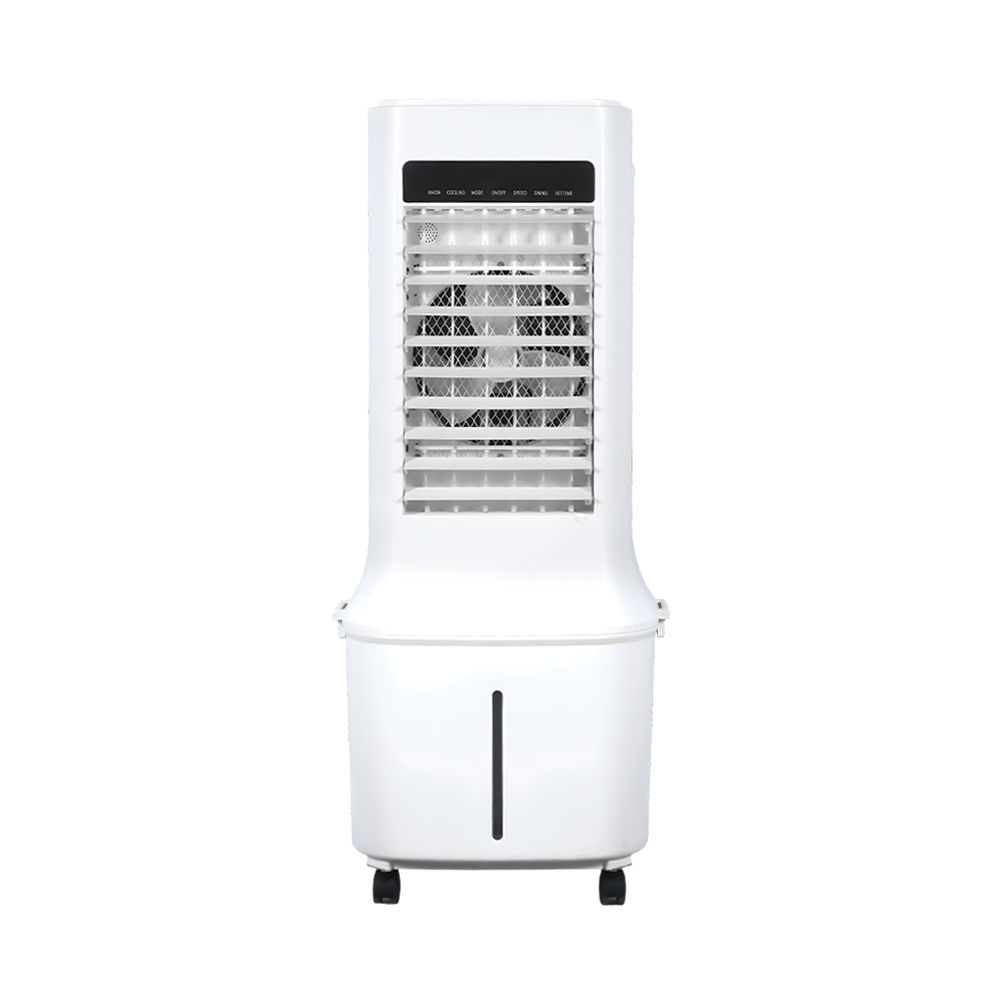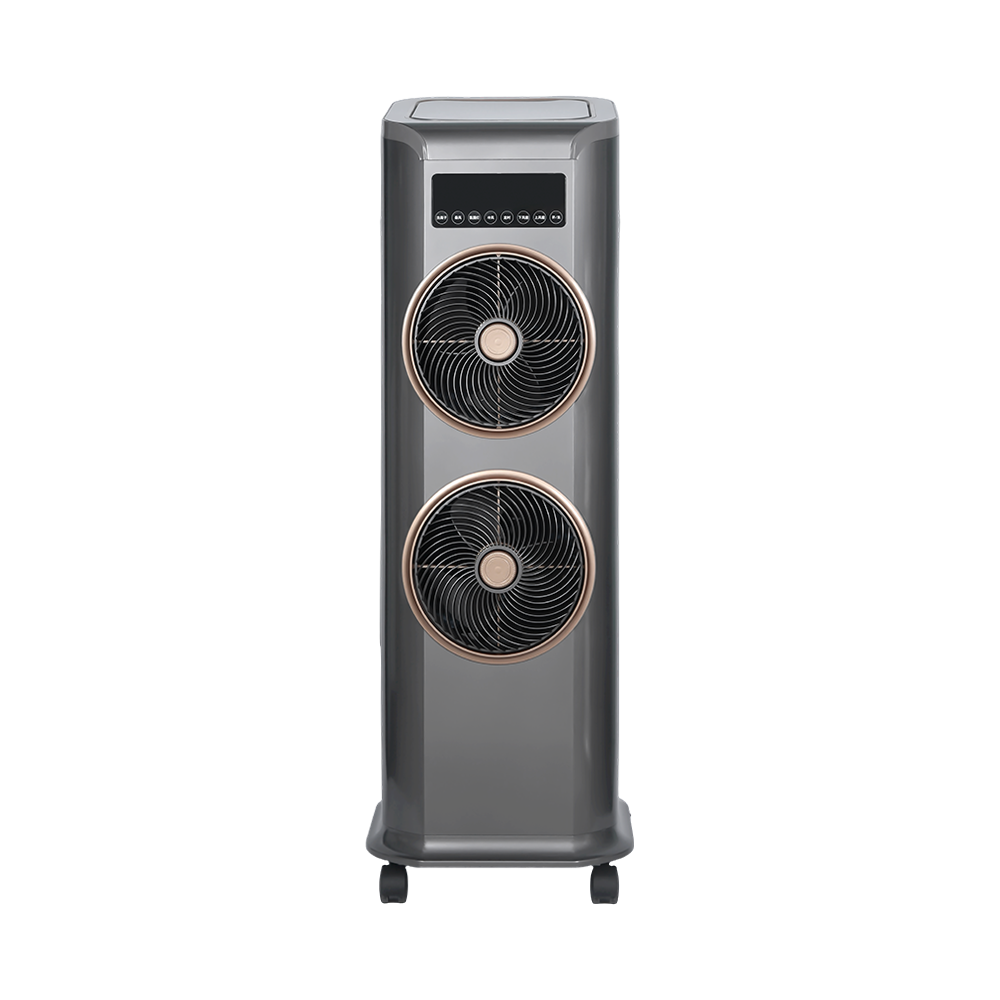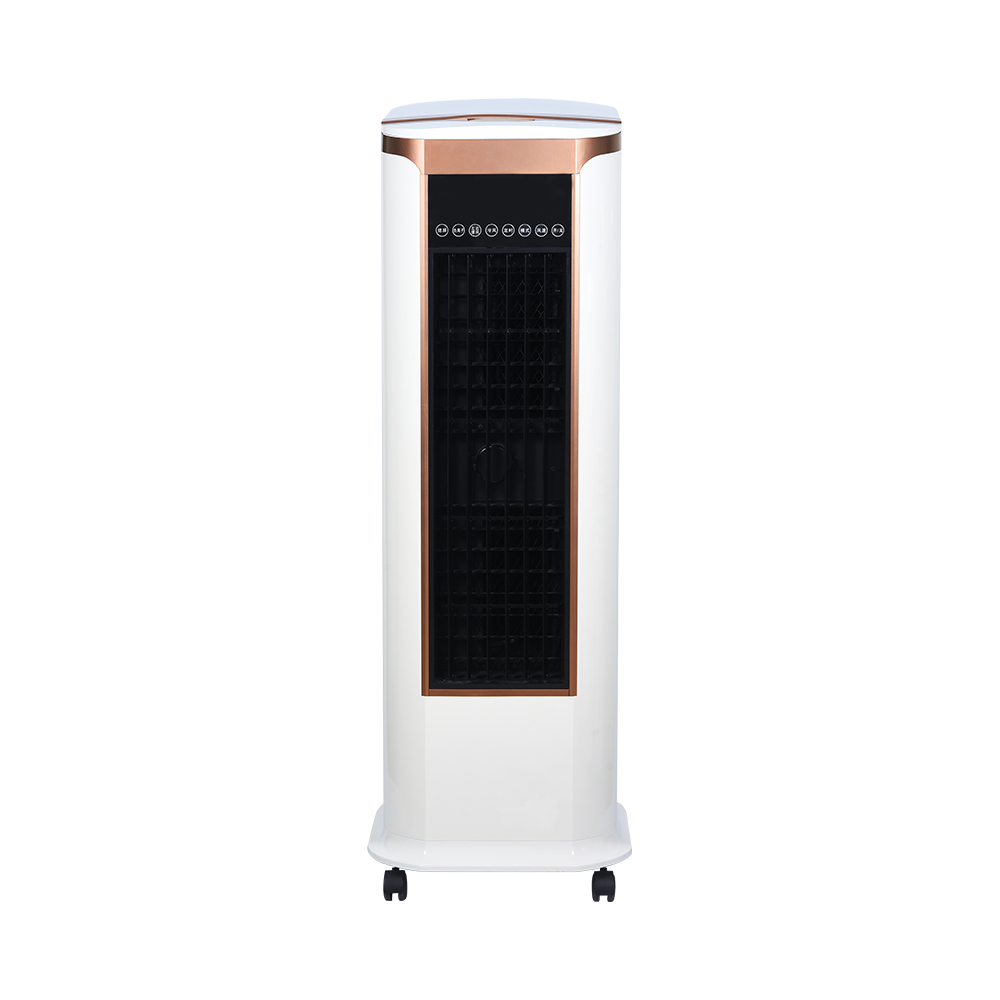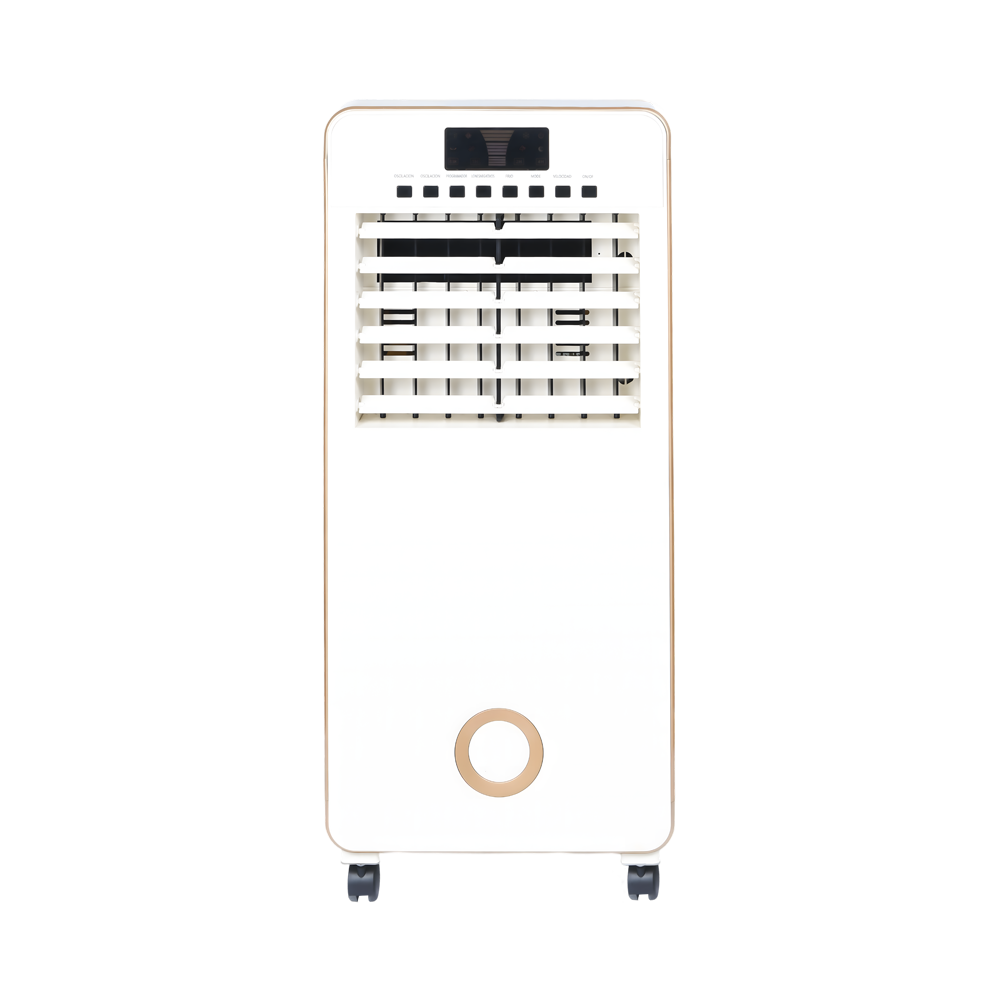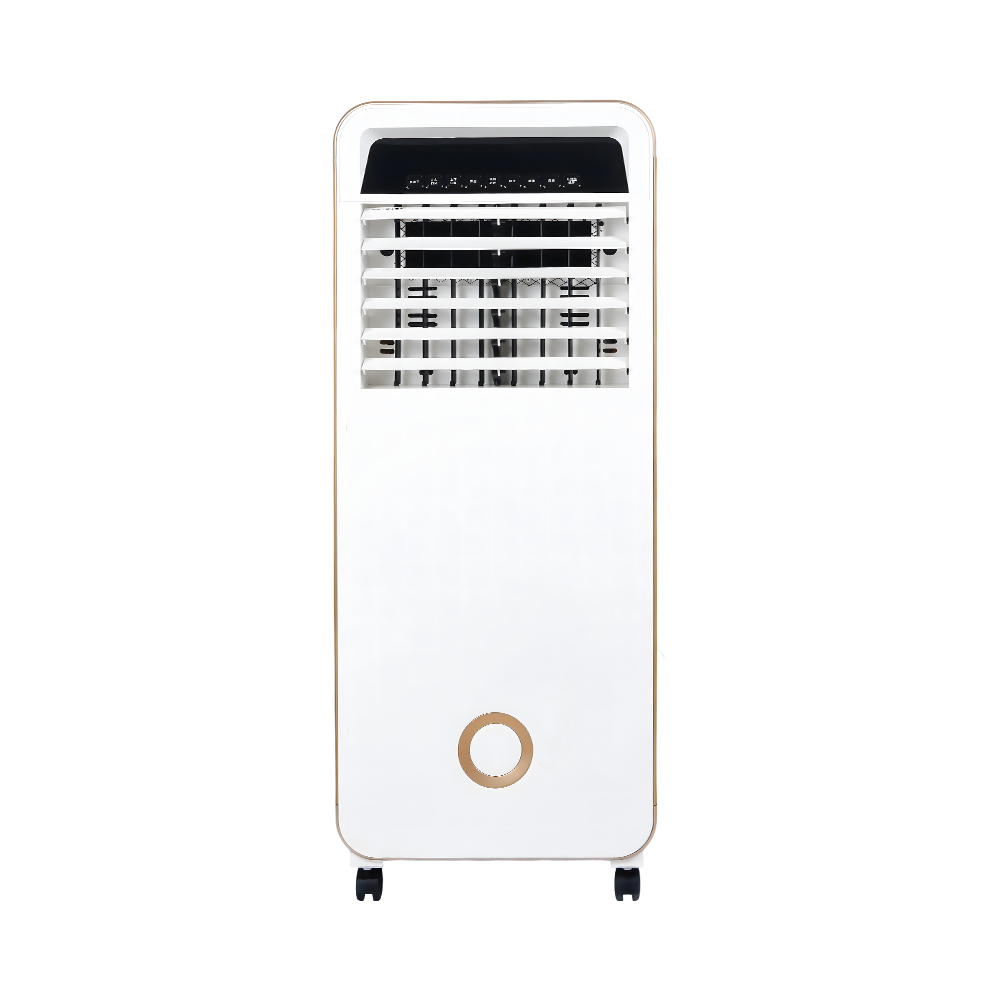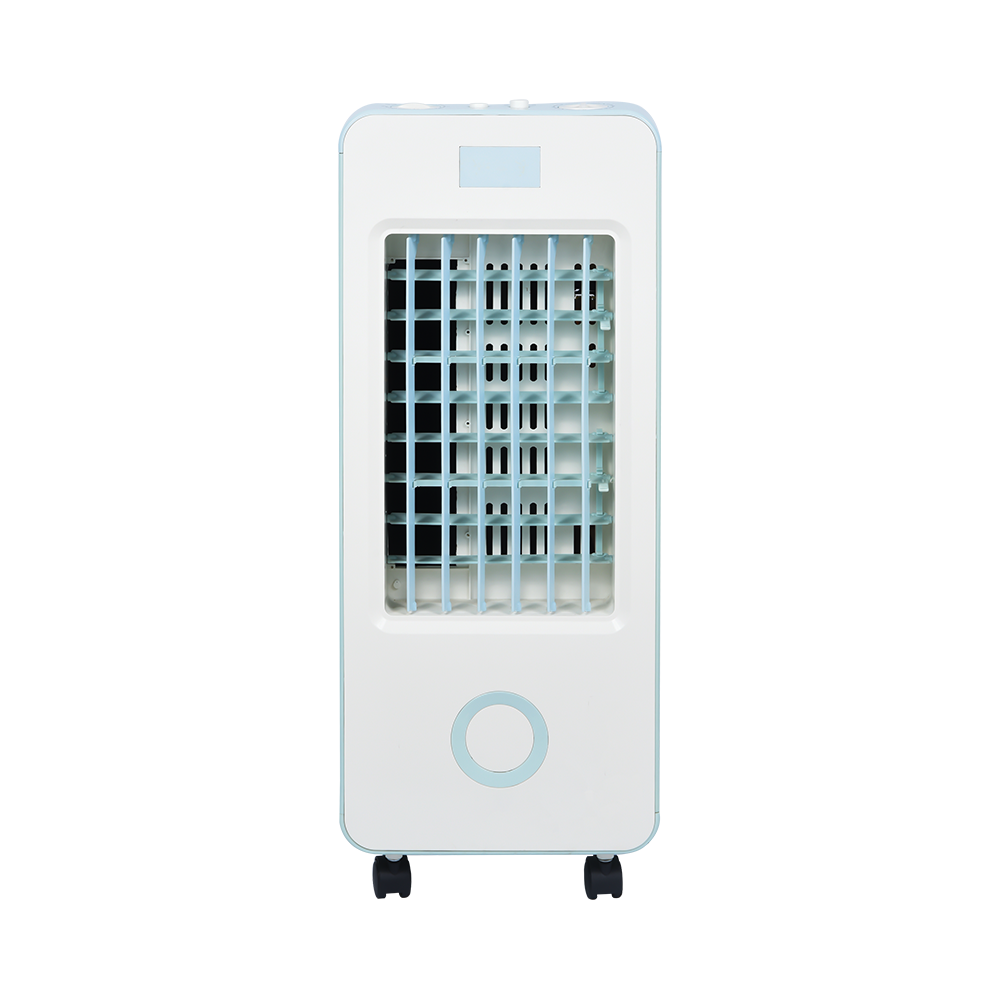

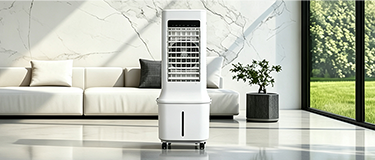
A home-use air cooler uses water evaporation to absorb heat from the air, cooling it as it passes through the humidified area before being blown back into the room.
It’s perfect for those who need more cooling than a regular fan but find air conditioners too dry or energy-consuming.
Simply add water, turn it on, and enjoy a refreshing breeze with a gentle, cool sensation, offering a practical home cooling solution without the need for air conditioning.
Don't hesitate to contact when you need us!
We're a reliable partner that shapes our expertise into success for your project.
Oct 12, 2026
The Heated Ceiling Fan: Does It Exist? Smart Heat & Air Circulation Guide If you searched for a heated ceiling fan expecting one appliance that both blows air and warms a room, here is the direct answer: integrated heated ceiling fans exist, but they are a rare, mostly commercial niche. In ordinary homes they rarely make sense, because heat rises. A heating element mounted at ceiling height... read moreOct 05, 2026
Indoor Heaters Buying Guide: Types, Sizing, Wattage, Safety and Cost Tips The right indoor heater is chosen by room size first, heat technology second, and control features last. A 1,300W PTC heater is enough for a bedroom of about 8 to 10 m², while a 2,200W graphene baseboard heater is a better match for a living room of 18 to 22 m². If you also want a visual centerpiece, a 3D flame firepl... read moreSep 28, 2026
Best Heater for Greenhouse: Types, Sizing Tips and Buying Advice | Baopeng Short answer first: for most backyard and small commercial greenhouses, the best heater setup is a thermostat-controlled, fan-forced ceramic heater to hold overall air temperature, backed by a small radiant tube heater aimed at the bench or seed-tray area for direct plant warmth. If you only buy one unit, make it the ... read more
A home use air cooler works by pulling warm room air through a water-saturated pad, letting evaporation pull the heat out before the air is pushed back into the room. This is different from refrigerant-based air conditioning, and that difference shapes almost everything about how a unit should be sized, placed, and maintained. Because these coolers add moisture as they cool, the surrounding climate, room layout, and ventilation all affect how much relief a unit can actually deliver — which is why buyers who understand the underlying mechanics tend to end up far happier with their purchase than those who simply compare wattage numbers on a spec sheet.
Evaporative cooling relies on a simple physical principle: turning liquid water into vapor absorbs heat from the surrounding air. Inside a home use air cooler, a water pump keeps the honeycomb or cellulose pad damp, and a fan draws room air through that pad. As the water evaporates, the air loses several degrees before it re-enters the room. In moderate, dry conditions, this can bring the perceived temperature down by 4-8°C, though the exact figure depends heavily on humidity.
The catch is that evaporation slows down as the air already holds more moisture — which is why the same unit performs very differently in a humid coastal city versus an arid inland one. Manufacturers who understand this, including Ningbo Baopeng Electric Appliance Co., Ltd, design under the principle of "Survive by Quality, Develop by Innovation," continually refining pad thickness, fan airflow, and pump cycling so a unit still performs reasonably even outside ideal humidity ranges.
Approximate temperature drop achieved by evaporative pads across common indoor humidity levels.
The single most common sizing mistake is judging a cooler by its tank size or physical footprint rather than its airflow rating, usually listed in cubic meters per hour (CMH). A general guideline is to look for a unit that can exchange the room's full air volume roughly 20-30 times per hour for effective cooling, since a single pass of cooled air is quickly overwhelmed by ambient heat re-entering through walls, windows, and doors.
Operating out of its factory in Cixi, Zhejiang Province, Ningbo Baopeng Electric Appliance Co., Ltd is positioned close to major transportation and logistics routes, which supports the kind of direct factory-to-buyer manufacturing that makes it practical to customize airflow specifications for different room sizes rather than offering a single generic output rating.
| Room Size | Approx. Volume | Suggested Airflow |
|---|---|---|
| Bedroom (12 m²) | ~29 m³ | 600-900 CMH |
| Living Room (25 m²) | ~60 m³ | 1,200-1,800 CMH |
| Open-Plan Area (40 m²) | ~96 m³ | 2,000-2,900 CMH |
Because a home use air cooler only runs a fan and a small water pump rather than a compressor, its power draw is typically 85-90% lower than a comparable air conditioning unit. This makes it a practical option for spaces used only part of the day, or as a supplement to central cooling rather than a full replacement in very humid climates.
This cost gap widens the longer a unit runs, which matters for households that leave cooling on for extended stretches during peak summer months. Production for custom orders generally moves on a 50 calendar day lead time from order confirmation and deposit, a schedule Baopeng maintains to keep quality control consistent while still fitting seasonal demand windows.
Illustrative cost curve; actual figures vary by local electricity rates and unit efficiency.
A home use air cooler needs more hands-on upkeep than a sealed refrigerant system. The water tank should be emptied and refilled regularly to avoid mineral buildup and stale water, the evaporative pad should be rinsed or replaced every season, and the fan housing benefits from an occasional dust wipe-down. Skipping this maintenance is the leading reason cooling output drops off after a year or two of use.
Noise level is another practical factor — most household units run in the 45-55 dB range on medium speed, quiet enough for a bedroom overnight when set on a lower fan setting. Every unit is customized to customer requirements and passes a third-party inspection before shipment, an approach that reflects the extensive experience Ningbo Baopeng Electric Appliance Co., Ltd has built through long-term cooperation with first and second-tier domestic home appliance brands, helping keep product quality consistent order to order.
Performance drops as ambient humidity rises, since evaporation slows down once the surrounding air is already close to saturated. In humid regions, a cooler still moves air and can offer some relief, but it will not reduce temperature as noticeably as it does in a dry climate.
A weekly rinse of the tank during heavy use season, plus a full pad clean or replacement at the start and end of the cooling season, is generally enough to prevent mineral scale and odor buildup.
Positioning near a window or an open doorway improves air exchange and helps push humid exhaust air out rather than letting it recirculate. Placing a unit in a fully sealed room will cause humidity to build up over time and reduce cooling effectiveness.
A bigger tank mainly means longer run time between refills, not stronger cooling. Airflow rating and pad surface area are what actually determine how much a unit can cool a given room.
Don't hesitate to contact when you need us!
For any questions and feedback from customers, we will reply patiently and meticulously.

The product has obtained multiple domestic and international certifications, including 3C, CE, ROHS, CB, and the ISO9001 quality management system.
CONTACT US
Address: No. 118, Guyao Highway, Zhangqi Town, Cixi City, Zhejiang Province, China
Wechat: +86-15921162693
Email: [email protected]
Mobile



 English
 Español
 عربى
عربى