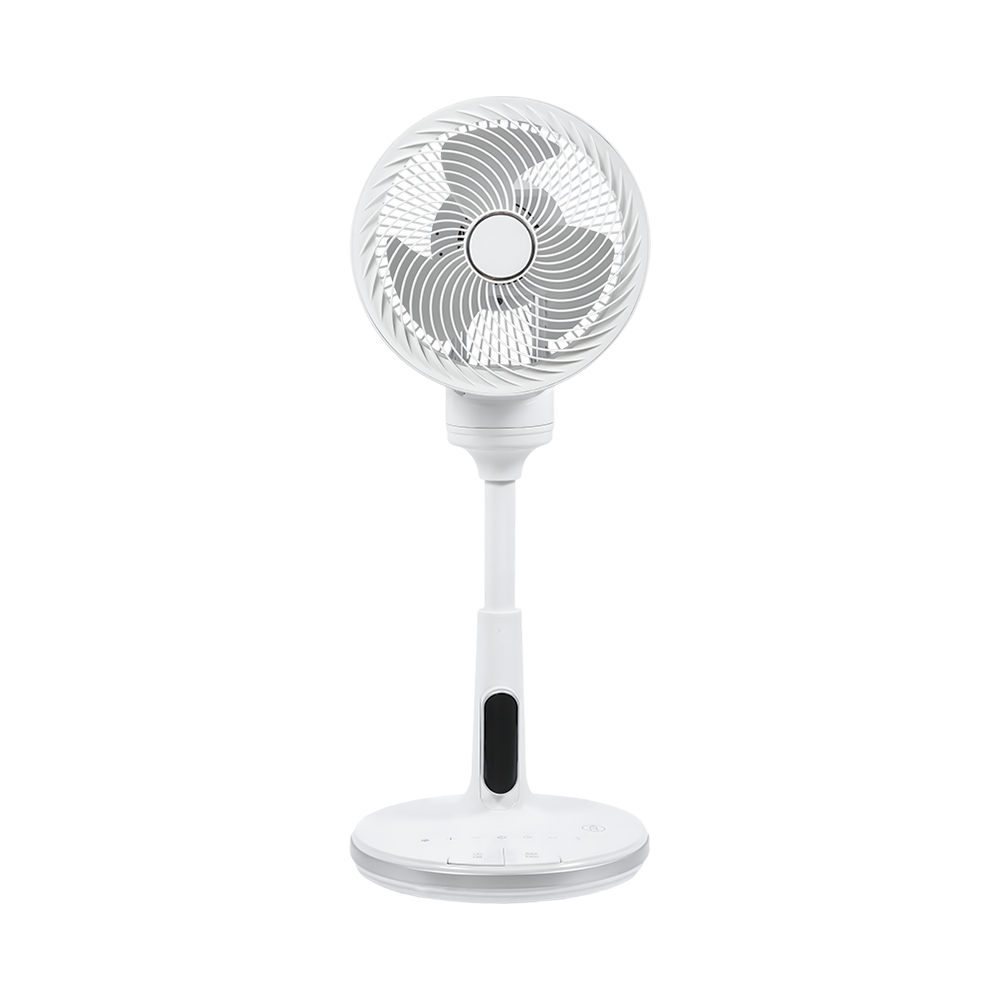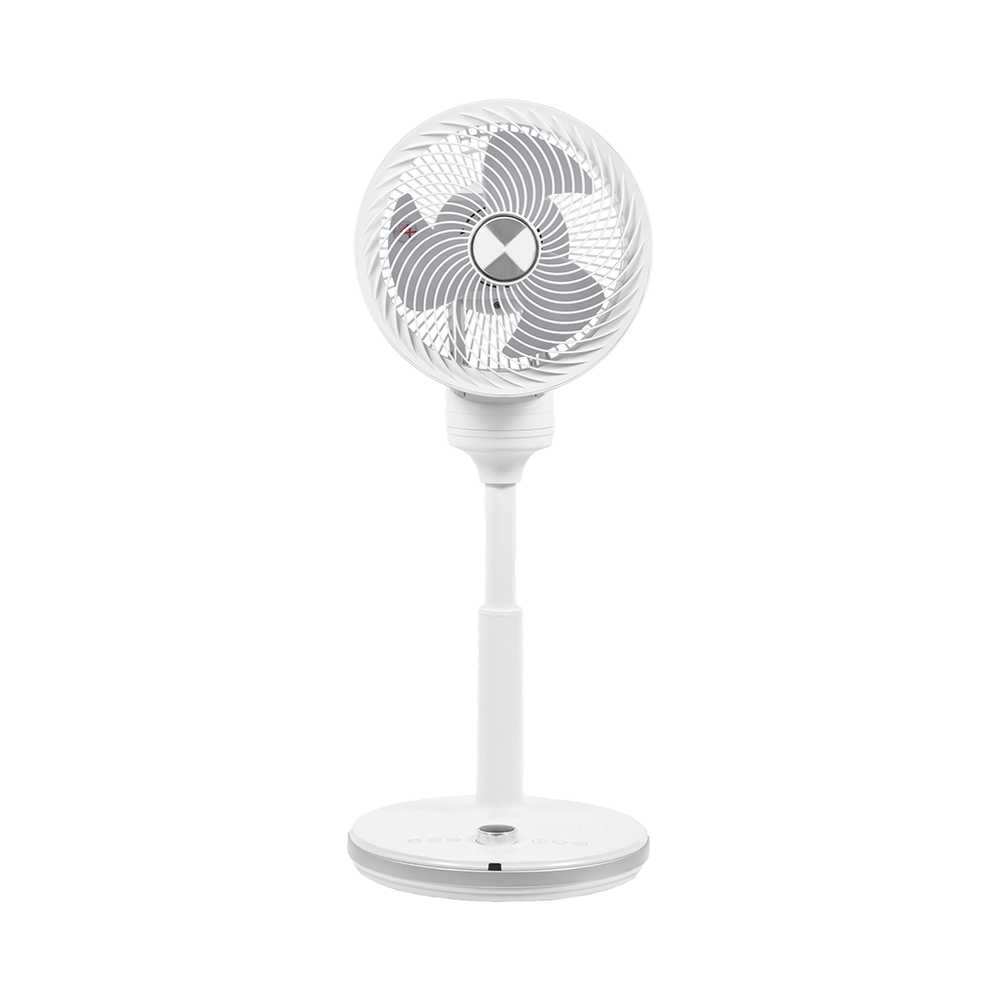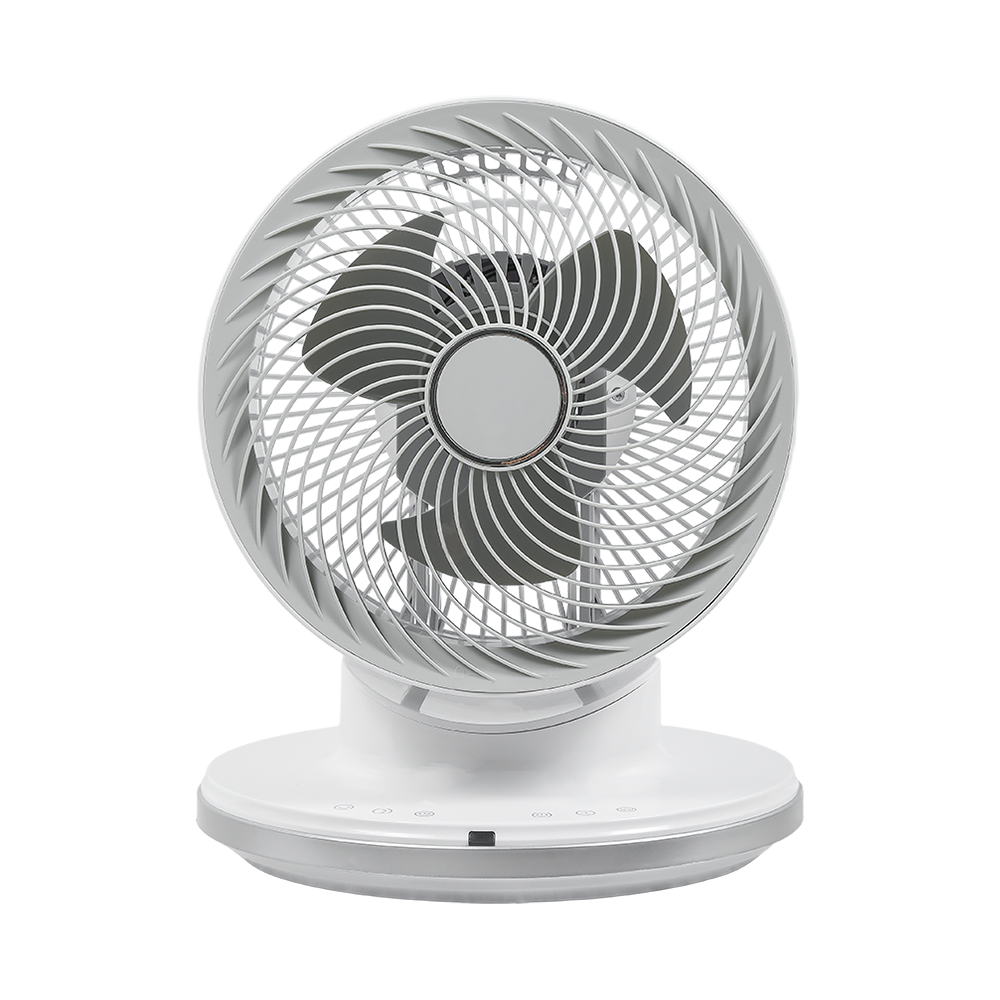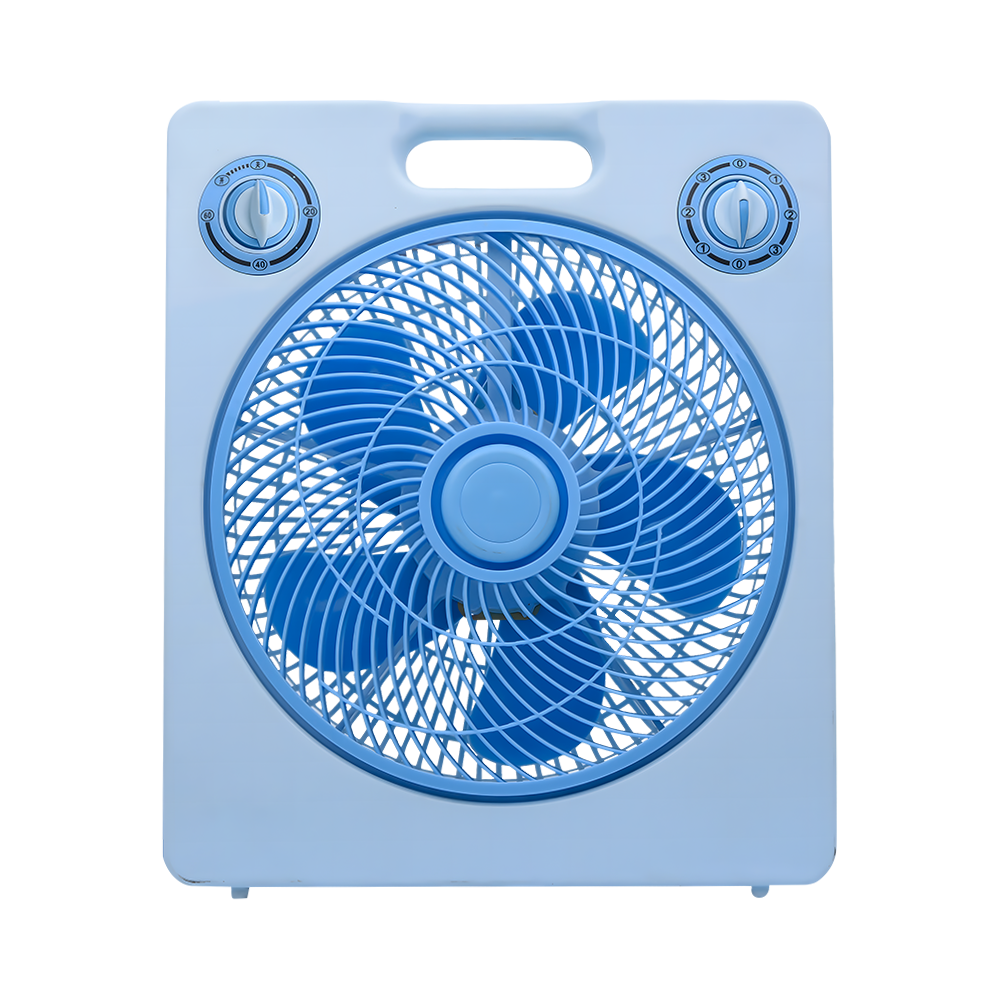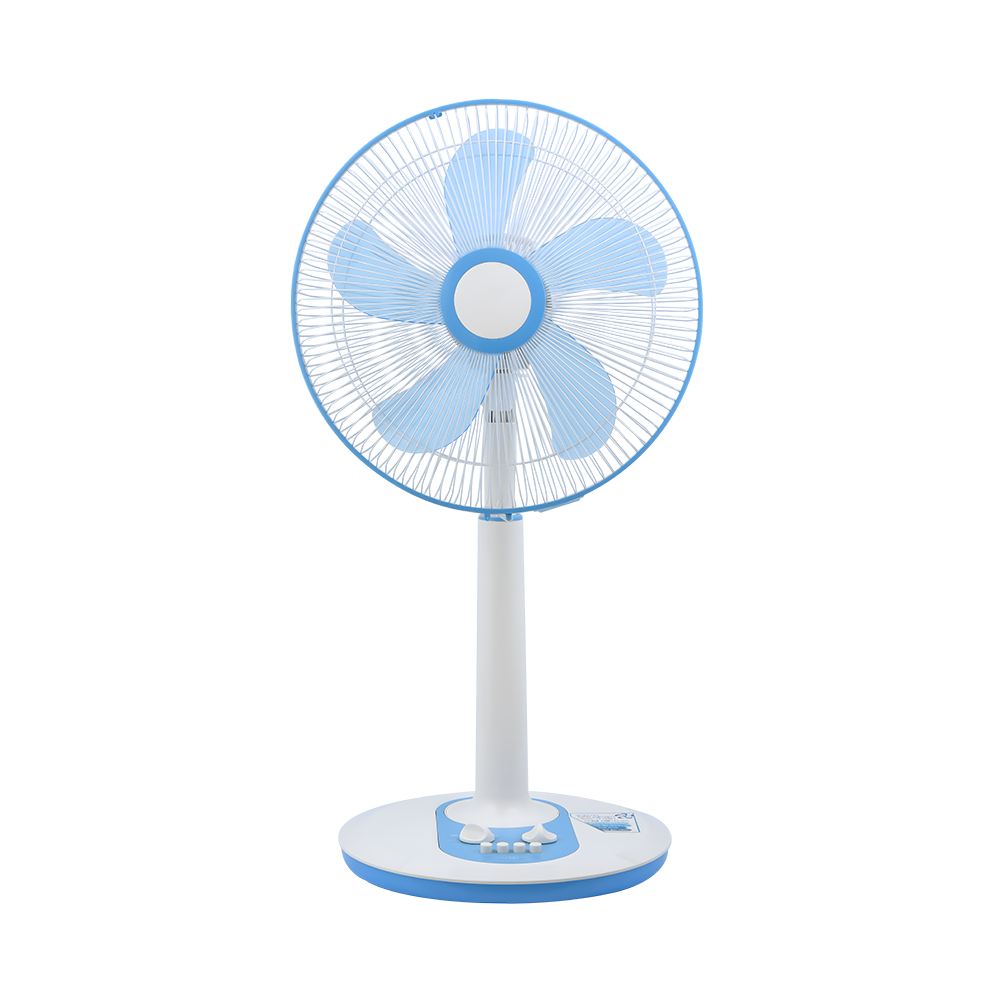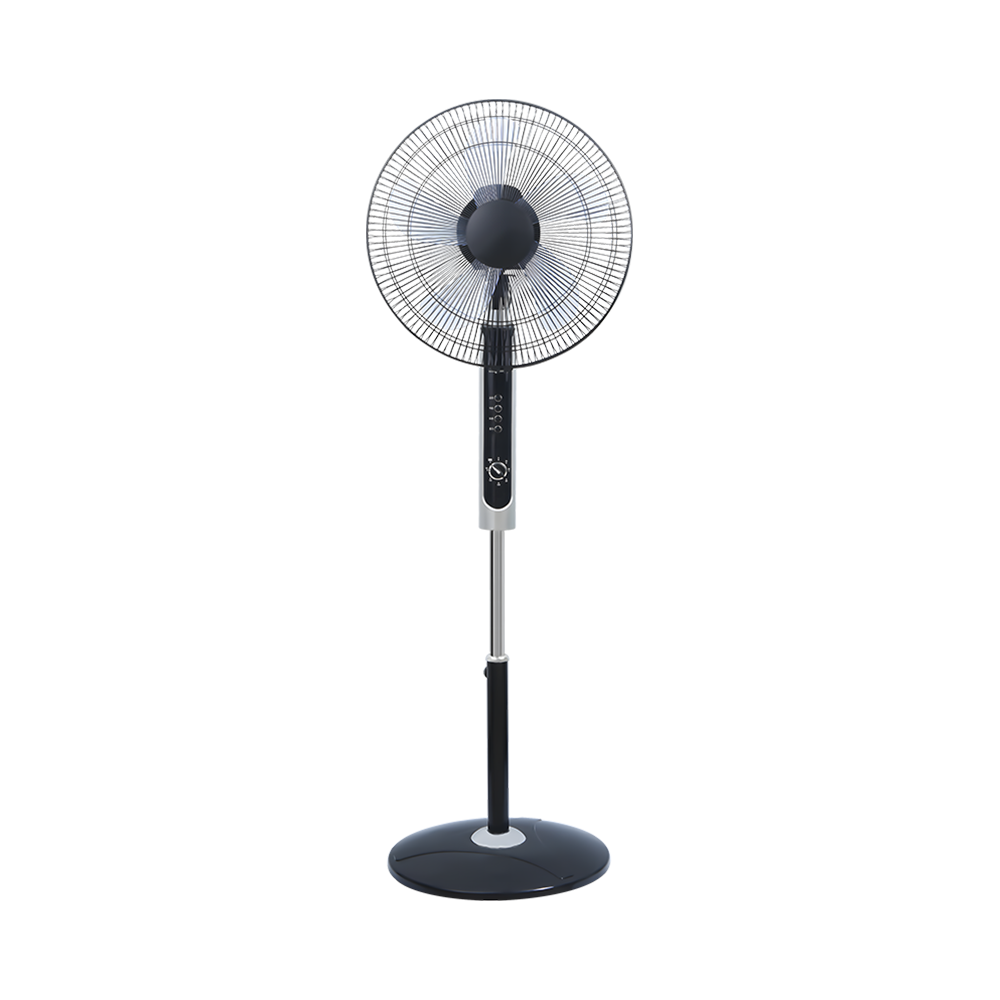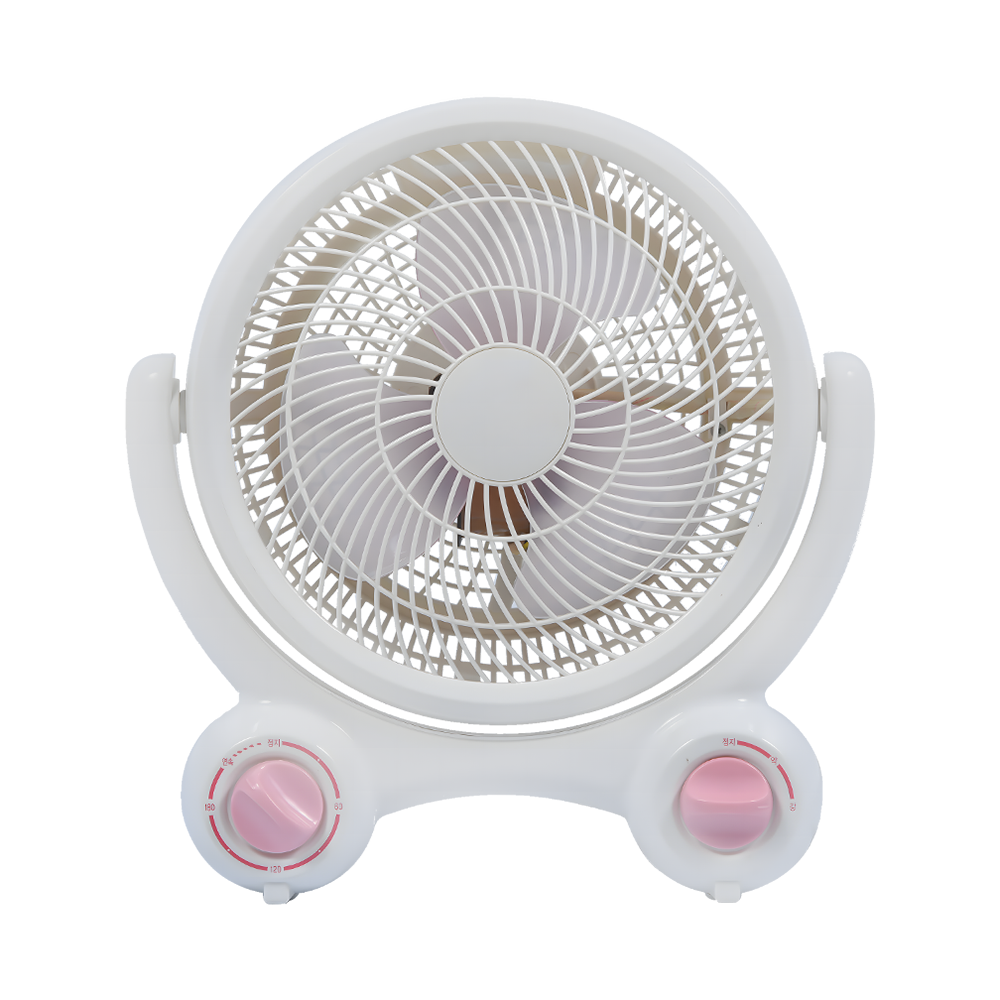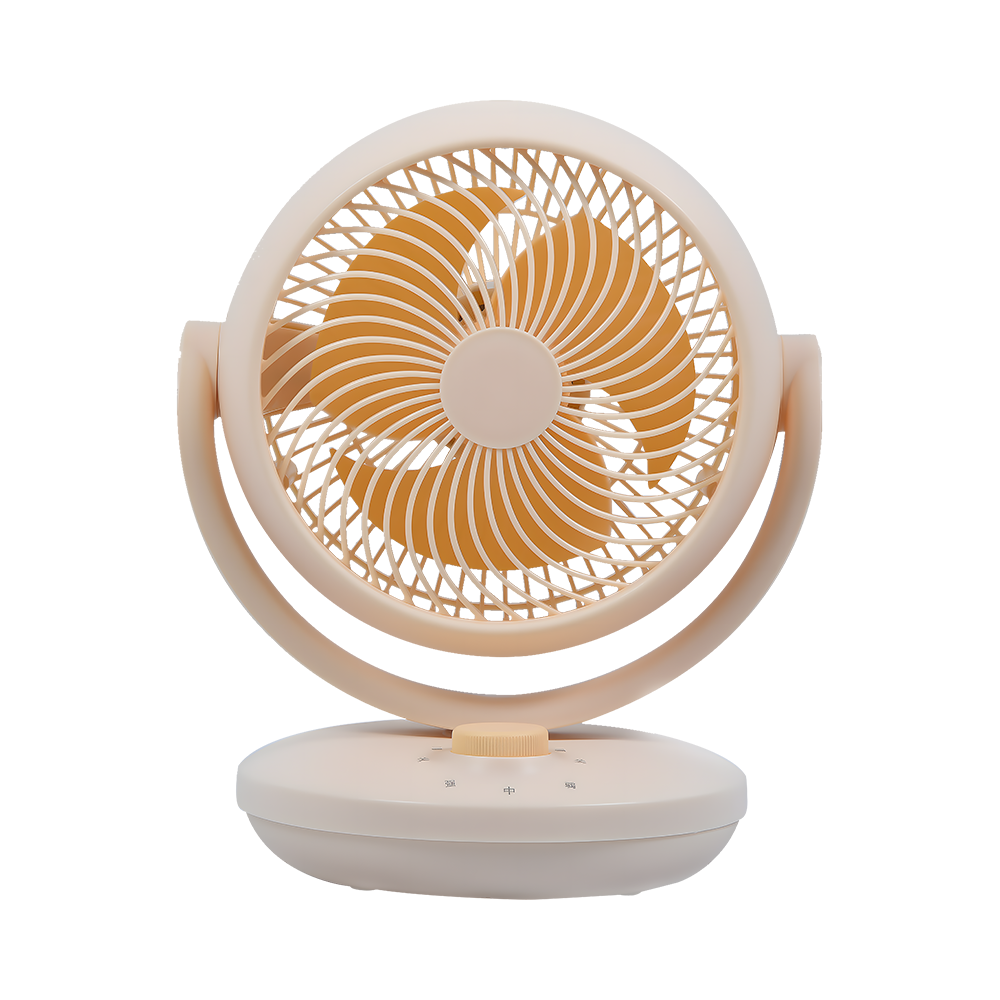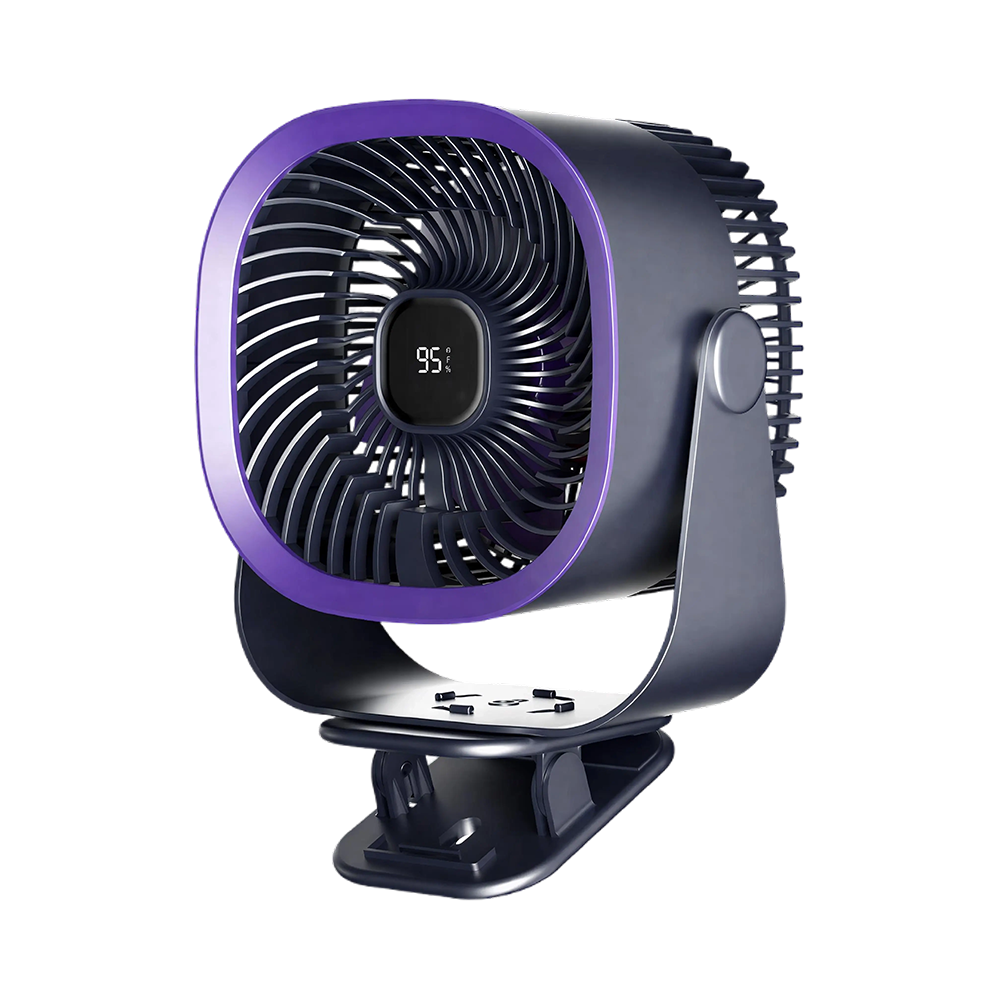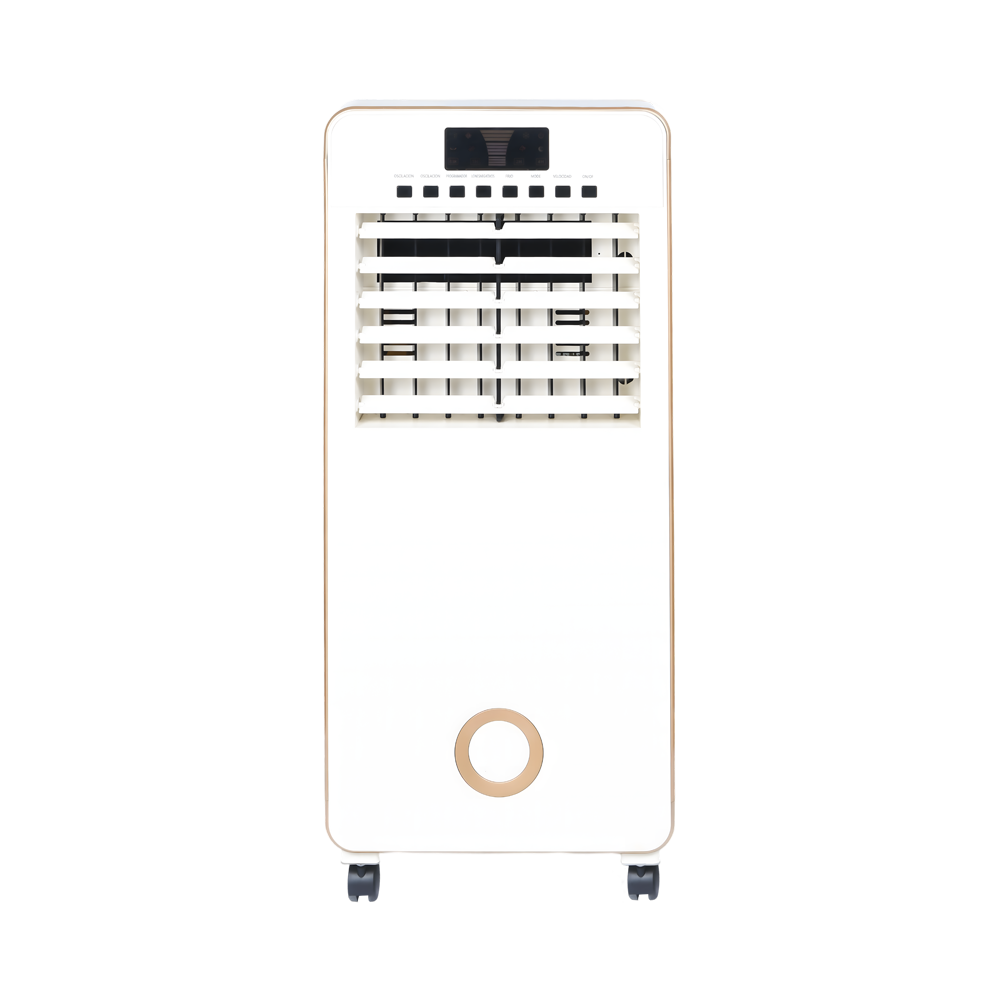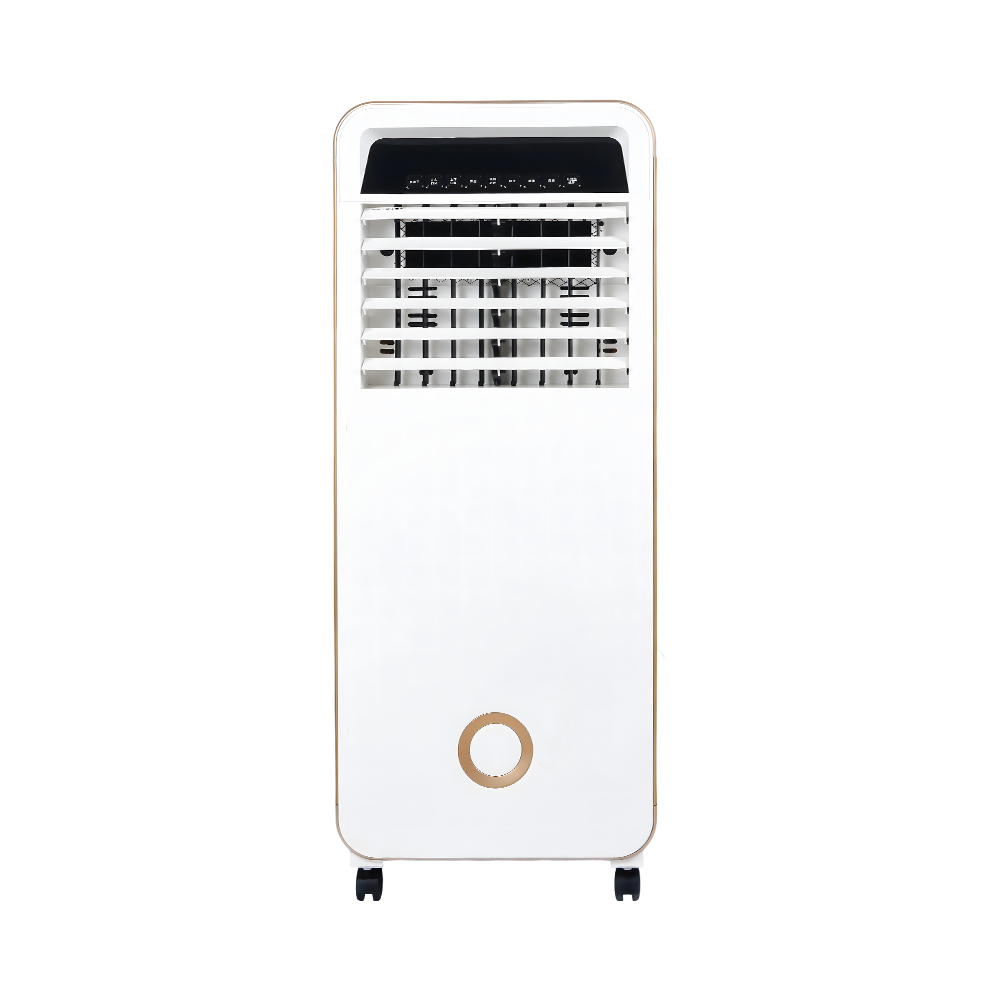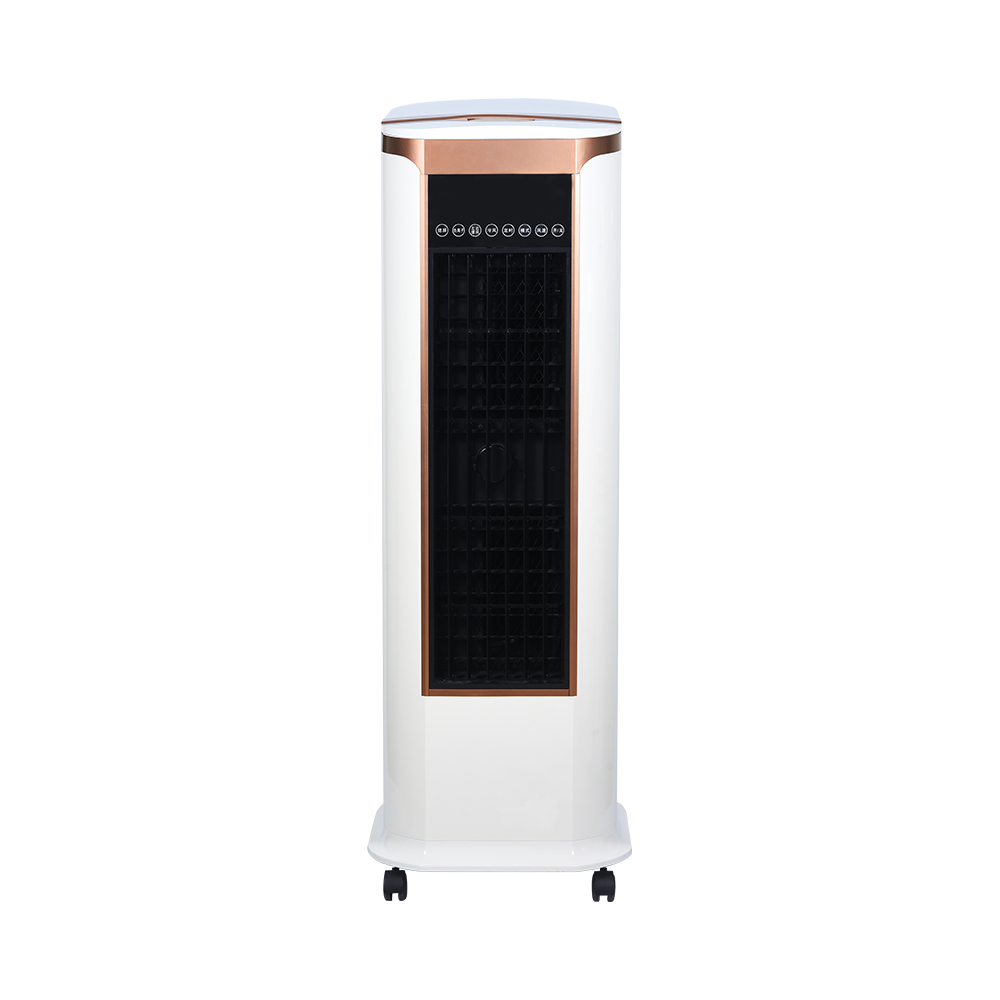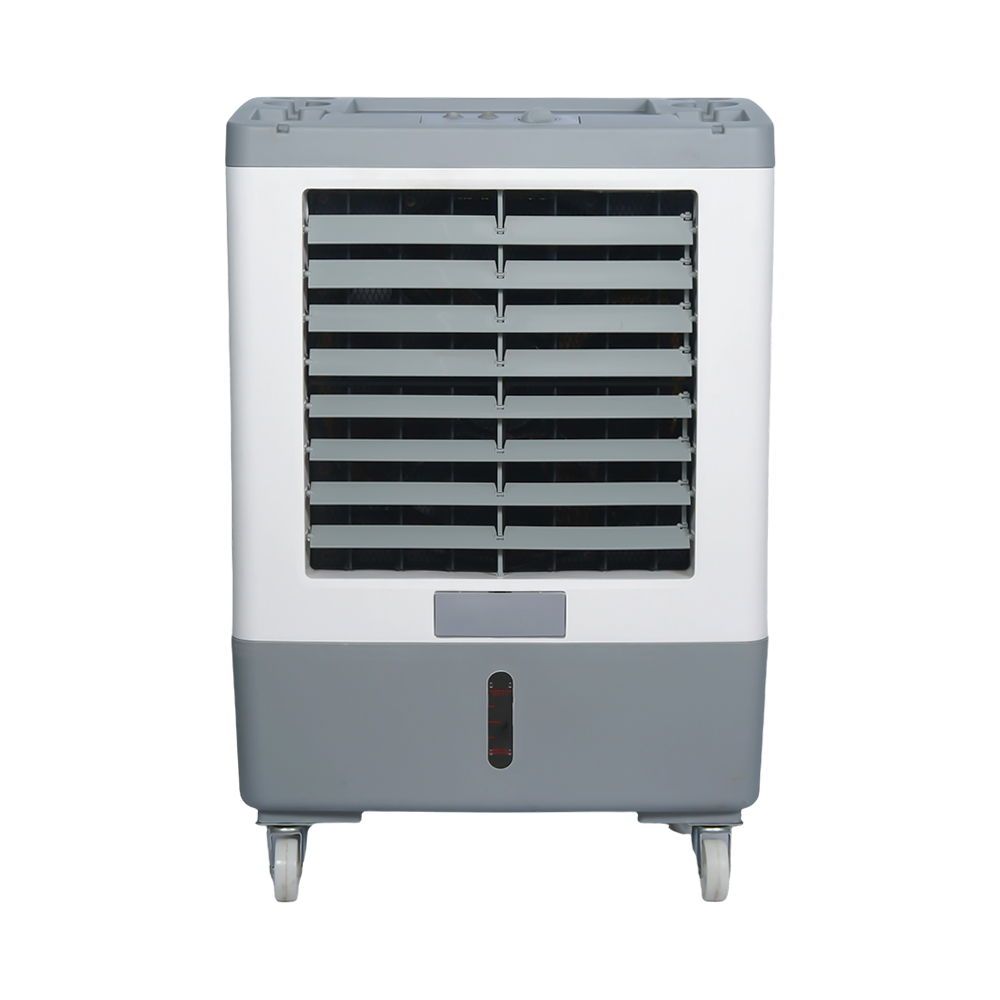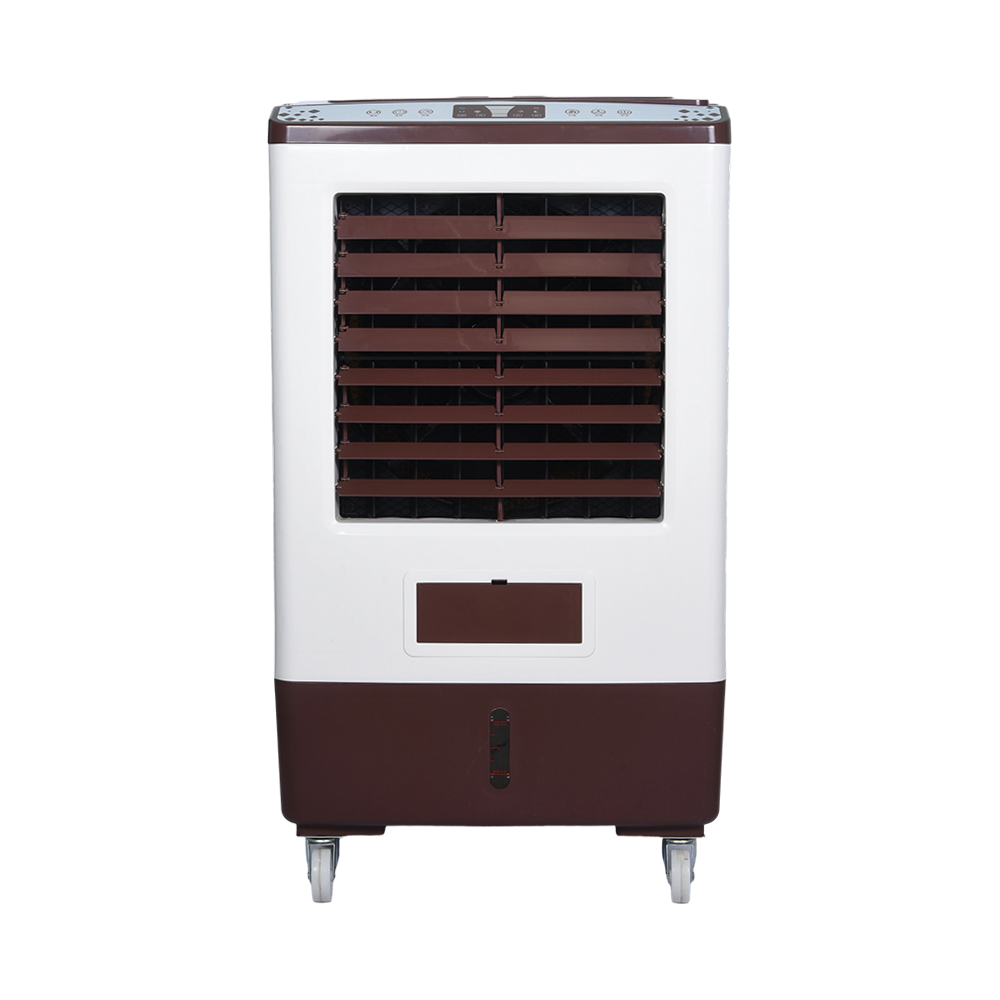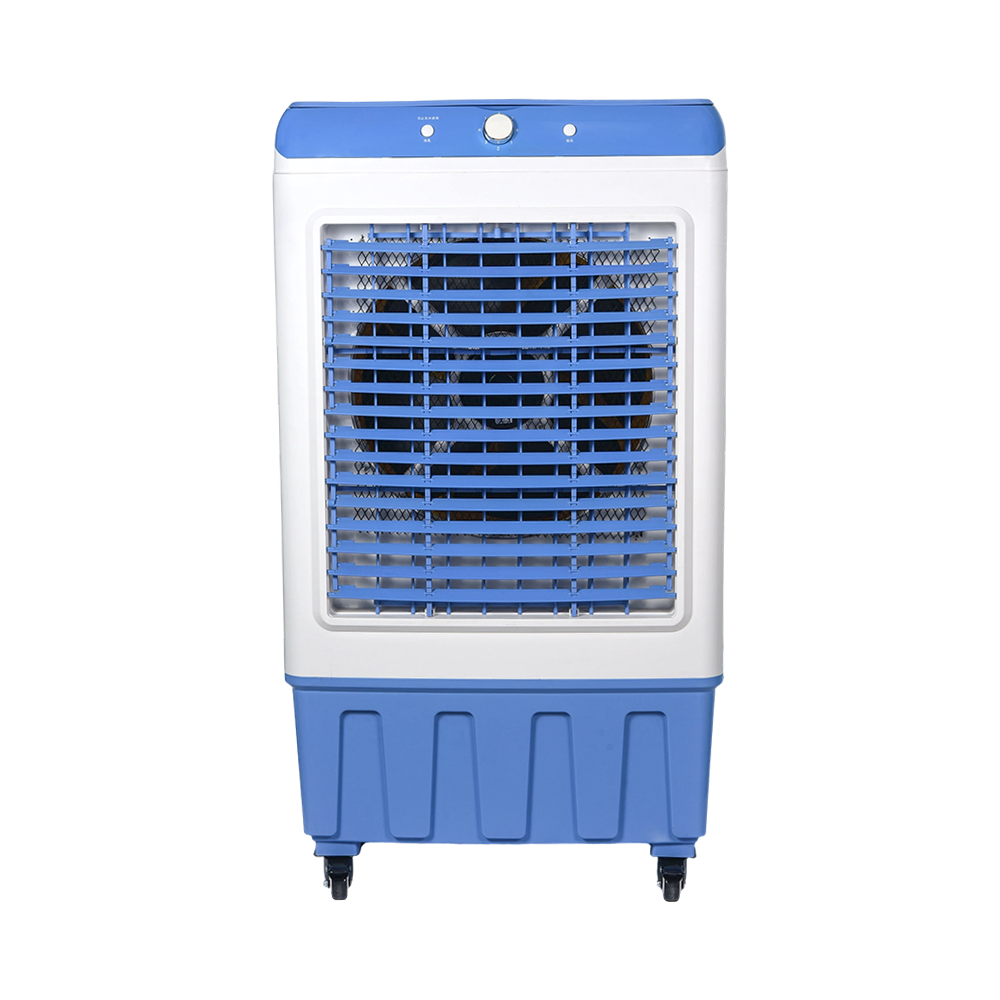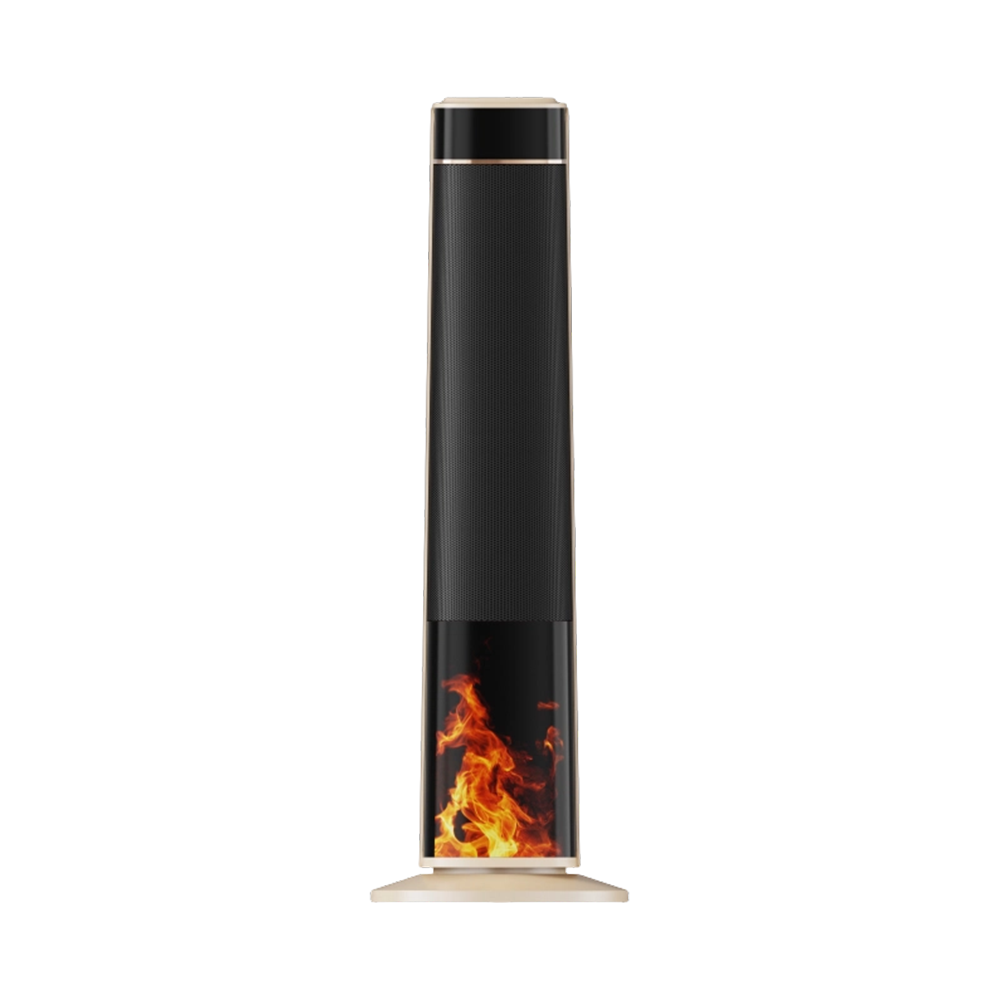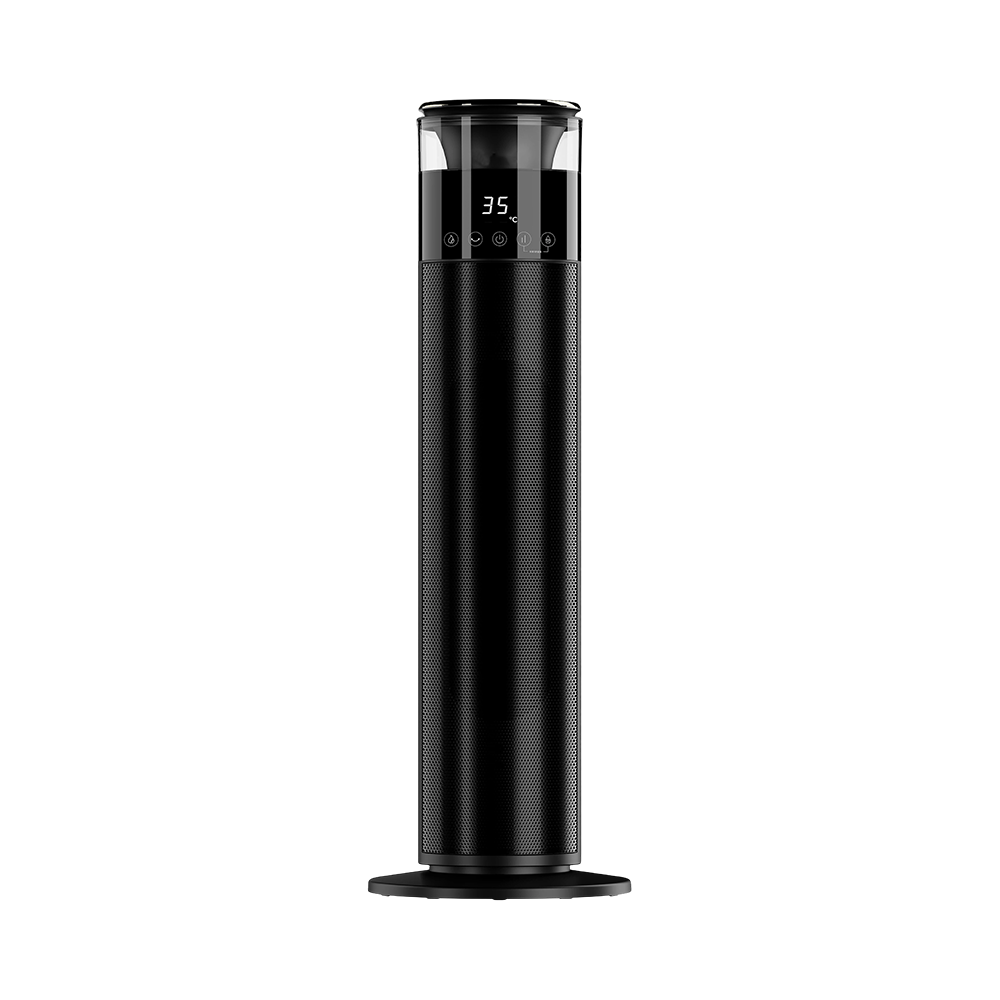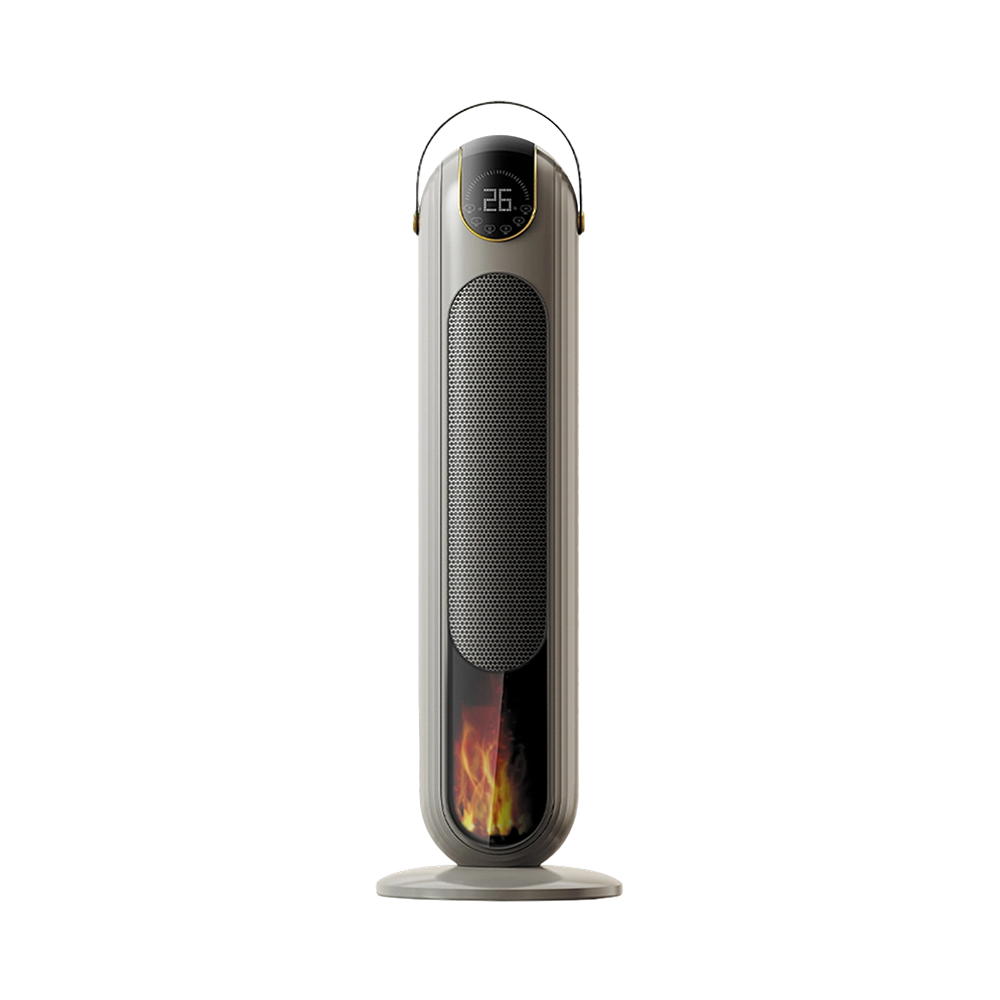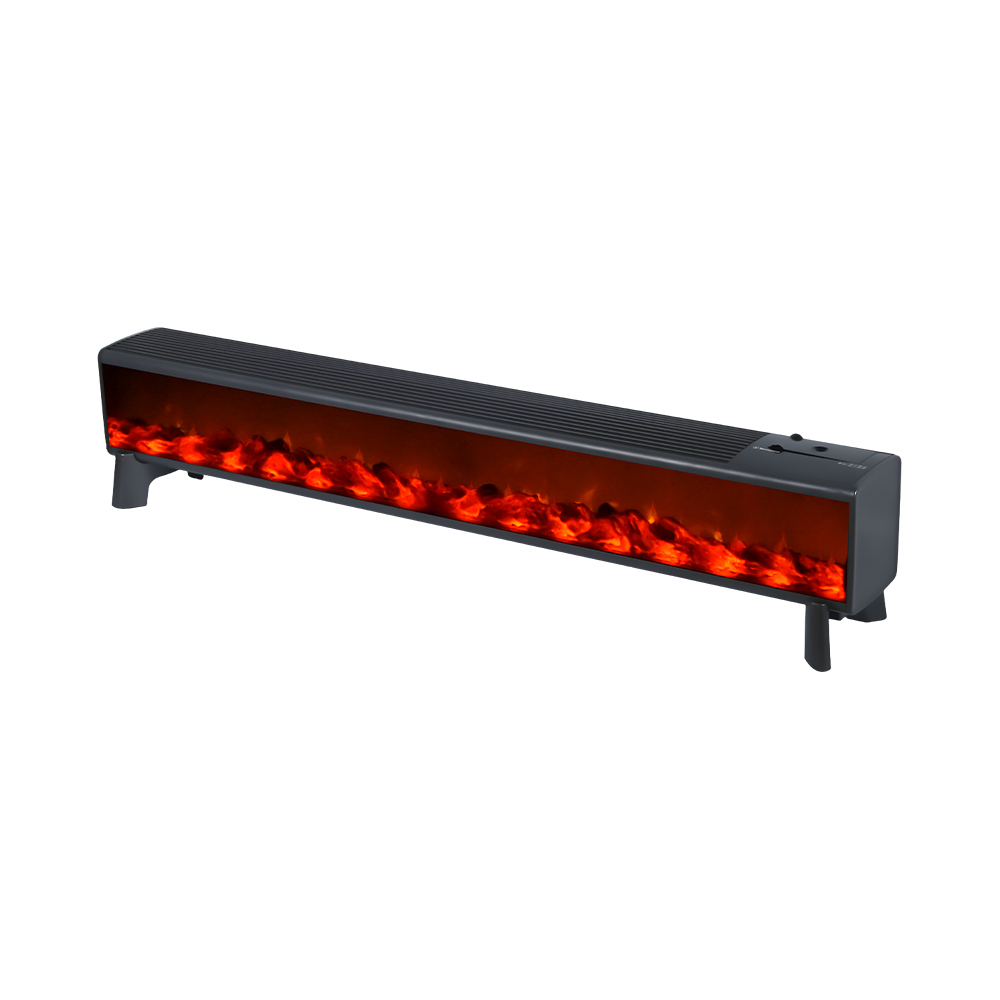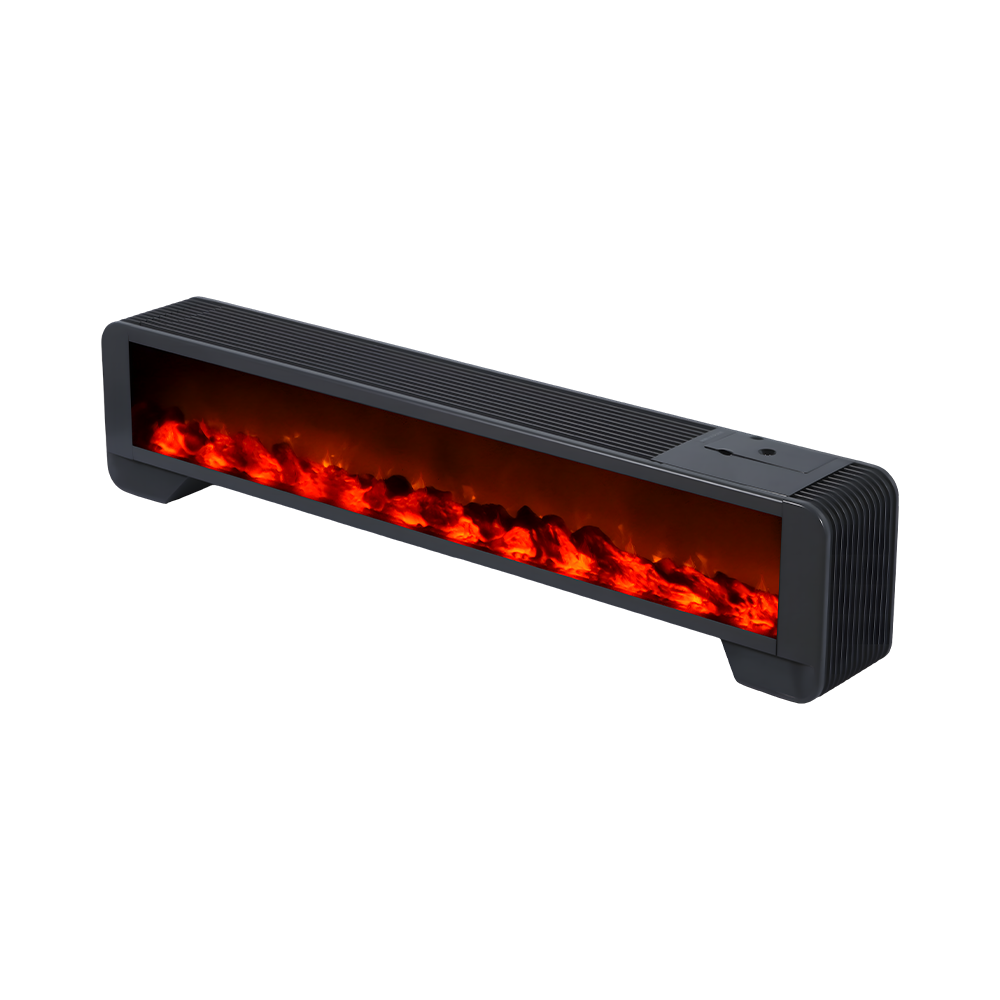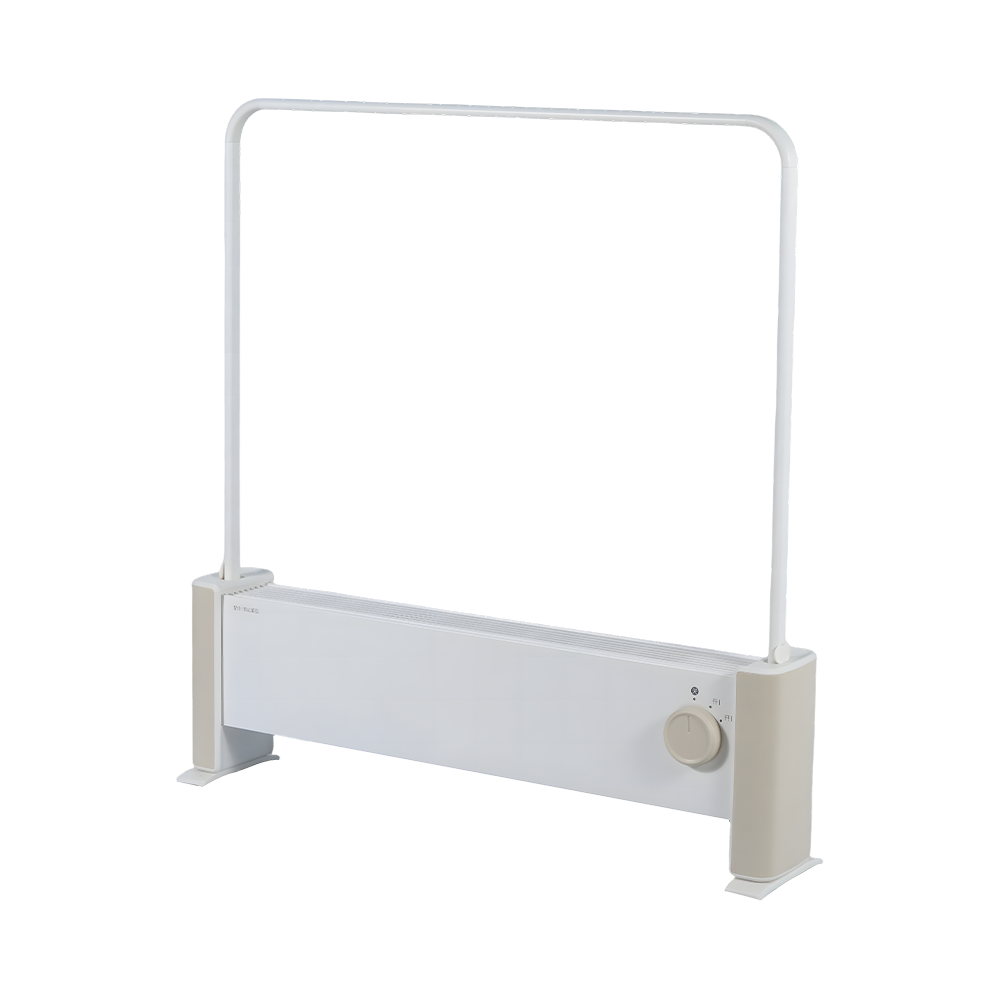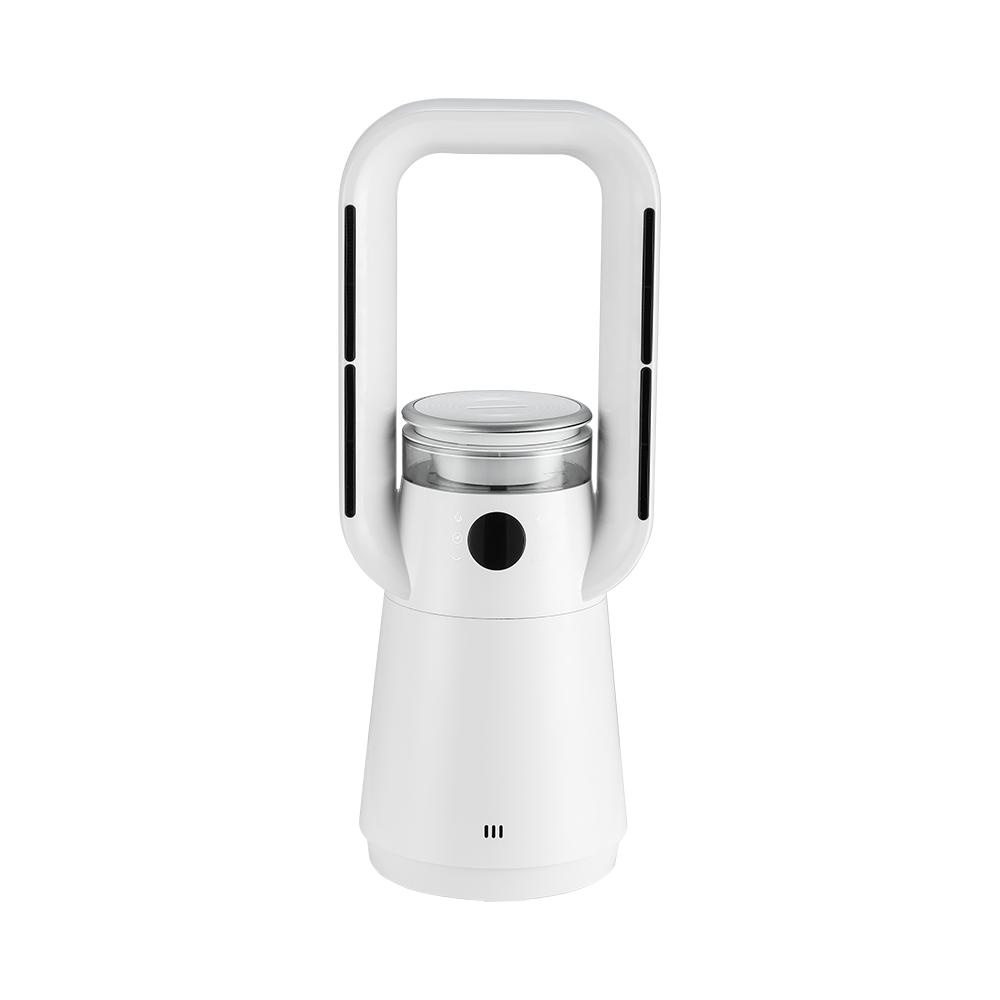

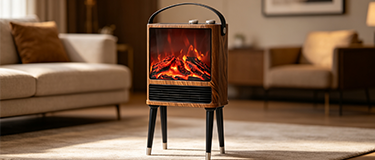
A bladeless heater is a type of heating device that combines safety, comfort, and modern design. Compared to traditional fan-bladed heaters, bladeless heaters utilize innovative airflow circulation technology. Through internal heating elements and a ring-shaped air outlet structure, they achieve even airflow and rapid heating. Not only do they have a sleek and stylish appearance, but they also significantly reduce safety hazards during use.
These products are particularly suitable for homes, offices, and environments with infants and young children. The absence of exposed blades eliminates the risk of children accidentally touching them or foreign objects getting caught in them. They also operate with lower noise, providing a quieter heating experience. Furthermore, bladeless heaters typically feature intelligent temperature control, remote control, and multiple fan speed settings, automatically adjusting output according to ambient temperature to balance energy efficiency and comfort.
Don't hesitate to contact when you need us!
We're a reliable partner that shapes our expertise into success for your project.
Oct 12, 2026
The Heated Ceiling Fan: Does It Exist? Smart Heat & Air Circulation Guide If you searched for a heated ceiling fan expecting one appliance that both blows air and warms a room, here is the direct answer: integrated heated ceiling fans exist, but they are a rare, mostly commercial niche. In ordinary homes they rarely make sense, because heat rises. A heating element mounted at ceiling height... read moreOct 05, 2026
Indoor Heaters Buying Guide: Types, Sizing, Wattage, Safety and Cost Tips The right indoor heater is chosen by room size first, heat technology second, and control features last. A 1,300W PTC heater is enough for a bedroom of about 8 to 10 m², while a 2,200W graphene baseboard heater is a better match for a living room of 18 to 22 m². If you also want a visual centerpiece, a 3D flame firepl... read moreSep 28, 2026
Best Heater for Greenhouse: Types, Sizing Tips and Buying Advice | Baopeng Short answer first: for most backyard and small commercial greenhouses, the best heater setup is a thermostat-controlled, fan-forced ceramic heater to hold overall air temperature, backed by a small radiant tube heater aimed at the bench or seed-tray area for direct plant warmth. If you only buy one unit, make it the ... read more
A Bladeless Heater works on a fairly simple idea borrowed from air-multiplier fans: instead of blowing warm air past a spinning blade, the unit pulls room air into a sealed base, warms it, and pushes it out through a narrow slot or ring so the airflow feels continuous rather than pulsed. That's the core distinction people are usually searching for when they type "bladeless space heater" or "heater bladeless" - not a specific brand, but a heating format built around enclosed airflow, quieter operation, and a housing with nothing exposed for fingers or fur to reach. This piece walks through how that airflow is generated, what it changes about placement and noise, the safety trade-offs worth knowing, and how a factory actually builds and tests one of these units before it ships.
At Ningbo Baopeng Electric Appliance Co., Ltd, the engineering question behind any bladeless unit is the same one that shapes bladeless fans: how do you move a large volume of air through a small opening without a visible rotor doing the work. The answer sits inside the base. A compact impeller draws air in through vents at the bottom, pushes it past a heating element, and forces it up through a slim internal channel before it exits through a ring-shaped or slot-shaped outlet. Because the outlet is just a gap rather than a grille sitting in front of moving blades, the discharged air reads as a steady column rather than a series of short bursts.
That steadier discharge also changes how quickly a room feels warmer, since the air isn't arriving in pulses that cool between cycles. The chart below shows a typical warm-up pattern over a 30-minute run in a small room, comparing a bladeless unit against a conventional heater that relies on an open coil and a visible fan blade.
The gap between the two lines widens as the run continues, which is mostly a function of consistent, unbroken airflow rather than a more powerful heating element underneath.
A bladeless space heater is usually chosen over a standard fan heater for two practical reasons: the airflow spreads more evenly across a room instead of forming one narrow hot lane, and the sound signature is noticeably lower. Without a blade chopping air into a rapid on-off pattern, there's less of the whirring or clicking that people associate with older fan heaters. That matters most in bedrooms, nurseries, and small home offices, where the unit often runs for hours at a time in the background.
Sound levels vary by model and output setting, but the general pattern across bladeless designs versus fan-based alternatives tends to look like this at a one-metre listening distance.
Those figures are typical operating ranges rather than a fixed guarantee for any one model, since housing design, motor mounting, and output setting all shift the number slightly.
The most obvious safety advantage of a heater bladeless in design is that there's nothing spinning behind the outlet grille for a curious hand, or a pet's paw, to reach. The heating element itself sits inside the sealed base rather than exposed at the front, and the outer housing warms far less than a bare coil or open-element heater would. That combination is a large part of why bladeless formats get recommended for households with young children or shedding pets, where an open-blade or open-coil unit needs constant supervision.
Comparing a bladeless unit against a standard fan heater across the attributes people actually weigh when shopping - not just heat output - tends to look roughly like this on a five-point scale.
Blue: bladeless heater. Grey: standard fan heater.
The gap is largest on child safety and cleaning, since a smooth housing with no exposed blade collects less dust behind the grille and gives a caregiver fewer edges to worry about. Manufacturing teams working on bladeless designs, including at Ningbo Baopeng Electric Appliance Co., Ltd, spend a fair amount of the design cycle on that housing seal and outlet geometry precisely because it's what most of the safety benefit comes down to.
Ningbo Baopeng Electric Appliance Co., Ltd runs a standardized production facility covering 17,000 square meters with a team of more than 200 employees. The production lines are supported by inspection systems that run alongside the process rather than just at the end of it, so issues in impeller balance, heating element assembly, or housing fit get caught before a batch moves further down the line. From product development through mass production, that process control is what keeps output consistent across a run rather than varying from unit to unit.
On the ordering side, the standard production lead time is 50 calendar days from the date of order confirmation and receipt of the deposit. That window exists to protect the quality control steps in the line rather than to rush a batch out early - each product is customized in line with what the customer specifies, and a third-party inspection is carried out before shipment, separate from the factory's own internal checks. The company operates as a factory rather than a trading intermediary, so the manufacturing and the quality control both happen under one roof.
| Room type | Approximate floor area | Placement note |
|---|---|---|
| Bedroom or study | 10-15 sq m | Set on a stable, level surface away from bedding |
| Living room | 15-25 sq m | Central placement helps the ring outlet spread air evenly |
| Open-plan office corner | up to 20 sq m | Low noise output suits desks positioned nearby |
In most small to mid-size rooms, warm-up time is comparable or slightly faster, since the continuous airflow keeps circulating warm air rather than pulsing it out in short bursts.
It's generally easier. The smooth exterior has no blade cage to trap dust, so a quick wipe of the outer housing and vents is usually enough for regular upkeep.
Many households do use them overnight because of the lower noise and cool-touch housing, though it's still good practice to place any space heater on a stable surface, away from bedding or curtains, and to check the manufacturer's guidance for the specific model.
Both phrases describe the same product category. The word order shift is common in product listings and search queries, but it refers to the same enclosed-airflow heating format.
Don't hesitate to contact when you need us!
For any questions and feedback from customers, we will reply patiently and meticulously.

The product has obtained multiple domestic and international certifications, including 3C, CE, ROHS, CB, and the ISO9001 quality management system.
CONTACT US
Address: No. 118, Guyao Highway, Zhangqi Town, Cixi City, Zhejiang Province, China
Wechat: +86-15921162693
Email: [email protected]
Mobile



 English
 Español
 عربى
عربى