

Don't hesitate to contact when you need us!
We're a reliable partner that shapes our expertise into success for your project.
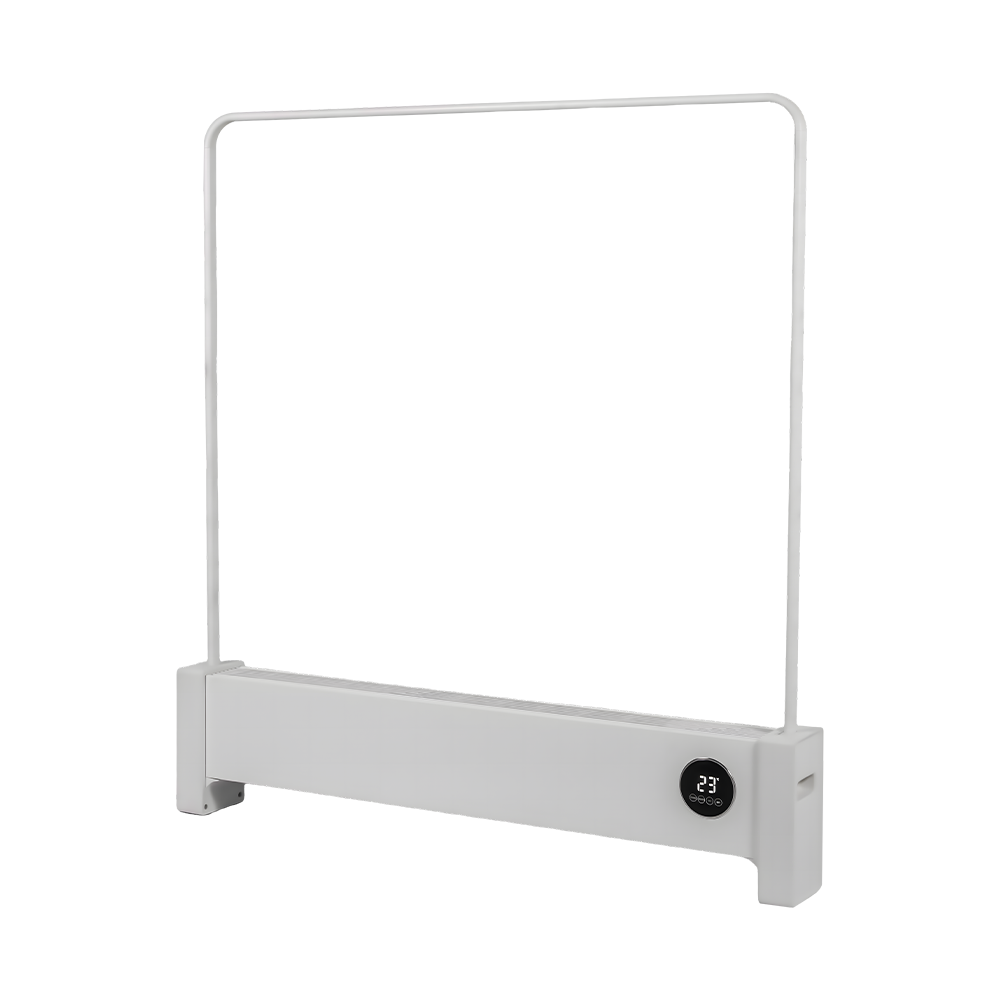
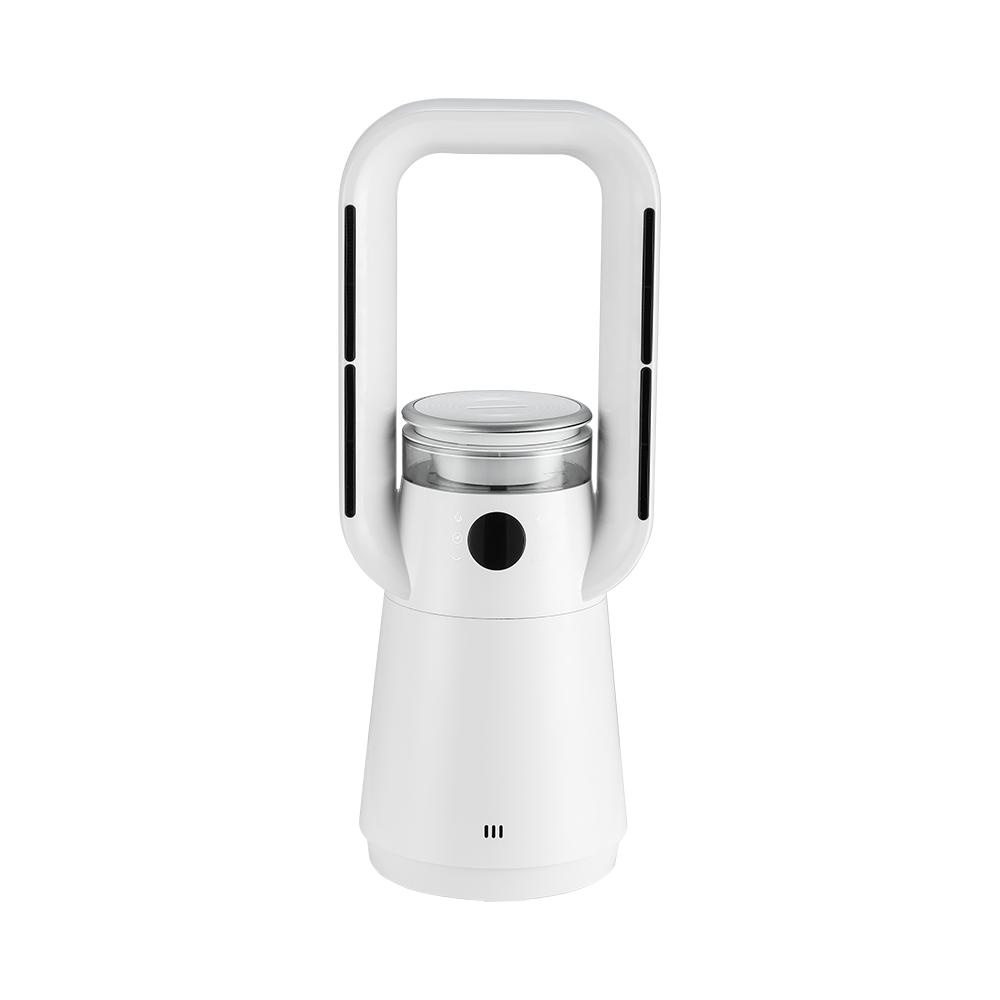
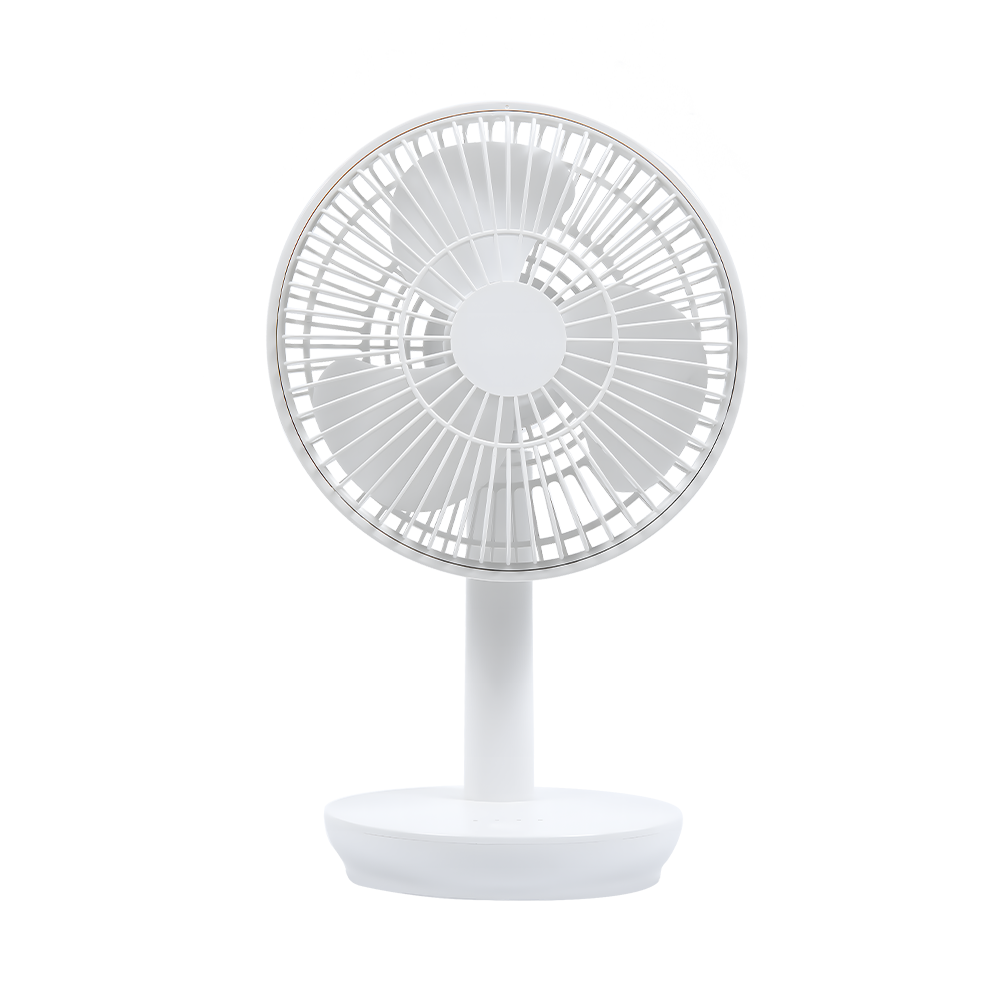
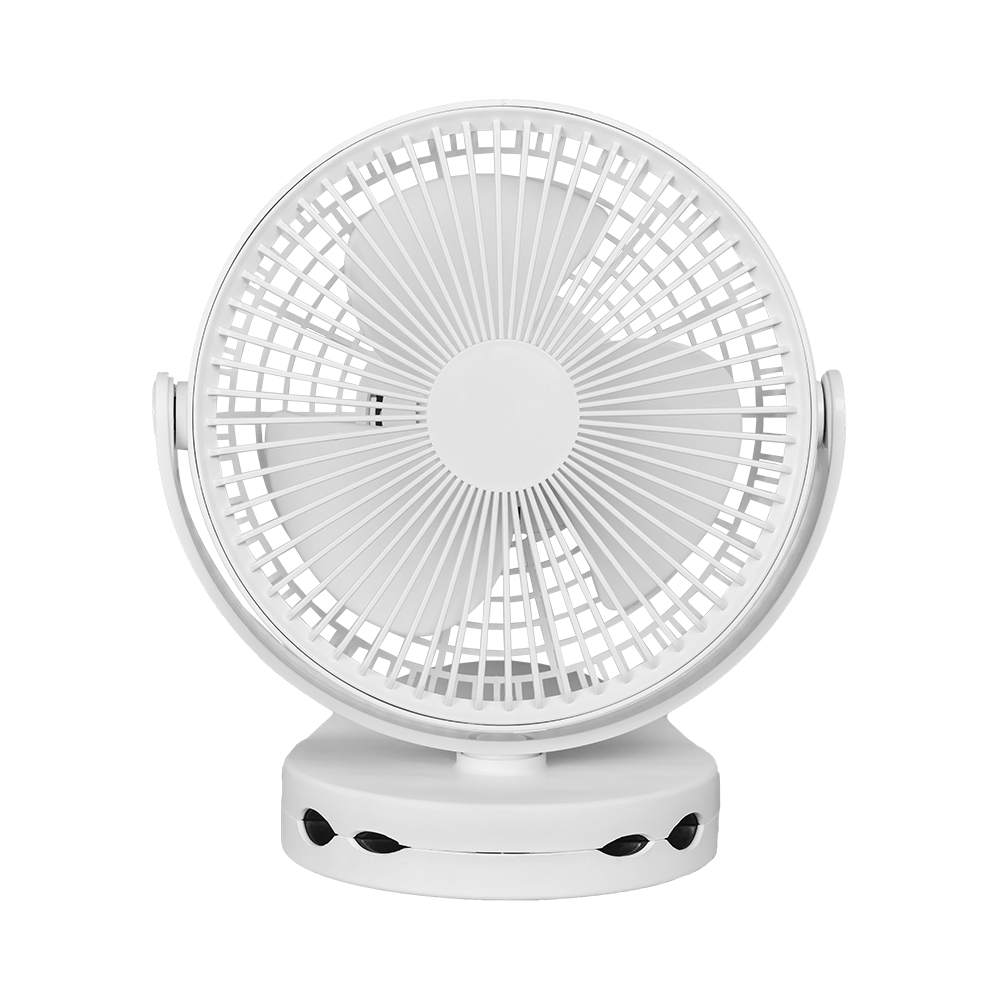
Electric Appliances & Network Equipment is a broad category that spans two very different jobs: keeping a household comfortable through changing seasons, and keeping a home or office connected around the clock. On one side sit fans, heaters, dehumidifiers and similar seasonal appliances; on the other, routers, switches and the networking gear that quietly runs in the background all year. For a manufacturer, serving both sides well means building products that can handle short bursts of peak-season demand as easily as they handle steady, always-on use - and that's really a manufacturing and process question more than a design question.
Ningbo Baopeng Electric Appliance Co., Ltd. has been building seasonal appliances since 2002, and one of the first things worth checking when you're evaluating a manufacturer is whether the physical plant actually matches the order volumes it promises. A 17,000-square-meter standardized production facility staffed by more than 200 employees isn't just a number for a brochure - it determines how many production lines can run in parallel, how quickly a factory can switch between SKUs, and how much slack exists when an order needs to move fast during a peak season.
Scale on its own doesn't guarantee anything, but it's a useful starting filter. A facility that's too small relative to a client's order size tends to show it in lead times first, then in quality consistency once it's pushed past comfortable capacity.
Advanced production lines mean little without controls to match them. The real test of a manufacturing process is whether the unit coming off the line in month one performs the same way as the unit built in month ten. That's exactly where comprehensive inspection systems earn their keep - threaded through every stage, from early development samples through pilot runs and on into full mass production, rather than bolted on only at final packaging. Baopeng maintains this kind of strict process control across its lines, treating quality checks as a constant thread rather than a one-time gate.
A single inspection at the end of the line can catch a defective unit, but it can't catch a drifting process. Checkpoints spread across development, pilot production, in-line inspection and mass production are what actually keep output stable as volumes scale up.
The two halves of this category don't move the same way through the year. Seasonal appliances swing hard - fans and cooling units peak in summer, heaters and similar products peak in winter - while networking equipment tends to sell at a steadier pace, since connectivity needs don't really take a season off. Sourcing needs for Electric Appliances & Network Equipment shift accordingly: a factory that only plans for flat, even demand will struggle in the months when appliance orders spike, while one that only plans for spikes will carry unnecessary idle capacity the rest of the year.
This is one reason a facility built around flexible, parallel production lines matters more for this category than for single-product manufacturing - and it's part of why Ningbo Baopeng Electric Appliance Co., Ltd. structures its production around standardized lines rather than a single fixed setup.
Illustrative relative demand pattern, not to a fixed data scale.
When companies look for a partner to handle Electric Appliances & Network Equipment, the conversation usually settles around a handful of recurring questions: Can the factory scale without cutting corners? Is quality control present at every stage, or just at the end? Does the team have enough hands-on experience with this specific product category to catch problems before they become returns?
That kind of profile is exactly what shows up when you look at Ningbo Baopeng Electric Appliance Co., Ltd., which pairs a 17,000-square-meter facility and a 200-plus person team with over two decades of focused experience in the seasonal appliance industry.
General evaluation framework buyers use, shown for illustration only.
Because demand isn't spread evenly through the year. A facility sized only for average monthly volume will fall behind the moment peak season hits, while one built with enough headroom - like a 17,000-square-meter operation with a 200-plus person team - can absorb that spike without stretching quality control thin.
The underlying process controls - development, pilot testing, in-line inspection, mass production - stay the same. What differs is the demand rhythm: network equipment sells at a steadier pace, so a factory serving both categories needs production lines flexible enough to shift between the two without retooling from scratch.
Ask where inspection happens in the process, not just whether it happens. A supplier that checks quality continuously from development through mass production - the way Ningbo Baopeng Electric Appliance Co., Ltd. structures its process control - tends to hold consistency better than one that only inspects at the very end.
Not by itself. What matters is whether that workforce is paired with process control that runs through every stage of production, rather than headcount alone. Scale and consistent inspection tend to matter together, not separately.
Don't hesitate to contact when you need us!
For any questions and feedback from customers, we will reply patiently and meticulously.

The product has obtained multiple domestic and international certifications, including 3C, CE, ROHS, CB, and the ISO9001 quality management system.
CONTACT US
Address: No. 118, Guyao Highway, Zhangqi Town, Cixi City, Zhejiang Province, China
Wechat: +86-15921162693
Email: [email protected]
Mobile



 English
 Español
 عربى
عربى