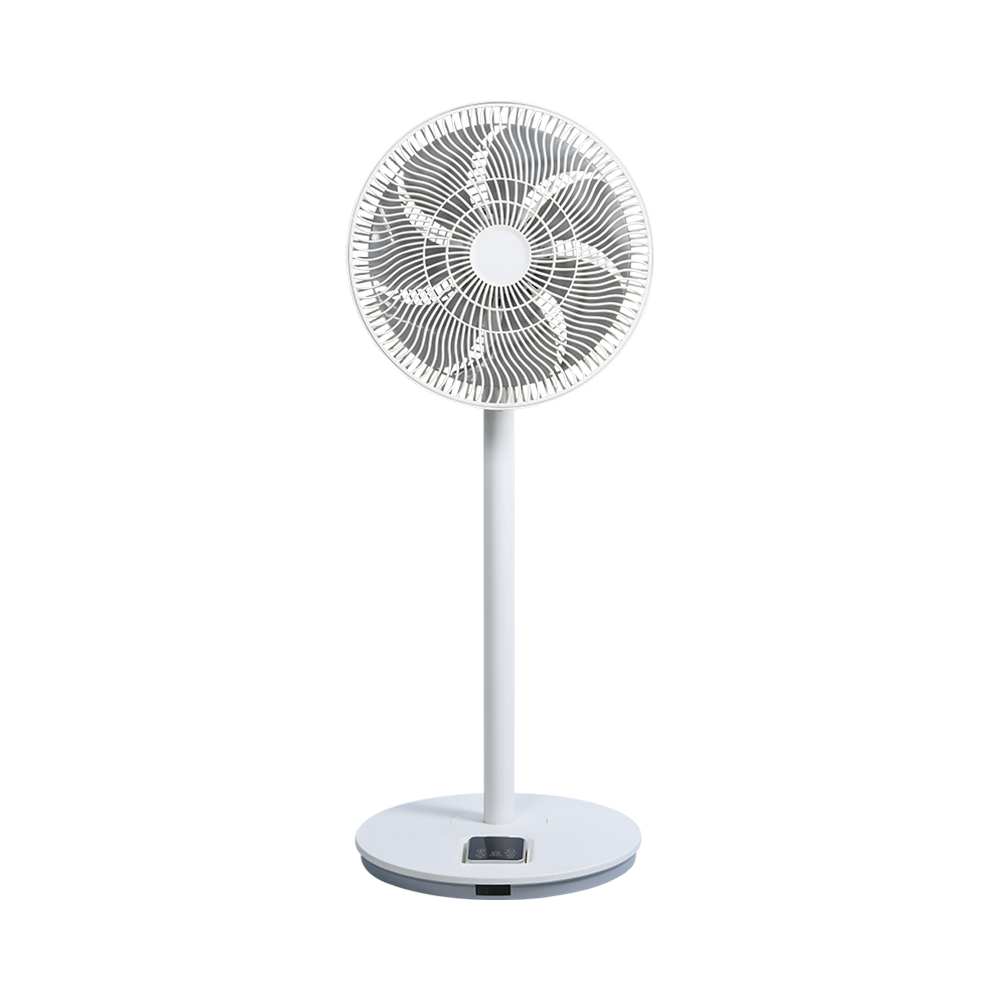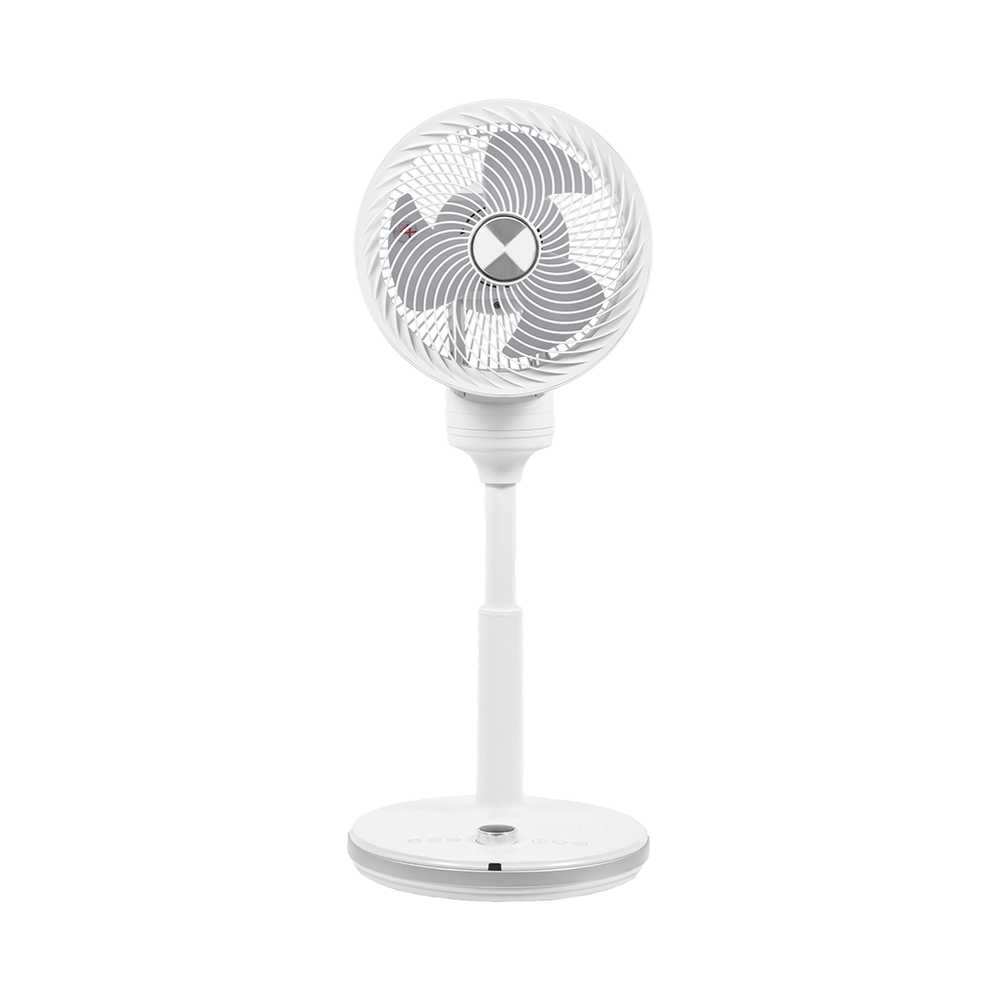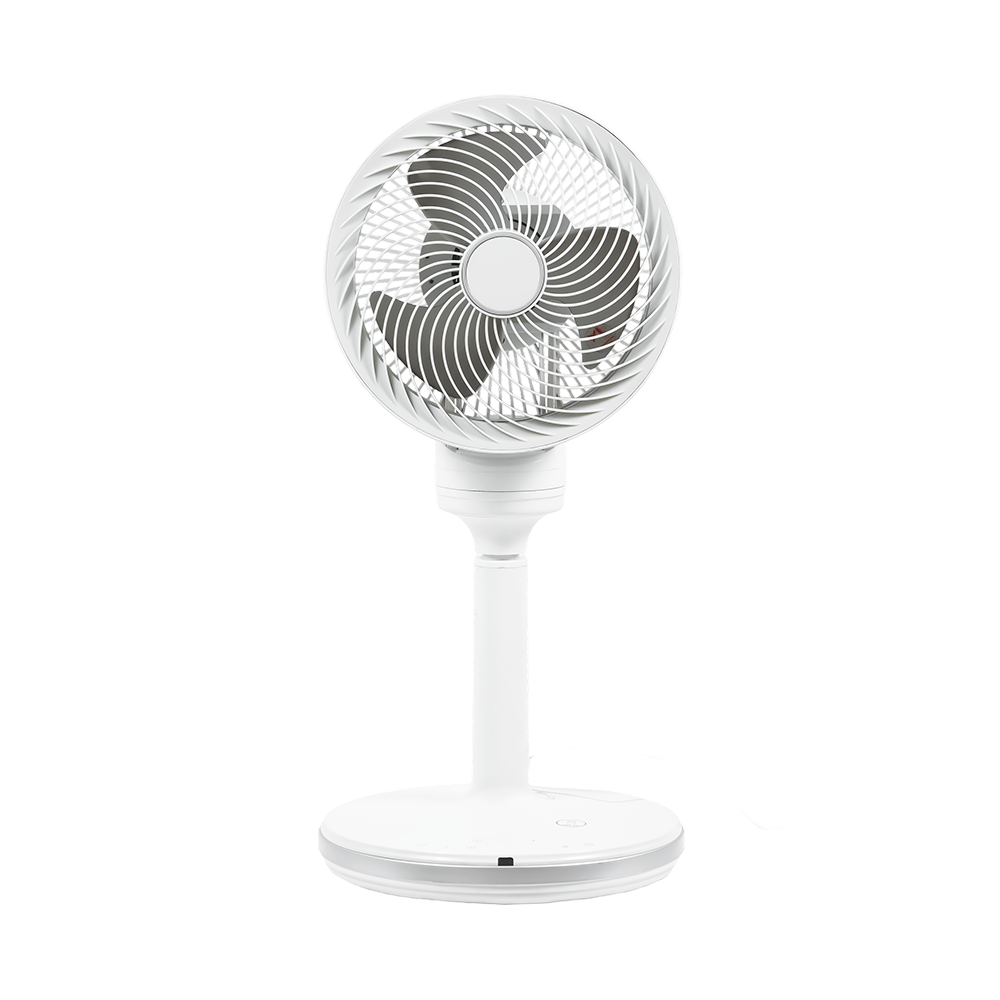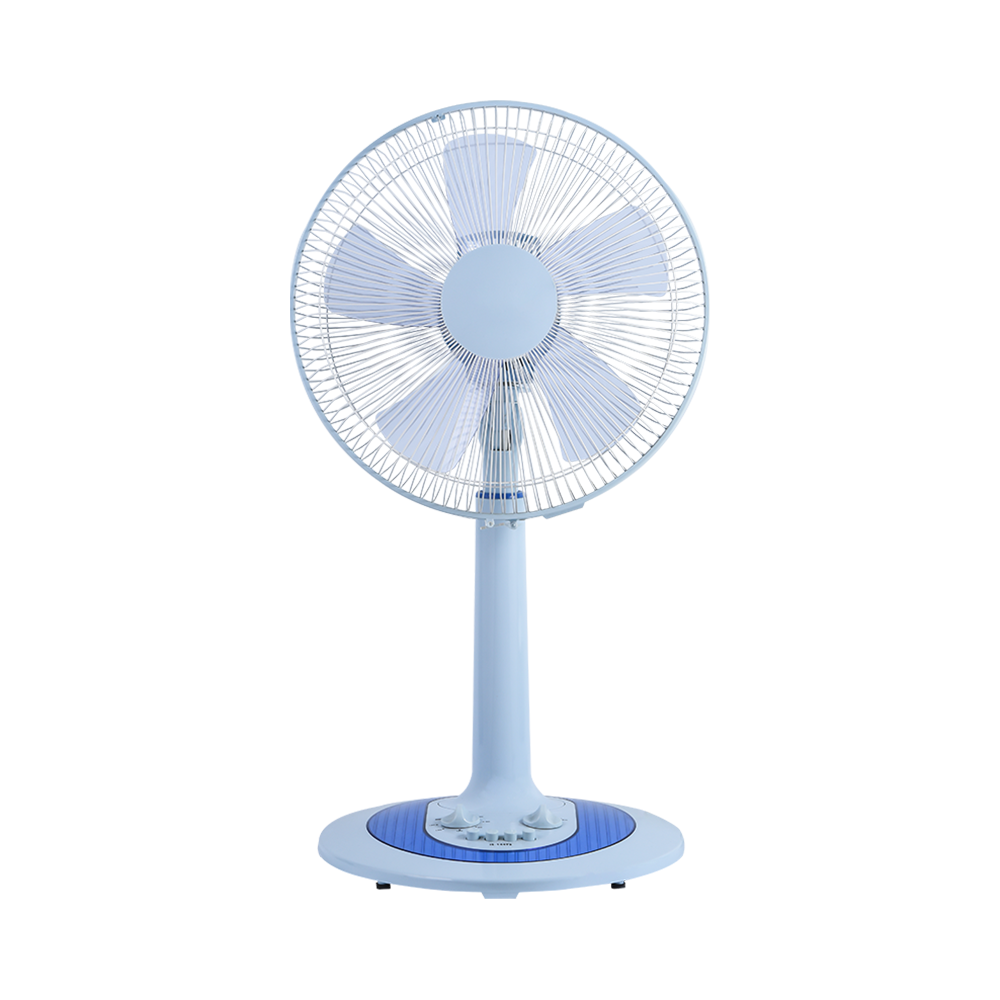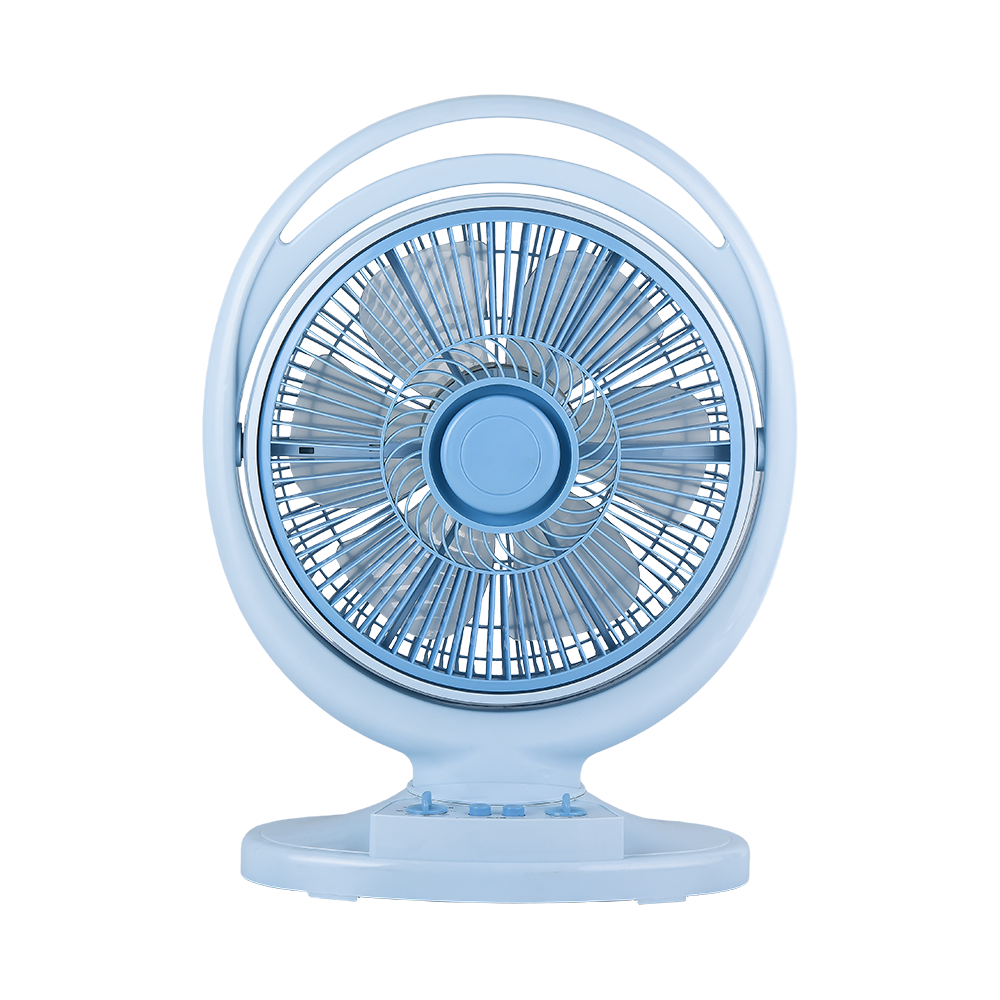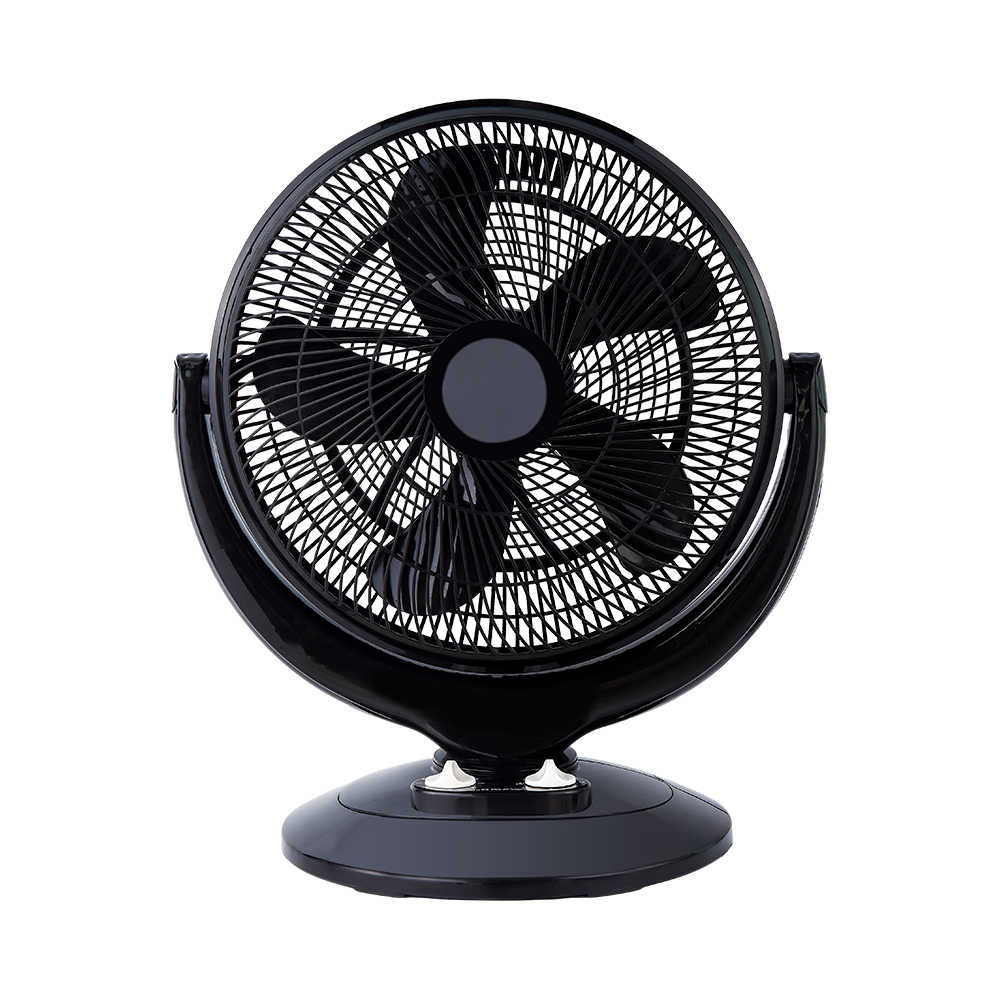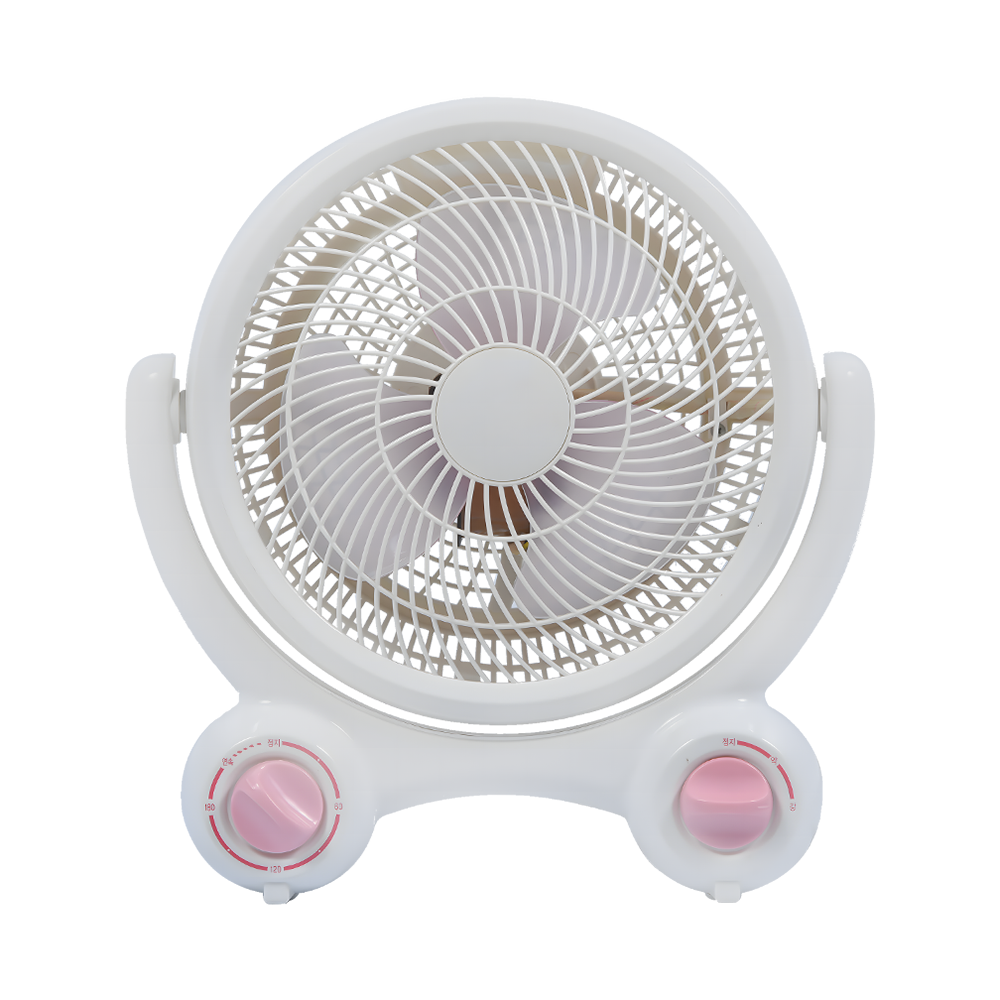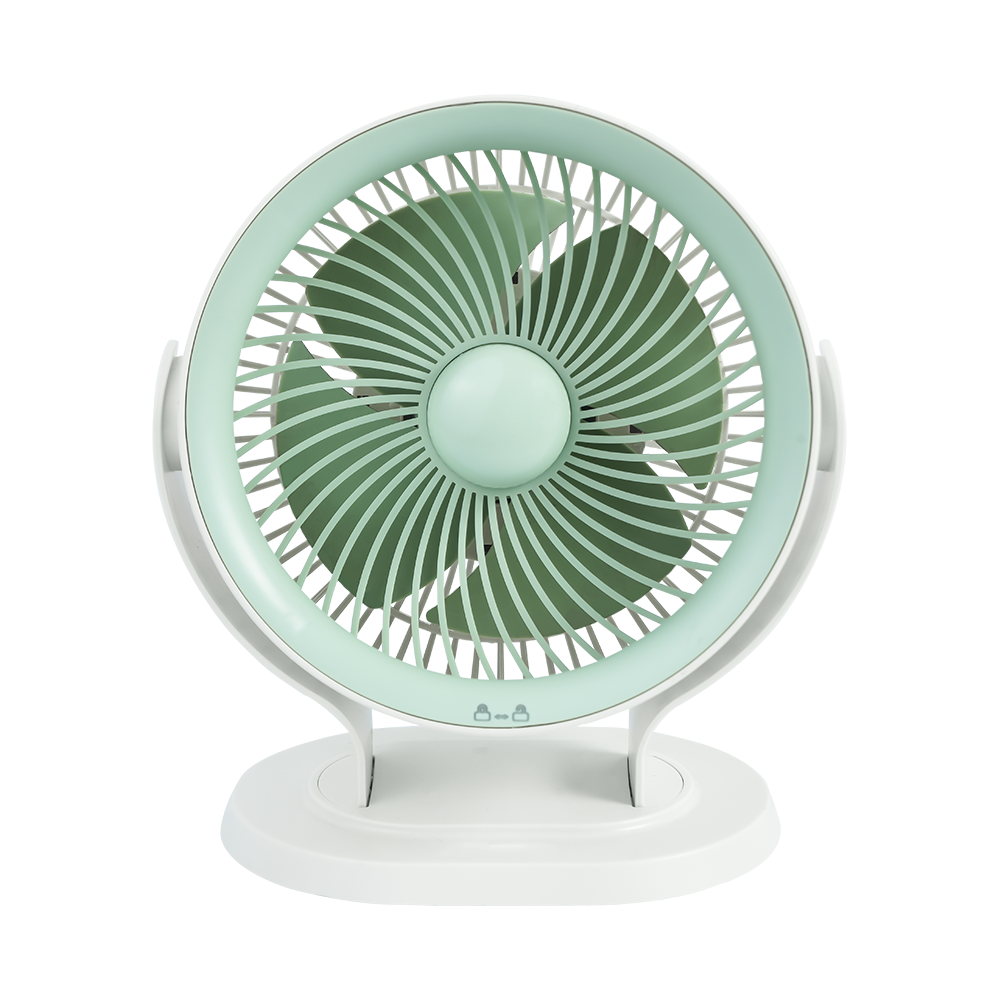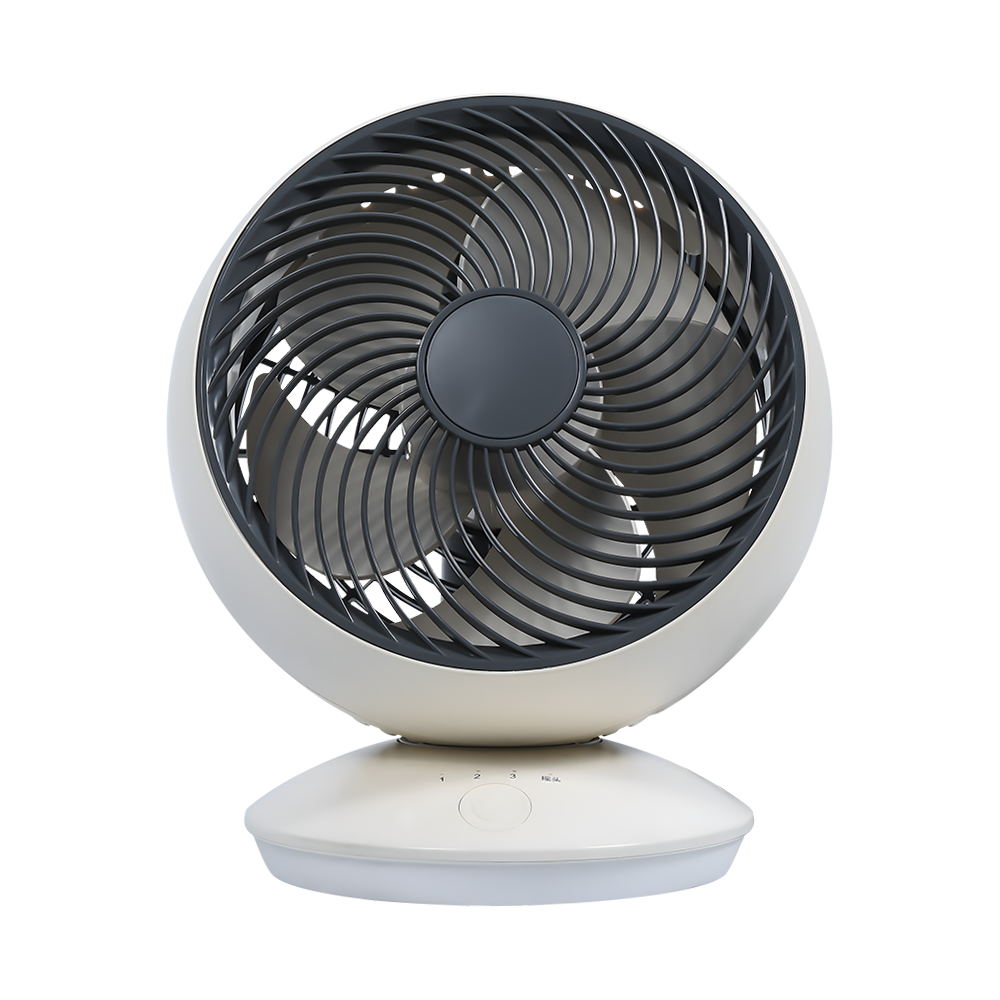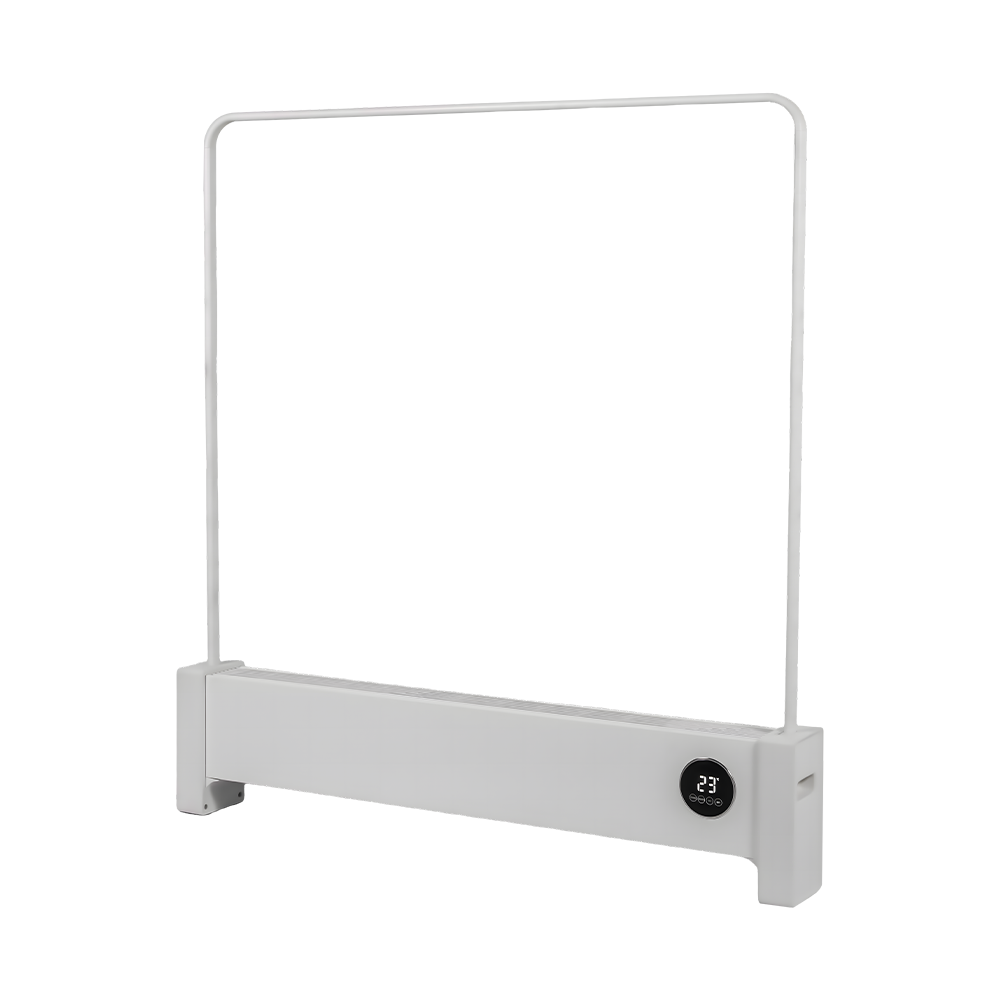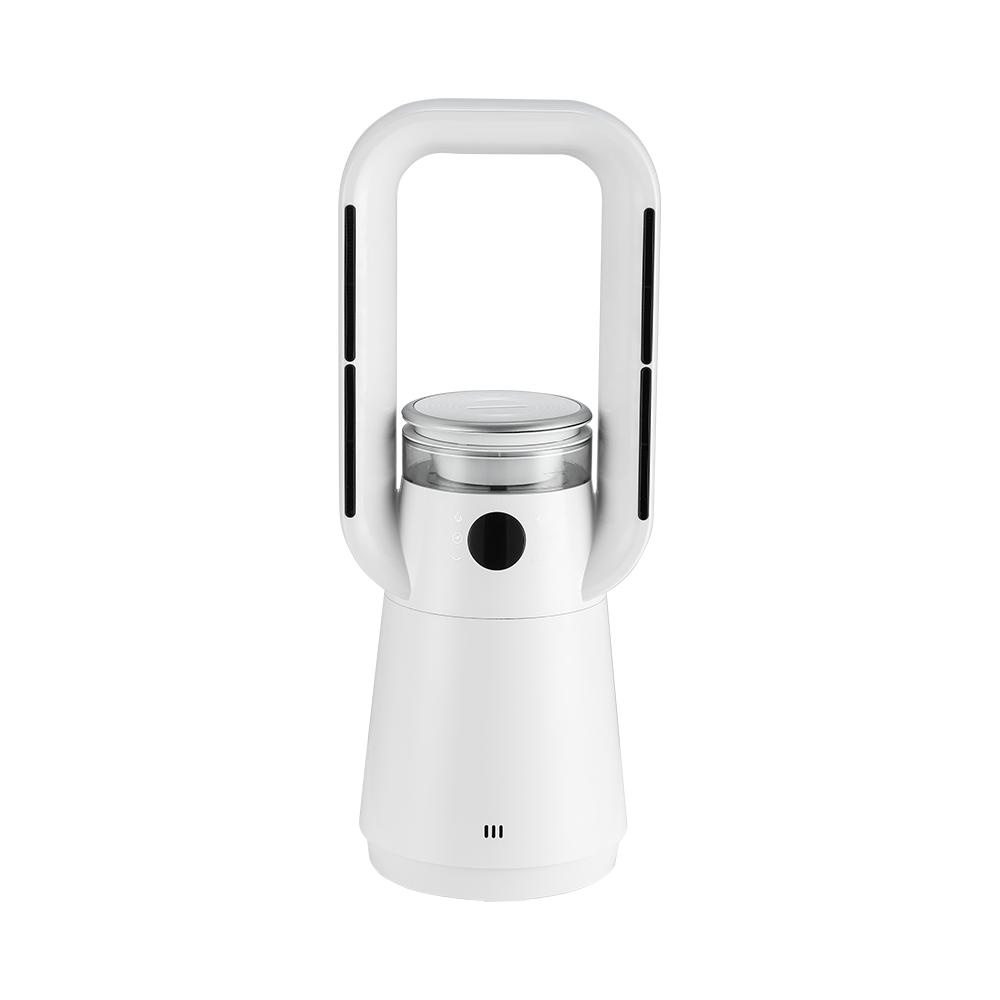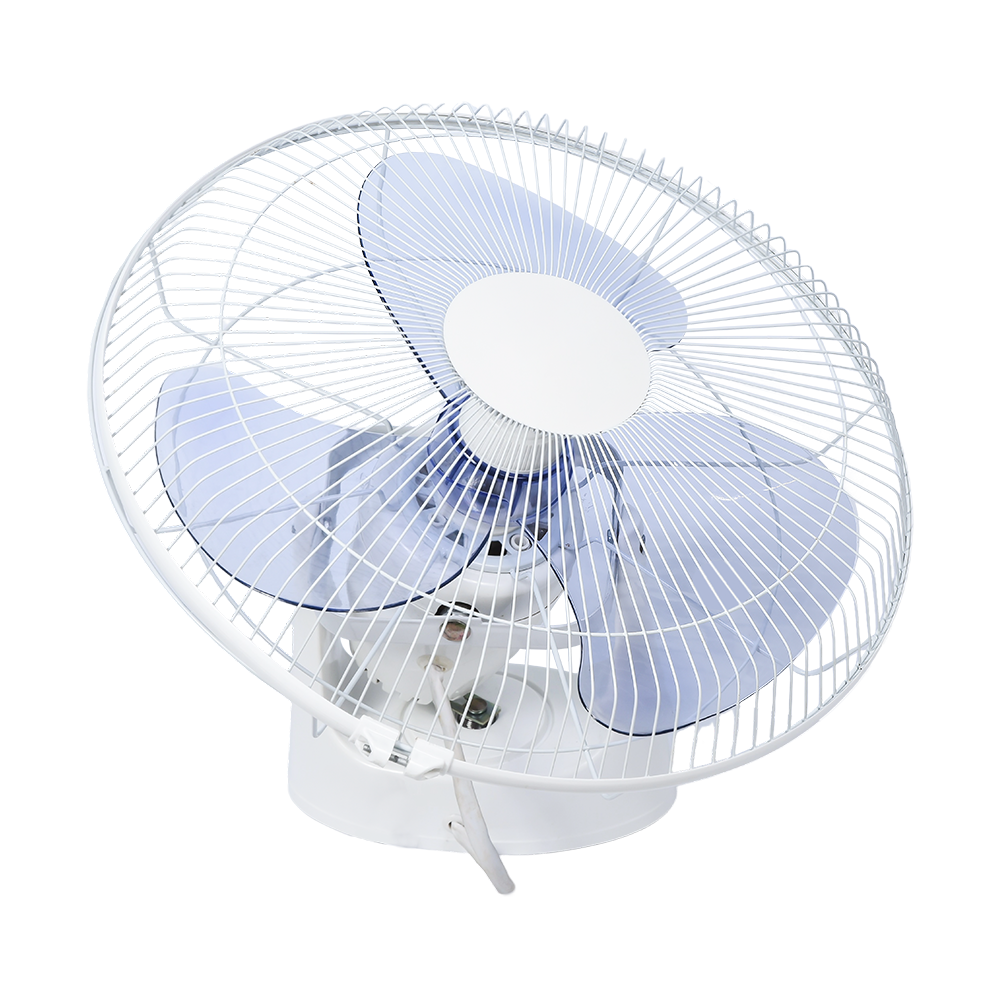

A wall-mounted fan is fixed to the wall, freeing up floor space while still delivering airflow to a specific area.
It creates comfortable airflow to reduce stuffiness, promote air exchange, or improve the microclimate in a designated space.
The fan operates quietly and discreetly, subtly improving air quality and providing comfort without drawing attention.
Don't hesitate to contact when you need us!
We're a reliable partner that shapes our expertise into success for your project.
Oct 12, 2026
The Heated Ceiling Fan: Does It Exist? Smart Heat & Air Circulation Guide If you searched for a heated ceiling fan expecting one appliance that both blows air and warms a room, here is the direct answer: integrated heated ceiling fans exist, but they are a rare, mostly commercial niche. In ordinary homes they rarely make sense, because heat rises. A heating element mounted at ceiling height... read moreOct 05, 2026
Indoor Heaters Buying Guide: Types, Sizing, Wattage, Safety and Cost Tips The right indoor heater is chosen by room size first, heat technology second, and control features last. A 1,300W PTC heater is enough for a bedroom of about 8 to 10 m², while a 2,200W graphene baseboard heater is a better match for a living room of 18 to 22 m². If you also want a visual centerpiece, a 3D flame firepl... read moreSep 28, 2026
Best Heater for Greenhouse: Types, Sizing Tips and Buying Advice | Baopeng Short answer first: for most backyard and small commercial greenhouses, the best heater setup is a thermostat-controlled, fan-forced ceramic heater to hold overall air temperature, backed by a small radiant tube heater aimed at the bench or seed-tray area for direct plant warmth. If you only buy one unit, make it the ... read more
A wall-mounted fan moves the cooling job off the floor and off a stand, which frees up walkway space while still pushing enough air to cover a room, a row of workstations, or the back of a loading bay. The category actually spans a fairly wide range of products: a compact Wall Mounted Fan built for a bedroom or office corner sits at one end, and a heavy-duty unit rated for continuous daily run in a workshop sits at the other. What ties the whole category together is the mounting method and the airflow logic behind it — a motor and blade assembly fixed to a wall bracket, usually angled downward or set to oscillate, so the moving air reaches a wider working zone than a floor fan of the same blade size could manage from a single fixed point.
At Ningbo Baopeng, most of the engineering questions we get about a wall mounted fan indoor installation come down to one thing: throw distance. Air leaving the blades forms a cone that widens and slows as it travels, so a fan mounted 2 meters up will feel strong directly in front of it but noticeably weaker 6 to 8 meters away. This is why the blade pitch and motor speed setting matter more than sheer fan diameter once a room gets past a certain size — a wider pitch pushes a larger volume of air per rotation, which holds velocity over distance better than a narrow pitch spinning faster.
Ceiling height and obstructions also bend this curve. A fan mounted above shelving or a partial wall loses effective throw distance even if the rated airflow figure is unchanged, so the mounting point should be chosen with sightlines to the working area in mind, not just wall availability.
The line between a household unit and a commercial wall mount fan is mostly about duty cycle rather than looks. A bedroom fan is switched on for a few hours and off again, while, drawing on more than two decades of experience building seasonal appliances, our team at Ningbo Baopeng designs commercial-grade motors to hold up under near-continuous operation across a full working shift, day after day through a hot season. That difference shows up in bearing selection, winding insulation, and how the housing sheds heat, even though the exterior may look similar to a lighter-duty model.
| Space Type | Typical Mounting Height | Primary Airflow Goal |
|---|---|---|
| Bedroom / home office | 1.5 – 1.8m | Direct personal cooling |
| Retail or showroom floor | 2.0 – 2.4m | Even background circulation |
| Warehouse aisle | 2.4 – 3.0m | Long-throw aisle coverage |
| Workshop / production floor | 2.6 – 3.2m | Heat and fume dispersion |
| Restaurant back-of-house | 2.2 – 2.6m | Cooling near cooking heat sources |
These figures are starting points rather than fixed rules — ceiling height, obstruction density, and how far people work from the wall all shift the ideal mounting point within that range.
Terms in this category get used loosely, so it helps to separate them. A mounted oscillating fan sweeps side to side on a fixed pivot, typically across a 60–90 degree arc, which spreads air over a wider zone at the cost of a slightly lower average velocity at any single point compared to a fixed head running the same motor. A wall mounted rotating fan more often refers to the ability to swivel the whole head on the bracket to a new fixed angle, rather than sweeping continuously — useful when the airflow target is one spot but that spot changes by season or by how a room is rearranged.
On the motor side, a wall mounted electric fan built for repeated speed changes needs a control system that can switch cleanly between settings without a voltage spike shortening the winding life — something that guides how we sequence motor testing on the production line, running each batch through repeated start-stop and speed-change cycles before it ships.
Raising a wall mounted cooling fan higher on the wall generally extends how far the airflow carries before it loses useful velocity, but only up to a point — past a certain height, the downward angle needed to reach the working level flattens the airflow cone and actually shortens effective coverage. Getting that balance right is one of the more practical decisions in any installation:
A wall-mounted unit keeps the airflow source above head height and clear of the floor, so it doesn't compete for walkway or work-surface space, and it can usually be angled to reach further into a room than a floor unit blowing horizontally at waist level.
A unit built for that duty cycle can, provided the motor and bearings are specified for continuous operation rather than intermittent home use — this is exactly the kind of stress-tested build that guides how Ningbo Baopeng approaches its commercial-oriented product lines.
For most shared indoor spaces, somewhere between 2 and 2.6 meters balances throw distance with a workable downward angle; going higher tends to require a steeper tilt or a wider oscillation arc to keep air reaching people at floor level.
Not quite — oscillation describes continuous side-to-side sweeping, while rotation more often refers to manually or motor-adjusting the head to a new fixed angle that then stays put until changed again.
Don't hesitate to contact when you need us!
For any questions and feedback from customers, we will reply patiently and meticulously.

The product has obtained multiple domestic and international certifications, including 3C, CE, ROHS, CB, and the ISO9001 quality management system.
CONTACT US
Address: No. 118, Guyao Highway, Zhangqi Town, Cixi City, Zhejiang Province, China
Wechat: +86-15921162693
Email: [email protected]
Mobile



 English
 Español
 عربى
عربى