
Sep 21, 2026
Content
If a cold room needs to feel comfortable in minutes rather than an hour, a fan with heat — sold most often as a fan heater — is the most direct tool for the job. The unit pulls room air across a heating element and throws it back out as a moving stream of warm air, so you feel the change in five to fifteen minutes instead of waiting for a static panel to slowly bake the space.
The short verdict: choose a fan with heat when you need fast, directional warmth in a room of up to roughly 20 square meters (about 215 square feet), when you move between rooms during the day, or when you heat in short bursts rather than around the clock. Look at other heater formats when the priority is silent overnight operation or steady all-day background warmth for an entire floor. The rest of this guide explains how the category works, which type suits which room, what the electricity actually costs, and which features justify a higher price.
One note on perspective: this article is written from the manufacturing side. Ningbo Baopeng has produced seasonal appliances — cooling fans for summer, heaters for winter — since 2002, and the answers below reflect the questions buyers ask most often before placing an order.
Every unit in this category has two core parts: a heating element and a fan. Cool air is drawn in through the rear intake, passes across the element, and exits through the front grille. Depending on the model, that element is a PTC ceramic disc, a coiled resistance wire, a quartz tube, or a graphene-coated plate. The element reaches operating temperature within seconds of switching on.
The fan is what separates this category from static convection heaters. A baseboard heater relies on natural convection — warm air drifts upward on its own while cooler air sinks — which is gentle but slow. A fan heater forces convection: the moving air stirs the room, breaks up the cold layer that settles near the floor, and carries heat to where people actually are. This is why a 1,500 W fan heater typically makes a small room feel warm in about ten minutes, while a 1,500 W panel without a fan can take half an hour to produce the same sensation.
There is a second advantage that is easy to overlook. Because the warm air is actively thrown across the room, it can be aimed — at a desk, a sofa, a reading chair, a pet's bed. Directional output lets you warm the two square meters you occupy instead of the twenty you merely pay to heat, and that targeting is the quiet reason this format stays popular year after year.
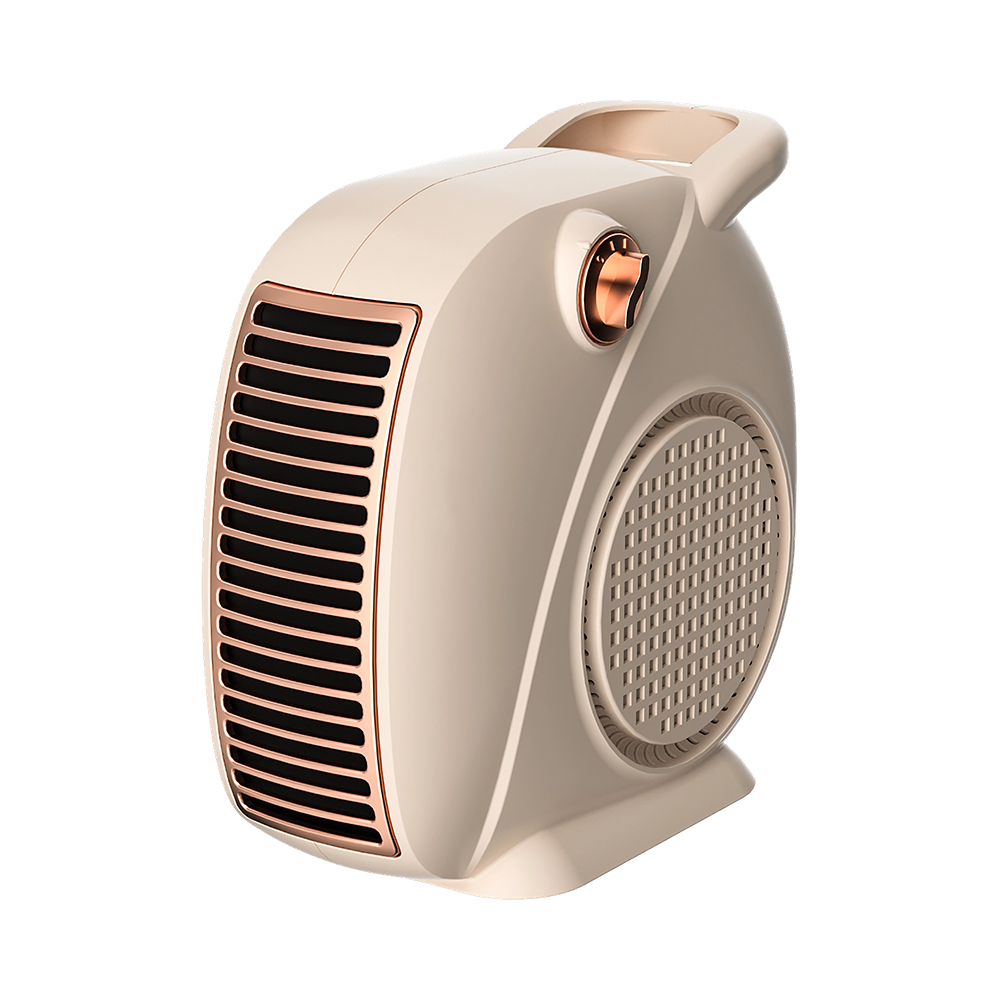 1800W Compact Fan Heater with Two Heat SettingsWith 1800W instant heating, two heat settings, low-noise operation and overheat protection, this directional fan heater suits the targeted, quick-warming use described here, letting you aim warm air at your desk or sofa.View Product →
Not every fan heater is built the same. The element inside decides how fast the unit warms up, how stable the output stays over hours of use, and what a fair price looks like.
PTC (positive temperature coefficient) ceramic elements regulate themselves. As the ceramic gets hotter, its electrical resistance rises and the current it draws falls, so the element naturally eases off before it can overheat. In practice that means steady output, a cooler element surface than bare wire, and a long service life. Most mid-size room units sit between 1,300 W and 2,000 W, which covers bedrooms and living rooms of roughly 10 to 25 square meters.
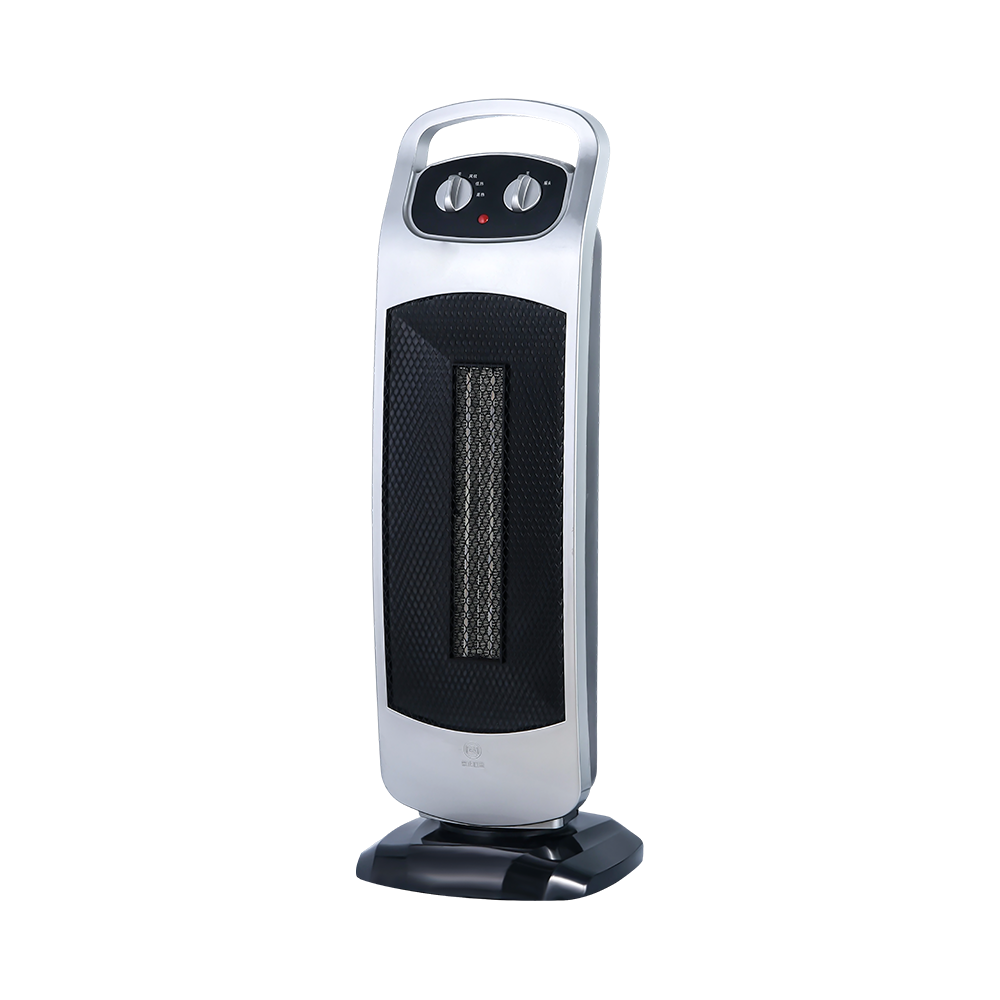 2000W PTC Ceramic Heater with Automatic OscillationUsing a self-regulating PTC ceramic element with 2000W/1000W settings, oscillation and tip-over shutoff, this heater matches the steady, safer output discussed for heating 10 to 25 square meter rooms.View Product →
Coiled resistance wire is the oldest and cheapest approach. It heats almost instantly, glows visibly, and keeps the unit light and affordable. The trade-offs are a hotter element surface, constant output rather than self-regulation, and a final quality that depends heavily on how precisely the manufacturer winds and mounts the wire.
Compact desktop models pair a small element — often a graphene-coated plate or a carbon-fiber tube — with a low-noise fan, usually between 500 W and 1,000 W. These are built for the three meters directly in front of you: a desk, a bedside table, a dressing table. For a home-office nook, they deliver noticeable warmth while drawing less than half the current of a full-size unit.
Fixed PTC fan heaters mount on the wall, free up floor space entirely, and throw warm air across a defined zone such as an entryway, a workshop bench, or a stair landing. Sitting high and out of the traffic path, they suit places where a floor-standing unit would be knocked over or blocked by furniture. Whatever the format, keep any unit well away from water splashes.
| Type | Heating element | Typical wattage | Feels warm in | Best fit |
|---|---|---|---|---|
| PTC ceramic | Ceramic PTC disc | 1,300-2,000 W | 5-10 minutes | Bedrooms, living rooms |
| Heating wire | Coiled resistance wire | 800-1,500 W | Seconds at the outlet | Budget buys, short bursts |
| Graphene / mini | Coated plate or carbon-fiber tube | 500-1,000 W | 1-3 minutes at close range | Desks, bedside, home office |
| Wall-mounted | Fixed PTC module | 1,000-2,000 W | 5-10 minutes across a zone | Entryways, workshops, landings |
Size the unit first, because an undersized heater runs flat-out forever and an oversized one costs more for warmth you cannot use. The rule of thumb used across the heating trade is about 100 W per square meter (roughly 10 W per square foot) for rooms with standard 2.4 to 2.7 meter ceilings and average insulation. Add 20 to 30 percent for leaky windows, high ceilings, or unheated neighboring spaces, and subtract a little when the room sits above heated space.
For context, the U.S. Department of Energy notes that common household electric space heaters run at about 1,500 watts (roughly 5,100 Btu per hour), which is why that rating has become the benchmark most mid-size rooms are planned around.
| Room area | Recommended wattage | Typical example |
|---|---|---|
| 3-6 square meters | 500-800 W | Desk nook, walk-in closet |
| 8-14 square meters | 1,000-1,500 W | Bedroom, home office |
| 15-22 square meters | 1,800-2,200 W | Living room, studio corner |
| 23-30 square meters | Two 2,000 W units in separate zones | Open-plan living areas |
For open-plan spaces, two smaller units on opposite sides usually beat one large unit parked in a corner. Each creates its own warm zone, and you only run the half of the room you are actually using.
A fan heater is one of several ways to deliver electric heat, and the honest comparison comes down to speed, silence, and coverage. The table below puts the common formats side by side.
| Format | Heat delivery | Noise | Feels warm in | Main strength |
|---|---|---|---|---|
| Fan with heat | Forced warm air | Moderate, roughly 40-55 dB on high | 5-15 minutes, whole small room | Fast, directional, portable |
| Baseboard | Natural convection | Nearly silent | 30-60 minutes | Even, unobtrusive background heat |
| Quartz or carbon tube | Infrared radiation | Silent | Instant on skin | Spot warmth without moving air |
| 3D flame fireplace | Fan-assisted convection with radiant flame effect | Low to moderate | 10-20 minutes | Ambience plus zone warmth |
The conclusion is straightforward. Pick the fan with heat when speed and direction matter most. Pick a baseboard when silence and steady background warmth outrank speed. Pick quartz or carbon tubes when you want instant heat on your skin in a drafty corner where moving air would feel wasteful. Pick a flame-effect fireplace heater when the unit will be visible in the living room and the look is part of the point.
Put the unit on the floor, on a stable and level surface. Heat rises, so warm air delivered low travels through the whole room before escaping at ceiling height. Leave at least half a meter of clear space around the intake and outlet, keep fabric, paper, and curtains out of the air path, and never place the unit where water can splash onto it.
Two habits cover most of the safety picture. First, do not run a fan heater in an unattended room or while sleeping. Second, never cover the unit or drape anything over it. A tip-over switch and an overheat cutoff add a valuable second layer — the heater cuts power if it is knocked sideways or if airflow is blocked — but they support careful placement rather than replace it.
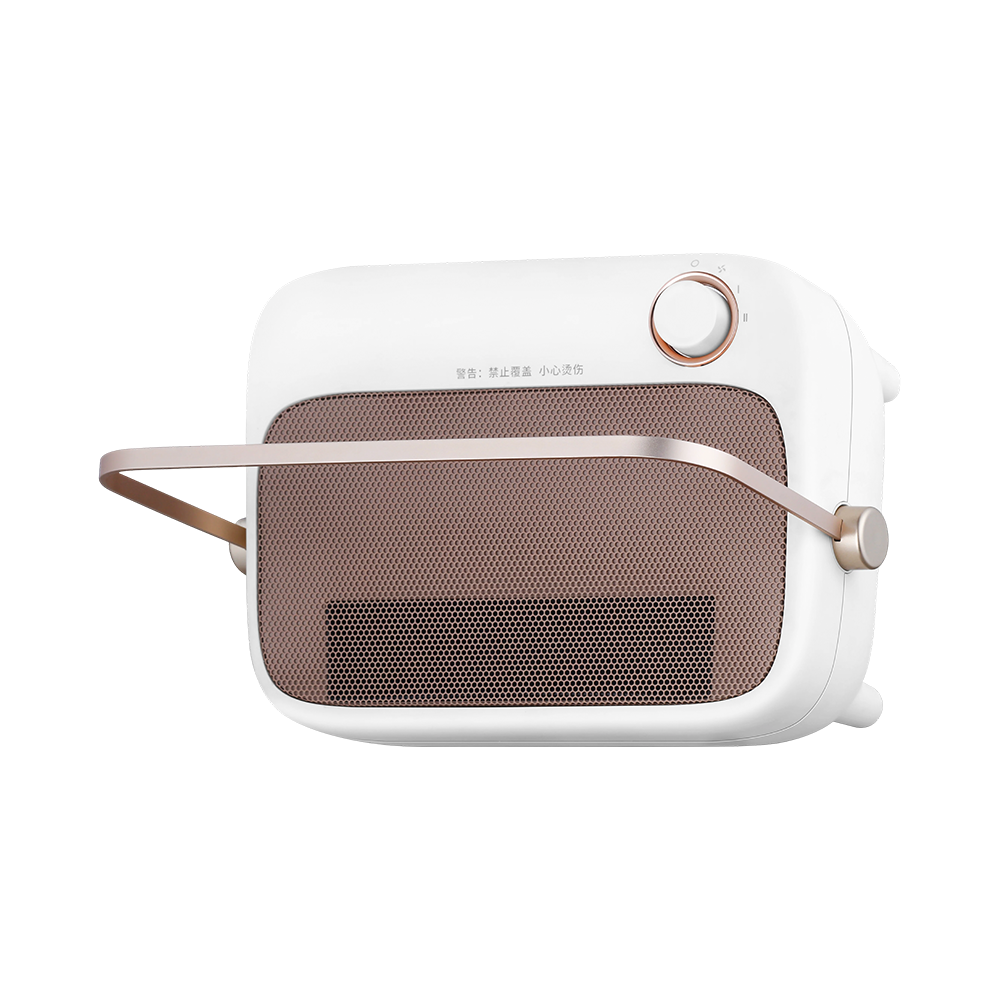 Wall-Mounted PTC Fan Heater with Towel RackOffering 2000W/1200W PTC heating, mechanical controls, overheat protection and a towel rack, this unit warms bathrooms and living rooms safely from above, avoiding the knock-over risks covered here.View Product →
Where floor space is tight or traffic is heavy, a wall-mounted unit removes the knock-over risk entirely and keeps warm air flowing from above head height down across the seating zone.
On noise: expect roughly 40 to 55 decibels on the high setting, between a quiet library and a normal conversation. In a bedroom, run the low setting and let the thermostat do the work; in a living room during the day, the sound usually disappears into normal household activity.
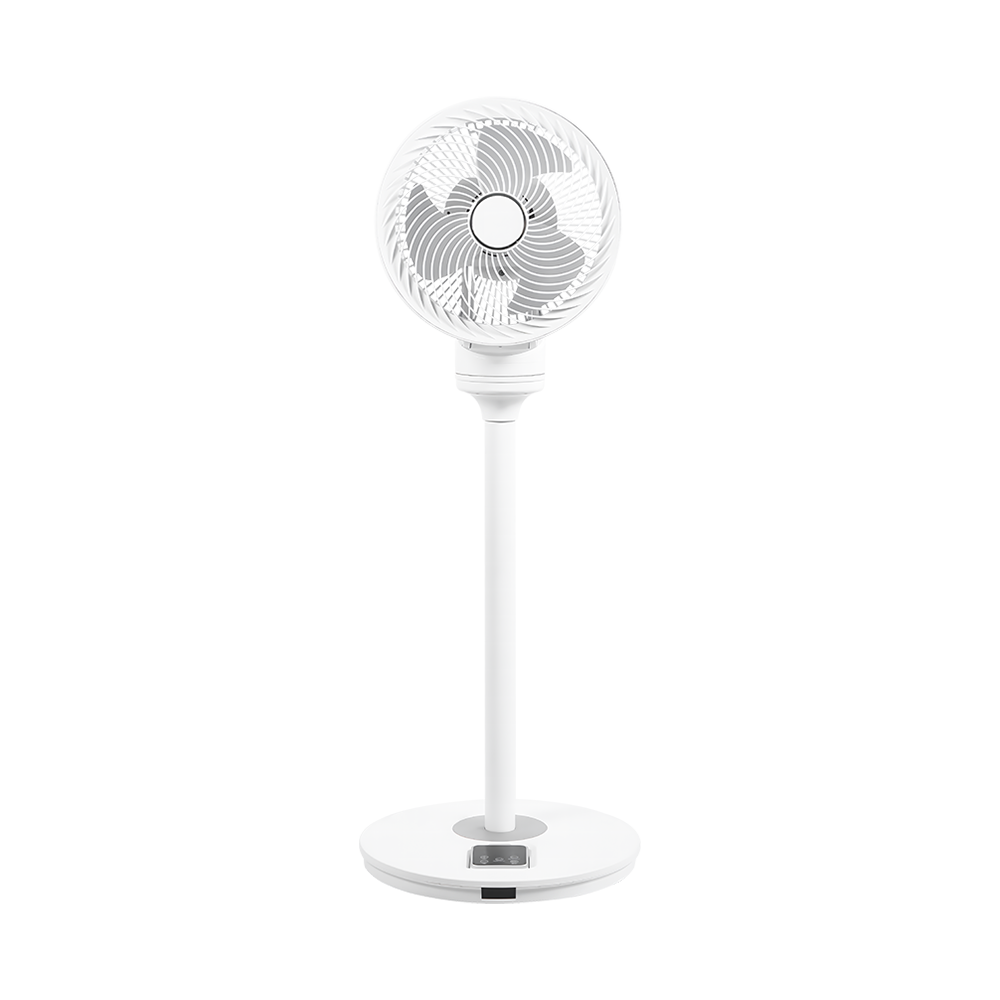
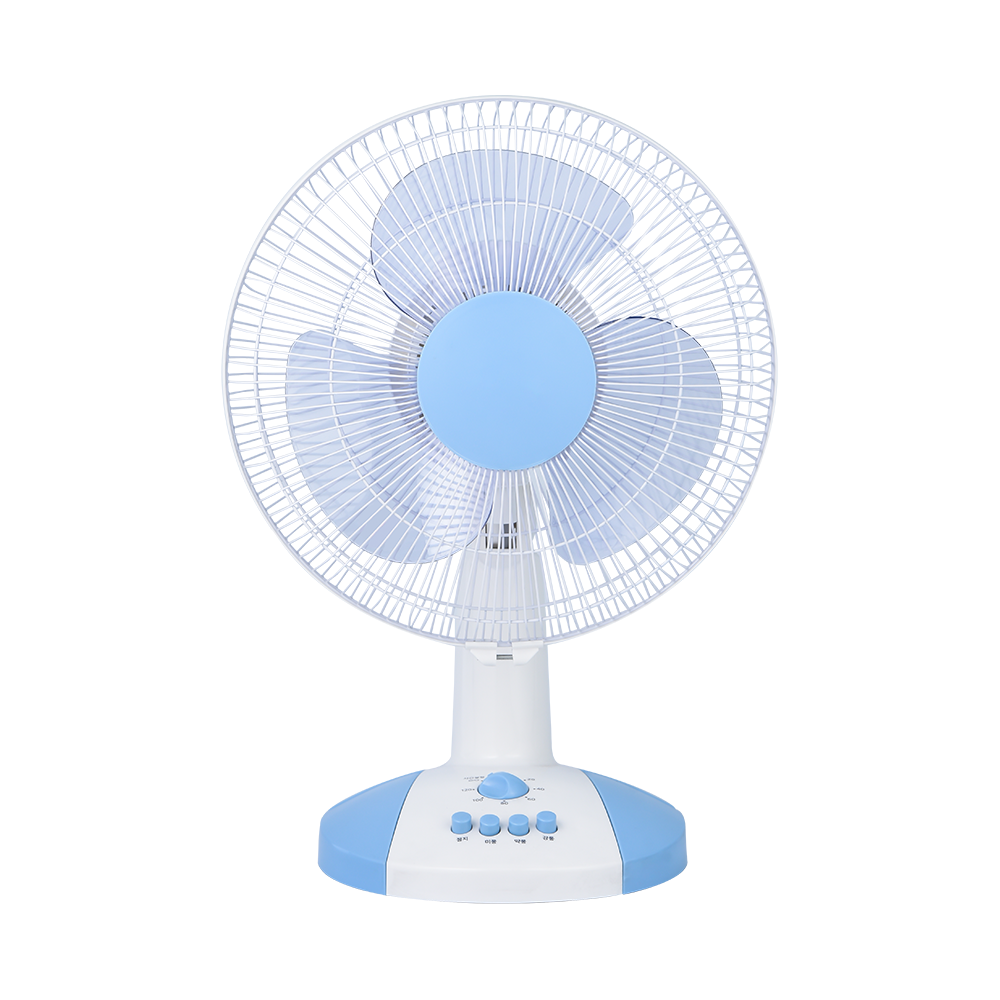
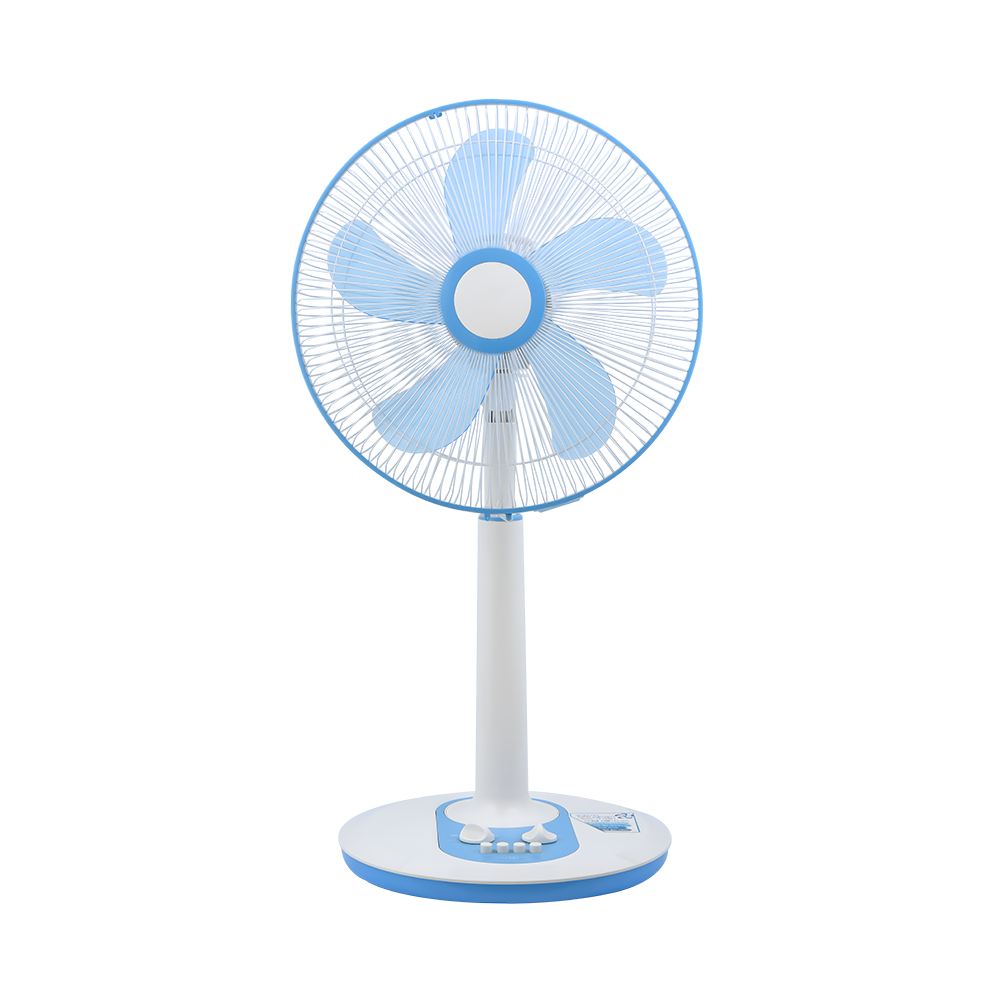
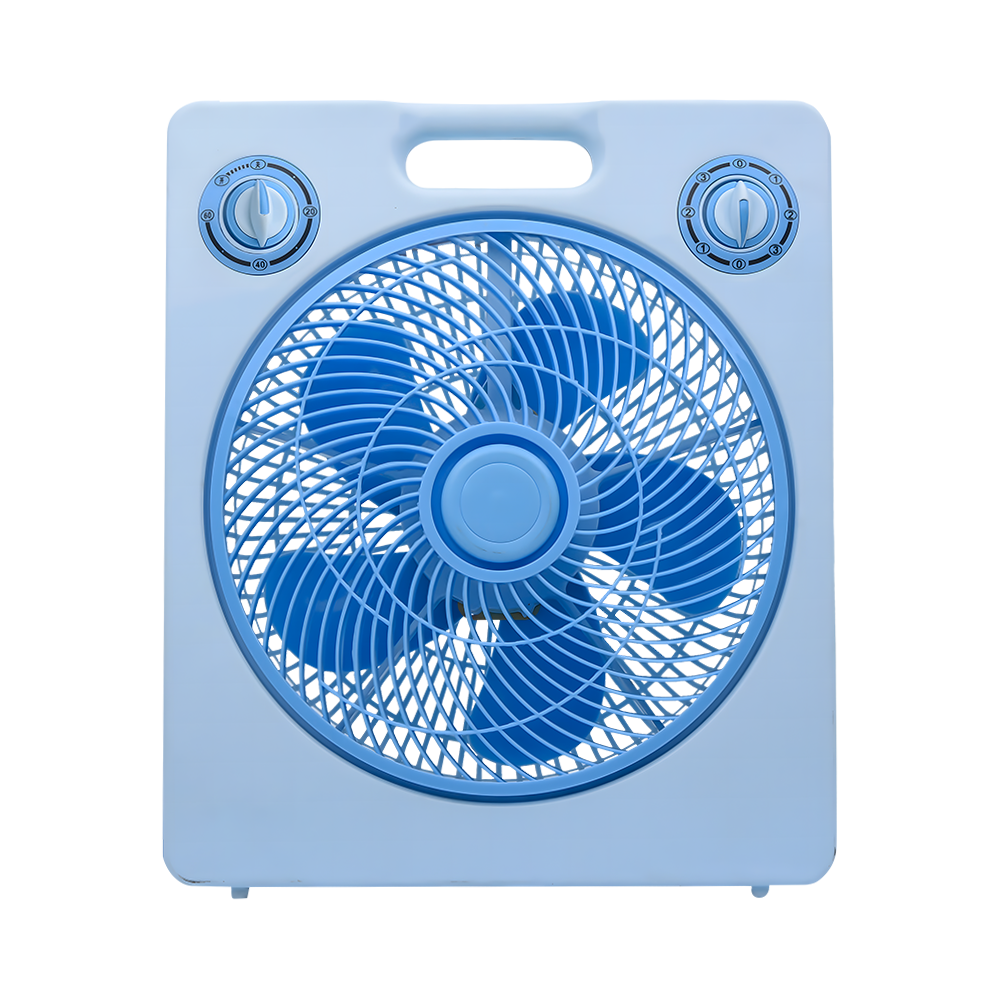
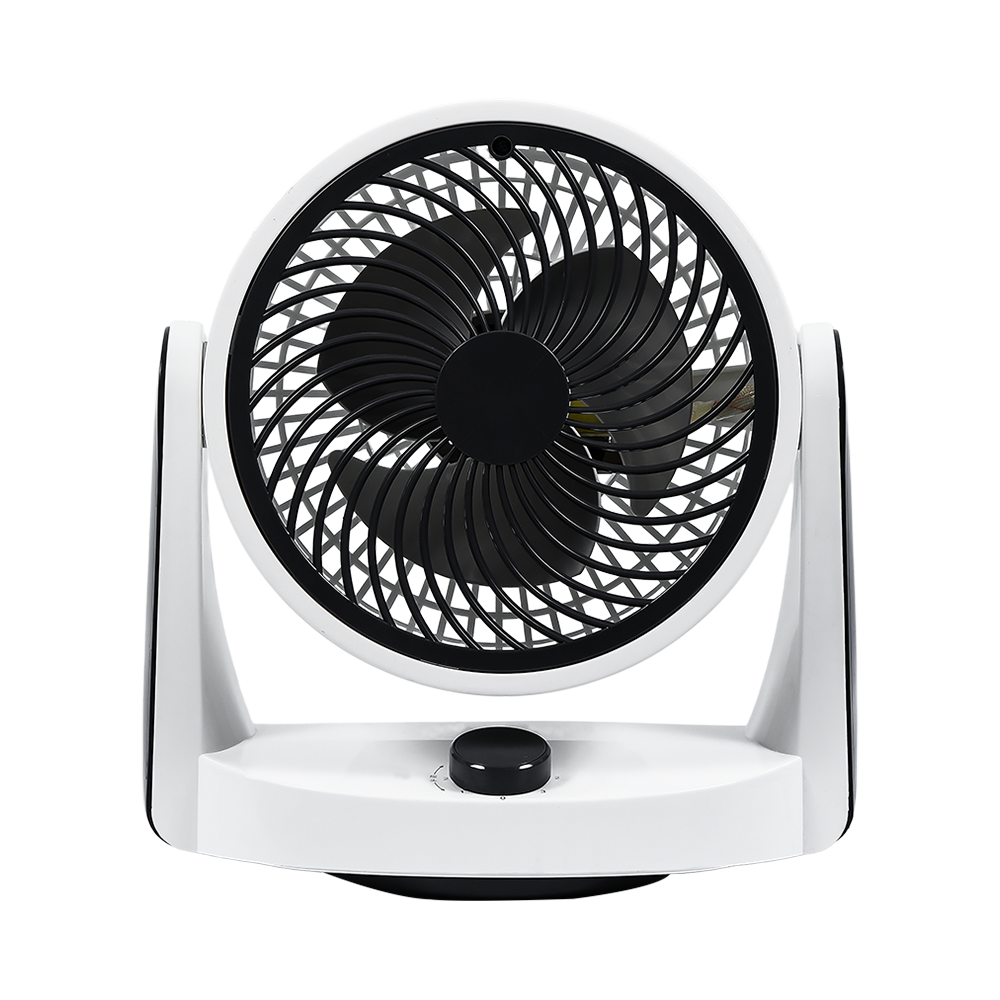
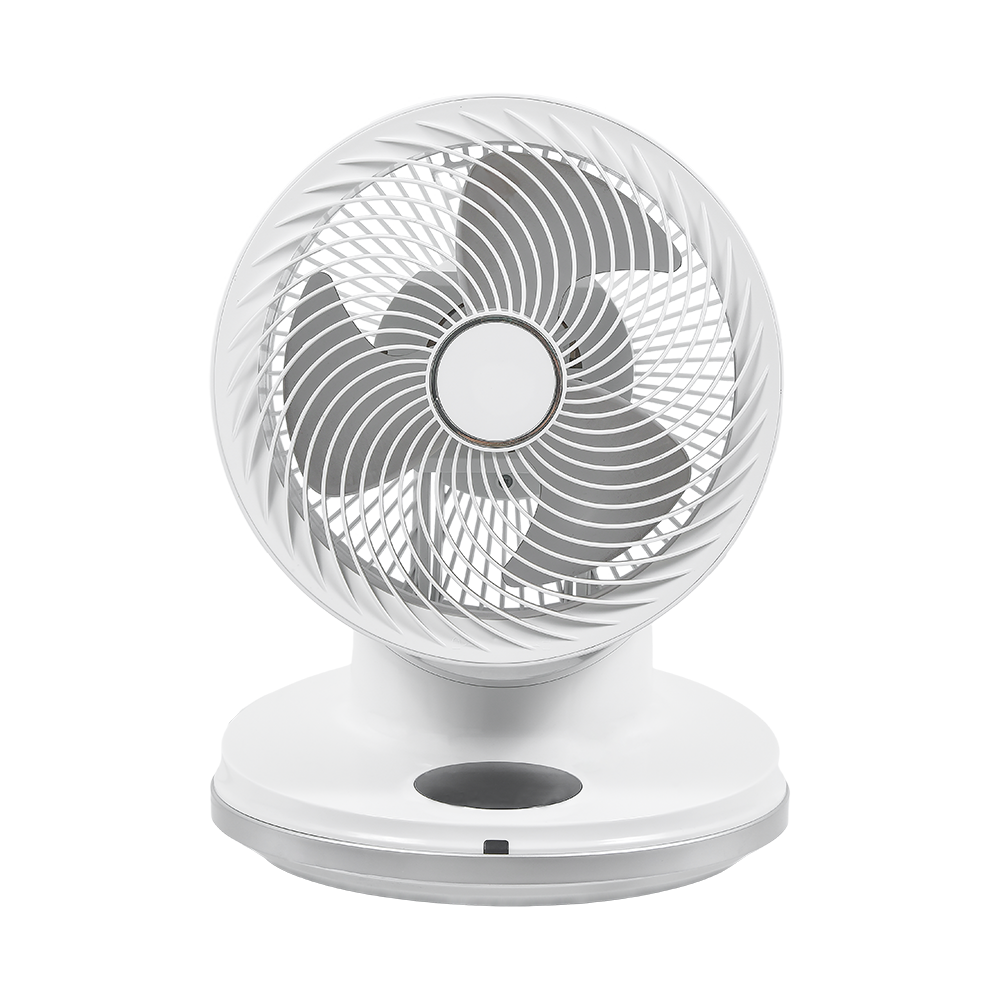
One trick borrowed from rooms with high ceilings: run a ceiling or floor fan on its lowest speed alongside the heater. Gentle air movement pushes the warm layer collecting at the ceiling back down to seating height, so the heater cycles off sooner. A quiet unit from a dedicated cooling fan range handles this job in both winter and summer.
The math is simple and worth seeing once: wattage divided by 1,000, multiplied by hours used, multiplied by your electricity price. A 1,500 W fan heater at full output uses 1.5 kWh per hour. At the U.S. residential average of roughly 17 cents per kWh — based on U.S. Energy Information Administration residential price data for 2025 — that is about 25 cents per hour, or roughly 30 dollars for four hours of daily use across a 30-day month.
Three habits pull that number down. A thermostat that cycles the element off at the target temperature can realistically cut consumption by 30 to 50 percent in a reasonably insulated room. Heating only the room you occupy beats running a whole-house system for one person. And matching the wattage to the room size stops the unit from sitting at maximum forever. The fan itself draws very little power — usually under 50 W — so the fan-only ventilation mode costs a fraction of a cent per hour.
It also helps to remember that every electric heater costs the same per watt: 2,000 W of quartz heat and 2,000 W of fan heat produce identical bills. What the fan buys you is speed. The room reaches comfort sooner, so the heater runs for fewer hours to deliver the same amount of comfort.
Dust is the enemy of both the element and the motor. Vacuum the rear intake grille once a month during the heating season — a clogged intake makes the unit run hotter and louder for less heat. Wipe the housing with a dry or barely damp cloth after unplugging and letting the unit cool, and never spray liquid toward the vents.
That new-heater smell on first use is settled dust burning off the element; run the unit in a ventilated room for 10 to 15 minutes and it passes. Store the unit somewhere dry over the summer with the cord loosely coiled, and give the plug and cord a quick visual check at the start of each season.
No. A fan moves existing air and does not add energy to it — moving air actually feels cooler on skin because it speeds up evaporation. Only a unit with a heating element produces warmth. The fan-only mode on a fan with heat is for air circulation, not heating.
It costs the same as any other electric heater of the same wattage. The hourly figure is simply wattage multiplied by your electricity price: a 1,500 W unit costs roughly 25 cents per hour at the U.S. average residential rate. A working thermostat is what actually lowers the bill, because it cycles the element off once the room is warm.
It is not recommended. Portable heaters should not run unattended or while people sleep. If a bedroom genuinely needs overnight warmth, choose a unit with an adjustable thermostat, a timer, a tip-over switch, and overheat protection, set it to the lowest effective level, keep it clear of bedding and curtains, and follow the manufacturer's instructions.
Dust settled on the element during storage burns off on the first heats. Run the unit in a ventilated room for 10 to 15 minutes and the smell should disappear. If a burning smell persists after several uses, or you notice sparking, stop using the unit and have it inspected.
Around 2,000 W, based on the 100 W per square meter rule. Adjust upward for high ceilings, large windows, or poor insulation, and downward if the room is small, closed off, and sits above heated space.
For most rooms, yes. PTC ceramic self-regulates: output eases as the element heats, which holds room temperature steadier and keeps the element surface cooler. Heating-wire units cost less and heat instantly, which still makes sense for short, occasional use in a garage or workshop.
They do not remove moisture from the room, but heating air lowers its relative humidity, which is why heated rooms can feel dry. If that bothers you, run a small humidifier alongside the heater, or choose a heater model with a built-in humidifying function, which several tower and baseboard designs now include.
The bottom line: a fan with heat is the right choice when speed and direction are the priority — rooms up to about 20 square meters, short heating sessions, and warmth delivered where you actually sit. Work through the checks below in order and the rest of the specification sheet becomes secondary.
If you are weighing formats for different rooms, browse a full heater range side by side — fan heaters, baseboard, quartz, carbon, and flame-effect models — and the trade-offs described above become much easier to see in person.
Don't hesitate to contact when you need us!
For any questions and feedback from customers, we will reply patiently and meticulously.

The product has obtained multiple domestic and international certifications, including 3C, CE, ROHS, CB, and the ISO9001 quality management system.
CONTACT US
Address: No. 118, Guyao Highway, Zhangqi Town, Cixi City, Zhejiang Province, China
Wechat: +86-15921162693
Email: [email protected]
Mobile



 English
 Español
 عربى
عربى