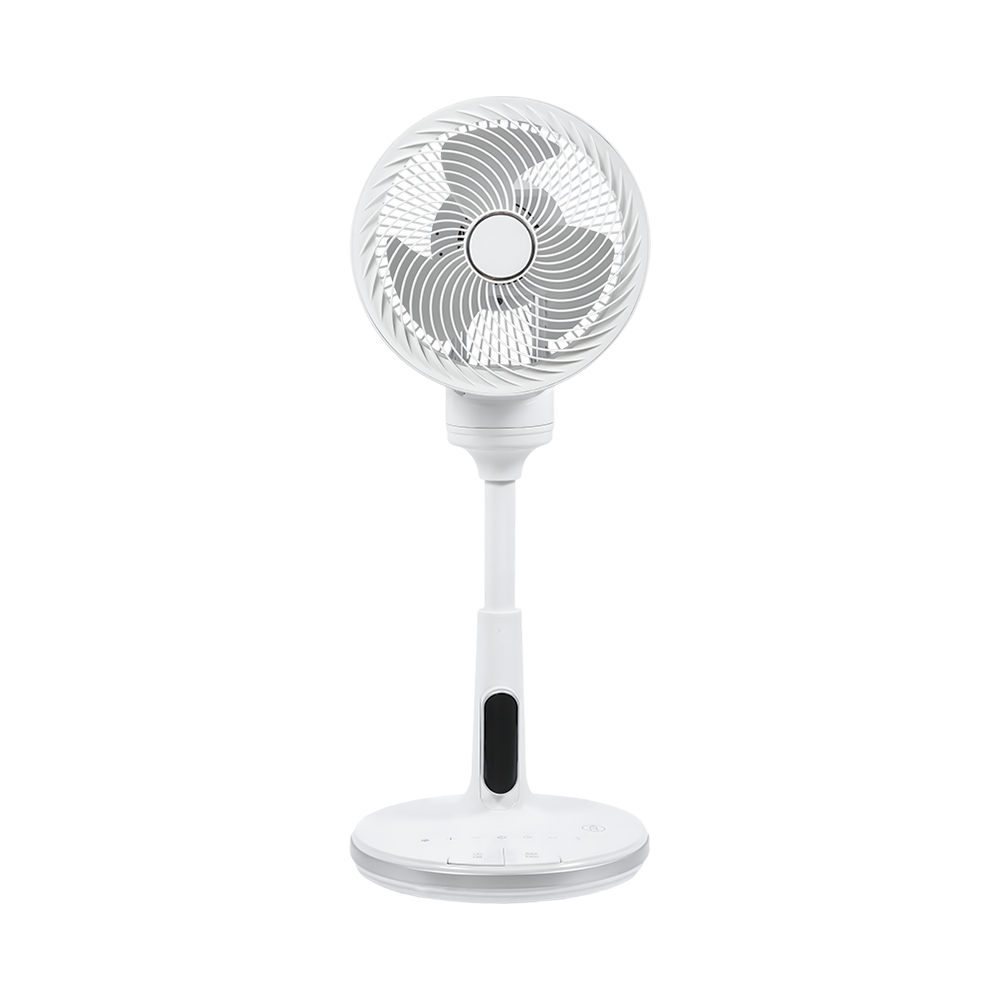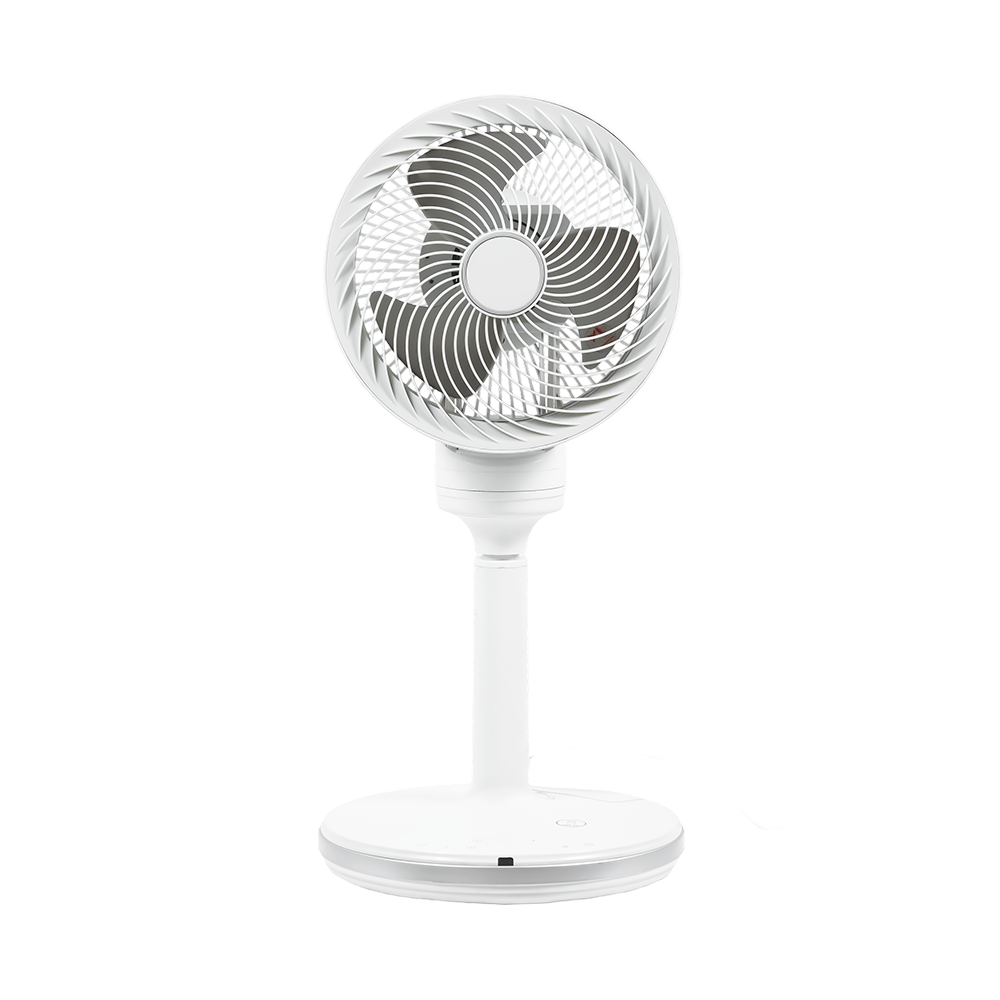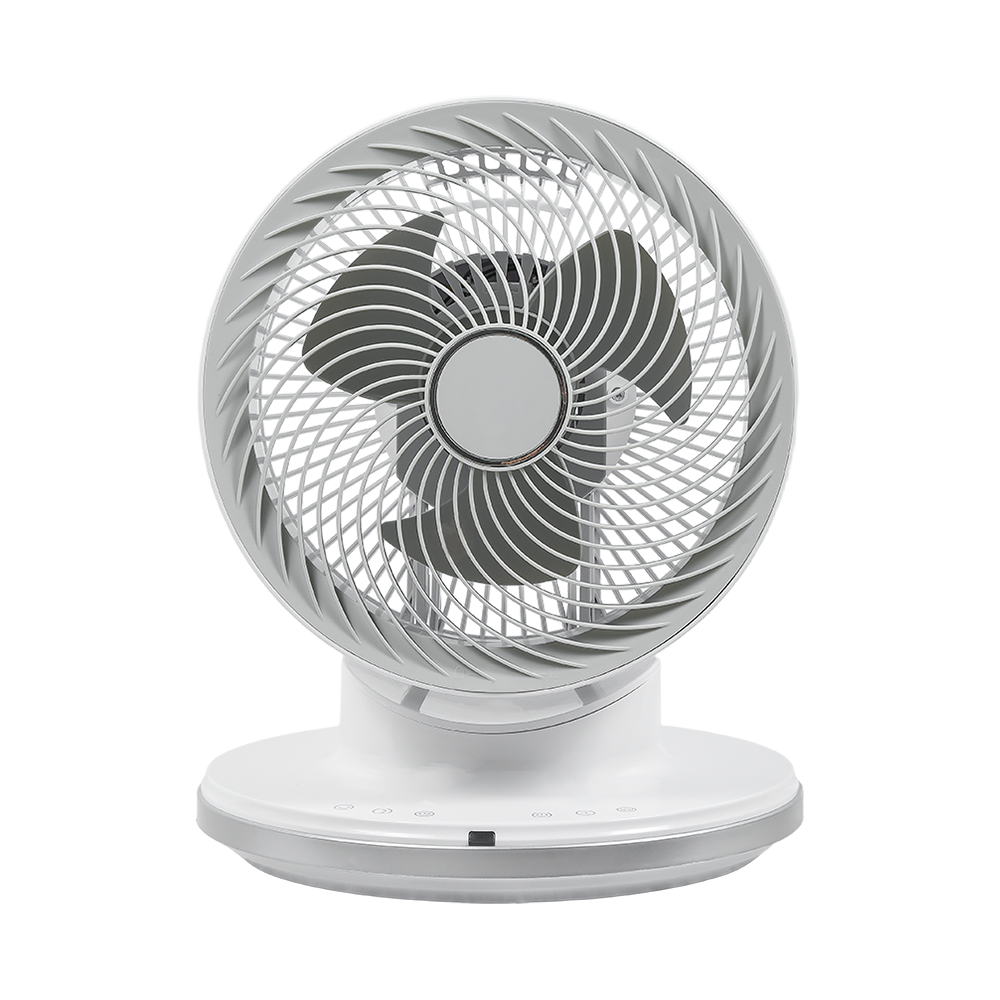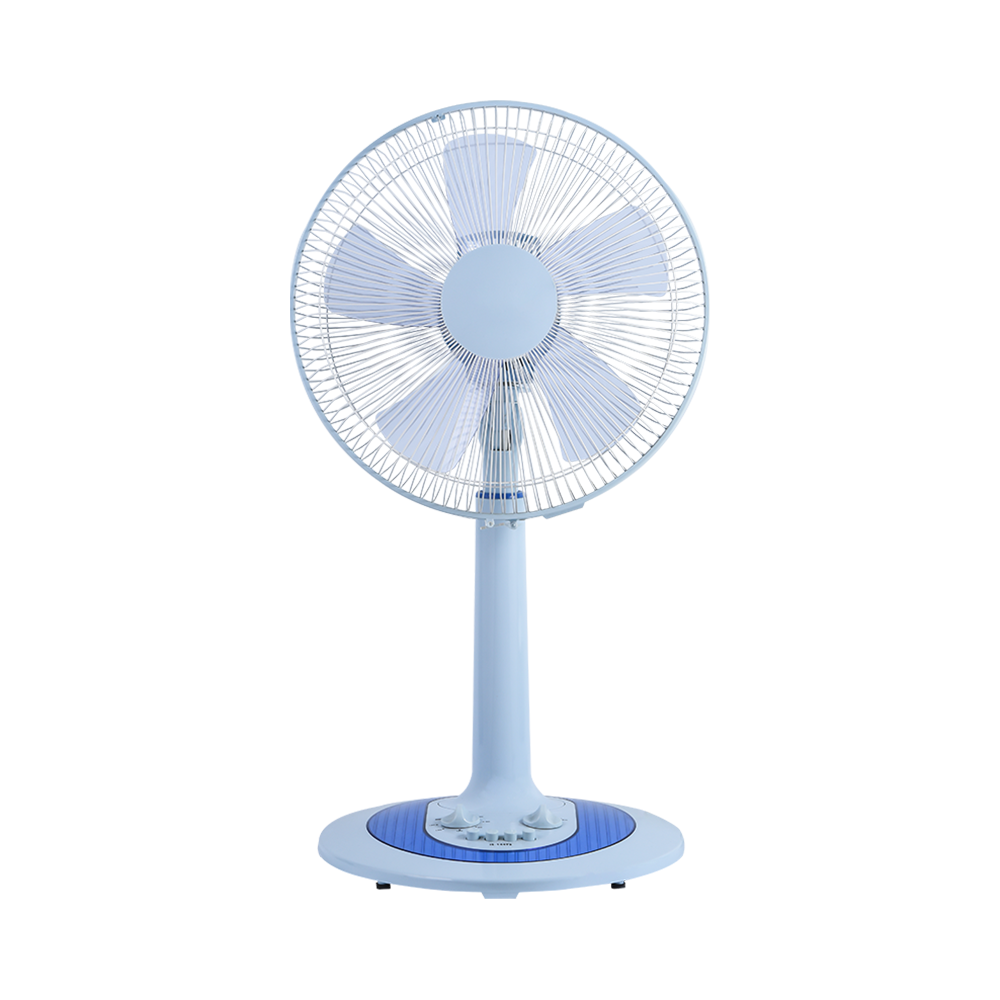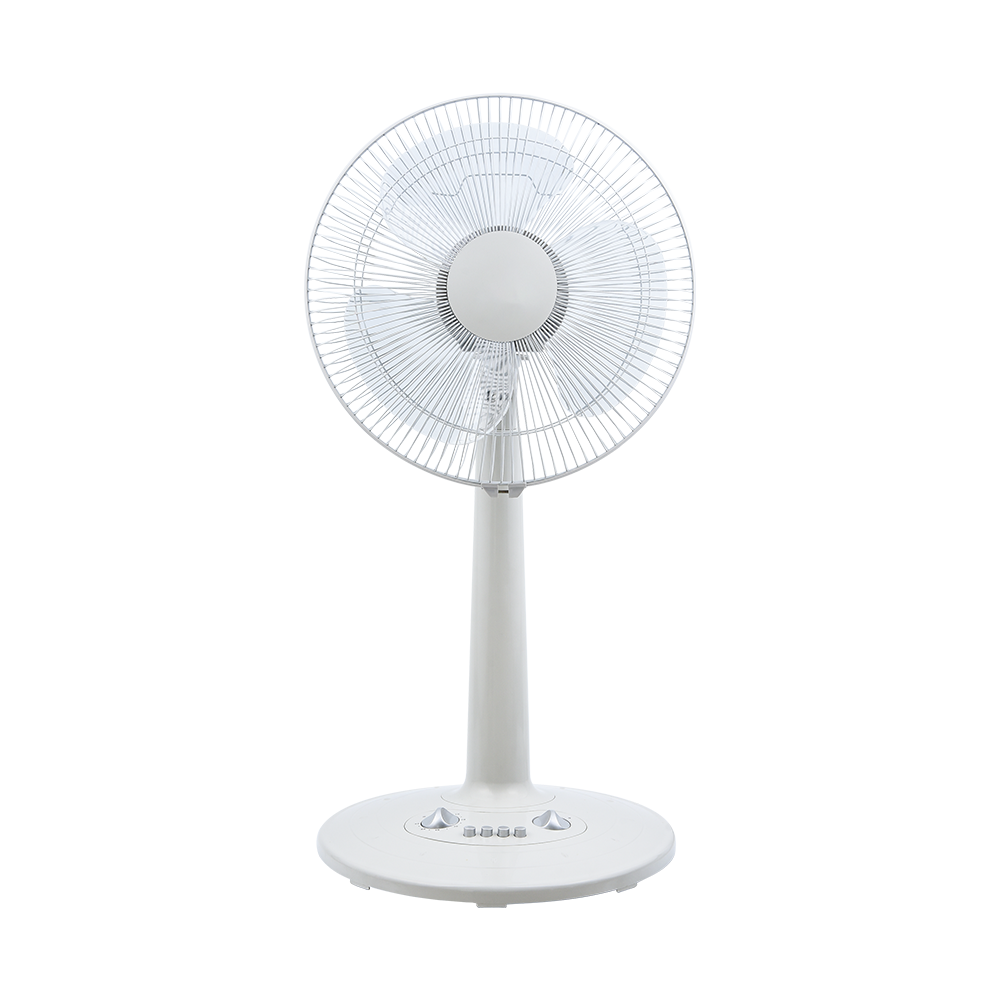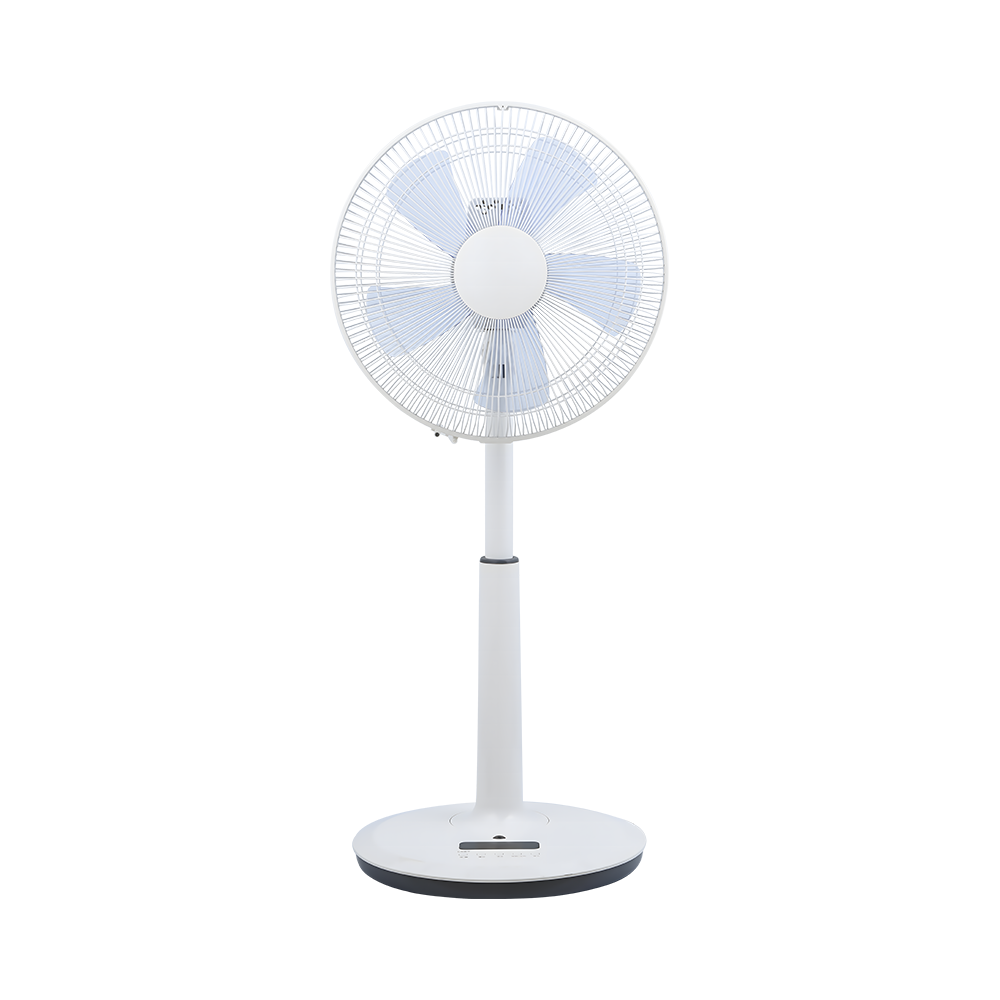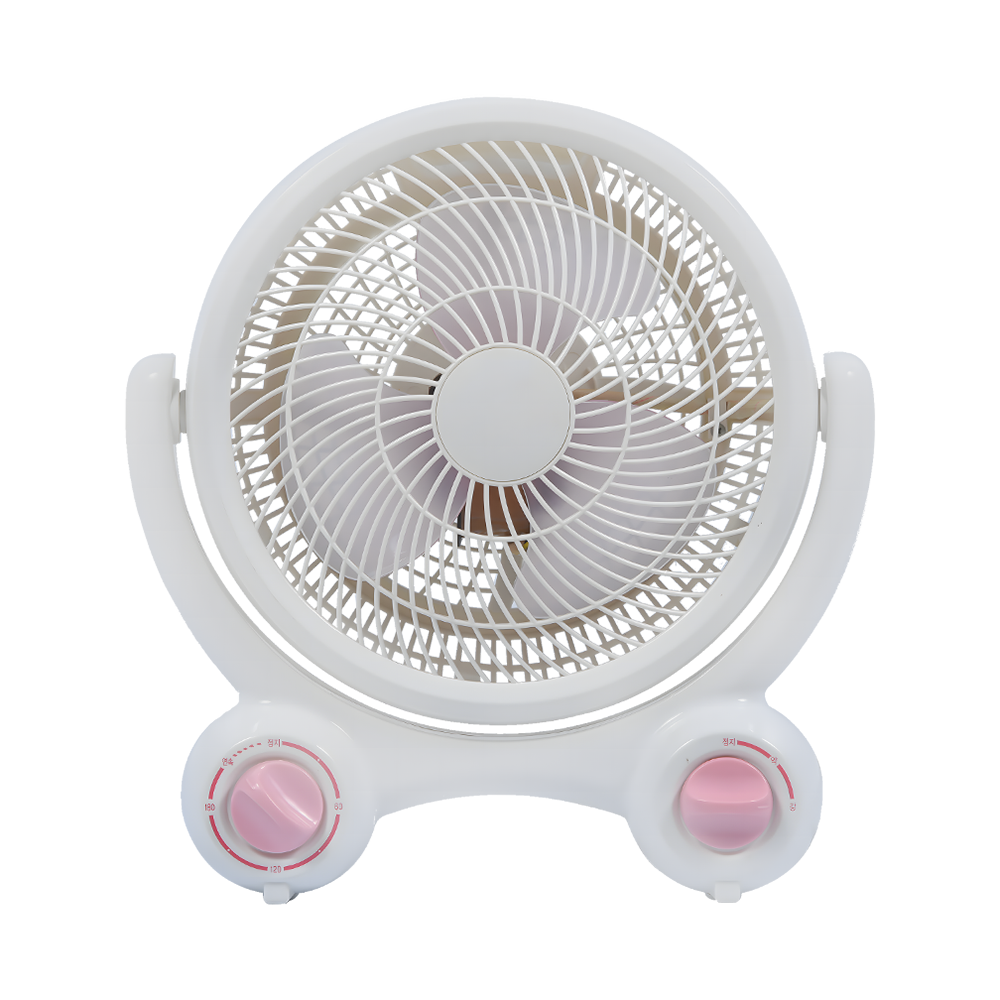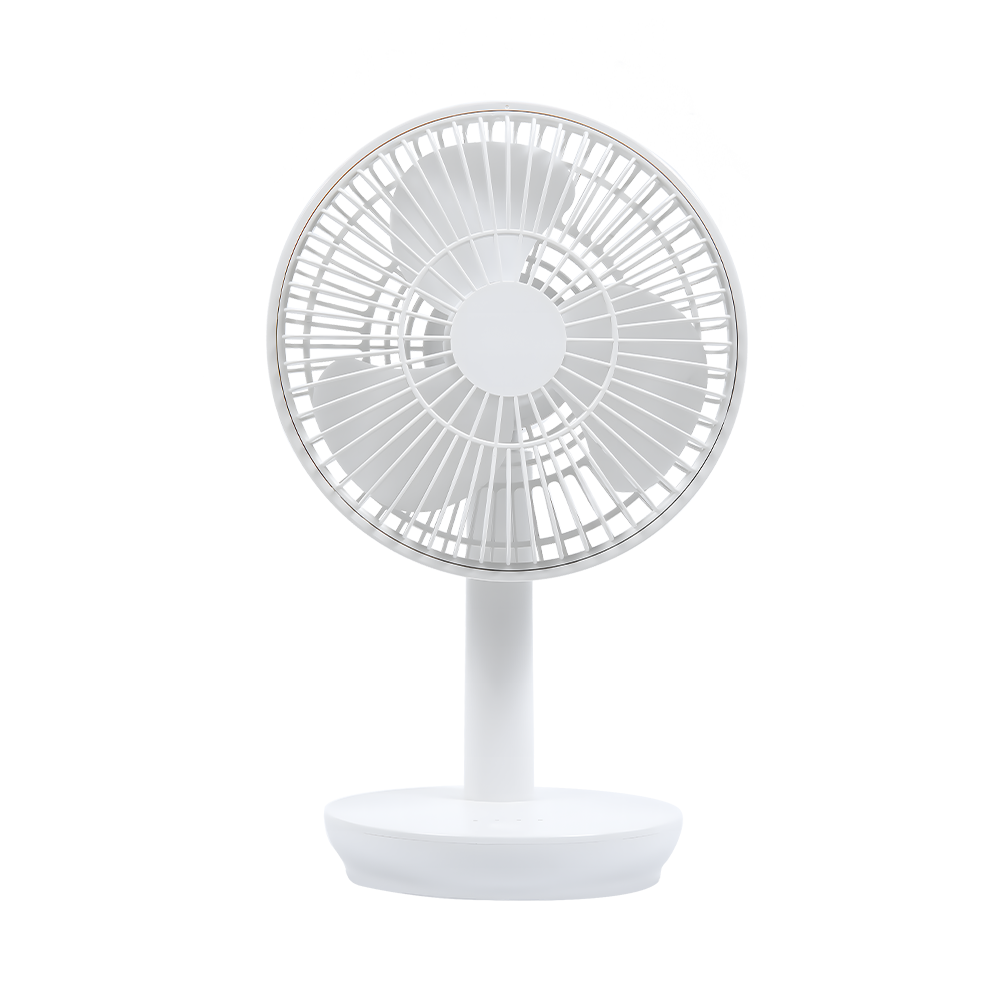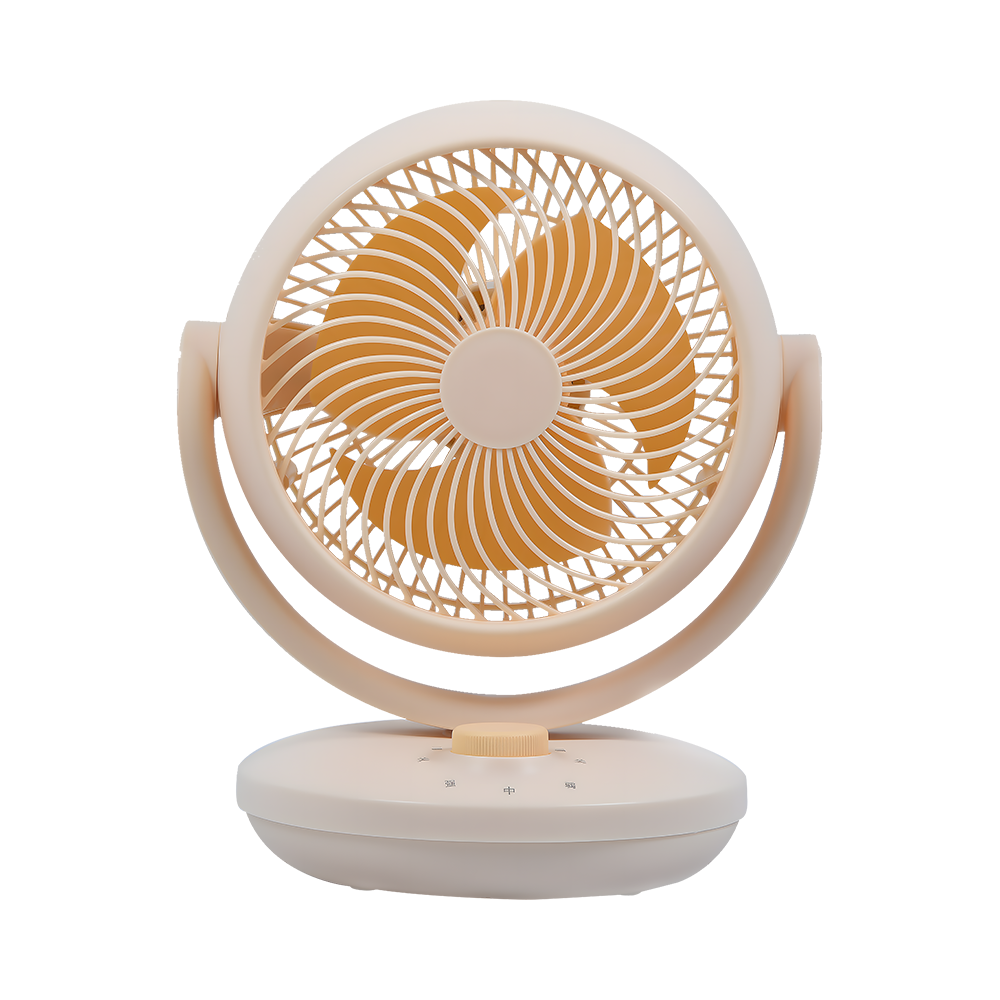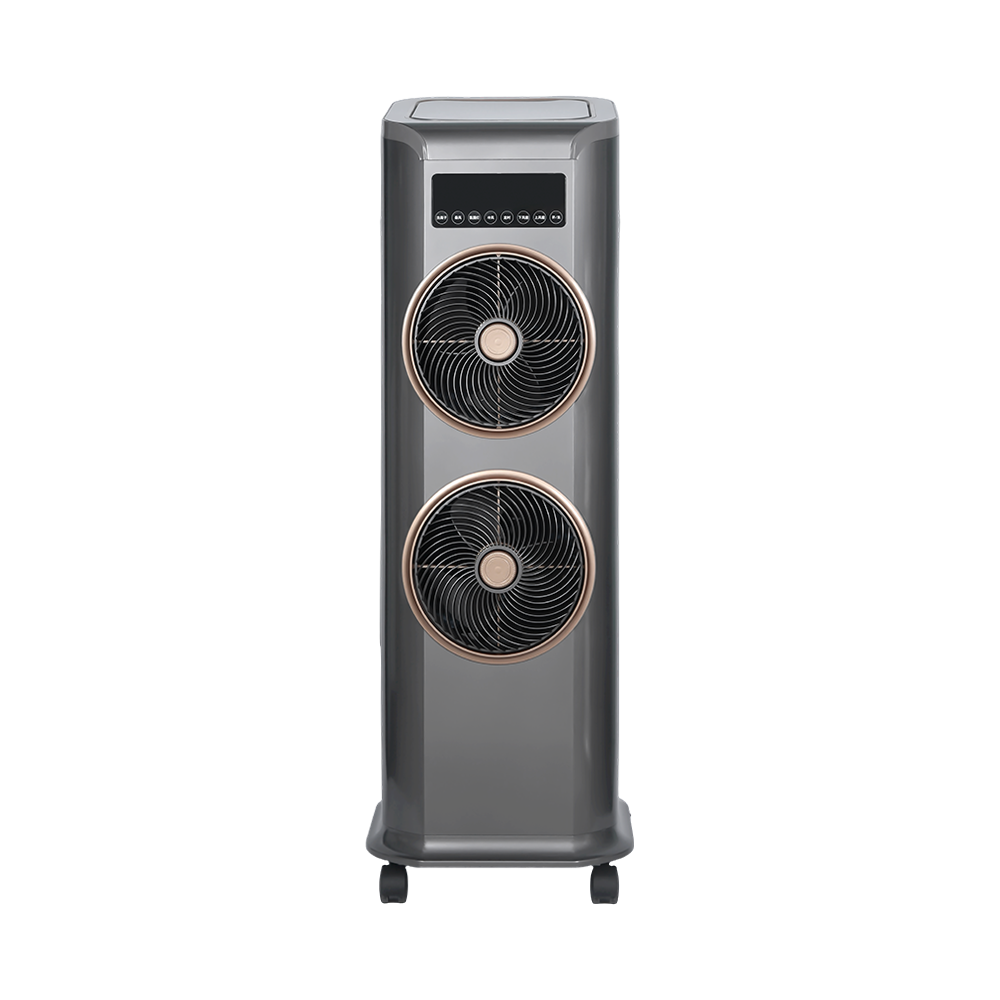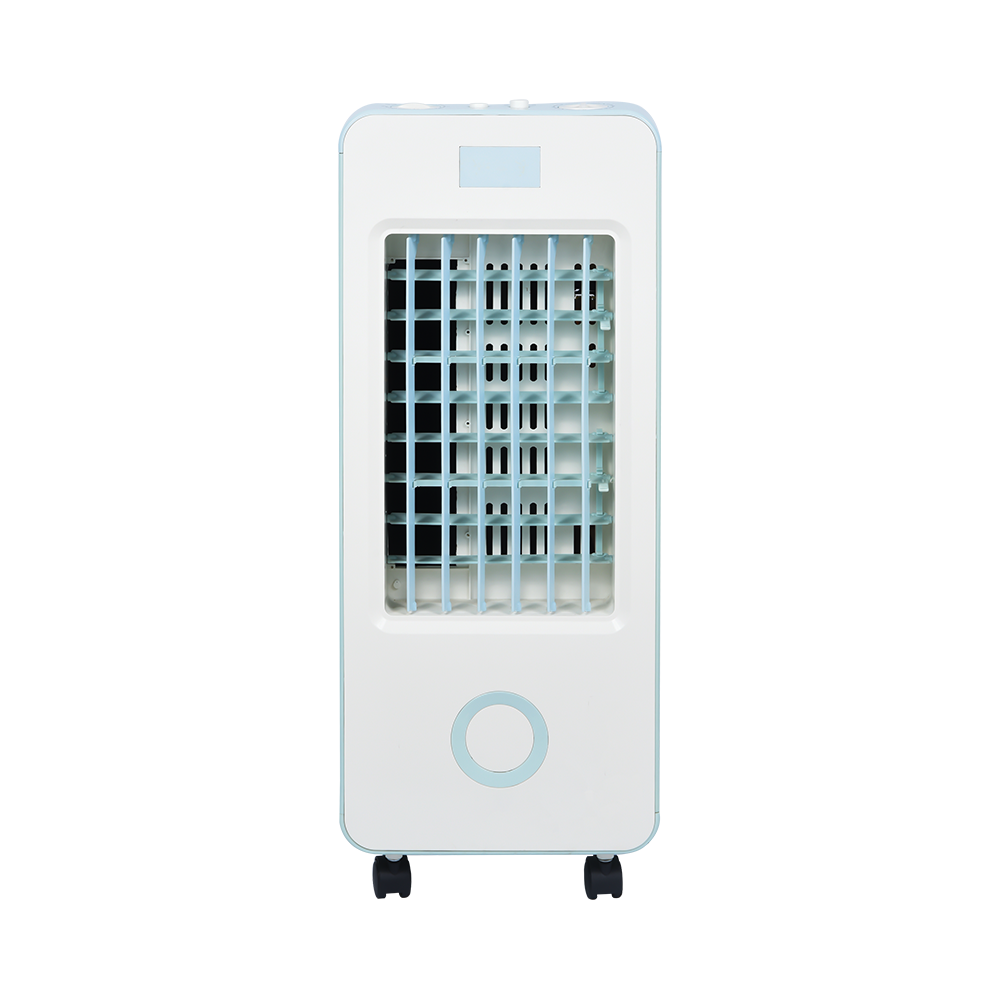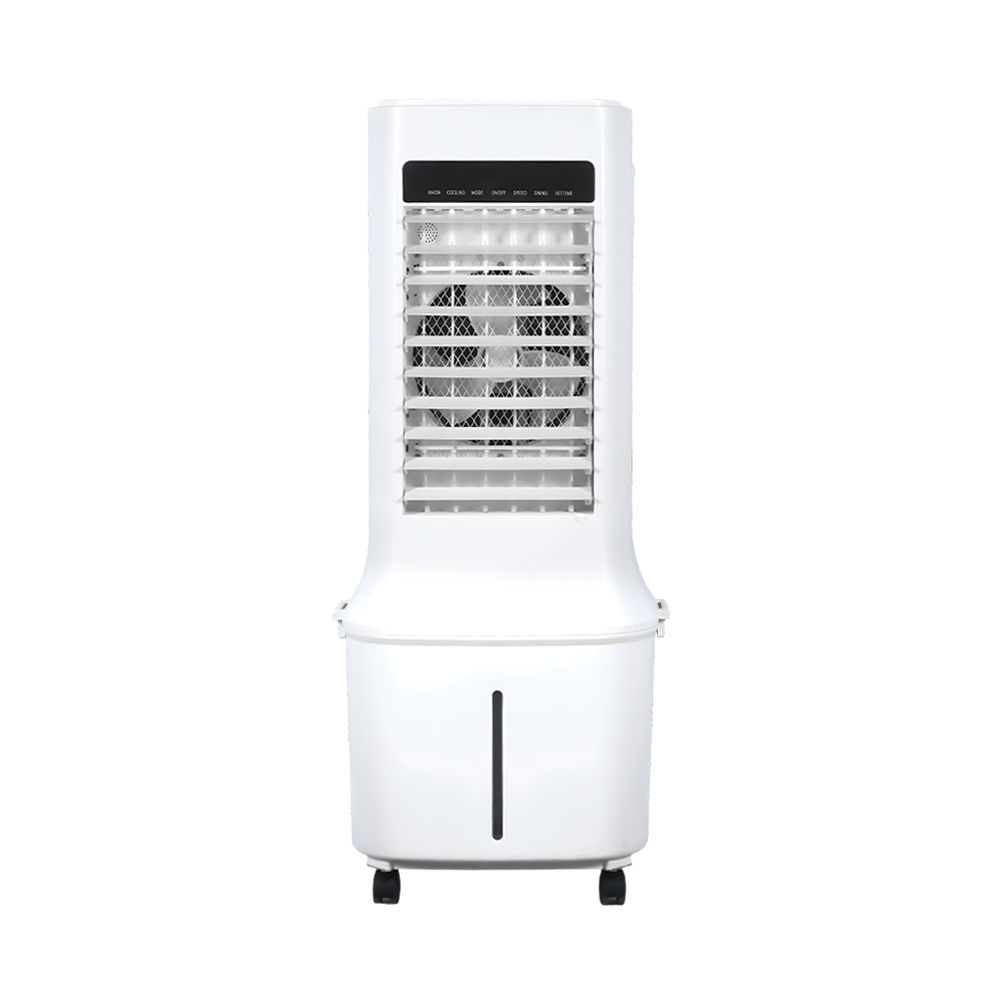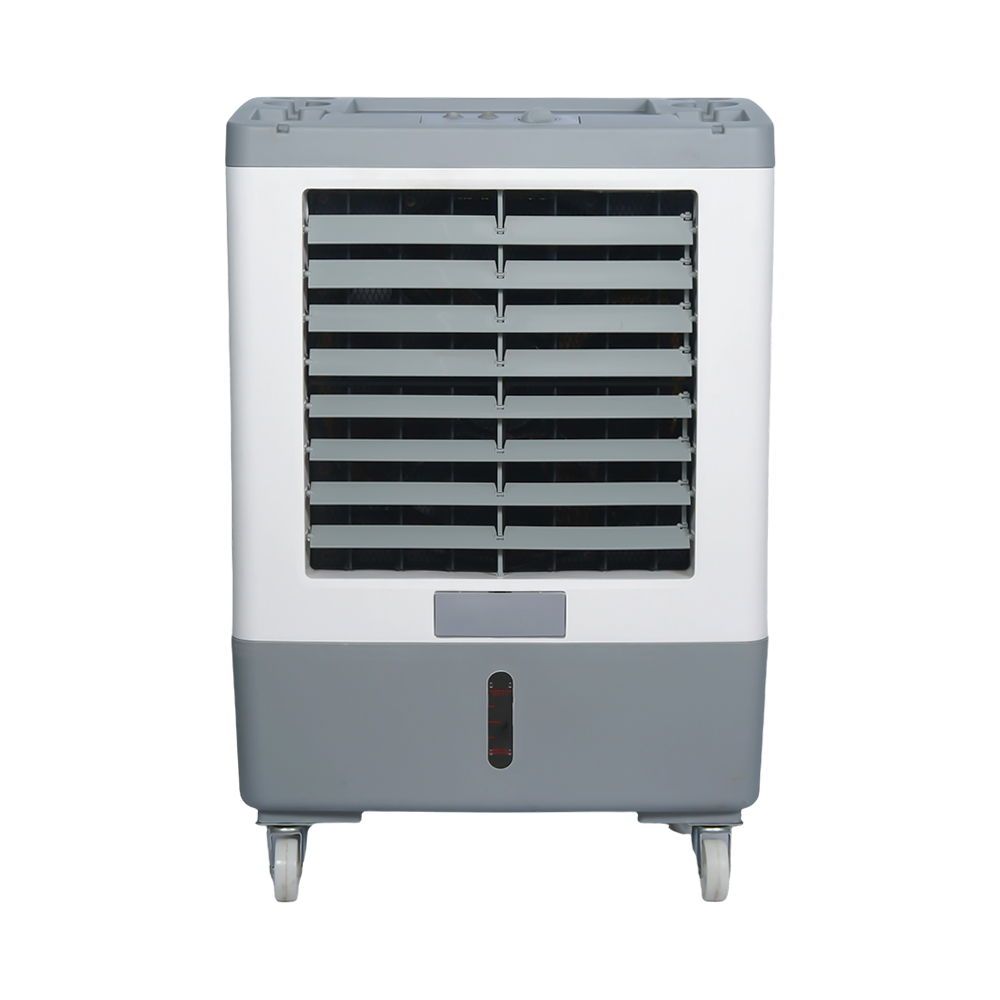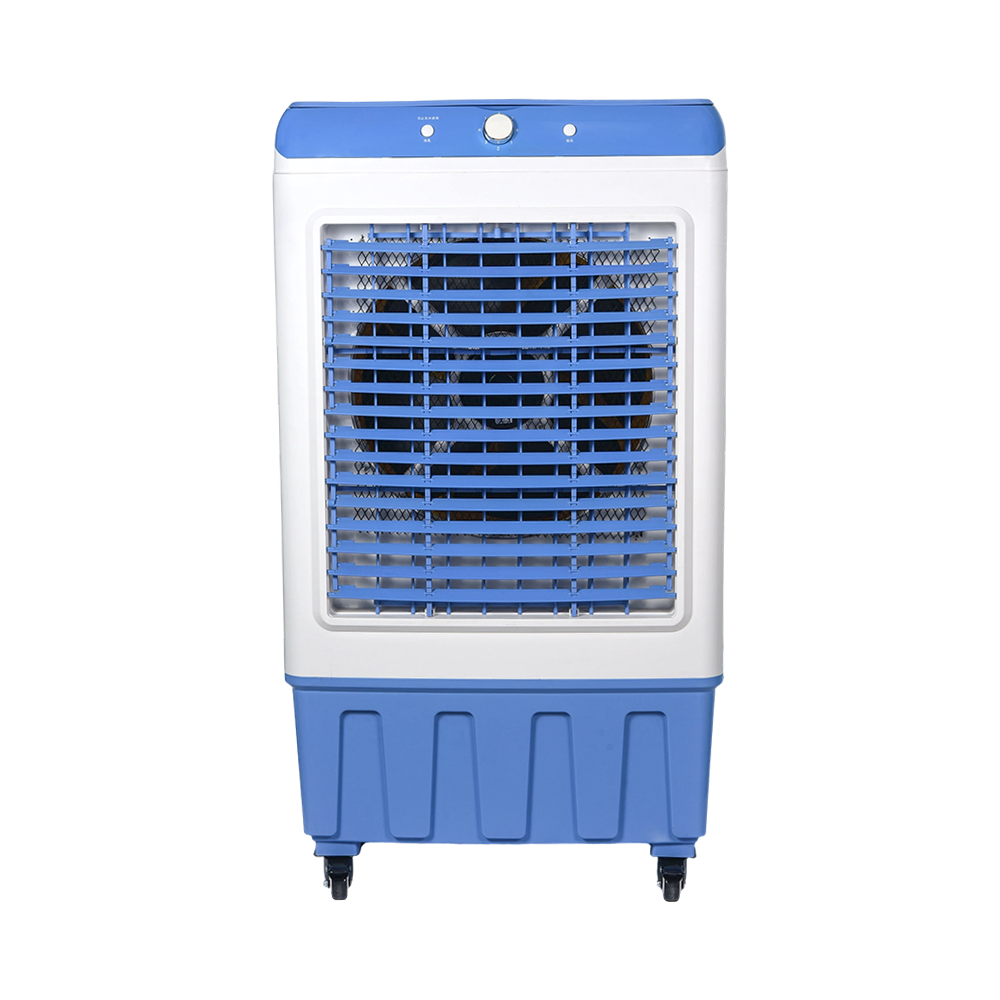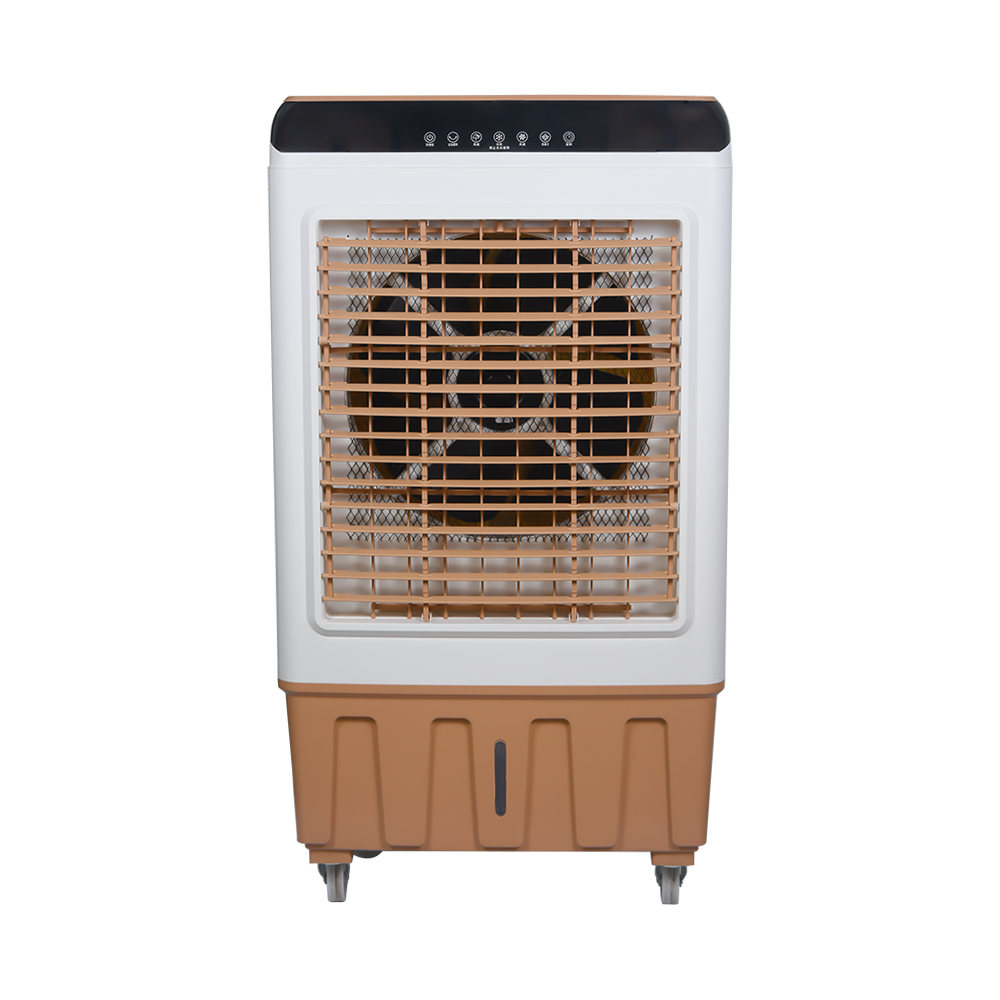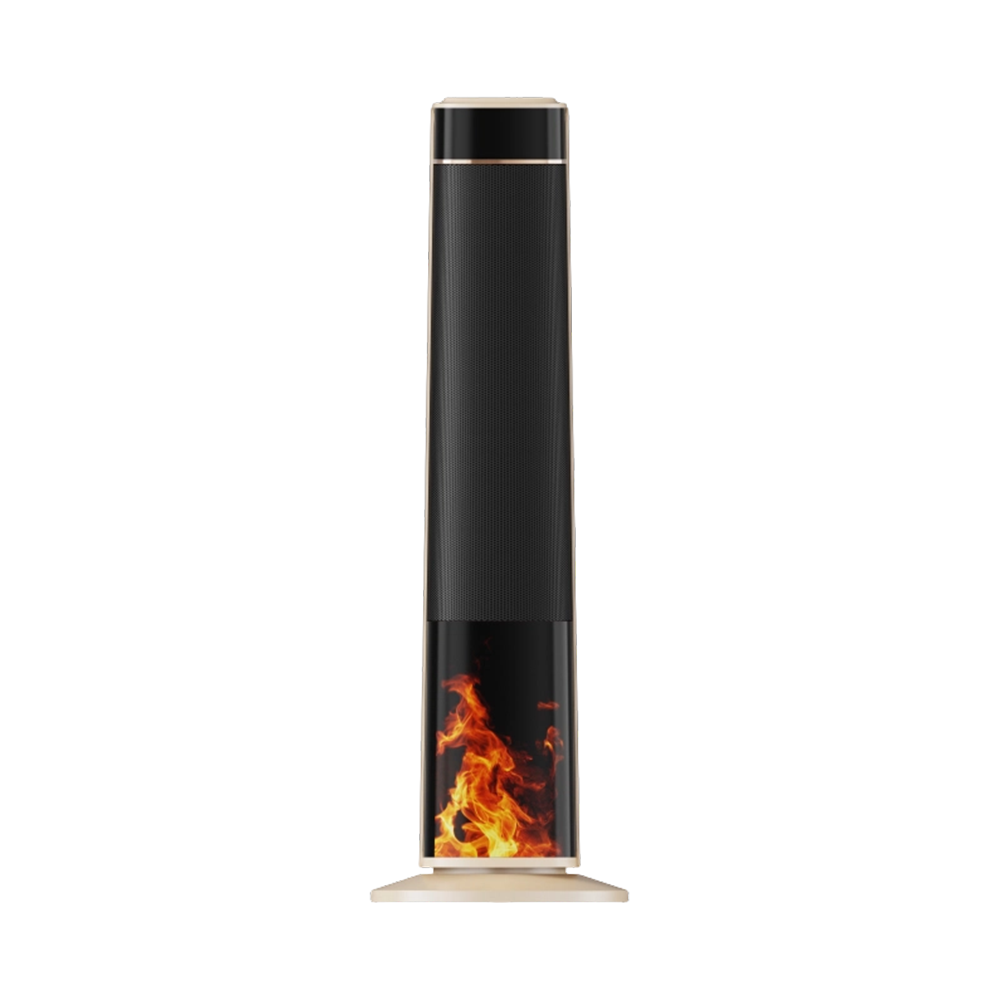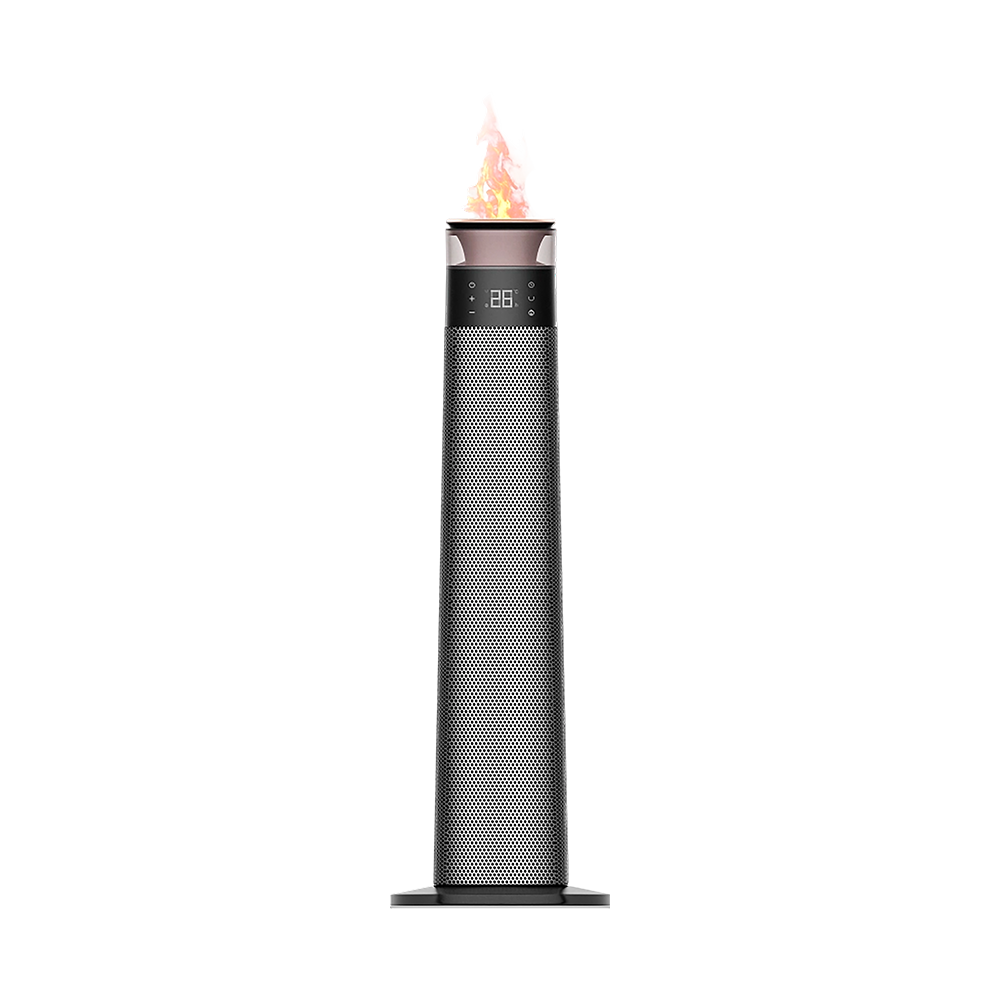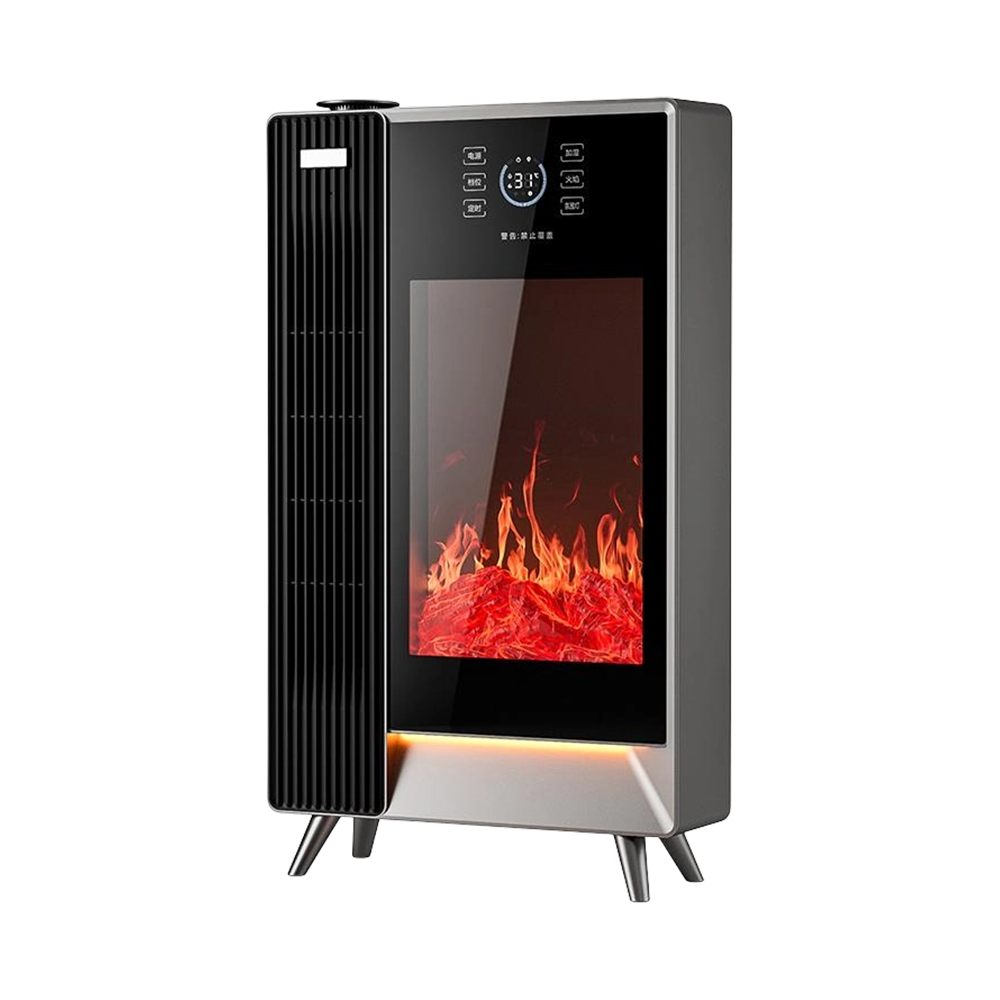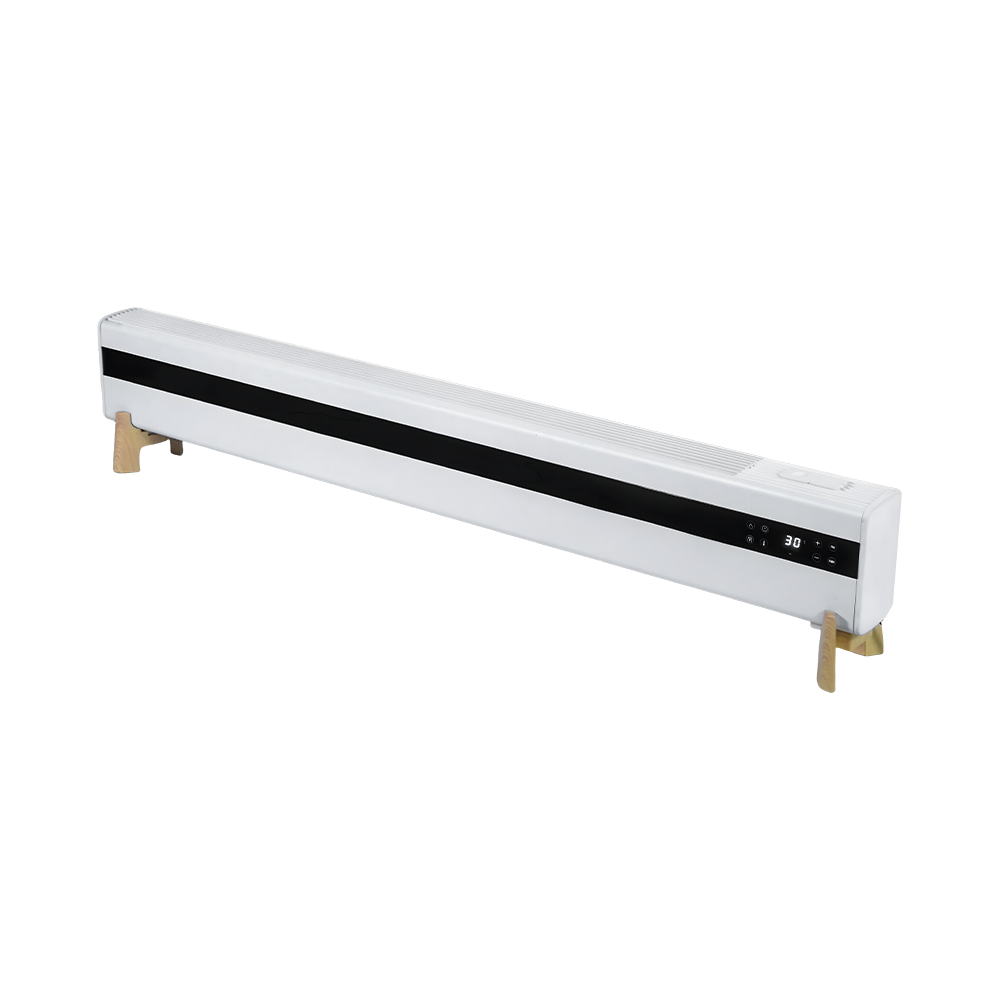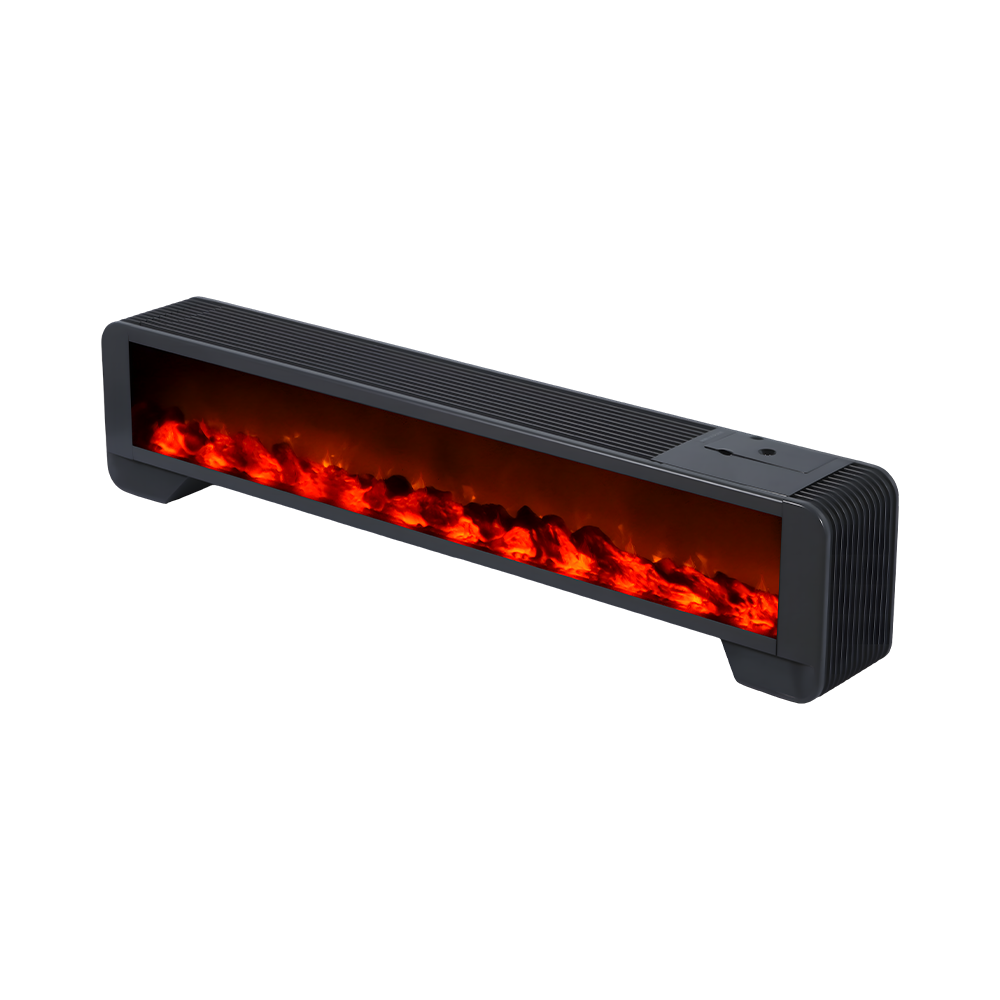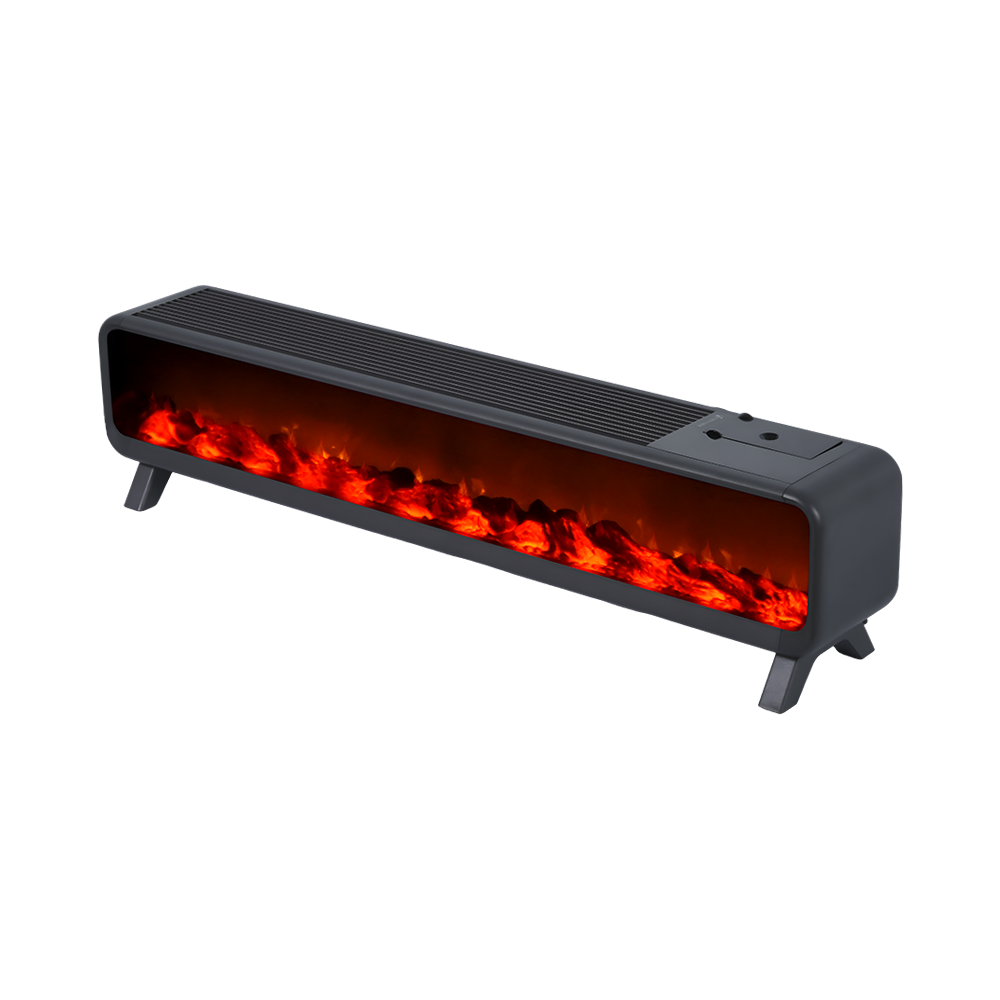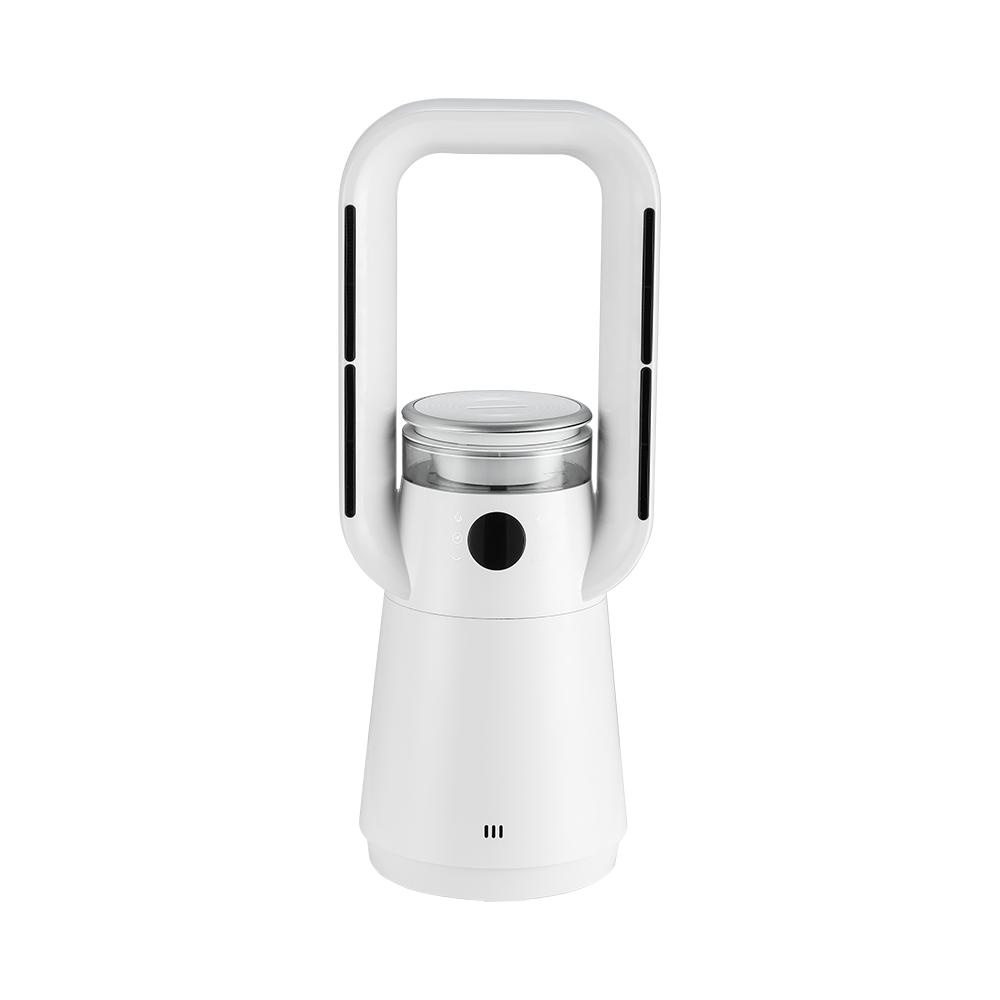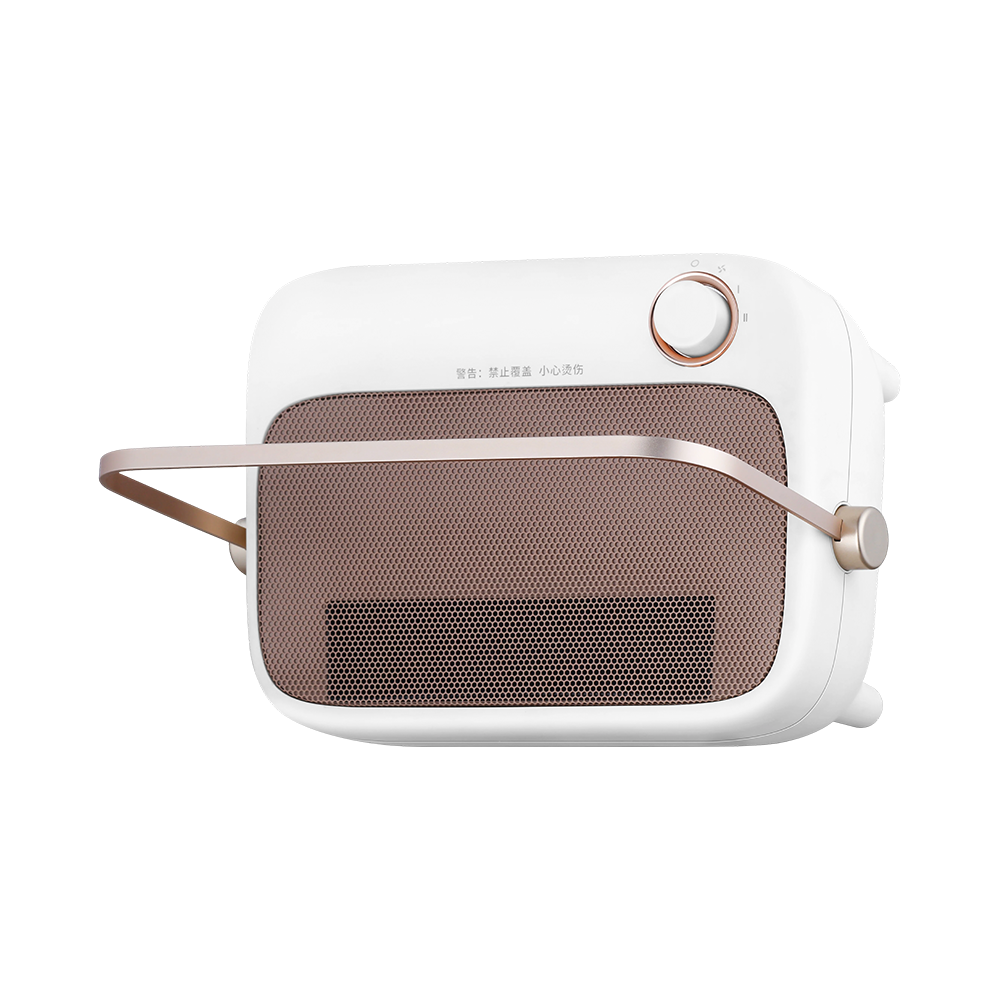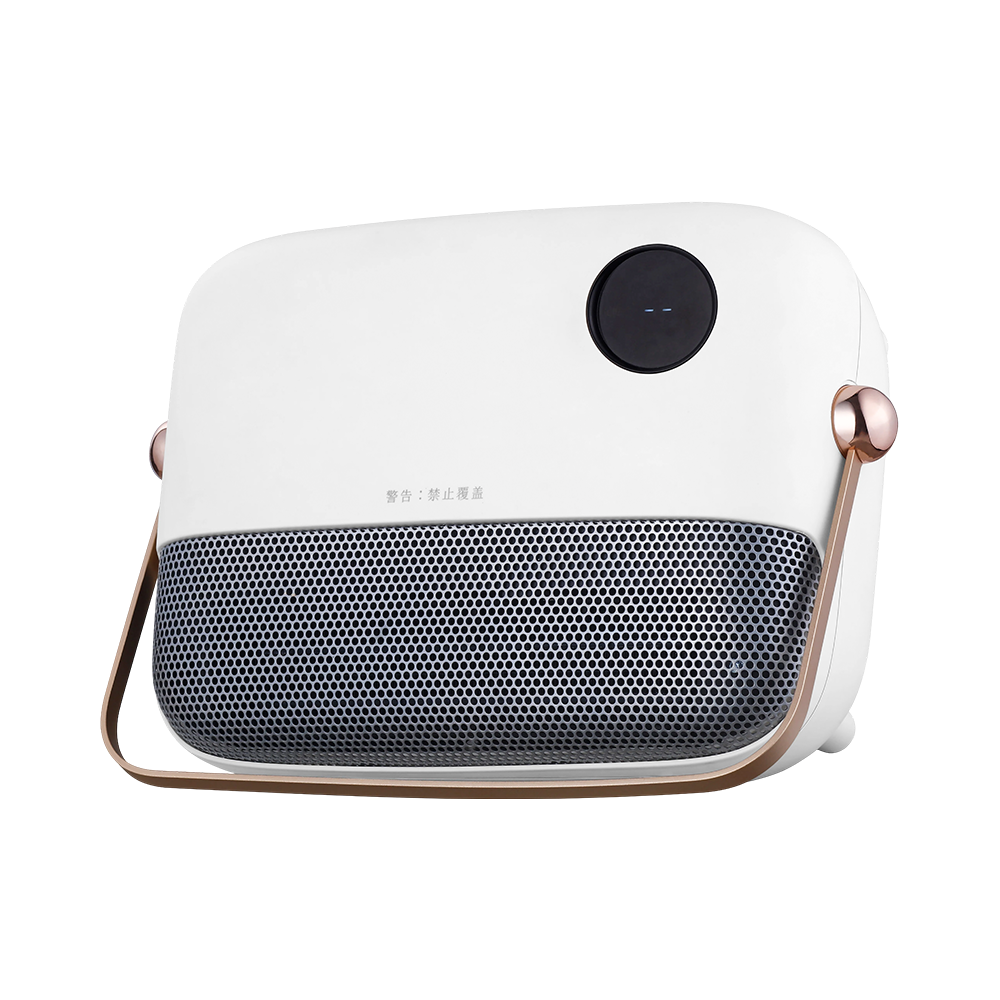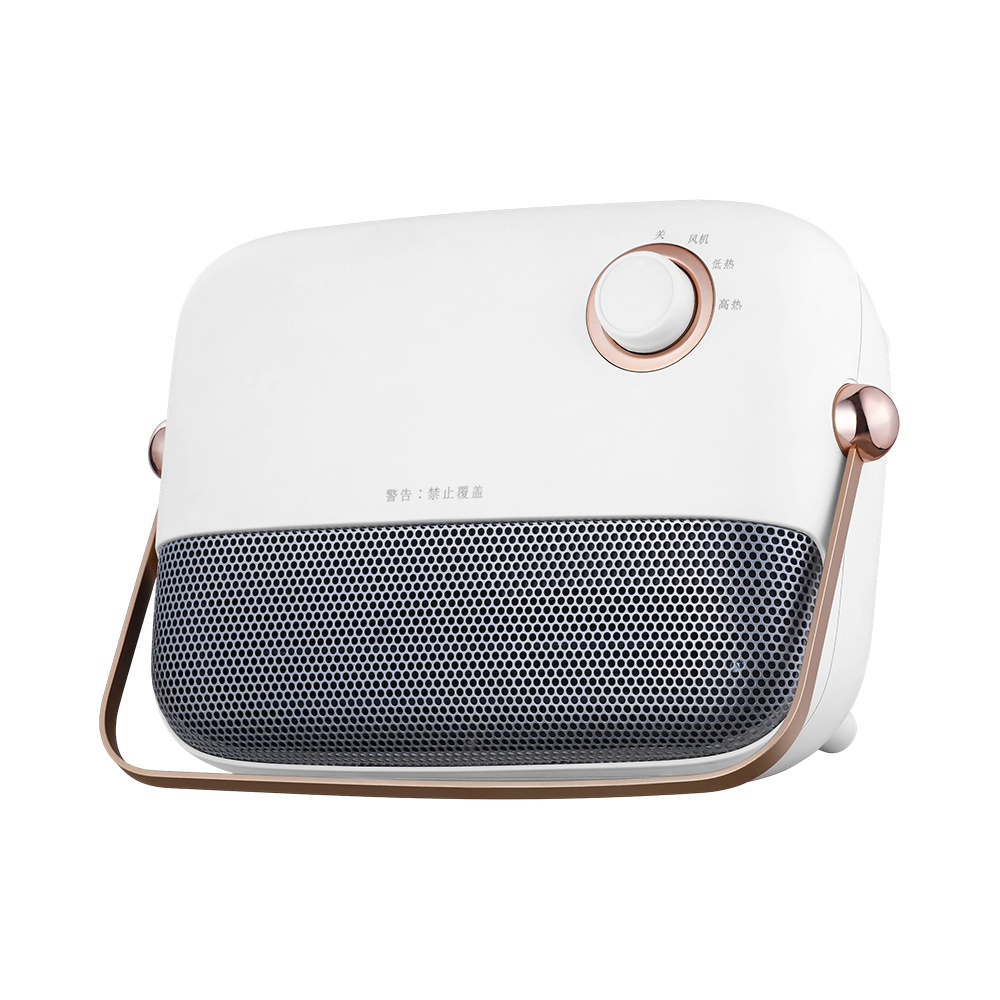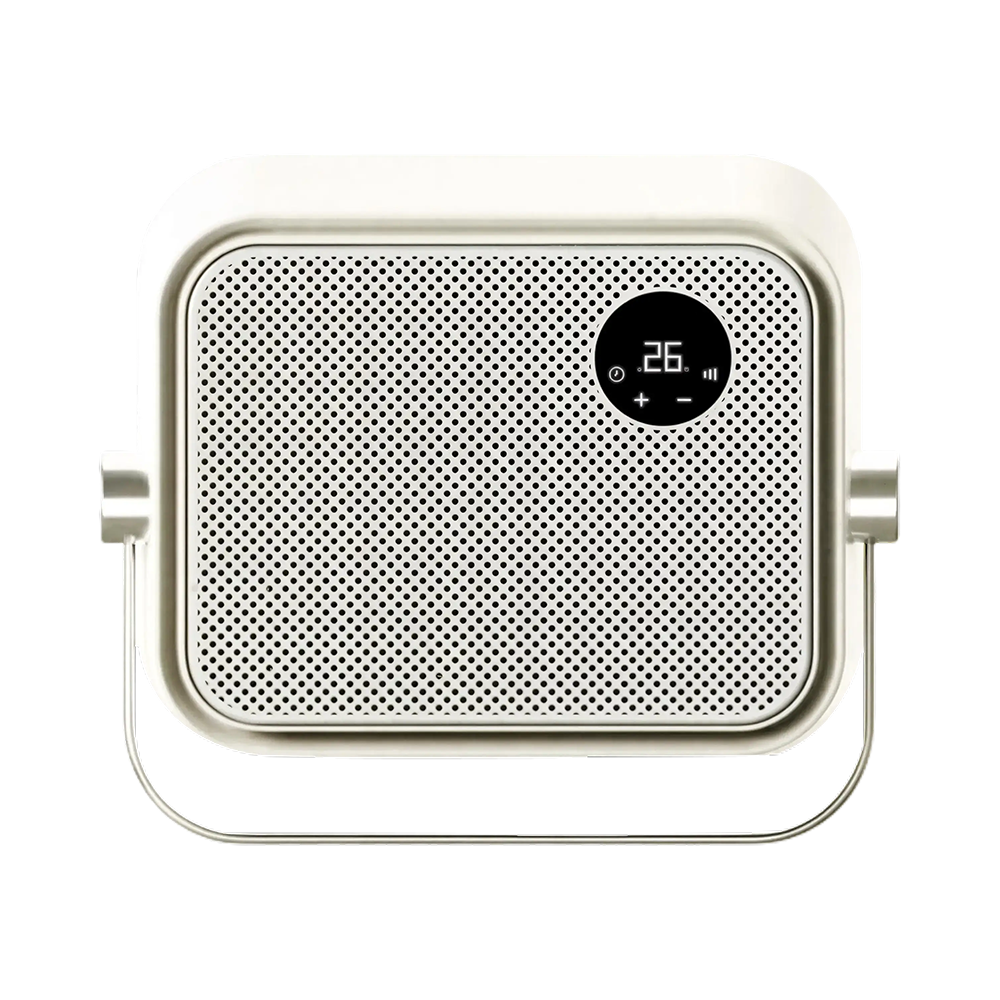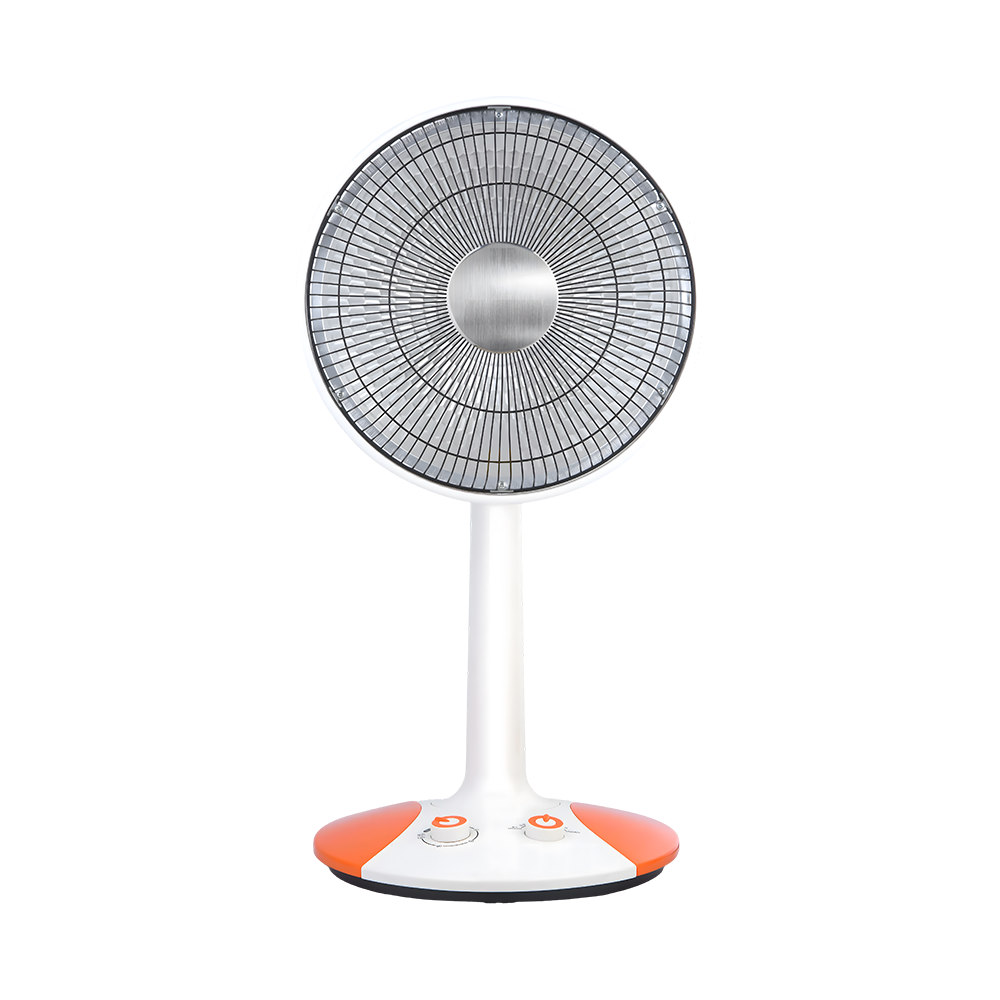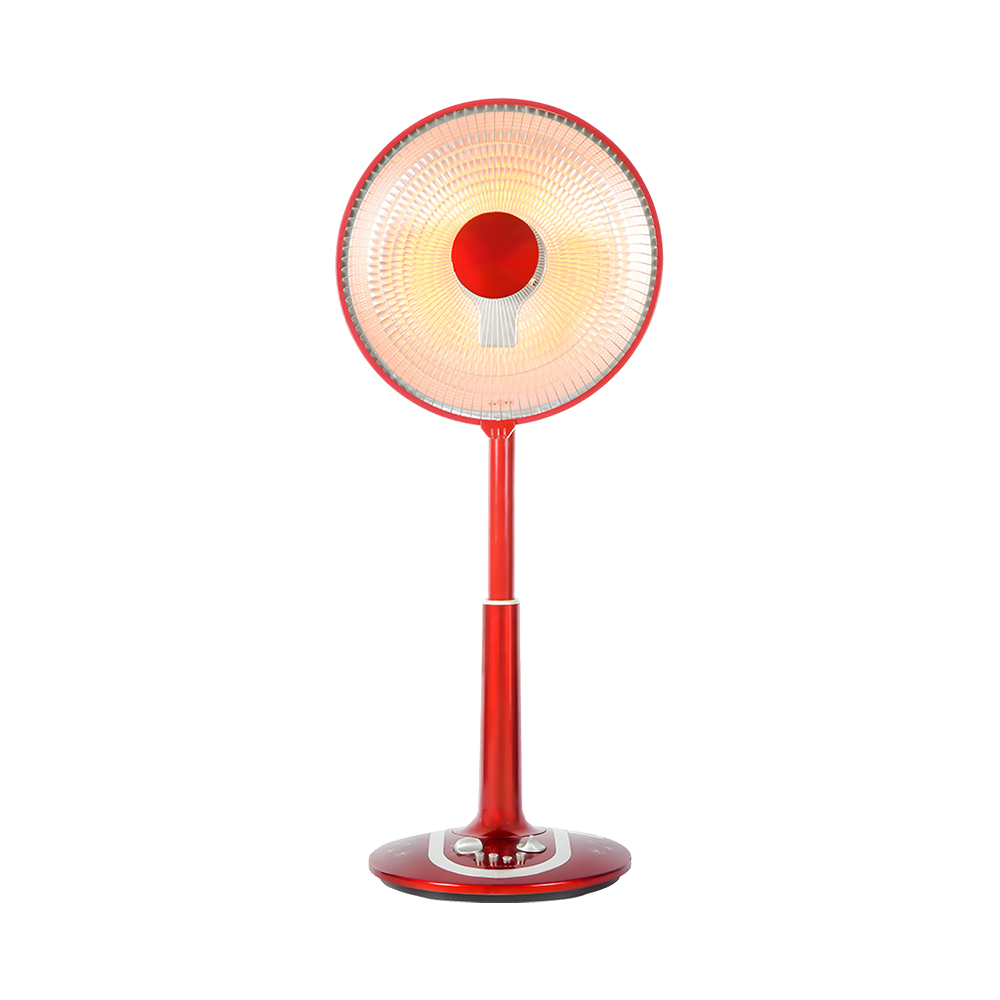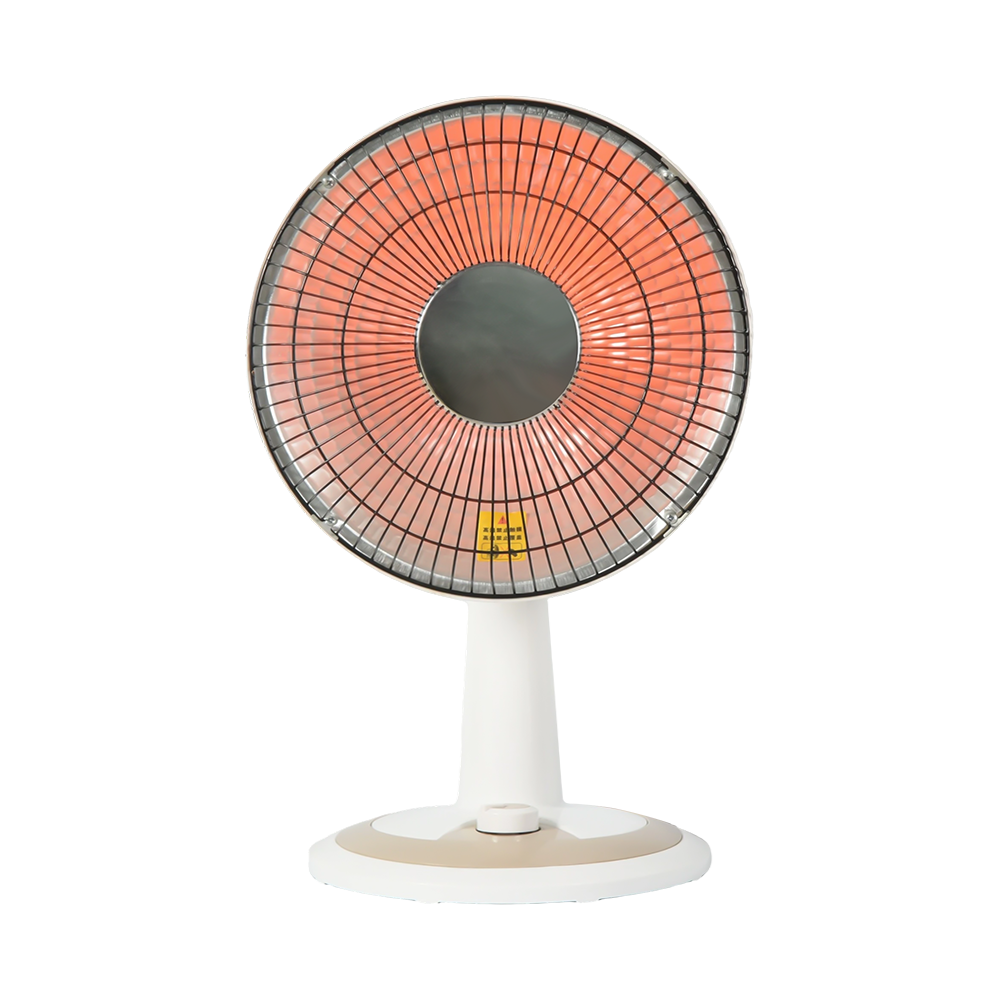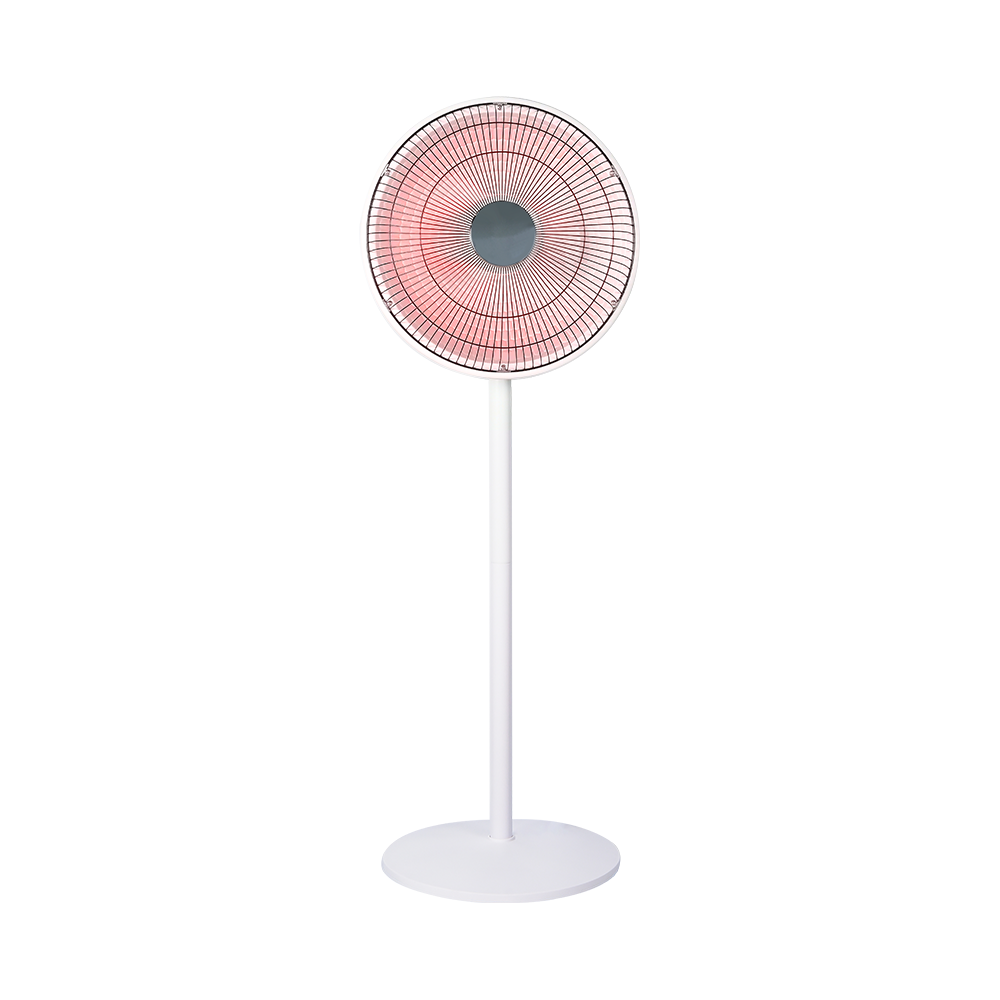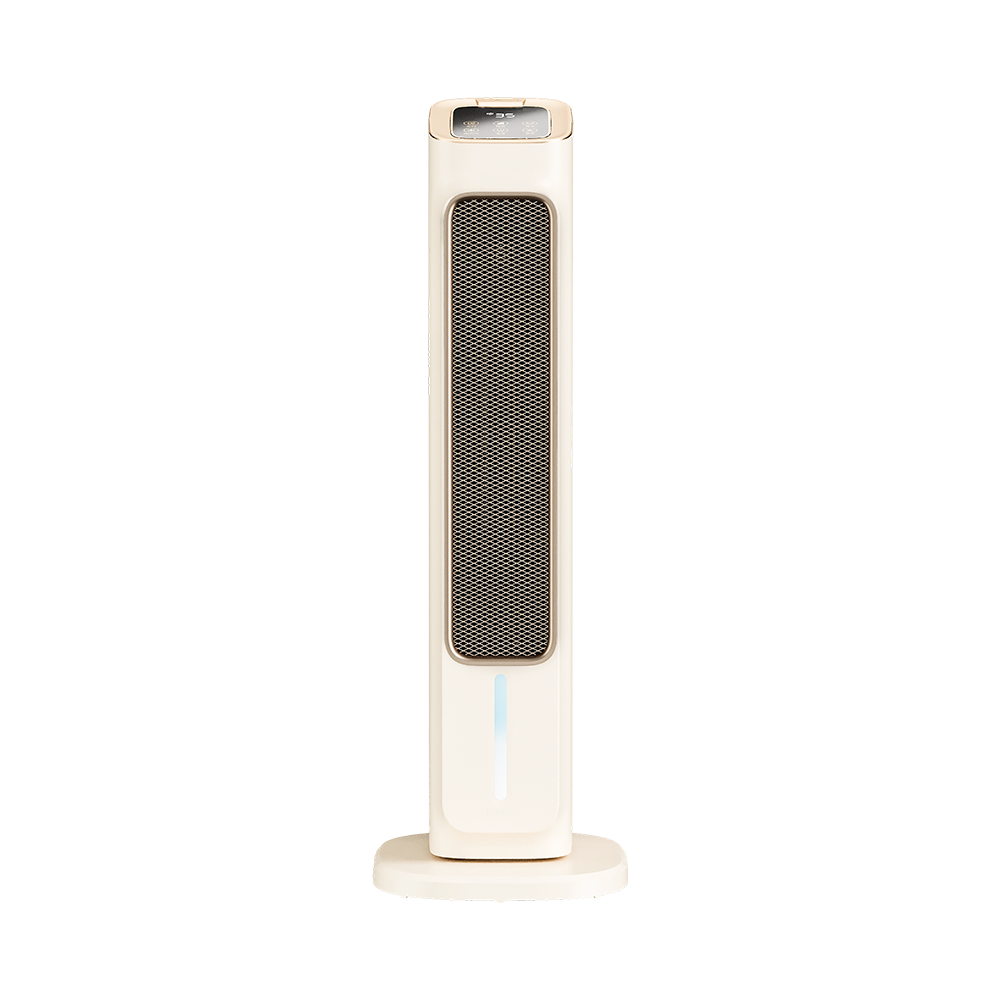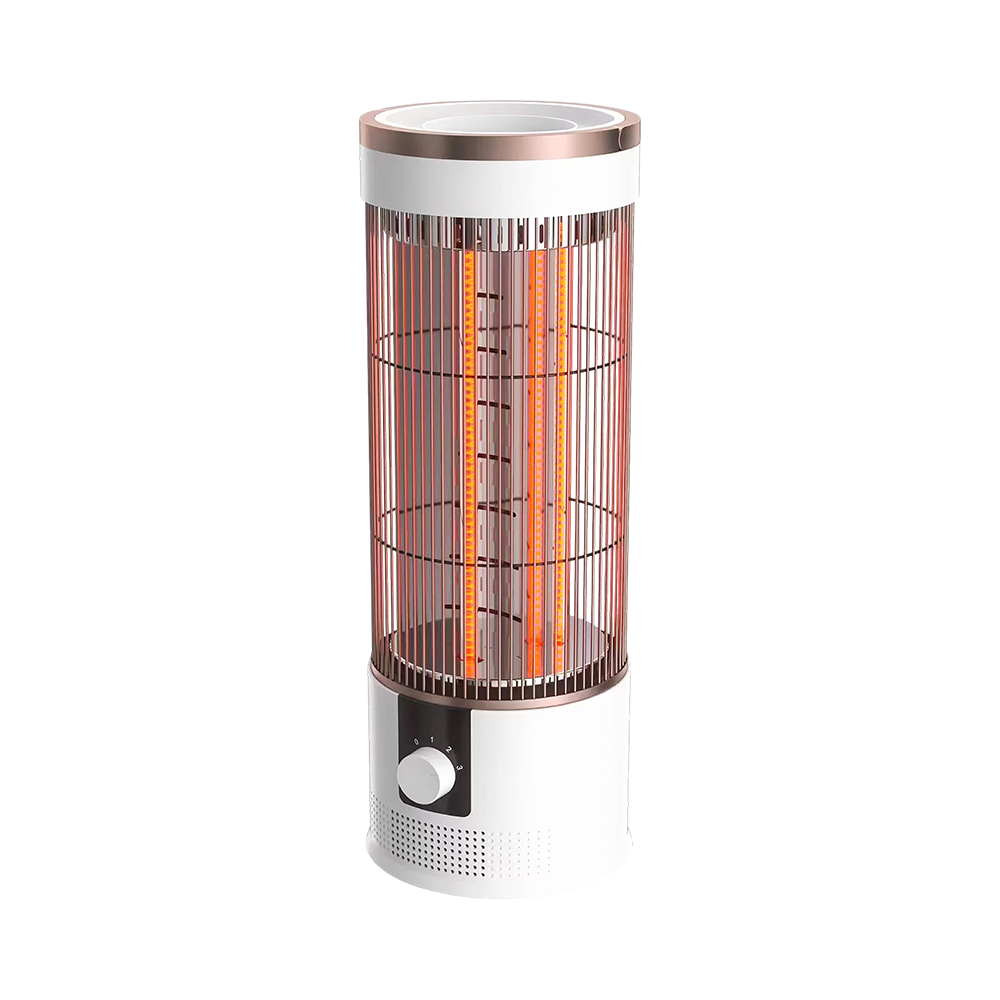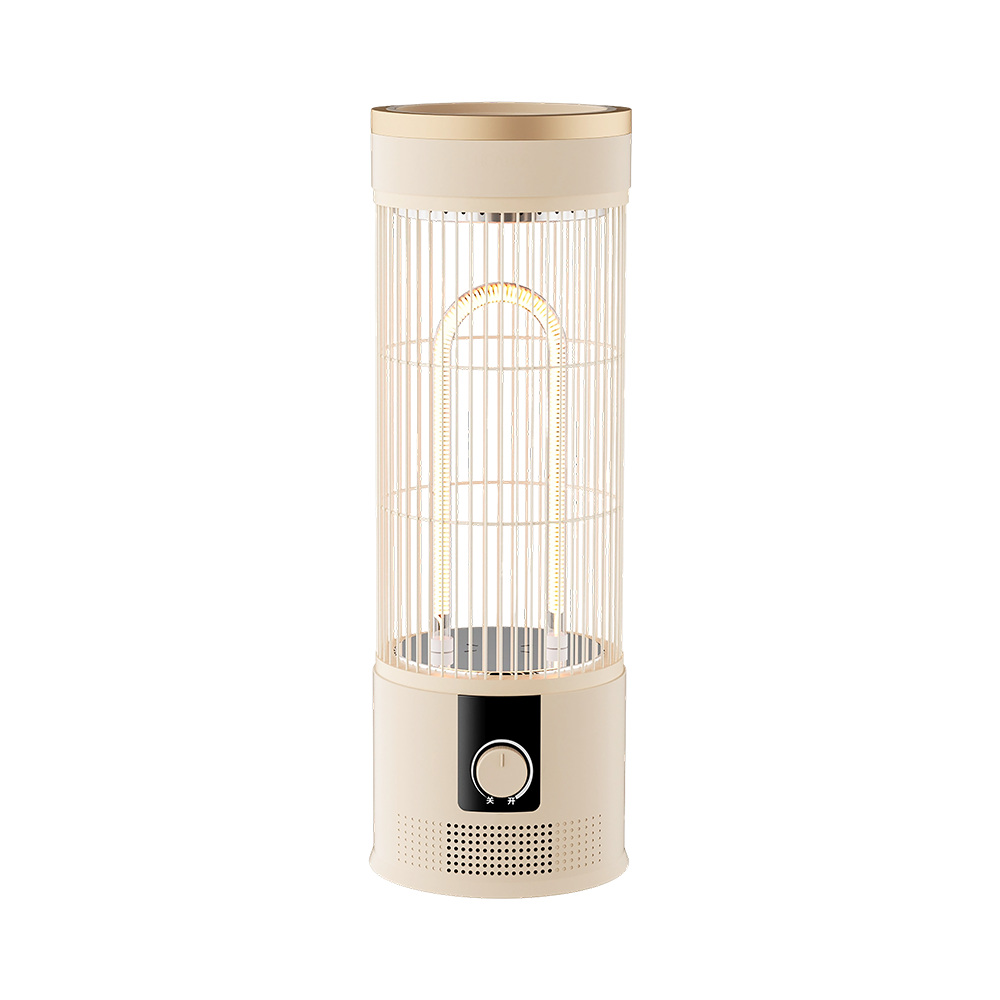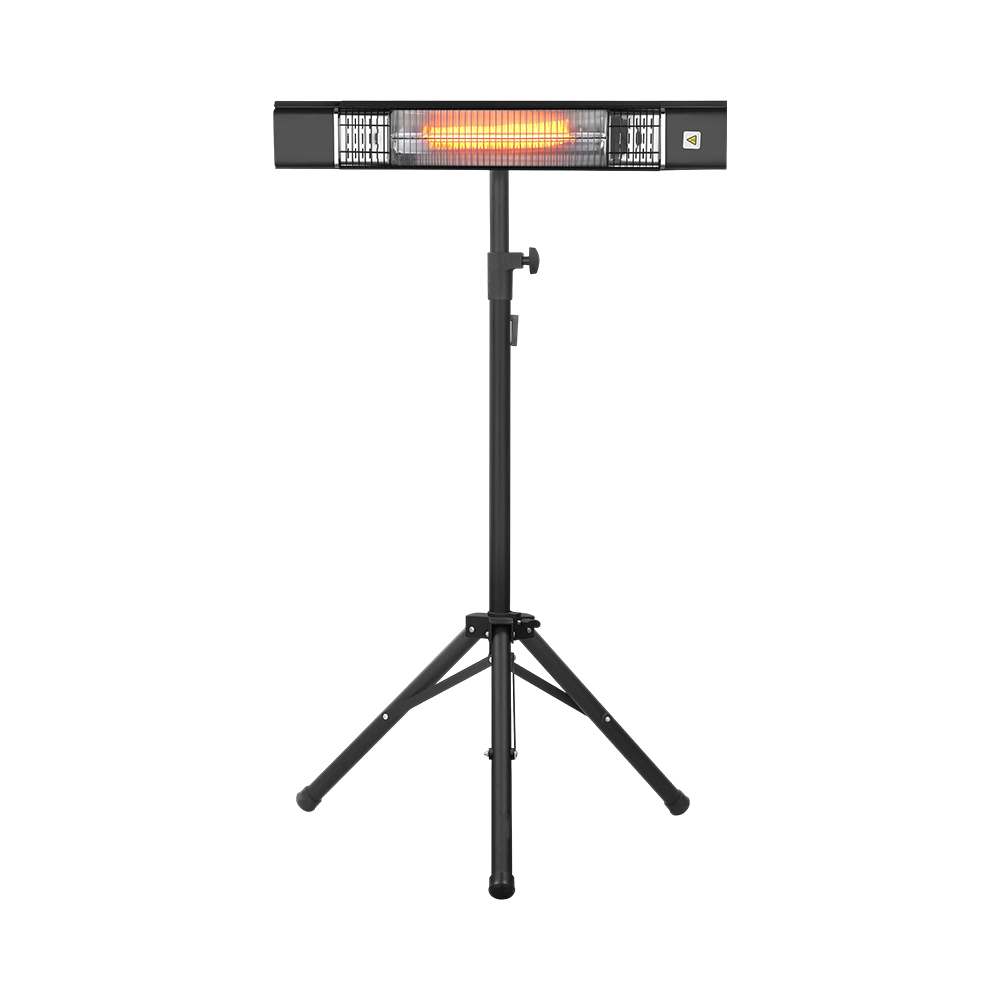

A heater converts energy (electricity, gas, or other fuels) into heat, which can be felt directly in the room.
It releases heat through various methods, such as heating elements, light radiation, or a fan blowing warm air.
Quietly operating, it gradually warms the space, transforming a cold room into a cozy, comfortable haven.
Don't hesitate to contact when you need us!
We're a reliable partner that shapes our expertise into success for your project.
Oct 12, 2026
The Heated Ceiling Fan: Does It Exist? Smart Heat & Air Circulation Guide If you searched for a heated ceiling fan expecting one appliance that both blows air and warms a room, here is the direct answer: integrated heated ceiling fans exist, but they are a rare, mostly commercial niche. In ordinary homes they ra... read moreOct 05, 2026
Indoor Heaters Buying Guide: Types, Sizing, Wattage, Safety and Cost Tips The right indoor heater is chosen by room size first, heat technology second, and control features last. A 1,300W PTC heater is enough for a bedroom of about 8 to 10 m², while a 2,200W graphene baseboard heater is a better match for a livi... read moreSep 28, 2026
Best Heater for Greenhouse: Types, Sizing Tips and Buying Advice | Baopeng Short answer first: for most backyard and small commercial greenhouses, the best heater setup is a thermostat-controlled, fan-forced ceramic heater to hold overall air temperature, backed by a small radiant tube heater aimed at the bench o... read moreSep 21, 2026
Fan with Heat: How Fan Heaters Work, Which Type to Buy, and Where They Fit Best If a cold room needs to feel comfortable in minutes rather than an hour, a fan with heat — sold most often as a fan heater — is the most direct tool for the job. The unit pulls room air across a heating element and throws it back out as a ... read more
A heater's real value isn't only in the sticker price — it's in how much electricity it draws every time it runs. Across resistance coils, fan-forced convection units, and ceramic PTC elements, the technology inside a unit decides whether it counts as a genuine low energy electric heater or simply a cheap box that quietly raises the power bill later. Buyers comparing low cost electric heaters, hunting for the most efficient heater for a given room size, or trying to work out the most economical heater to run every day are really asking one underlying question: how much usable heat comes out for every watt that goes in. This article looks at what separates a lineup of low cost energy efficient heaters from a merely inexpensive one, and what production and service factors sit behind a heater that can honestly be called the most energy efficient electric heater for its category.
Two heaters rated at the same wattage can behave very differently once they're plugged in. The heating element itself — coil, ceramic PTC, or oil-filled column — sets the baseline response time and heat retention, but it's the thermostat's cycling accuracy and the enclosure's insulation that decide how much of that wattage turns into steady, usable warmth rather than wasted cycling. This is the design layer where a low energy electric heater earns its label: tighter thermostat control means the element switches off sooner once a room reaches temperature, instead of running continuously. Our engineering process at Ningbo Baopeng Electric Appliance Co., Ltd draws on years of hands-on production experience, and our team works through wattage selection, element type, and thermostat calibration together at the design stage, rather than treating them as separate decisions made after the fact.
None of these factors show up on a spec sheet as clearly as wattage does, which is exactly why the most efficient heater for a given space is rarely just the one with the lowest wattage number — it's the one where every one of those design choices is working in the same direction.
A heater's purchase price is easy to compare; what's harder to see from a spec sheet is whether that price will hold steady across a full production run, or whether the components inside batch three will quietly differ from batch one. With sufficient production capacity and a high degree of control over the price, quality, and stable supply of raw materials, Ningbo Baopeng Electric Appliance Co., Ltd is able to keep unit costs predictable rather than reactive to short-term material swings, which matters just as much for a low cost electric heaters program as the design work itself does. When material sourcing is stable, the heating element and thermostat used in unit one thousand match the ones used in unit one, so the efficiency figures a buyer tested early on don't drift as the order scales up.
| Heater Type | Typical Wattage Range | Best Suited For | Relative Running Cost |
|---|---|---|---|
| Ceramic PTC | 400–1500W | Small to medium rooms | Low |
| Fan-Forced Convection | 1000–2000W | Quick spot heating | Medium |
| Oil-Filled Radiator | 1200–2500W | Steady, longer sessions | Medium-High |
For buyers assembling a low cost energy efficient heaters range across several SKUs, this consistency is often the deciding factor over a single unit's list price, since it determines whether the whole order performs the way the sample did.
A Heater order rarely goes wrong because of the product itself — it goes wrong when a buyer loses visibility into where the order actually stands. Material sourcing, assembly, quality checks, and packing each take time, and not knowing which stage an order has reached makes it hard to plan warehousing or plan a launch date around it. You can obtain real-time product progress updates through online communication, and timely feedback on production progress is provided through your preferred online channels so you can track exactly where things stand at any point in the process, rather than waiting for a shipping notice to find out.
For a program built around the most economical heater a buyer can source, this kind of visibility is part of what keeps the total cost economical — surprises late in a production run are what push buyers into rush freight or last-minute substitutions, which is where the real cost overruns tend to hide.
A heater's efficiency isn't fixed at the moment it leaves the factory — a thermostat that drifts out of calibration or an element that collects dust over months of use will draw more power to produce the same warmth it did on day one. This is where after-sales service does more work than buyers often expect. We attach great importance to after-sales service, and depending on the specific issue reported, further communication is carried out to understand the exact situation before professional spare parts support and detailed maintenance guidance are provided, so problems get resolved rather than worked around. That kind of support is part of what keeps a most energy efficient electric heater performing at its rated efficiency well past the first season, instead of losing output quietly as components age.
Not necessarily. Wattage tells you the maximum draw, but thermostat cycling and insulation determine how much of that maximum the unit actually uses over an hour of operation. A tighter thermostat band can cut real-world consumption noticeably compared with a unit that only switches off once the room significantly overshoots the target temperature.
Rarely. Purchase price and running cost are two different numbers. A unit with a slightly higher upfront price but better thermostat control and insulation often costs less across a full heating season once electricity use is factored in, which is the calculation that actually determines whether a heater is economical.
A simple periodic check of the element, vents, and thermostat response is usually enough to catch efficiency loss before it becomes noticeable. If something feels off, detailed maintenance guidance is available so the specific issue can be addressed directly rather than guessed at.
Yes. Wattage, thermostat range, and control features can be adapted at the design stage to fit a particular use case, drawing on production experience across a range of past projects, from concept discussions through to final design.
Don't hesitate to contact when you need us!
For any questions and feedback from customers, we will reply patiently and meticulously.

The product has obtained multiple domestic and international certifications, including 3C, CE, ROHS, CB, and the ISO9001 quality management system.
CONTACT US
Address: No. 118, Guyao Highway, Zhangqi Town, Cixi City, Zhejiang Province, China
Wechat: +86-15921162693
Email: [email protected]
Mobile



 English
 Español
 عربى
عربى