
Oct 19, 2026
Content
Portable heaters are among the most direct ways to warm a bedroom, home office, garage, or workshop. They are also one of the most common ignition sources in residential fires. The conclusion up front: a portable heater is safe to use when you keep it at least 3 feet from anything that can burn, plug it directly into a wall outlet, and turn it off before you leave the room or fall asleep. These three behaviors address the majority of heater-related fire scenarios. The rest of this guide explains the data behind those rules, the inspection and placement habits that reduce risk, and the safety features worth paying for when you buy a new heater.
Cold weather pushes millions of people to bring space heaters out of storage each year. After months in a closet, the heater may carry accumulated dust, a pinched cord, or a loosened base, and it often ends up in the nearest available corner, which is not always a safe distance from bedding or furniture. The statistics explain why these details deserve attention. According to the National Fire Protection Association (NFPA), heating equipment is the second leading cause of home fires in the U.S., and portable space heaters account for about one-third of home heating equipment fires. NFPA also reports that the largest share of these incidents occurs in December, January, and February. In a separate analysis, the U.S. Consumer Product Safety Commission (CPSC) linked space heaters to approximately 25,000 residential fires and about 300 deaths each year.
| Metric | Estimate | Source |
|---|---|---|
| U.S. home heating equipment fires per year | About 44,000 | NFPA |
| Share of heating fires involving space heaters | About one-third | NFPA |
| Peak months for heating equipment fires | December, January, February | NFPA |
| Residential fires linked to space heaters | About 25,000 per year | CPSC |
| Deaths linked to space heater fires | About 300 per year | CPSC |
The pattern is consistent: most portable heater fires involve clearance violations, extension cords, or unattended operation. None of these are random mechanical failures; they are avoidable usage errors. That distinction matters, because a well-built heater used correctly is a genuinely low-risk appliance.
Before the first cold evening of the season, give the heater a five-minute inspection. Dust, pet hair, and damaged cords are the most common problems in units that have been idle for months. Work through this checklist every year:
Where the heater sits is the single most controllable risk factor. Fire investigators consistently find that clearance violations are the top contributor in portable heater fires. Follow these placement rules every time:
A 1,500-watt portable heater draws roughly 12.5 amps at 120 volts. That sustained current demand is higher than most people expect, and it creates specific electrical rules that should not be skipped:
Even a correctly placed and properly wired heater can cause a fire if left running unattended. The habits below are simple, and they close the remaining gaps in safety:
Children and pets do not understand why a heater is dangerous. They may run into it, knock it over, or touch the hot surface out of curiosity. Create a physical boundary whenever a portable heater is in use:
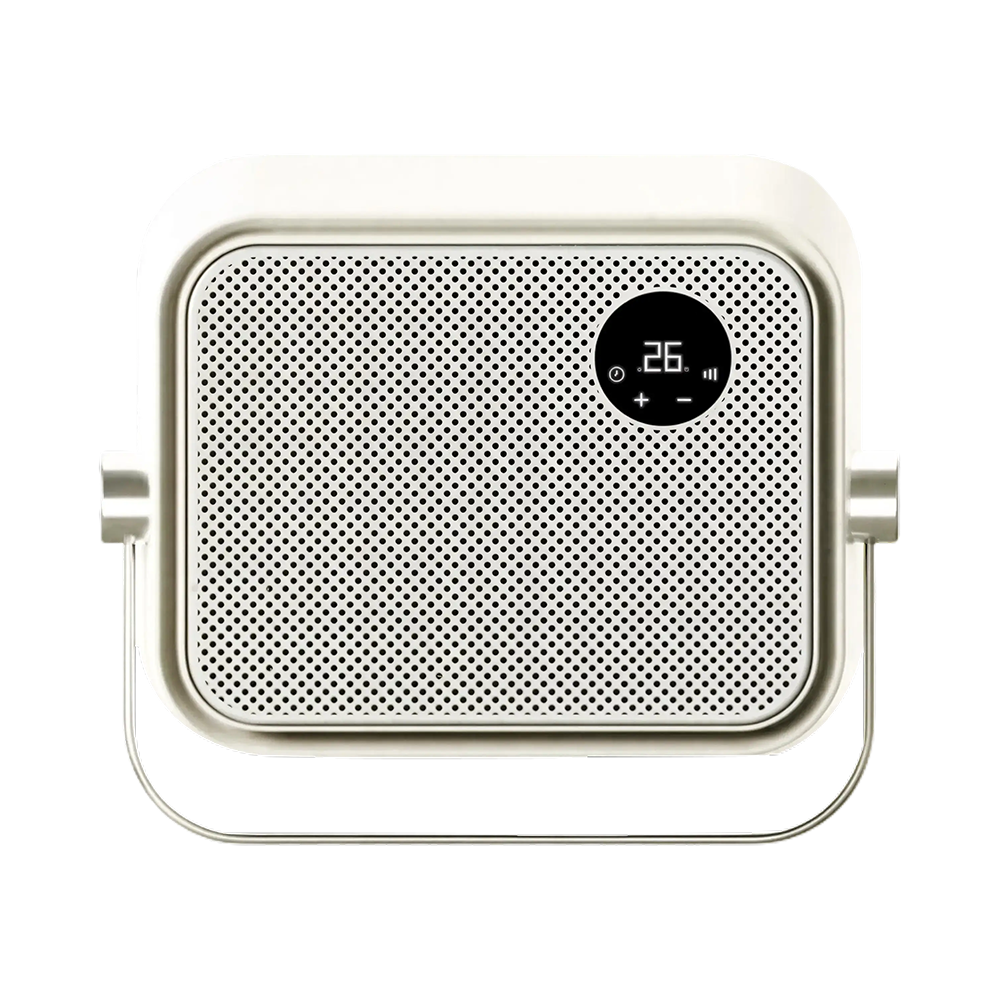 Wall-Mounted Heater with Graphene and Smart ControlsThis 2000W wall-mounted heater combines PTC and graphene heating with child lock and IPX1 protection, making it a safe, space-saving choice for bathrooms and living areas near children or pets.View Product →
Even with a wall-mounted unit, keep furniture, beds, and toys outside the recommended clearance zone. A fixed heater is safer, but it is not an excuse to ignore the clearance rules.
When you buy a new portable heater, the safety package matters more than the wattage or the aesthetic. Modern portable heaters, including many models in our full heater range, now ship with multiple layers of protection as standard. Look for at least these features:
A heater without these features is not necessarily dangerous, but a heater with them materially reduces the chance of an incident. When comparing prices, factor in the cost of a tip-over switch and overheat protection; in most cases they add only a few dollars to the retail price, and they can prevent a catastrophic loss.
Different heating technologies create different surface temperatures, airflow patterns, and failure modes. The general rules above apply to all of them, but these type-specific notes refine the guidance.
PTC ceramic heaters use a positive temperature coefficient element that self-limits its own heat output when airflow is blocked. That makes them one of the safest options for bedrooms and offices. Keep the front intake and rear exhaust grills clean, and do not place them flush against a wall, because the rear vent needs room to dissipate hot air. A 2,000W PTC ceramic heater such as this one is well suited to larger rooms and includes a mechanical or remote control for easy operation.
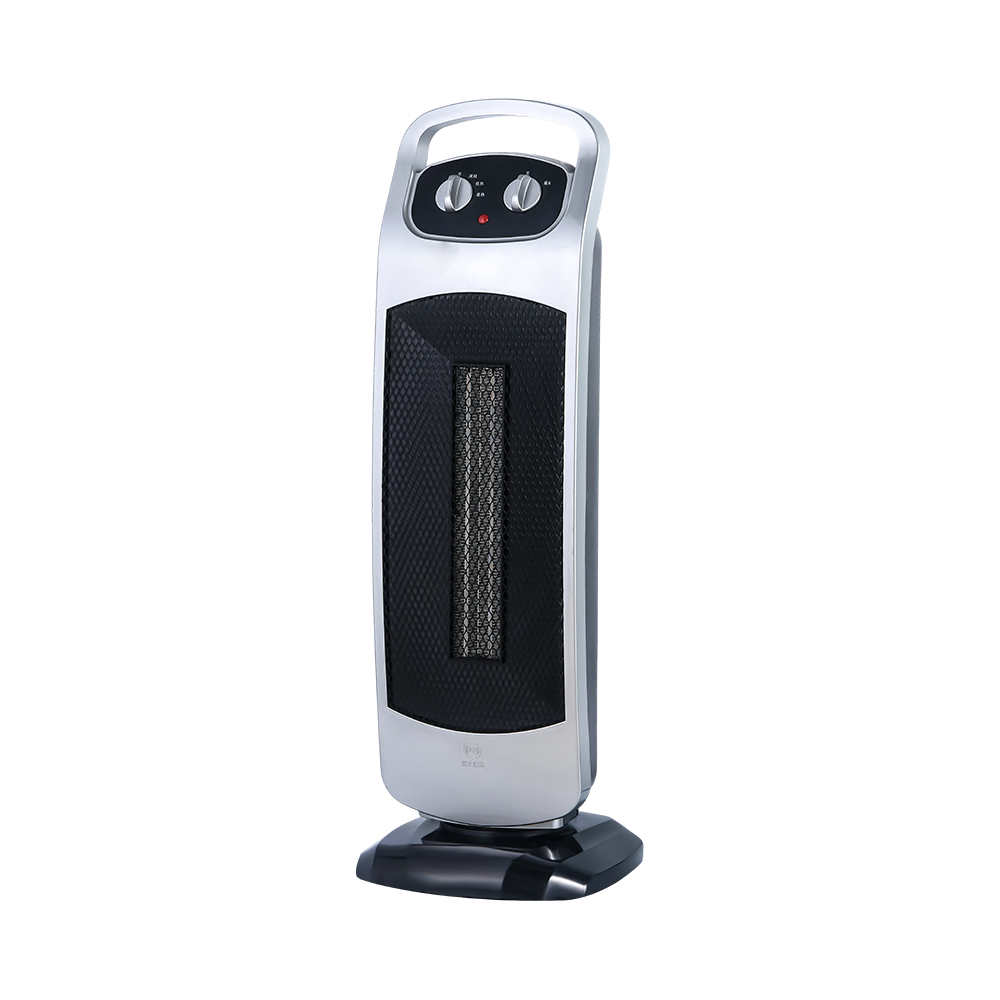 2000W PTC Ceramic Heater with OscillationFeaturing a self-limiting PTC element and auto tilt shut-off, this 2000W oscillating heater suits larger bedrooms and offices, offering even heat distribution and fewer overheating risks.View Product →
Graphene baseboard heaters use natural convection rather than a fan, so they are silent and do not blow dust. Because the body is long and low, the tip-over switch and stability of the base matter a great deal. Keep drapes and bedding at least 1 to 2 feet from the top vent, and never store items underneath the unit. A 2,200W graphene baseboard heater with a laundry rack is convenient in a mudroom or laundry area, but the rack should only hold dry, fully spun items and must be removed when the heater is unattended.
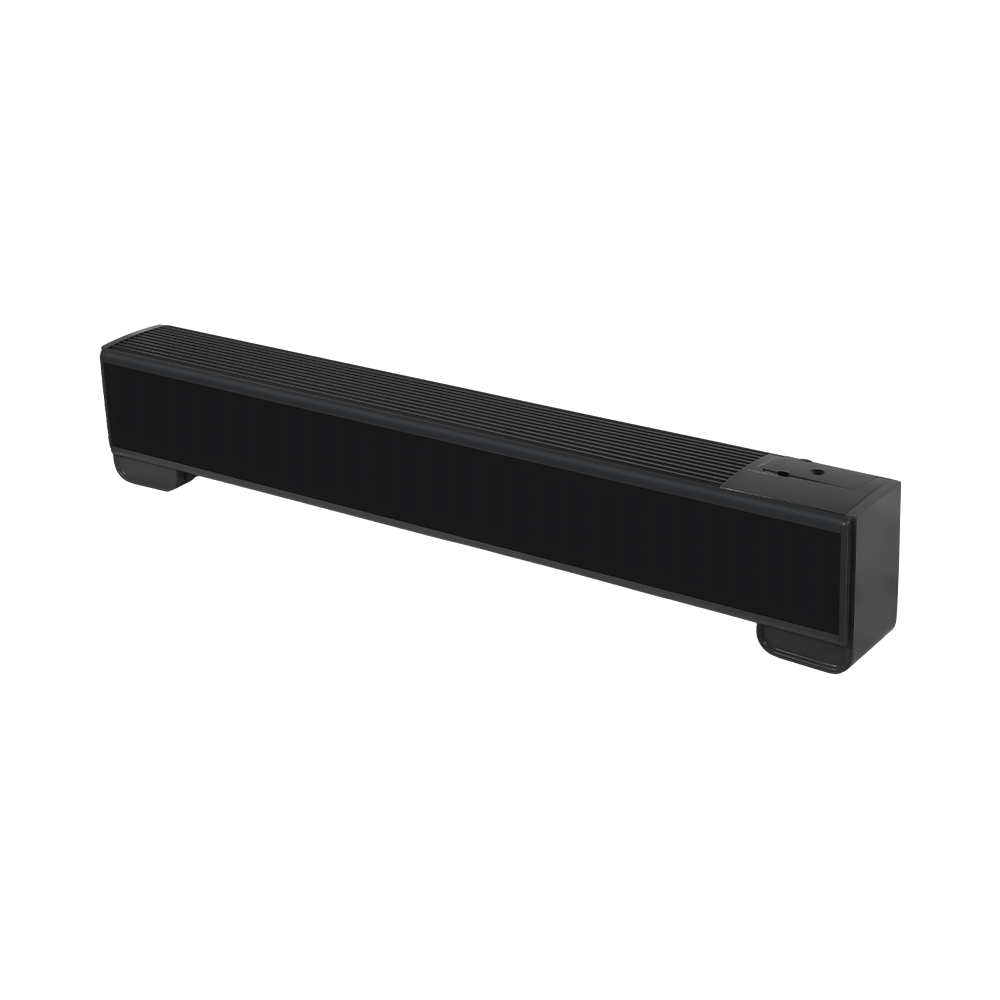 2200W Graphene Baseboard Heater with 3D FlameThis 2200W convection heater provides silent, fan-free warmth with adjustable thermostat, negative ions, and a 3D flame display, ideal for living rooms while keeping front surfaces cooler.View Product →
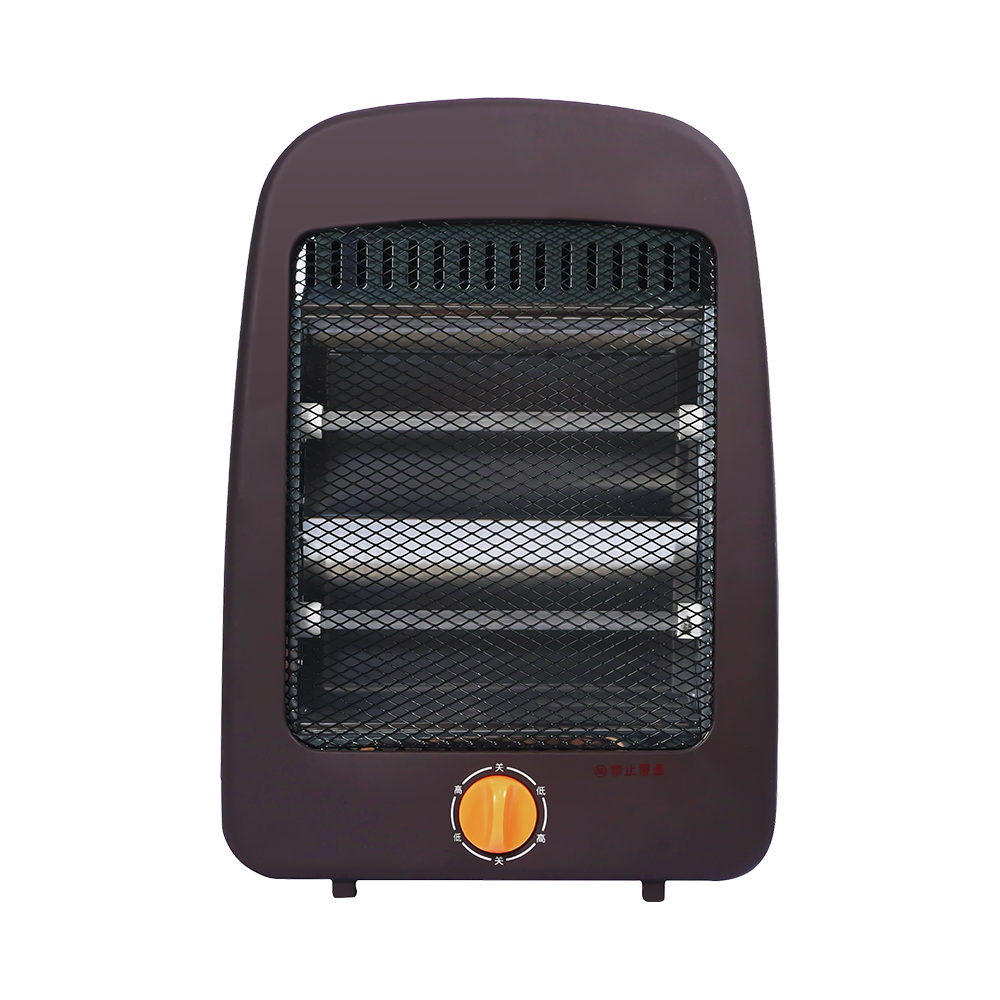
Radiant heaters produce intense directional infrared heat, which means the front surface gets very hot. They are best placed near a specific person or work area, not left in the center of a room. Because they have a higher surface temperature than convection heaters, the 3-foot clearance rule is more important here than with any other type. Keep them away from children's play areas and never leave one on overnight.
Fireplace-style heaters combine a visual flame effect with a heating element that may be either radiant or convection. The front glass can become warm to the touch, so maintain a safe distance when children are nearby. Place the unit on a stable, flat surface and confirm that the flame-effect mode does not automatically disable the overheat sensor when run without heat. These units look like a piece of furniture, but they still need the same 3-foot clearance as any other heater.
Compact heaters are easy to place on a desk, nightstand, or bathroom shelf, but that convenience brings extra risk. Always use a mini heater on a hard, stable surface, keep the cord clear of the heated area, and unplug it when you leave the desk. A falling stack of books or a shifting laptop can easily block the intake vent, so check the airflow once during any long work session.
If you are weighing an electric portable heater against a fuel-burning unit, the differences in efficiency, cost, and sizing are substantial. Our diesel heater guide covers those trade-offs in detail so you can match the right technology to the space you need to heat.
A portable heater that is maintained properly will last for years and run safely. The maintenance routine is simple, but it is also easy to skip:
The safest answer is no. If you need overnight heat, use a heater with a thermostat and overheat protection, set the target temperature around 18°C (64°F), and confirm that the unit has passed the tip-over test. Even then, keep the 3-foot clearance zone completely clear and close the bedroom door so a fire in another room is less likely to spread. Many fire departments specifically advise turning off all portable heating before sleep.
No. Extension cords and power strips are not rated for the continuous current draw of a 1,500-watt heater. The wire gauge inside most extension cords is too small, so the cord can overheat and melt before the circuit breaker trips. Always plug the heater directly into a wall outlet.
Most modern electric heaters are designed for extended use, but no heater should run unattended for hours at a time. Use the built-in thermostat so the unit cycles on and off rather than running at full power continuously. This reduces mechanical stress and lowers the risk of overheating in the wiring or the heating element.
PTC ceramic heaters have a self-limiting element that automatically reduces power when airflow is blocked, which makes them more forgiving in a dusty or crowded room. Radiant heaters produce more intense heat on the surface and can ignite nearby combustibles if the clearance rule is ignored. Both types are safe when used correctly, but PTC units are generally the better choice for bedrooms and rooms with children.
Shut it off immediately and unplug it. A small amount of dust burning off is normal the first time you switch the unit on after months of storage. However, a persistent or acrid smell, or a smell that appears after hours of running, can indicate overheated wiring or a failing component. Do not use the heater again until it has been inspected by a qualified person.
Let the heater cool completely, clean the vents, and coil the cord loosely so it is not bent at sharp angles. Store the unit upright in a dry place, away from dust and humidity. Before the next winter, inspect the cord, plug, housing, and vents again, then run the heater in a clear area for 10 minutes to confirm everything works.
Don't hesitate to contact when you need us!
For any questions and feedback from customers, we will reply patiently and meticulously.

The product has obtained multiple domestic and international certifications, including 3C, CE, ROHS, CB, and the ISO9001 quality management system.
CONTACT US
Address: No. 118, Guyao Highway, Zhangqi Town, Cixi City, Zhejiang Province, China
Wechat: +86-15921162693
Email: [email protected]
Mobile



 English
 Español
 عربى