
Aug 06, 2026
Content
A diesel heater is the better choice for anyone who needs strong, steady heat in a space that is not already wired for high electrical loads, such as a garage, workshop, RV, boat cabin, van conversion, or an off-grid cabin. A typical diesel air heater burns roughly 0.1 to 0.5 liters of fuel per hour to produce between 8,000 and 30,000 BTU, and it keeps working in temperatures where battery-powered or grid-dependent electric units struggle. If the space already has stable, low-cost electricity and the heating need is smaller, a modern electric heater can be the more efficient pick instead. The two technologies are not really competitors; they are matched to different power situations, and the sections below explain exactly where each one wins, with the numbers to back it up.
This guide walks through how diesel heaters work, how their running cost and output compare with the most efficient electric heater for home options on the market, what the different diesel heater types are built for, and how to size, install, and maintain one without wasting fuel or risking a breakdown in cold weather.
A diesel air heater, sometimes called a parking heater or night heater, does not burn diesel in an open flame the way a campfire burns wood. Fuel is metered into a small combustion chamber by a fuel pump, mixed with air drawn in by an intake fan, and ignited by a glow plug. Once combustion is stable, the glow plug switches off and the flame sustains itself, similar to how a car engine only needs a spark for a moment before compression keeps it running.
Diesel heaters split into two families based on how they move heat into the living space:
Diesel fuel carries roughly 10.9 kWh of energy per liter, which is a denser store of energy than gasoline or propane by volume. Combined with a combustion efficiency that typically lands between 80 and 90 percent in a well-tuned unit, this is why a diesel heater can heat a poorly insulated van or workshop on a fraction of a liter per hour, while an equivalent electric resistance heater would draw a load that most portable generators or thin gauge wiring cannot sustain for long.
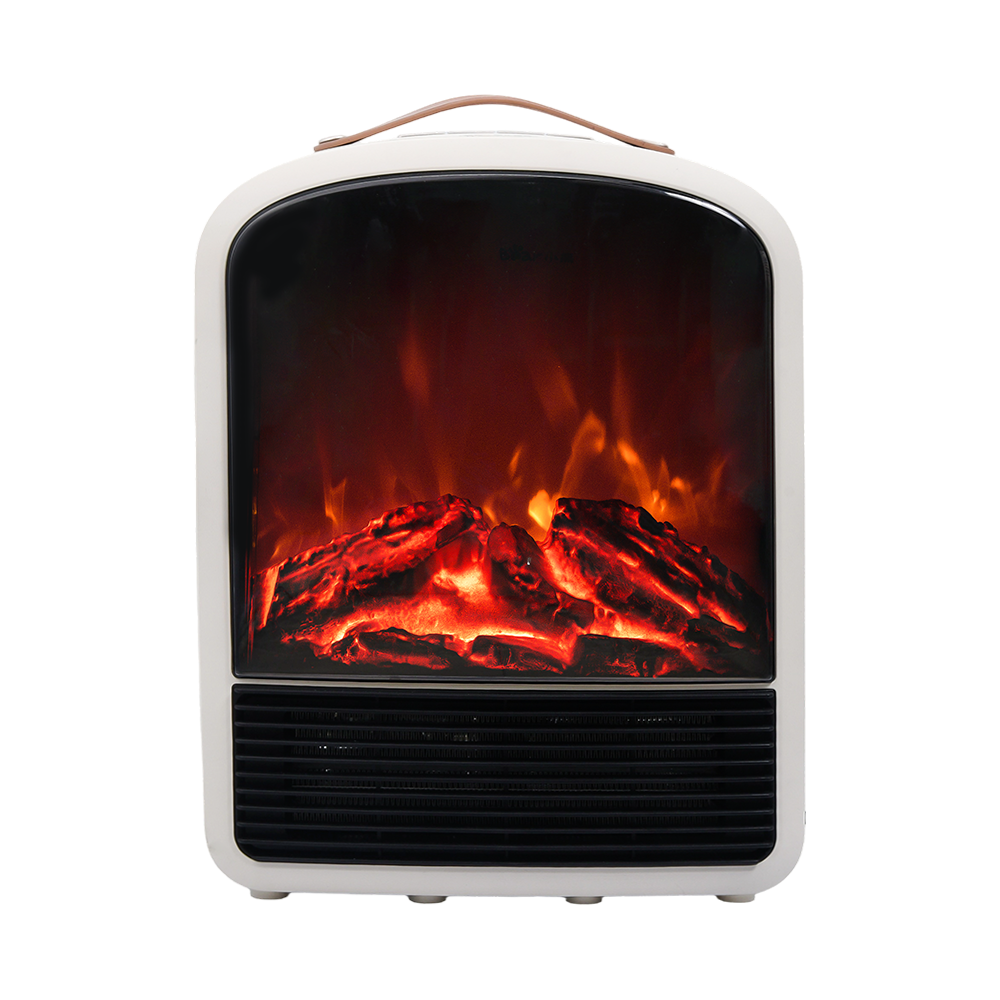
Not every diesel heater is designed for the same job. Matching the type to the application avoids both wasted fuel and premature failure.
Mounted under a vehicle or inside a van, these draw fuel from the vehicle tank or a small separate tank and duct warm air directly into the cabin. They are the standard choice for trucks, vans, and small cabins because installation does not require touching the engine cooling system.
Tied into the engine coolant loop, these warm the engine block along with the cabin, which shortens cold-weather startup time and reduces engine wear. Boats and larger commercial vehicles use this type most often.
Freestanding units used in workshops, construction sites, and warehouses. These skip vehicle mounting entirely and run from an internal or external fuel tank, making them the closest diesel equivalent to a plug-in electric space heater.
Built with corrosion-resistant housings and sealed wiring for salt air exposure, these are rated for the humidity and vibration conditions found on boats, and they typically include additional condensation drainage.
The right comparison depends on what "efficient" means for the specific situation: fuel cost per hour, upfront equipment cost, or how much heat reaches the room per unit of energy spent. Electric resistance heaters convert close to 100 percent of electrical input into heat, which sounds unbeatable, but the cost of that electricity and the amount of power a home circuit can safely supply are the real limiting factors. Heat pump style electric heaters raise that further, often delivering 200 to 300 percent efficiency measured as heat output versus electricity consumed, because they move heat rather than generate it directly.
| Heating Type | Typical Efficiency | Best Suited For | Power Source Needed |
|---|---|---|---|
| Diesel Air Heater | 80 to 90 percent | Off-grid, vehicles, workshops | Diesel fuel plus small 12V or 24V draw |
| Electric Resistance Heater | Close to 100 percent | Single rooms with grid power | Standard household circuit |
| Electric Heat Pump Heater | 200 to 300 percent | Whole-home heating in mild to moderate climates | 240V circuit, outdoor unit |
For a single insulated room on an existing electrical circuit, a heat pump style unit is usually the most efficient electric heater for home use because it moves several units of heat for every unit of electricity it consumes. For a space with no grid power at all, or one where running a heavy electric load is not possible, a diesel heater remains the more practical and often cheaper option per hour of runtime.
Fuel burn rate scales with the heat setting, not just the heater's rated maximum. Most diesel air heaters used in vans and small cabins are sold in two common frame sizes, and both can be run at partial output to stretch fuel further overnight.
| Heater Size | Heat Output | Fuel Use at Low Setting | Fuel Use at High Setting |
|---|---|---|---|
| 2kW class | About 7,000 BTU | 0.06 L/hr | 0.24 L/hr |
| 5kW class | About 17,000 BTU | 0.10 L/hr | 0.48 L/hr |
| 8kW class | About 27,000 BTU | 0.13 L/hr | 0.72 L/hr |
A common mistake is buying a heater sized for the worst possible night of the year and then running it at full output constantly, which burns fuel far faster than necessary. A heater that spends most of its time at the low or mid setting, cycling to high only during initial warm-up, will consistently outlast the fuel budget of one running flat out around the clock.
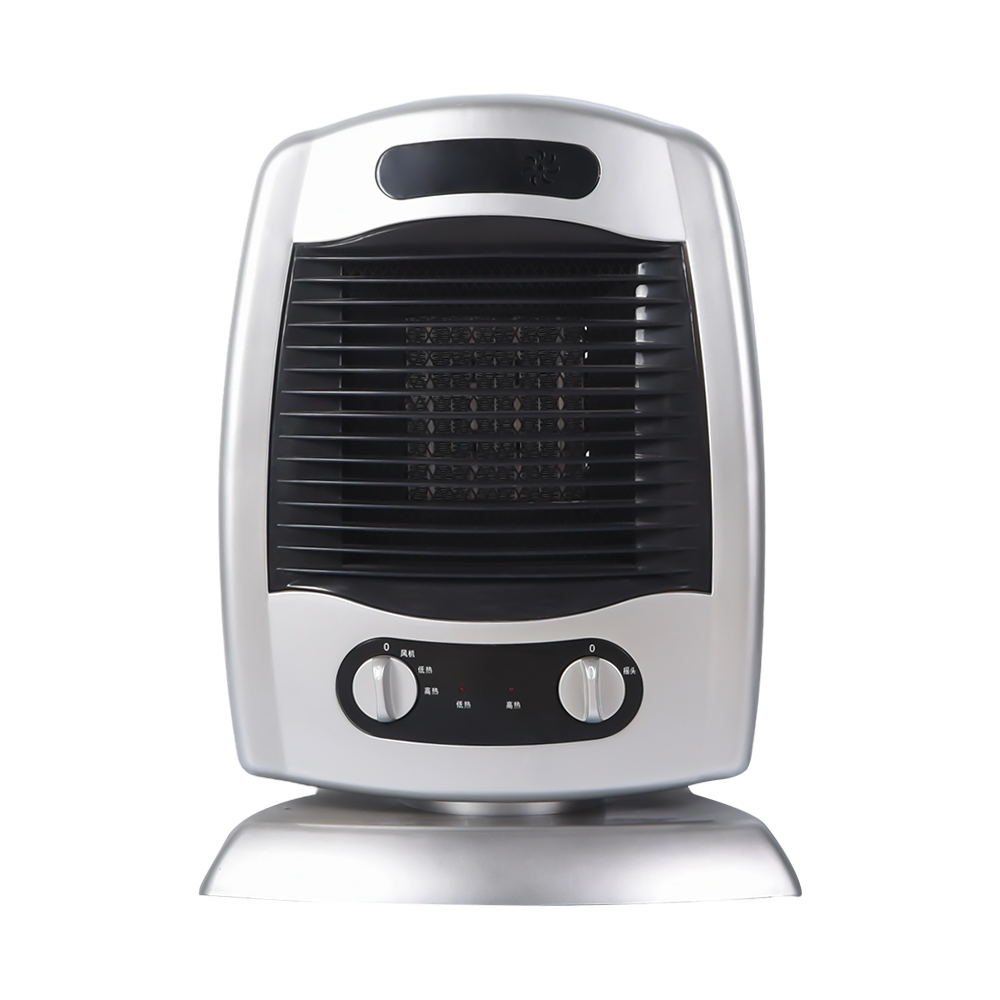
The applications below share one thing in common: limited or no access to a stable electrical grid, or an existing diesel fuel supply that makes a second fuel type unnecessary.
The exhaust line should run with a downward slope wherever possible to let condensation drain instead of pooling in the muffler. Intake air should be pulled from outside the living space whenever the unit design allows it, since drawing combustion air from inside a sealed cabin can create pressure imbalance and pull cold air in through gaps elsewhere.
Running the fuel line close to a heat source, or insulating it, prevents diesel from gelling in cold climates, which is one of the most common causes of hard starting below freezing. A fuel filter placed before the pump also catches the sediment that causes premature pump wear.
Most diesel heaters need their combustion settings adjusted for altitudes above roughly 1,500 meters, since thinner air changes the fuel-to-air ratio needed for clean combustion. Many modern controllers do this automatically, but older or manual units may need a technician to reset the fuel pump pulse rate.
| Task | Interval | Effect if Skipped |
|---|---|---|
| Clean combustion chamber | Every 150 to 300 hours of use | Soot buildup lowers heat transfer and raises fuel use |
| Replace fuel filter | Once per season | Restricted fuel flow causes uneven combustion |
| Inspect glow plug | Annually | Weak ignition leads to repeated failed startups |
| Check intake and exhaust seals | Every 6 months | Air leaks disrupt combustion ratio and trigger error codes |
Running a heater on its highest setting for a few minutes once a week, even during mild weather, helps burn off light carbon deposits before they build into a coating that forces the unit to work harder for the same output.
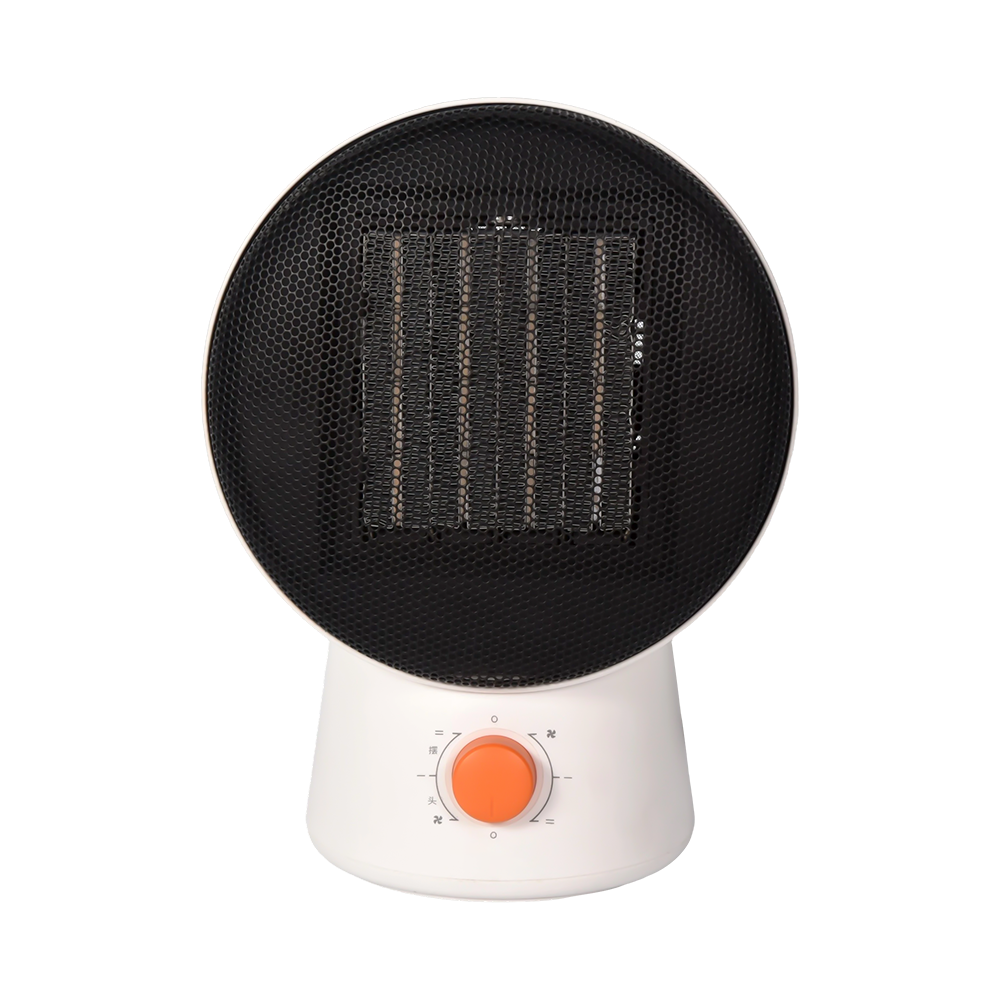
To compare running cost fairly, the numbers need to be converted to a common unit: cost per kilowatt-hour of heat delivered to the room. Using an average diesel price and an average electricity rate, a small diesel air heater running at a moderate setting typically lands in a similar or lower cost bracket than a plug-in resistance heater, while a heat pump style electric heater usually beats both on cost per kWh delivered, provided the outdoor temperature stays within the range where the heat pump operates efficiently.
In very cold climates where a heat pump's efficiency drops the most, a diesel heater or a resistance electric heater often becomes the more dependable and sometimes cheaper option, which is why many off-grid and cold-region setups still choose diesel over an all-electric system.
Sizing a diesel heater comes down to matching BTU output to the insulated volume of the space and the coldest realistic outdoor temperature it needs to handle.
A widely used starting point is roughly 20 to 30 BTU per square foot for a reasonably insulated space at moderate winter temperatures, increasing toward the higher end for poorly insulated metal structures like uninsulated garages or steel-sided workshops. A well-insulated 100 square foot van interior often only needs a 2kW class unit, while a 400 square foot uninsulated garage in a cold climate may call for an 8kW class unit or larger.
Oversizing is more common than undersizing, and it causes the heater to short-cycle, switching on and off rapidly instead of running steadily at a low setting. Short-cycling increases wear on the glow plug and fuel pump and generally shortens the unit's service life. Undersizing shows up as a heater that never reaches the desired temperature and runs on high output constantly, which burns fuel at the least efficient rate for the longest amount of time.
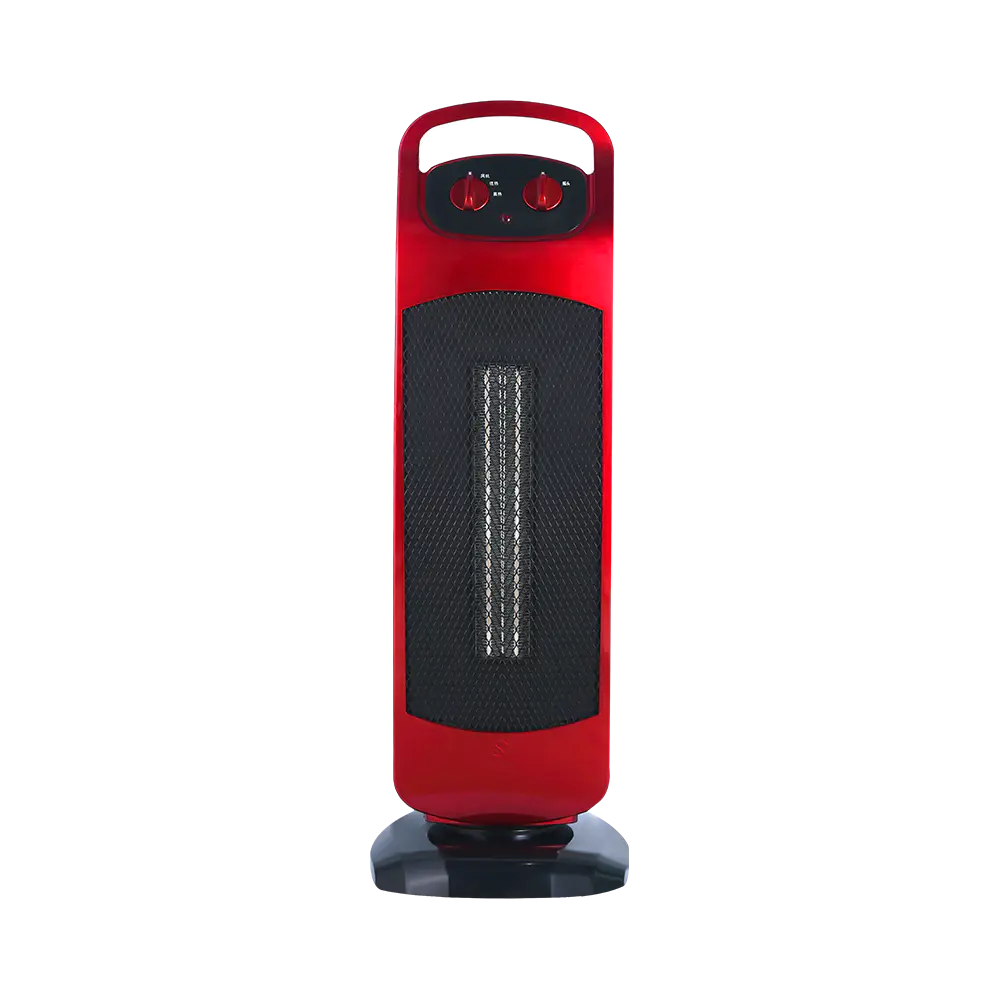
Combustion heaters produce exhaust gases that must be vented outside the occupied space, and a properly sealed exhaust system is the single most important safety element of any installation.
In most cases a diesel heater costs less per hour to run than a plug-in resistance electric heater, largely because diesel carries more usable energy per unit of fuel. Against a heat pump style electric heater in mild weather, the electric option is often cheaper, but that advantage narrows in very cold climates.
Yes, diesel heaters are designed for continuous overnight operation and most include automatic shutdown safeguards for low fuel, overheating, or ignition failure. A working carbon monoxide detector in the space is still a necessary safety layer regardless of the built-in safeguards.
Diesel heaters are generally more reliable than electric options in very cold conditions because they do not depend on grid capacity or battery output for their primary heat, though the fuel itself can gel in extreme cold unless a winter-blend diesel or fuel additive is used.
A diesel heater's fan and combustion process produce more noise than a silent electric resistance heater, though the sound is usually a low, steady hum rather than a disruptive noise, and most units quiet down once past the initial startup phase.
For a single room on an existing circuit, a heat pump style electric heater or a well-insulated space heater with a thermostat typically delivers the best efficiency, since it avoids heating unused areas and, in the case of a heat pump, moves more heat than the electricity it consumes.
Yes, a small amount. Diesel heaters use a low-voltage electrical system, typically 12V or 24V, to power the glow plug, fuel pump, and fan, but this draw is far smaller than what a resistance electric heater needs, which is why diesel heaters pair well with small battery banks.
With regular maintenance, a quality diesel air heater commonly lasts several years and multiple thousand hours of run time before major components like the combustion chamber or fuel pump need replacement.
Don't hesitate to contact when you need us!
For any questions and feedback from customers, we will reply patiently and meticulously.

The product has obtained multiple domestic and international certifications, including 3C, CE, ROHS, CB, and the ISO9001 quality management system.
CONTACT US
Address: No. 118, Guyao Highway, Zhangqi Town, Cixi City, Zhejiang Province, China
Wechat: +86-15921162693
Email: [email protected]
Mobile



 English
 Español
 عربى
عربى