
Aug 31, 2026
Content
One February night, the temperature outside a 6x8 ft backyard greenhouse dropped to 23°F (-5°C). Inside, an old fan heater without a working thermostat ran flat for nine hours, pushed the air near the ridge to 86°F, and still left the seedling trays cold because the warmth never reached the bench. By morning, the pepper transplants had wilted beyond recovery. That heater had plenty of output; it had almost no temperature control.
For nearly every home and semi-professional greenhouse, the most practical first purchase is an electric greenhouse heater with a built-in thermostat. The thermostat turns raw output into plant protection: it switches the heater off when solar gain pushes the air to target, then back on before temperatures fall to a damaging level. That single function prevents overheating and underheating at the same time, and it can cut electricity use by half on sunny winter days.
The damage thresholds are clear enough to set the thermostat by crop: frost forms at 32°F (0°C), ice crystals kill tender annuals in the high 20s, and warm-season crops like peppers, tomatoes, and basil stop growing below roughly 50°F (10°C), with visible leaf damage after prolonged exposure. Germination is a different game. Most common vegetable seeds want a soil zone between 65°F and 75°F (18-24°C), a range widely cited in university extension growing guides. No single heater covers all three situations well, but a thermostat lets you reset for each stage of the season in seconds.
A thermostat is only as useful as the heater it controls. If the unit is undersized, the thermostat calls for heat that never arrives, and the greenhouse sits below the set point all night. If the unit is oversized, it hits the set point in a few minutes, switches off, and short-cycles, which wears out relays and creates temperature swings at bench level. Sizing first, then thermostat, is the correct order.
The simple floor-area rule for insulated twin-wall polycarbonate or double-film greenhouses is 10-15 watts per square foot for a 20-30°F rise, and 15-25 watts per square foot for a 40-50°F rise. Single-layer film or single-pane glass loses 50-70 percent more heat, so those numbers go up by roughly half. To convert output to familiar heating terms, remember that 1 watt equals 3.41 BTU per hour; a 1,500 W heater produces about 5,115 BTU/h.
A slightly more accurate way to size is with a volume-based formula: watts needed = greenhouse floor area (sq ft) x temperature rise (°F) x 0.7 for double-wall glazing. Add a 20-25 percent safety margin for windy nights and long cold snaps. For an 8x10 greenhouse with a 30°F rise: 80 x 30 x 0.7 = 1,680 W, and with the margin you land near 2,000 W. That matches the floor-area rule in practice and removes a lot of guesswork.
| Floor area | Typical volume | Wattage for 20-30°F rise | Equivalent BTU/h | Wattage for 40-50°F rise |
|---|---|---|---|---|
| 6x8 ft (48 sq ft) | 290 cubic ft | 500-700 W | 1,700-2,400 | 950-1,400 W |
| 8x10 ft (80 sq ft) | 480 cubic ft | 950-1,400 W | 3,200-4,800 | 1,600-2,400 W |
| 10x12 ft (120 sq ft) | 720 cubic ft | 1,400-2,100 W | 4,800-7,200 | 2,400-3,600 W |
| 12x16 ft (192 sq ft) | 1,150 cubic ft | 2,200-3,300 W | 7,500-11,200 | 3,900-5,800 W |
One electrical limit dominates every buying decision: a standard U.S. residential circuit is 120 V at 15 A, which caps a continuous heater at about 1,500 W. If your sizing calculation goes higher, you need a 240 V unit on a dedicated circuit or two independent heaters plugged into separate circuits. This is the single most common error in greenhouse setups. People choose a 2,000-plus watt model, discover the outlet cannot feed it, and fall back on a long extension cord that trips the breaker on the coldest night of the year.
The thermostat itself deserves as much attention as the heating element, because it determines how many degrees your plants actually experience. Three control families dominate the market: mechanical, digital, and smart. Each changes the buying decision in a different way.
| Control type | Typical accuracy | Best greenhouse job | Main trade-off |
|---|---|---|---|
| Mechanical dial | +/- 3 to 5°F | Frost protection of dormant plants | Wide swing, but durable and cheap |
| Digital panel | +/- 1 to 2°F | Seed germination, tropicals, cuttings | Small cost premium over mechanical |
| Smart / Wi-Fi | +/- 1°F plus remote alerts | Greenhouse located away from the house | Depends on reliable Wi-Fi signal |
For a mixed winter greenhouse where you start seeds in February and protect citrus in December, a digital thermostat is the better value because young plants cannot tolerate a 5°F swing during germination. For a simple overwintering space that only needs to stay above freezing, a mechanical unit is enough and leaves one less circuit board to fail in a humid environment.
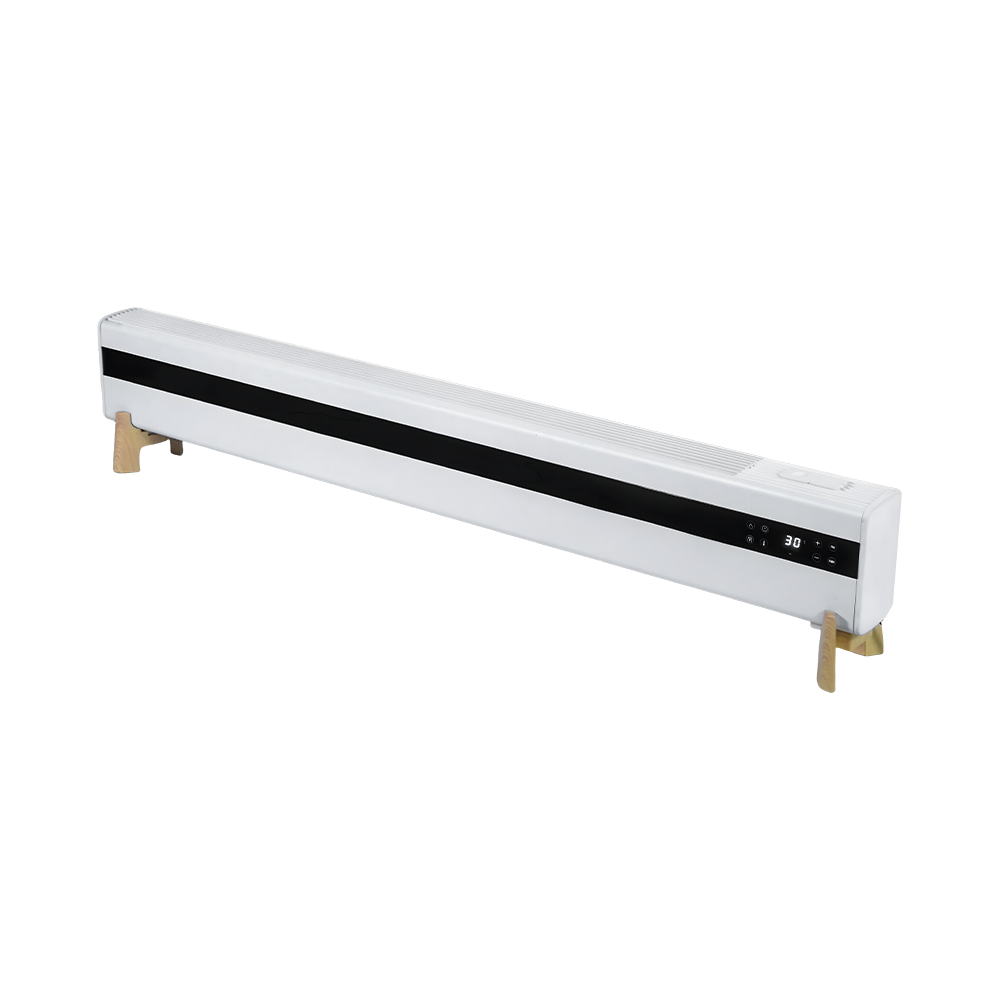
Mechanical controls still have a real place. A good example is the 2200 W mechanical baseboard heater with thermostat dial, which runs without a display and holds a set temperature well enough for overwintering. Its low baseboard form places heat exactly where the coldest air gathers, and the absence of electronics makes it one of the more forgiving options for dusty, humid greenhouse conditions.
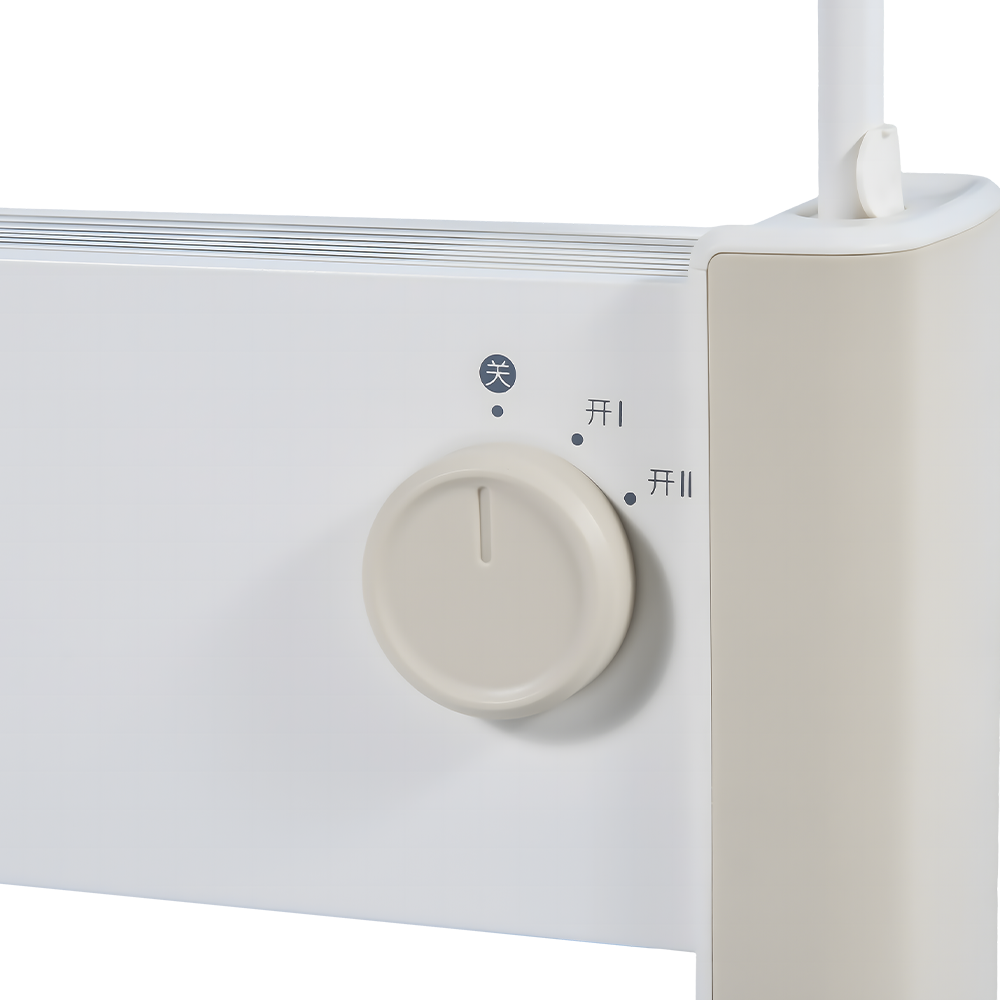 Wholesale 2200W Mechanical Baseboard Heater Manufacturers, OEM/ODM Factory - NinNingbo Baopeng Electric Appliance Co., Ltd is China 2200W Mechanical Baseboard Heater manufacturers and OEM/ODM factory, We specialize in...View Product →
The heating element changes how evenly the greenhouse warms, how much air movement the plants feel, and how comfortable the unit is to run unattended. Three technologies cover nearly all greenhouse needs.
PTC (positive temperature coefficient) ceramic elements are the most common choice in thermostat-equipped greenhouse heaters because they are self-limiting. As the element temperature rises, electrical resistance rises with it, so the element physically cannot overheat even if the fan intake is blocked. Air passes over the ceramic core, warms quickly, and circulates through the greenhouse. A 2,000 W unit like the 2000 W PTC ceramic heater sized for an 8-10 ft greenhouse will stabilize the air within minutes, and the fan keeps the thermostat sensor reading the room average instead of a hot spot next to the element.
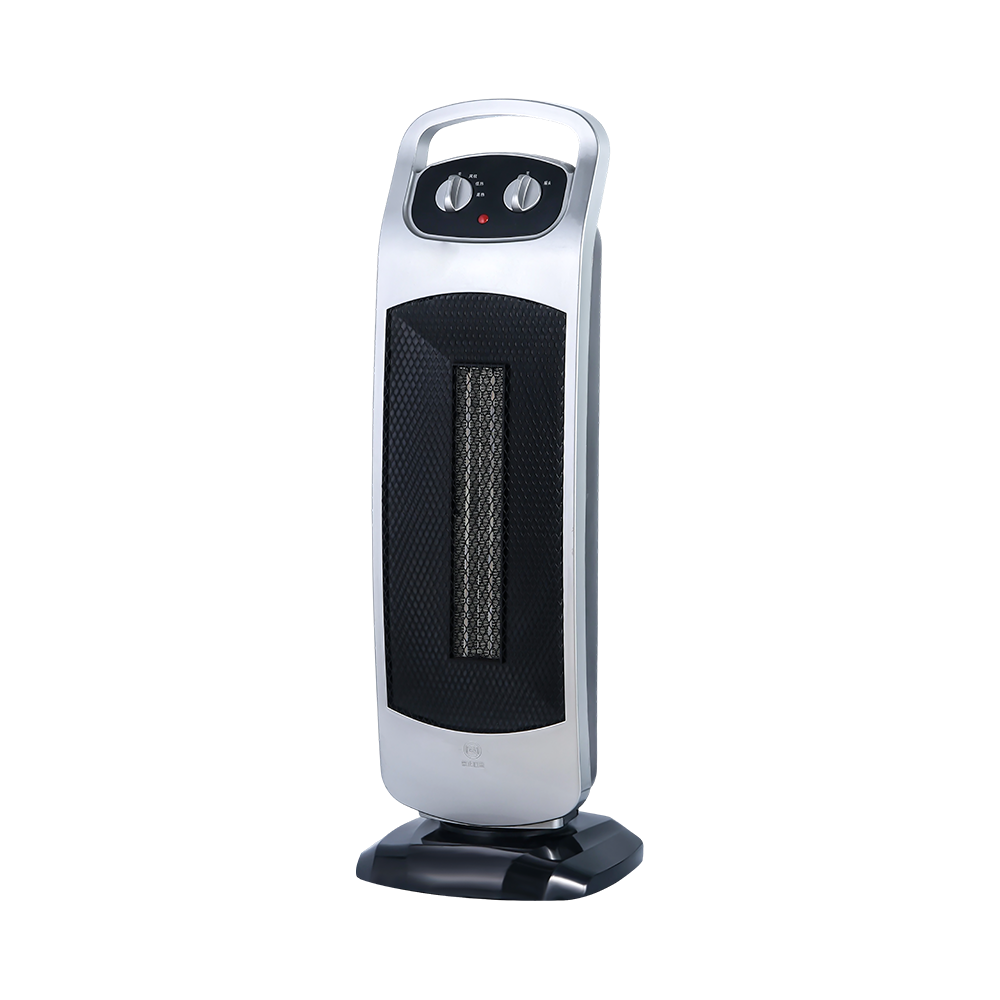 Wholesale 2000W PTC Ceramic Heater Manufacturers, OEM/ODM Factory - Ningbo BaopeNingbo Baopeng Electric Appliance Co., Ltd is China 2000W PTC Ceramic Heater manufacturers and OEM/ODM factory, We specialize in custom a...View Product →
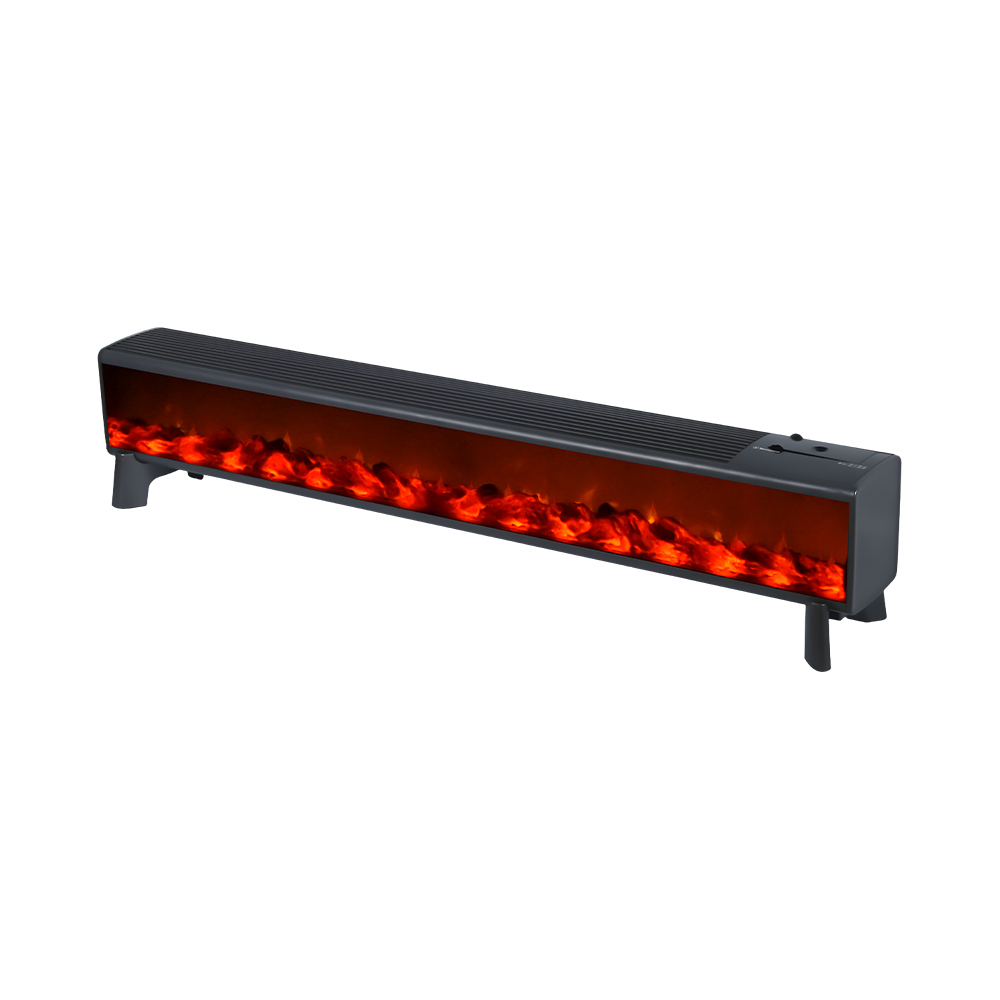
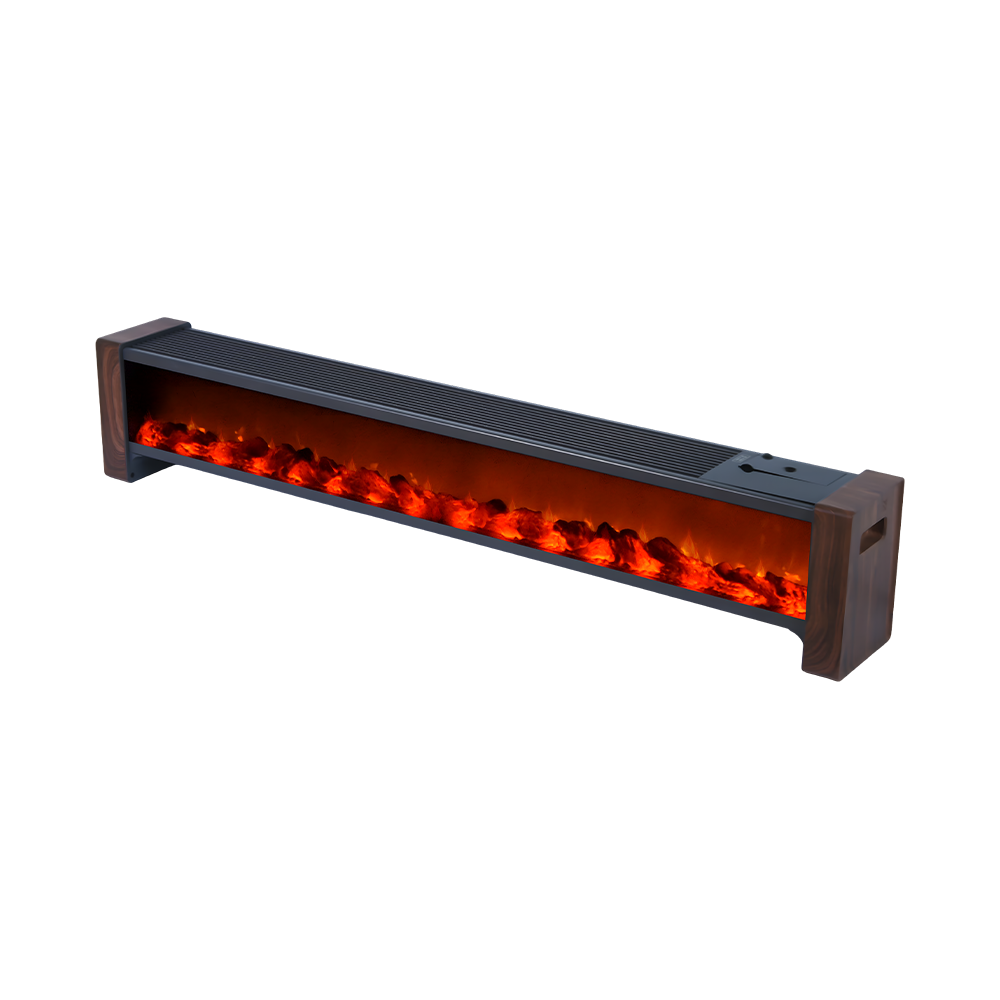
Graphene baseboard heaters have a different profile. They emit low-intensity radiant and convection heat along a long, low body, which suits greenhouse benches where air must not be blown directly onto leaves. A 2,200 W graphene baseboard heater gently warms roughly 100-150 sq ft of floor space, and because it has no noisy fan, it can run as a night heater without disturbing a nearby shed wall or close neighbors. The trade-off is slower warm-up compared with a fan-forced unit.
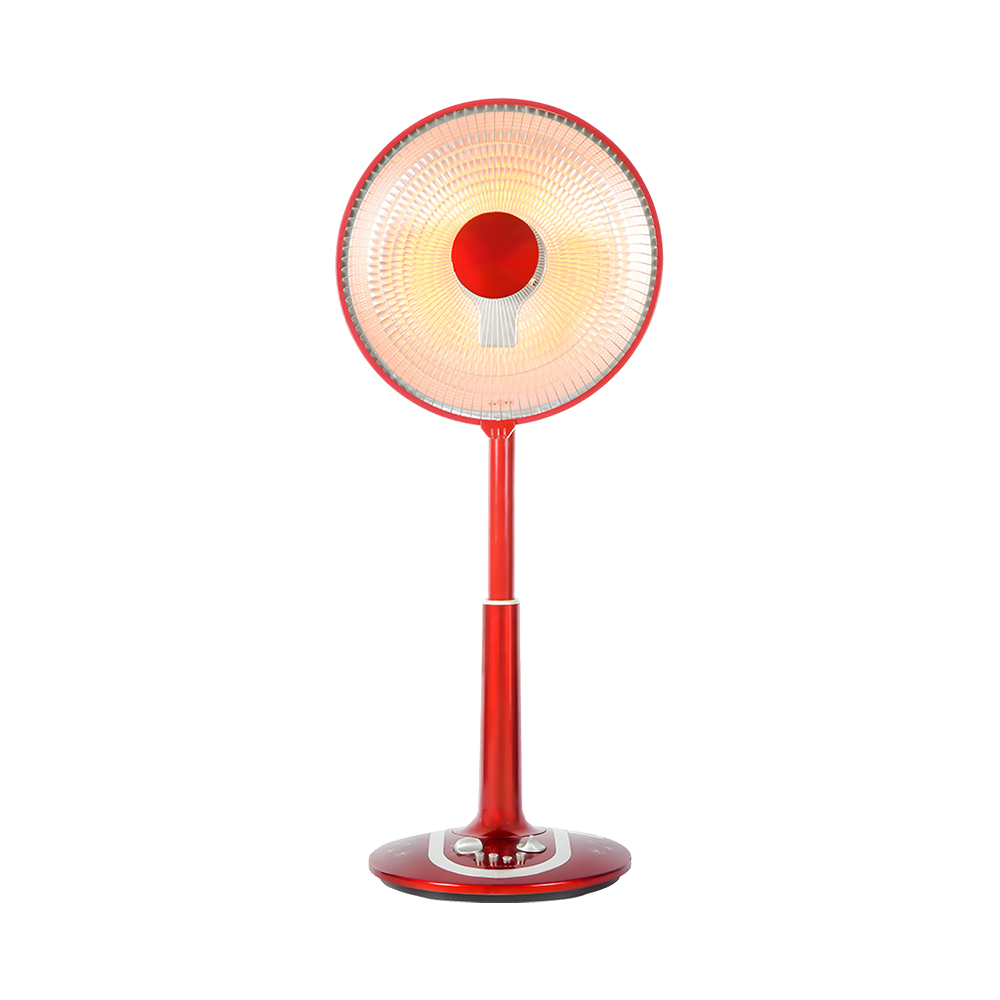
Infrared and carbon-tube heaters radiate heat directly to plants and soil. That makes them efficient for spot-warming a propagation bench or keeping a single citrus tree alive, but they do not raise overall air temperature evenly. In a greenhouse, they work best under benches or as targeted frost protection, not as the only winter heat source, because the air at the far end of the greenhouse stays cold.
| Technology | Warm-up | Air movement | Best greenhouse role |
|---|---|---|---|
| PTC ceramic fan | 2-5 minutes | Moderate, even | Whole greenhouse air warming |
| Graphene baseboard | Slow and steady | Very low | Bench zones, silent nights |
| Infrared / carbon-tube | Rapid spot heat | None | Propagation benches, targeted frost |
Mounting position changes what the thermostat actually senses. A sensor reads local temperature, so a heater mounted high near the ridge can keep the roof air at 50°F while benches sit at 38°F. Placement is part of temperature control, not an afterthought.
Cold air settles at floor level, so a low-mounted unit responds to the coldest zone first. Baseboard heaters and floor-standing fan heaters both work this way. Keep the front air intake at least 12 inches off the floor if pots and soil are present, and angle the heat output toward the center aisle rather than directly at plants.
Wall mounting saves valuable bench space and keeps the heater out of watering splash. A wall-mounted PTC fan heater fitted 5-6 ft off the floor with the louvres aimed across the aisle lets the thermostat sense mixed air rather than a cold pocket at ground level. Avoid pointing the airflow straight at plastic film or tender foliage; a few degrees of angle prevents leaf scorch and film fatigue.
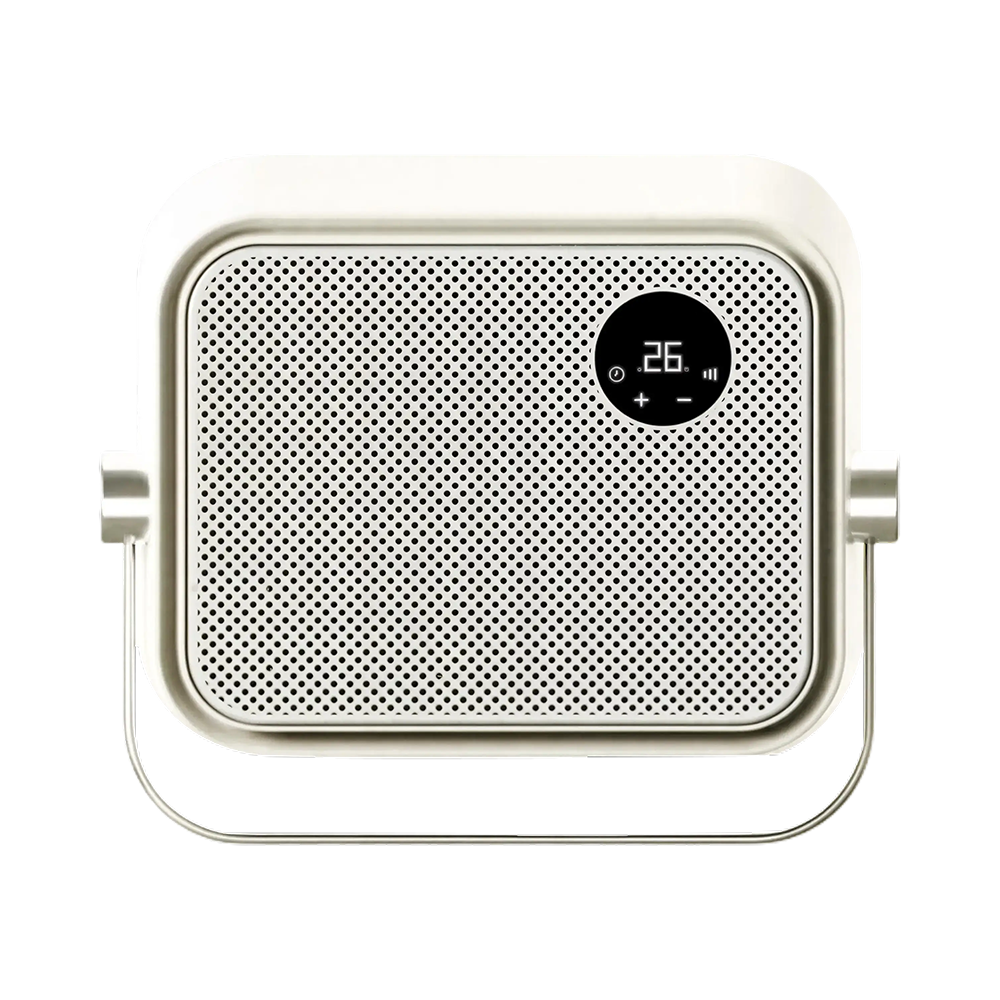 Wholesale Wall-Mounted Heater Manufacturers, OEM/ODM Factory - Ningbo Baopeng ElNingbo Baopeng Electric Appliance Co., Ltd is China Wall-Mounted Heater manufacturers and OEM/ODM factory, We specialize in custom and wh...View Product →
Ceiling-mounted or high wall placement works when paired with a small circulation fan running continuously. The thermostat needs to see a uniform air temperature to cycle correctly, so if you mount high, fit an oscillating or circulator fan to destratify the air. In a greenhouse with tall plants, keep a 2-3 ft clearance between any heater surface and foliage, and never place a heater where the air intake can be blocked by stacked trays.
Electric heat is the cleanest option for plant health and for thermostat accuracy. Electric units produce no combustion gases, add no humidity, and hold narrow temperature tolerances. The engineering trade-off is operating cost per BTU, which is why some growers look at fuel-based heaters.
Propane and paraffin (kerosene) heaters deliver more BTU per dollar in many regions, but they carry a serious plant risk. Burning these fuels releases carbon dioxide, and in incomplete combustion, carbon monoxide and trace ethylene. Ethylene is a plant hormone that causes flower drop, leaf curl, and distorted growth even at concentrations of a few parts per million. Unvented paraffin heaters also release water vapor, which keeps leaf surfaces wet and invites fungal disease in a closed greenhouse.
If fuel-based heat is the only option for an off-grid site, read the diesel heater efficiency and sizing guide before buying, because the sizing equations, venting requirements, and clearance distances are completely different from electric. For a greenhouse within reach of a mains power outlet, the recommendation is straightforward: choose electric. The thermostat holds the temperature, no combustion gas reaches the plants, and there is no tank to run dry on the coldest night.
Running cost follows a simple formula: monthly cost = watts x full-power hours per day x 30 x electricity rate / 1,000. The key is full-power hours, not calendar hours. A thermostat-controlled unit may sit idle for 12 hours on a sunny day and run heavily after sundown, so the monthly bill tracks the average duty cycle, not the wattage sticker.
A 1,500 W heater running 8 hours a day uses 12 kWh daily, or 360 kWh per month. At a U.S. residential average near $0.18/kWh, that is about $65 per month. Doubling the run time roughly doubles the cost, which is why insulation and a lower night set point matter more than any single heater purchase.
| Heater power | 8 h/day at $0.15/kWh | 8 h/day at $0.20/kWh | 12 h/day at $0.15/kWh | 12 h/day at $0.20/kWh |
|---|---|---|---|---|
| 800 W | $29 | $38 | $43 | $58 |
| 1,200 W | $43 | $58 | $65 | $86 |
| 1,500 W | $54 | $72 | $81 | $108 |
| 2,200 W | $79 | $106 | $119 | $158 |
Two operating habits cut these numbers noticeably. Lower the thermostat set point at night; as a practical estimate, every 5°F reduction trims consumption by roughly 8-12 percent. And add a second inner layer of film over the glazing; greenhouse suppliers typically quote a 30-40 percent reduction in heat loss from a simple inflated air gap. Both measures work with a thermostat heater without changing its performance.
A greenhouse is a harder environment for a heater than a living room: high humidity, dust, pollen, wet floors, and plastic film everywhere. The checklist below separates a sensible unit from a risky one.
That last point is worth expanding. Buying from a manufacturer whose engineering team has built electric heating and cooling products for more than two decades, like the manufacturer's engineering team behind Baopeng's appliance range, gives you a much better chance of finding a replacement thermostat or a matched heating element five years from now than a no-name import with no parts network.
Work through these steps in order, and you will land on a model that fits both your greenhouse and your circuit.
Before committing to a specific unit, download the official heater catalog PDF and cross-check the wattage, dimensions, thermostat range, and mounting options against your measurements. The printed specification sheet is often the fastest way to rule out a mismatch between your circuit and the heater's rating.
For frost protection of dormant plants, set 38-40°F (3-4°C). For warm-season crops and tropicals, set 50-55°F (10-13°C). For germination flats, keep the soil zone at 65-75°F (18-24°C) using a heat mat under the trays and set the air thermostat slightly lower, around 55-60°F, to save energy. These thresholds follow university extension frost and germination tables.
With double-wall glazing, expect roughly 950-1,400 W for a 20-30°F rise, and 1,600-2,400 W for a 40-50°F rise. At 120 V you are limited to about 1,500 W on a standard 15 A circuit, so colder zones will need a 240 V unit or two separate heaters on different circuits.
Not recommended. Ordinary household space heaters are built for dry indoor air, their sensors may sit too close to the heating element, and many cannot be set below 50°F, which is too high for frost-only protection of dormant plants. Use a unit with a moisture-resistant housing and a thermostat range that reaches down to 35-40°F.
Built-in is simpler, cheaper, and perfectly adequate for floor-level and baseboard heaters, where the sensor sits in the same cold air as the plants. An external probe thermostat becomes useful for wall-mounted or high-mounted fan heaters, because you can place the sensor at bench level and get a true reading of the plant zone.
A 1,500 W heater running at full power for 8 hours uses 12 kWh per day, or about 360 kWh per month. At the U.S. residential average near $0.18/kWh, that is roughly $65 per month. The thermostat reduces this on sunny days, when full-power hours can drop by half.
A 500-800 W PTC ceramic fan heater with a digital thermostat is the best balance of warm-up speed, coverage, and price for a small volume of around 290 cubic feet. If noise concerns you, a low-power baseboard unit in the 800-1,000 W range gives silent, even heat, though it takes longer to raise the temperature.
Don't hesitate to contact when you need us!
For any questions and feedback from customers, we will reply patiently and meticulously.

The product has obtained multiple domestic and international certifications, including 3C, CE, ROHS, CB, and the ISO9001 quality management system.
CONTACT US
Address: No. 118, Guyao Highway, Zhangqi Town, Cixi City, Zhejiang Province, China
Wechat: +86-15921162693
Email: [email protected]
Mobile



 English
 Español
 عربى
عربى