
Aug 24, 2026
Content
Most heater noises are harmless and fix in under an hour. Only a small group of sounds means you should stop using the heater. As a manufacturer that runs every electric heater through a noise check before it leaves the factory, we can tell you that a noisy heater almost never means the room will not warm up. It means one of five things: dust, a loose screw, an unbalanced fan blade, metal expanding from heat, or a component that is wearing out.
Try this 30-second diagnostic before anything else. Put your hand on the casing. If the sound feels like vibration, it is mechanical. If it changes with fan speed, it is the fan. If it happens only in the first two minutes, it is thermal expansion. Then match the sound to the table below.
| Sound You Hear | Most Likely Cause | First Step |
|---|---|---|
| Humming or buzzing | Relay coil, transformer, or motor vibration | Check for a burning smell; tighten and listen again |
| Rattling or clanking | Loose grille, loose screws, or debris inside | Unplug, inspect, vacuum, and tighten visible screws |
| Clicking | Thermostat or relay switching on and off | Normal once or twice per cycle; repeated clicking needs a check |
| Whistling or whining | Blocked airflow or dust on the blower wheel | Clean the inlet, outlet, and filter |
| Popping or ticking | Metal parts expanding as they heat | Usually normal; wait a few minutes and see if it stops |
| Grinding or screeching | Failing fan motor bearing or misaligned wheel | Stop using the heater and arrange a service check |
Two rows deserve special attention: grinding or screeching, and repeated clicking after startup. Both are signs that a part is about to fail, not that it has already failed. If you catch them early, the part can be repaired or replaced and the heater can keep working. If any of these sounds appears together with a burning smell, unplug the heater immediately and do not run it again until a qualified person has inspected it.
Electric heaters are simpler than gas furnaces, which makes diagnosis easier. Every sound you hear comes from one of three places: the electrical control side, the fan, or the metal body that expands and contracts. Here is how to read each one.
A short hum at startup is normal. The relay inside the control module is an electromagnet; when it closes, its metal plate vibrates with the mains frequency, 50 or 60 Hertz depending on where you live, and you hear a brief buzz. Once the relay latches, the sound should drop to a low hum. A constant loud buzzing after startup points to a transformer, a relay with worn contacts, or a fan motor with stressed windings.
Use sound level as an objective reference. A healthy electric heater produces roughly 35 to 50 decibels measured at one metre. For context, a quiet library measures about 30 decibels and normal conversation runs around 60 decibels, according to the noise-level chart published by the U.S. National Institute on Deafness and Other Communication Disorders. If your heater was already at 40 decibels and is now noticeably louder, the change matters more than the absolute number.
A rattle is vibration finding a gap. Shipping loosens screws; a season of normal use loosens them again because the fan vibrates continuously. The classic case is a rattle that sounds electrical but goes away when you press on the front grille with your hand. That is not a motor fault. It is a grille screw that needs half a turn of torque.
A metallic clank that changes with fan speed is more serious. It can mean a screw has fallen into the fan area, or that the blower wheel is scraping the spiral housing. Unplug the heater, wait for the motor to cool, and remove the grille. In most cases, a 20-minute clean-up and retighten solves the problem completely.
One or two clicks when the heater starts or stops is the thermostat or relay doing its job. The relay closes, the element heats, the thermostat opens when the target temperature is reached, and you hear a click when the temperature drops enough for it to close again. This is a normal control cycle.
The abnormal version is rapid, repeated clicking while the heater runs. This is called relay chatter. It means the control board is receiving an unstable signal or the relay contacts have worn. In our experience, relay chatter eventually ends with the relay sticking, which can keep the element powered indefinitely. Switch off at the wall socket, not just with the remote, and ask a technician to look at the control module.
Whistling means air is being pushed through a gap or a restriction. The most common causes are a dust-loaded inlet mesh, a partially blocked outlet grille, or a heater placed too close to a wall so the intake window is narrowed. Cleaning the mesh and giving the unit at least half a metre of clearance removes most whistles.
If the whistle turns into a continuous high-pitched whine and clearly comes from the motor end, a motor bearing is drying out. This sound builds gradually over weeks, which gives you time to schedule a service before the bearing locks and stops the fan completely.
Ticking during the first minutes is the metal body expanding. The surface of a typical electric heater body reaches 60 to 80 degrees Celsius in normal operation. Using the standard linear thermal expansion coefficient of aluminum, about 23 micrometres per metre per kelvin, a 500 millimetre aluminum fin grows by roughly 0.7 millimetre across that temperature rise. That small movement against its mounting bracket creates the tick. Once temperatures stabilize, the noise stops. It is a design fact, not a defect.
Gurgling only appears on heaters with a humidifier water tank. The float and air bubbles produce a gentle burbling sound similar to a coffee maker. If a heater without any water tank gurgles, do not open it. Contact the manufacturer, because liquid may have entered the electrical enclosure.
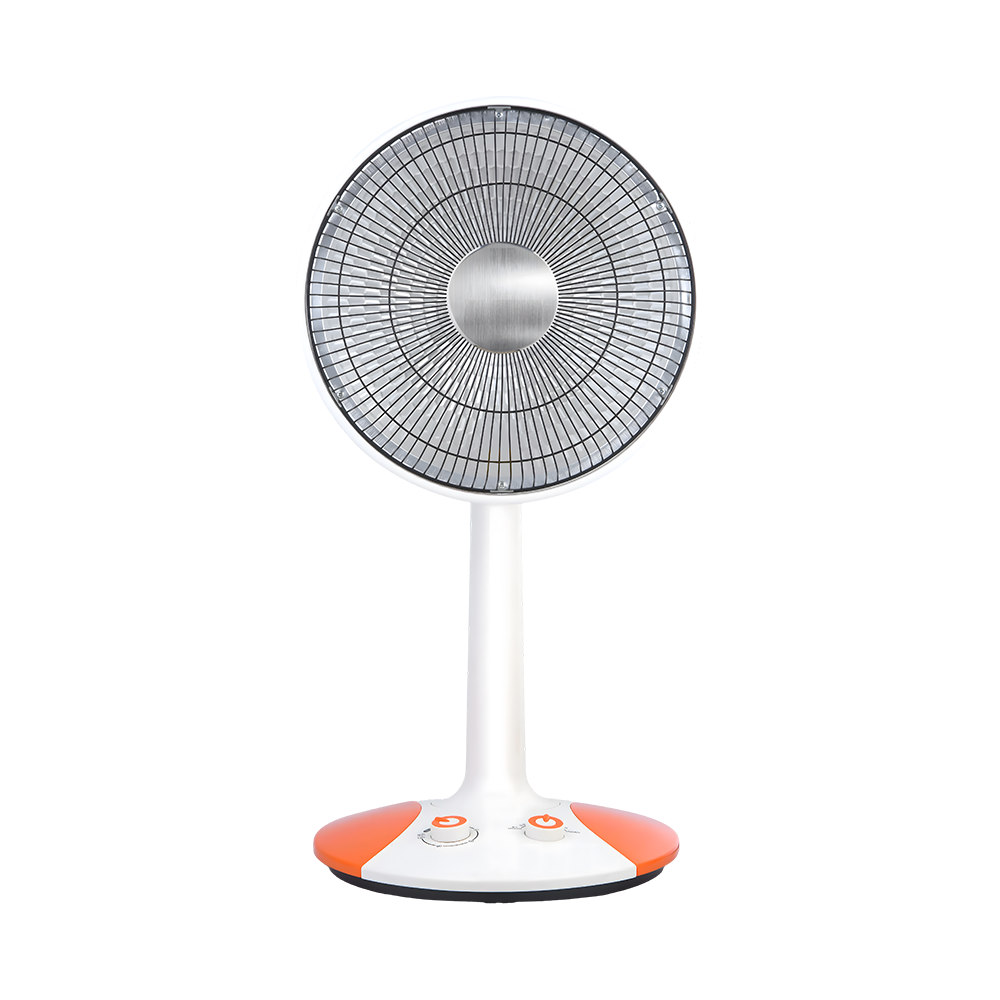
Fan-forced models generate the most noise complaints. In our factory running tests, every fan heater is powered at rated voltage and listened to before packing, and the number one cause of failure in that test is dust. A PTC fan heater runs its blower at roughly 1,100 to 1,400 revolutions per minute during normal use. At that speed, even 0.5 millimetre of dust on one blade changes the balance enough to produce a low-frequency wobble and a rattle. If you own a wall-mounted PTC fan heater or any similar fan-forced module, the following steps apply.
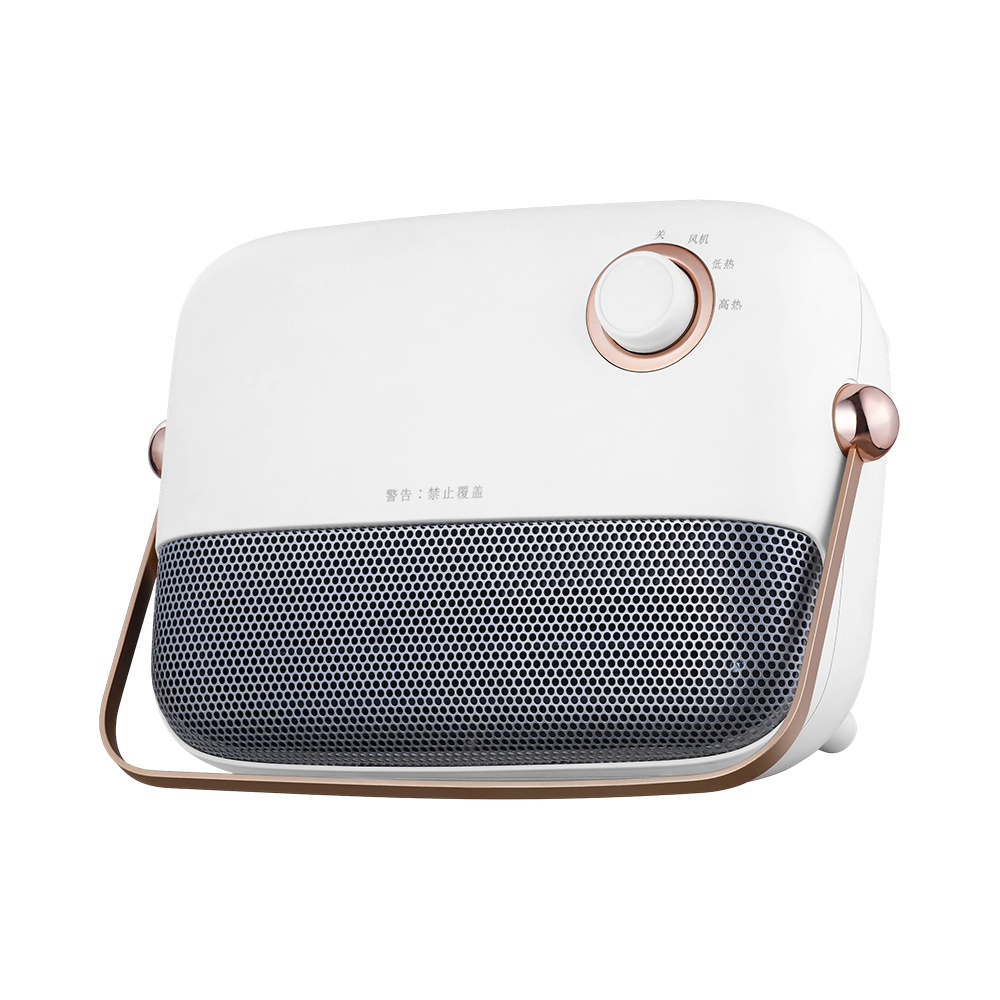 Wholesale PTC Mechanical Fan Heater Manufacturers, OEM/ODM Factory - Ningbo BaoNingbo Baopeng Electric Appliance Co., Ltd is China PTC Mechanical Fan Heater manufacturers and OEM/ODM factory, We specialize in custom...View Product →
If the noise moves to the motor itself, the usual cause is a worn sleeve bearing. In our after-sales data, fan heaters returned for noise almost always show one of two marks: a blade rubbing line on the housing, or a rough spot on the motor shaft. Both are repairable, but reaching them requires opening the motor housing, which is the right point for a non-technical user to contact the manufacturer instead of continuing disassembly.
If you have checked the fan and the noise persists, the next question is design. Electric heaters differ a lot in acoustics. Fan-forced units heat a room quickly, but they move air, and moving air is audible. Radiant and convection units do not move air, so their only noise is thermal ticking. This matters when you are buying for a bedroom, a study, or an open-plan office.
| Heater Design | Noise Behavior | Best Setting |
|---|---|---|
| PTC ceramic fan heater | 40 to 55 dB, air noise plus motor hum | Living areas that need fast heating |
| Heating-wire fan heater | Similar fan noise, slightly lower airflow | Workshops and larger rooms |
| Graphene baseboard heater | No fan; occasional thermal tick only | Bedrooms and studies |
| Carbon-fiber or carbon-tube radiant heater | No fan and no airflow noise | Small bedrooms and bedside use |
| Quartz-tube heater | No fan, minimal noise | Desks and compact spaces |
| 3D flame fireplace heater | Small fan for the flame effect, low hum | Decorative living spaces |
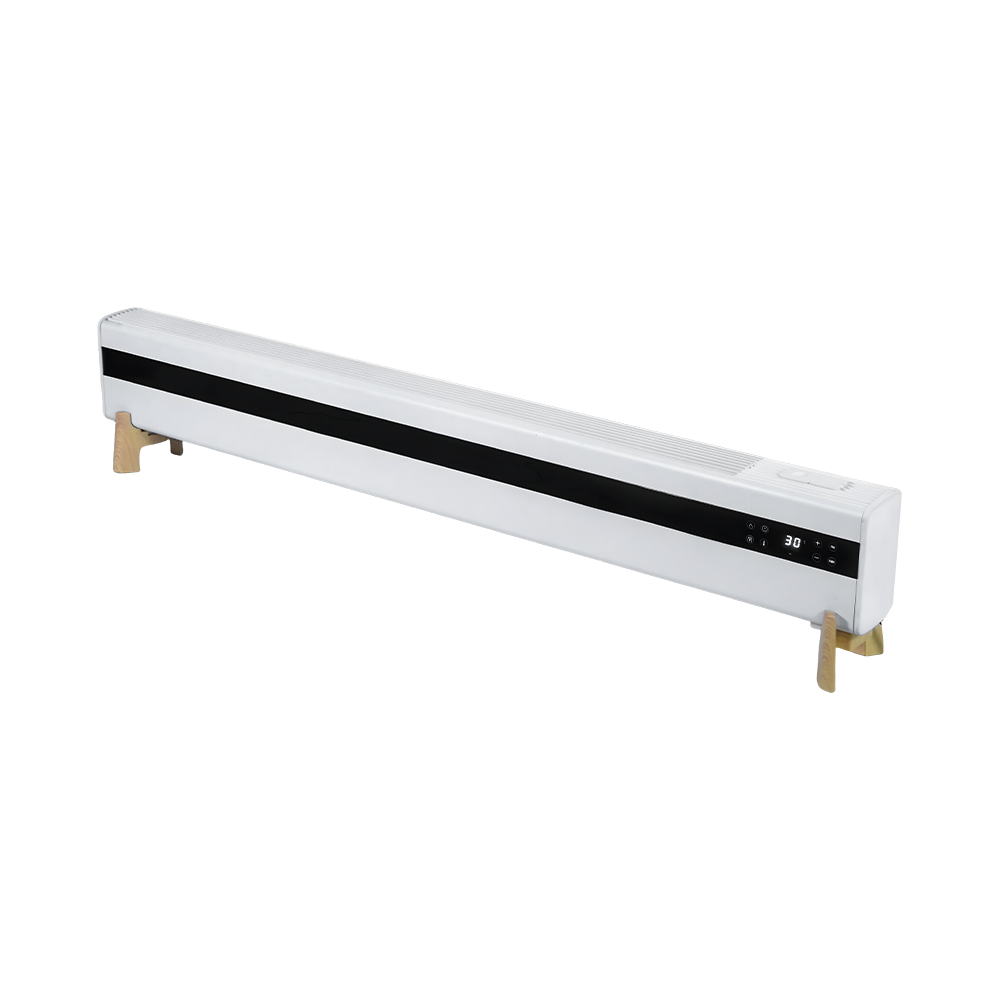
The two designs with no blower are the best starting point for a quiet room. Our 2200 W graphene baseboard heater works by natural convection: cold air enters at the bottom, passes over the graphene-coated fins, and rises without any fan. The only audible event is the occasional tick of the aluminum fins expanding, exactly the sound described earlier.
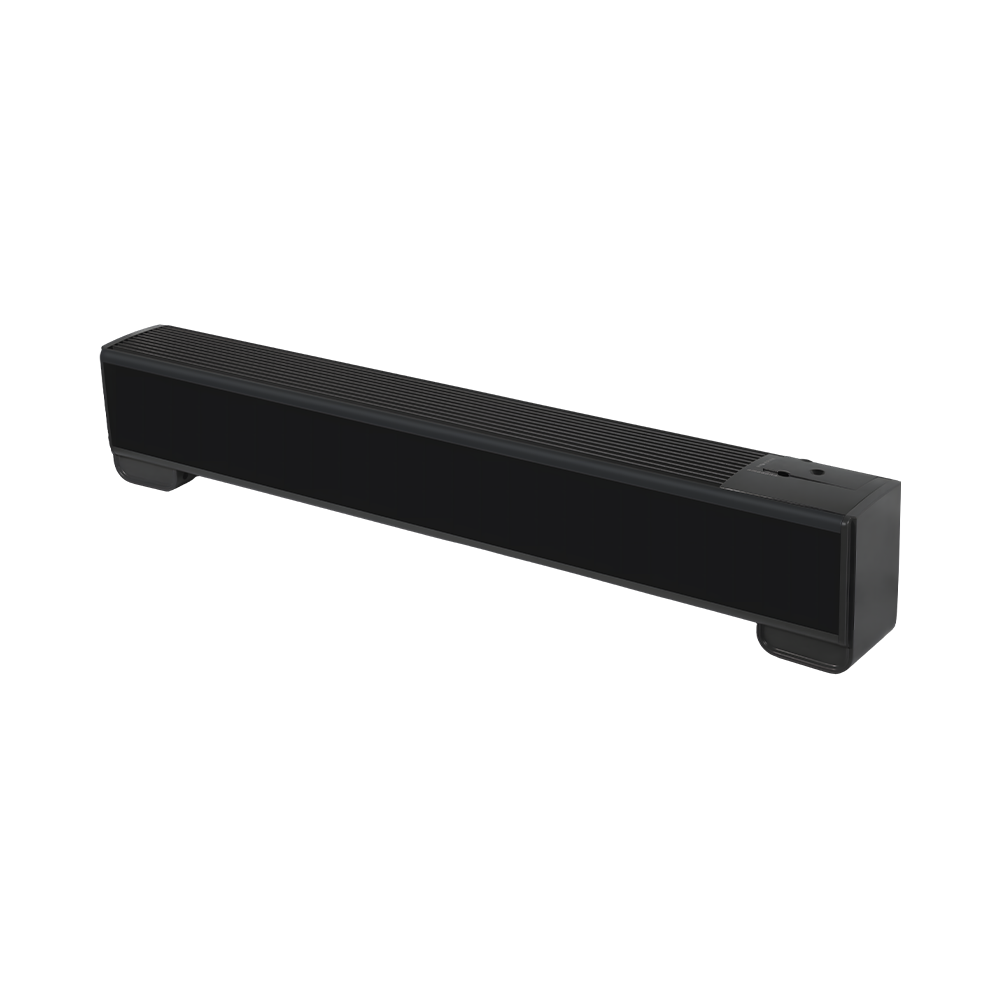 Wholesale 2200W Graphene Baseboard Heater Manufacturers, OEM/ODM Factory - NingbNingbo Baopeng Electric Appliance Co., Ltd is China 2200W Graphene Baseboard Heater manufacturers and OEM/ODM factory, We specialize in c...View Product →
For small spaces, radiant designs are quieter still. A carbon-fiber tube mini heater transfers heat mostly by radiation and keeps surface temperatures moderate, which makes it a sensible bedside choice. With no blower inside, there is no fan part that can wear out and start humming later.
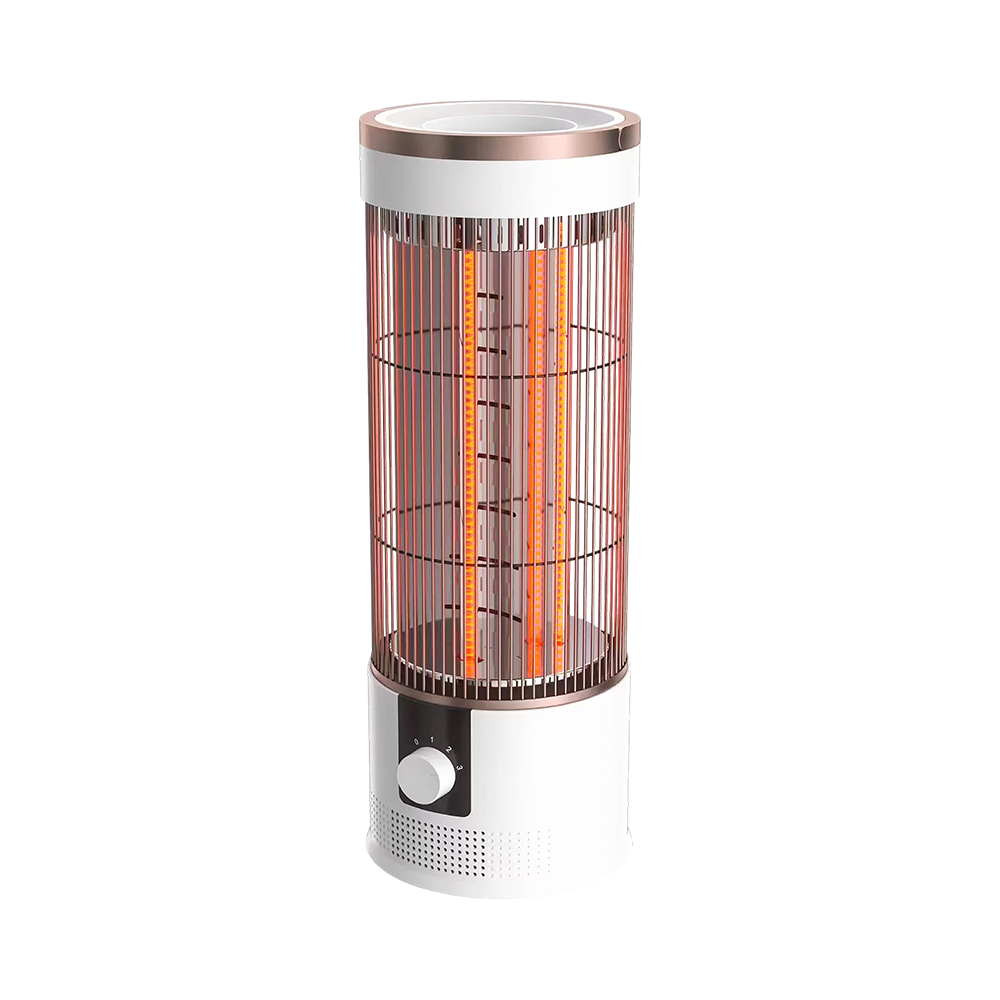 Wholesale Carbon Fiber Tube Heater Manufacturers, OEM/ODM Factory - Ningbo BaopeNingbo Baopeng Electric Appliance Co., Ltd is China Carbon Fiber Tube Heater manufacturers and OEM/ODM factory, We specialize in custom a...View Product →
If you want to compare noise-related design differences across a full range, the electric heater catalog (PDF) lists fan-forced and no-fan models side by side with their control types and construction details.
You do not need to understand internal wiring to make a safe decision. Use the combination of sound plus one other signal. This is the list we give to our after-sales team, and it applies whether you are a homeowner or an importer evaluating product quality.
Any one of those five requires the same action: switch off at the wall socket, unplug, and wait for the heater to cool completely. Do not open the heater while it is still connected, and never run a fan-forced model with the grille removed for more than a minute, because the element gets hot enough to cause a burn.
We can be direct about this because we test for it. Every heater that leaves our production line is powered at rated voltage and checked for abnormal sound before packaging. A unit showing any of the five signals above would never be packed. If yours shows them, the fault developed during use, and it is usually still repairable when caught early.
Most noise faults in electric heaters are preventable, and the prevention list is short. Do these four things once a month during the heating season, and the chance of a noise complaint drops almost to zero.
Off-season storage matters as much as in-season cleaning. Clean and dry the heater, coil the power cord loosely, and store it in a cardboard box or fabric bag so dust cannot settle on the blower. When you bring it out next season, run it for 15 minutes at full power in a ventilated room. This seats the components and reveals any packaging damage before you depend on the heater on a cold night.
A noisy heater is rarely a mystery. After matching your sound against the two tables and running the six-step fan check, you will have either fixed the problem or identified which component needs attention. If you are still unsure, or if you are evaluating electric heaters as a wholesale buyer, we can help you read the symptoms.
Baopeng has manufactured electric heaters and seasonal appliances since 2002, with a 17,000-square-metre production facility and a team of more than 200 people. Every unit we ship is powered and checked for abnormal noise before packing. You can review general guidance on our heater FAQ page, or go directly to our engineering team with the model number and a short video of the sound. In most cases, we can tell you whether the fault is in the blower, the motor, or the control module before you open a single screw.
The ten-second version: most heater noise is dust, a loose screw, or an expansion tick. A smaller group of sounds means stop, unplug, and let a trained eye look at it. Knowing which group you are in is enough to keep your room warm and your heater working for years.
Don't hesitate to contact when you need us!
For any questions and feedback from customers, we will reply patiently and meticulously.

The product has obtained multiple domestic and international certifications, including 3C, CE, ROHS, CB, and the ISO9001 quality management system.
CONTACT US
Address: No. 118, Guyao Highway, Zhangqi Town, Cixi City, Zhejiang Province, China
Wechat: +86-15921162693
Email: [email protected]
Mobile



 English
 Español
 عربى
عربى