
Aug 17, 2026
Content
In an 800-square-foot apartment with drafty windows, the thermostat in the hallway decides the temperature of rooms you barely use, and the monthly heating bill feels out of proportion. A space heater solves that problem better than any other appliance in a rental, and the answer to the question most renters ask first is a direct yes: heating the room you occupy with a space heater is cheaper than warming the entire apartment through the central thermostat. How much cheaper, and which heater type is right, depends on wattage, electricity rates, room size, and safety features. This guide gives you the exact numbers, the sizing formula, and the model categories worth considering for apartment living in 2026.
Start with the number printed on the nameplate. Most space heaters sold for apartment use operate at 750W, 1,000W, 1,300W, or 1,500W. A 1,500W heater consumes 1.5 kilowatt-hours (kWh) for every hour it runs at full power. At the average U.S. residential electricity rate of approximately 16.5 cents per kWh (U.S. Energy Information Administration data, mid-2026), that equals roughly 25 cents per hour.
| Heater wattage | Hours per day | Cost per day | Cost per 30-day month |
|---|---|---|---|
| 750 W | 8 | $0.99 | $29.70 |
| 1,000 W | 8 | $1.32 | $39.60 |
| 1,300 W | 8 | $1.72 | $51.60 |
| 1,500 W | 8 | $1.98 | $59.40 |
| 1,500 W | 12 | $2.97 | $89.10 |
Running a 1,500W heater from 10 p.m. to 6 a.m. in the bedroom adds about $59 per month at the national average rate. The thermostat is the real cost lever: a heater with an accurate thermostat cycles off once the room reaches the set-point, so the element may only fire 35-50% of the time in a well-insulated 120 sq ft bedroom. That cuts the real monthly cost to roughly $25-$40 in practical use.
Two notes for renters in specific markets: electricity prices vary significantly by state, from around 11 cents per kWh to over 30 cents, so the same heater can cost $40 against the low rate, or $110 against the high rate, each month. And because resistive heating converts essentially all electricity into heat, there is no meaningful "high-efficiency" difference between element types; the efficiency difference comes from the thermostat, the fan, and how evenly the heat is distributed.
Zone heating is almost always cheaper in a multi-room apartment. A central system conditions the entire floor plan, including every bedroom, the hallway, and the bathroom, even rooms that stay empty all day. A 1,500W space heater concentrates its heat in the one room where you actually sit, sleep, or work.
The U.S. Department of Energy thermostat guidance provides a useful reference: setting the thermostat back 7-10°F for 8 hours a day can save as much as 10% per year on heating and cooling. In an electric-heated apartment, keeping the central thermostat at 60°F overnight while a 1,500W heater warms the bedroom to 70°F costs less than holding the whole apartment at 70°F around the clock, because the central system does not need to heat space you are not using.
There is one important caveat: apartments with heat pumps should avoid aggressive thermostat setbacks. When a heat pump is set back too far at night, the backup electric resistance strips can switch on during recovery, and those strips cost significantly more per BTU than the heat pump. Keep the heat pump set-point steady and use the space heater only for the specific room that needs additional warmth.
The size of the apartment changes the arithmetic. In a 350 sq ft studio, "whole apartment" and "one room" are nearly the same, so the space heater advantage shrinks to a few dollars per month. In a two-bedroom unit, the gap widens considerably because you stop paying to keep the unused bedroom and hallway at daytime comfort temperatures.
Use the 10 watts per square foot rule for standard 8-foot ceilings. That is the fastest way to size a space heater: a 150 sq ft bedroom needs about 1,500W; a 200 sq ft bedroom needs about 2,000W; a 100 sq ft office or nursery needs about 1,000W.
| Room size | Recommended wattage | Typical apartment room |
|---|---|---|
| 75-100 sq ft | 700-1,000 W | Small bedroom, home office, bathroom |
| 100-150 sq ft | 1,000-1,500 W | Standard bedroom, study |
| 150-220 sq ft | 1,500-2,200 W | Master bedroom, small living room, studio |
| 220-300 sq ft | 2,200 W or two 1,500 W units | Large living room, open-plan loft |
For 9-to-10-foot ceilings, add 10-15% to the wattage recommendation. Loft apartments with 12-foot ceilings are the most common miss: a renter buys a 1,500W heater for a 250 sq ft open space, the unit runs continuously, and the room still feels cool. The heater is not faulty, it is undersized for the air volume.
Electrical circuit reality matters more than most people think. On a standard North American 120V/15A outlet, the breaker allows 1,800W maximum, and the safe continuous load is 80% of that, or 1,440W. A 1,500W heater draws 12.5A. It will run on a 15A circuit, but nothing else on that circuit should be in use at the same time. A 2,000W unit, by contrast, needs a 220-240V supply or a dedicated circuit; on a 120V/15A circuit it will trip the breaker. In Europe, Asia, and other 230V regions, 2,000W is a standard apartment plug-in load and draws about 8.7A.
Baseboard and convection heaters suit silent overnight use; PTC ceramic fan heaters suit fast warm-up; wall-mounted models suit tight floor plans; oil-filled radiators suit renters who want silent, residual heat and are willing to wait for it. Here is how the main categories compare in apartment conditions.
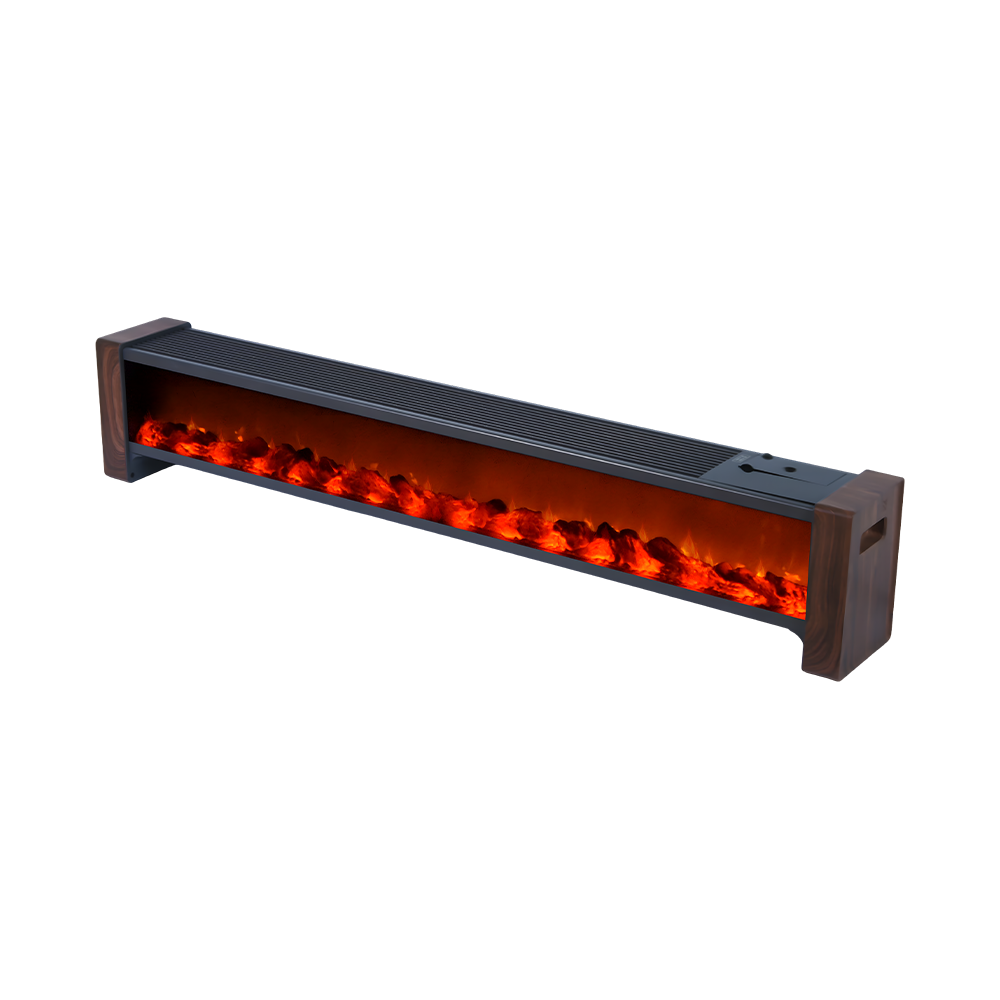
Baseboard and convection heaters pull cool air along the floor, pass it across a heating element, and release it as a gentle rising airflow. There is no fan, so they are close to silent, and the lack of forced air means dust is not blown around the room. The surface temperature on a well-designed unit stays moderate, which matters in an apartment where a child or pet might touch the housing.
Graphene elements are increasingly common in this category because graphene's thermal conductivity, around 5,000 watts per meter-kelvin, allows heat to transfer from the element to the fins faster than conventional resistance wire. The practical result is quicker warm-up and more even panel temperatures. The 2200W graphene baseboard heater is a good example: it covers roughly 200-220 sq ft, runs quietly, and some versions add a laundry rack or humidifier, which is genuinely useful in a small rental unit. For a broader view of available models and specifications, browse the complete heater catalog in PDF form.
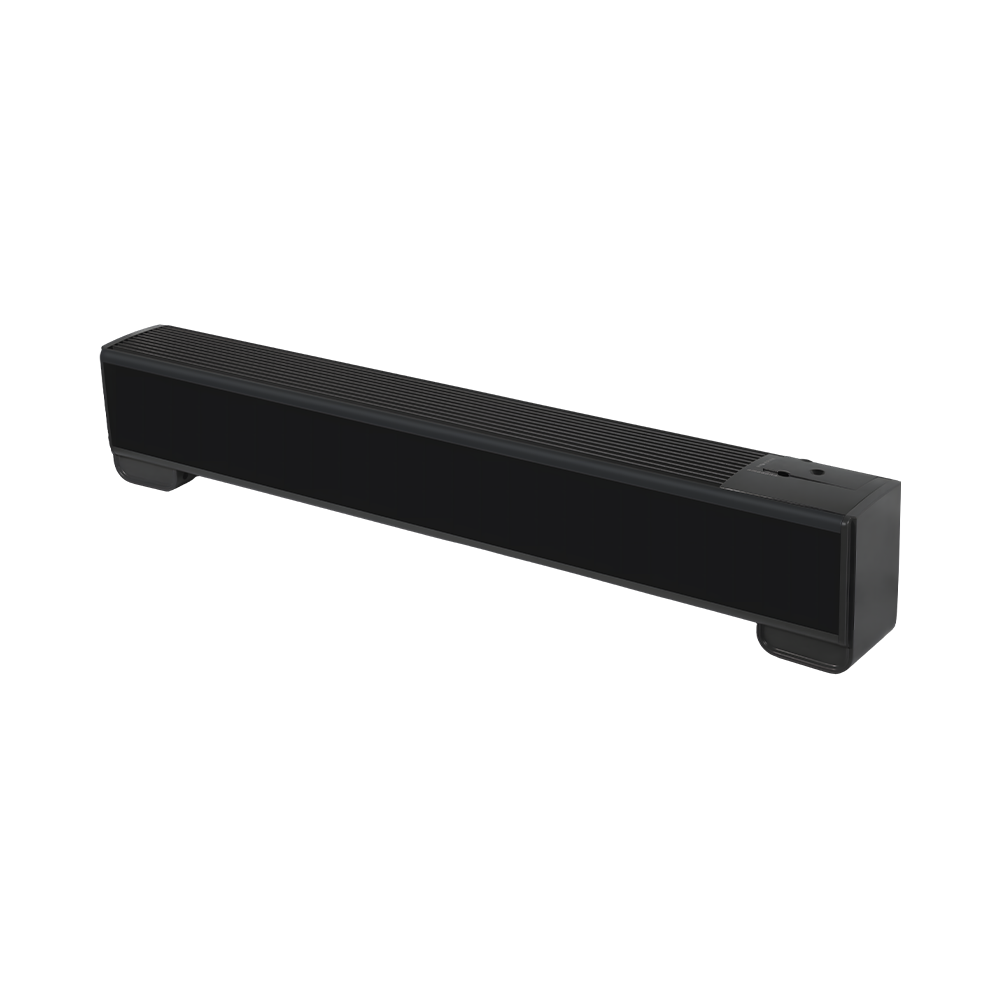 Wholesale 2200W Graphene Baseboard Heater Manufacturers, OEM/ODM Factory - NingbNingbo Baopeng Electric Appliance Co., Ltd is China 2200W Graphene Baseboard Heater manufacturers and OEM/ODM factory, We specialize in c...View Product →
PTC (Positive Temperature Coefficient) ceramic elements self-regulate: as the element heats up, its electrical resistance rises, which naturally limits power draw and surface temperature. A fan pushes air over the ceramic block, so these heaters reach comfortable warmth in 5-10 minutes in a small bedroom. The trade-off is fan noise, which is a consideration for light sleepers.
For apartment use, look for a PTC unit with a mechanical or remote control that lets you select an eco or low-heat setting, not just a full-power switch. The 2000W PTC ceramic heater is a sensible fit for a living room or master bedroom where you want heat on demand and the room is 150-220 sq ft.
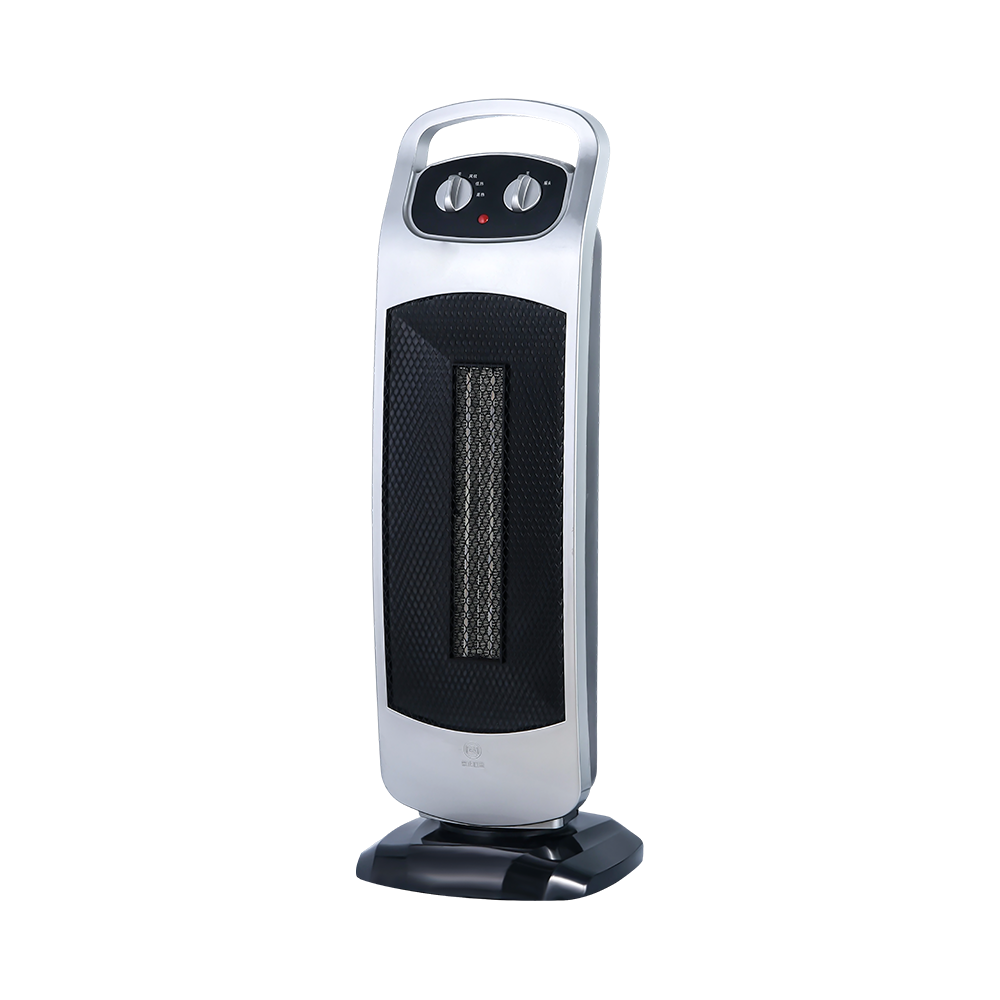 Wholesale 2000W PTC Ceramic Heater Manufacturers, OEM/ODM Factory - Ningbo BaopeNingbo Baopeng Electric Appliance Co., Ltd is China 2000W PTC Ceramic Heater manufacturers and OEM/ODM factory, We specialize in custom a...View Product →
Floor space is the scarcest resource in a studio or micro-apartment. A wall-mounted PTC fan heater removes the appliance from the floor entirely: it sits above the walking zone, clears the path for cleaning and furniture placement, and its airflow pattern keeps the floor area warmer than a low-level unit. This category also removes the tip-over risk completely, which is a genuine safety advantage.
The wall-mounted PTC fan heater works well in bathrooms, entryways, and compact bedrooms where space is tight and the heater must be out of the way.
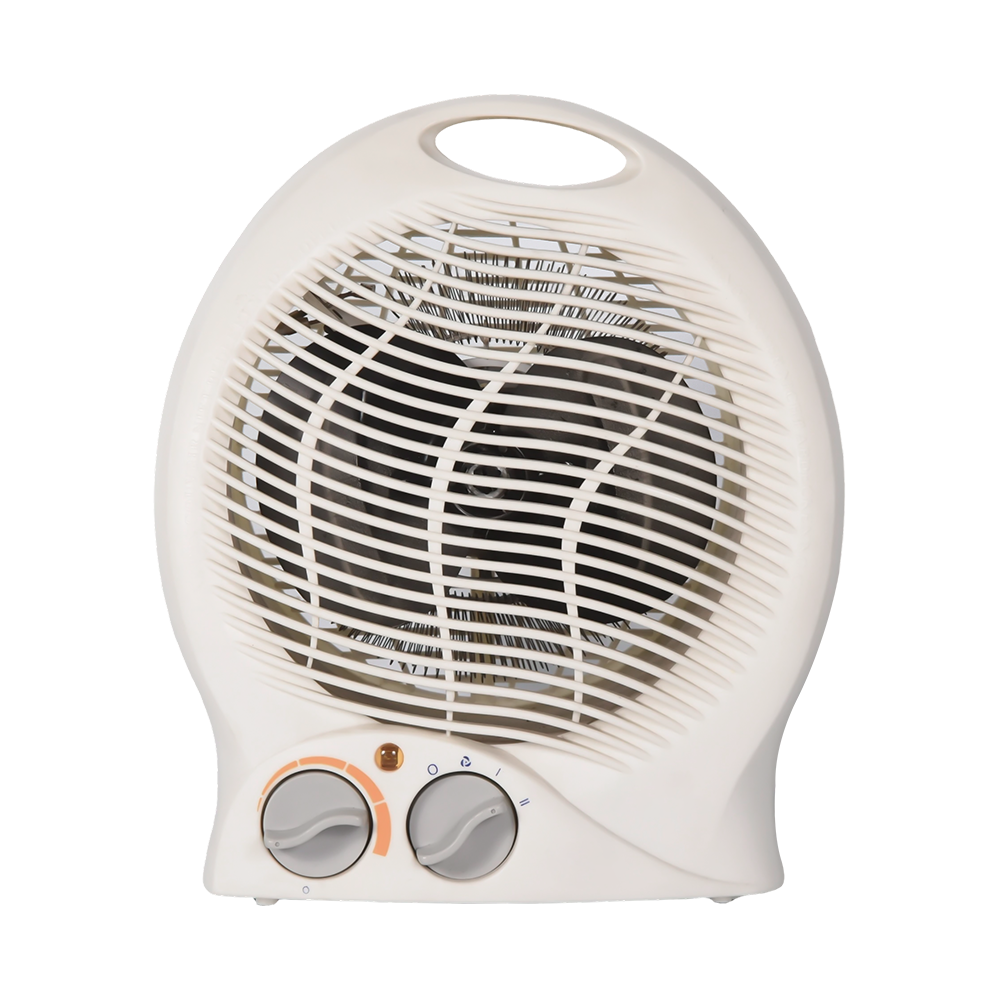
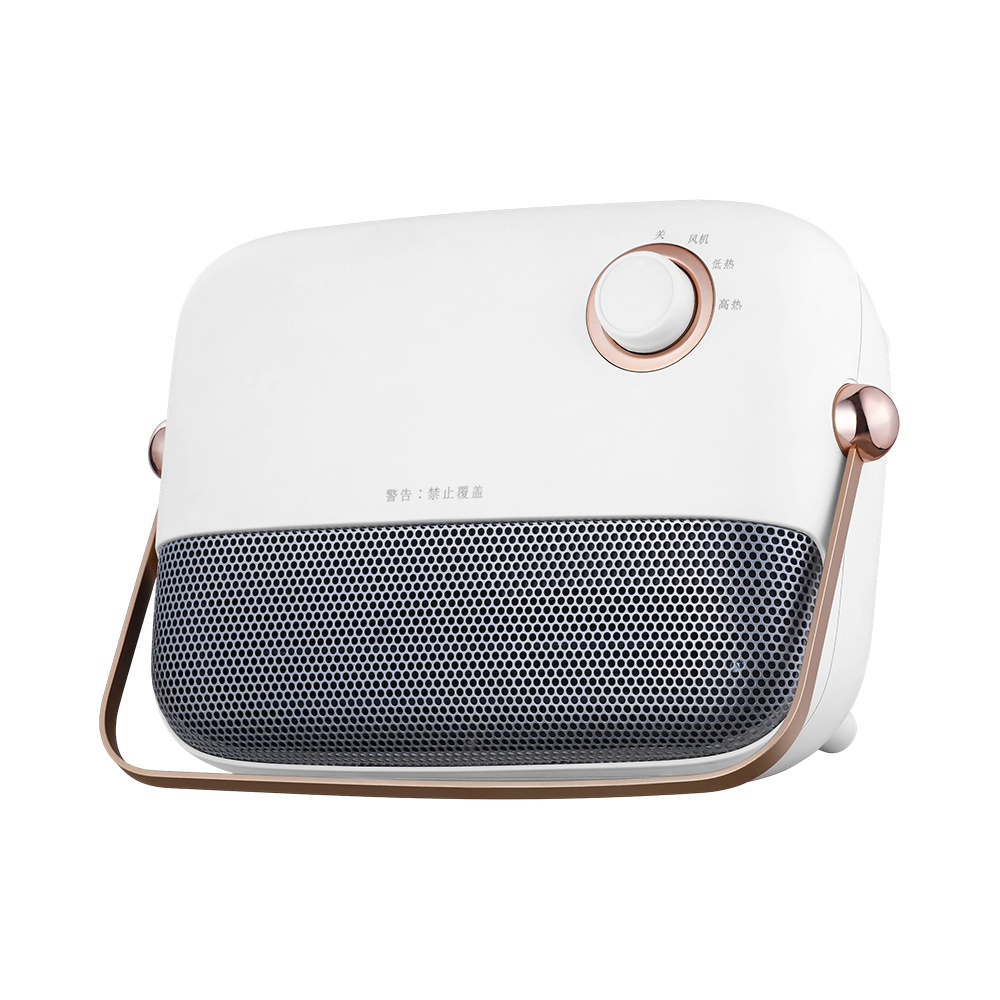 Wholesale PTC Mechanical Fan Heater Manufacturers, OEM/ODM Factory - Ningbo BaoNingbo Baopeng Electric Appliance Co., Ltd is China PTC Mechanical Fan Heater manufacturers and OEM/ODM factory, We specialize in custom...View Product →
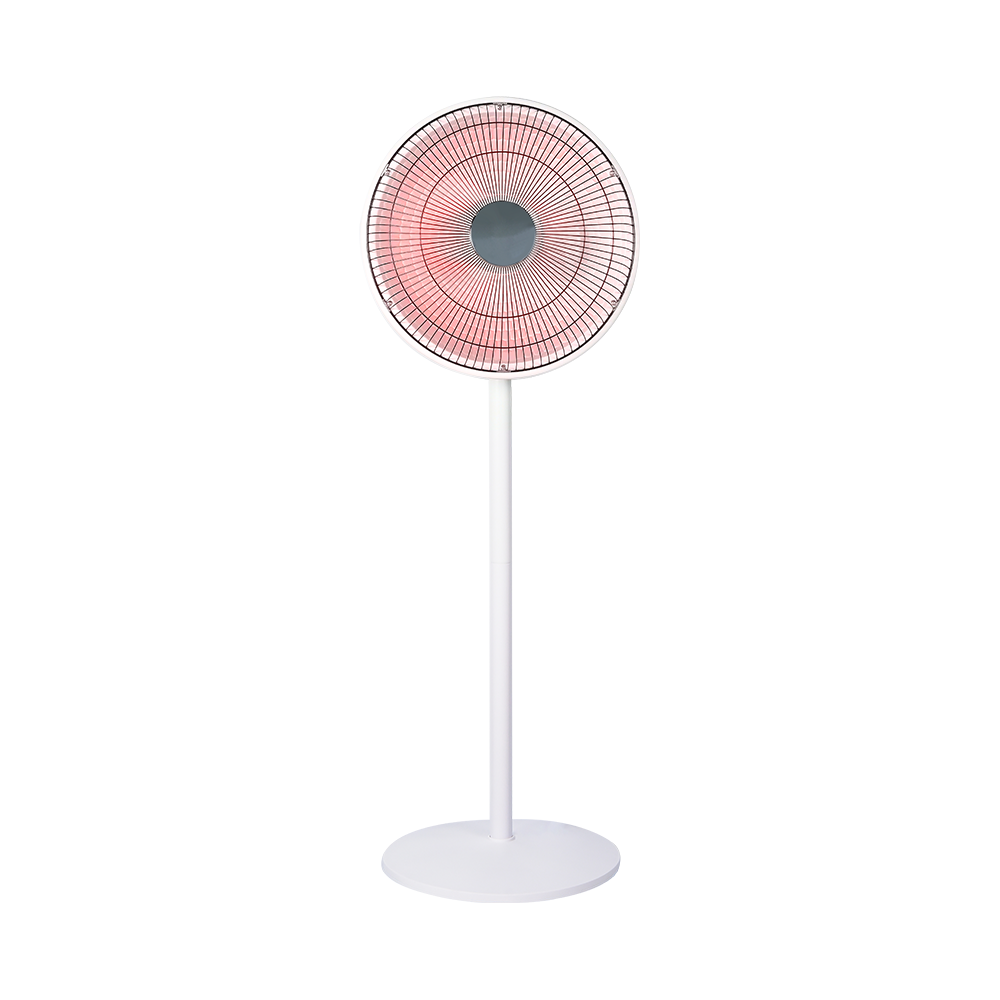
Oil-filled radiators heat a sealed column of oil and produce no fan noise; they continue to radiate heat for a while after shutdown. Their apartment drawbacks are weight, since moving them between rooms is a chore, and a slow warm-up time. Infrared and far-infrared heaters deliver directional radiant warmth that feels immediate, but they warm the air less evenly and work best aimed at a person or a single desk area. For most renters, baseboard and PTC categories cover day-to-day needs; oil-filled and infrared units exist for specific preferences rather than general apartment use.
The safe apartment heater is the one with tip-over shutoff, overheat protection, and a cool-touch housing. Those three features cover the majority of real-world incidents. Placement rules matter just as much as the hardware.
Apartment-specific issue: older buildings often share one 15A circuit across two rooms. If the heater runs, the overhead light dims, or the breaker trips, the circuit is overloaded. Move the heater to a different outlet rather than repeatedly resetting the breaker with the heater still connected.
A resistive heater converts almost all incoming electricity into heat, so the real efficiency opportunity is not in the element; it is in how often and how long the element stays off. Features that shorten element on-time are the only ones that lower the bill.
Graphene appears on many new heater spec sheets. Its thermal conductivity is about 5,000 watts per meter-kelvin, far above conventional heating wire. The practical benefit is faster heat transfer from the element to the fin surface, which shortens the time the surface takes to reach operating temperature and improves how evenly the casing warms. It does not change the 1,500W-in-to-heat-out physics, but it does make the heater respond more quickly to thermostat changes.
Importers, retailers, and brands planning a private-label space heater program evaluate quality differently from a consumer picking a single unit off a shelf. As a manufacturer that has built seasonal electric heating products since 2002, we see the same four bottlenecks in most new projects: element consistency, control accuracy, safety shutoff design, and cosmetic assembly quality.
Baopeng's production setup combines in-house mold development, product R&D, sheet-metal forming, and assembly under one roof at a 17,000 square meter facility with more than 200 staff. That integration means the engineering and production teams work from the same drawings. If you are evaluating a new supplier, our factory background and facility history explains the company's structure and capabilities in detail.
For a private-label project, the questions that actually decide a program are: which models already have tooling in place, what is the minimum order quantity, what is the lead time for a 20-foot container, and how are thermostats and heating elements sourced. A factory that controls mold development controls product quality, and a heater with a well-designed safety chain is worth a slightly higher unit cost.
Yes in most apartments, because you are heating a smaller volume. A 1,500W heater at 16.5 cents per kWh running 8 hours costs about $1.98 per day. Raising the central thermostat for the whole apartment conditions additional rooms and hallways, so the central option typically costs more. In a small studio the difference is small; in a two-bedroom unit it is substantial.
Apply the 10 watts per square foot rule: about 2,000W for 200 sq ft. A 1,500W unit will still warm the room but will run for longer periods and may hold a lower steady temperature on the coldest nights. If the outlet is a standard 120V/15A circuit, a 1,500W unit plus a small secondary heater on a different circuit is safer than trying to draw 2,000W from one outlet.
Yes, if the heater has an automatic tip-over shutoff, overheat protection, and a thermostat that prevents the room from overheating. Set it to the lowest comfortable level, keep it at least 3 feet away from bedding and curtains, and close the door only if the room has enough air circulation. Avoid leaving older resistance-wire fan heaters running all night at full power.
The calculation is direct: multiply the wattage by the running hours, divide by 1,000, and multiply by the rate per kWh. A 1,500W heater for 8 hours for 30 days at 16.5 cents per kWh equals 360 kWh, or about $59. A 750W eco mode cuts that to roughly $30. If the bill jumps far more than the estimate, the heater is running more hours than expected, the rate is higher than average, or the room is so poorly insulated that the heater almost never cycles off.
Not on a North American 120V/15A outlet. A 2,000W heater draws about 16.7A, which exceeds the 15A breaker rating. These units are designed for 220-240V circuits or dedicated wiring. In Europe, Asia, and other 230V regions, a 2,000W heater draws only about 8.7A and plugs into a standard outlet without issue.
For most renters, the best choice is a baseboard/convection unit for silent overnight heat, a PTC ceramic fan heater for fast warm-up, or a wall-mounted model when floor space is tight. All three should have thermostat control, overheat protection, and a cool-touch exterior. Matching wattage to room size matters more than the specific brand or price point.
An apartment space heater earns its place when it is used as a zone-heating tool: choose the correct wattage for the room (about 10 W per sq ft), select a model with a thermostat that genuinely switches off, and follow the placement rules. The predictable numbers are roughly 25 cents per hour for a 1,500W unit and $50-$60 per month for nightly bedroom heating at average U.S. rates. Match the heater type to the room's purpose, baseboard for quiet nights, PTC ceramic for quick heat, wall-mounted for small floors, and check the circuit before plugging anything in.
Whether you are a renter choosing a single unit or a business representative evaluating a heater line for distribution, the same engineering criteria apply: element consistency, control accuracy, and a safety chain that holds up in real use. For detailed specifications, lead times, and model availability, contact the Baopeng sales team or request the current product list. The right heater is the one that keeps the room warm, the bill predictable, and the safety margin wide.
Don't hesitate to contact when you need us!
For any questions and feedback from customers, we will reply patiently and meticulously.

The product has obtained multiple domestic and international certifications, including 3C, CE, ROHS, CB, and the ISO9001 quality management system.
CONTACT US
Address: No. 118, Guyao Highway, Zhangqi Town, Cixi City, Zhejiang Province, China
Wechat: +86-15921162693
Email: [email protected]
Mobile



 English
 Español
 عربى
عربى